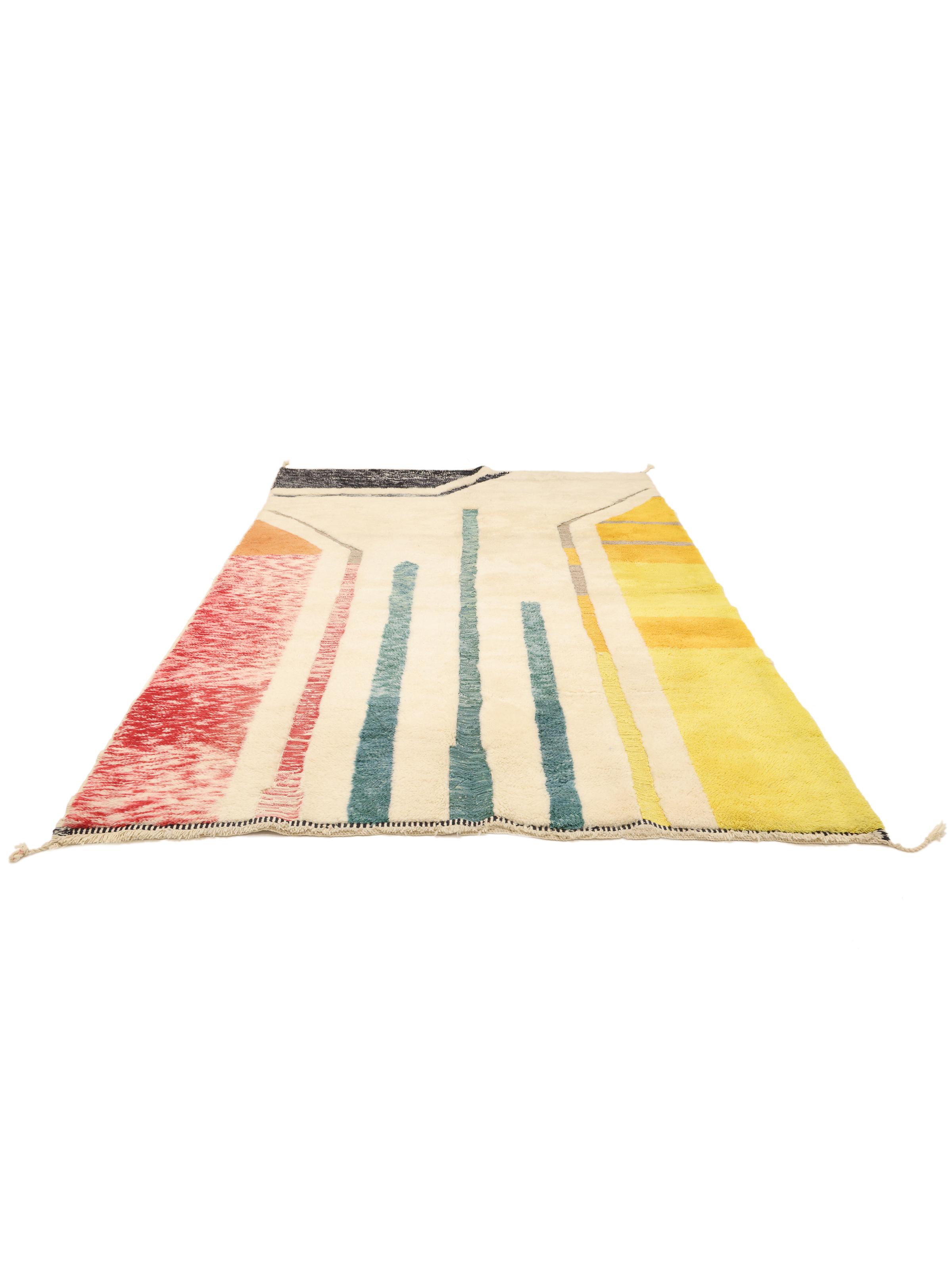
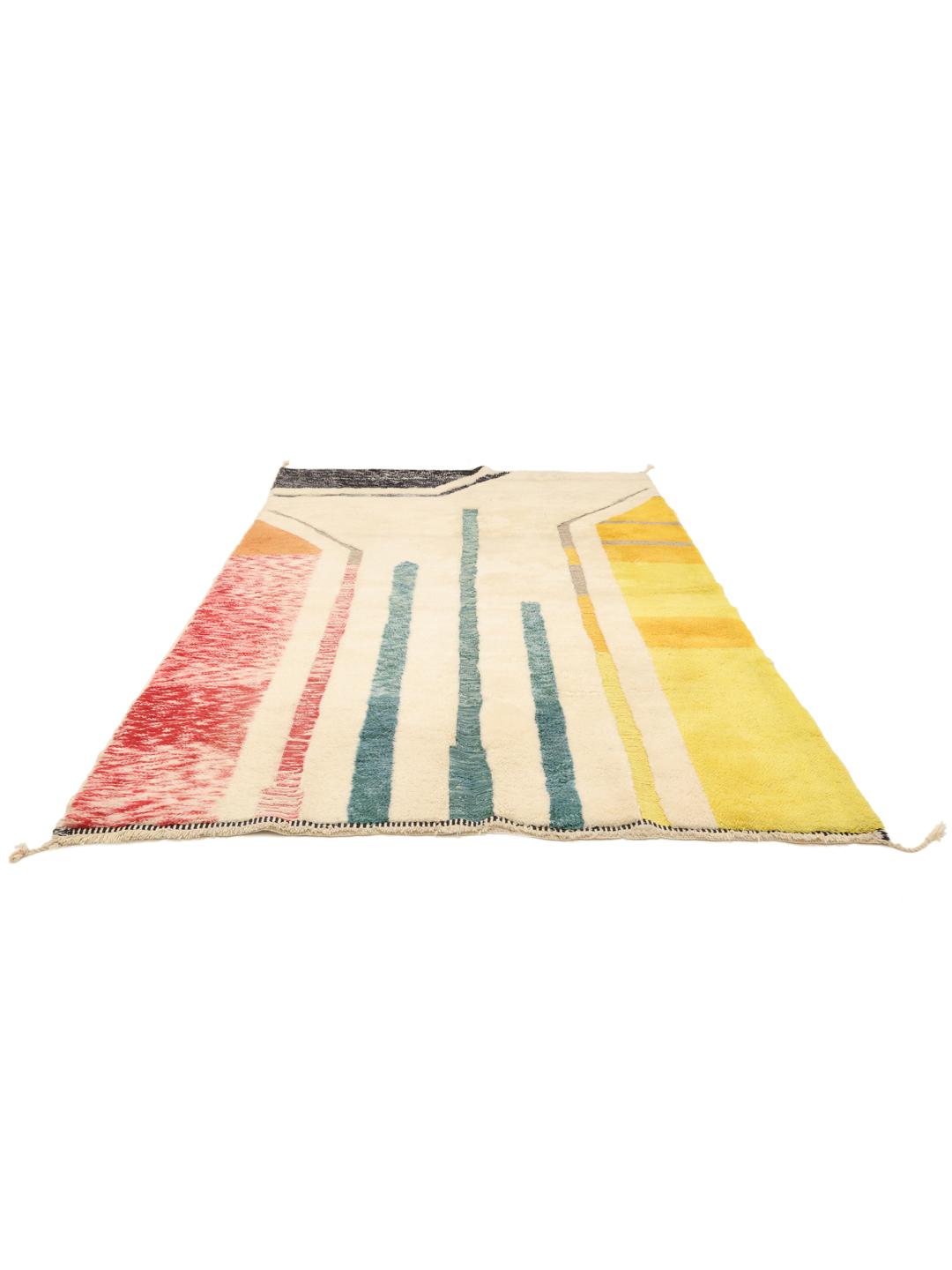
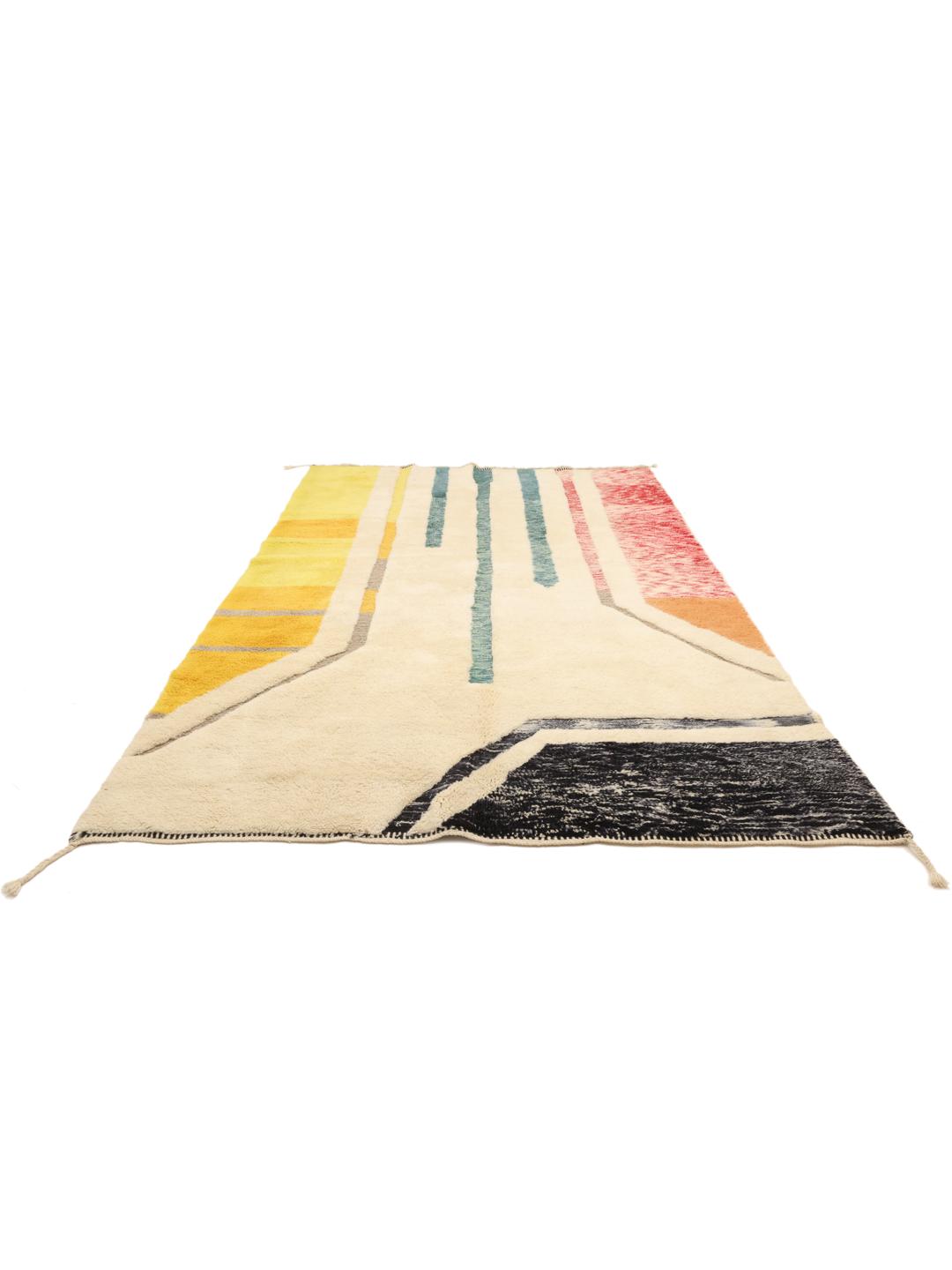
The Berber rugs of Morocco originate from the high reaches of the Atlas Mountains, where the indigenous Berber tribes have woven textiles for centuries. These rugs were traditionally crafted not just as floor coverings, but as essential household items designed to provide warmth against the harsh mountain climate, often serving as bedding or blankets for the nomadic families.
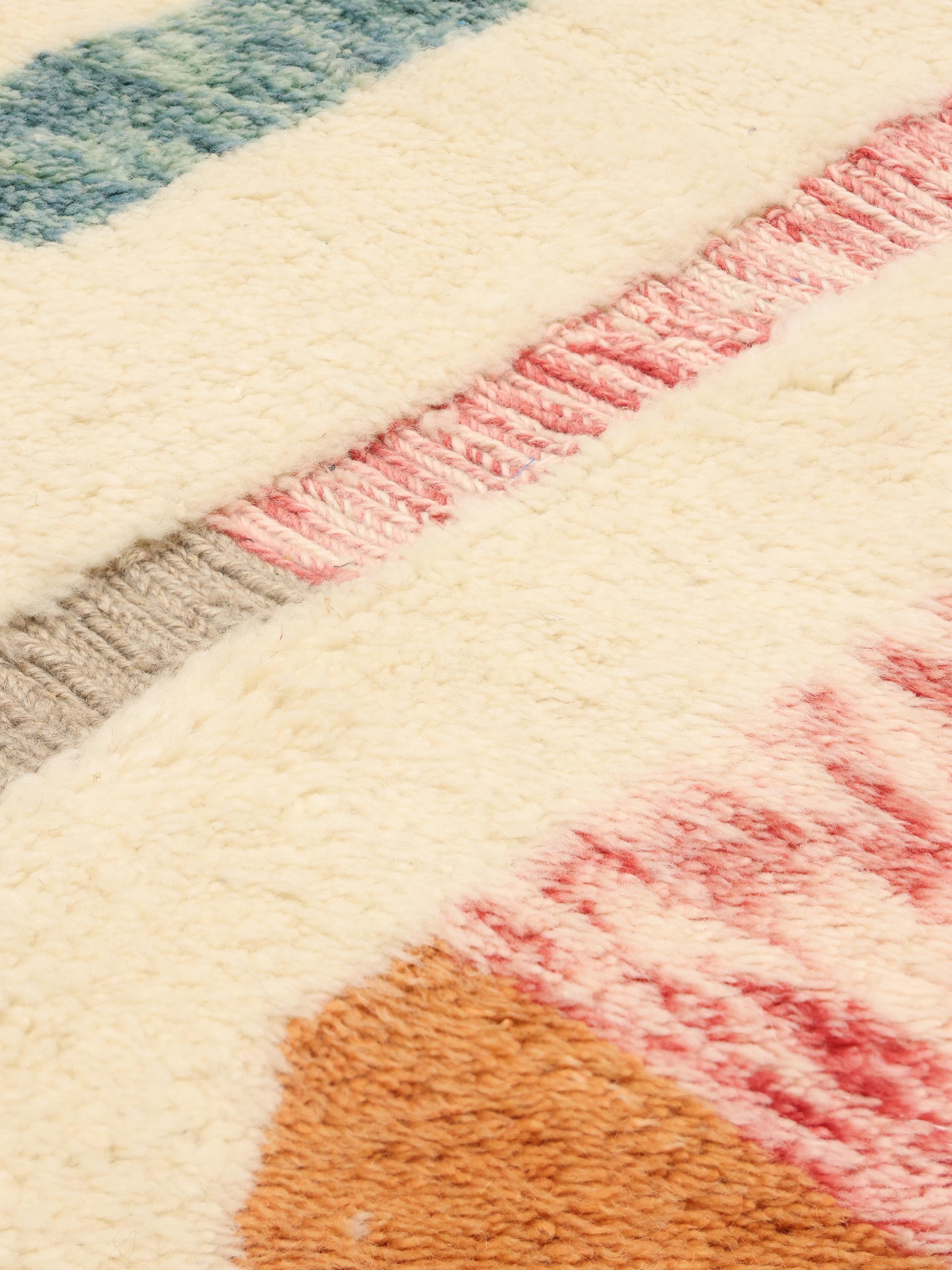
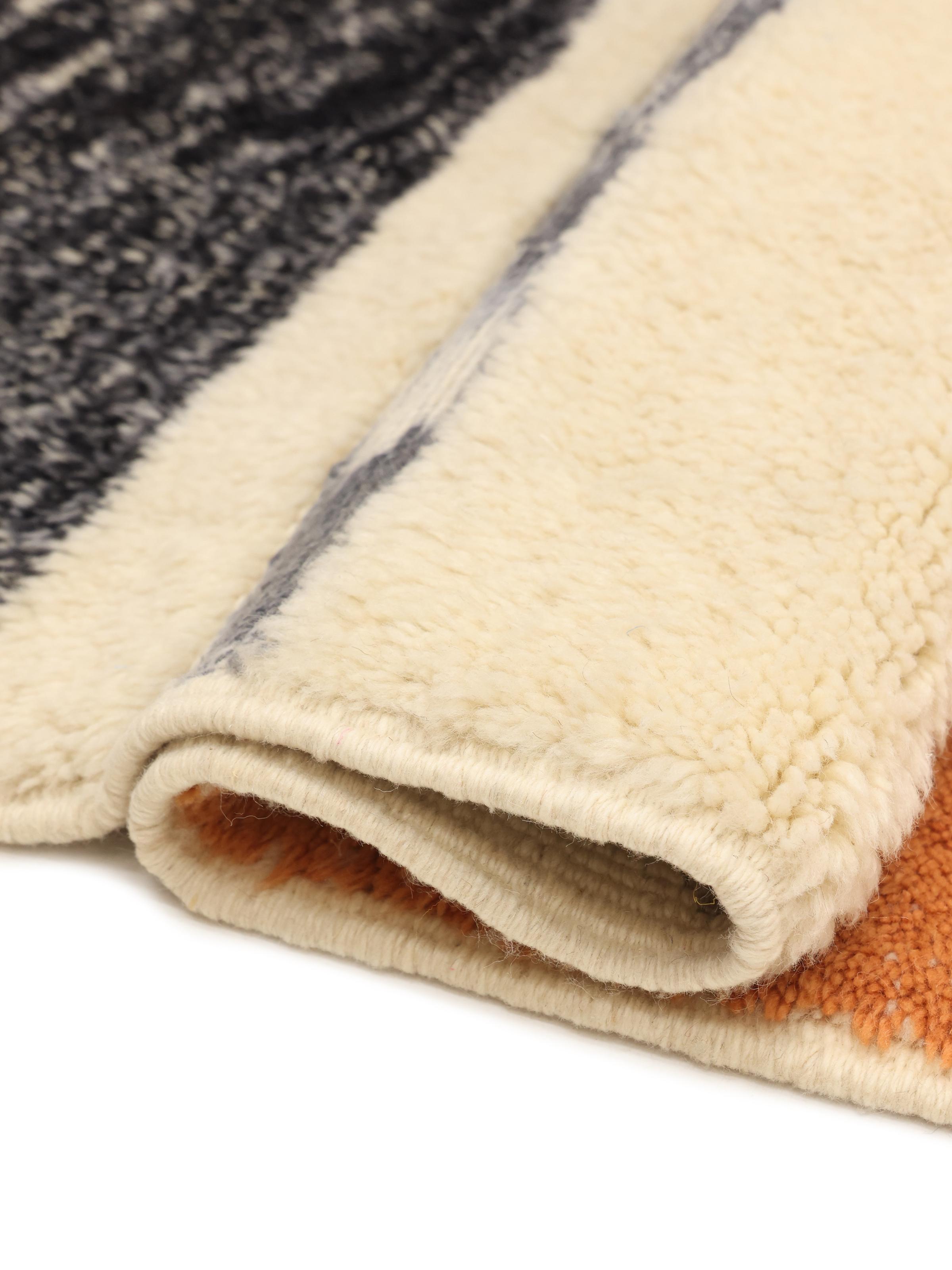
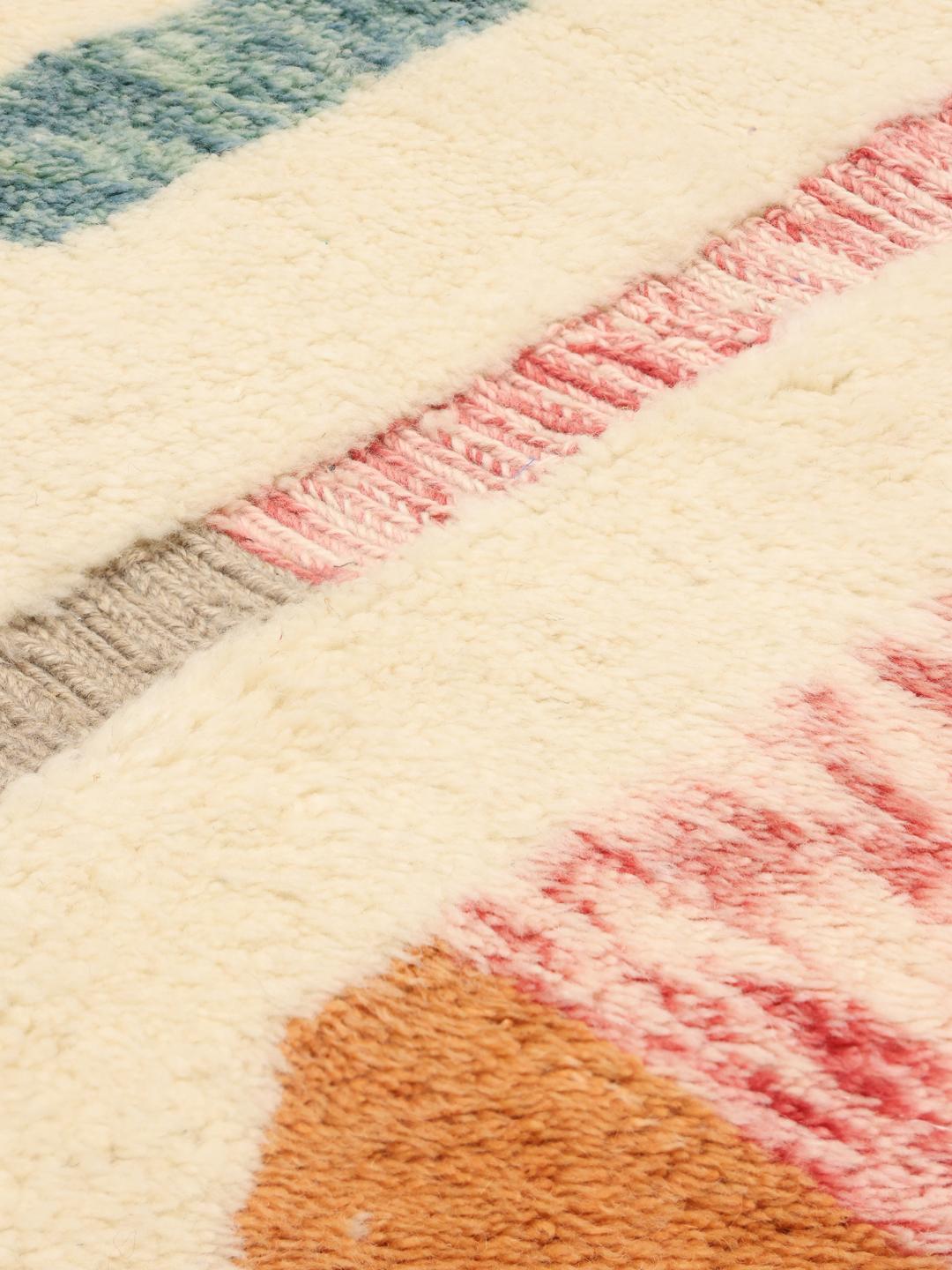
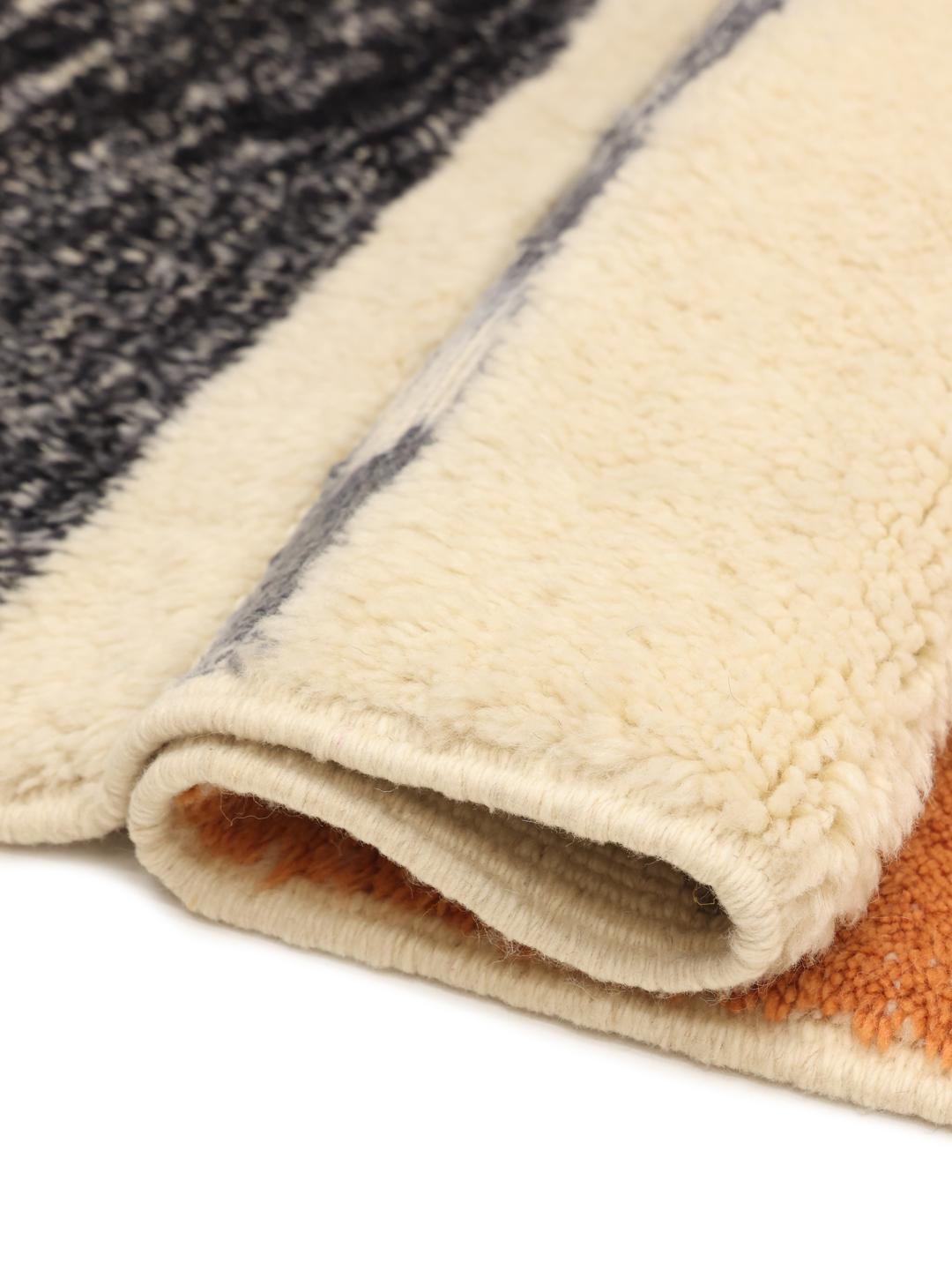
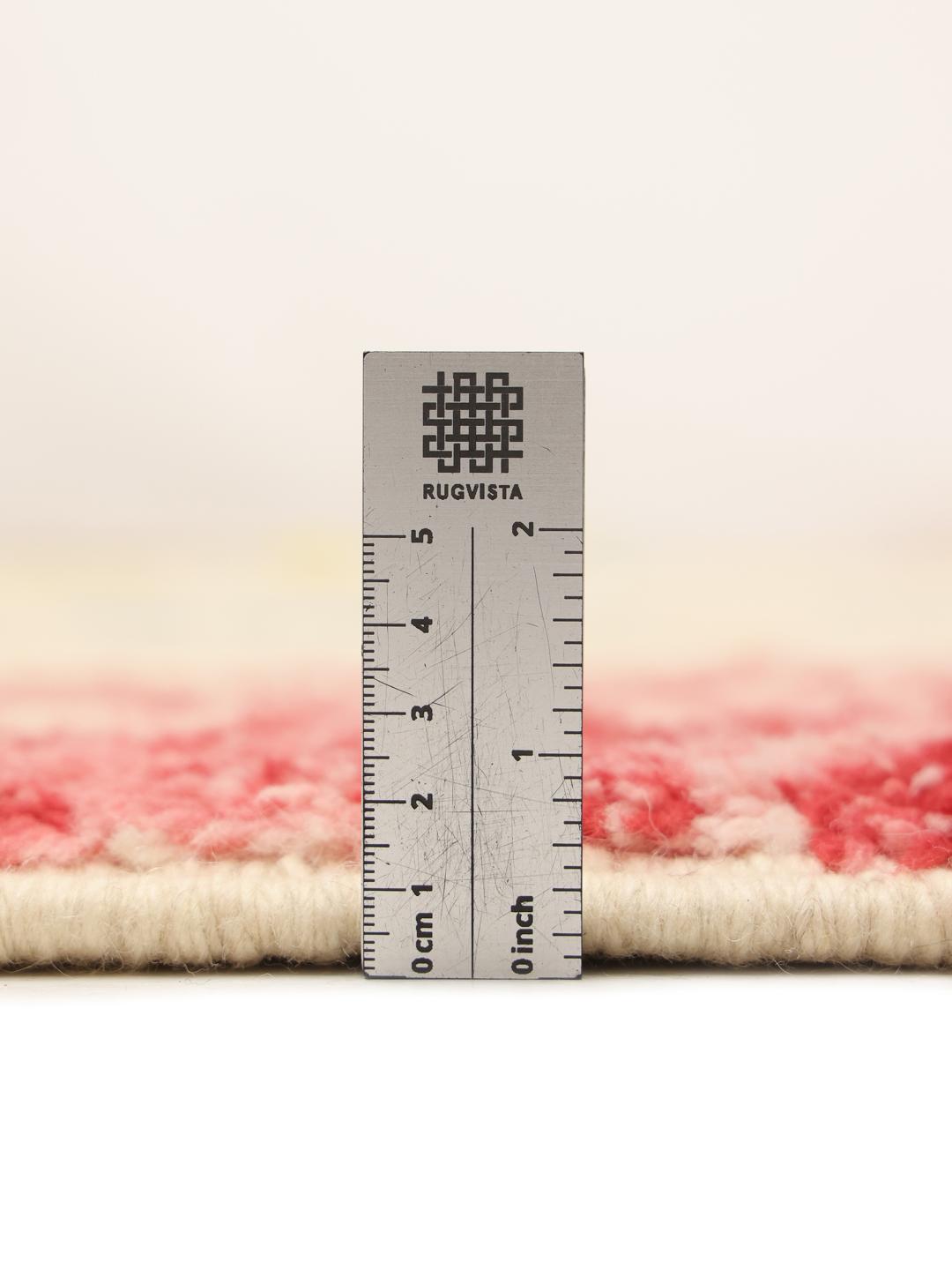
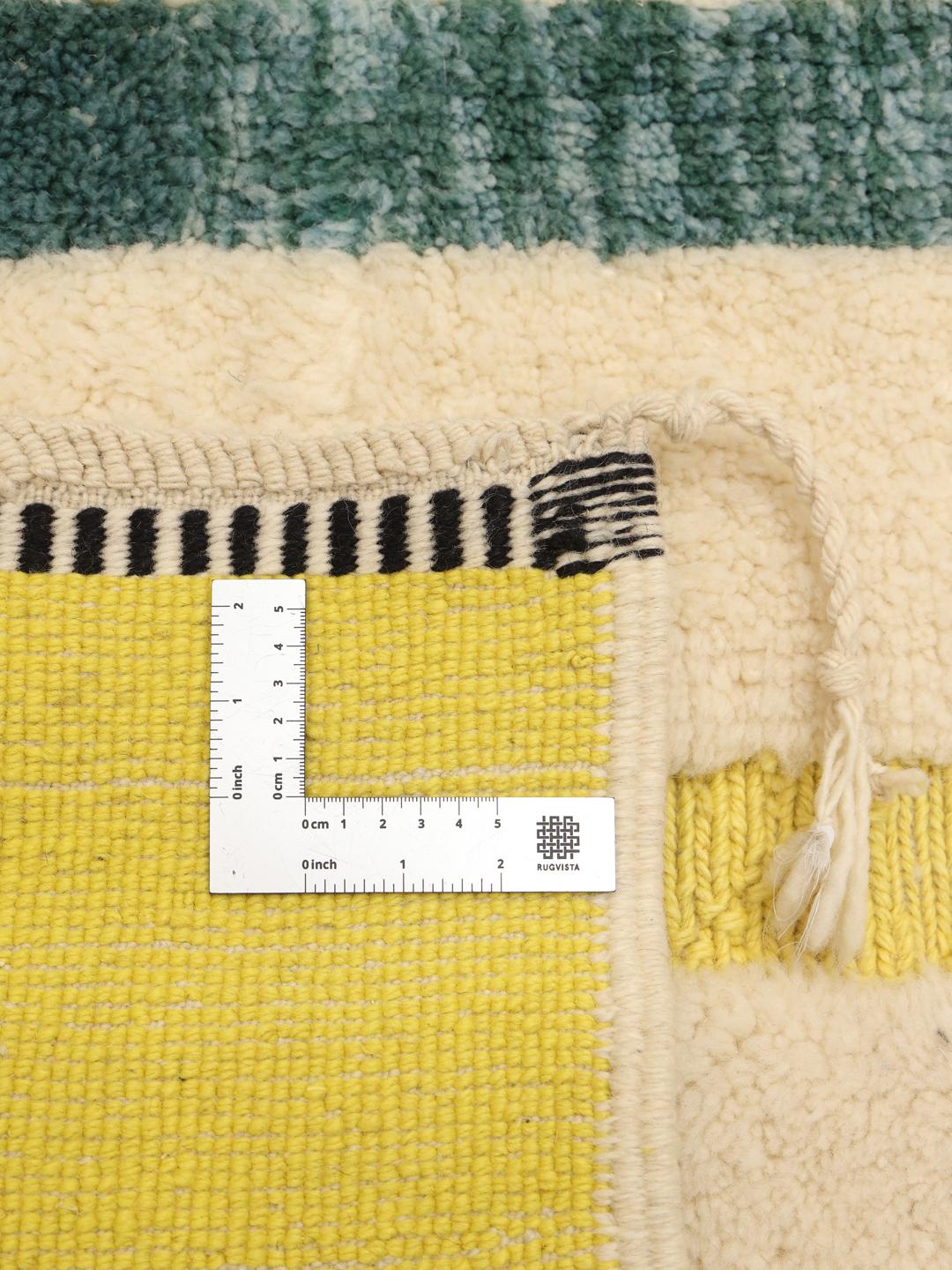
The construction of these rugs relies on the natural properties of highland Wool, which is known for its durability and soft, lanolin-rich texture. The traditional methods passed down through generations involve a specific approach to knotting that creates a high, dense pile, ensuring the rug remains both a functional barrier against the cold and a beautiful object of daily use.
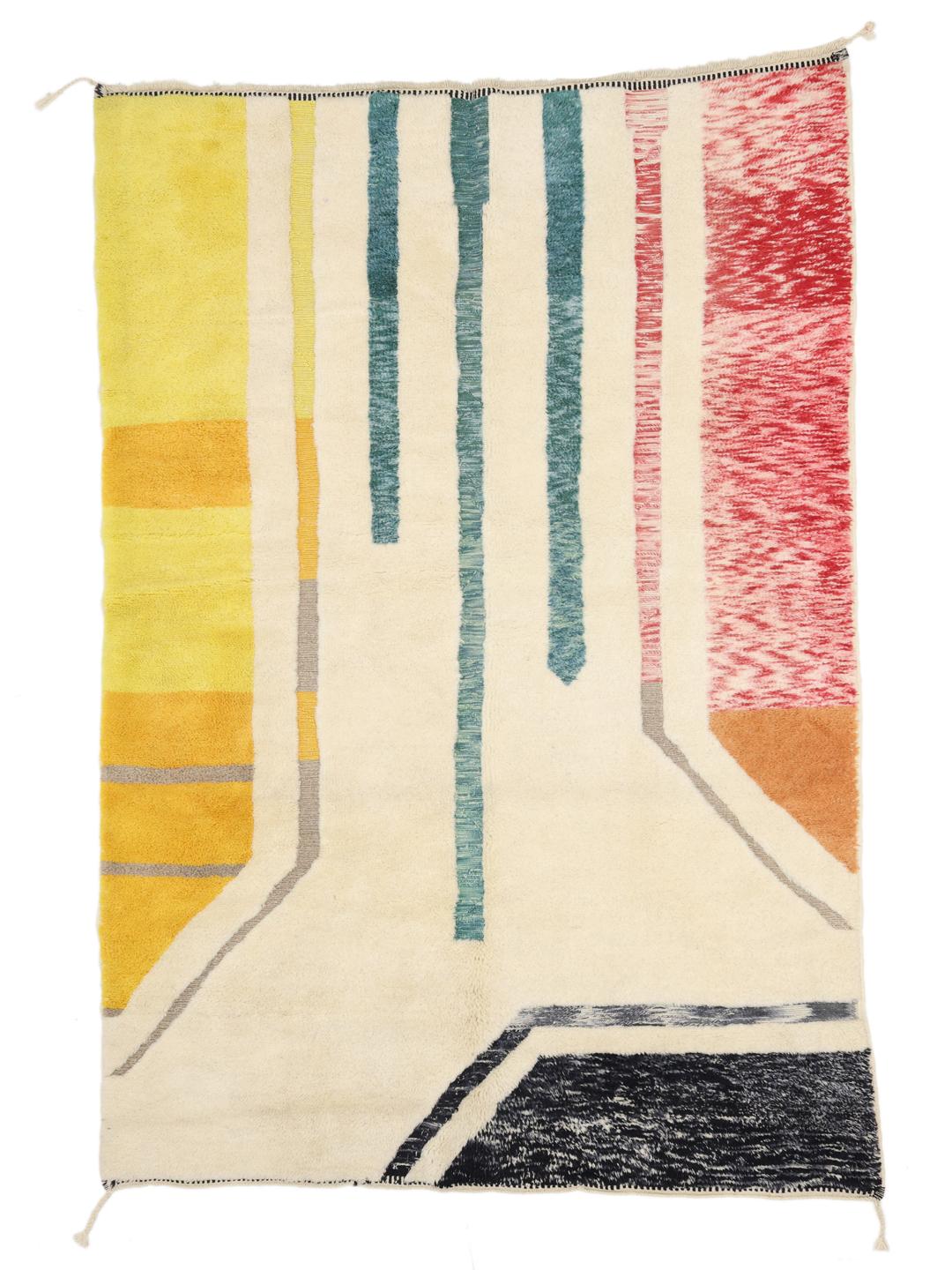
While many people associate the Berber style with monochromatic, diamond-patterned designs, there is a rich tradition of vibrant, expressive, and abstract compositions. This rug draws on that more artistic side of the tradition, where weavers use colour and form to tell stories or express their creativity, moving away from strictly geometric tribal motifs toward a more modern, fluid aesthetic.
Collecting a Moroccan rug is an investment in a living heritage. Because these pieces are made by hand without the use of pre-set templates, they are highly valued for their individuality and the cultural narrative they bring into a home. Owning one is a way to connect with a timeless craft that continues to evolve while staying rooted in the traditions of the North African landscape.