The Berber Moroccan rug tradition finds its roots in the rugged landscapes of the Middle Atlas Mountains. For centuries, the indigenous Berber tribes have woven these pieces not merely as floor coverings, but as essential tools for survival, providing necessary insulation against the harsh mountain winters. This deep-seated tradition has evolved over time, yet it remains anchored in the cultural identity of the region.
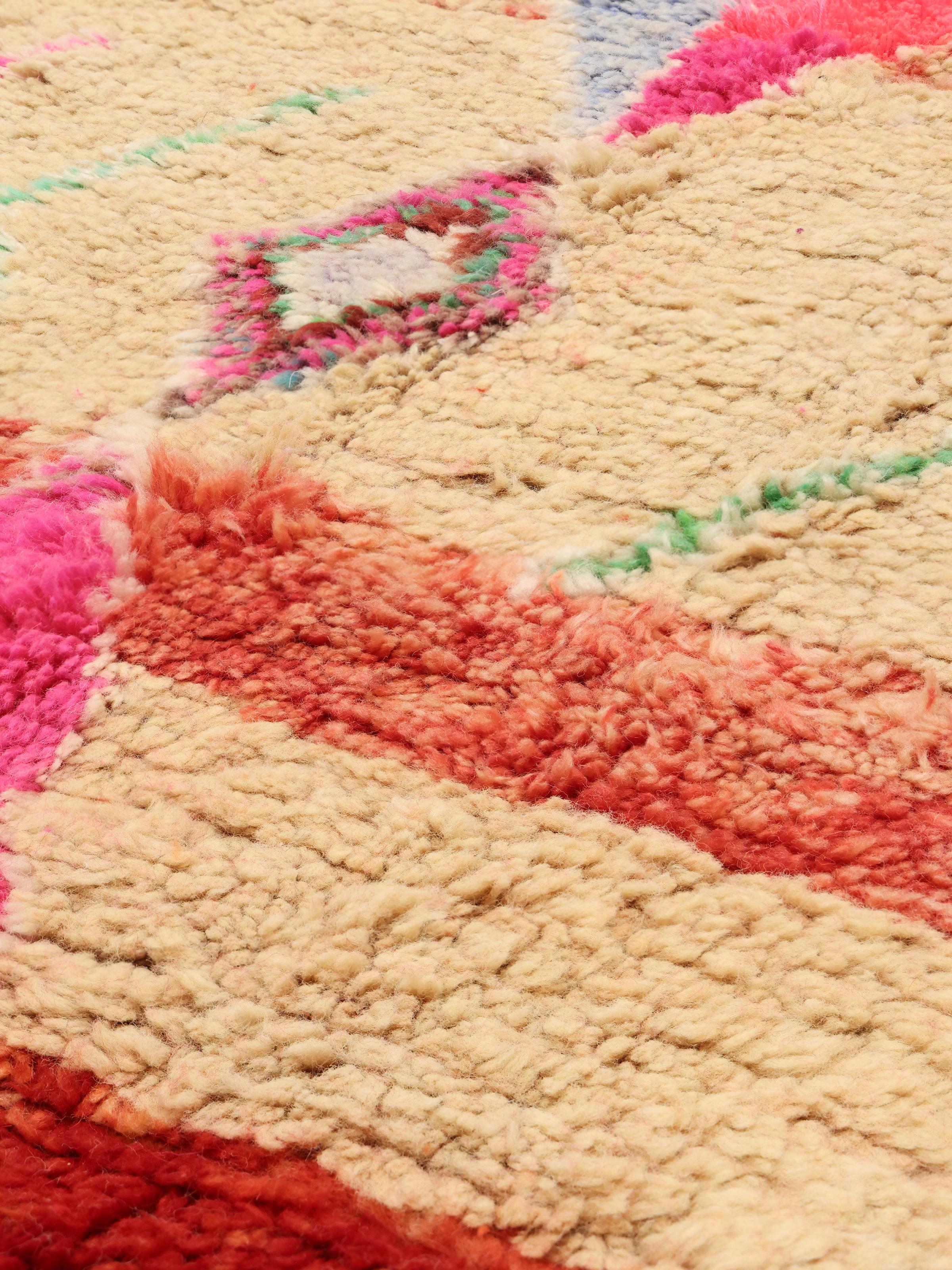
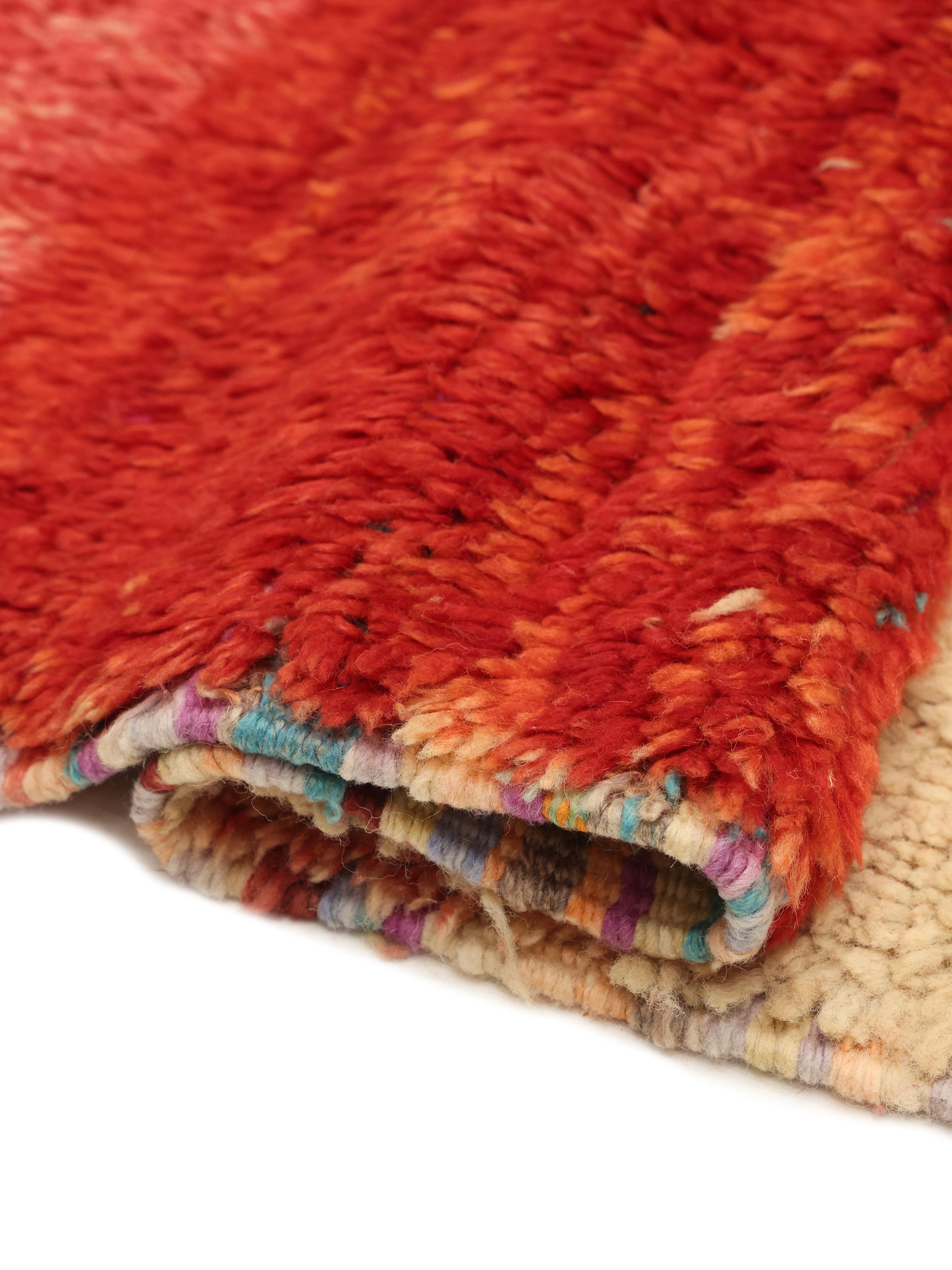
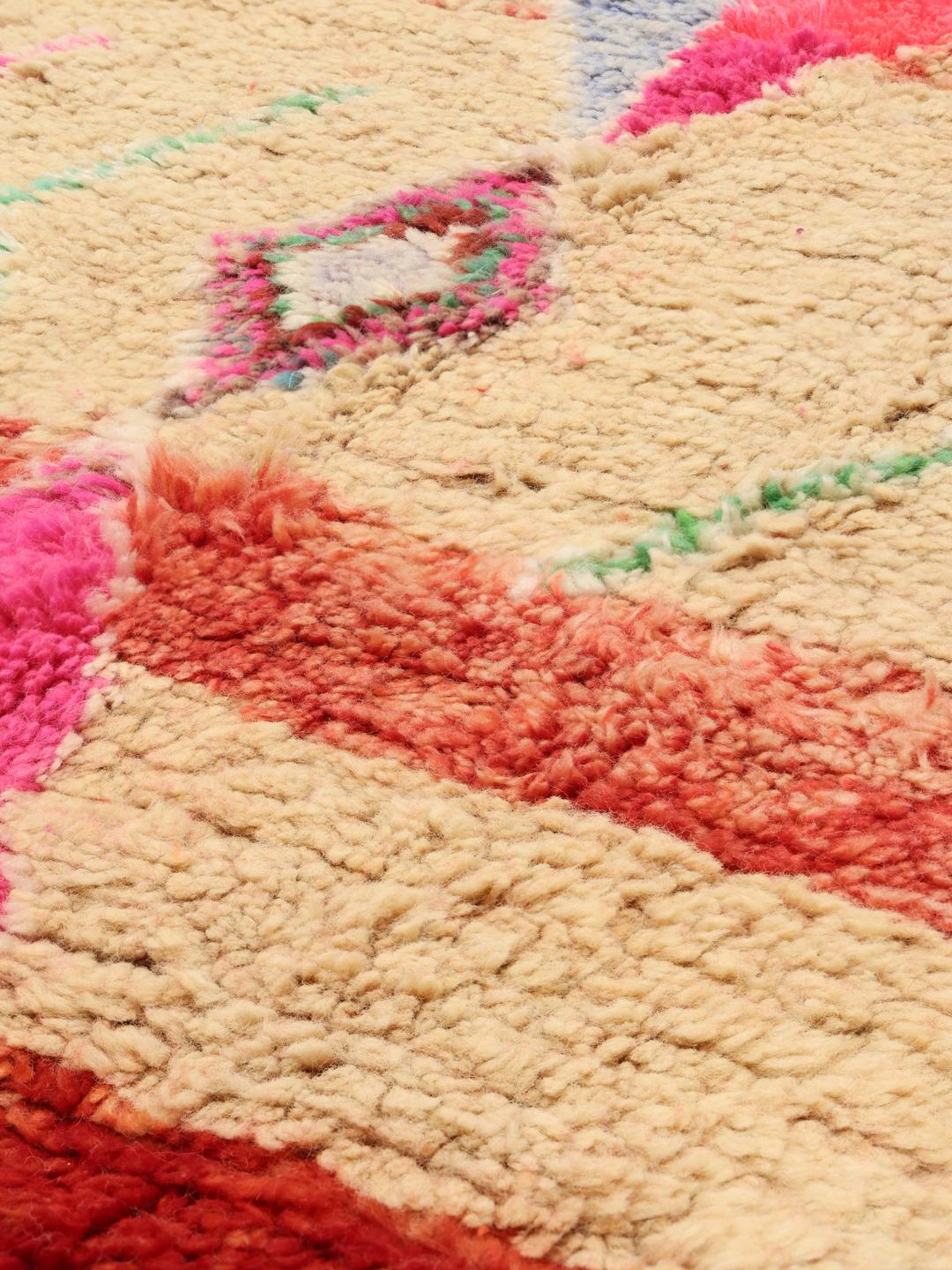
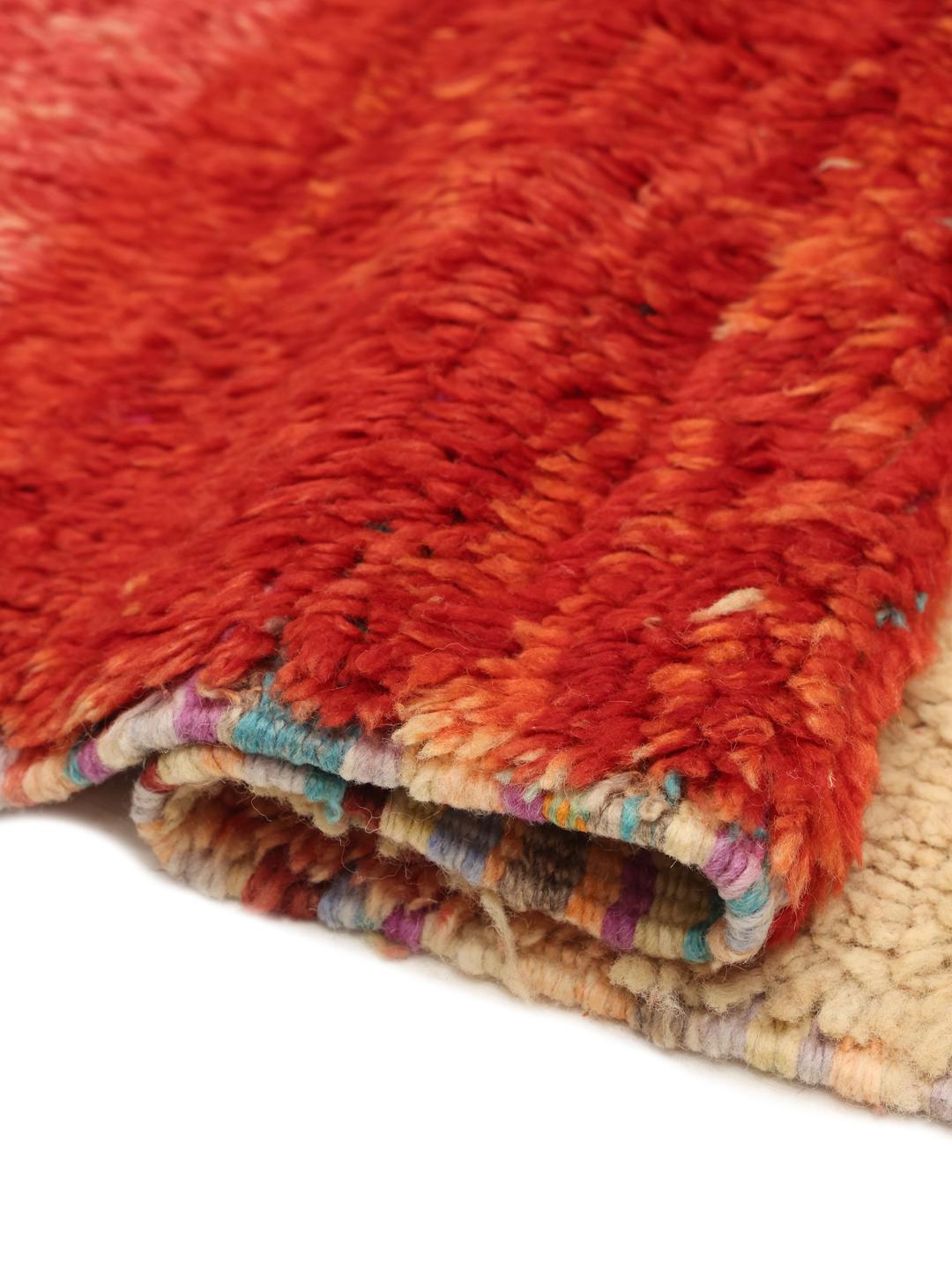
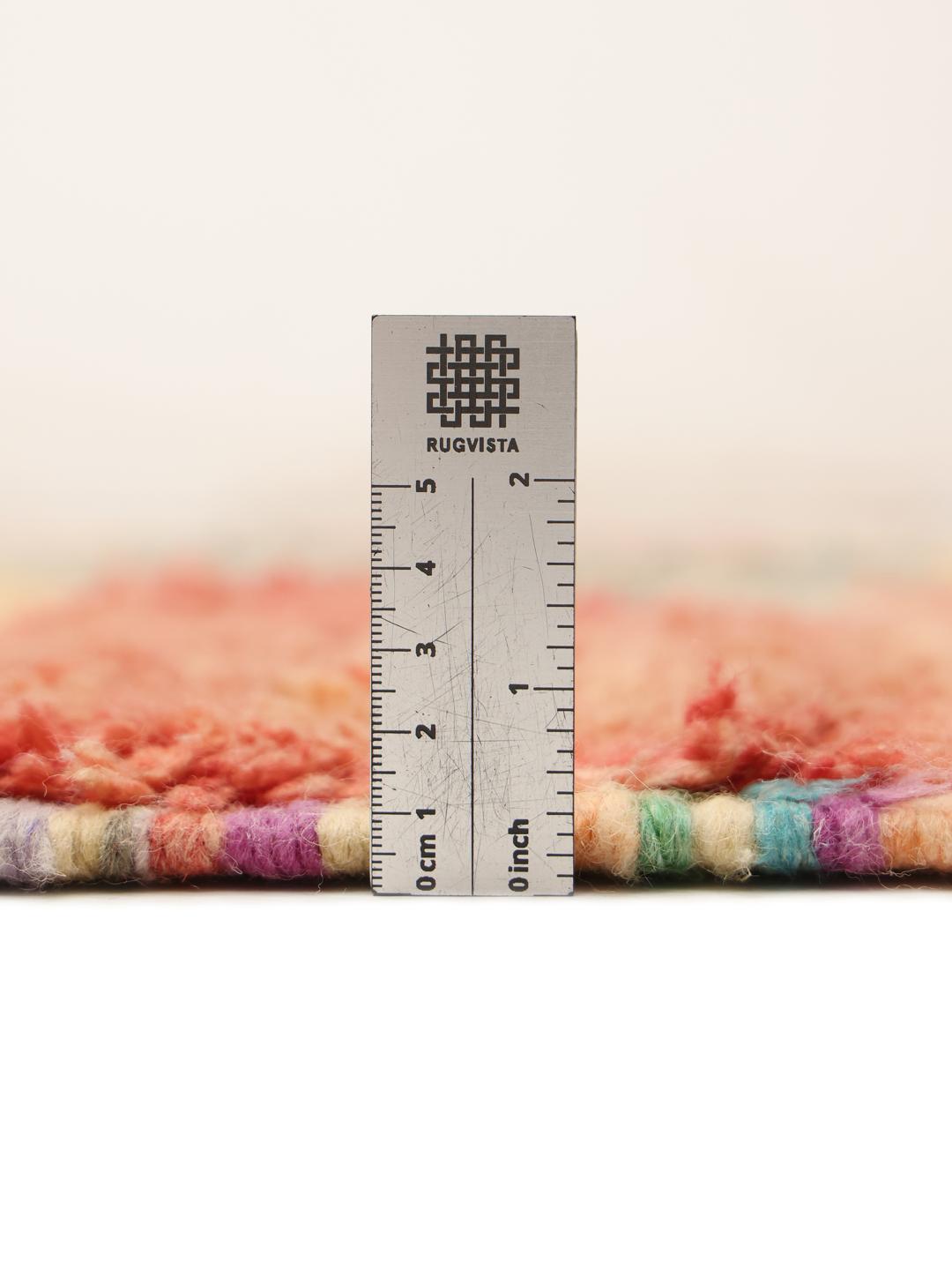
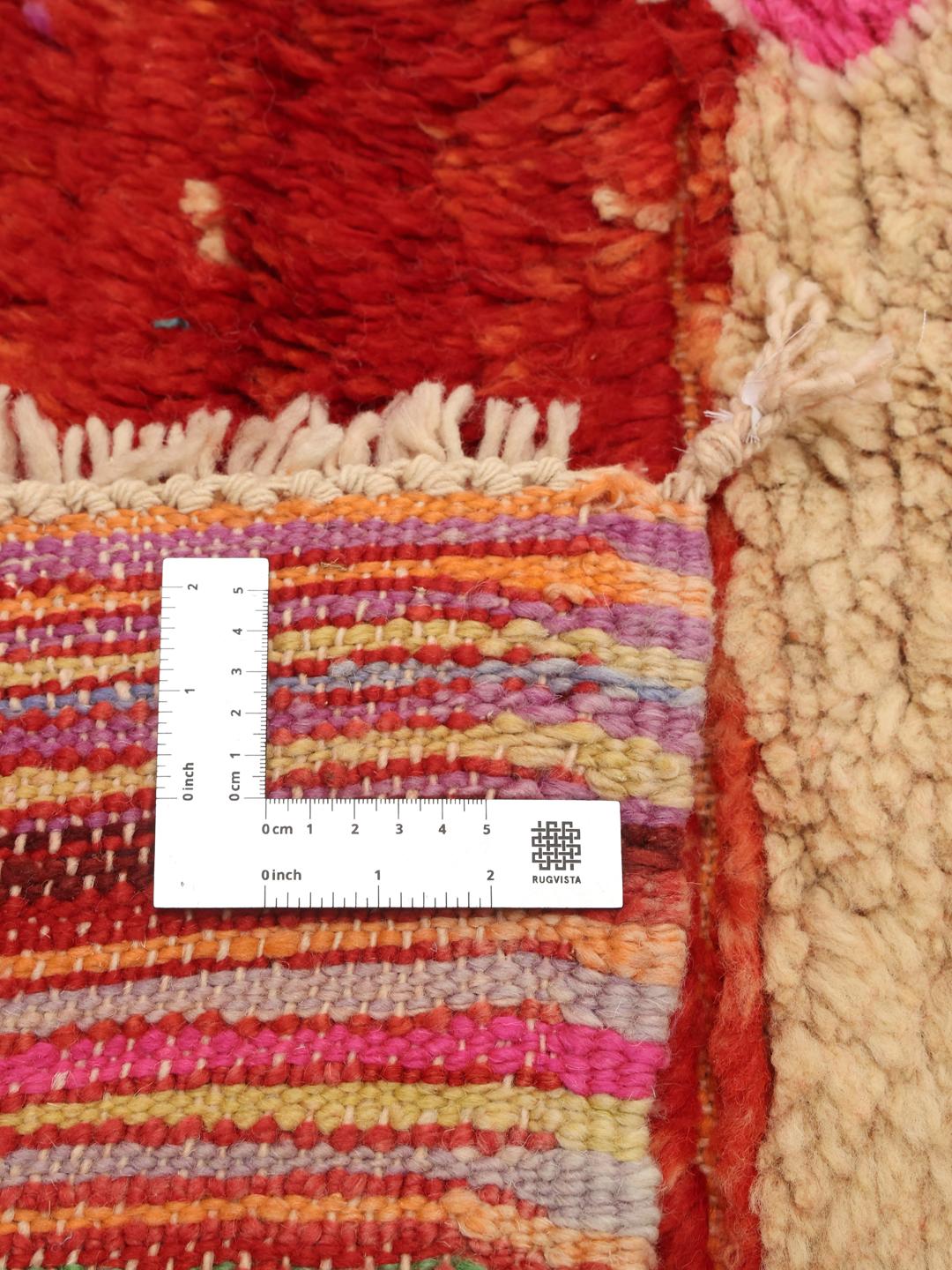
The term 'hand-knotted' refers to the classic technique where individual strands of Wool are looped around the foundation threads. This method is the hallmark of quality in rug-making, as it creates a dense, durable pile that is resistant to wear. The process requires a deep understanding of tension and pattern, ensuring that each knot contributes to the overall strength and longevity of the rug.
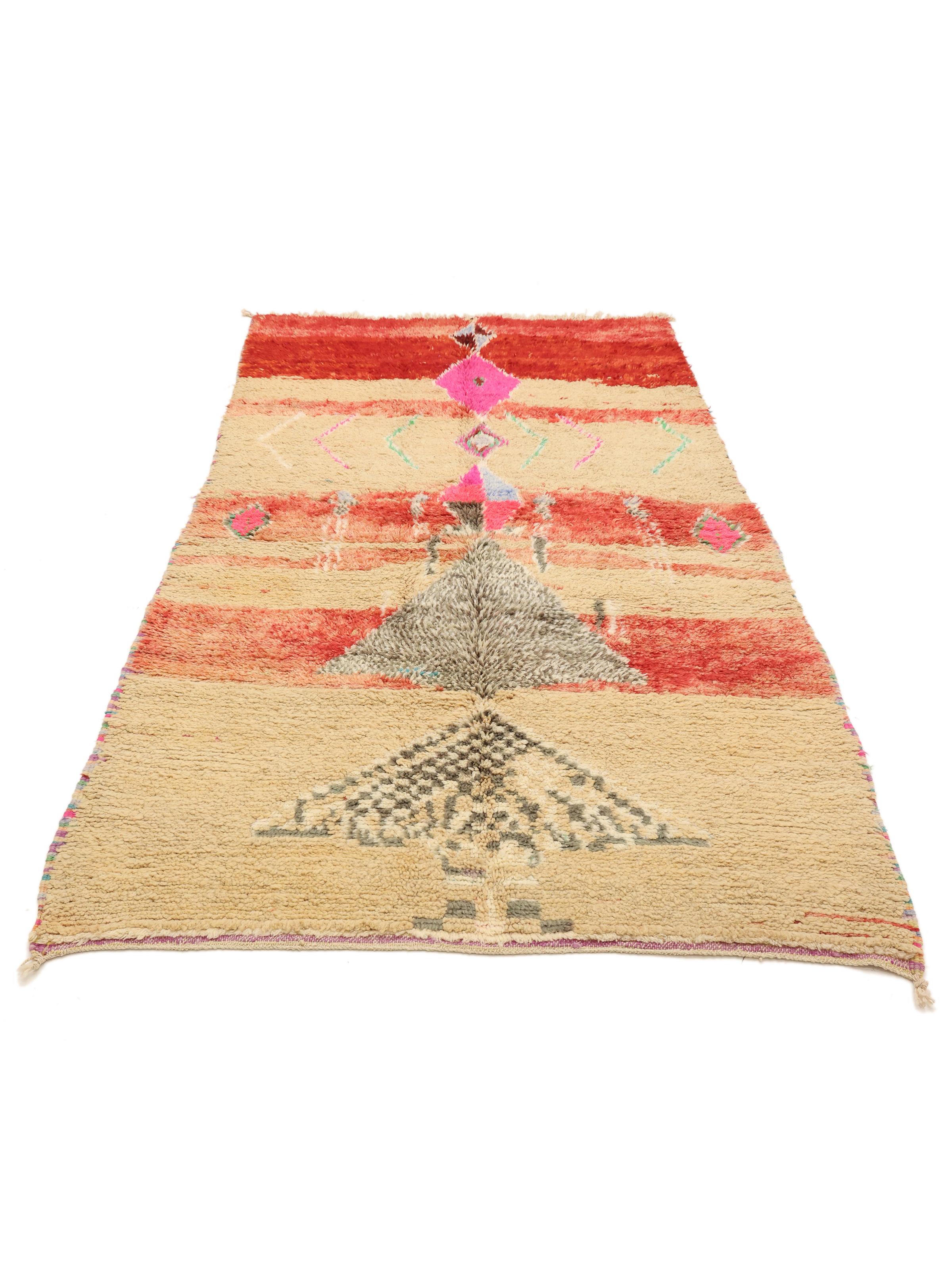
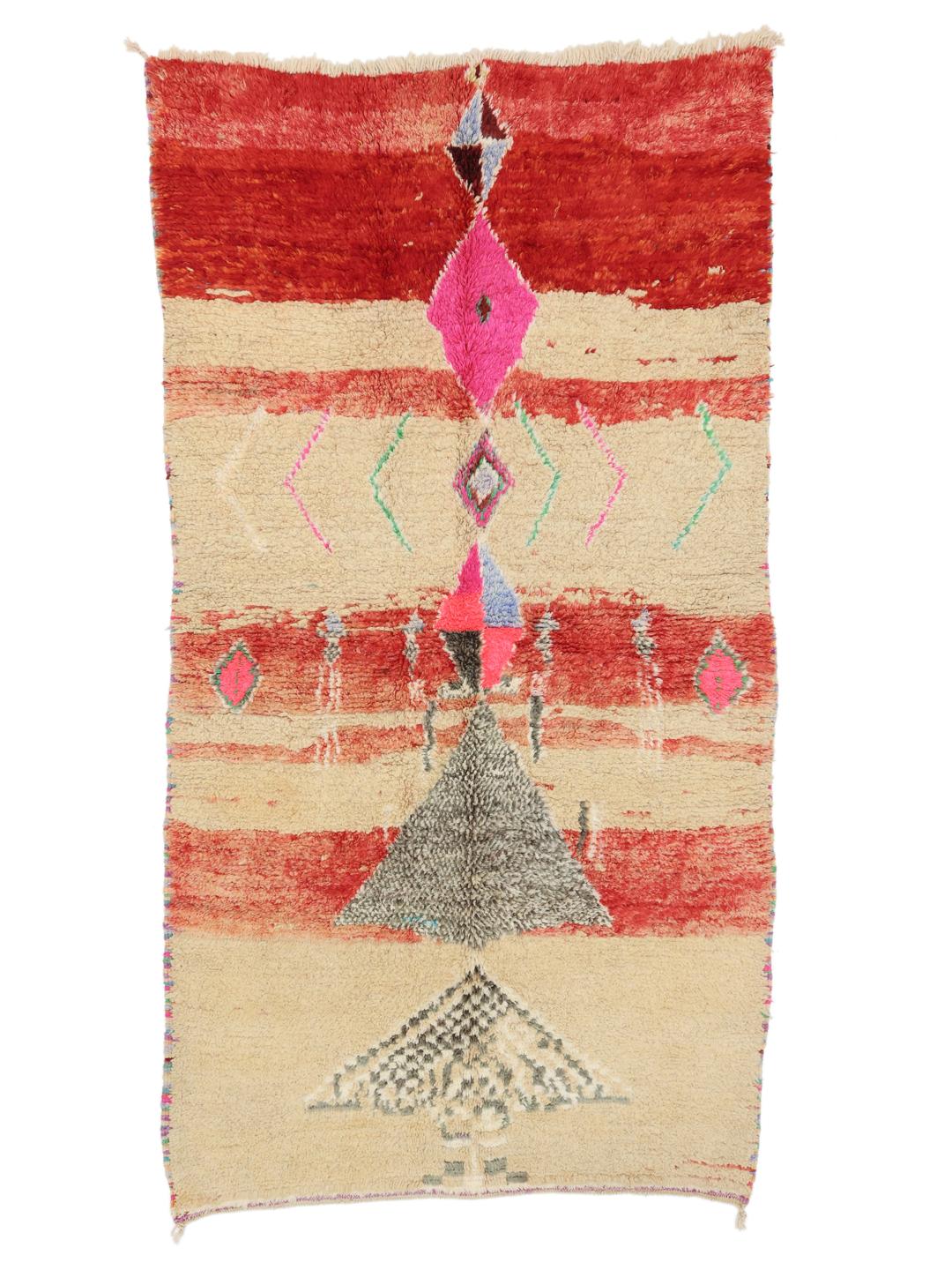
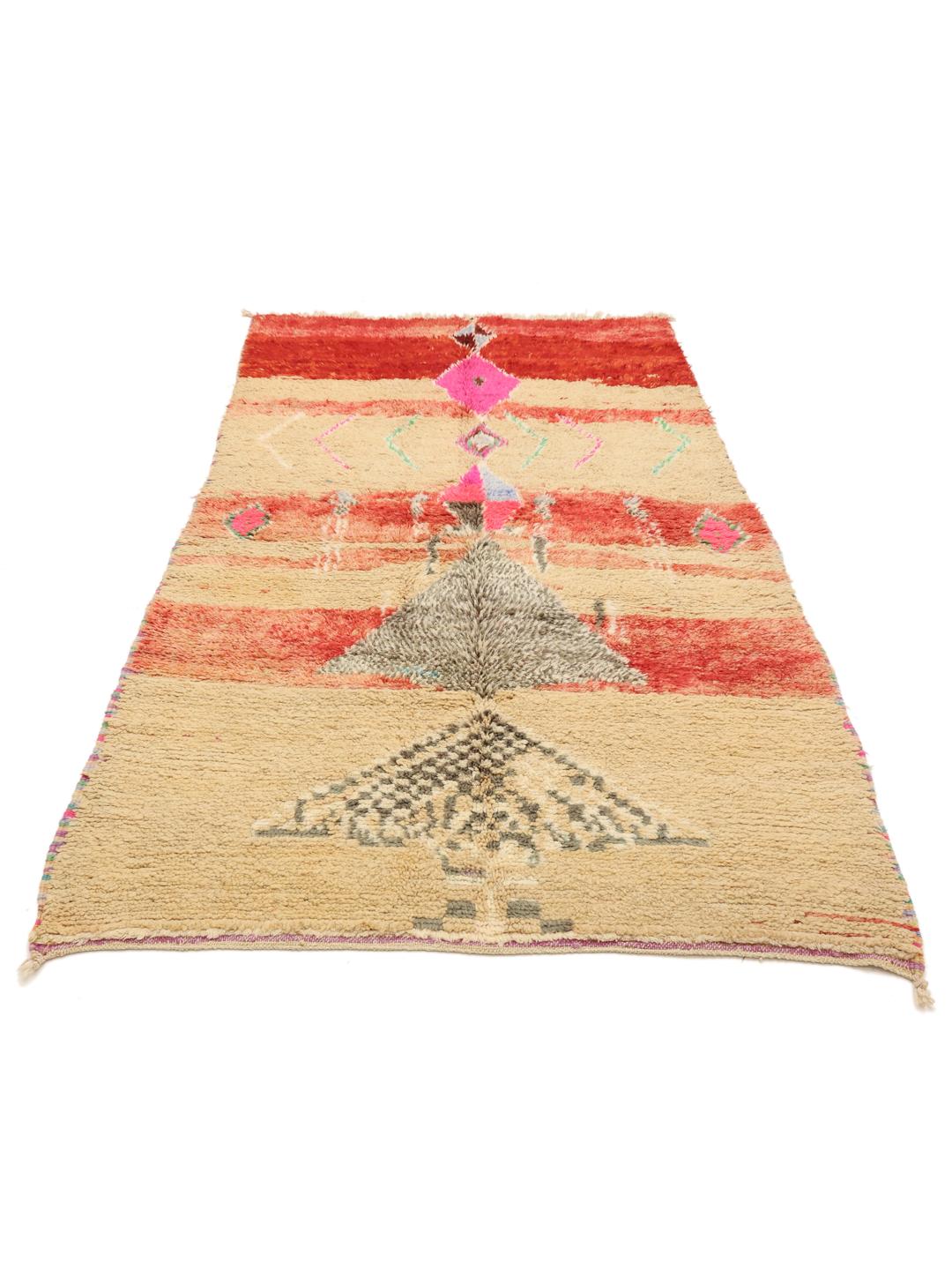
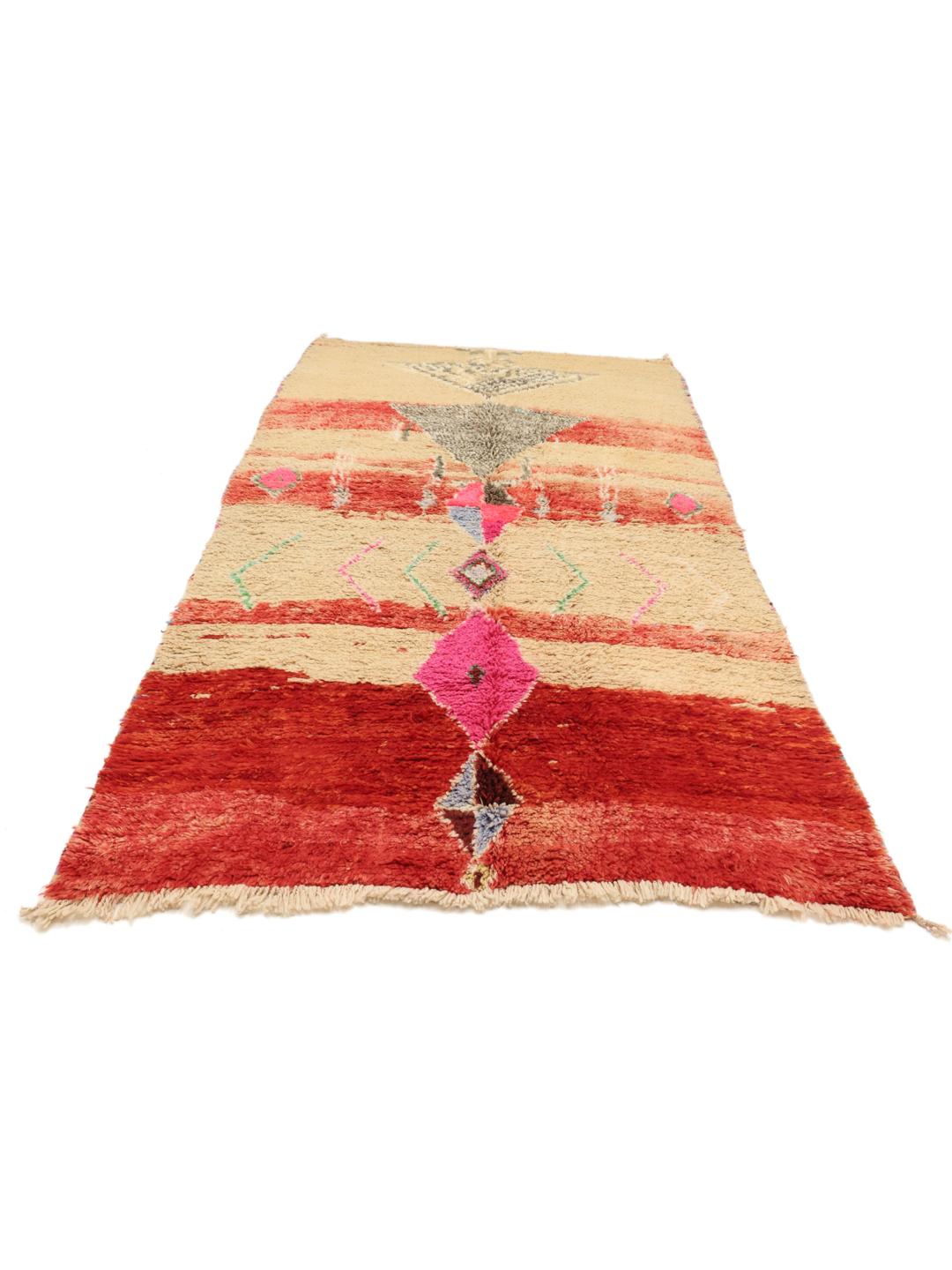
Visually, these rugs are defined by their spontaneous, abstract, and geometric motifs. Unlike more formal urban rugs that follow strict, pre-planned patterns, Berber designs are often deeply personal, reflecting the individual weaver’s life, environment, and beliefs. The use of vibrant, expressive colours is a signature element, often achieved through natural dyes that give the Wool a soft, organic depth that changes subtly with the light.
Owning a piece from this tradition is an act of supporting a living history. These rugs are highly valued by collectors for their authenticity and the sheer skill they represent. To bring such a piece into your home is to participate in a legacy of resilience and artistic freedom, ensuring that this ancient craft continues to be celebrated and preserved for future generations.