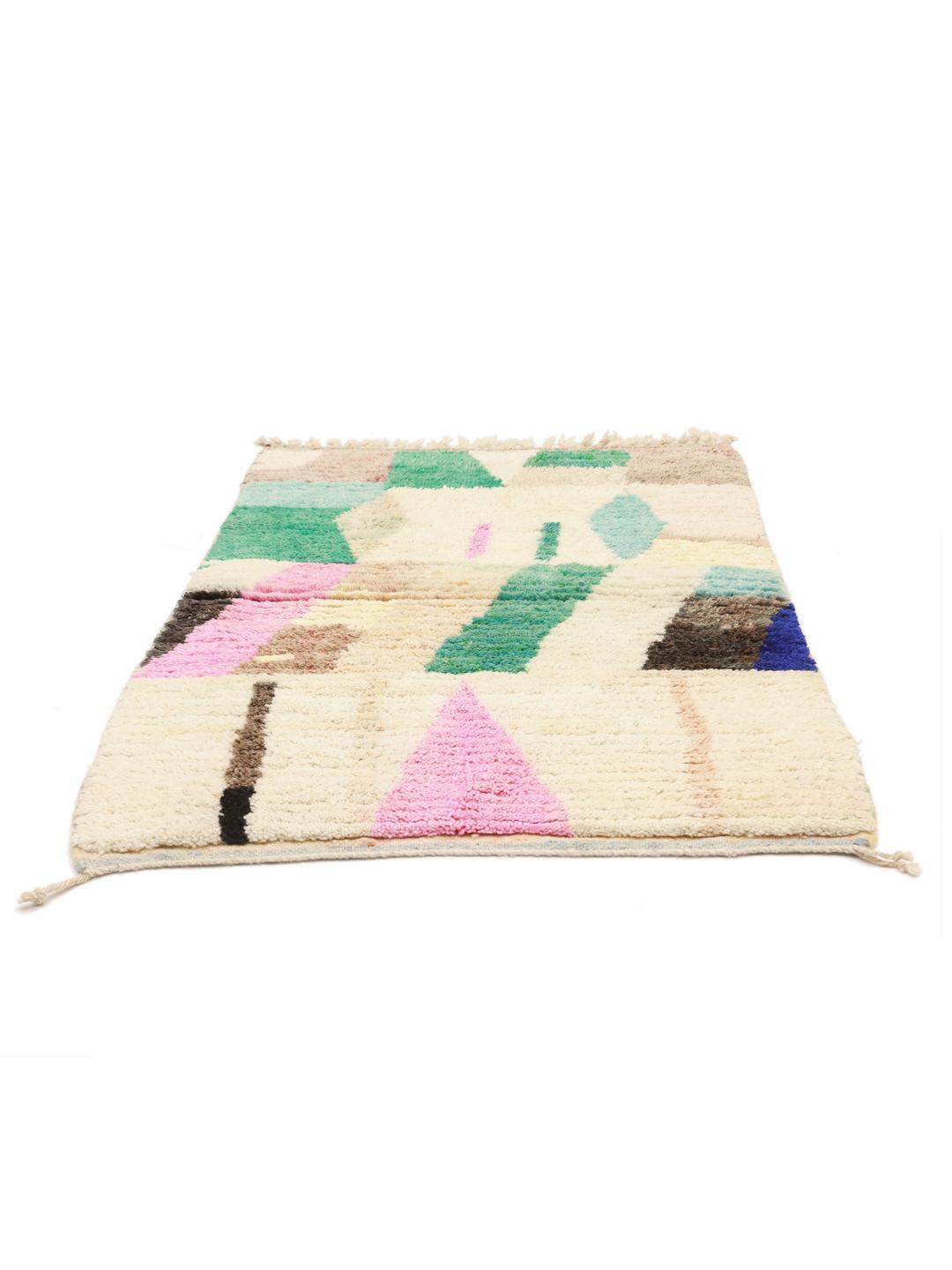
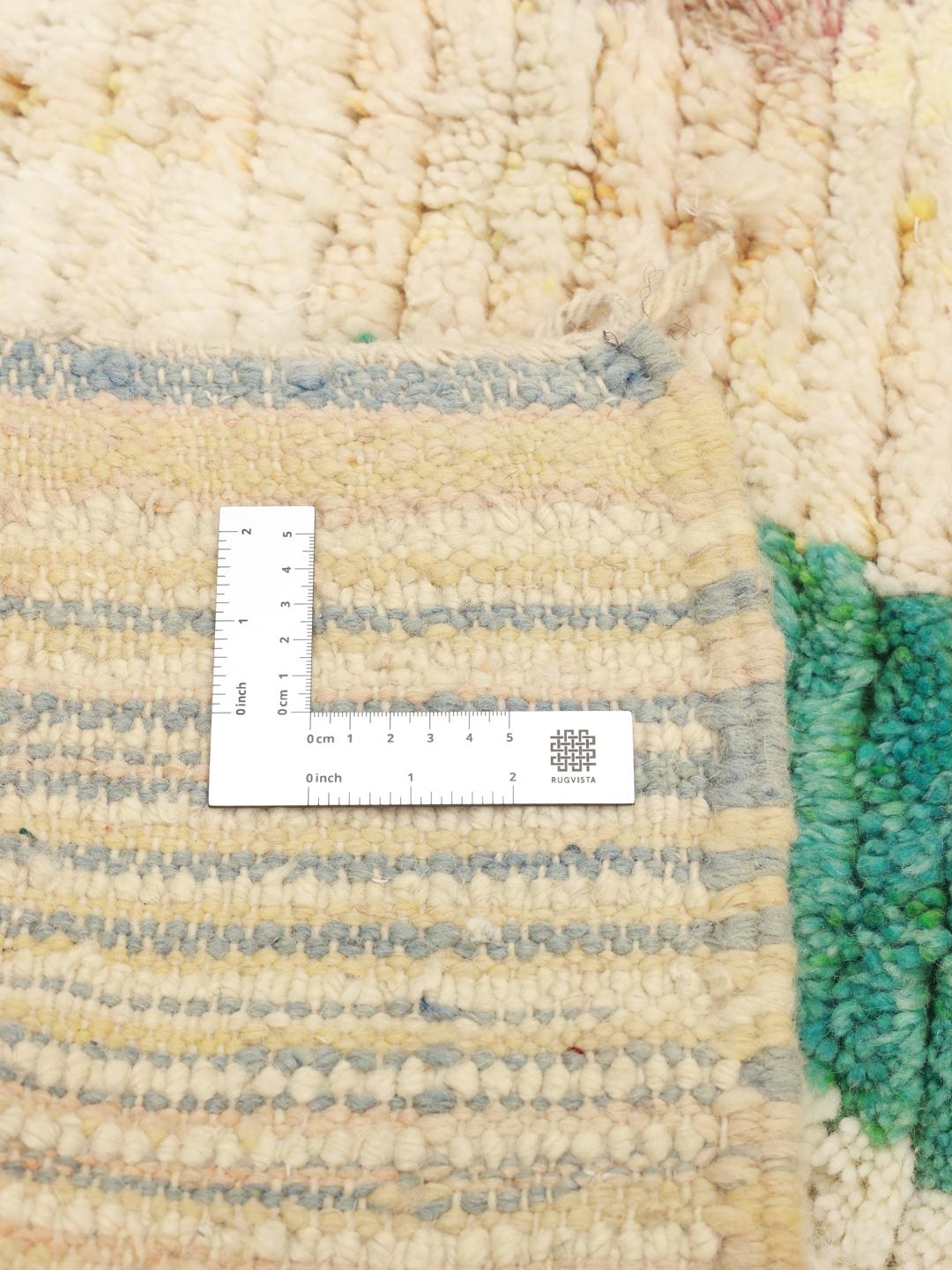
The Berber rugs of the Middle Atlas mountains are deeply rooted in the cultural heritage of the indigenous people of Morocco. For centuries, these rugs have been more than just floor coverings; they are woven narratives that reflect the daily lives, beliefs, and environments of the weavers. Each village and tribe possesses its own distinct visual language, passed down through generations of women who translate their surroundings into intricate designs.
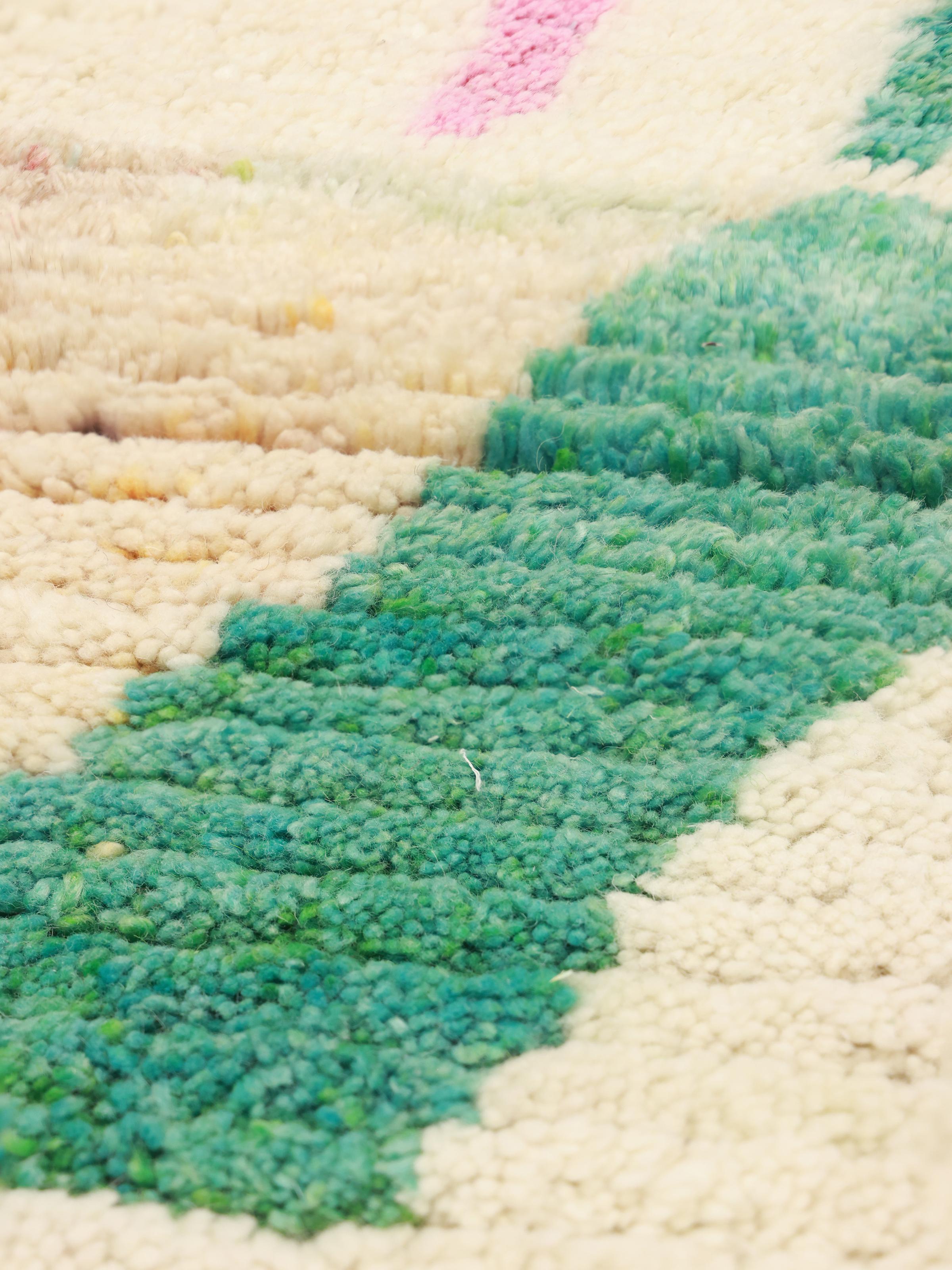
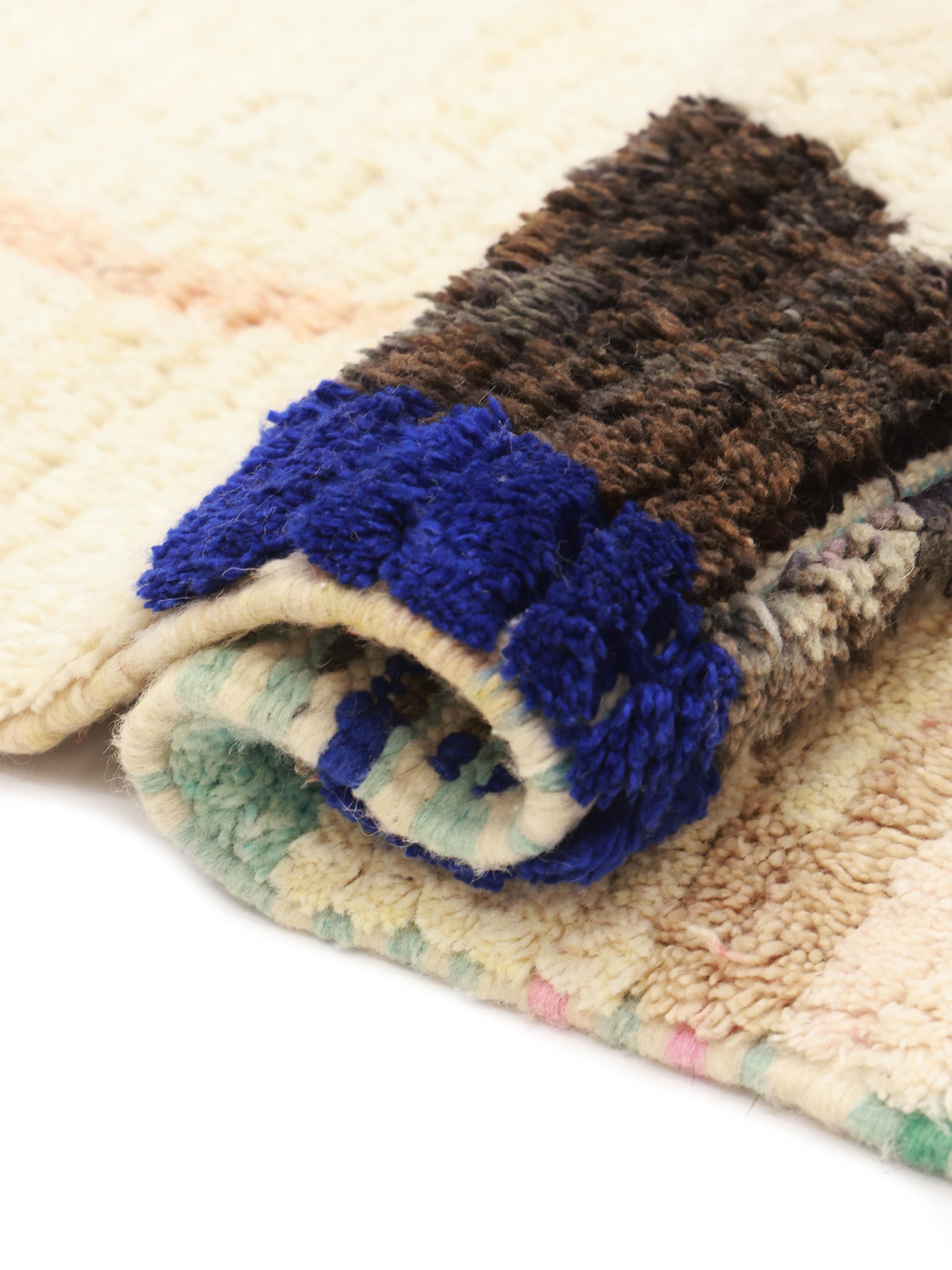
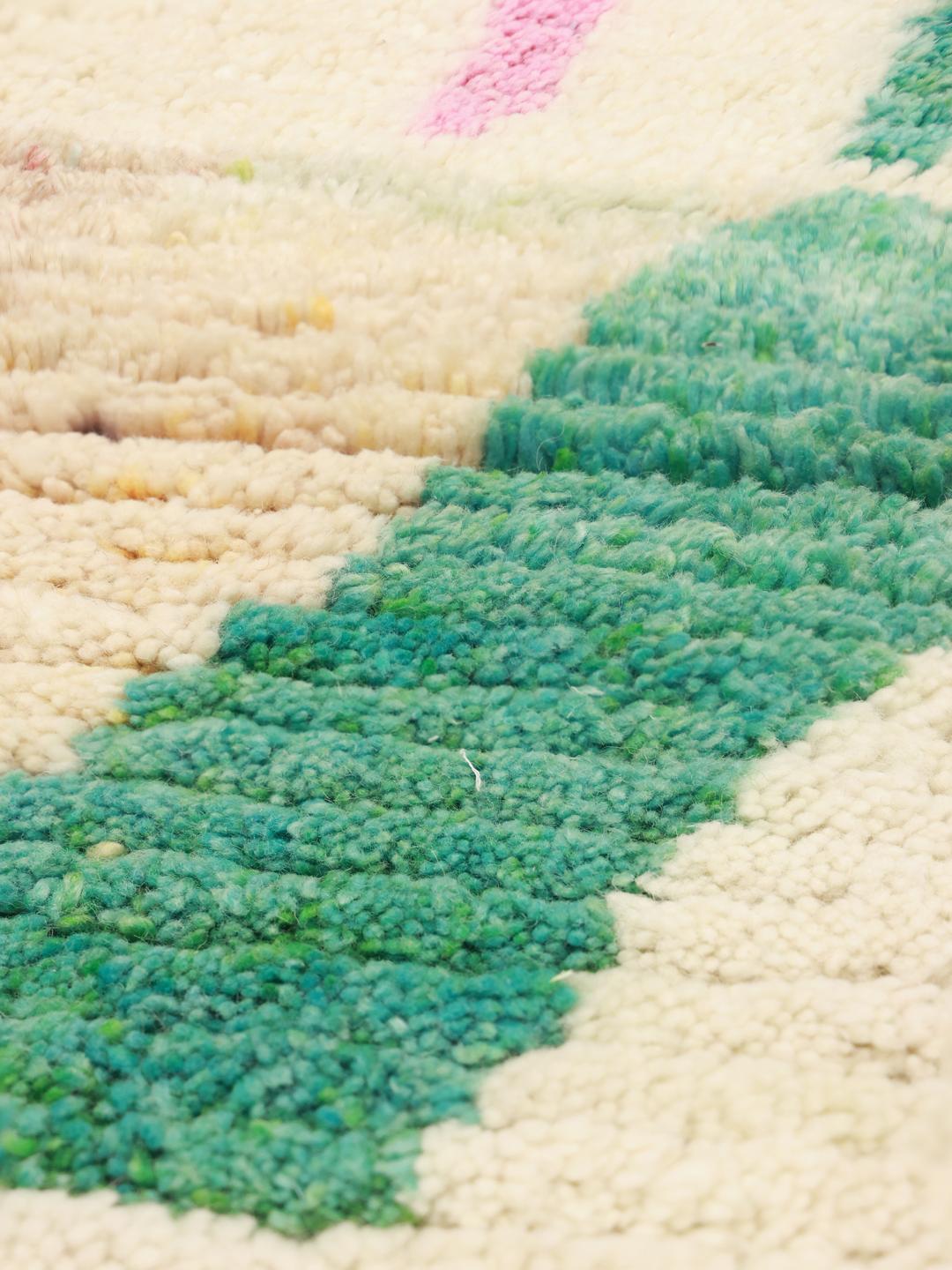
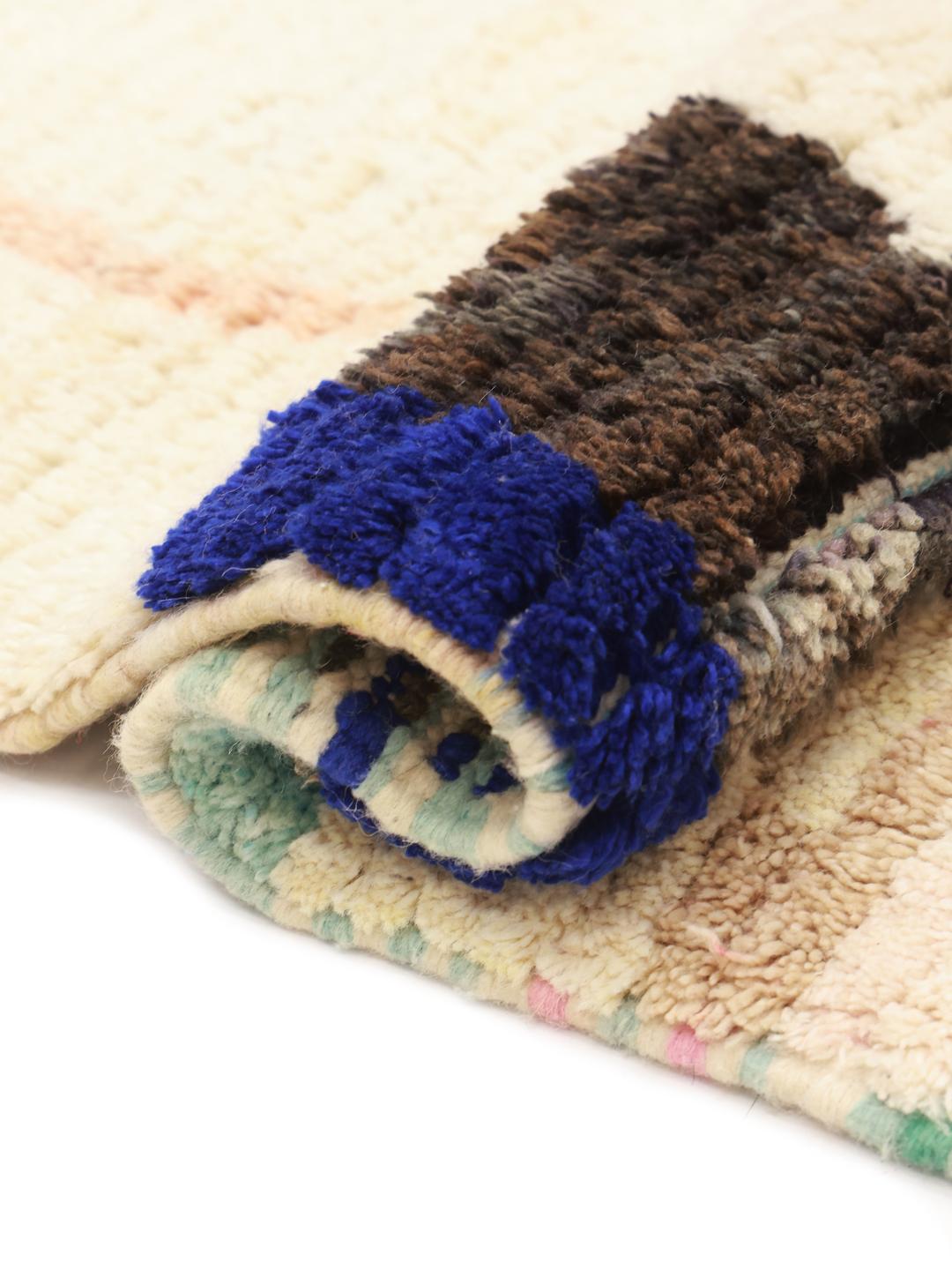
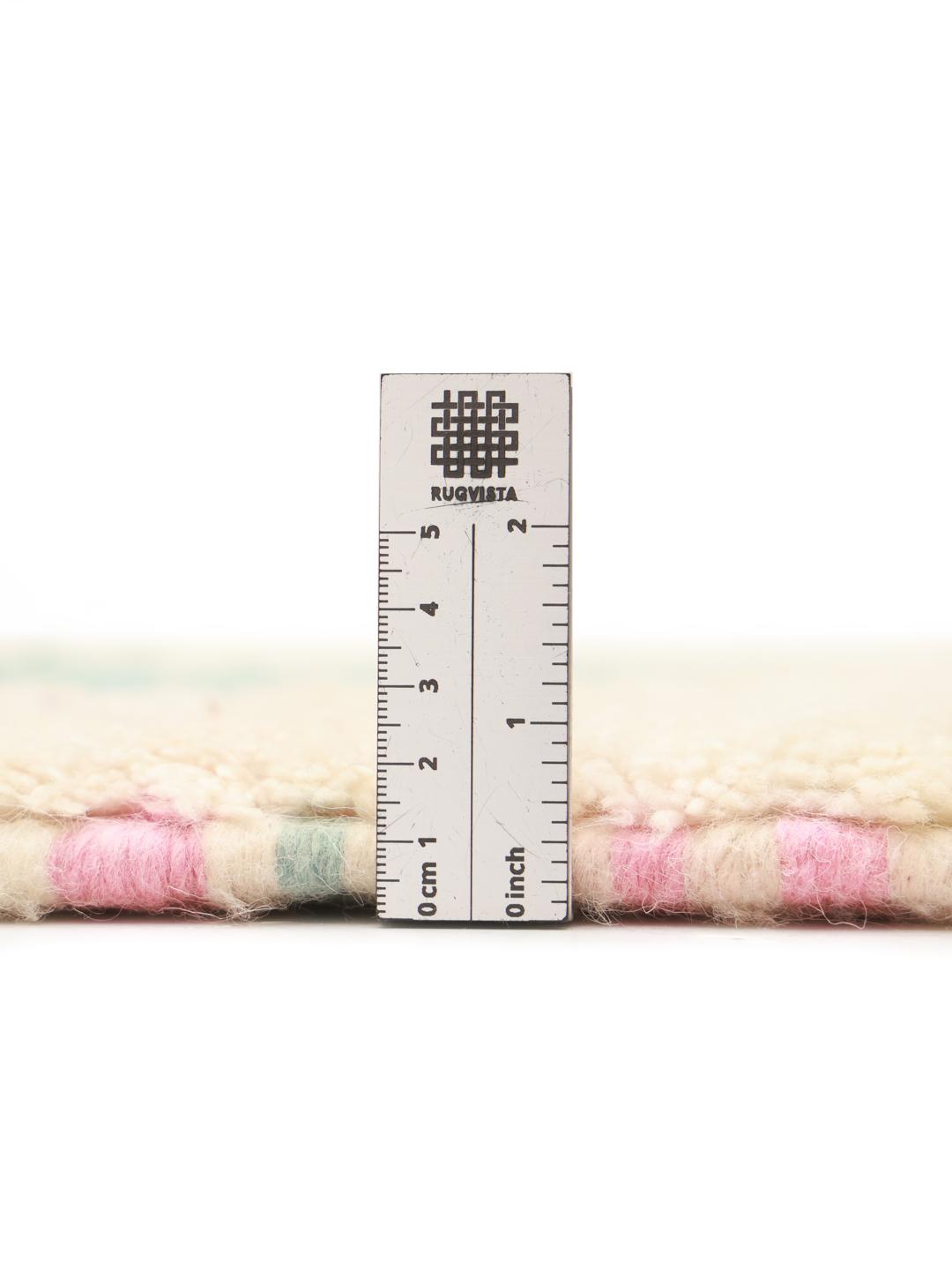
The term 'Berber' refers to the Amazigh people, the original inhabitants of North Africa, whose weaving traditions have remained remarkably consistent over time. These rugs are traditionally characterised by their thick, high-pile construction, designed to withstand the harsh, cold winters of the mountainous regions. The use of natural, un-dyed or vibrant wool reflects a symbiotic relationship with the land and the sheep that are central to their pastoral lifestyle.
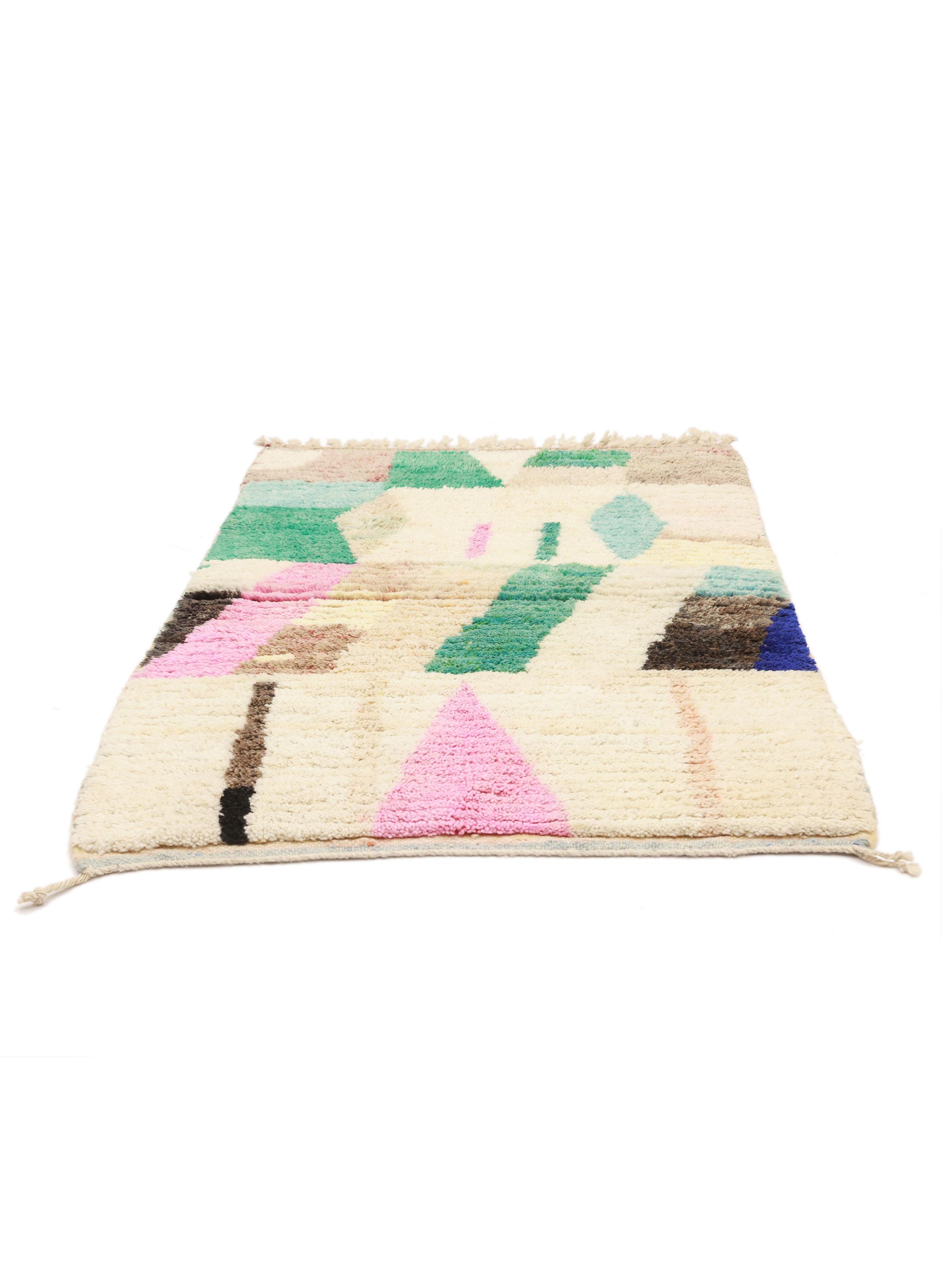
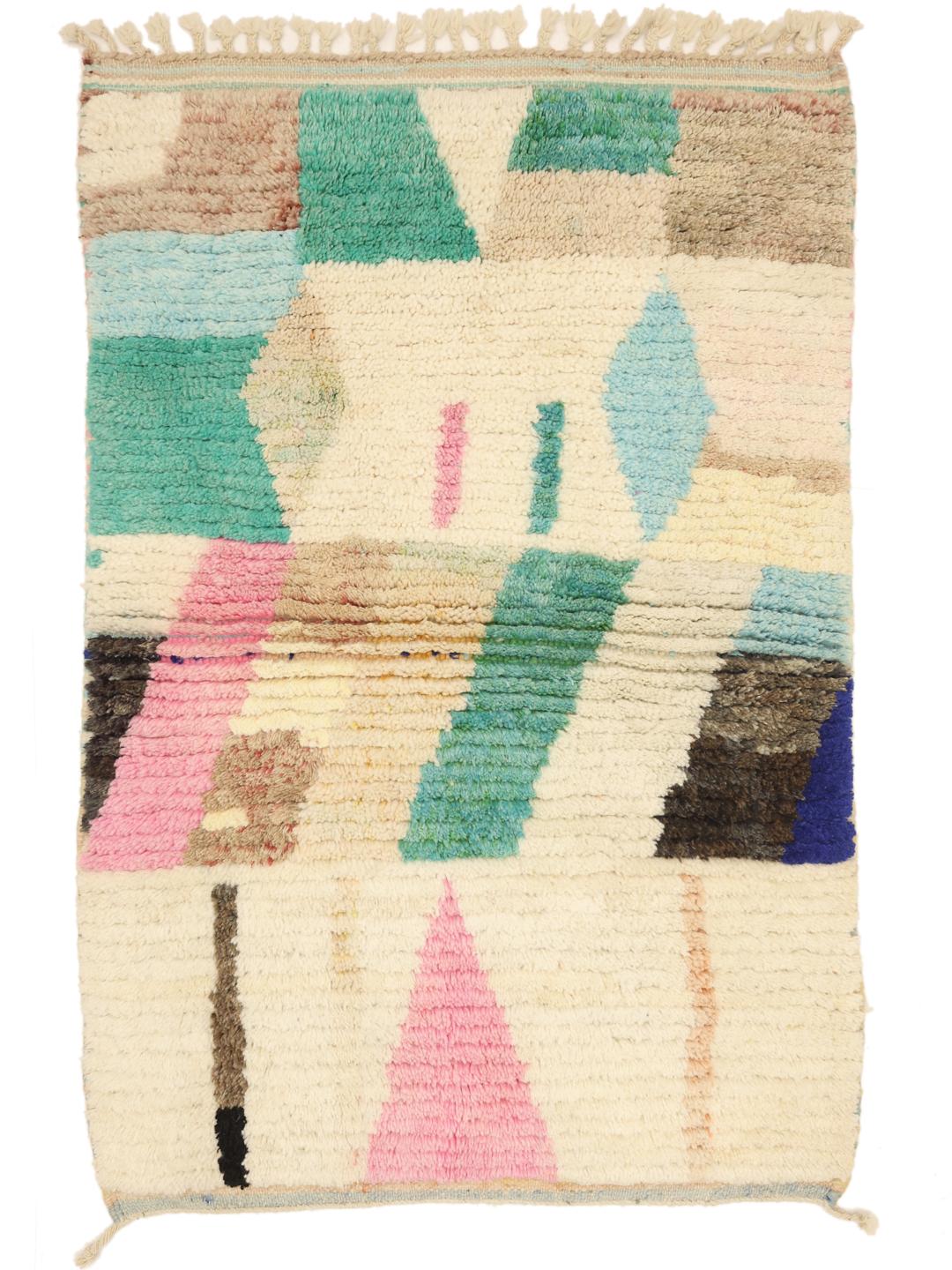
Visually, these rugs are often celebrated for their abstract and geometric compositions. Unlike the highly formal, symmetrical designs found in other Middle Eastern rug traditions, Middle Atlas pieces frequently feature bold, spontaneous motifs, including diamonds, zig-zags, and stylised representations of flora or fauna. The choice of colours often reflects local pigments, though modern interpretations have embraced a wider, more vibrant spectrum while maintaining the traditional, free-form spirit.
Owning a piece from this tradition is an opportunity to connect with a living history. Collectors and interior enthusiasts value these rugs for their raw, authentic quality and the human story embedded in every knot. They are considered heirloom pieces, not only because of their durability but because they represent a resilient craft tradition that continues to thrive in an increasingly mechanised world.