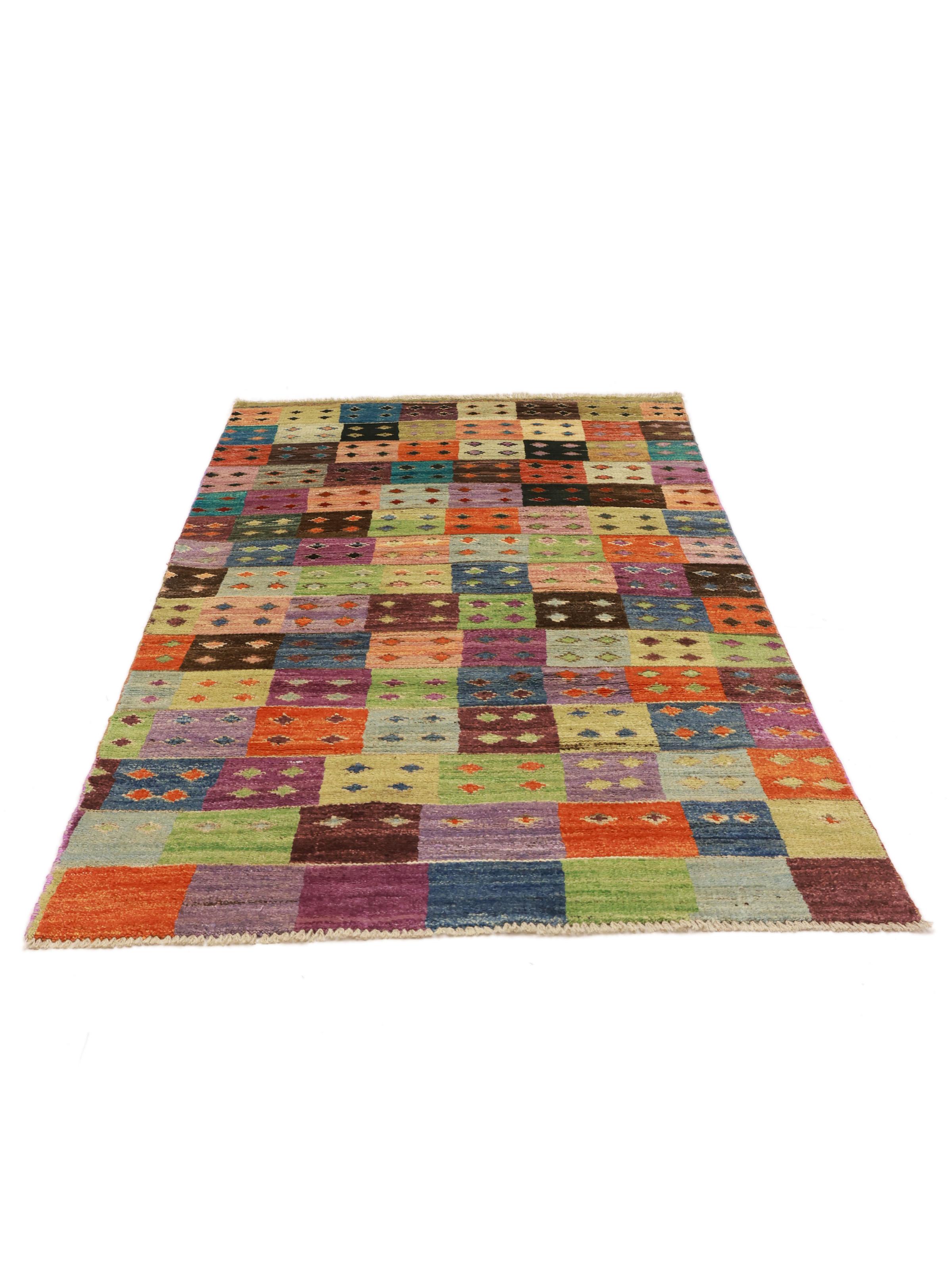
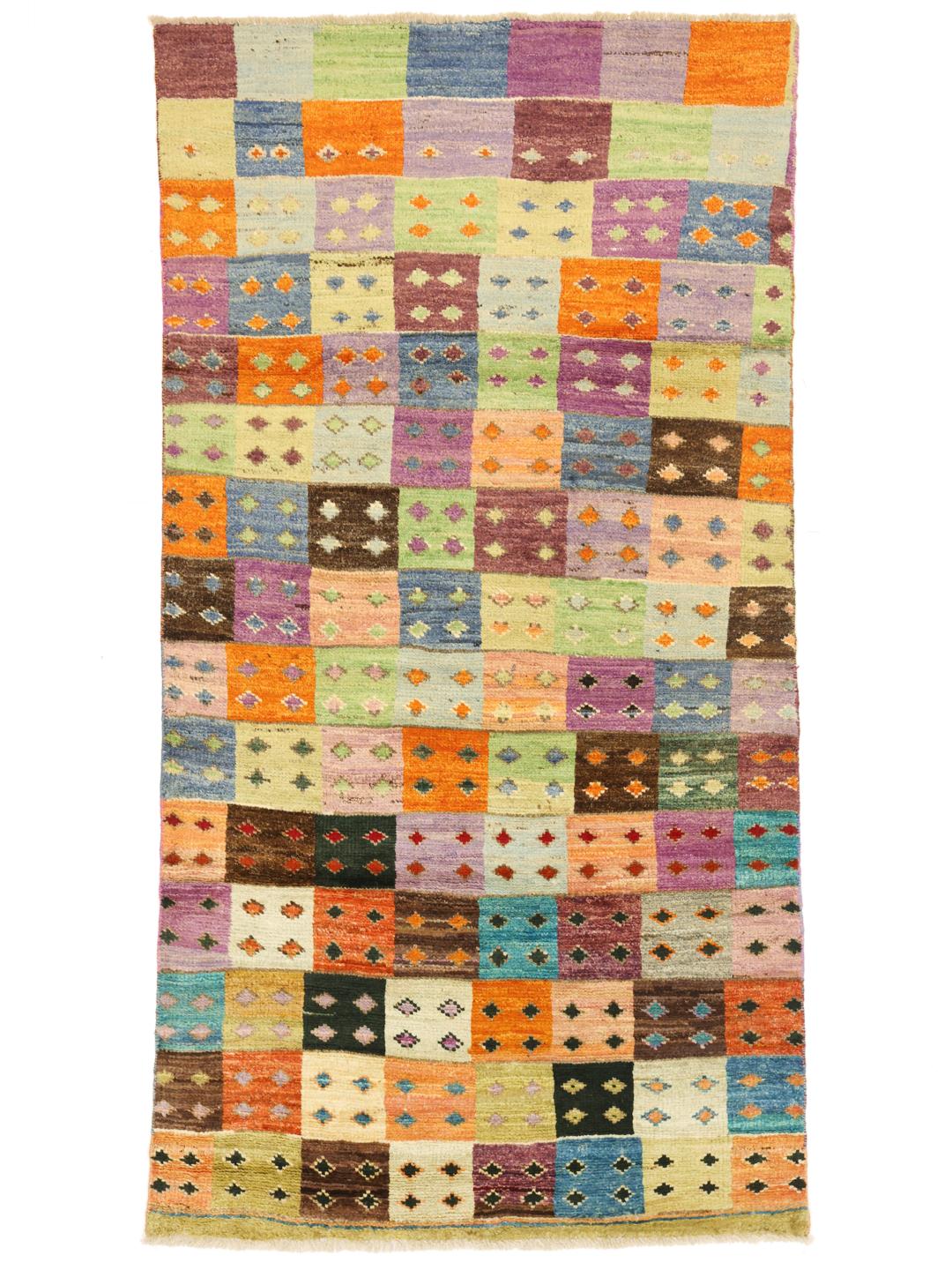
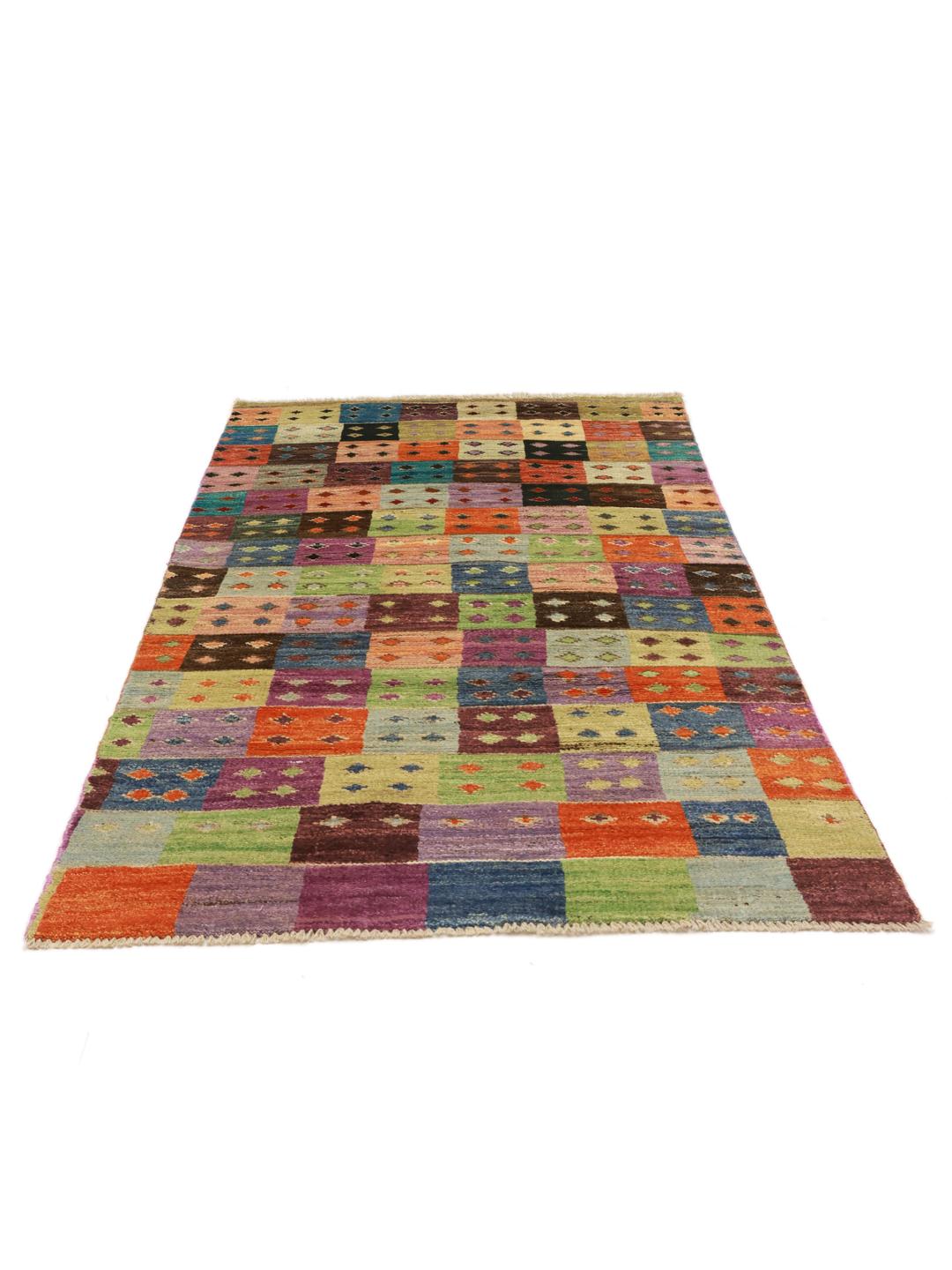
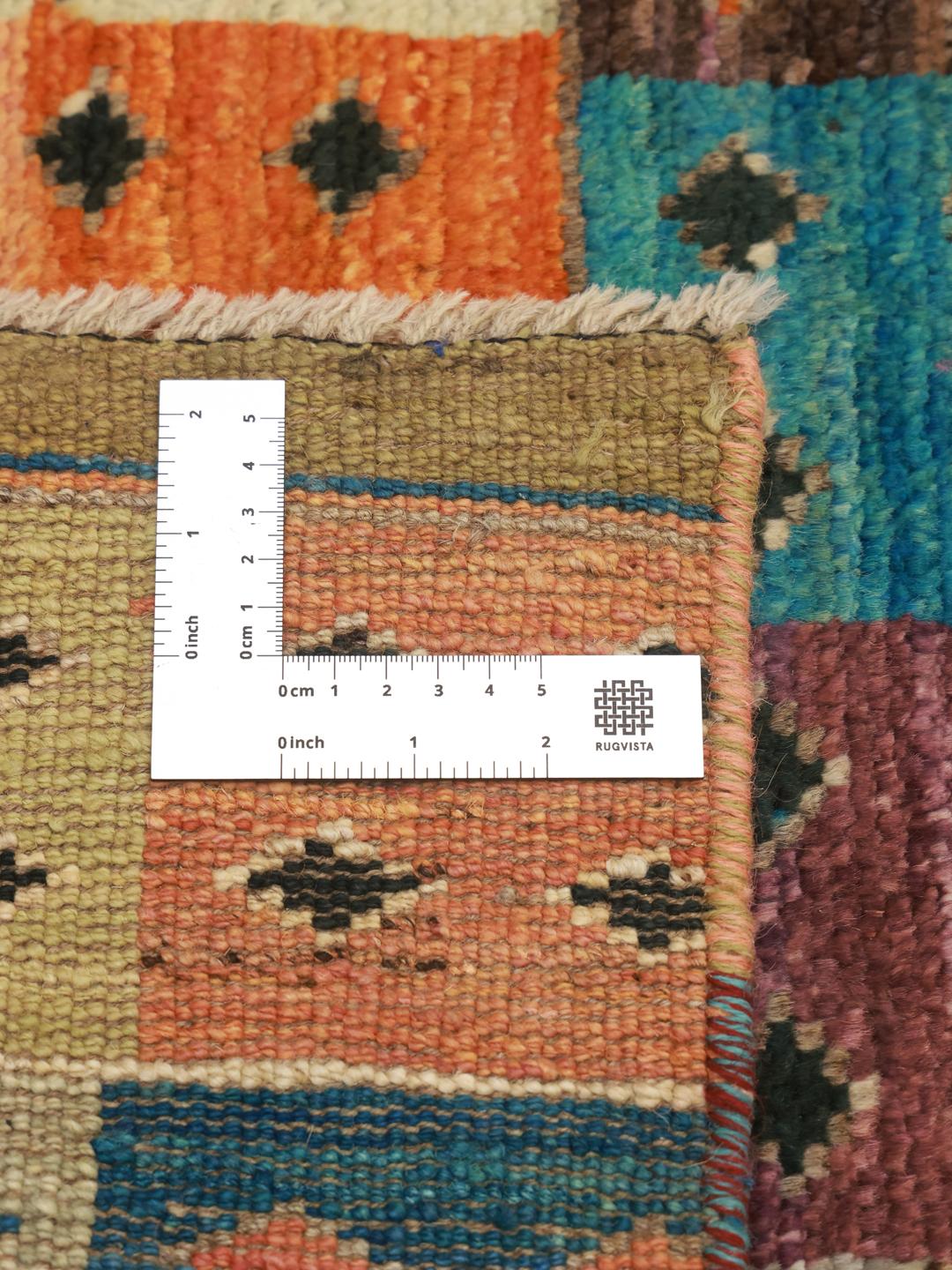
Berber-style rugs are deeply rooted in the nomadic traditions of the Middle East and surrounding regions, where the art of weaving has served as both a practical necessity and a form of cultural expression for centuries. While the term Berber is historically associated with the indigenous peoples of North Africa, the style has evolved significantly, with Afghan artisans adopting and adapting these techniques to create rugs that reflect their own rich weaving heritage.
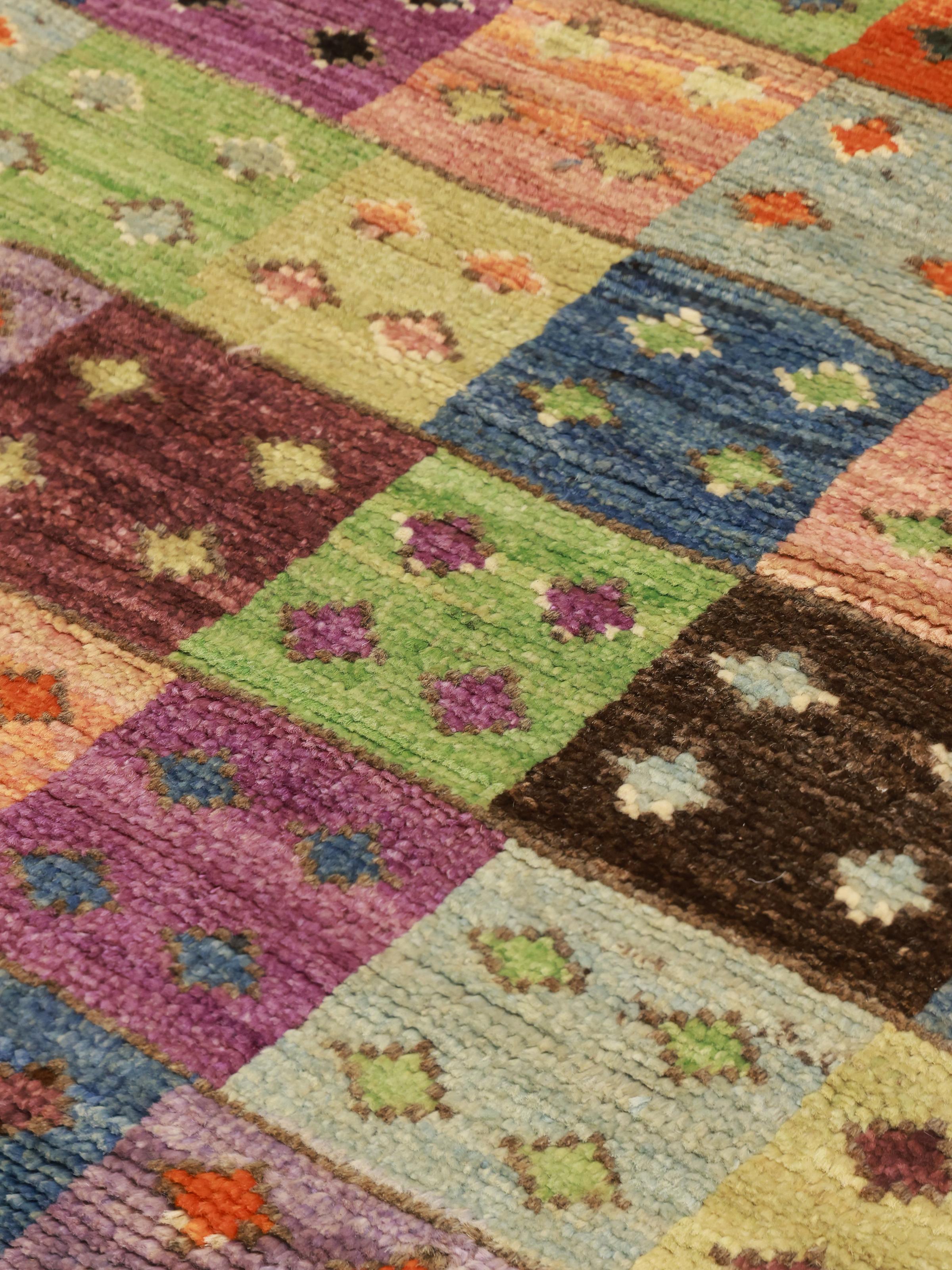
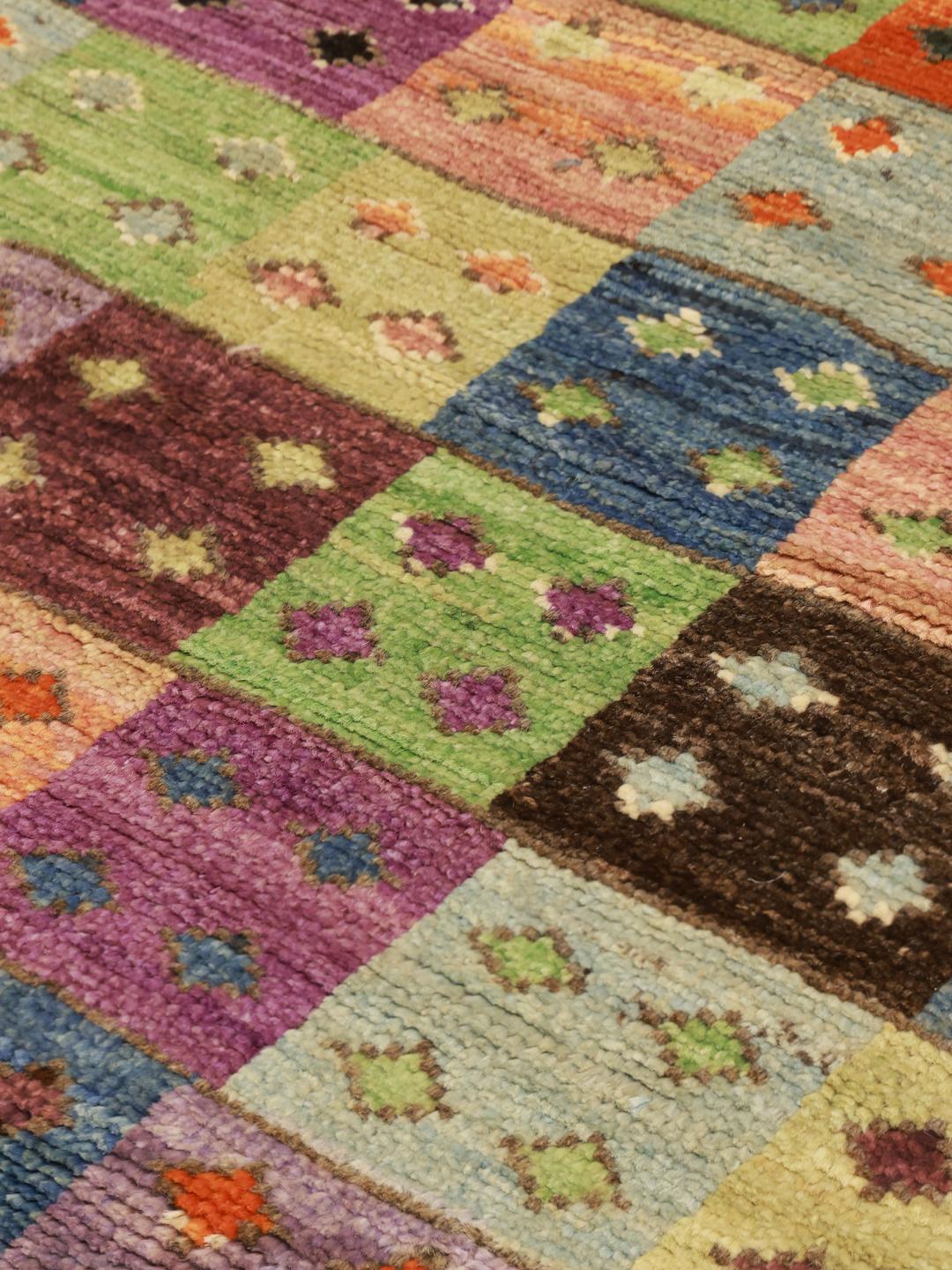
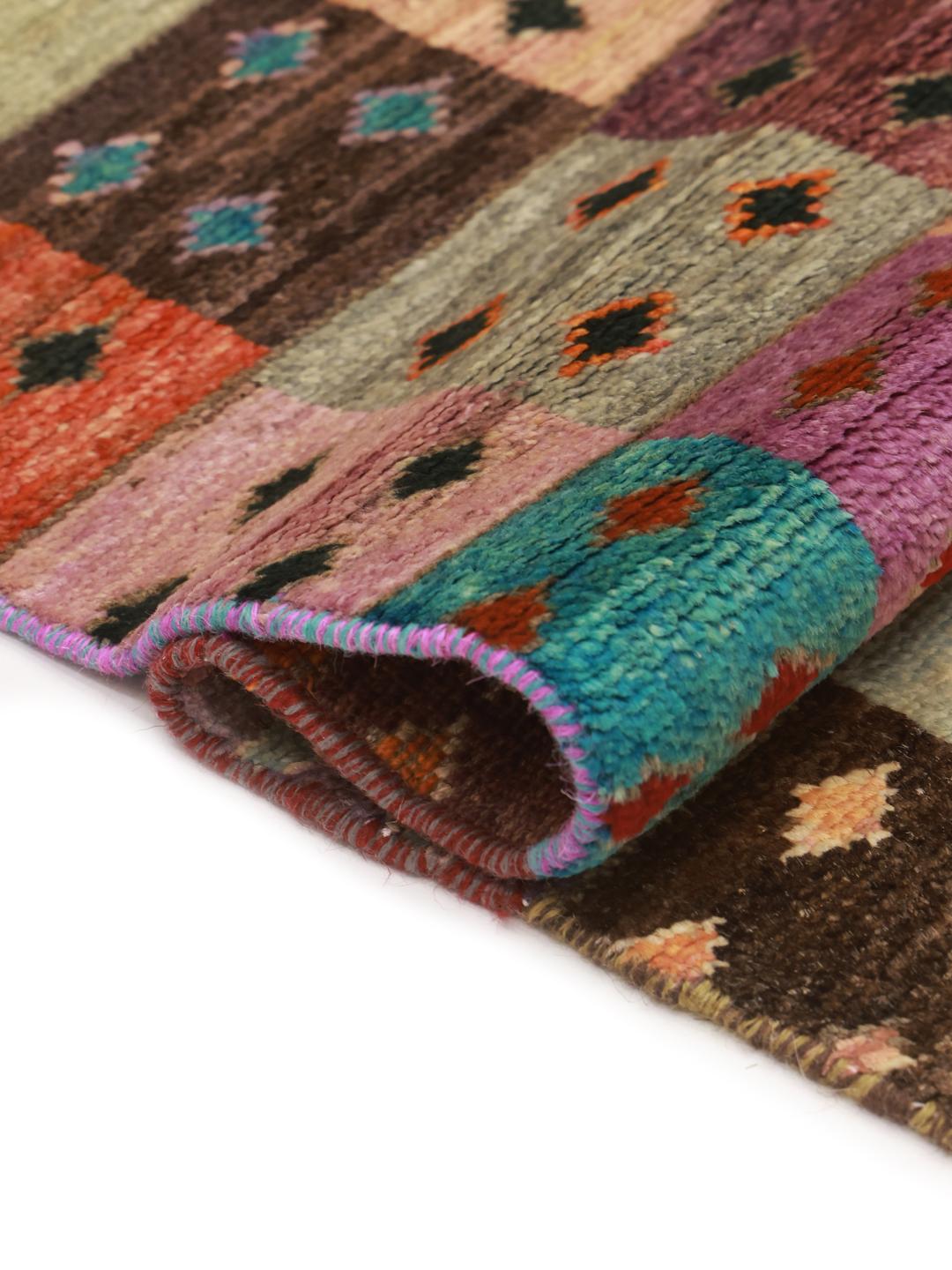
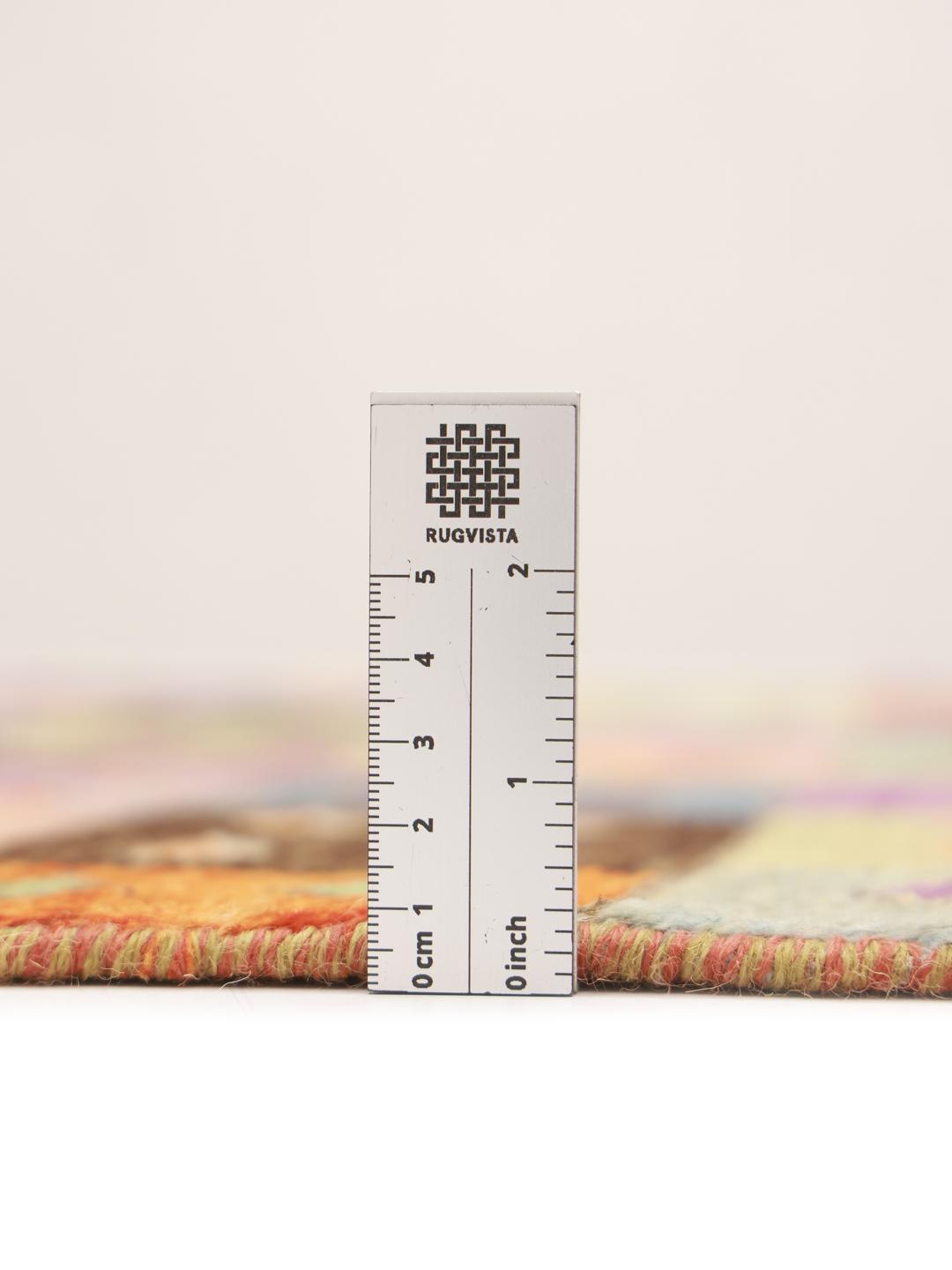
The construction of these pieces relies on a foundation of hand-spun Wool, which is valued for its natural durability and lustre. By using traditional hand-knotting methods, weavers are able to create a pile that is not only soft to the touch but also highly resilient, ensuring that the rug can withstand the rigours of daily life while retaining its rich texture and warmth.
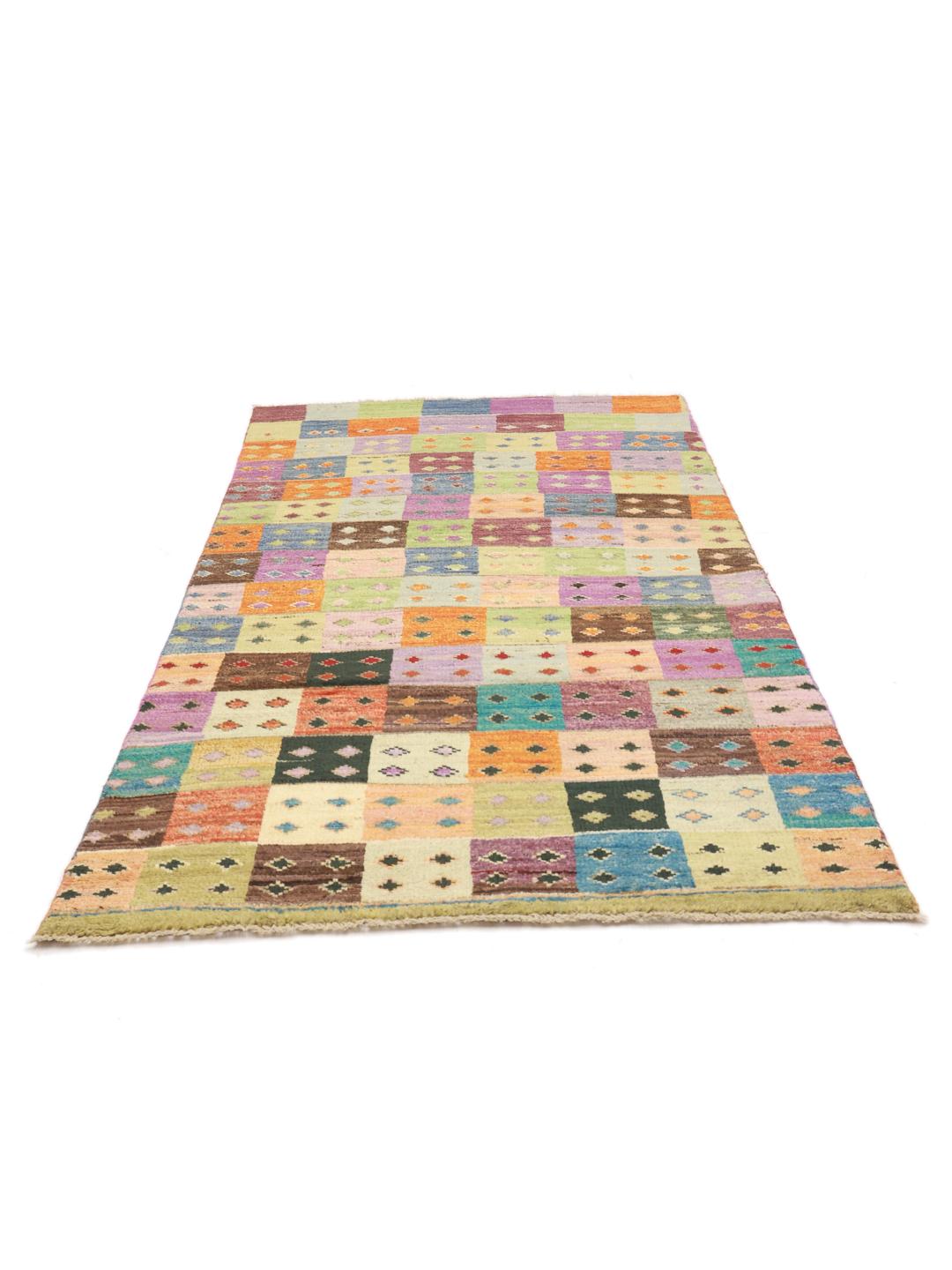
The visual language of this rug is defined by its vibrant, patchwork-inspired layout, which deviates from more formal, centralised patterns. This design choice highlights a more spontaneous and artistic approach to weaving, where the combination of various hues creates a lively, rhythmic composition that feels both organic and intentional, perfectly suited for modern homes.
Owning a hand-knotted rug of this tradition is an investment in cultural heritage and human skill. Because each piece is the result of countless hours of manual work, it carries a unique energy that factory-produced items simply cannot replicate. Collectors value these rugs for their authenticity, the story behind their creation, and the way they bring a sense of warmth and history into a living space.