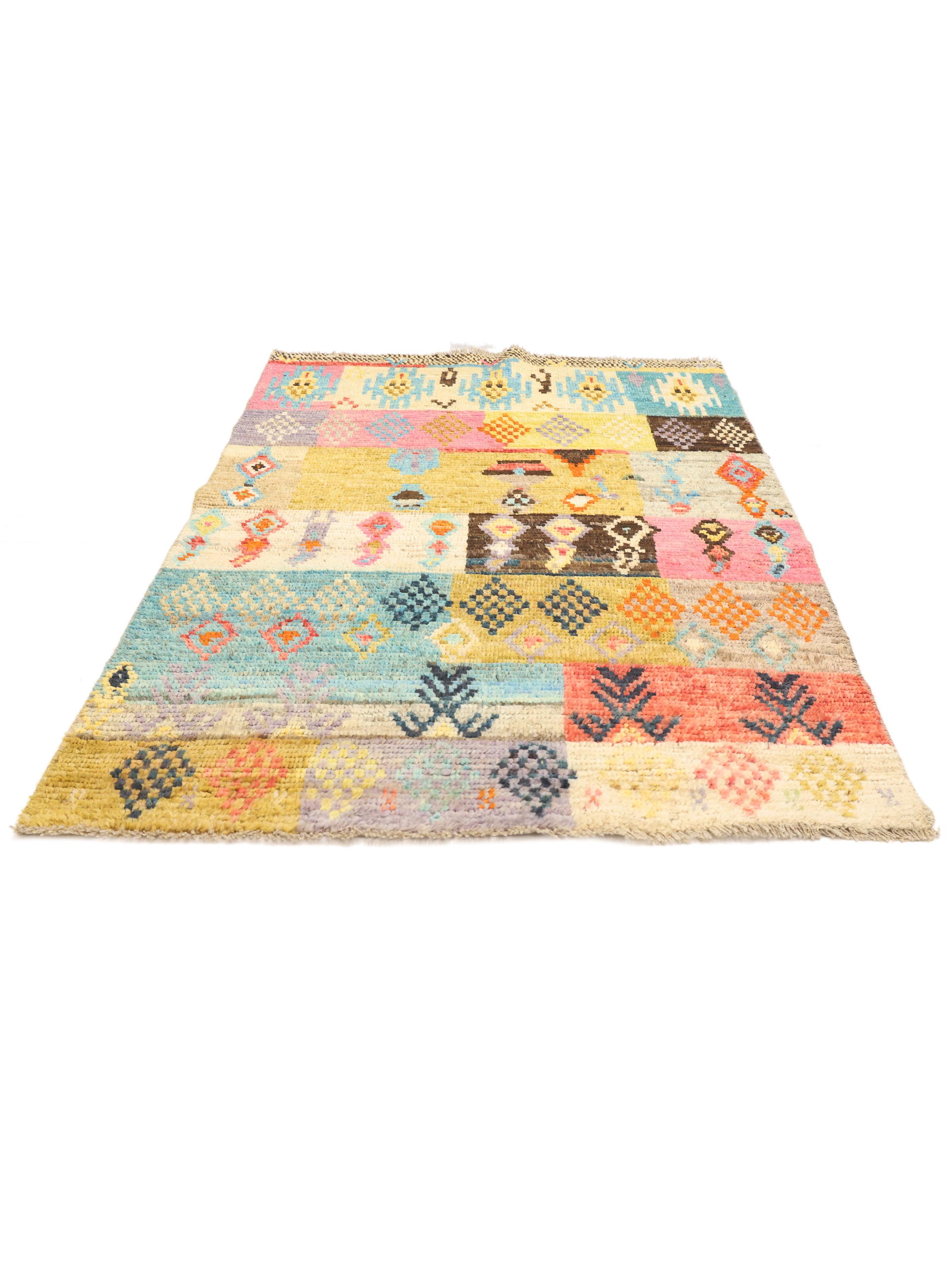
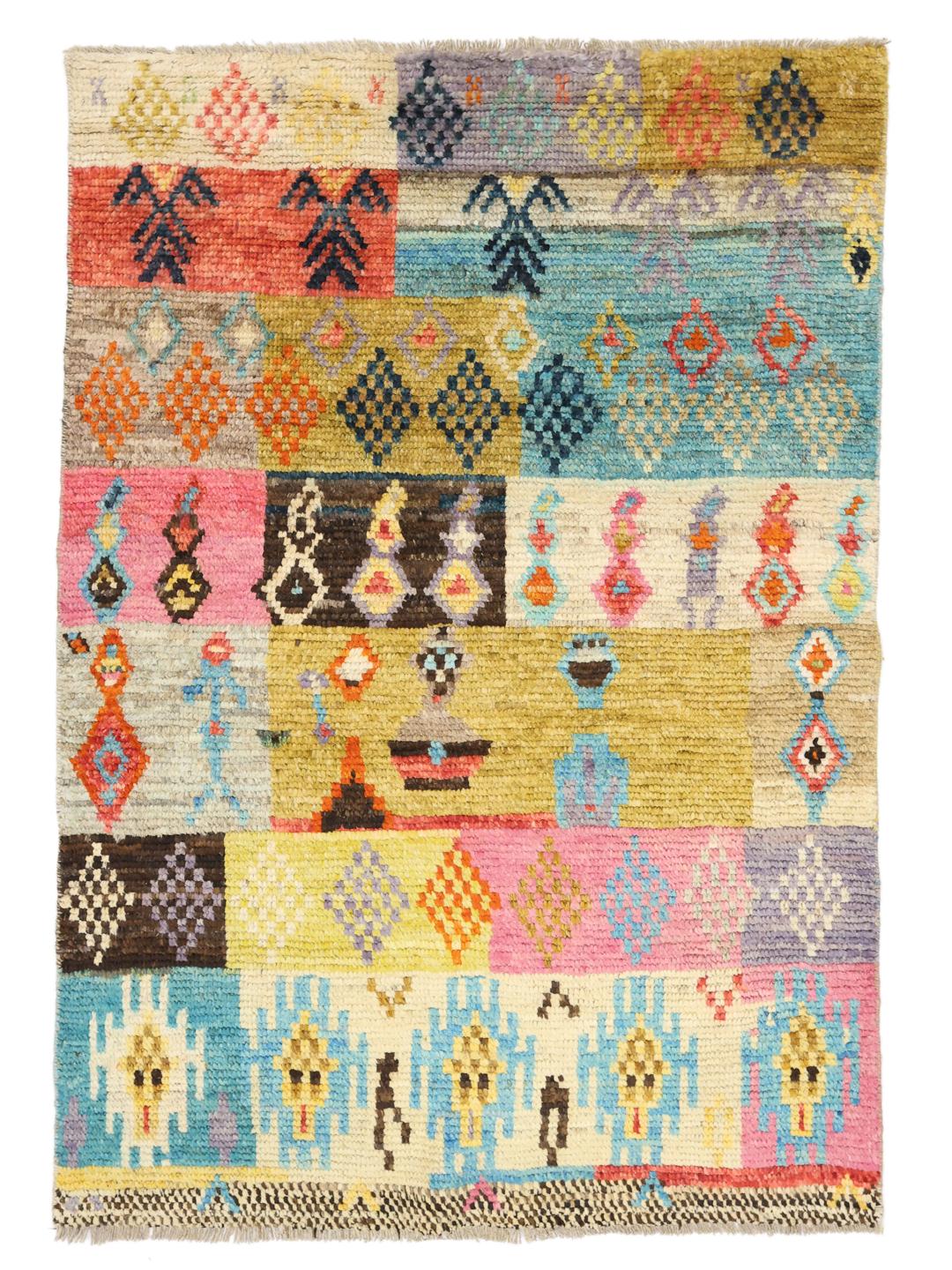
The Taimany rug tradition finds its roots in the rugged, mountainous terrain of Afghanistan, a region with a long and storied history of nomadic and semi-nomadic textile production. These rugs are often created by tribal weavers who draw upon generations of ancestral knowledge to produce textiles that serve both functional and expressive purposes. This cultural heritage is deeply tied to the land, reflecting a way of life that values resilience, community, and the ability to turn raw, natural materials into lasting beauty.
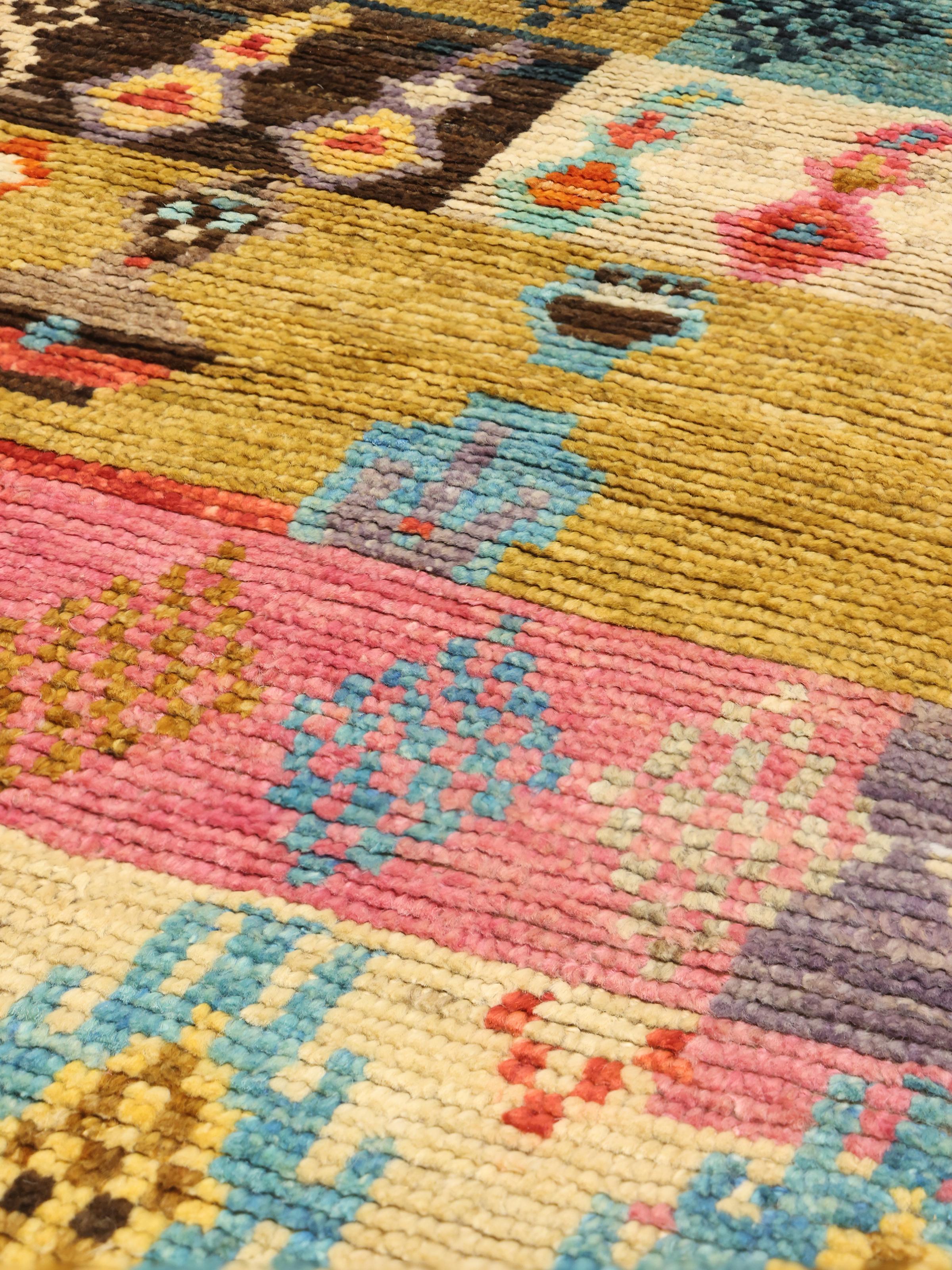
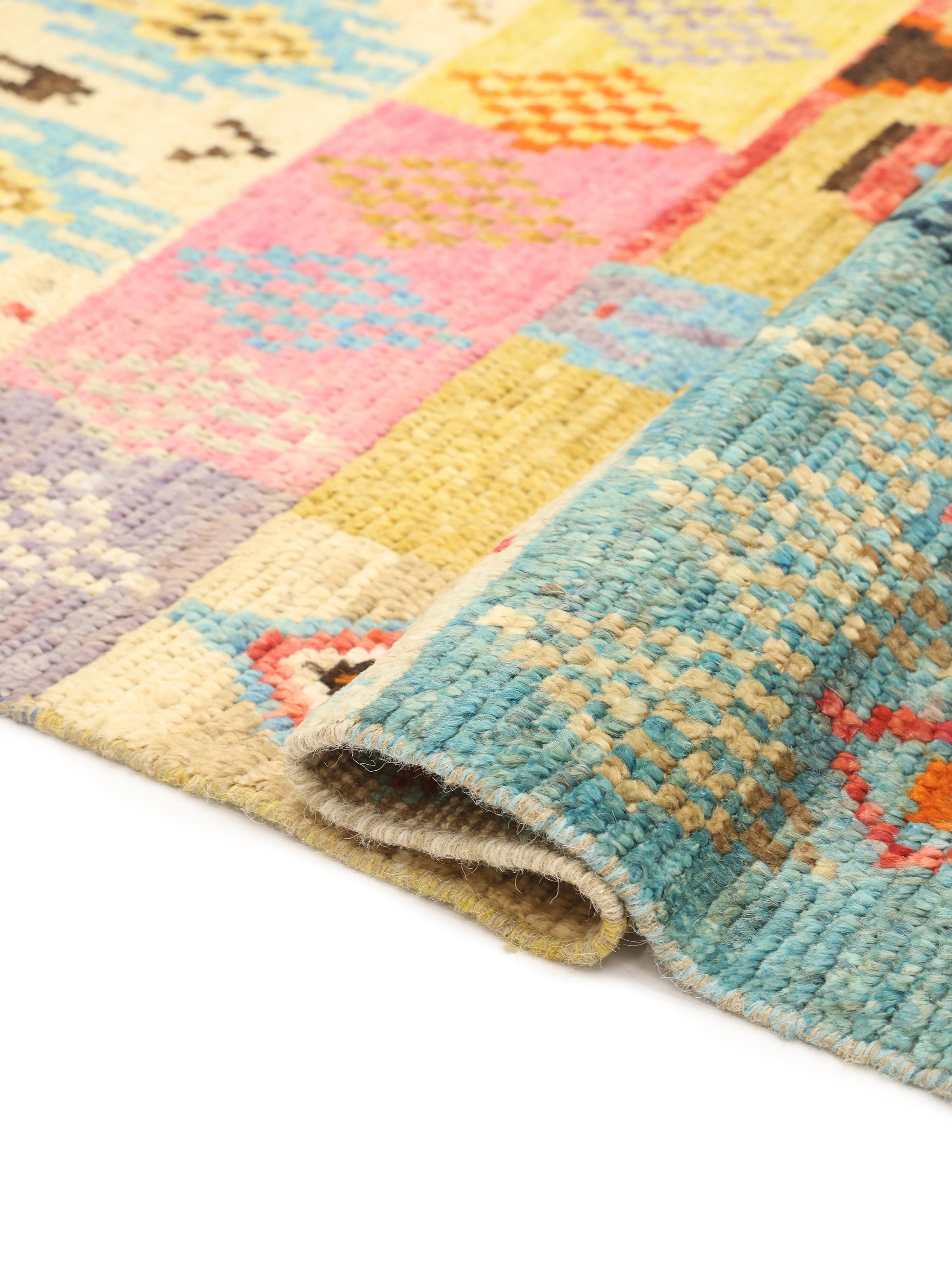
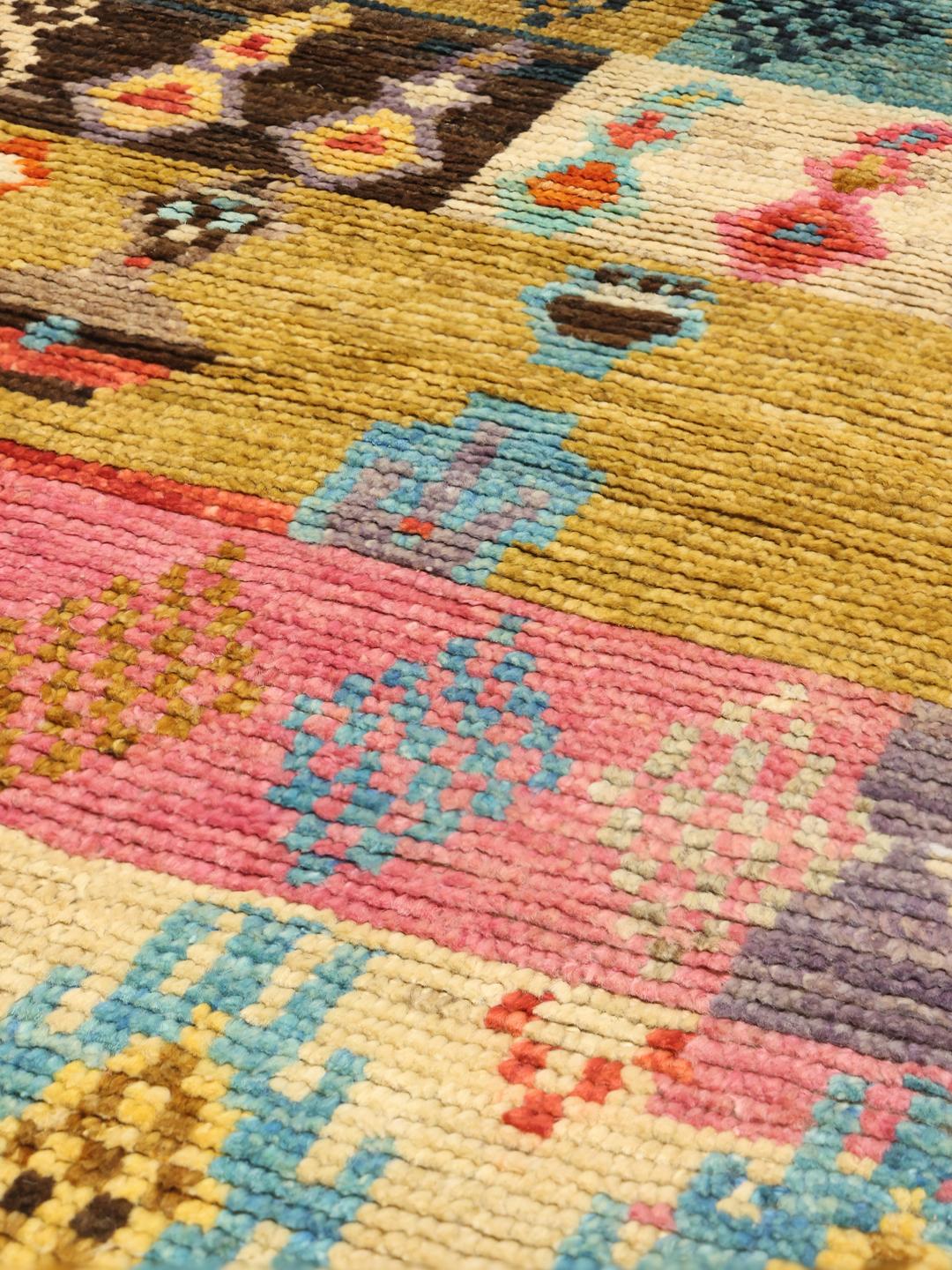
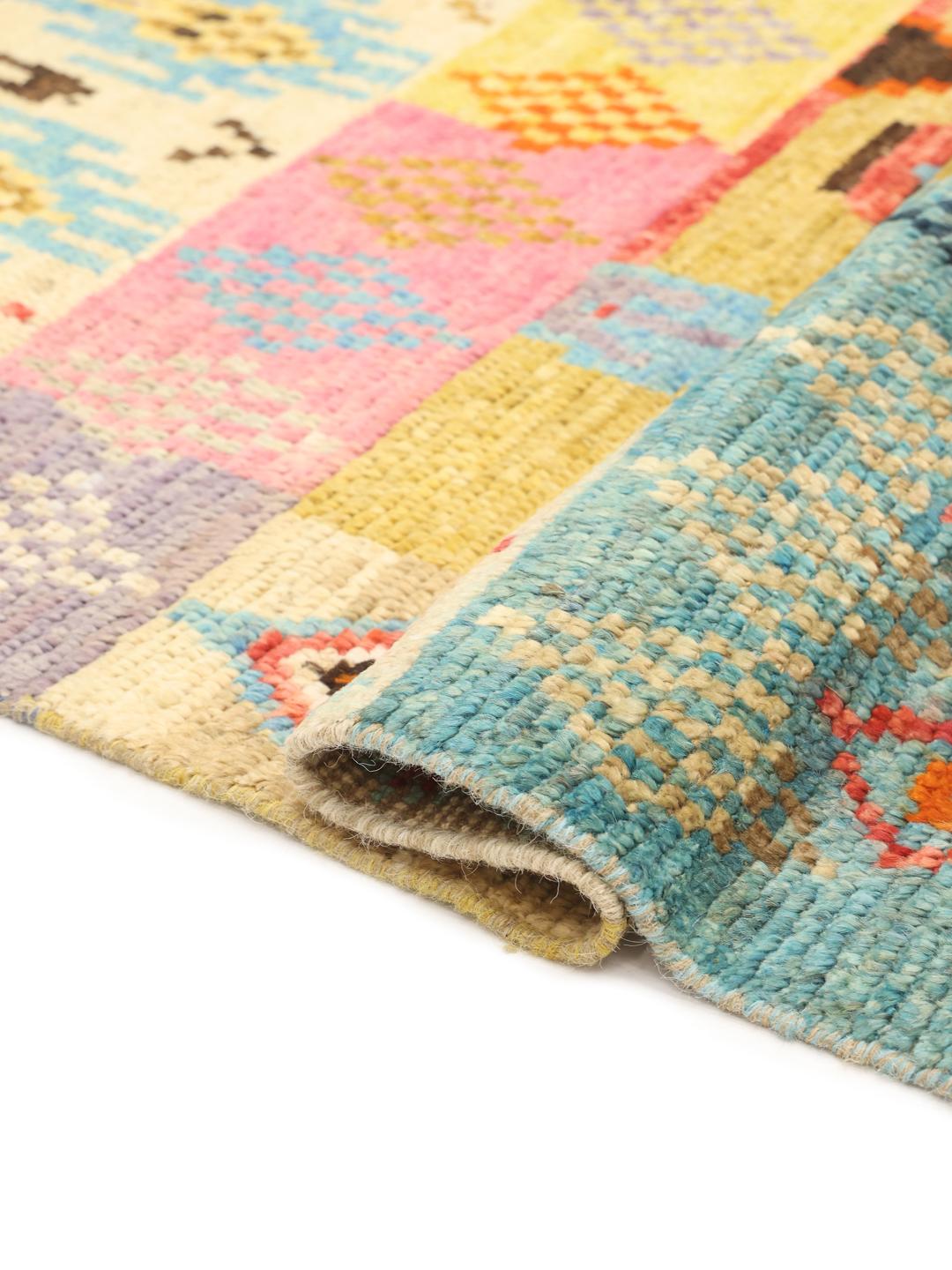
Technical mastery in this tradition is defined by the hand-knotting process, which allows for a high degree of control over both colour and form. The use of wool as the primary material is essential, as it provides the necessary strength and natural lanolin content to keep the pile soft yet incredibly durable. Unlike modern synthetic alternatives, the wool used here has a natural lustre that changes subtly with the light, adding depth and character to the complex, multicoloured designs.
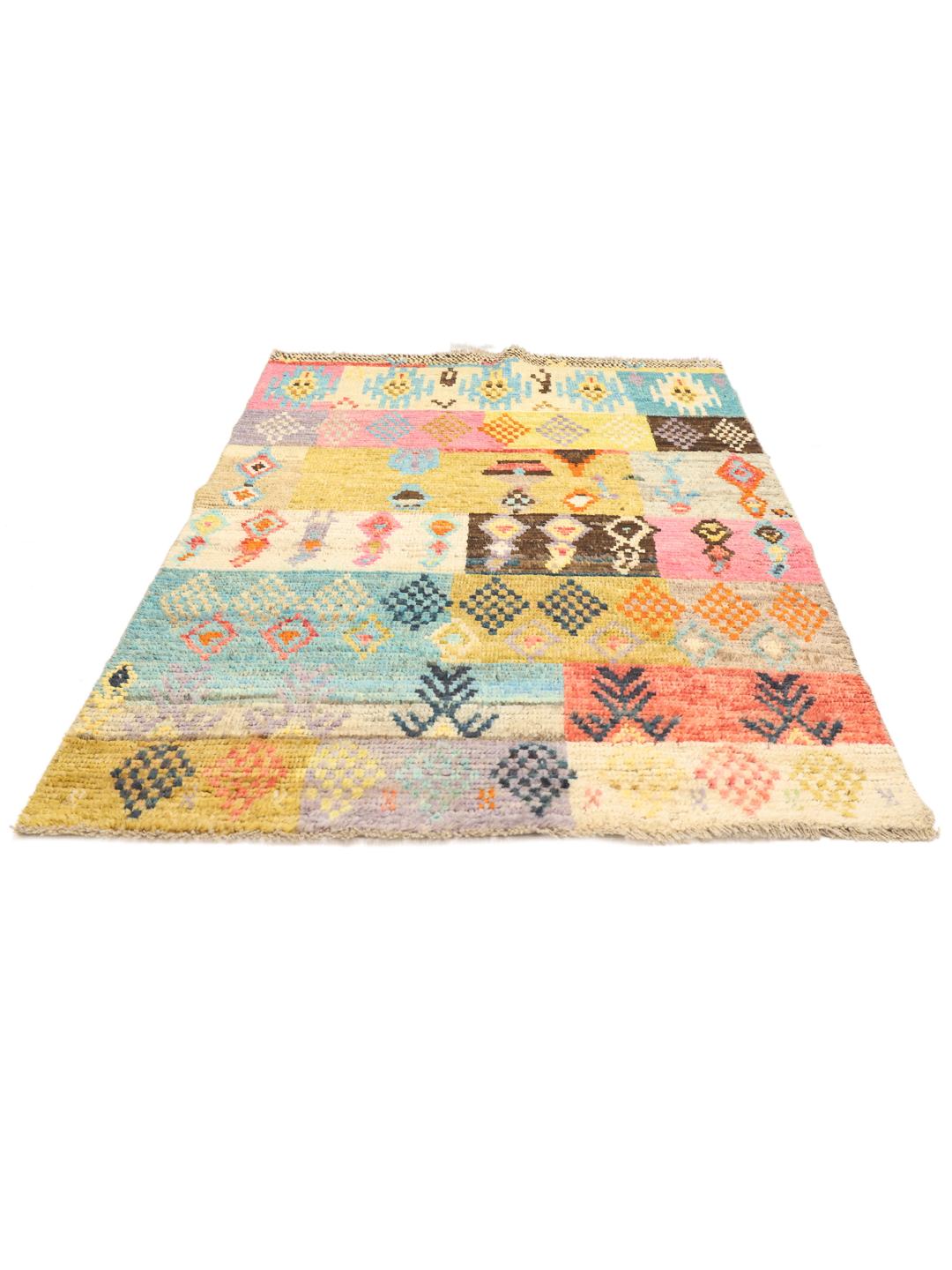
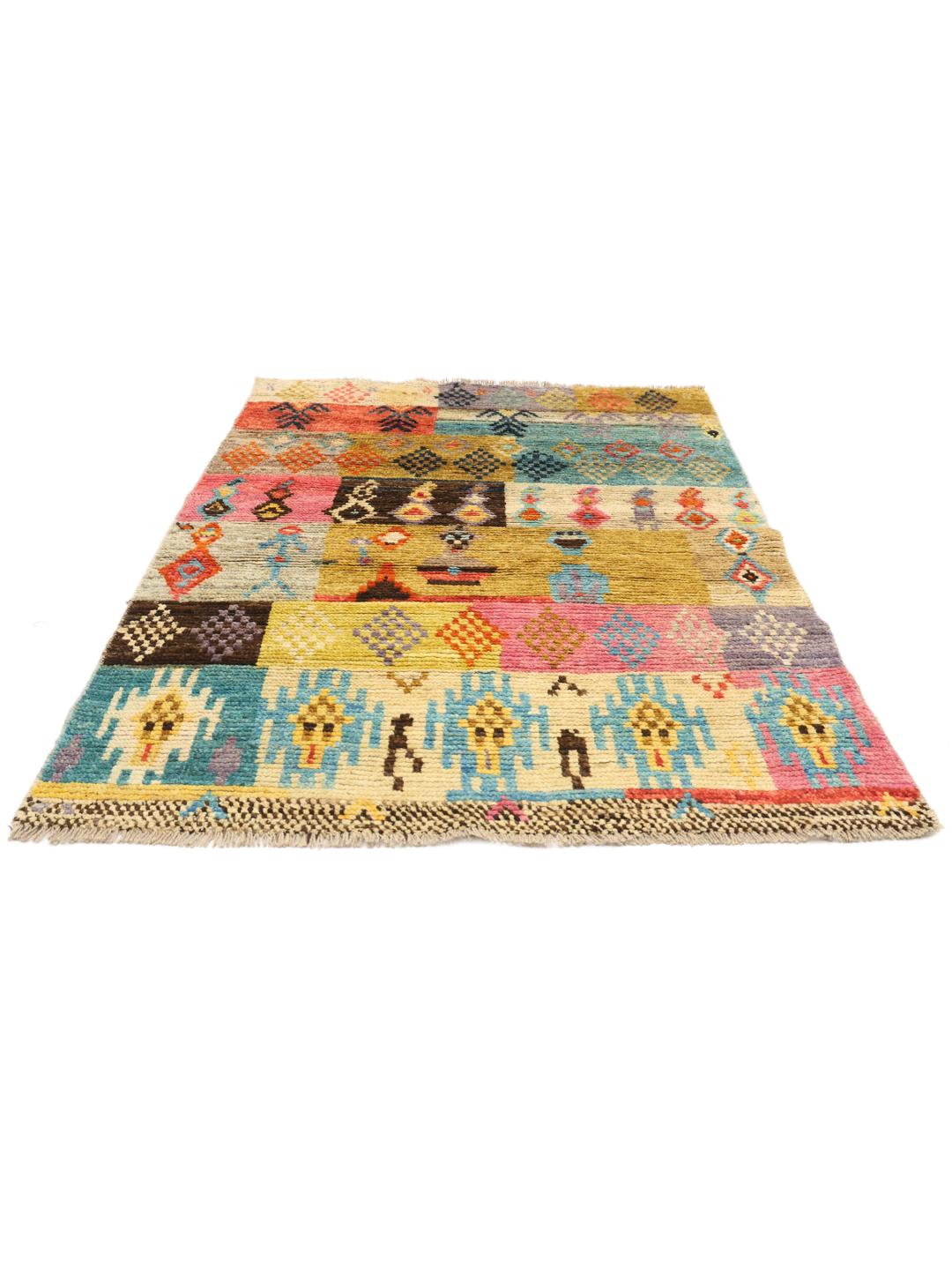
Visually, these rugs are celebrated for their bold, geometric, and often abstract motifs that break away from the formal constraints found in other regional styles. The patterns frequently incorporate symbolic elements that represent the weaver's environment, beliefs, or personal narratives, resulting in a design language that feels both ancient and refreshingly contemporary. The use of vibrant, contrasting colours is a signature of this tradition, designed to stand out and bring life to the interiors of traditional dwellings.
Collecting a rug from this tradition is an investment in human skill and cultural continuity. Because these pieces are made by hand without the aid of automated machinery, they carry a distinct personality that resonates with collectors and design enthusiasts alike. Owning a Taimany rug is a way to preserve a specific moment in the history of Afghan craft, ensuring that these artistic traditions continue to be valued and celebrated in modern homes around the globe.