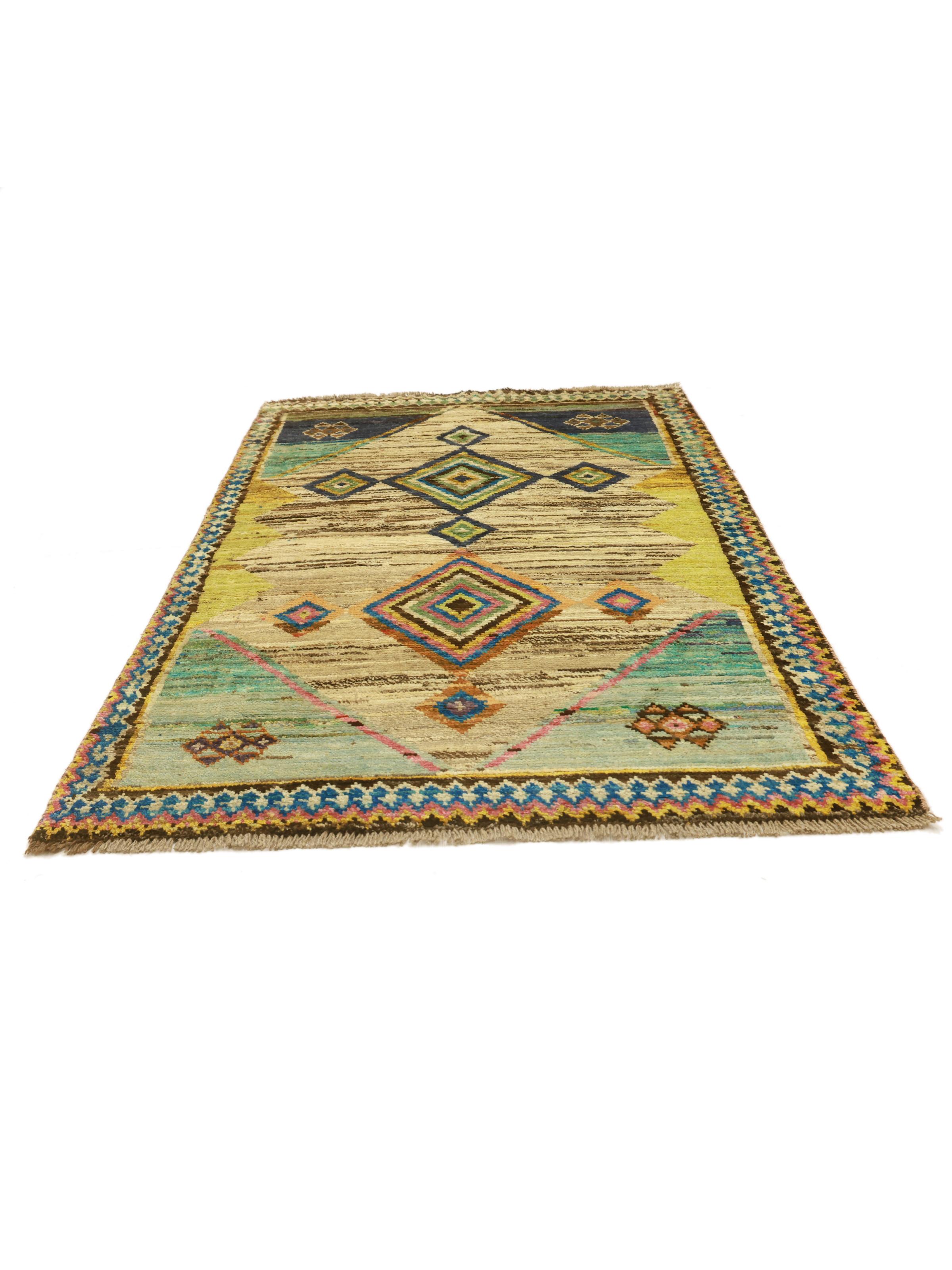
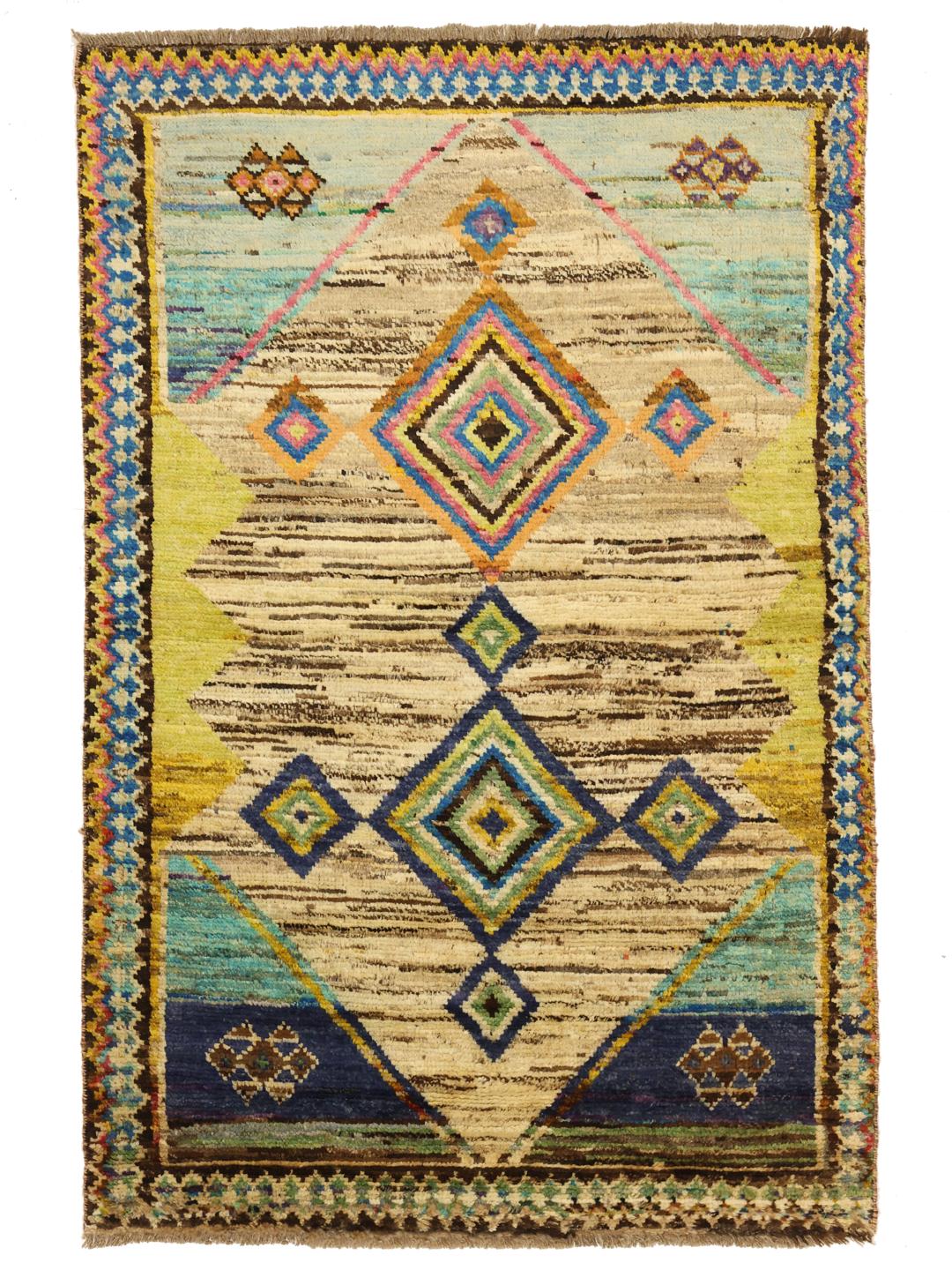
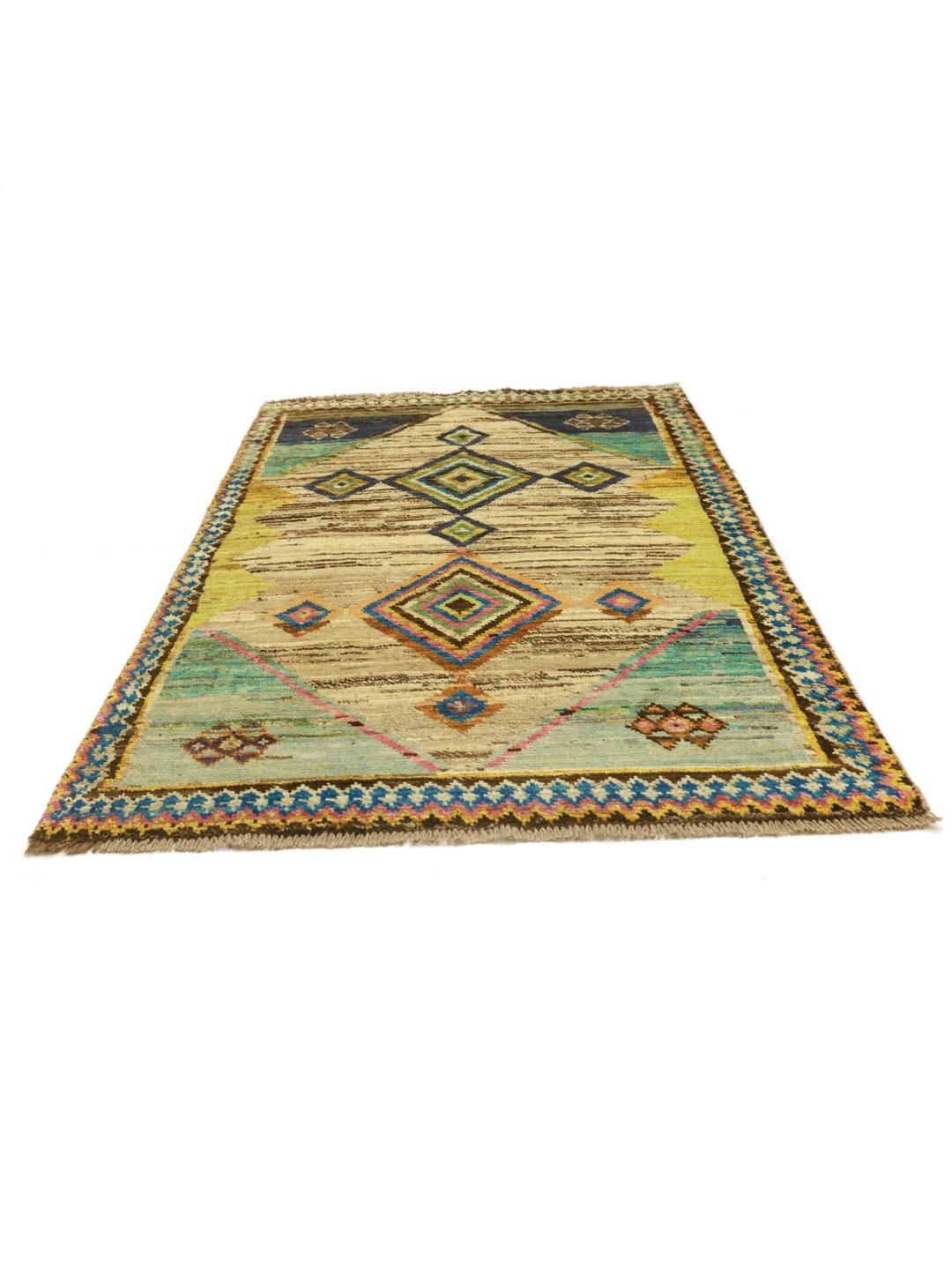
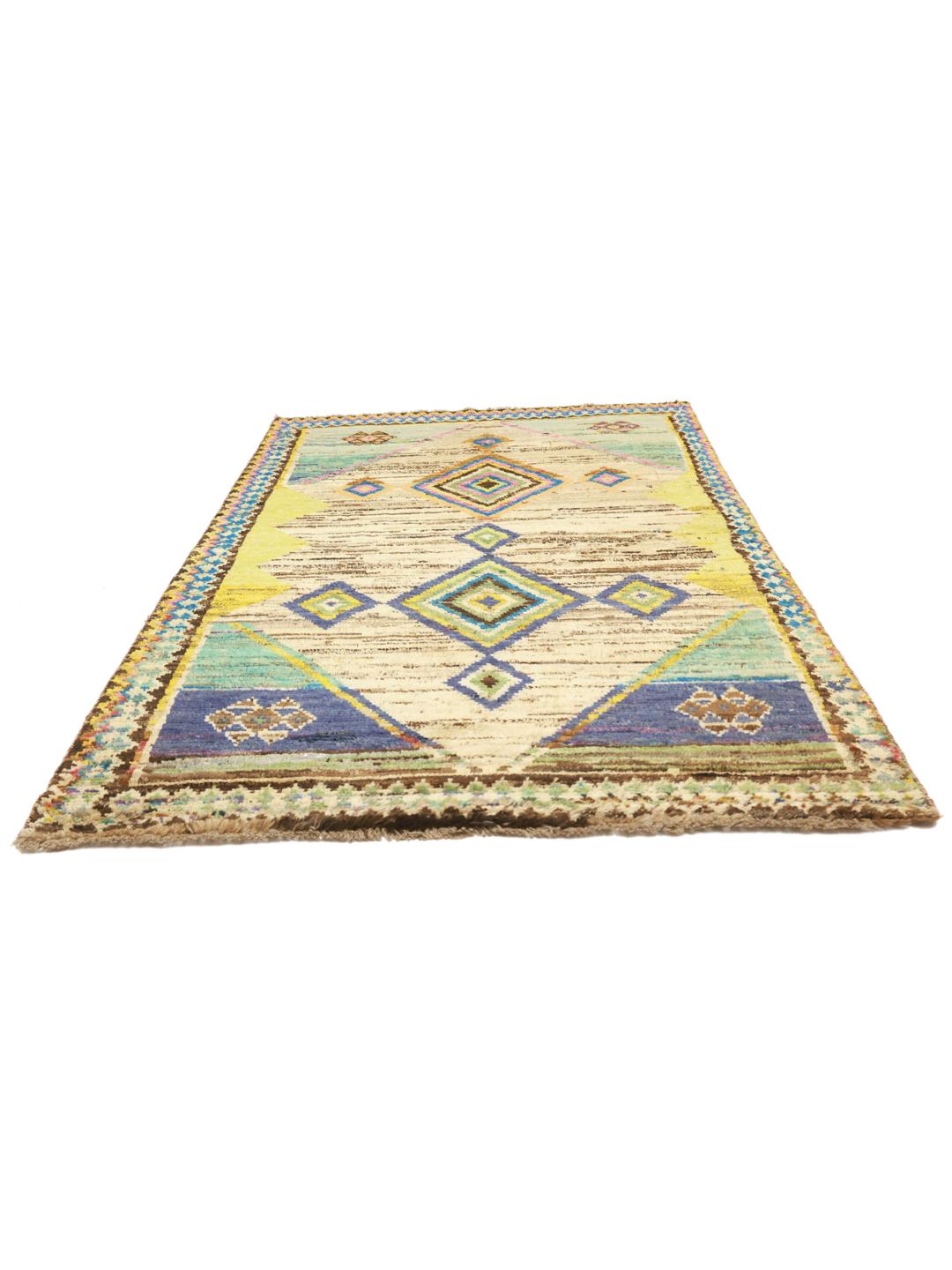
The roots of this rug style lie in the nomadic and semi-nomadic traditions of the Middle East and Central Asia, where weaving has served as a vital cultural expression for generations. While often associated with the Berber traditions of North Africa, these colourful, geometric-focused rugs have found a vibrant new home in the workshops of Afghanistan, where weavers have adapted these ancestral aesthetics into their own distinct regional style.
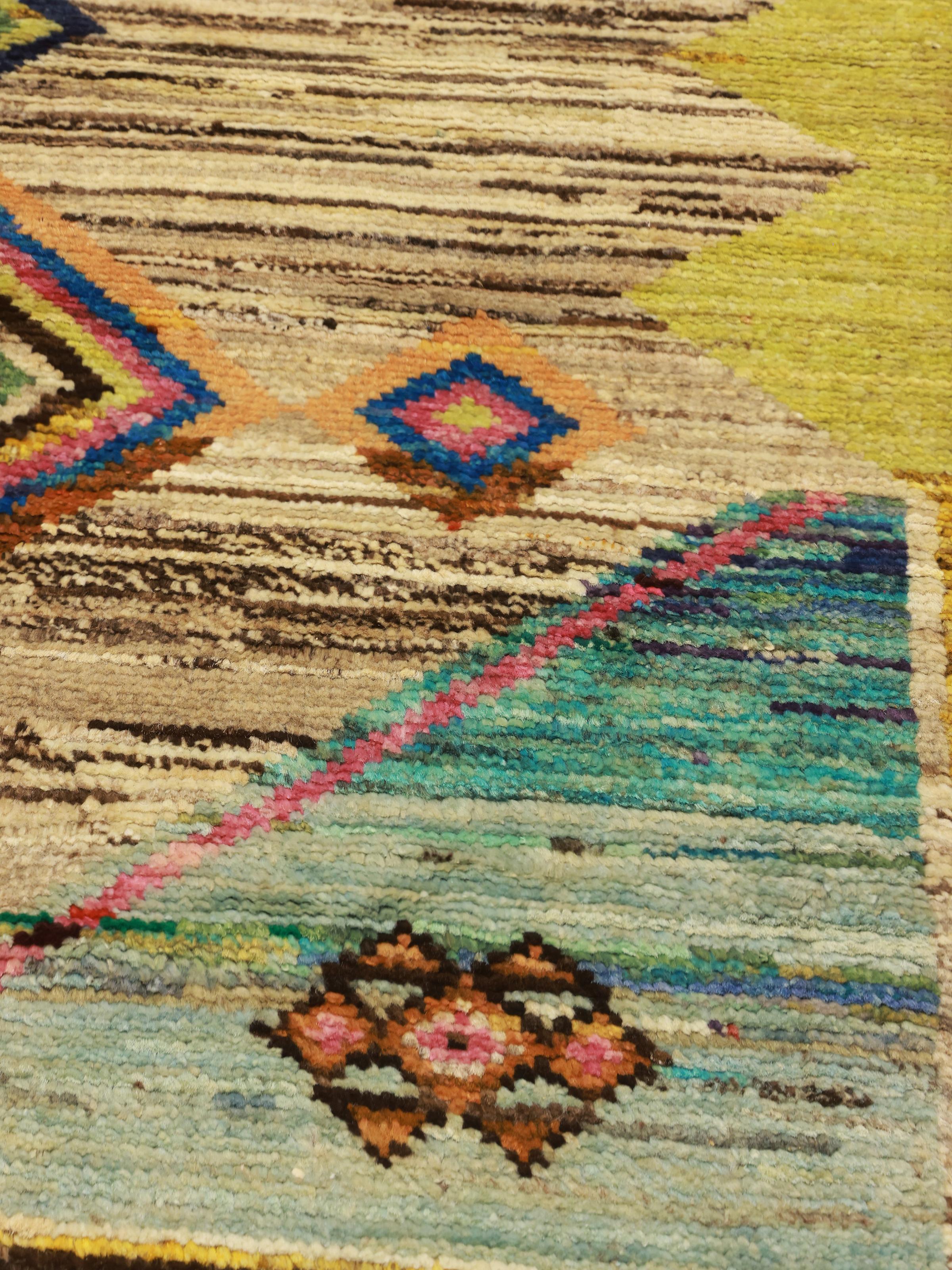
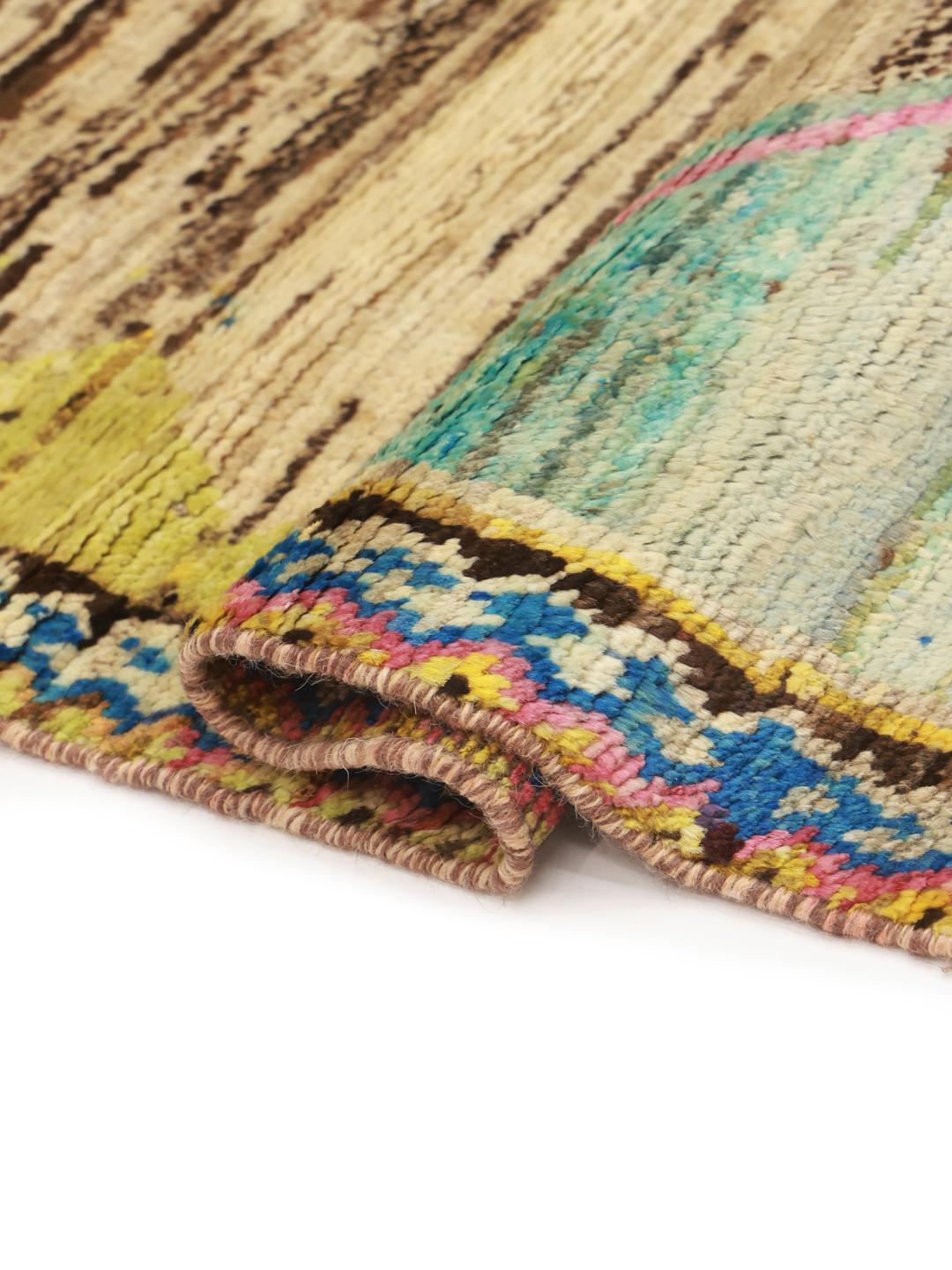
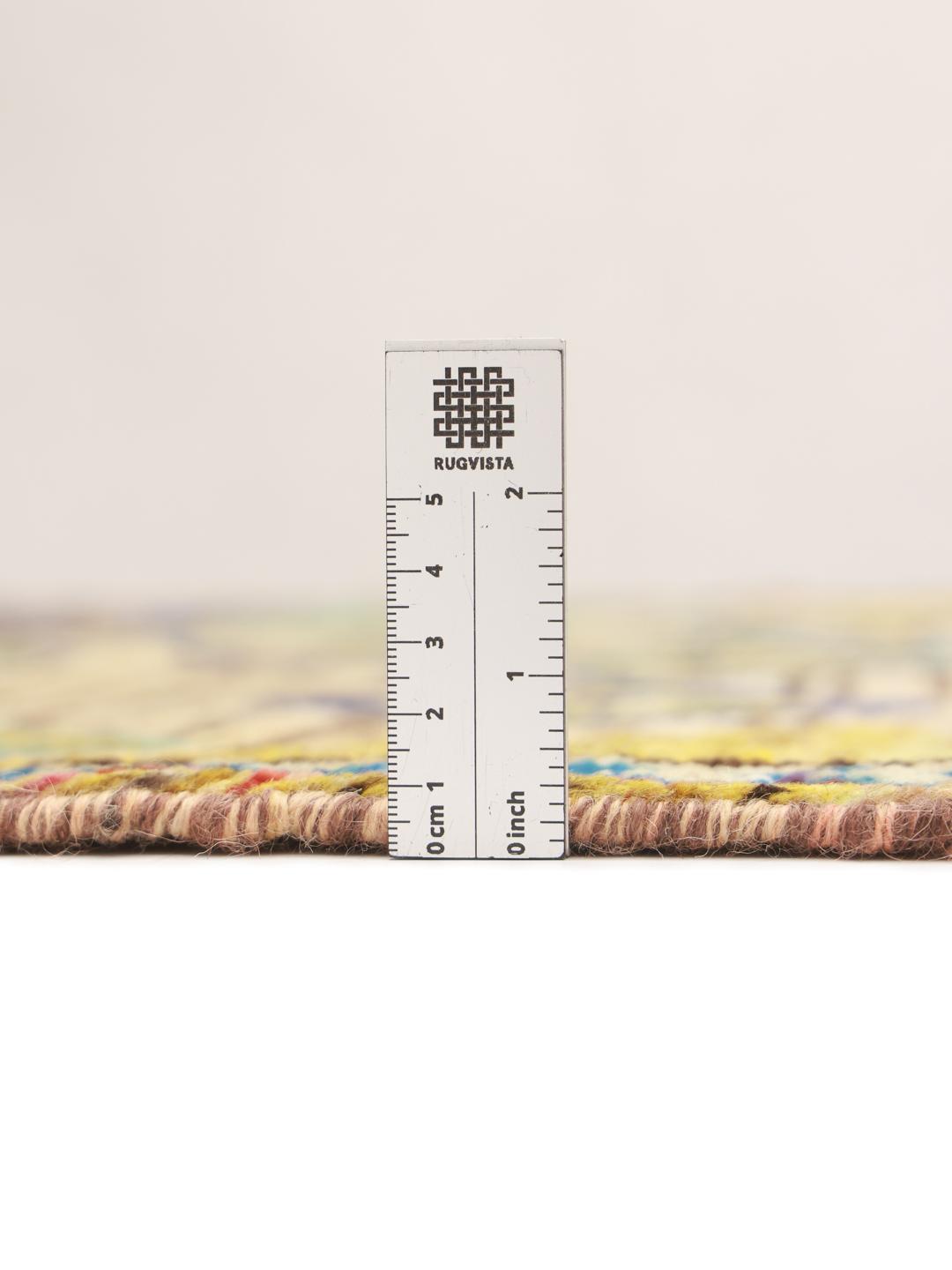
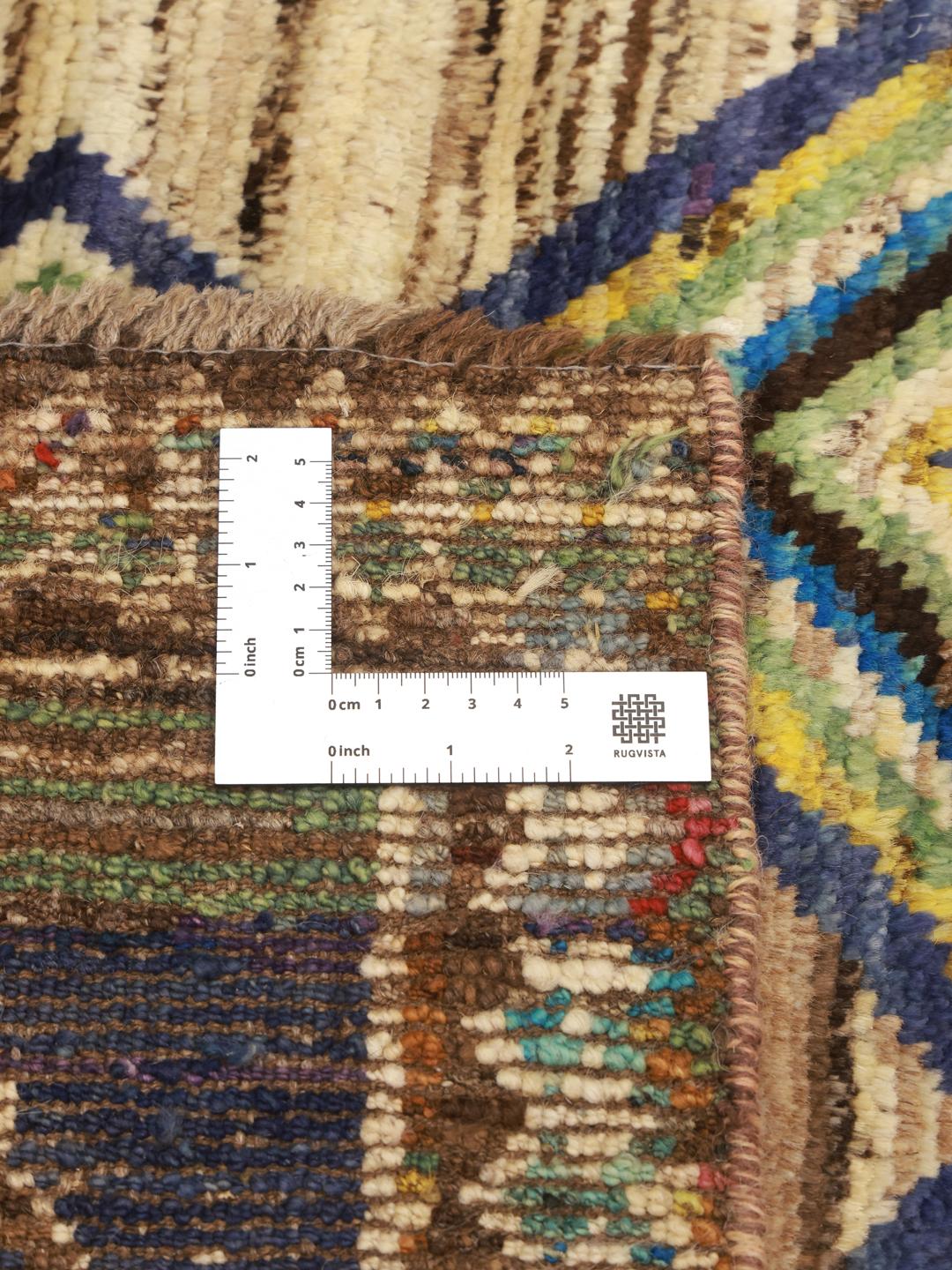
The construction of these rugs relies on time-honoured techniques where the pile is knotted onto a foundation, creating a dense and durable surface. This method allows for the creation of intricate, angular patterns that are difficult to achieve through other means, resulting in a texture that is both plush and substantial.
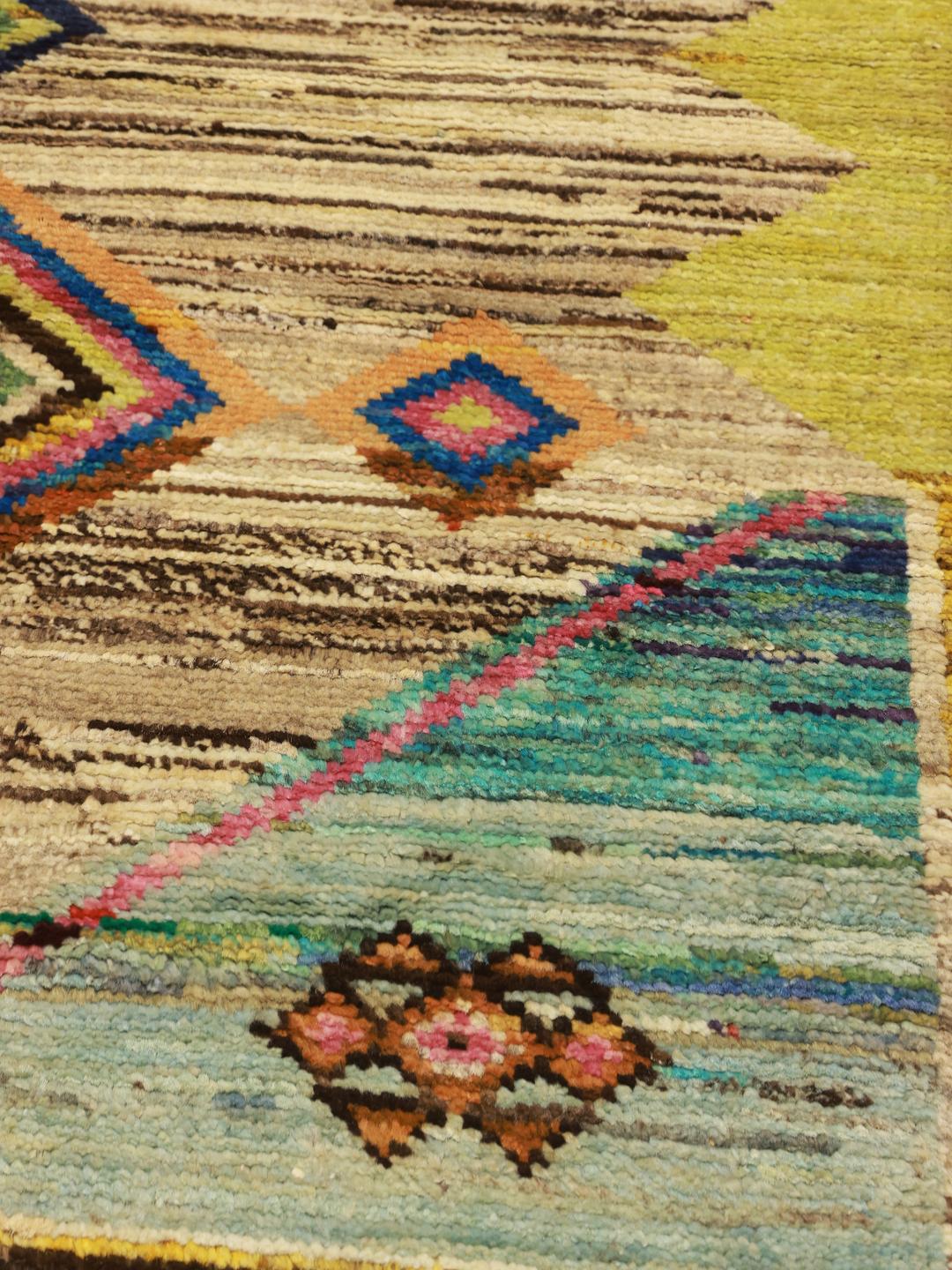
Visually, these pieces are celebrated for their bold, imaginative use of geometry. The common motifs often include diamonds, triangles, and stepped lines, which are arranged in rhythmic, often spontaneous compositions. The use of vibrant, contrasting colours is a hallmark of this category, reflecting a departure from more muted, traditional palettes and embracing a more modern, expressive design language.
Collectors value these rugs for their blend of historical technique and artistic freedom. Because they are not strictly bound by the rigid, formal patterns found in other regional traditions, they offer a unique glimpse into the creativity of the weaver. Owning such a piece is an investment in a living tradition, preserving the skill and vision of the artisan in your own home.