Berber-style rugs are deeply rooted in the nomadic traditions of mountain-dwelling tribes, particularly those across North Africa and parts of Central Asia like the Middle East. These rugs have historically served as essential household items, doubling as floor coverings, blankets, and even tent walls. The migration of these weaving techniques has allowed the style to evolve, blending ancient tribal motifs with the distinct aesthetic sensibilities of different regions.
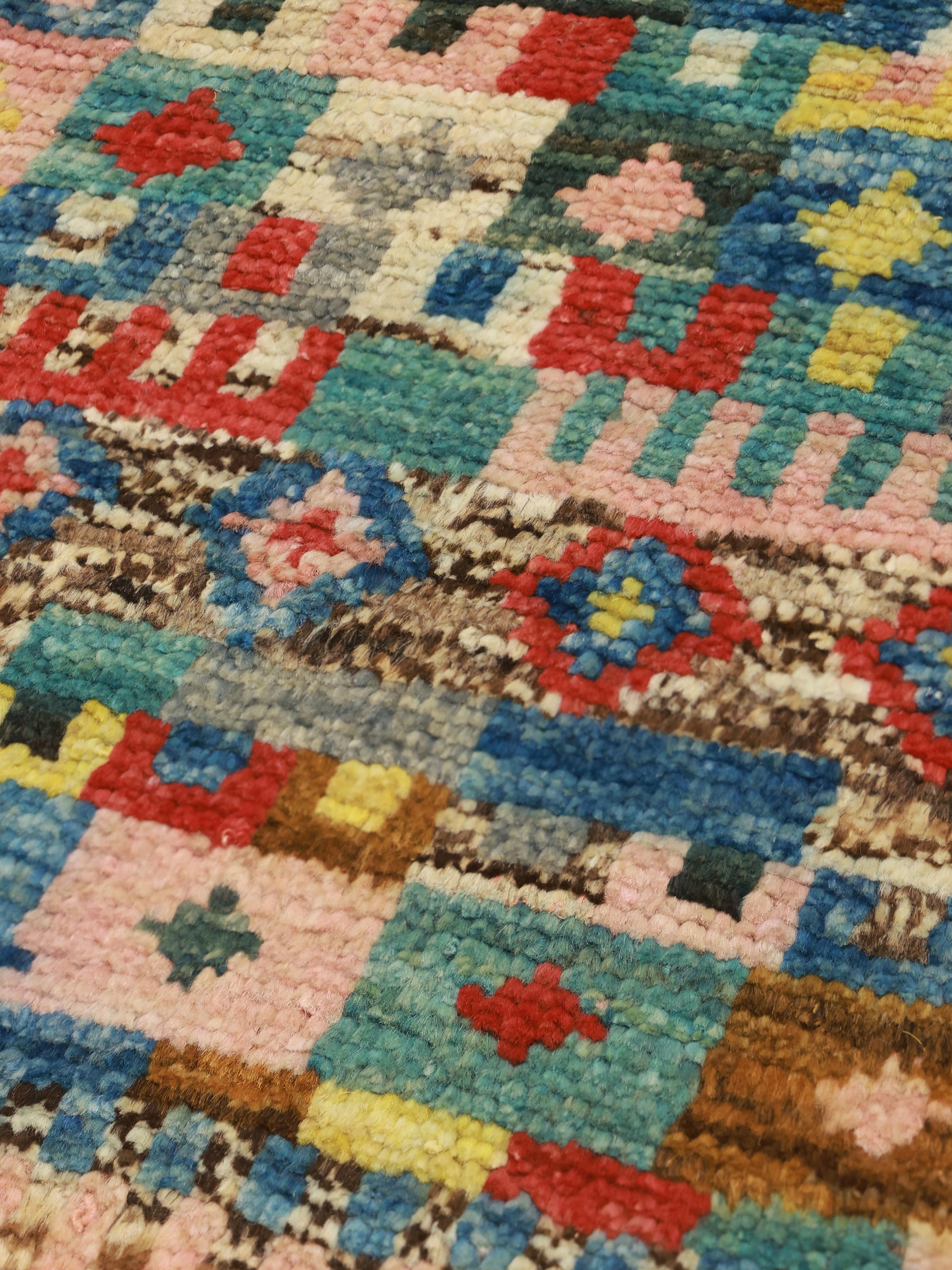
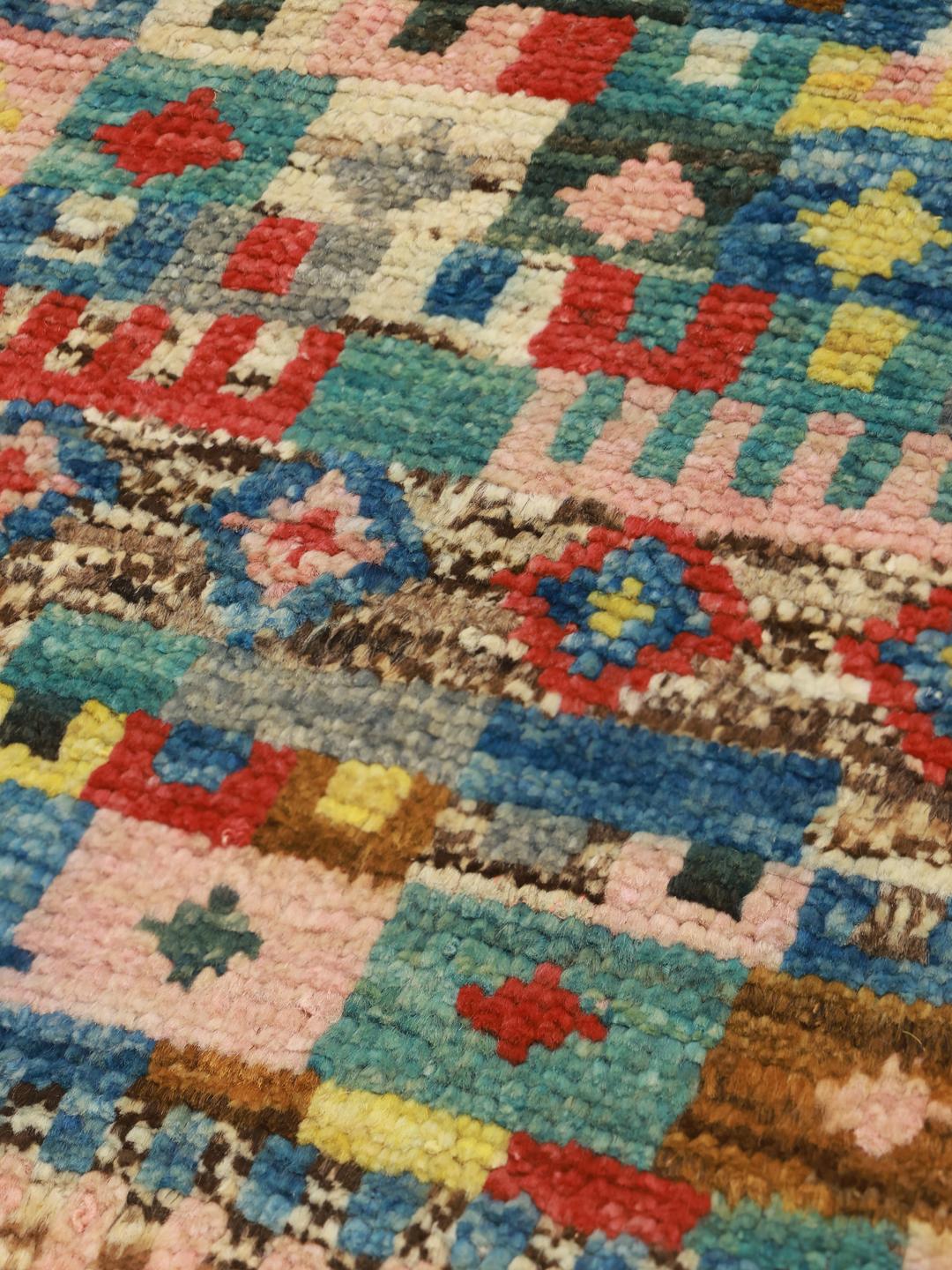
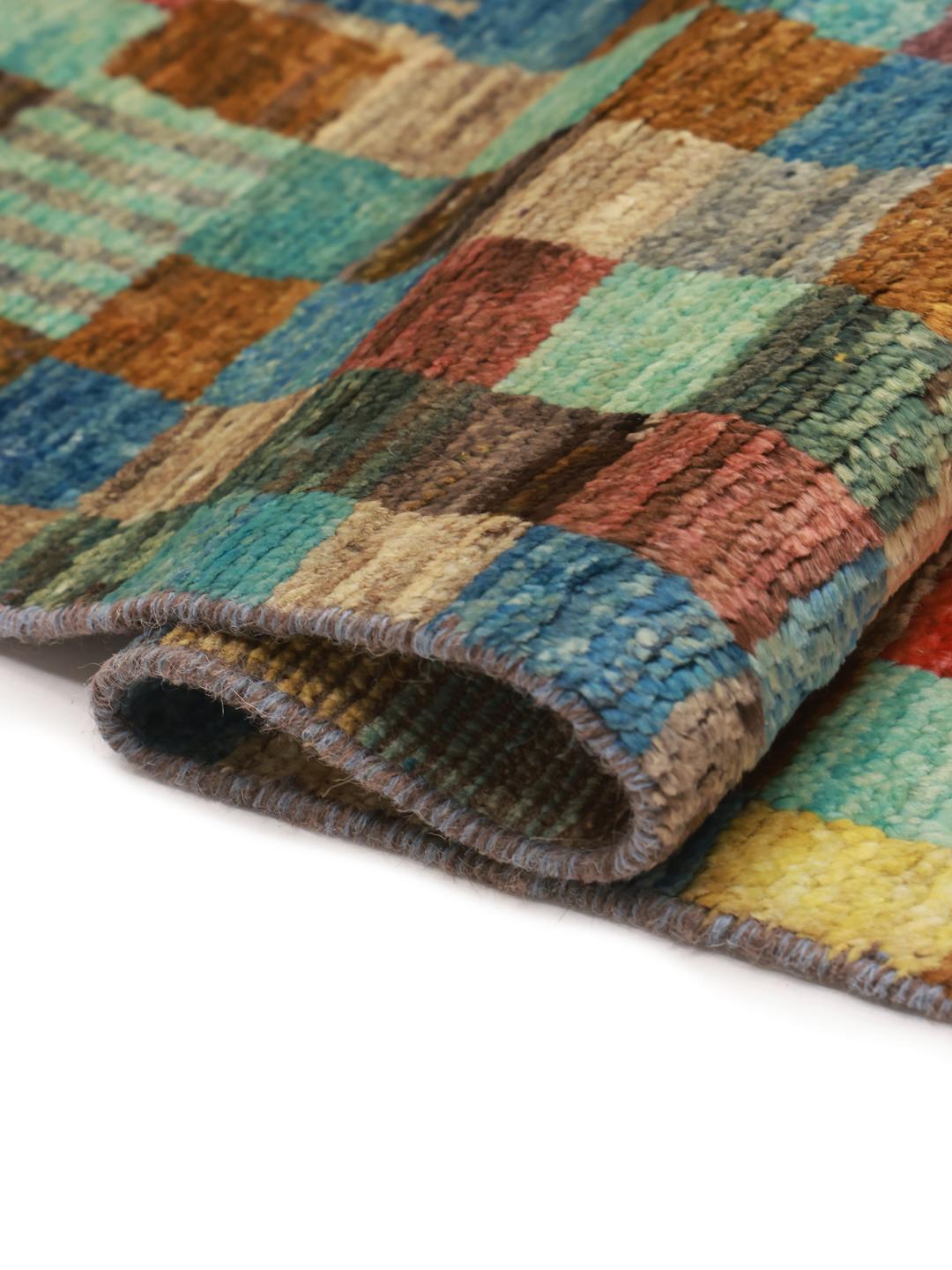
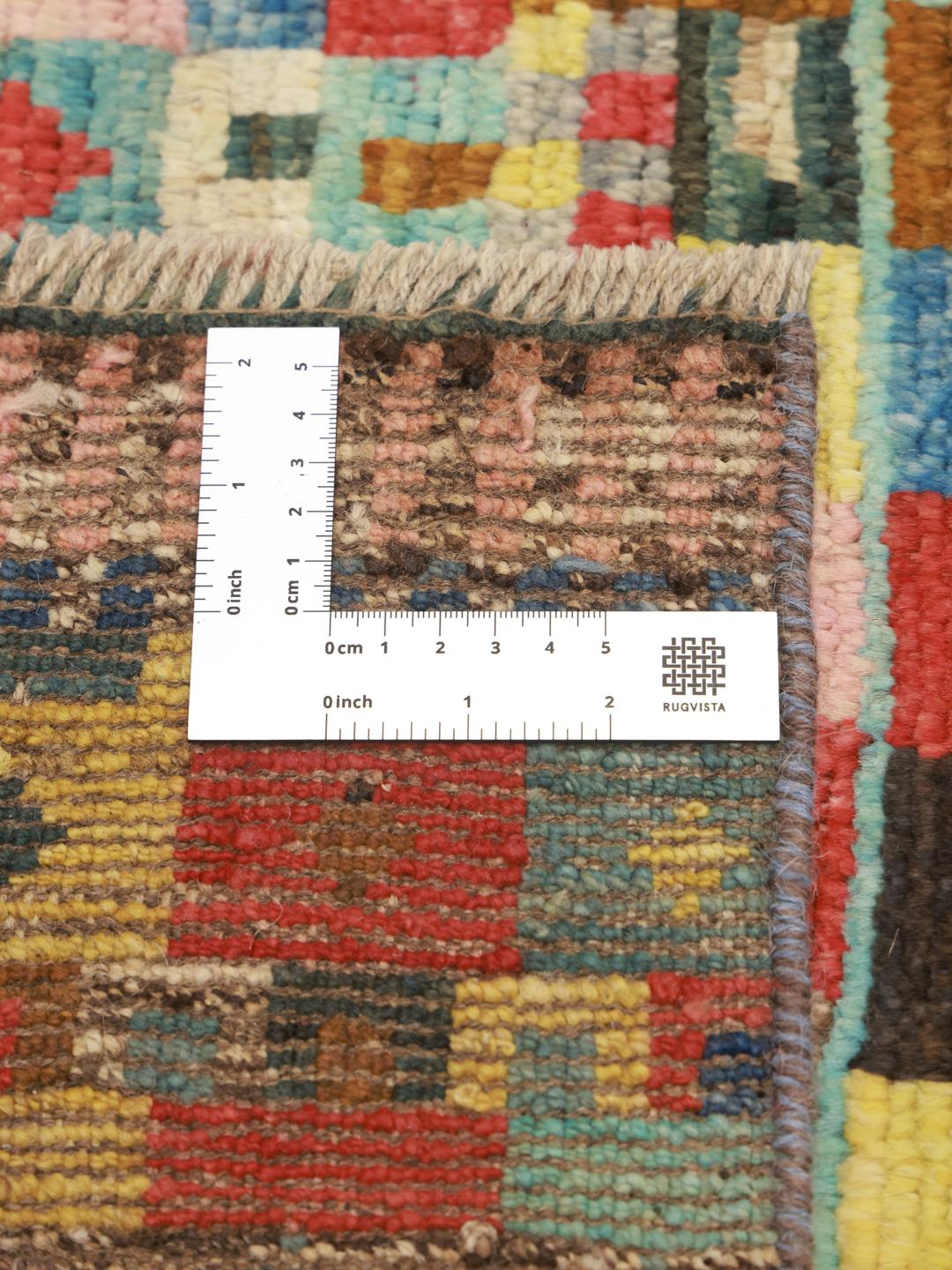
The artistry of these rugs relies on the skill of the weaver, who translates cultural stories and personal inspiration into the wool. The term 'hand-knotted' refers to a construction method where individual strands of wool are tied onto the foundation threads, creating a pile that is both dense and resilient. This traditional technique is what gives the rug its characteristic depth and allows for the intricate, varied designs that are synonymous with high-quality craft.
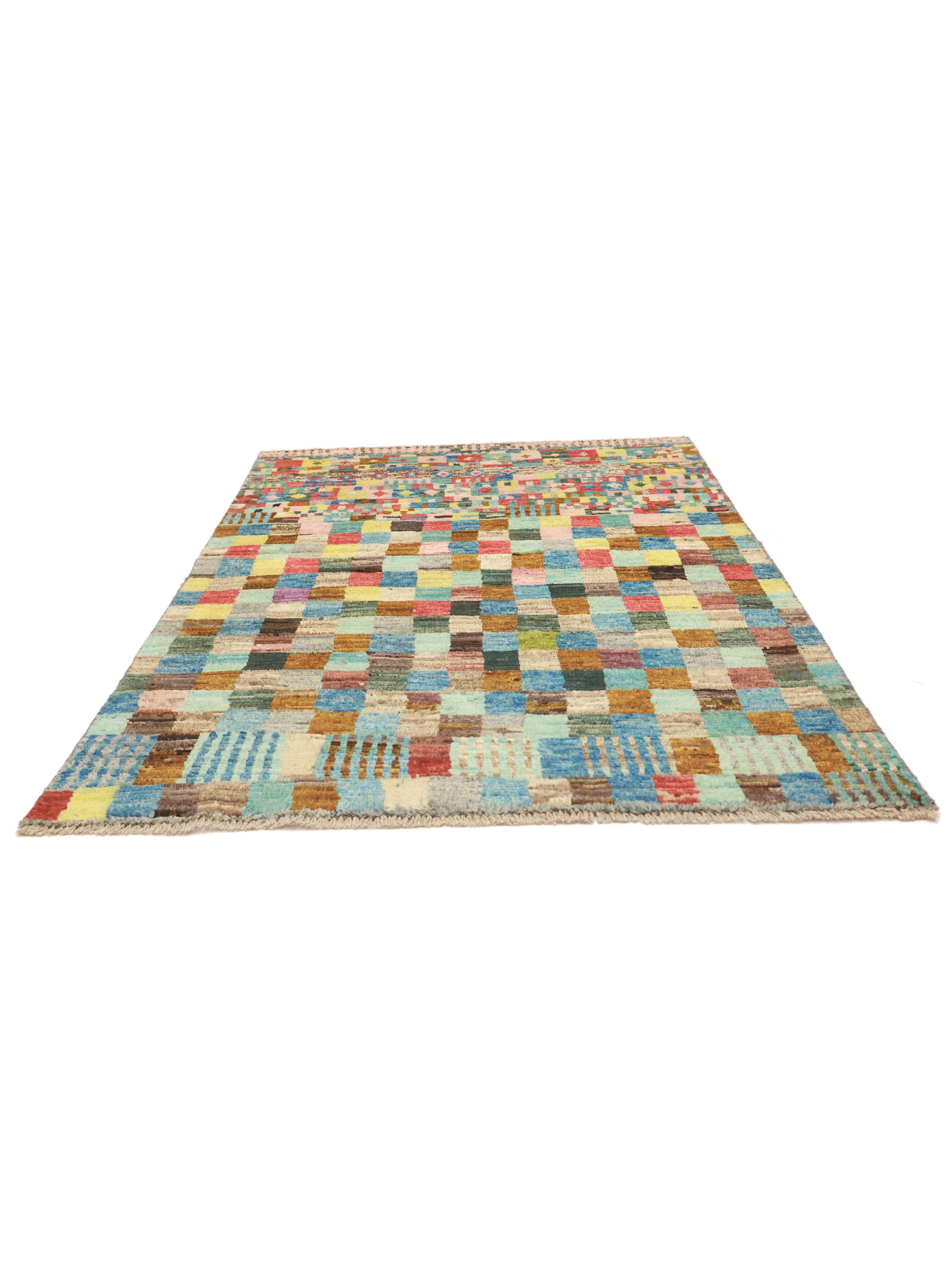
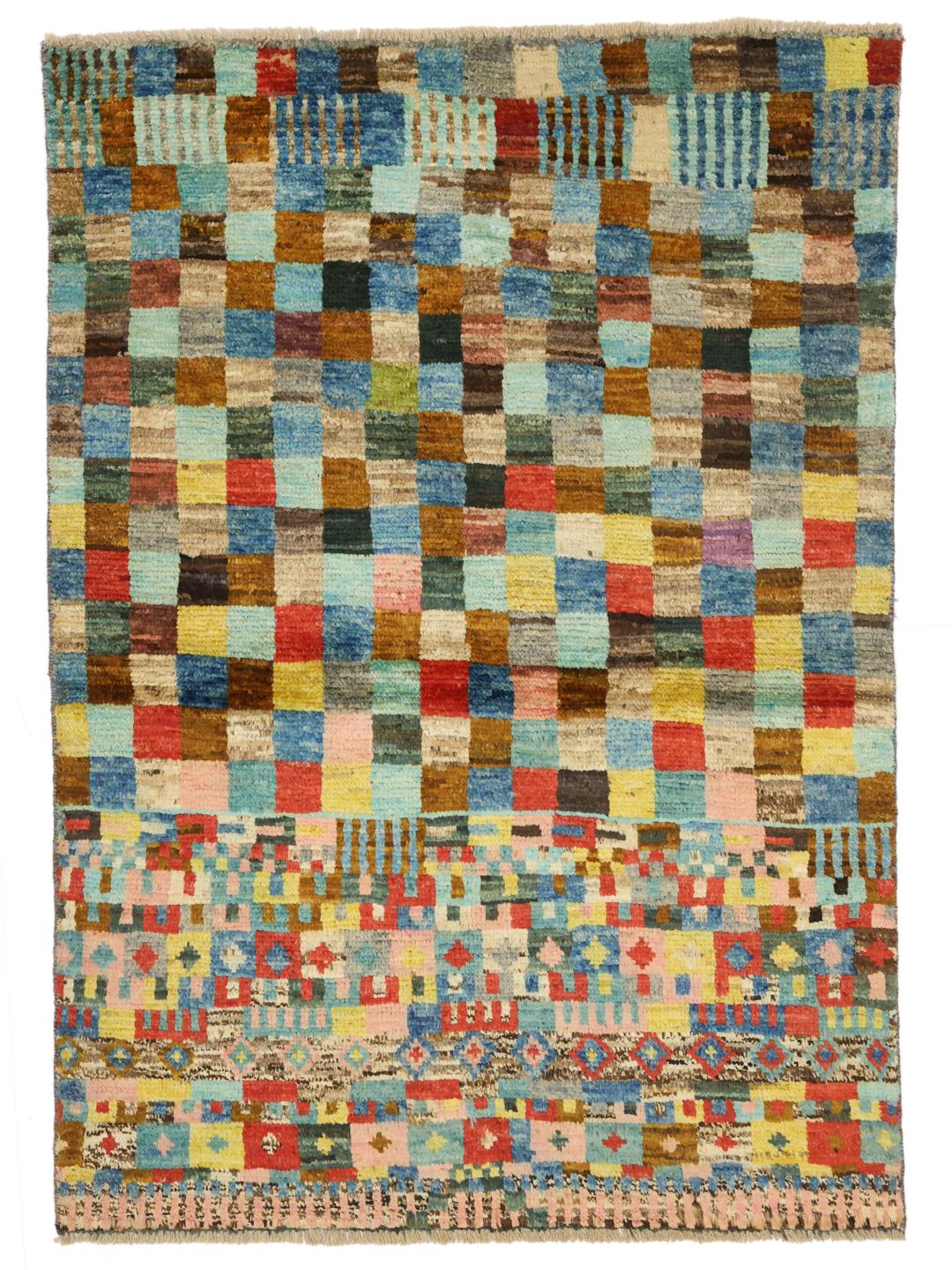
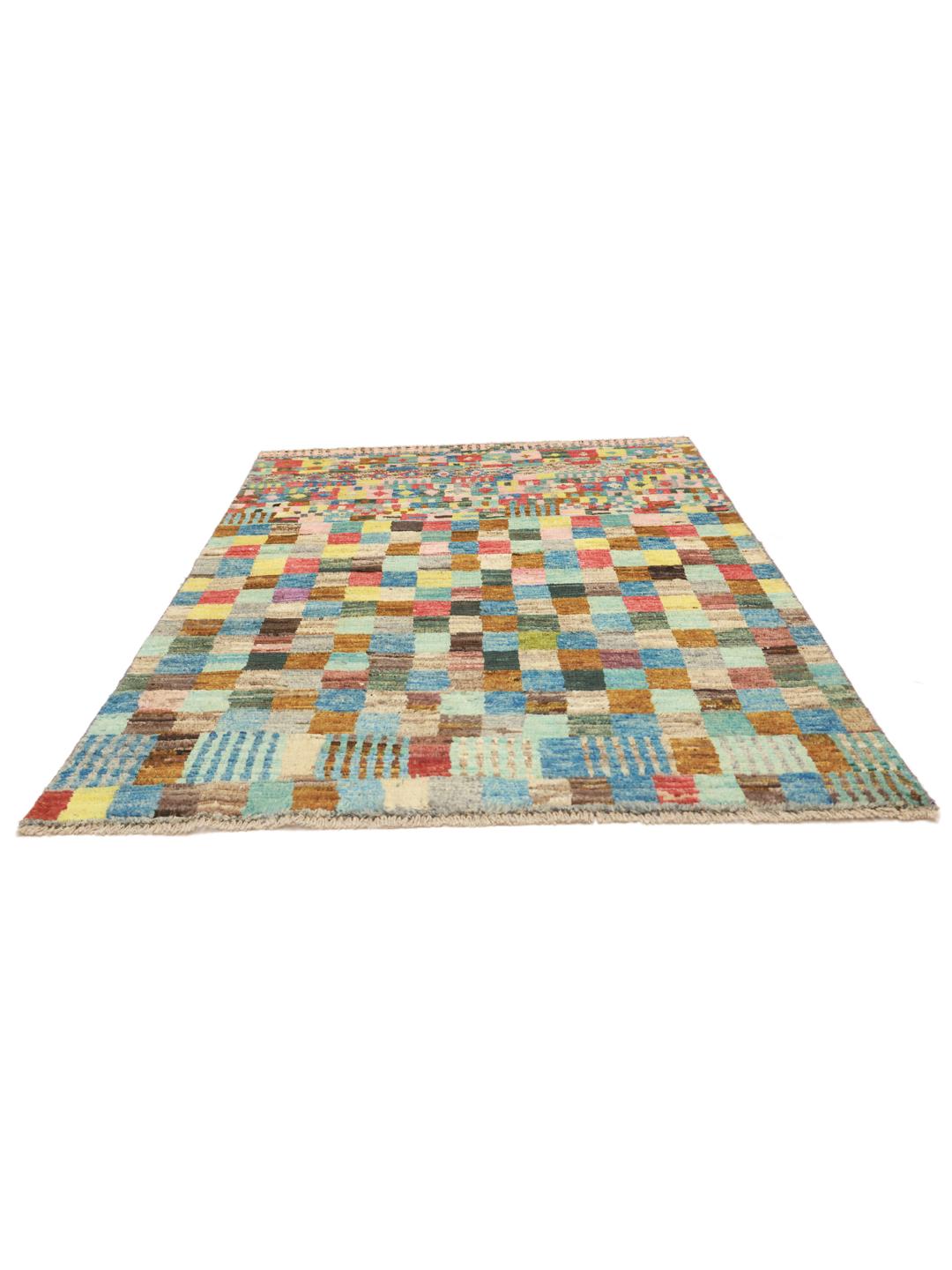
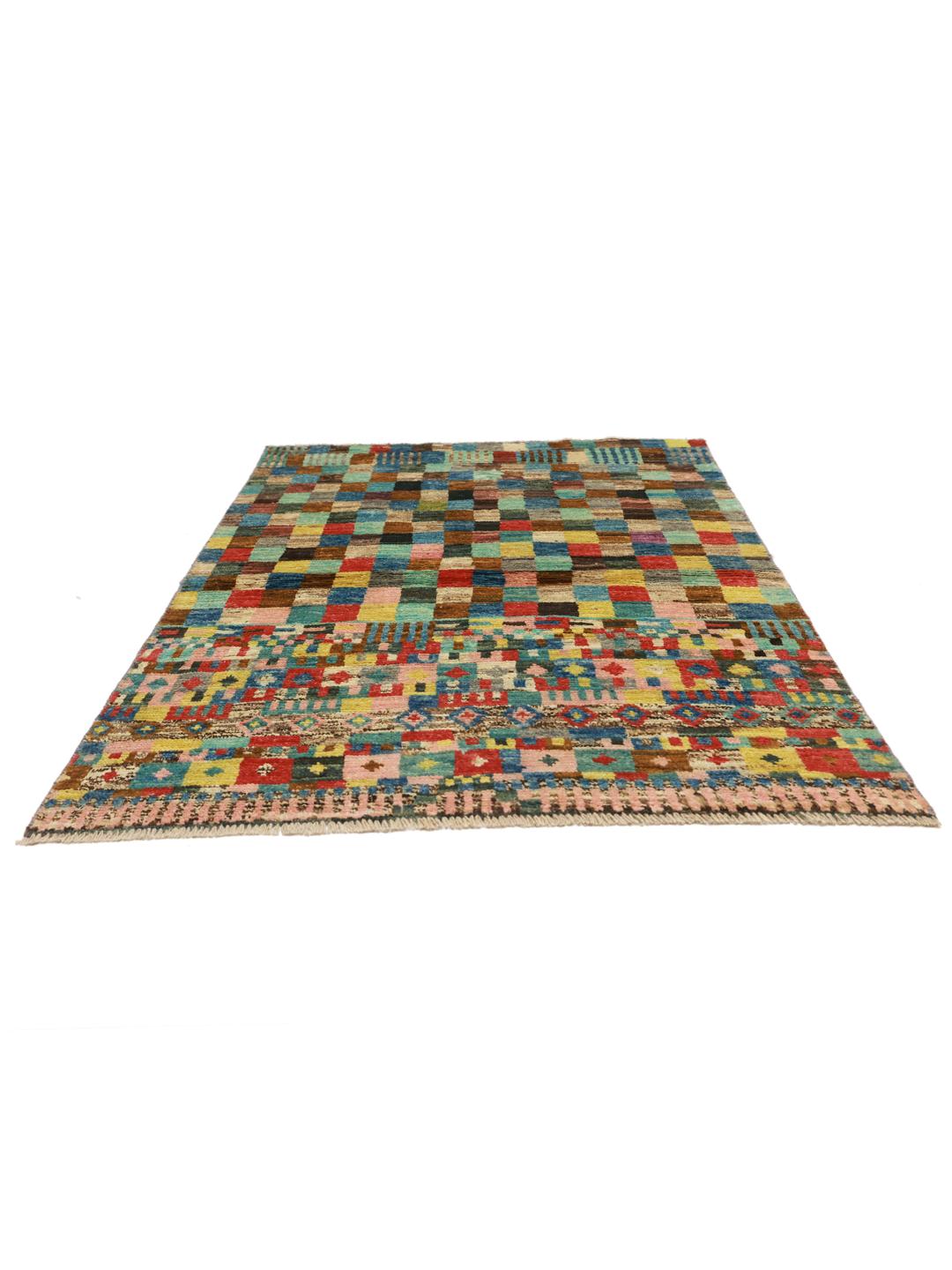
Signature elements in these designs often include geometric shapes, abstract motifs, and a free-spirited use of colour that deviates from more formal, symmetrical patterns. In this particular piece, the checkerboard-inspired layout is a nod to both traditional village weaving and modern artistic expression. The variation in colours reflects the use of natural or traditional dyes, which age gracefully and contribute to the rug's evolving character over time.
Today, these rugs are highly sought after by collectors and homeowners alike for their cultural weight and authentic charm. Owning a piece from this tradition is an investment in human skill and heritage, as each rug represents a lineage of knowledge passed down through generations. By bringing such a piece into your home, you are continuing a long-standing tradition of valuing objects that are made with patience, care, and a clear connection to their origins.