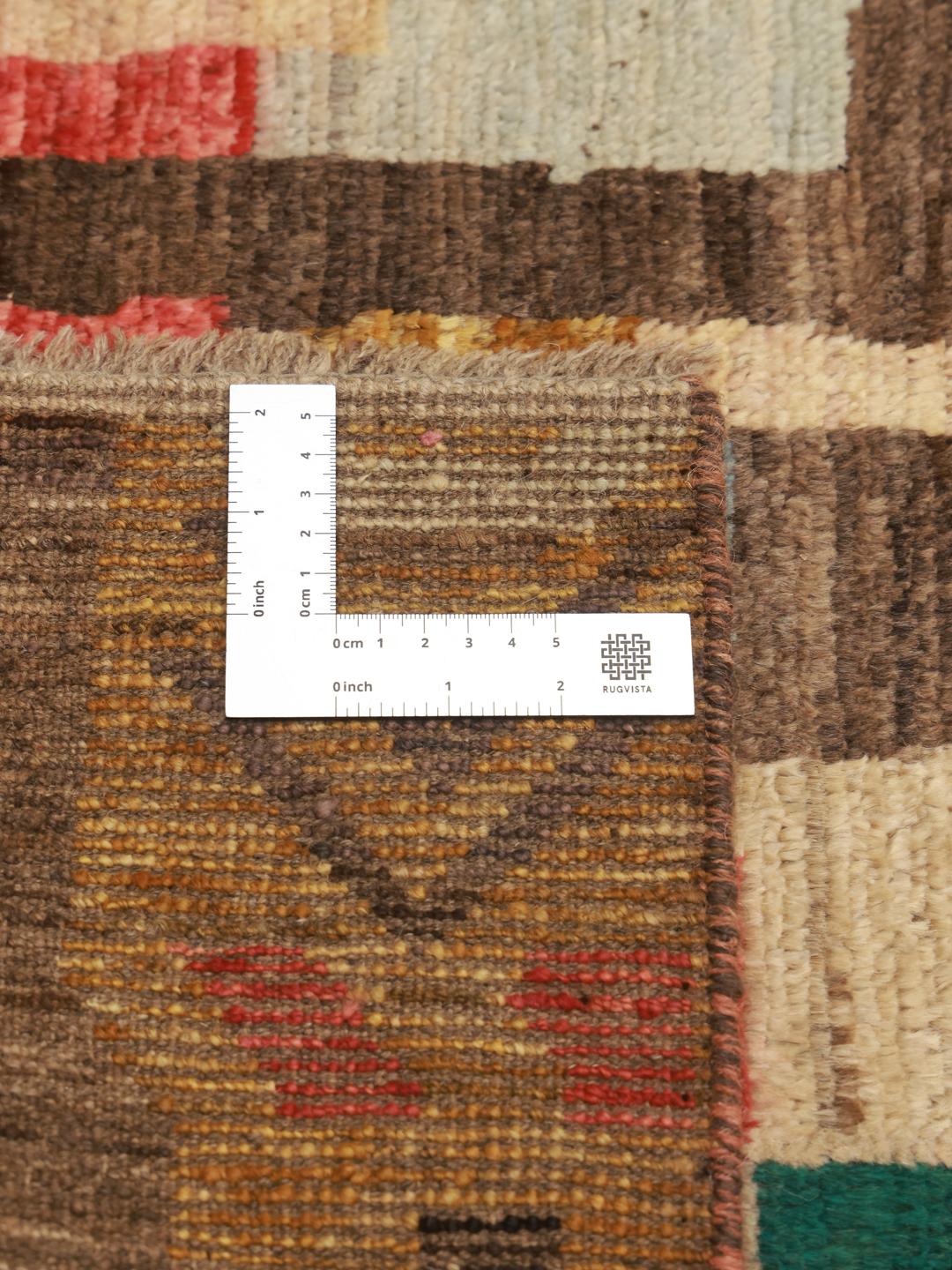
The history of rug weaving in Afghanistan is deeply rooted in the nomadic and semi-nomadic traditions of the region. For centuries, these rugs have served as both essential household items and expressions of cultural identity, with designs often passed down through generations of families. The migration of these craft traditions across the Middle East has led to a rich tapestry of styles, blending ancient influences with contemporary artistic visions.
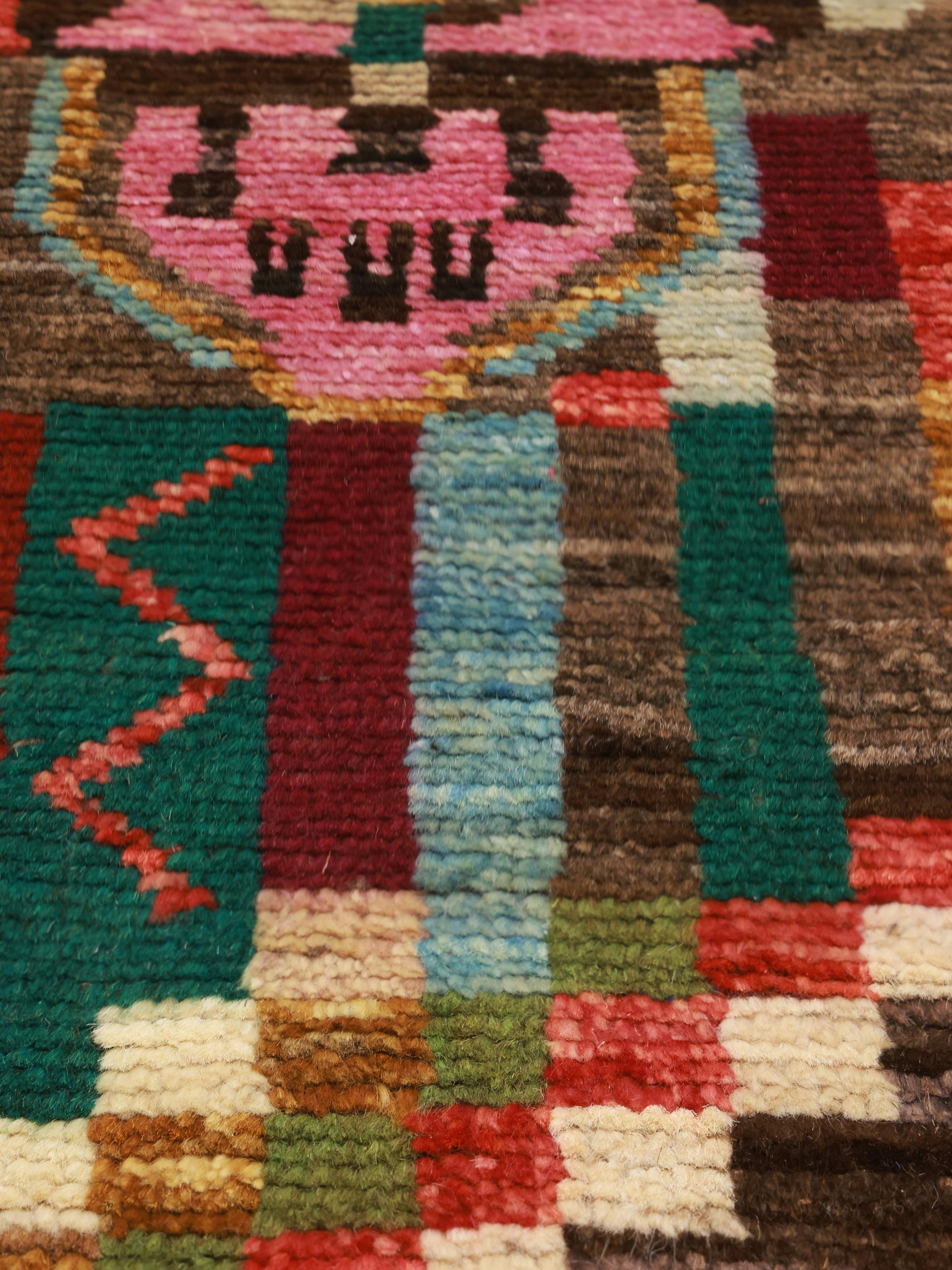
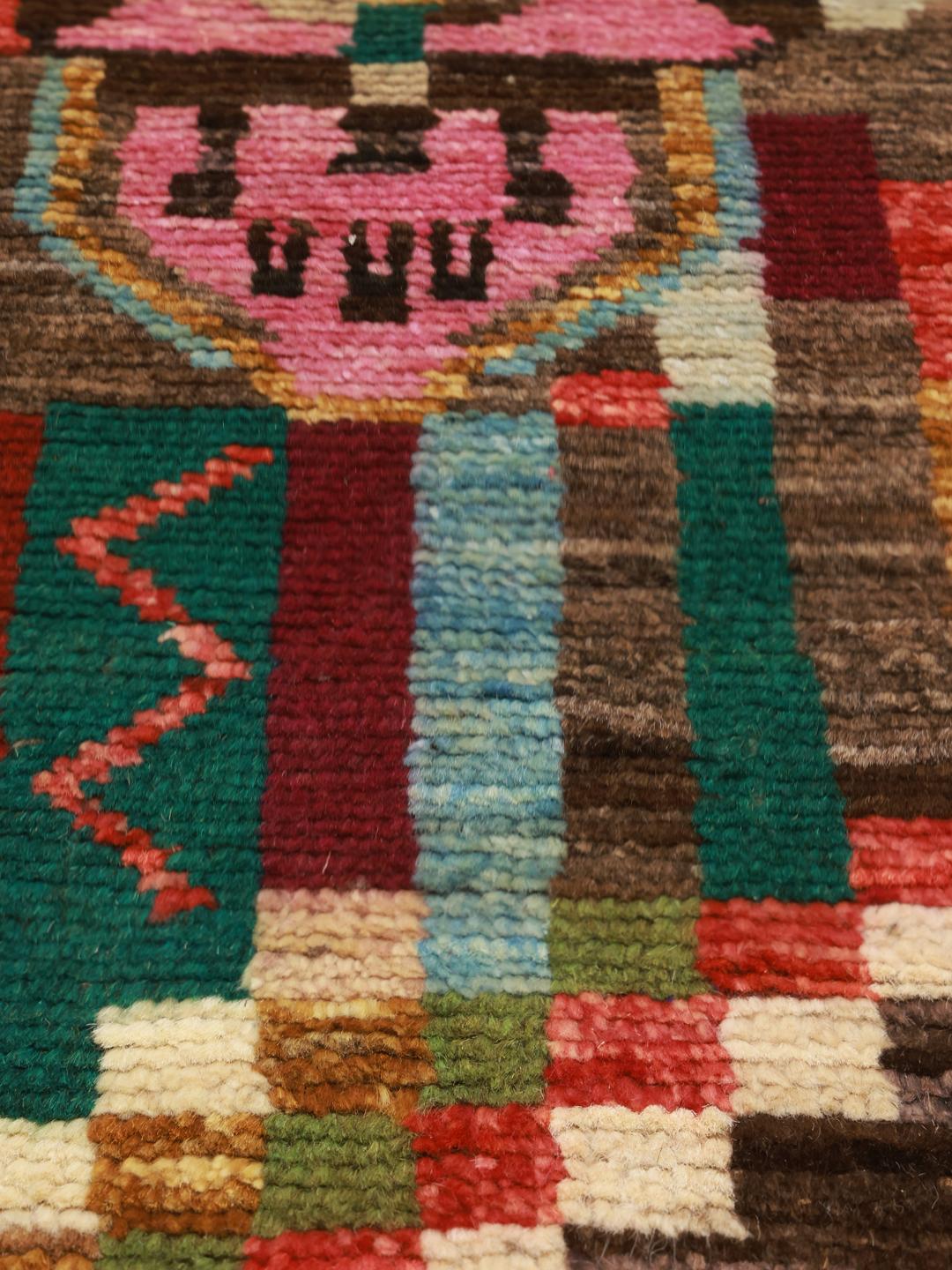
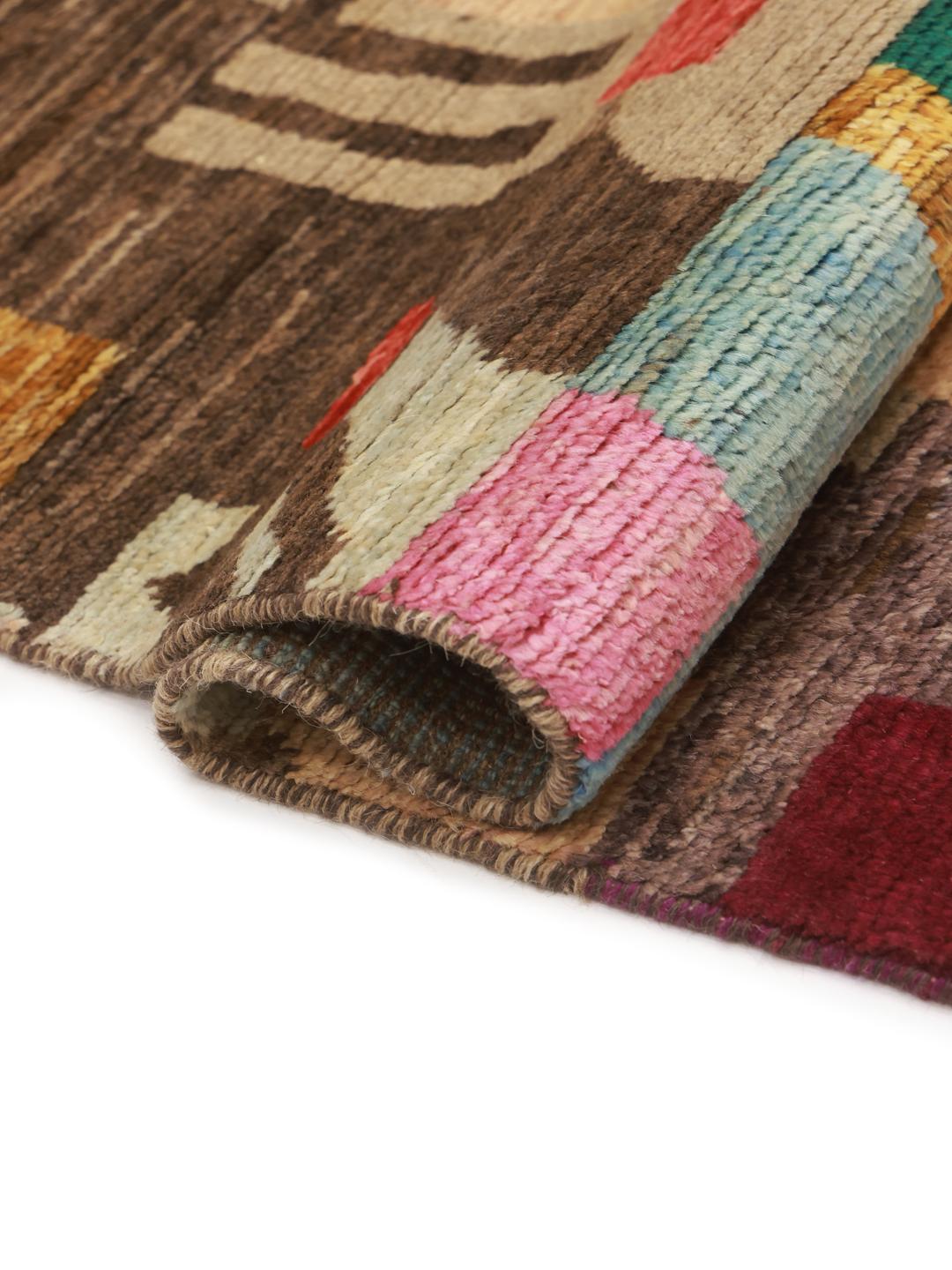
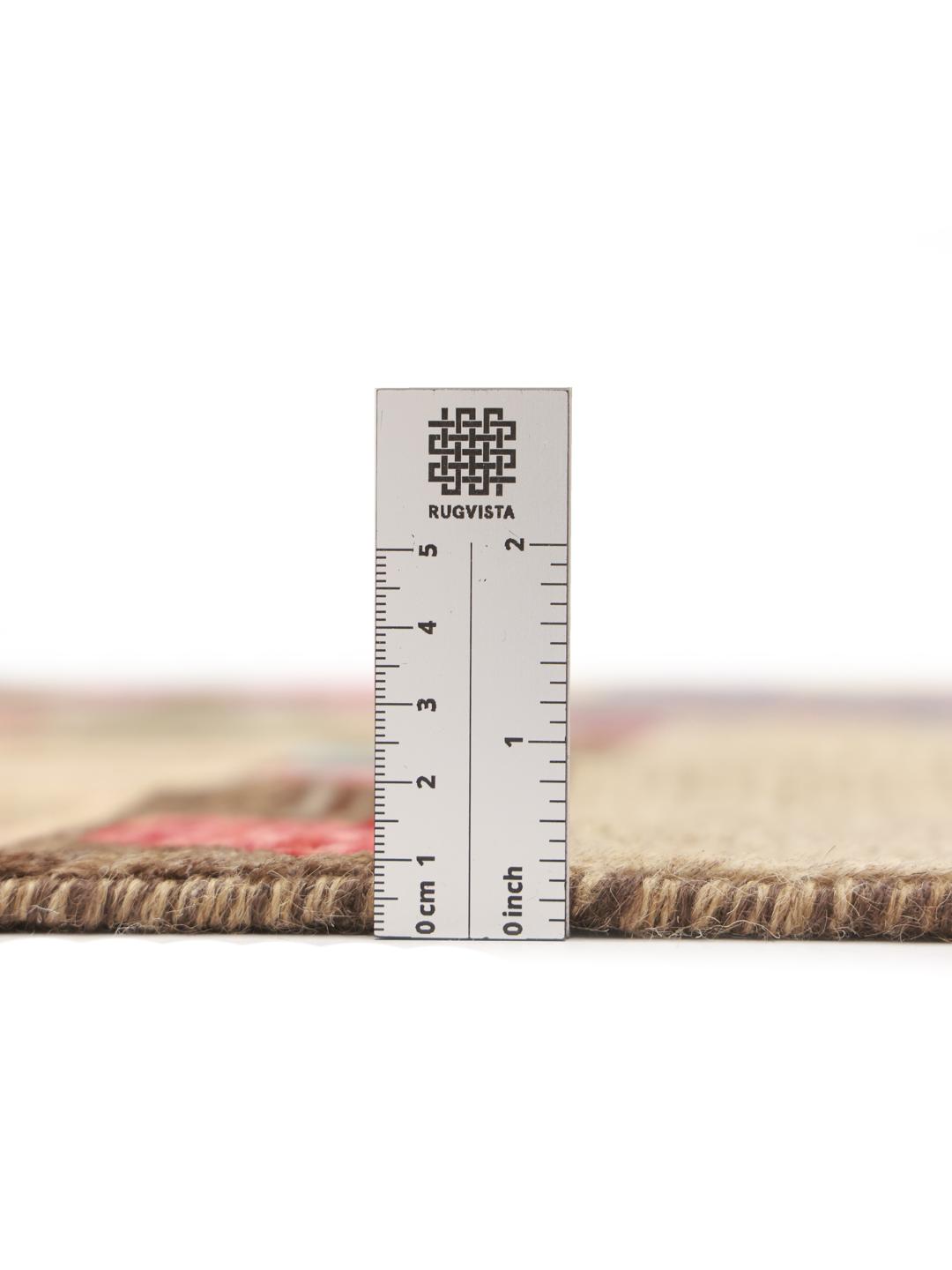
The term 'Berber' in this context refers to a style influenced by the high-pile, tribal rugs originally woven by indigenous groups in North Africa, which have been reinterpreted through the lens of Afghan craftsmanship. These rugs are prized for their thick, wool construction and their ability to provide both insulation and comfort. The use of hand-spun wool is a defining feature that grants the pile its characteristic resilience and natural, earthy appeal.
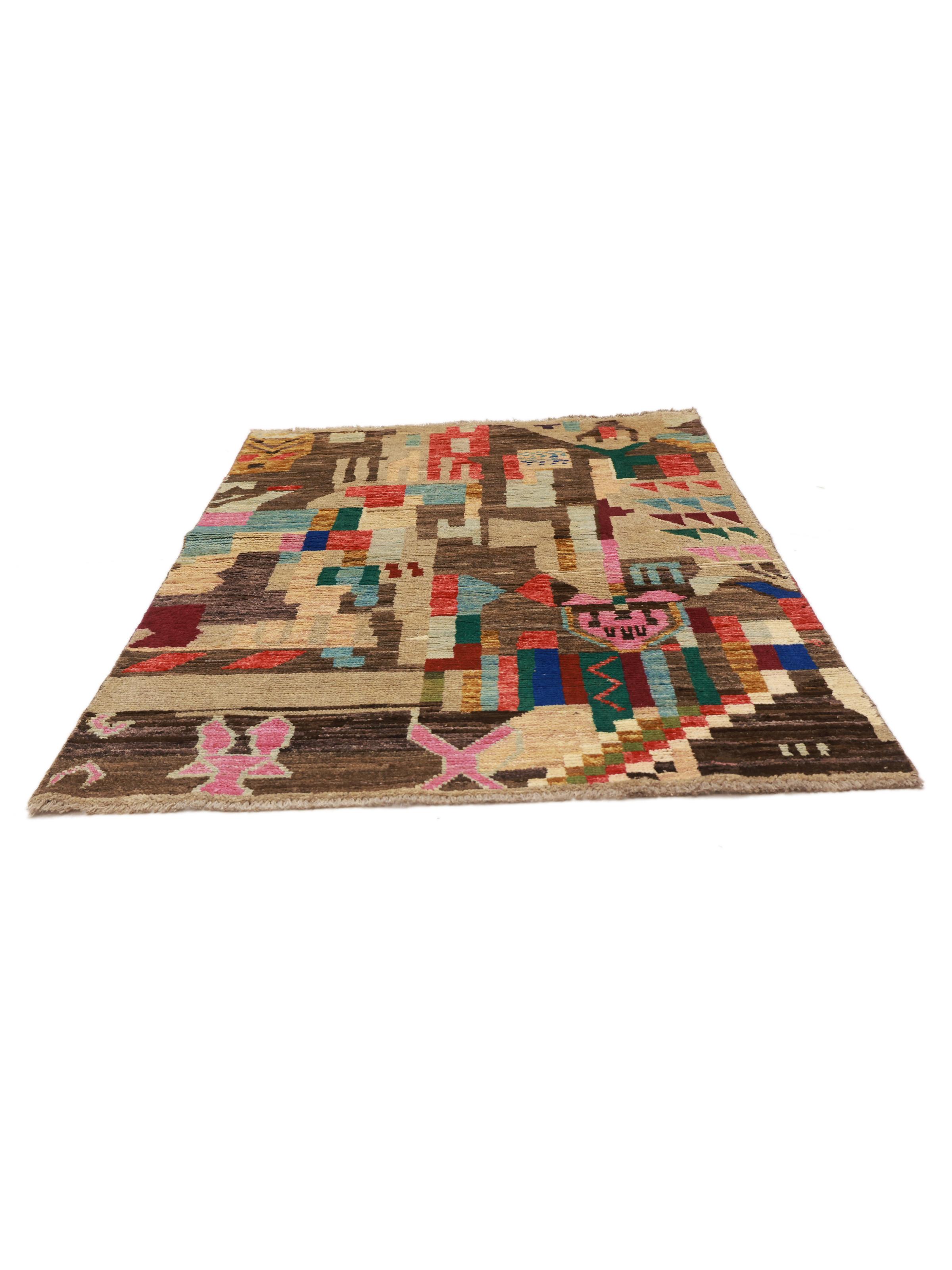
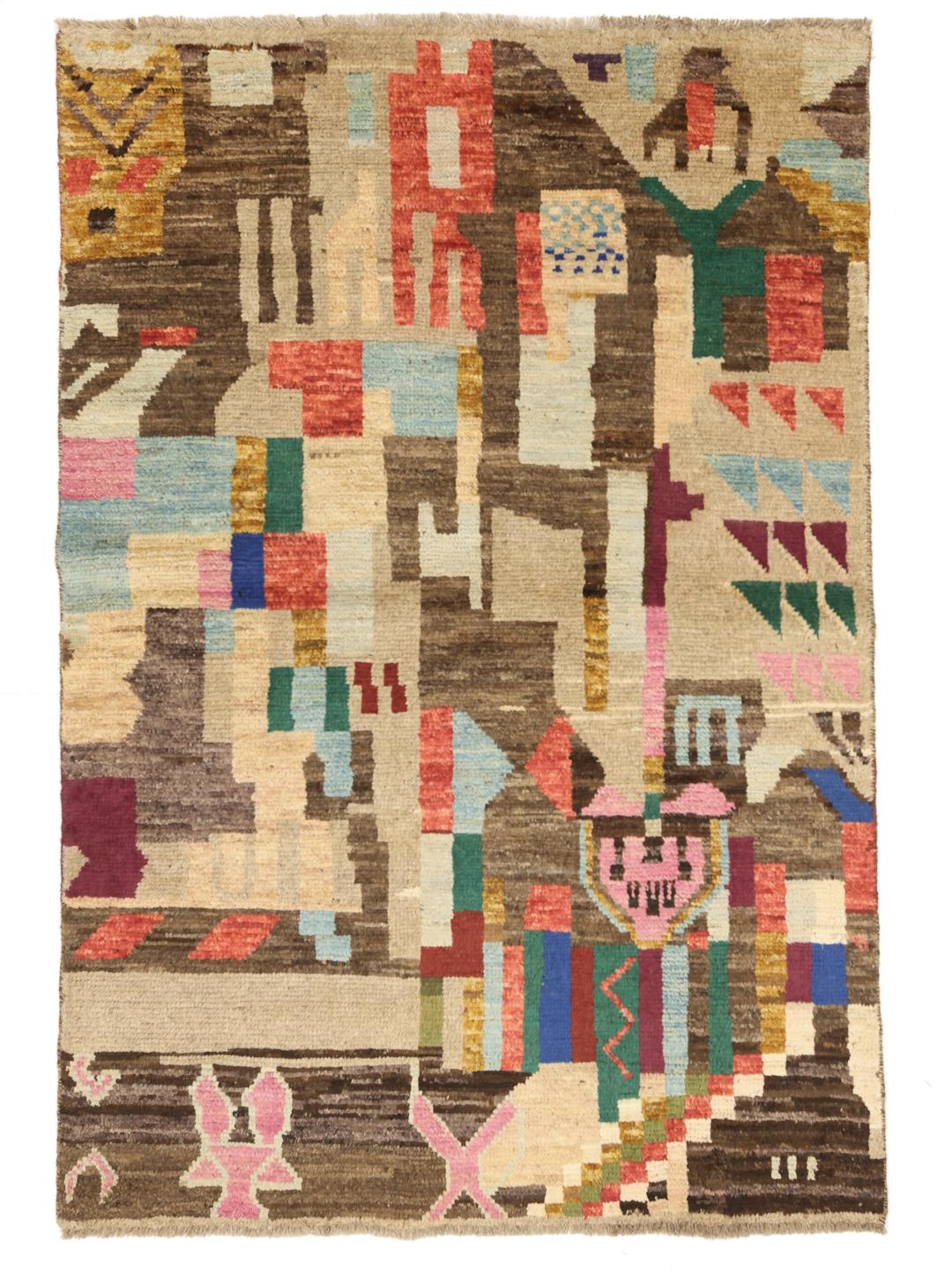
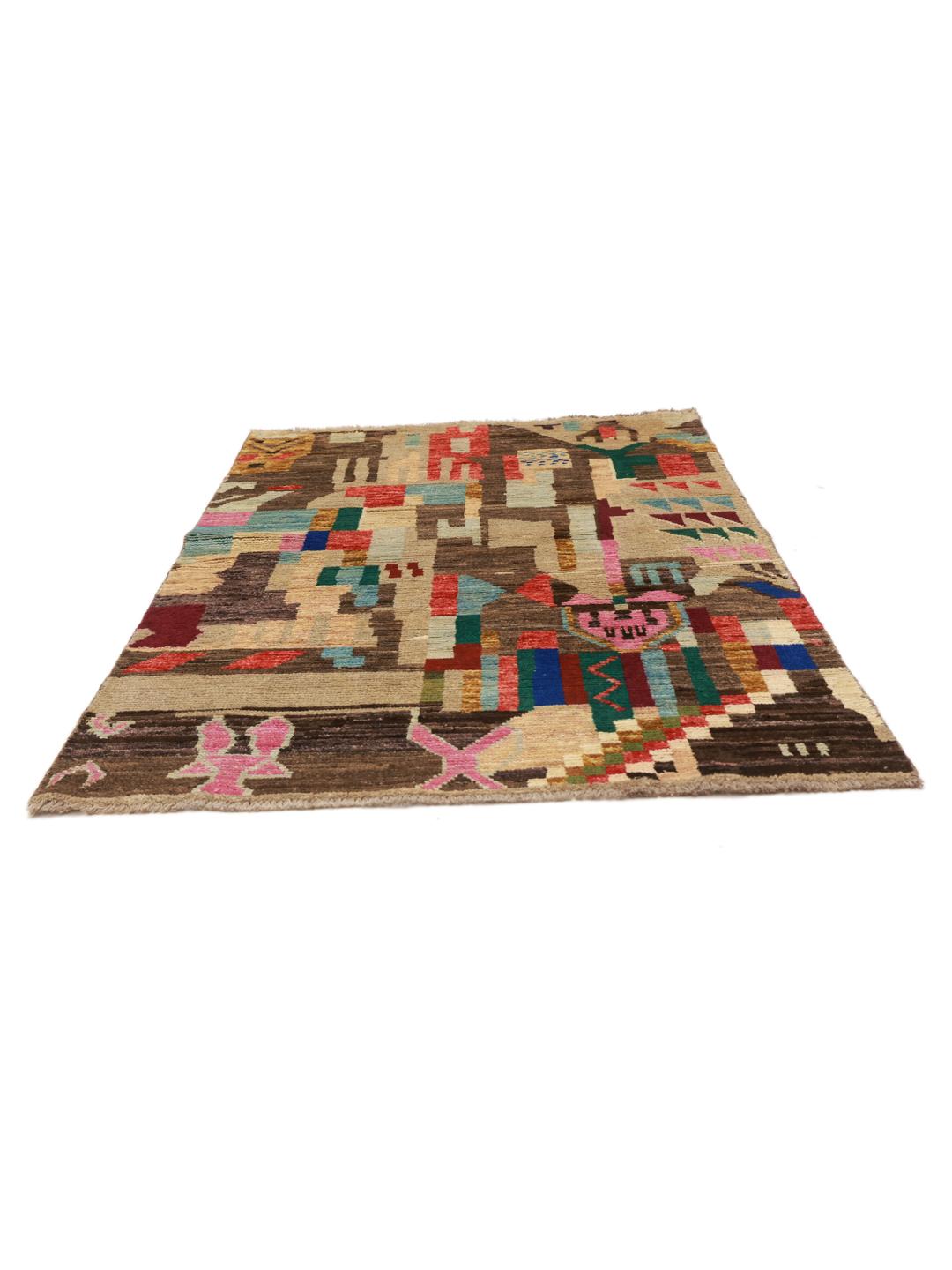
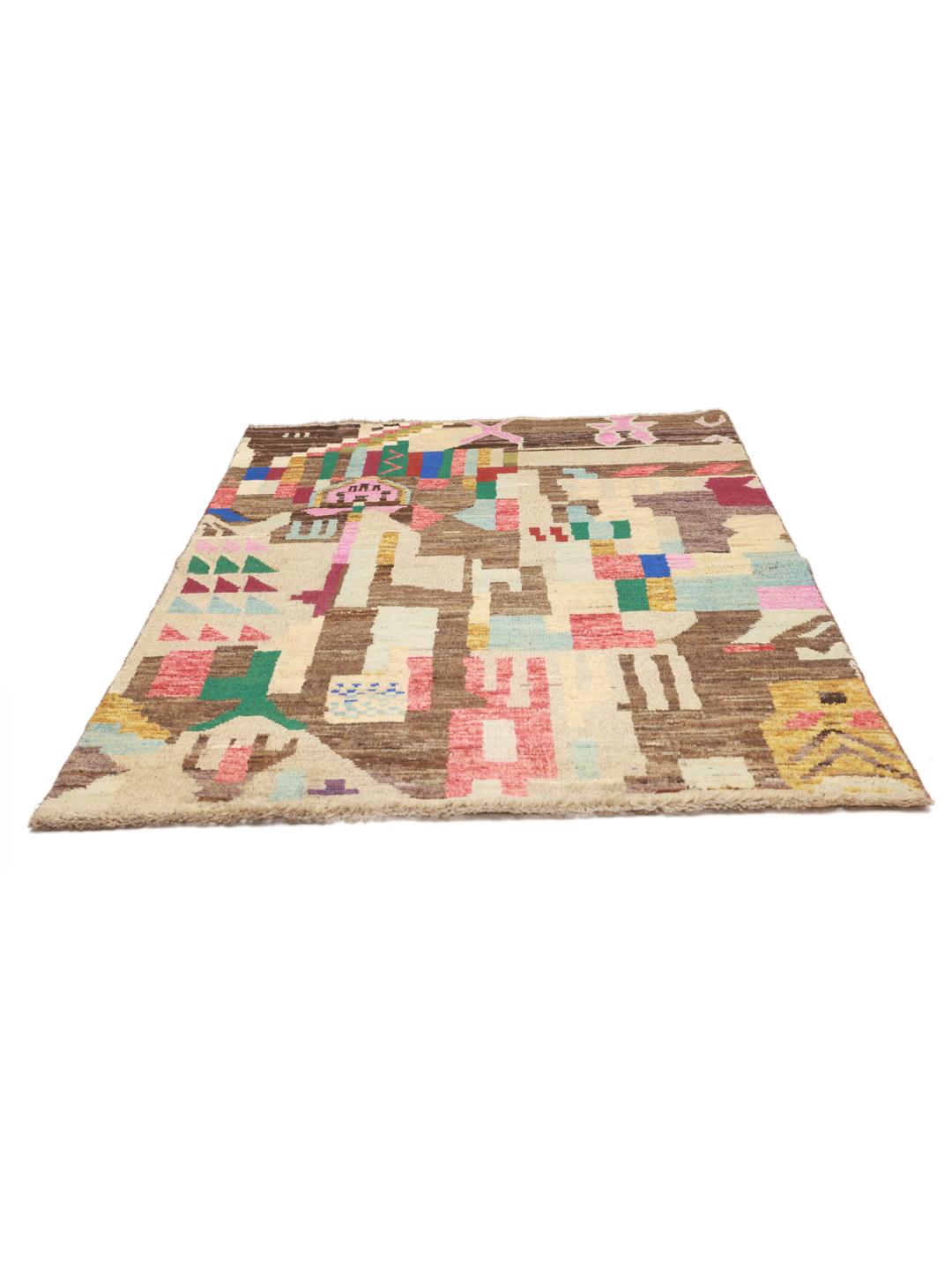
Visually, these rugs are defined by their departure from rigid, formal borders in favour of more abstract and organic compositions. The patterns often reflect the landscape or the personal narratives of the weavers, resulting in a design language that feels both primal and modern. The use of bold, contrasting colours is a signature of this tradition, allowing for the creation of striking pieces that command attention while maintaining a grounded, rustic aesthetic.
Collecting a rug from this tradition is an investment in human history and skill. Because these pieces are made by hand without the use of pre-set templates, they are never identical, making each one a valuable find for those who appreciate the intersection of heritage and individuality. Owning such a rug is a way to bring a piece of an enduring craft tradition into your home, ensuring that the legacy of the artisan continues to be celebrated for years to come.