Berber-style rugs find their roots in the ancient weaving traditions of the indigenous North African tribes, known for their iconic, high-pile Wool creations. Over time, these weaving techniques travelled along trade routes, influencing artisans across the Middle East and Central Asia. The Afghan-made Berber rugs seen today are a beautiful evolution of this cross-cultural exchange, blending nomadic design sensibilities with regional Afghan weaving expertise.
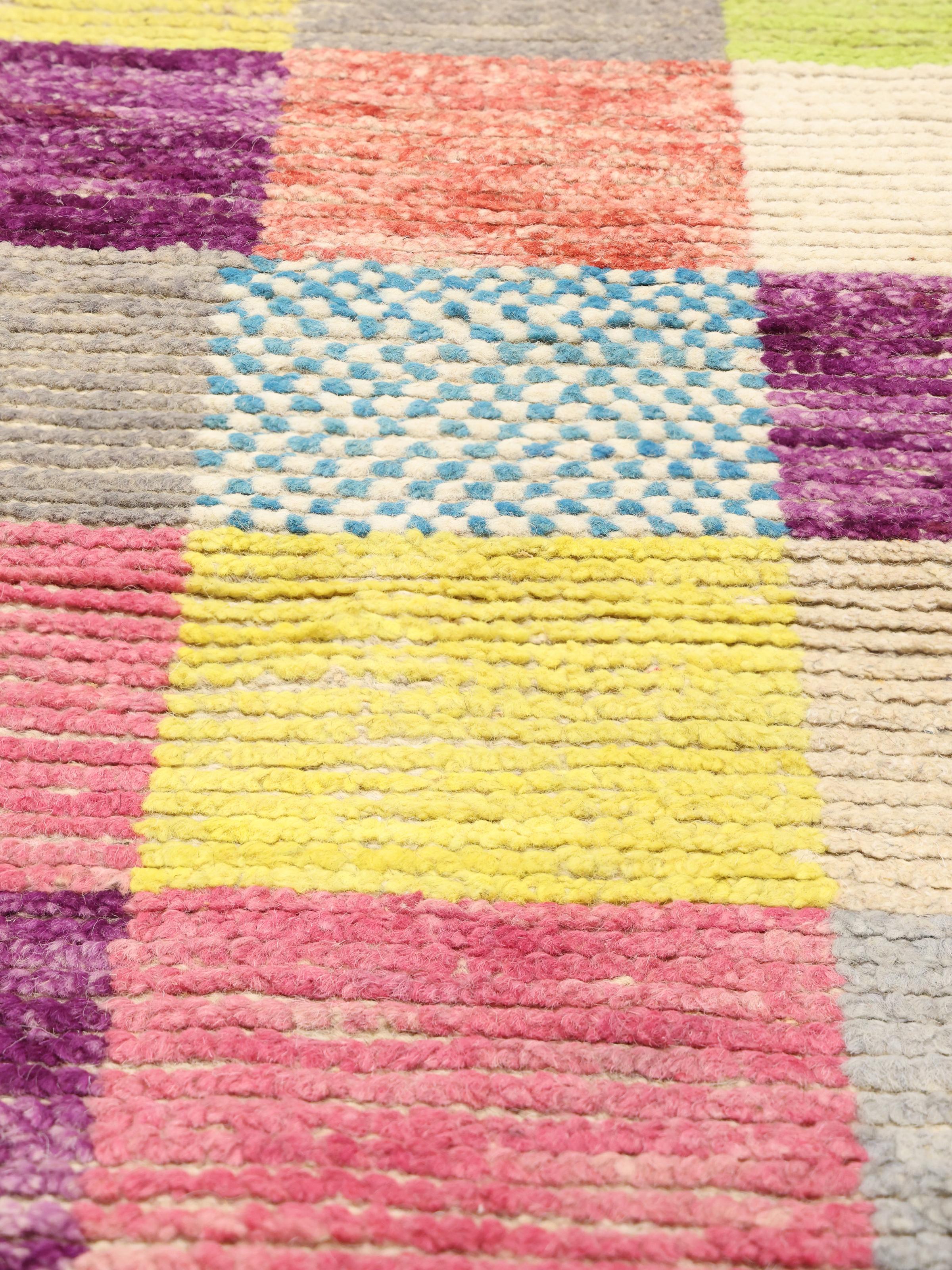
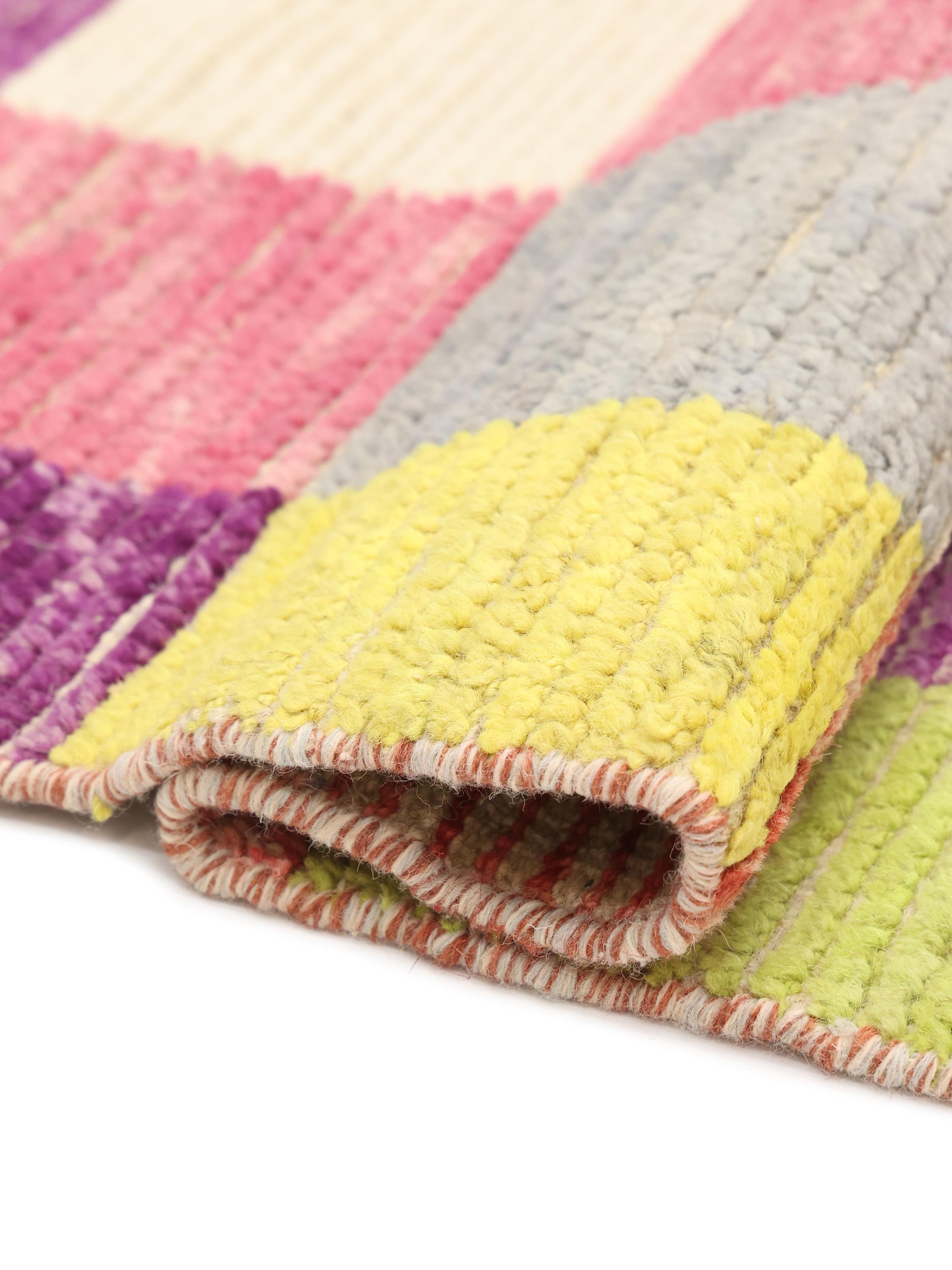
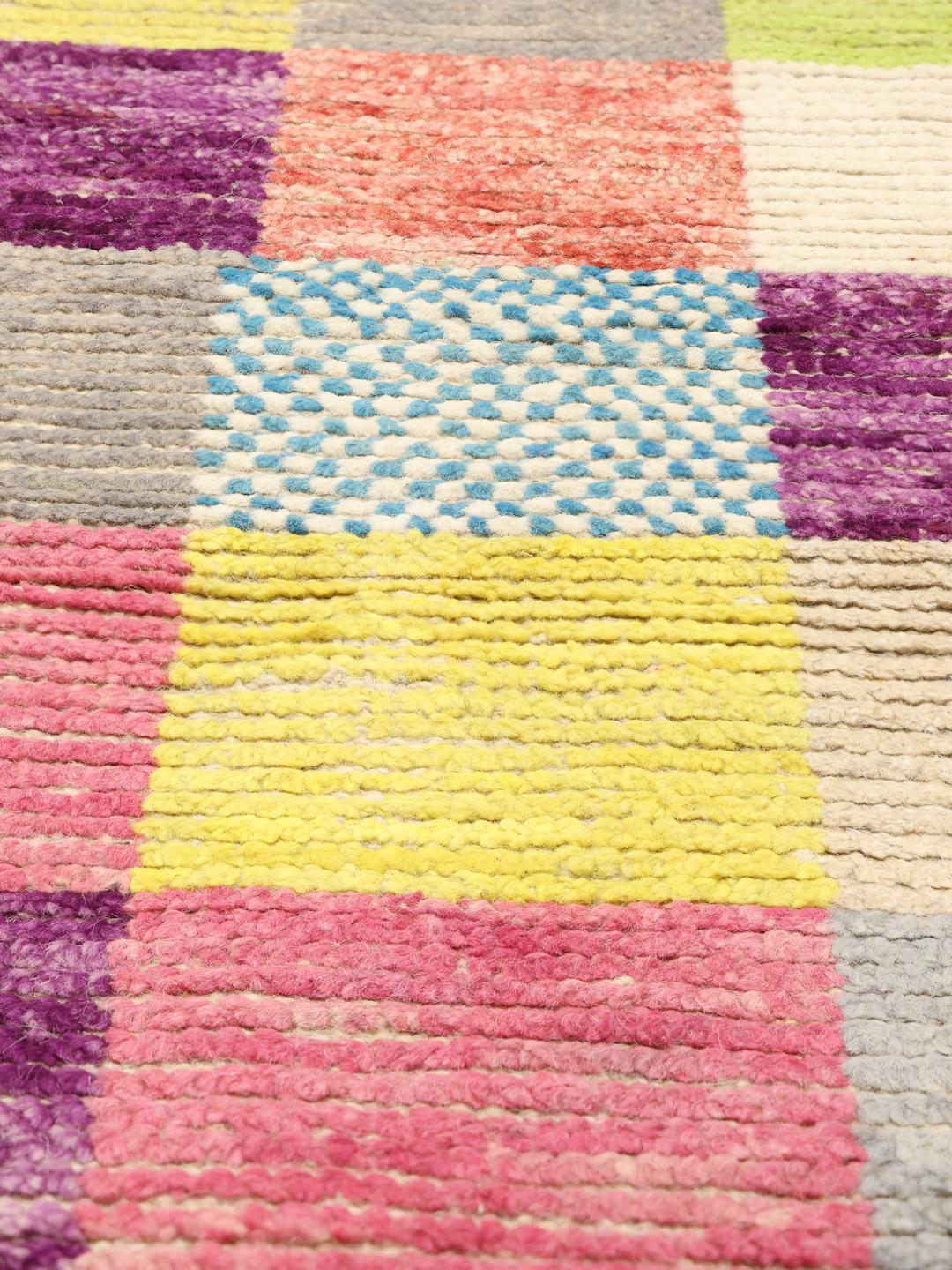
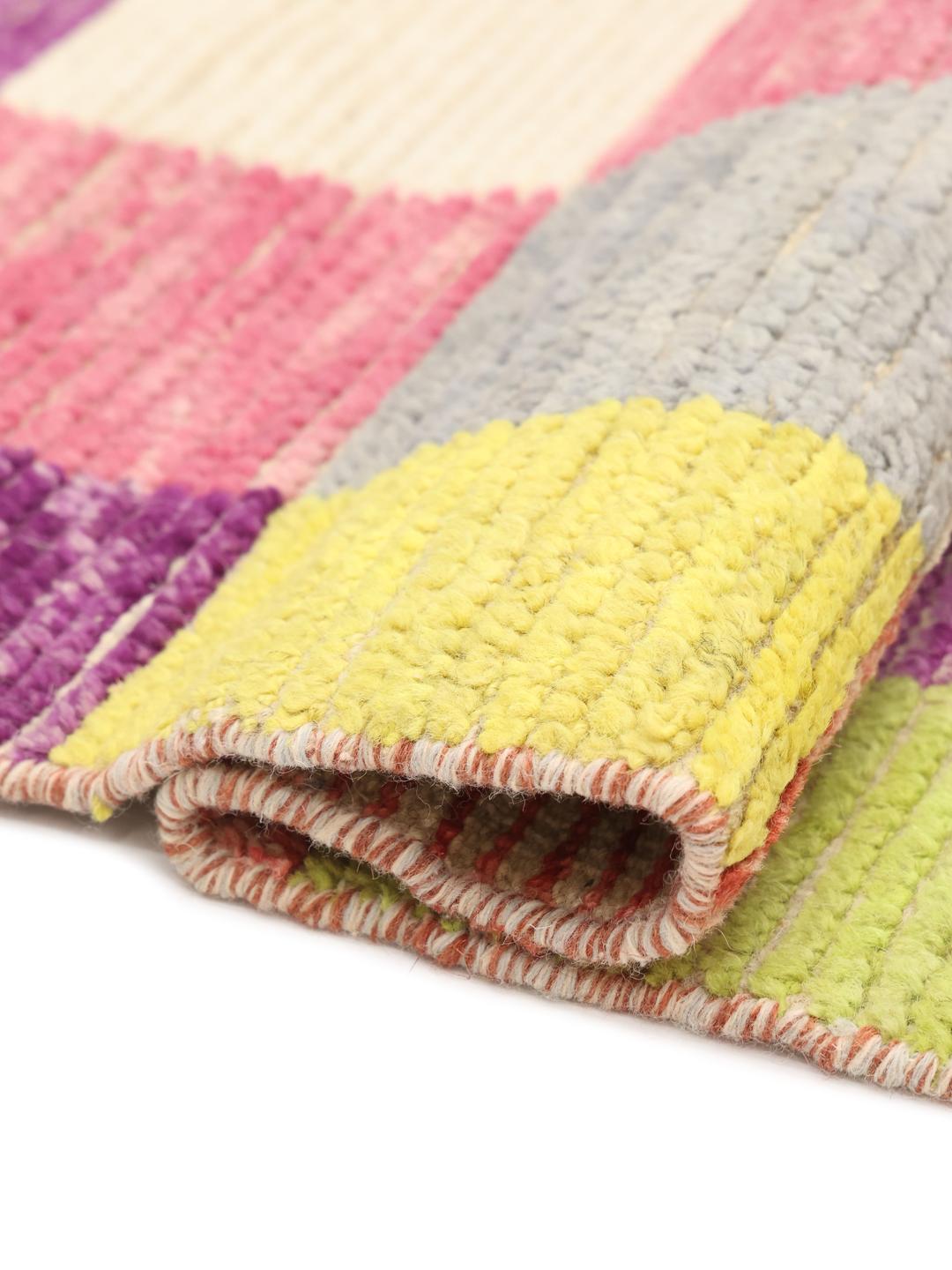
The term 'Berber' originally referred to the hand-knotted, thick-pile rugs created by tribes for warmth and utility in harsh climates. These rugs are characterised by their reliance on natural materials and a focus on durability. In the context of modern weaving, this tradition has been refined to produce pieces that are both functional and highly decorative, retaining the sturdy foundation that made the original style so legendary.
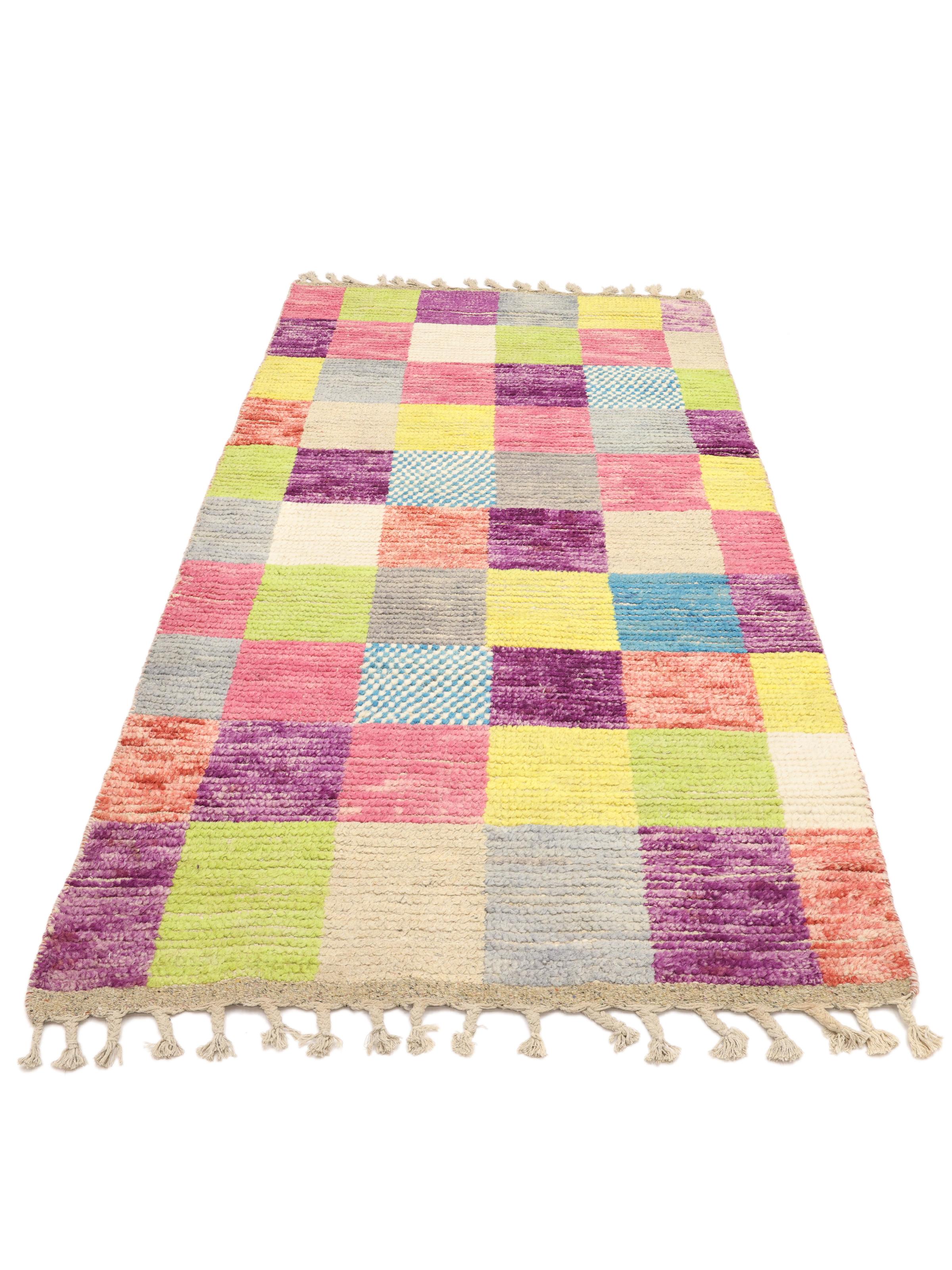
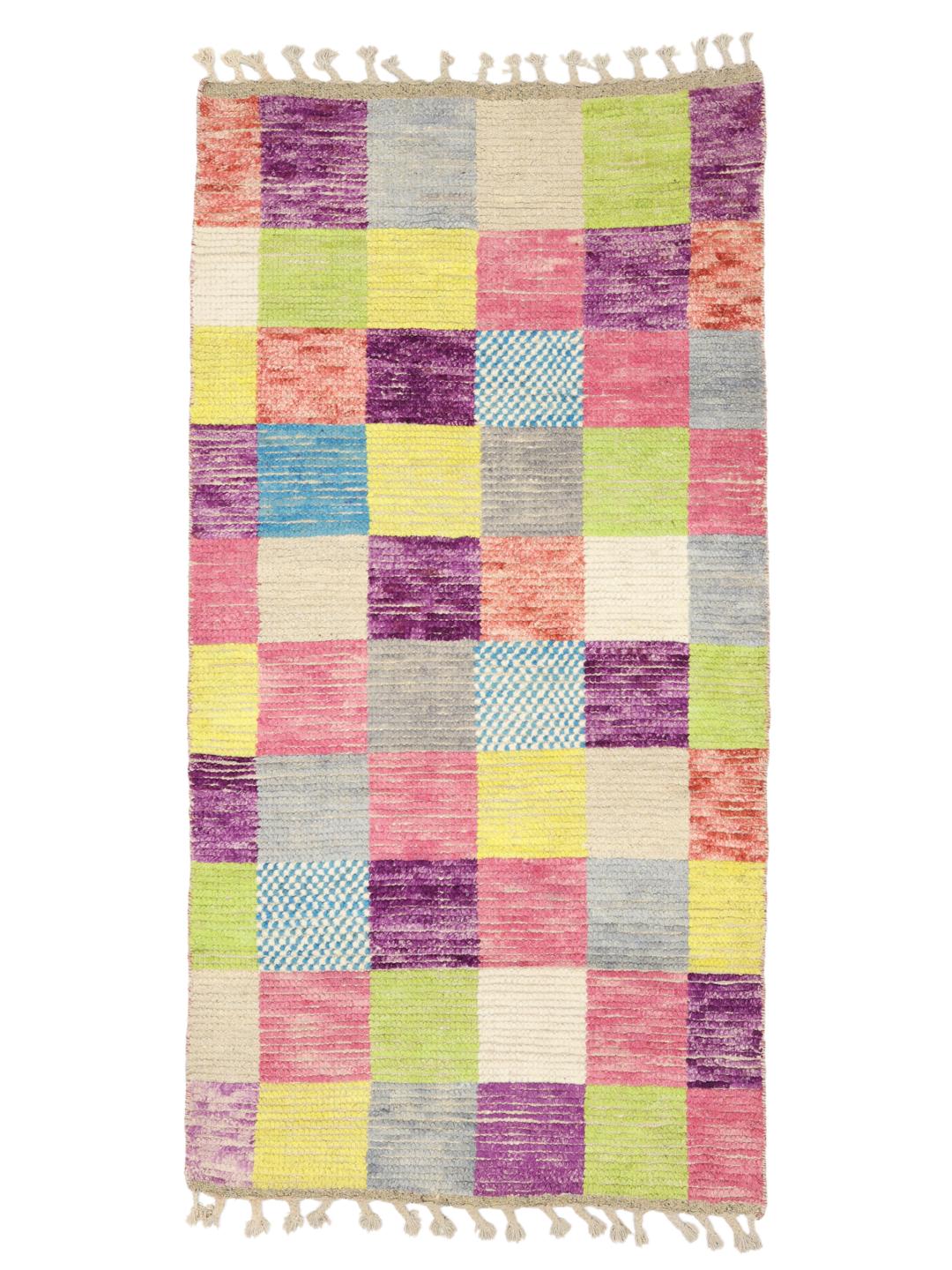
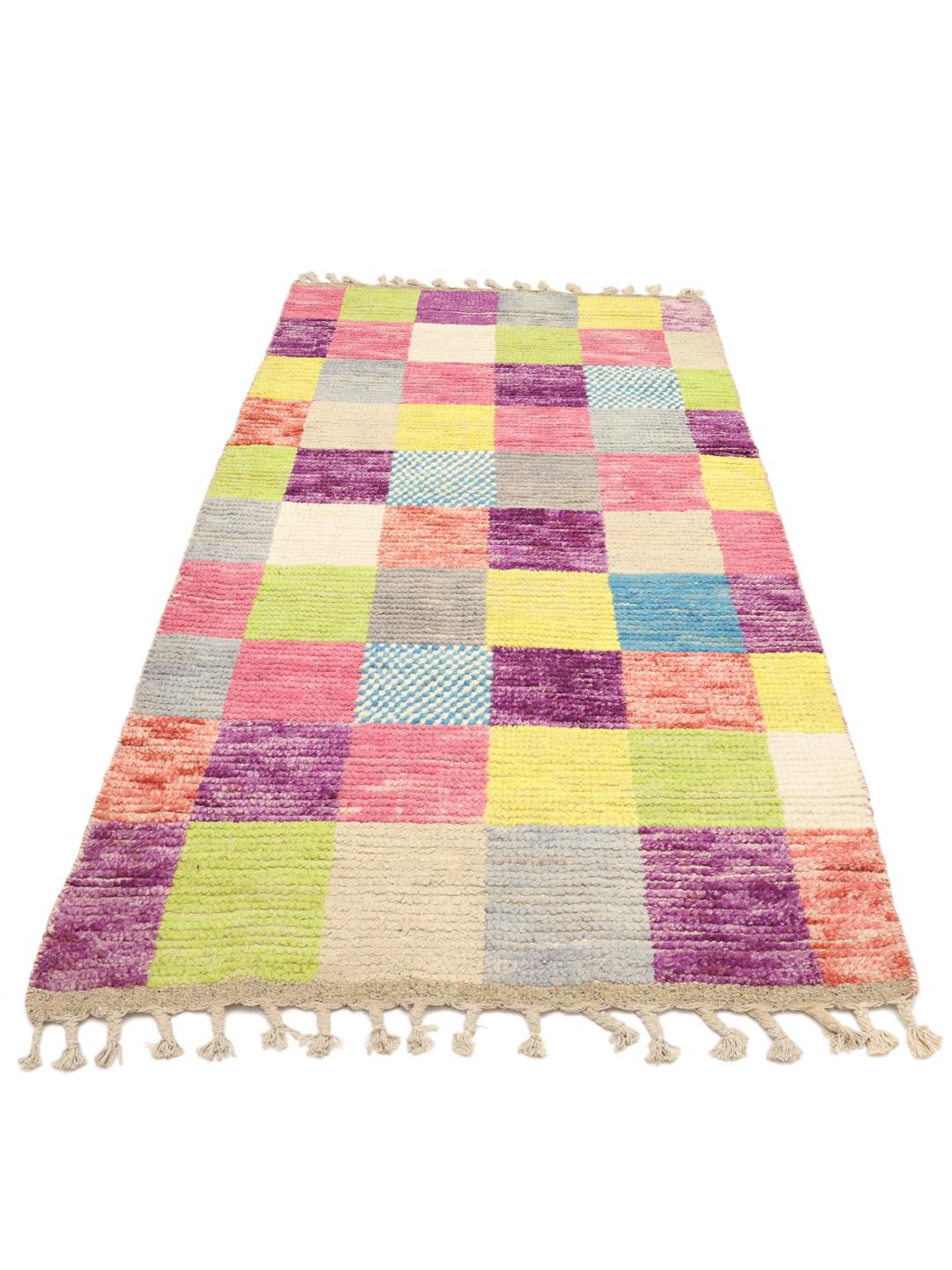
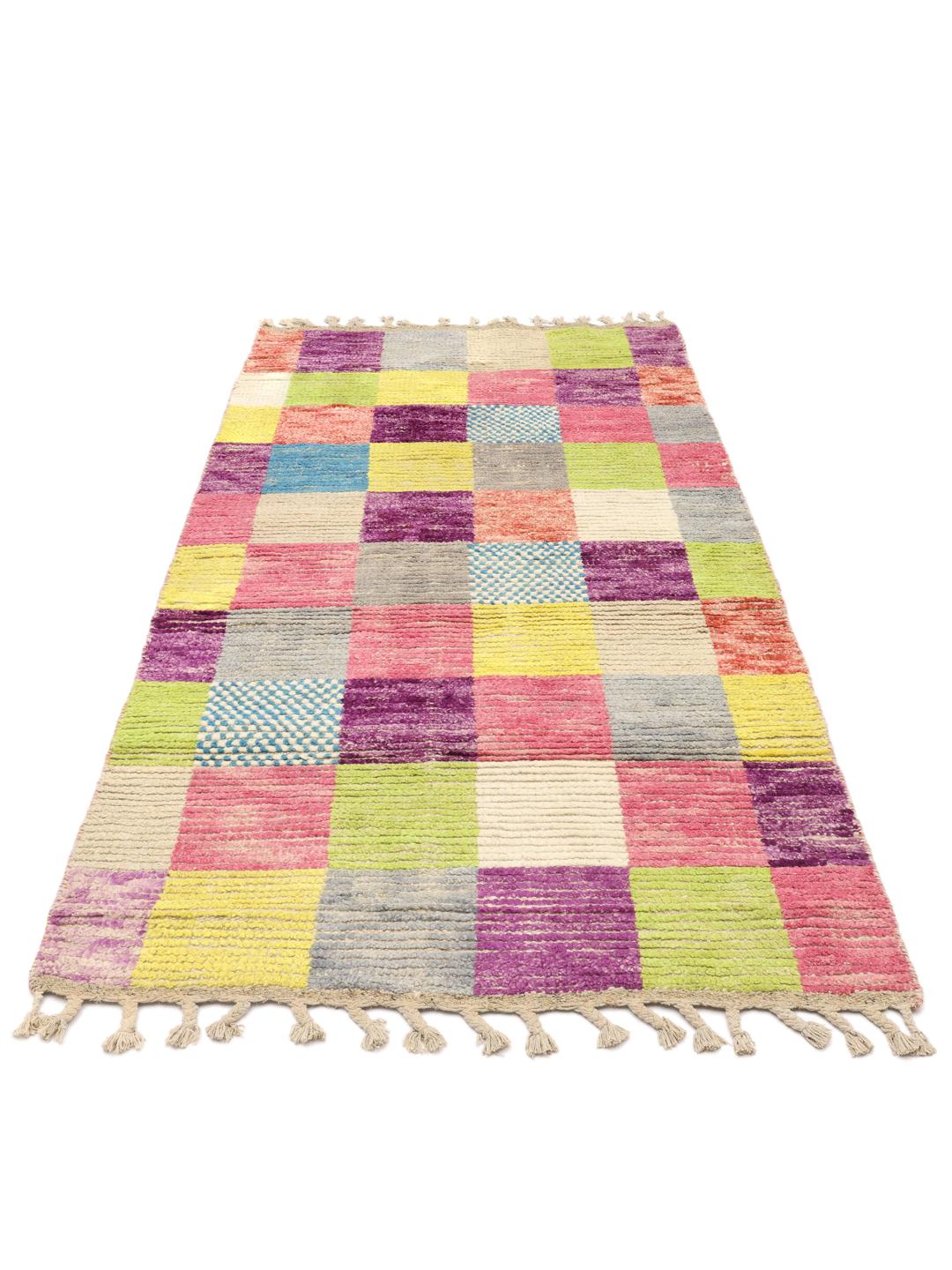
Signature design elements in these rugs often include geometric motifs, bold colour palettes, and a sense of spontaneous creativity. Unlike formal, symmetrical designs, the Berber style celebrates a more organic, playful approach to pattern. This specific rug features a vivid, checkered arrangement, showcasing how traditional weaving can be adapted to create contemporary, artistic statements that feel fresh and modern.
These rugs are highly valued by collectors for their authenticity and the human skill required to produce them. Owning a piece from this tradition is an investment in cultural heritage, representing a connection to the artisans who carry forward these centuries-old techniques. Each rug serves as a bridge between the past and the present, offering a timeless quality that transcends changing interior trends.