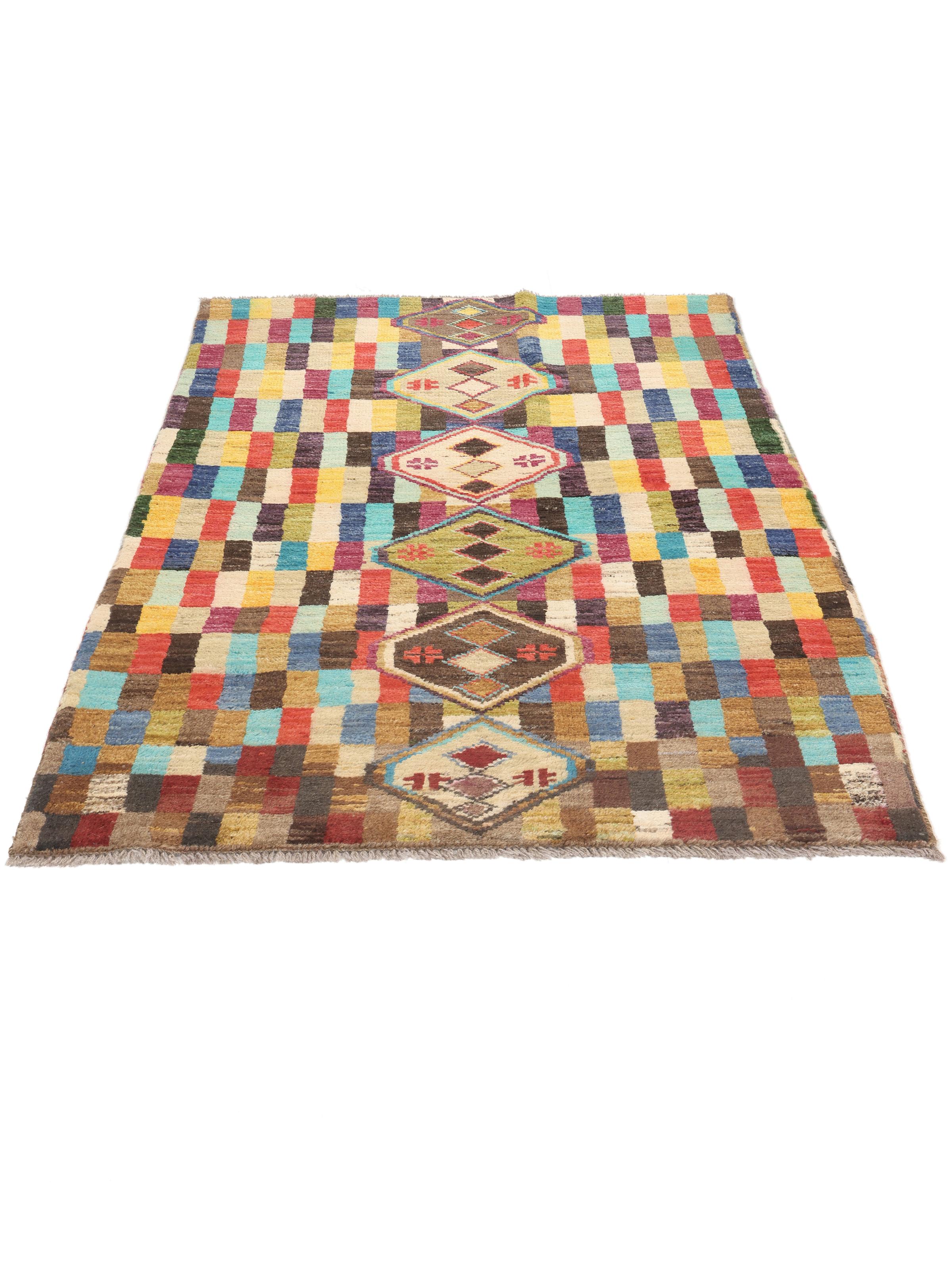
Berber rugs are deeply rooted in the nomadic traditions of North Africa, yet their influence has travelled far beyond their original borders. Today, the term is used to describe a specific style of rug known for its geometric patterns and expressive use of colour. While the tradition began with mountain-dwelling tribes, the style has been adopted and reinterpreted by weavers in regions like Afghanistan, who bring their own local expertise to these iconic designs.
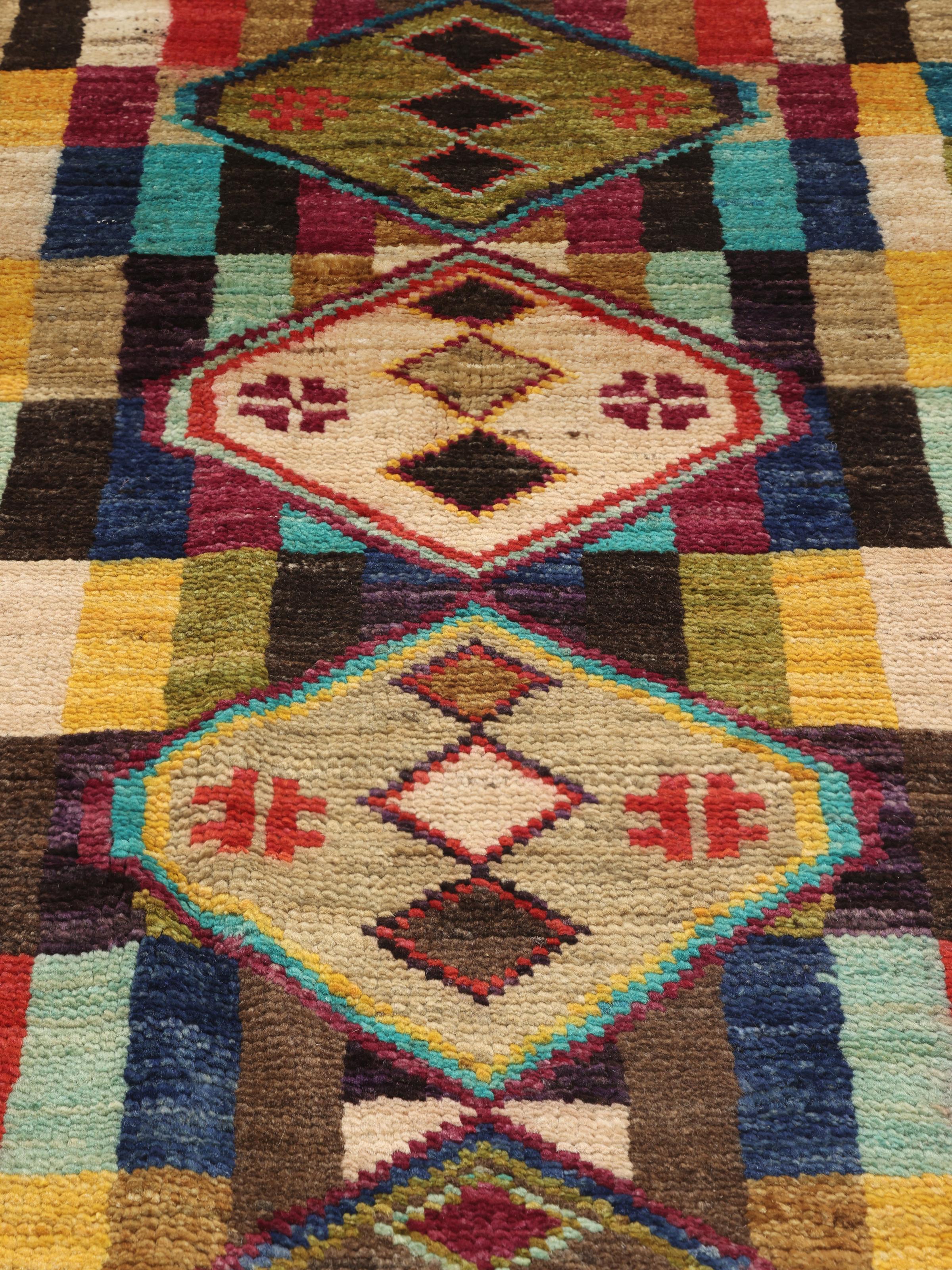
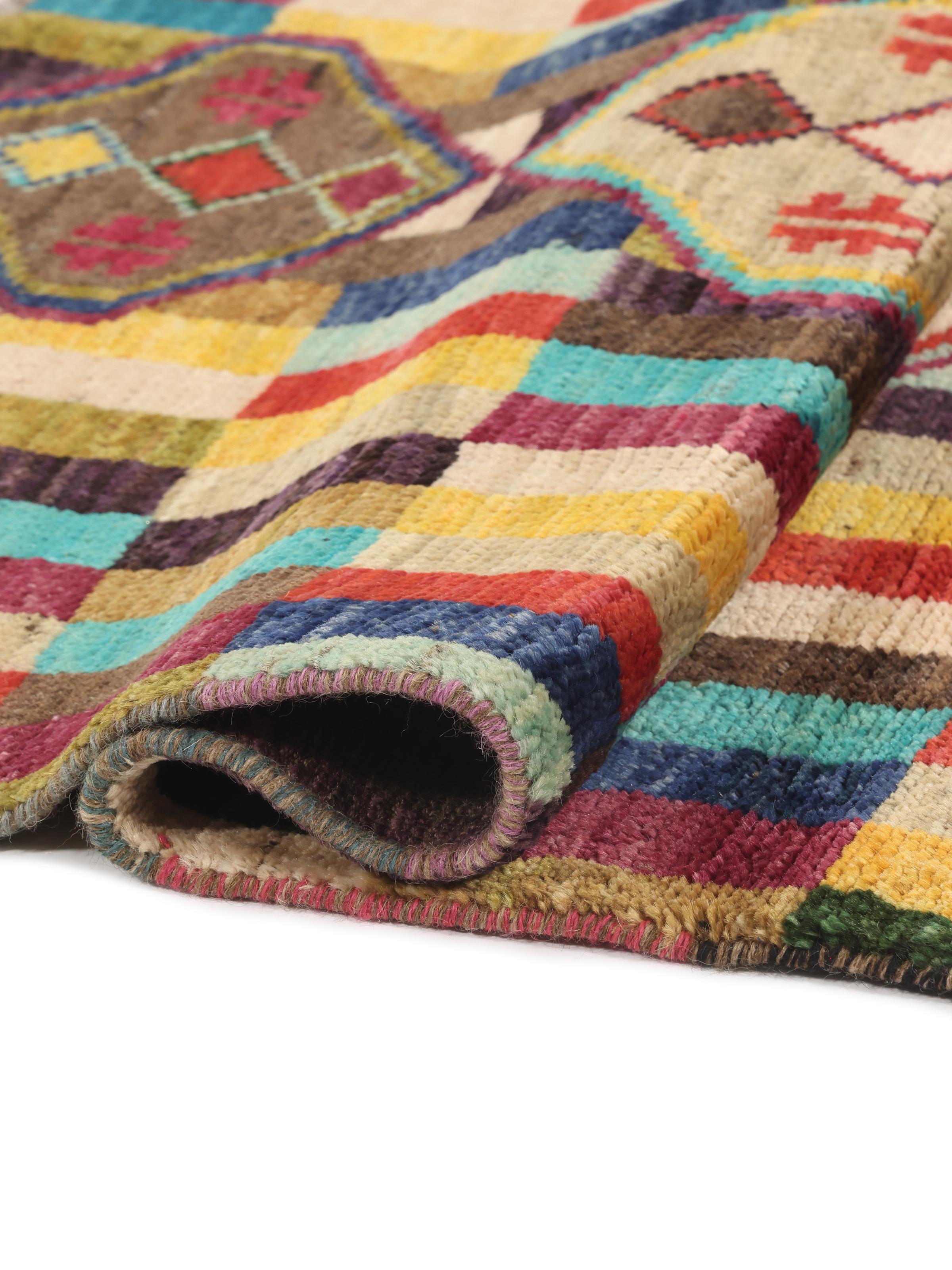
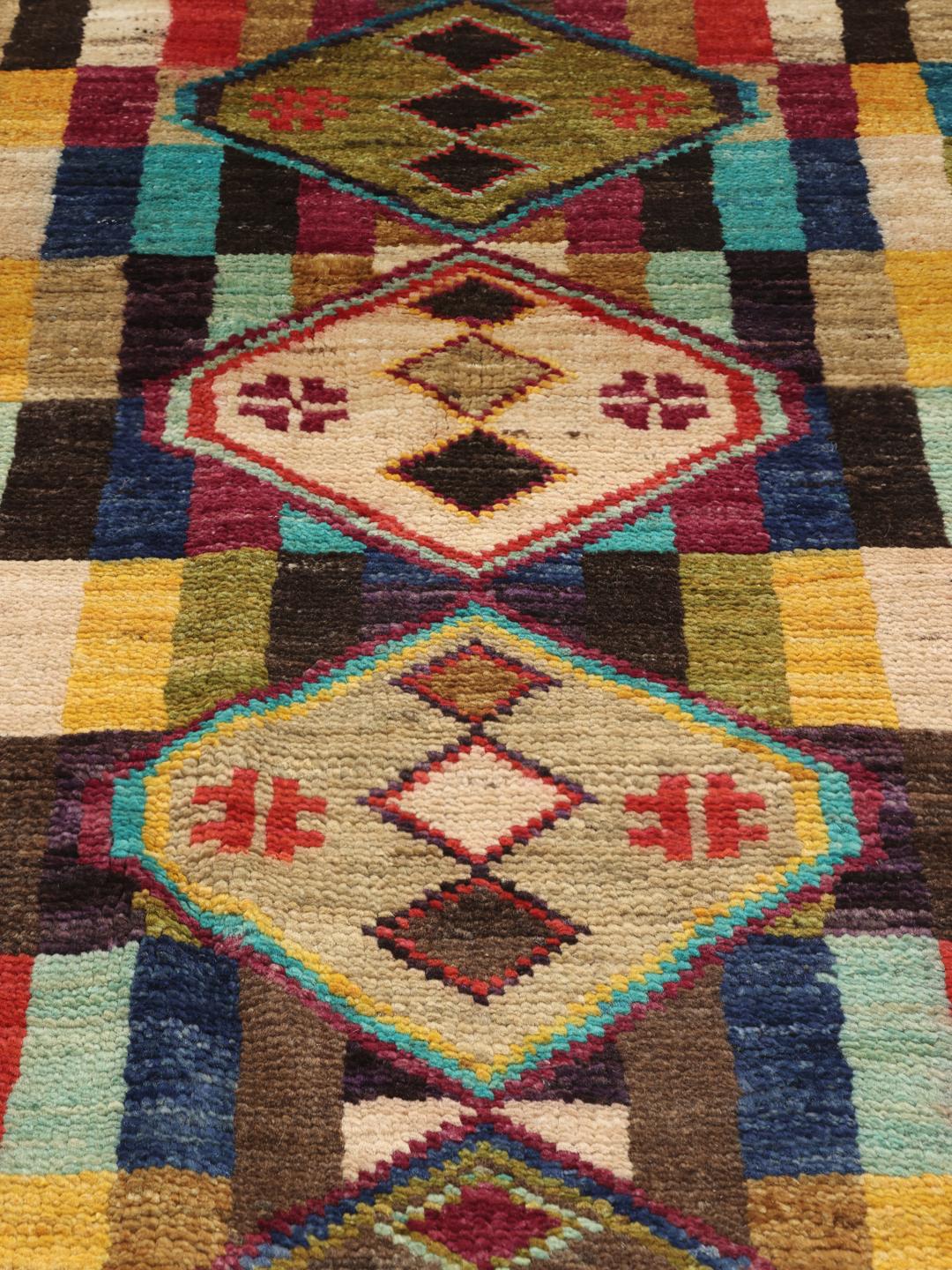
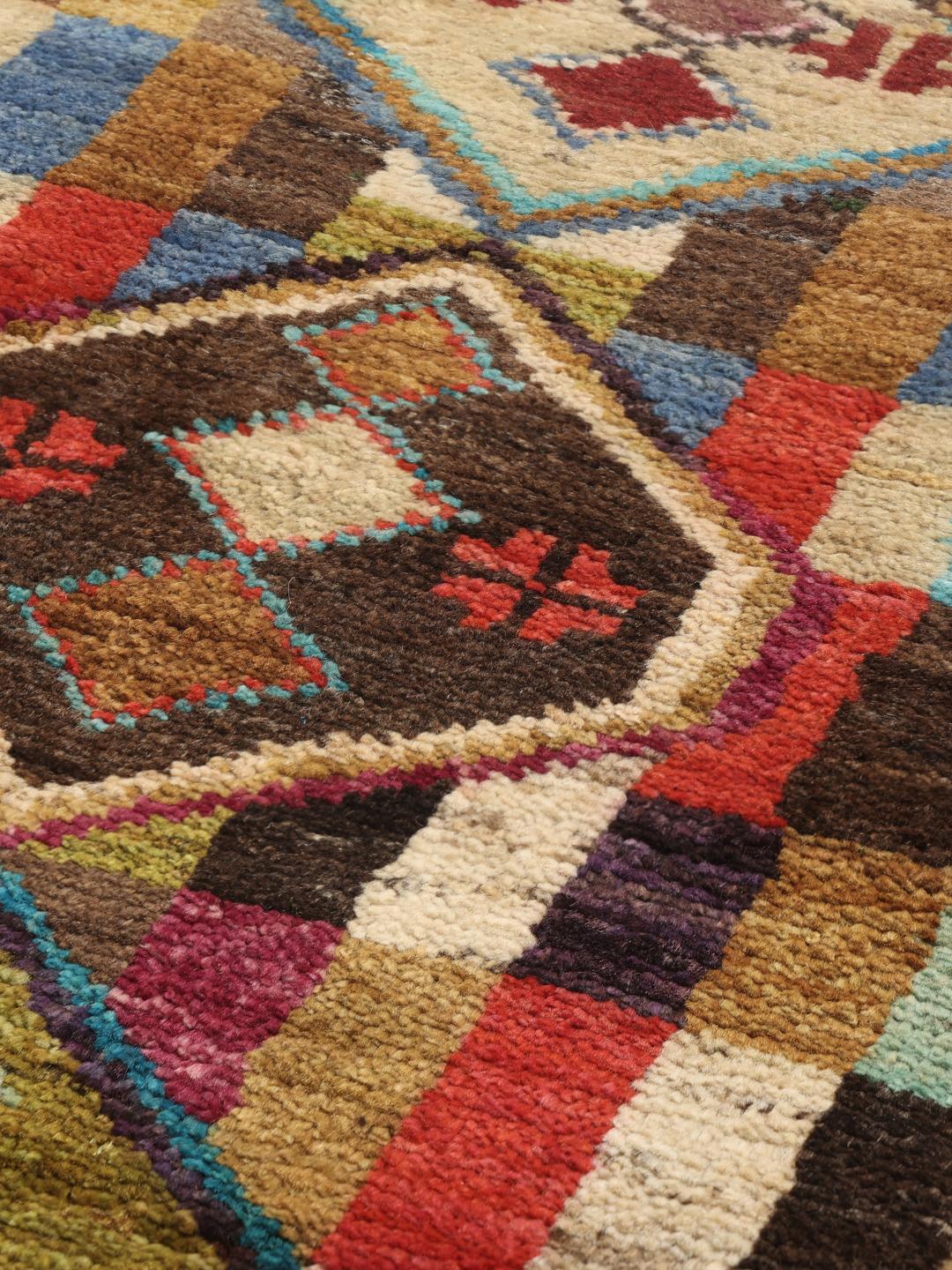
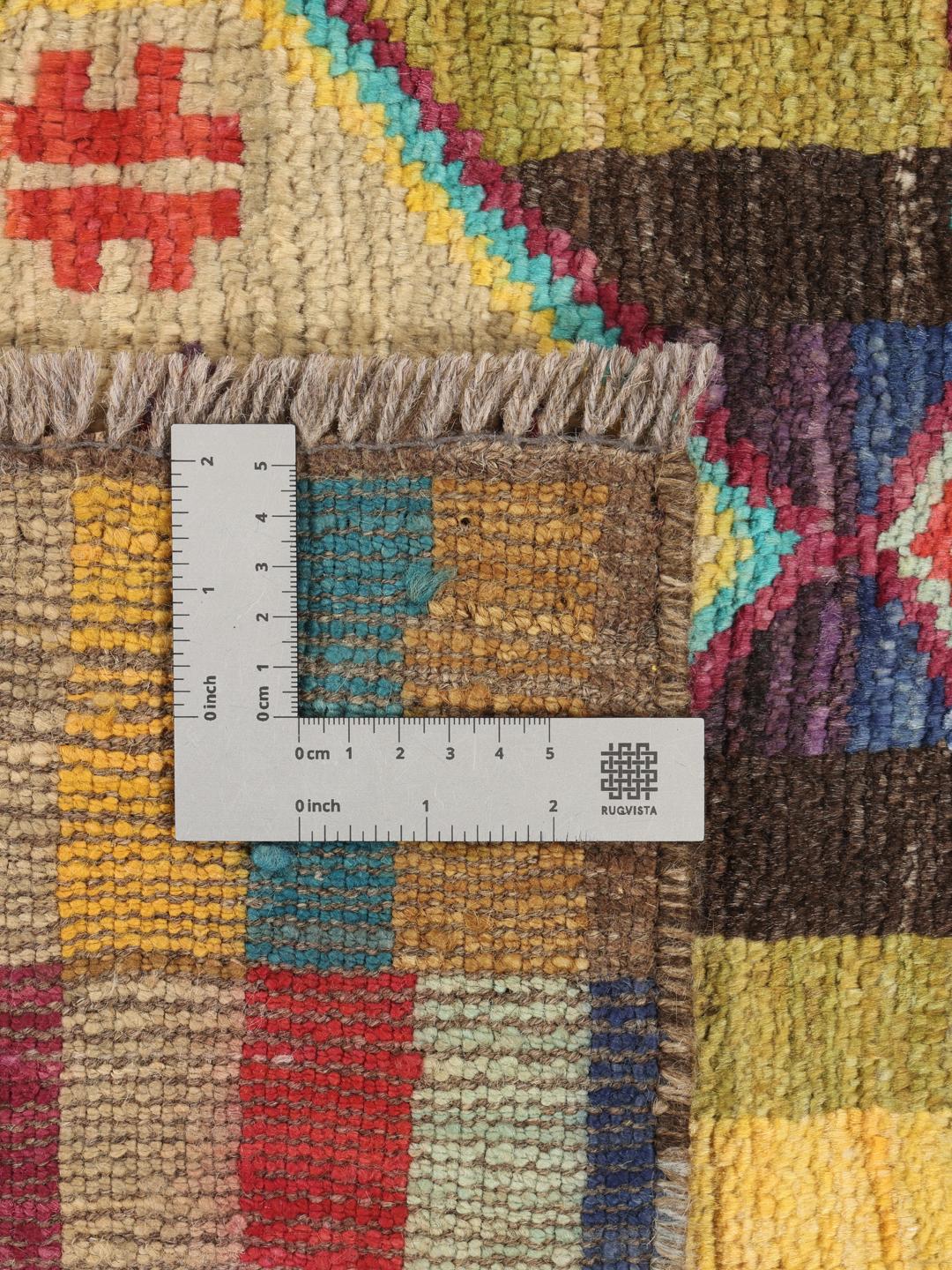
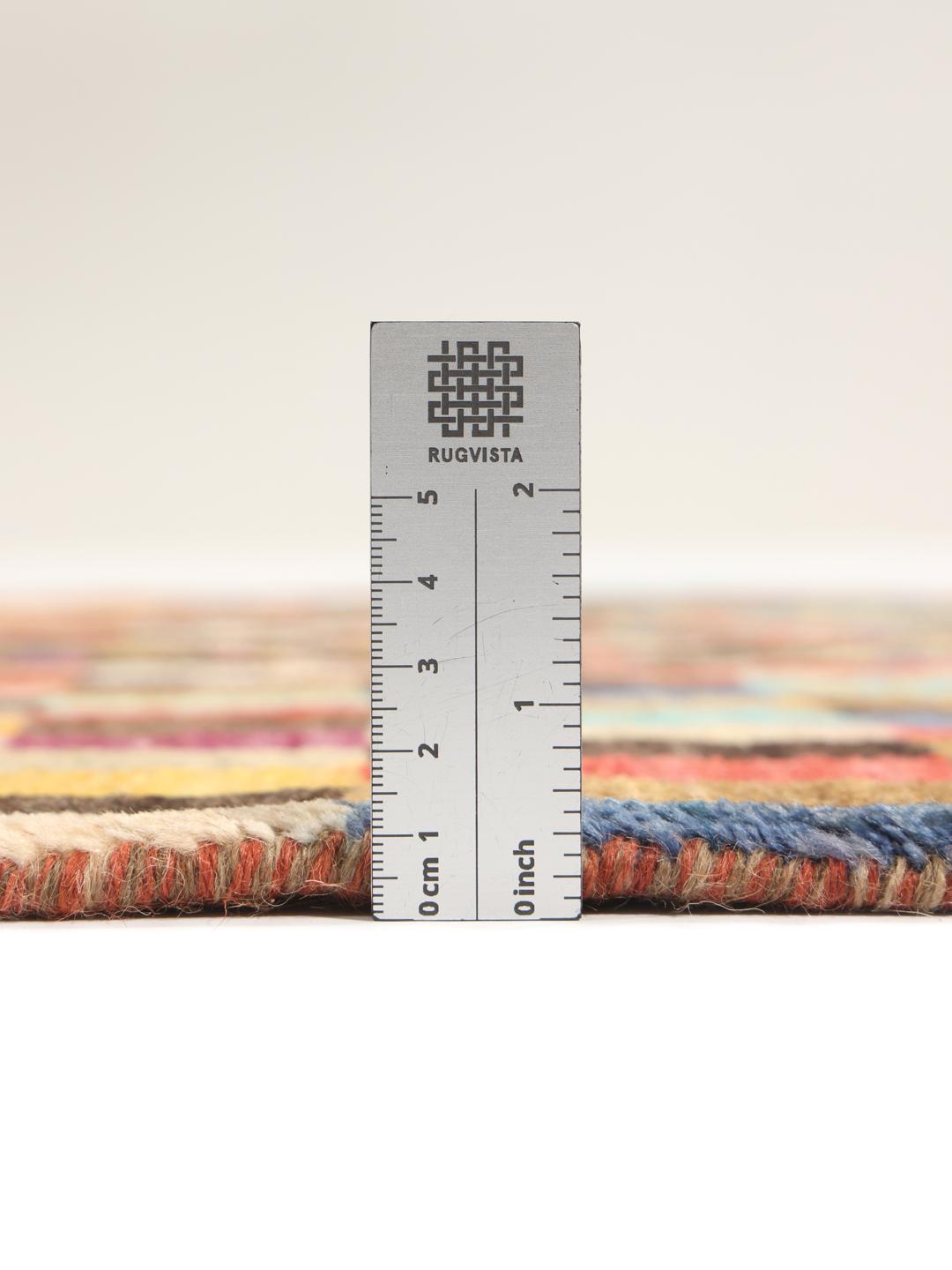
The craftsmanship behind these rugs is defined by their construction. When a rug is hand-knotted, each knot is a testament to the weaver's precision. This technique is not merely a way to create a pattern; it is a structural choice that results in a dense, resilient pile. The density of the knots allows for intricate designs to be rendered with clarity, ensuring that the rug maintains its aesthetic appeal even after years of use.
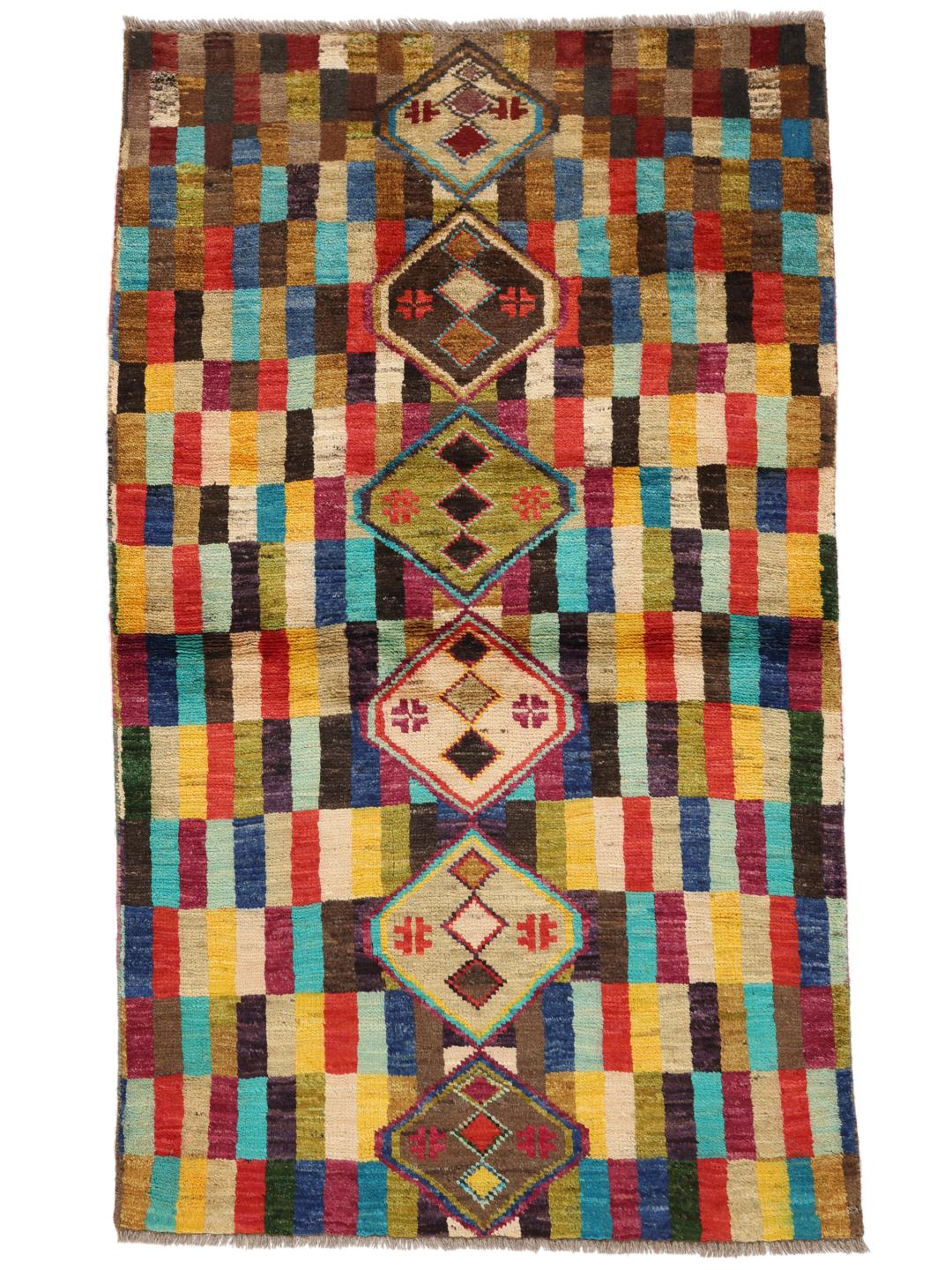
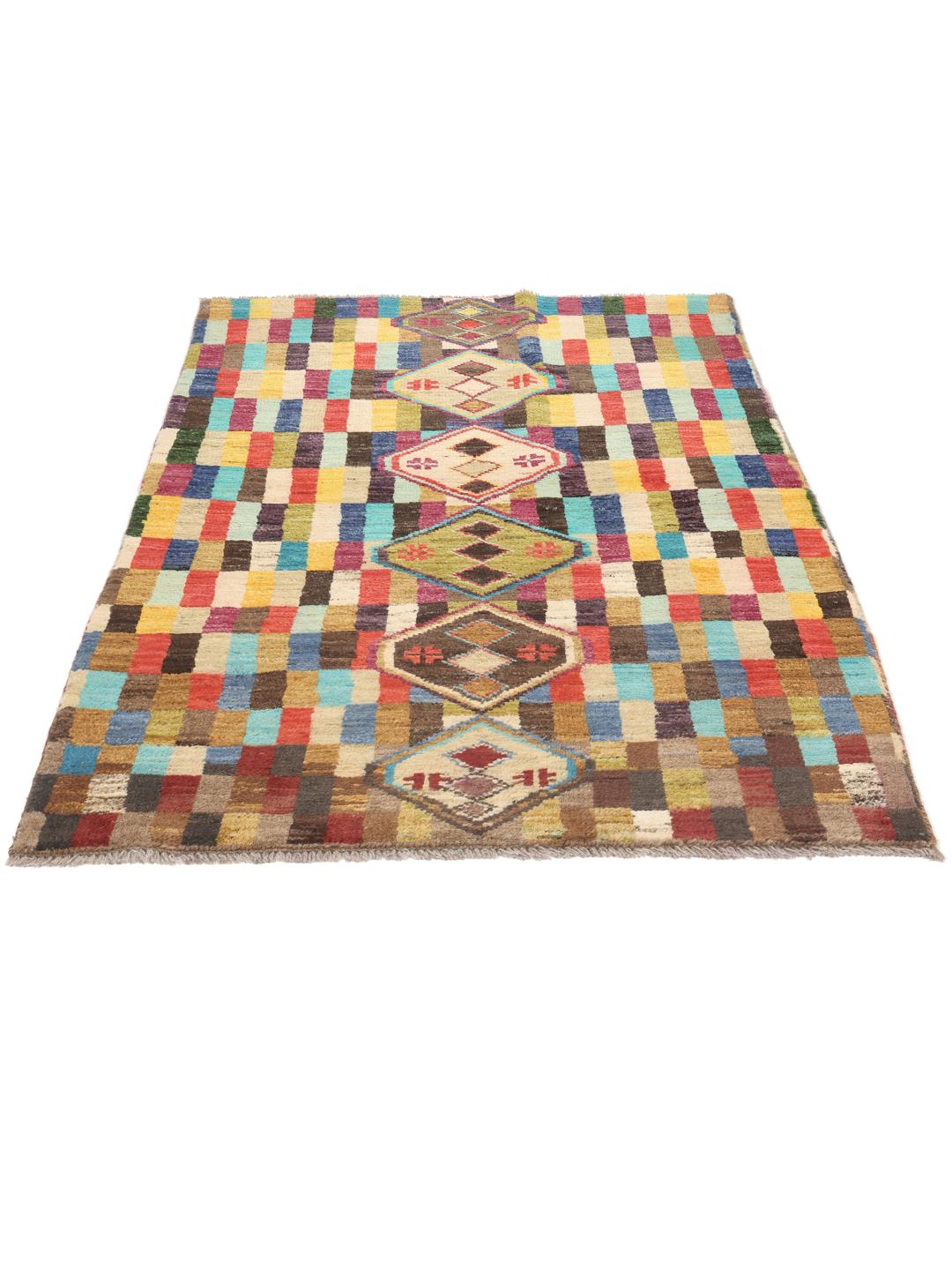
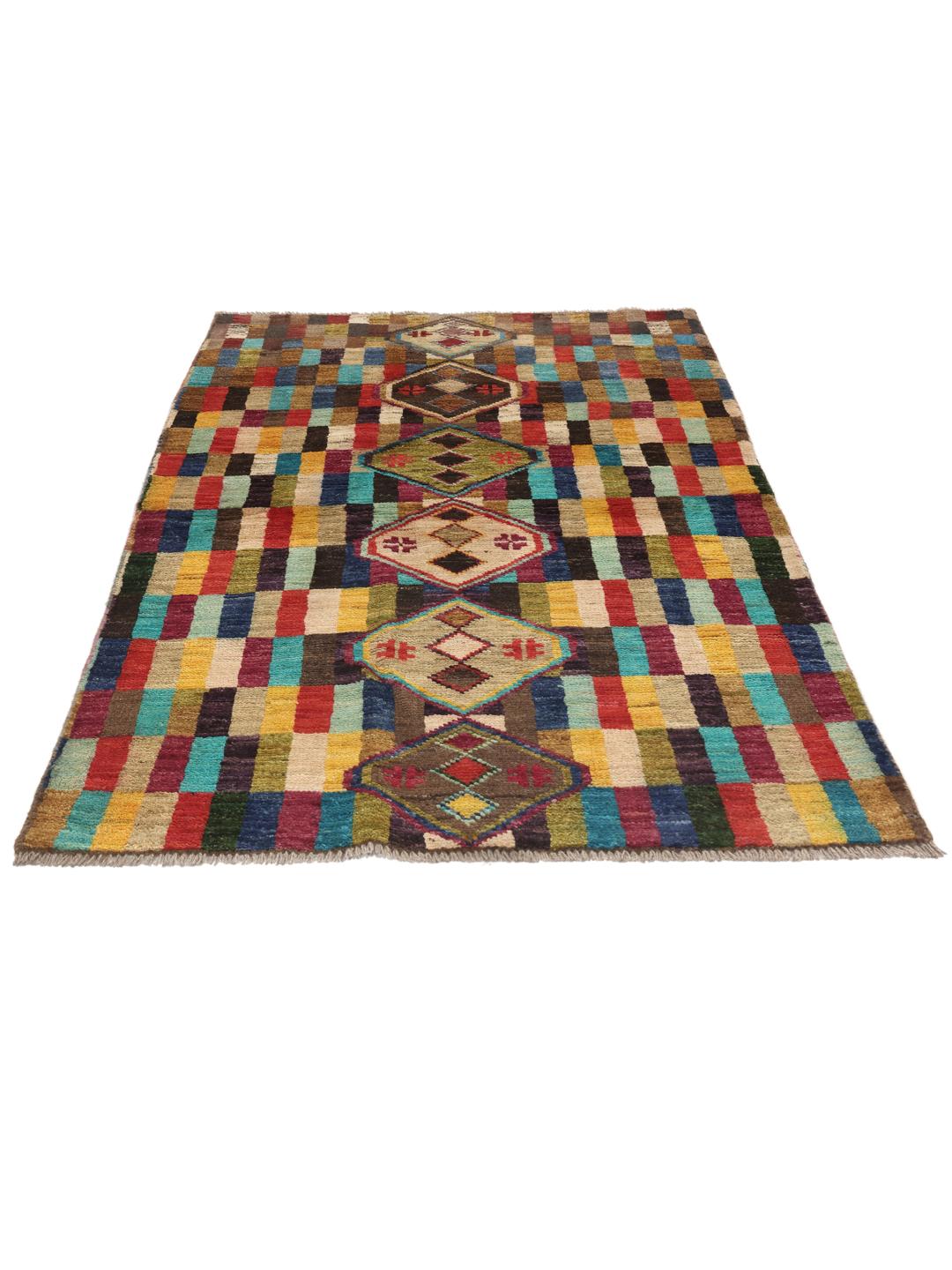
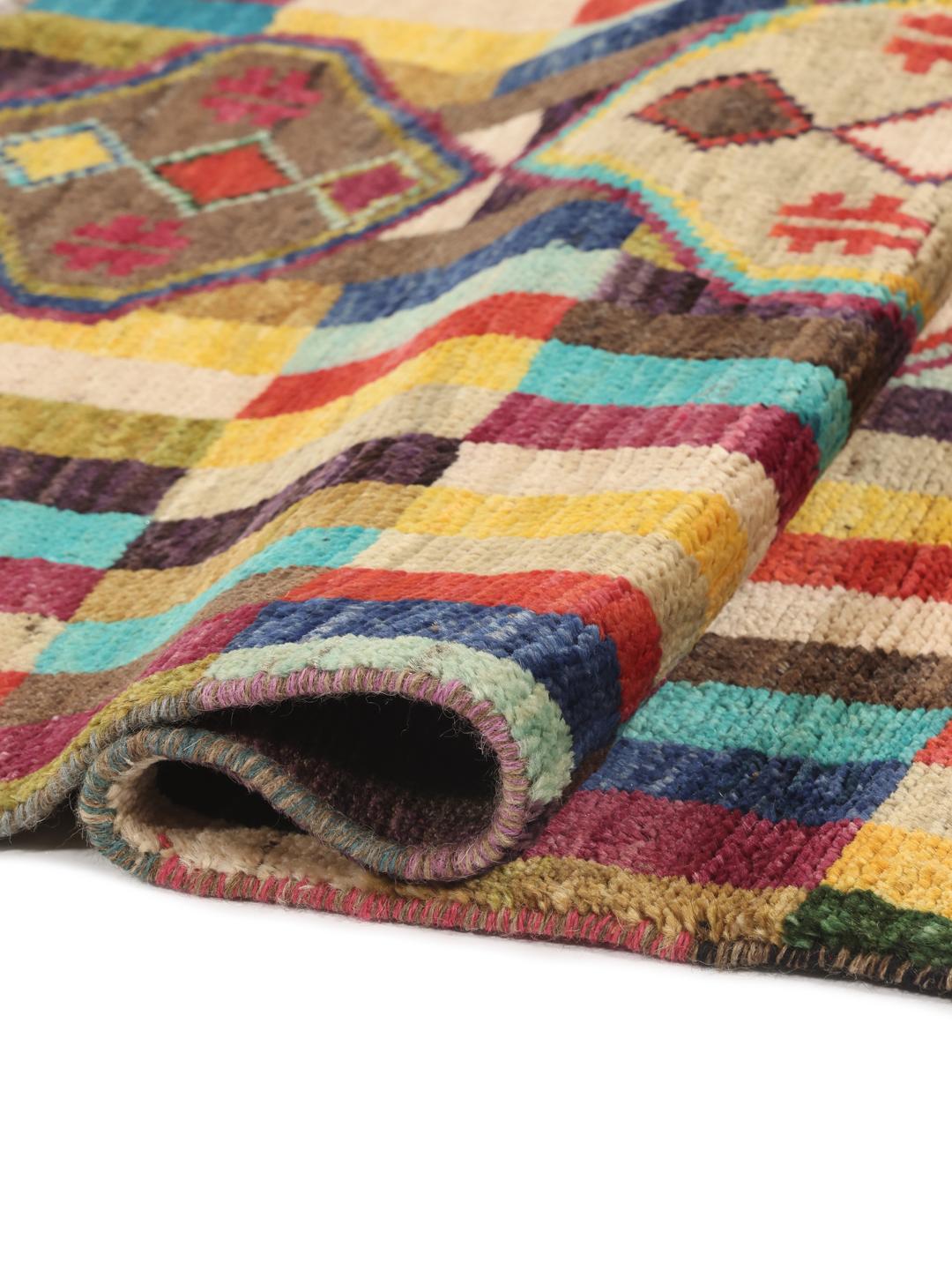
The design language of these rugs is primarily geometric, often featuring diamonds, squares, and lines. In this specific piece, the use of a vibrant, multi-coloured grid serves as a modern backdrop for the more traditional, centrally-placed diamond medallions. This combination of bold colour blocks and structured motifs is a hallmark of the Berber tradition, reflecting a desire to balance creative freedom with formal symmetry.
Collecting a hand-knotted rug from this tradition is an act of preserving cultural history. These rugs are valued for their authenticity and the human effort required to bring them into existence. Owning one is an investment in skill, heritage, and the enduring beauty of hand-crafted objects, making it a meaningful addition to any collection that values quality above all else.