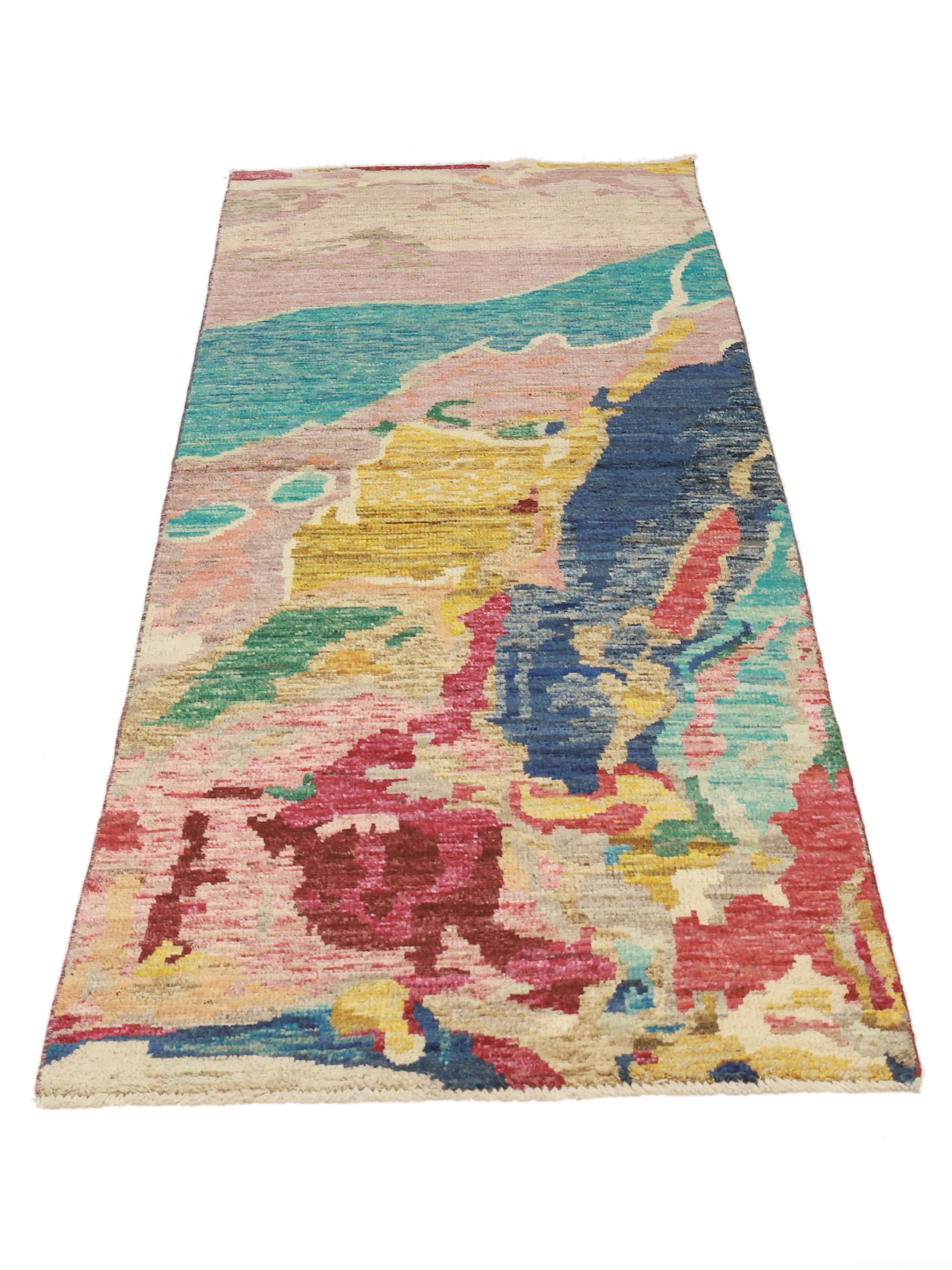
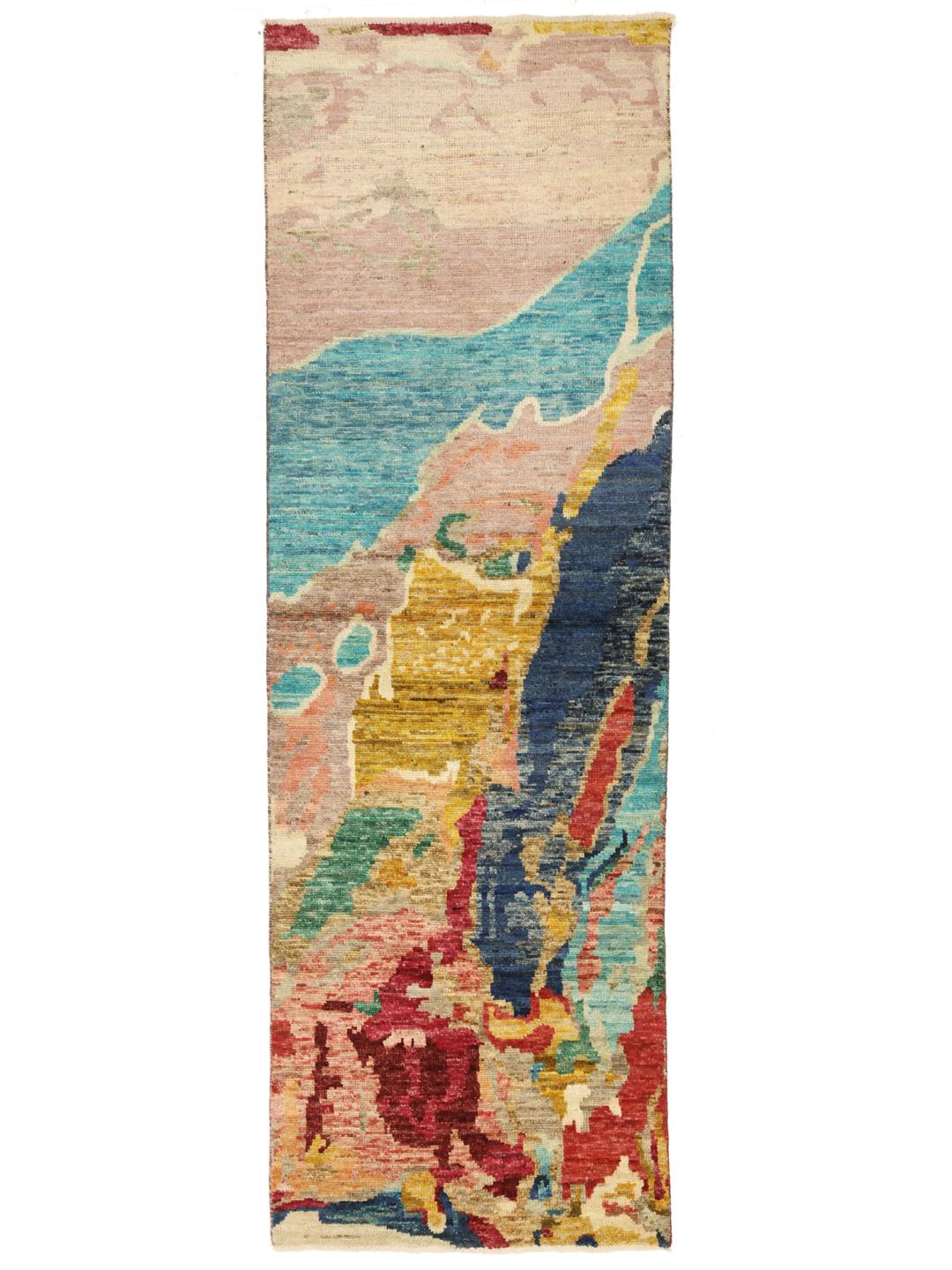
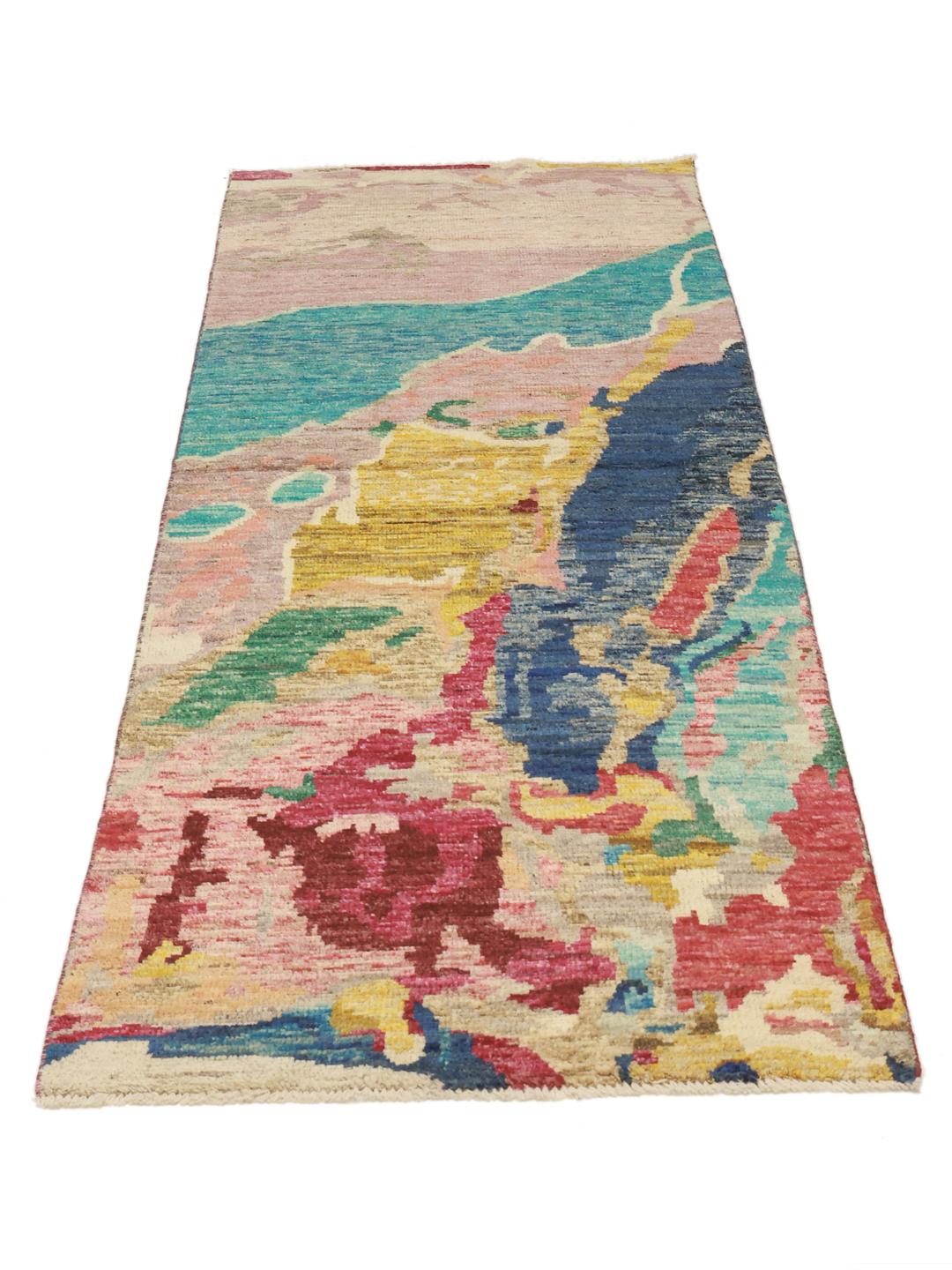
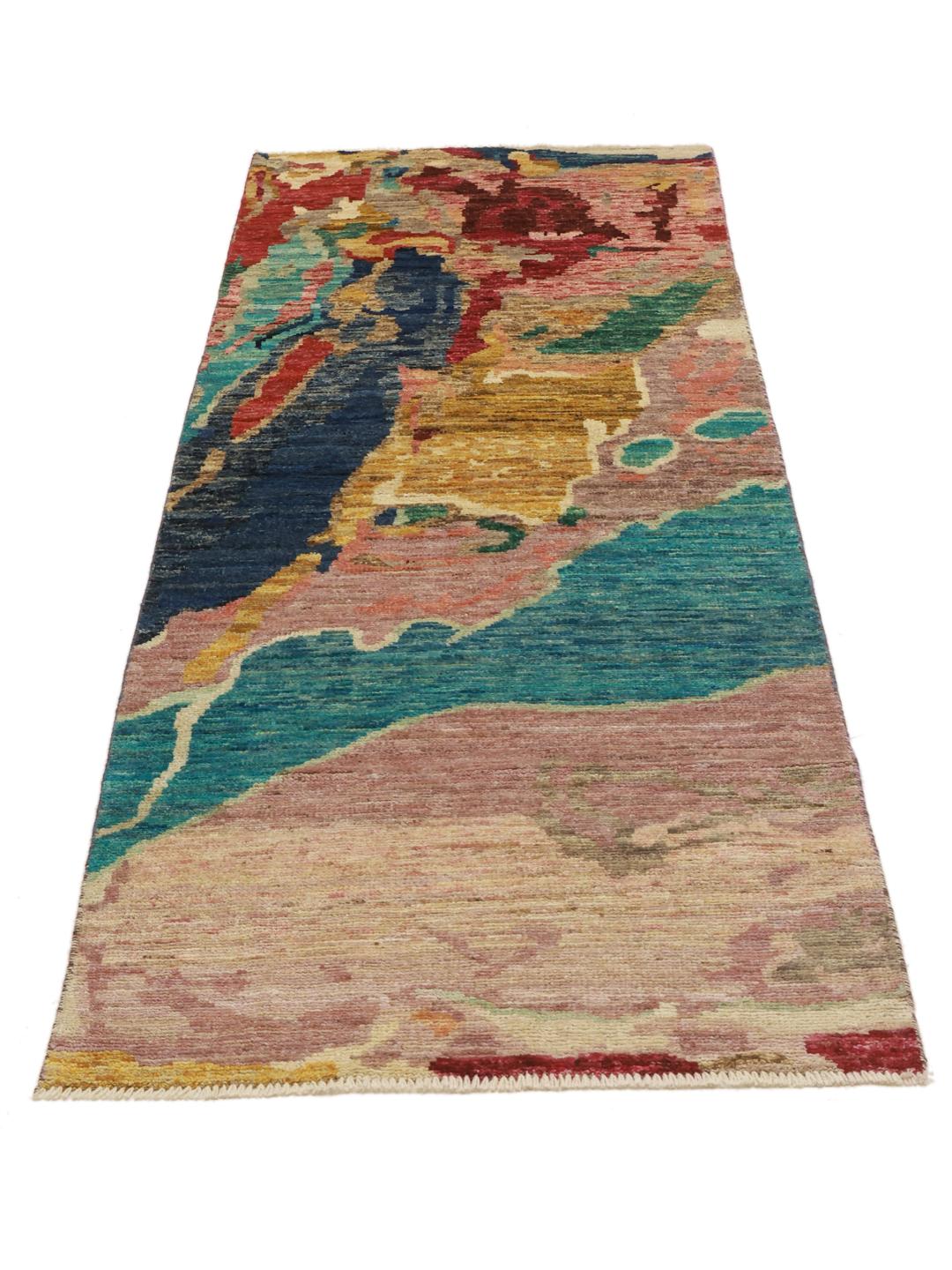
The Berber tradition is deeply rooted in the history of nomadic cultures, primarily associated with the indigenous tribes of North Africa. Over centuries, these weaving styles have migrated and been adapted by artisans across various regions, including Afghanistan, where local weavers have incorporated their own cultural motifs and colour palettes into the tradition.
The term Berber often refers to a style characterised by thick, hand-spun wool and a focus on abstract or geometric storytelling. In the context of these colourful contemporary pieces, the tradition has evolved to embrace vibrant, expressive hues that move away from strictly traditional patterns, allowing for a fusion of ancient craft and modern design sensibilities.
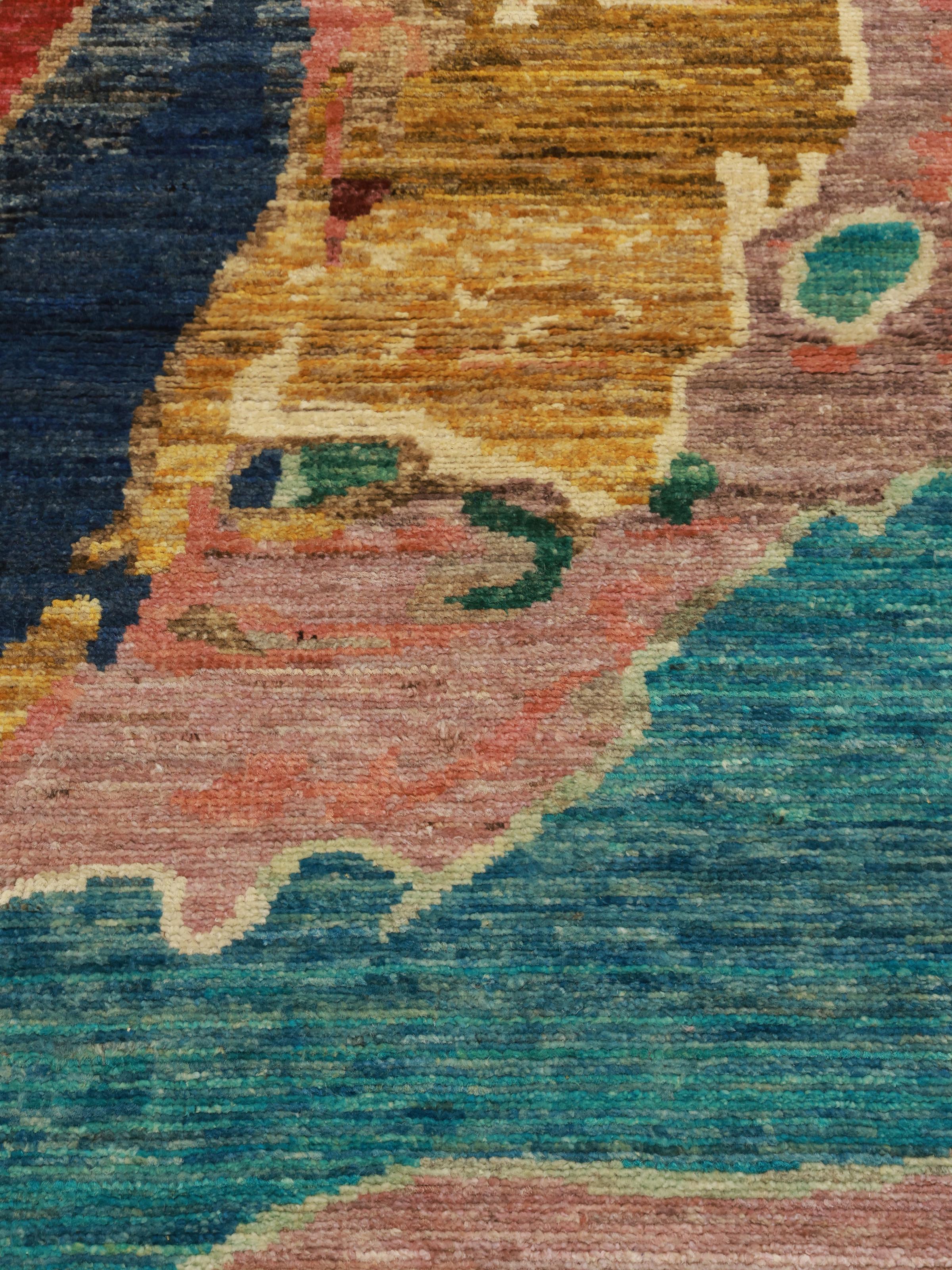
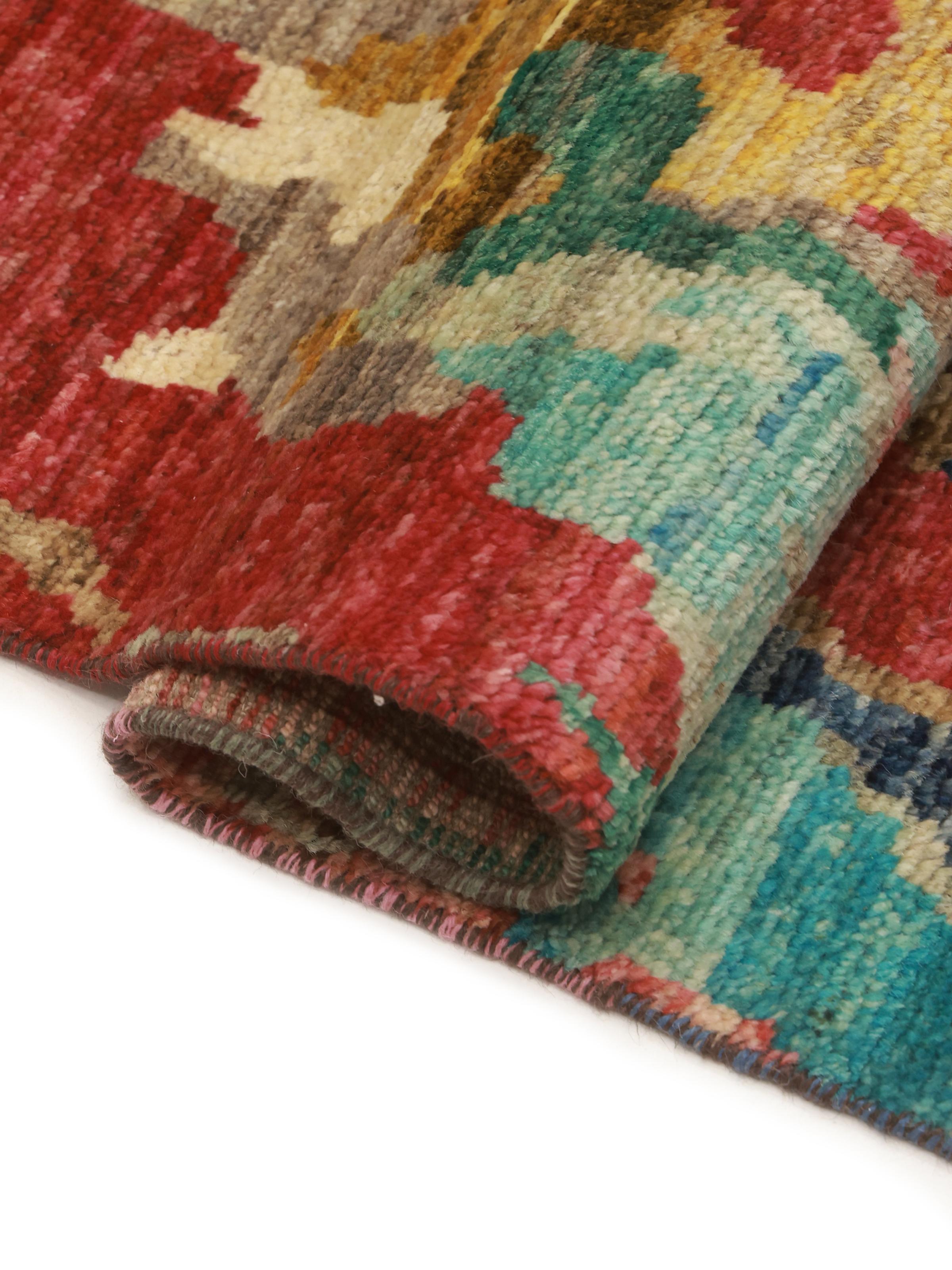
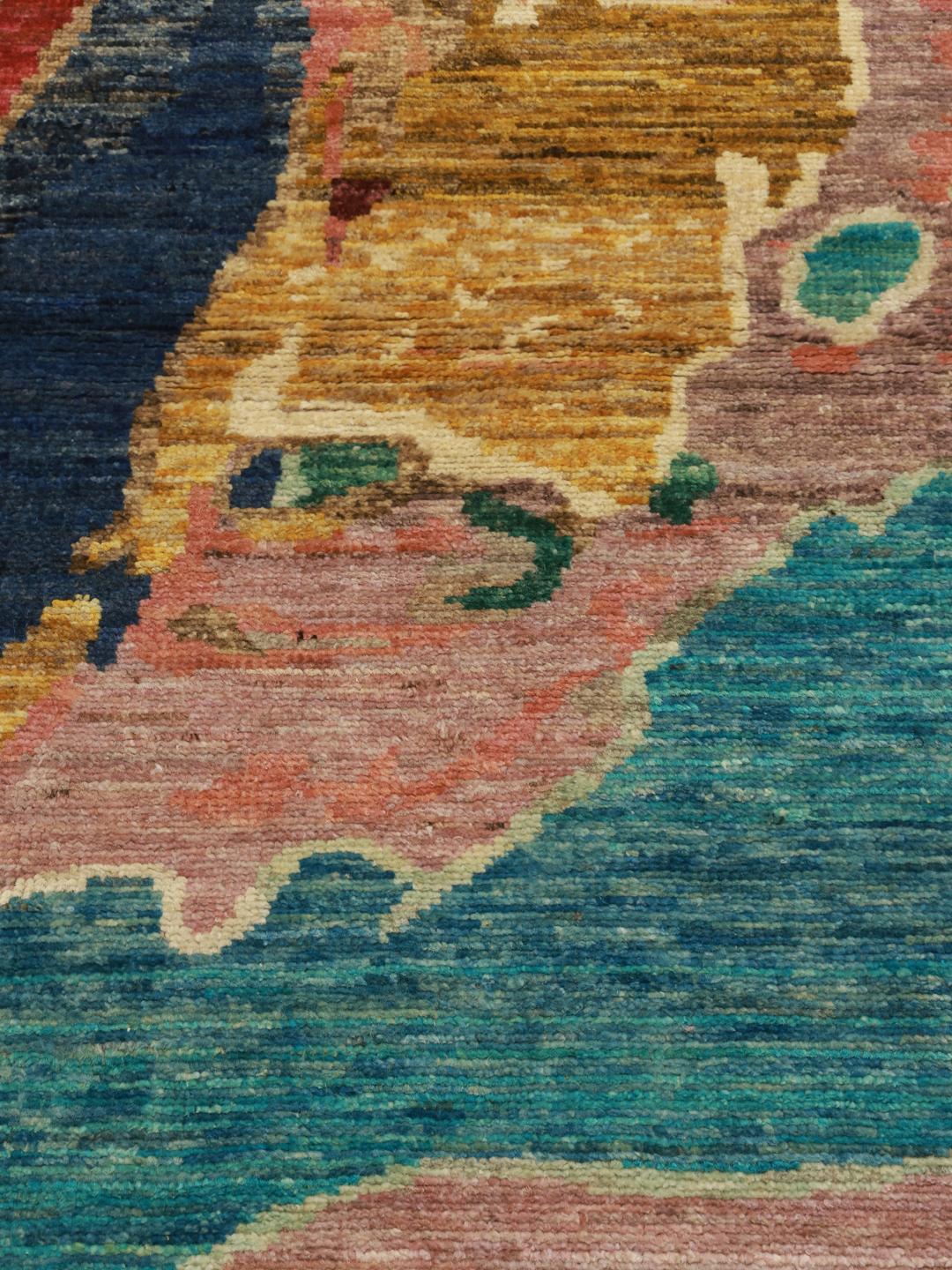
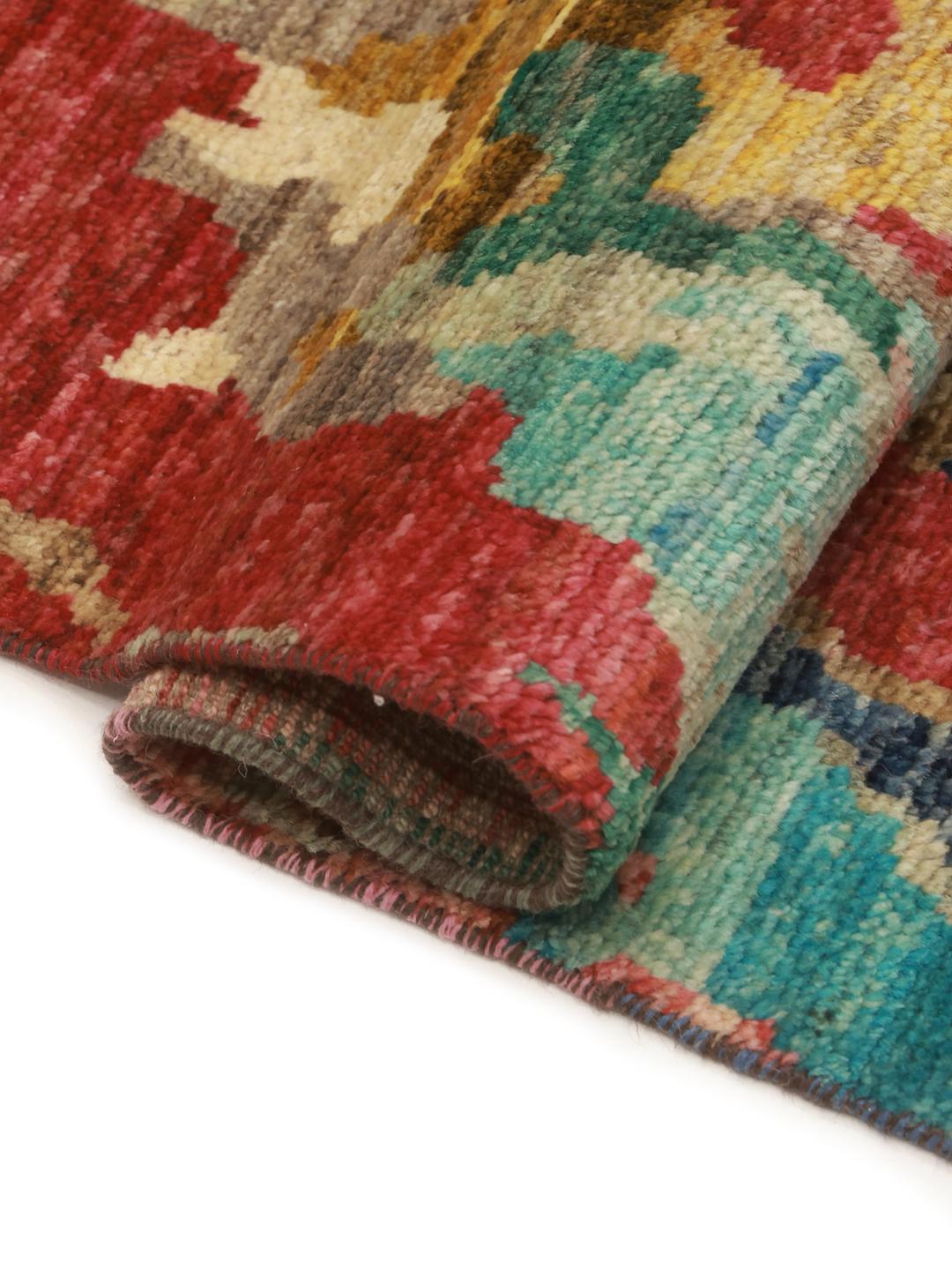
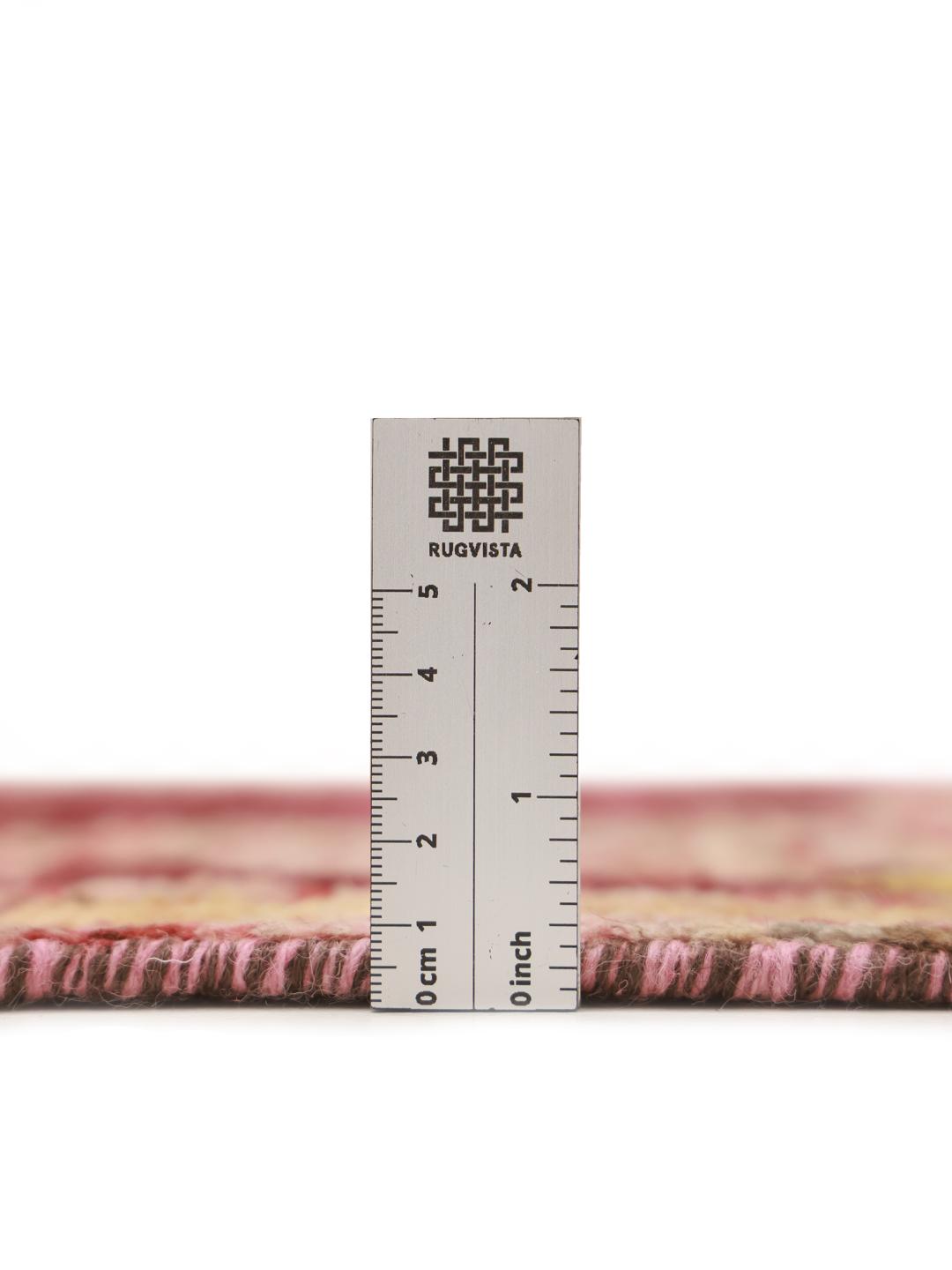
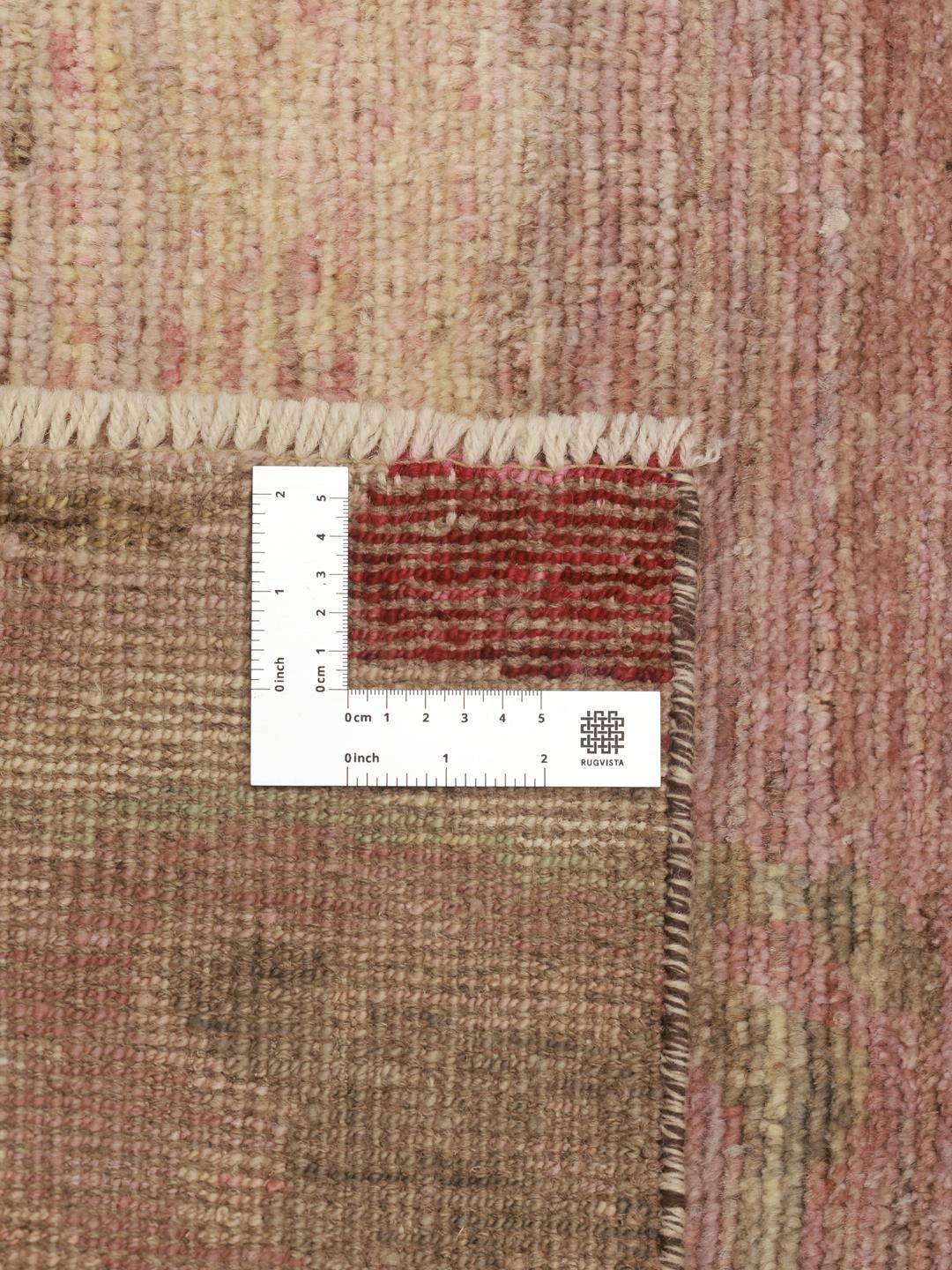
Signature elements of these rugs include the use of natural wool, which is celebrated for its resilience and softness. Unlike commercial rugs, these pieces often showcase variations in tone and texture that are inherent to hand-spun materials. When you see a piece with such a bold, abstract layout, it represents a departure from formal symmetry, favouring a more organic and free-flowing aesthetic.
Collectors value these rugs for the human element present in every stitch. Owning such a piece is not merely about covering a floor, but about preserving a connection to the heritage of the weaver. The skill required to balance these complex colour transitions by hand is a testament to the enduring nature of this craft, making each runner a meaningful investment in culture and quality.