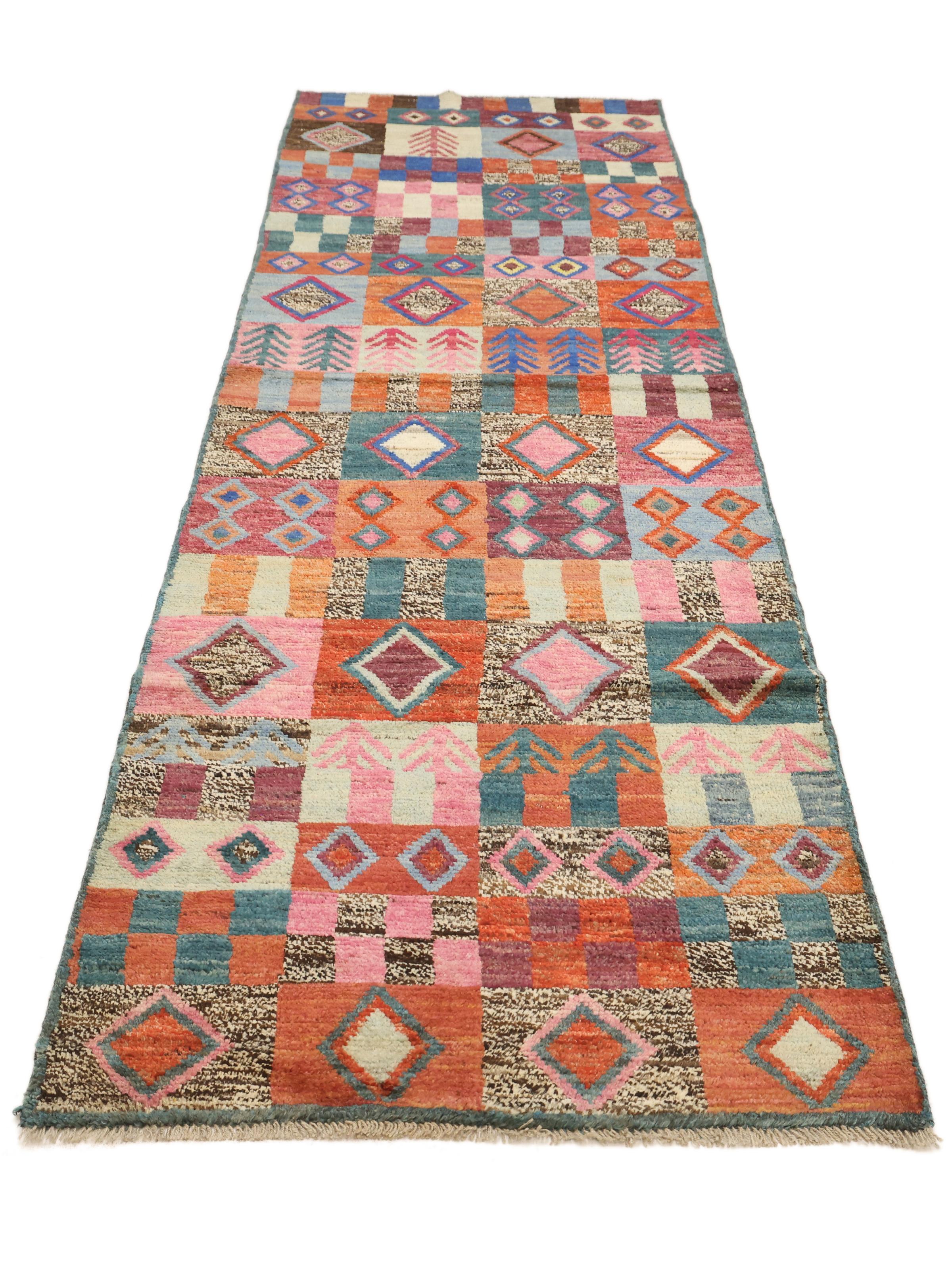
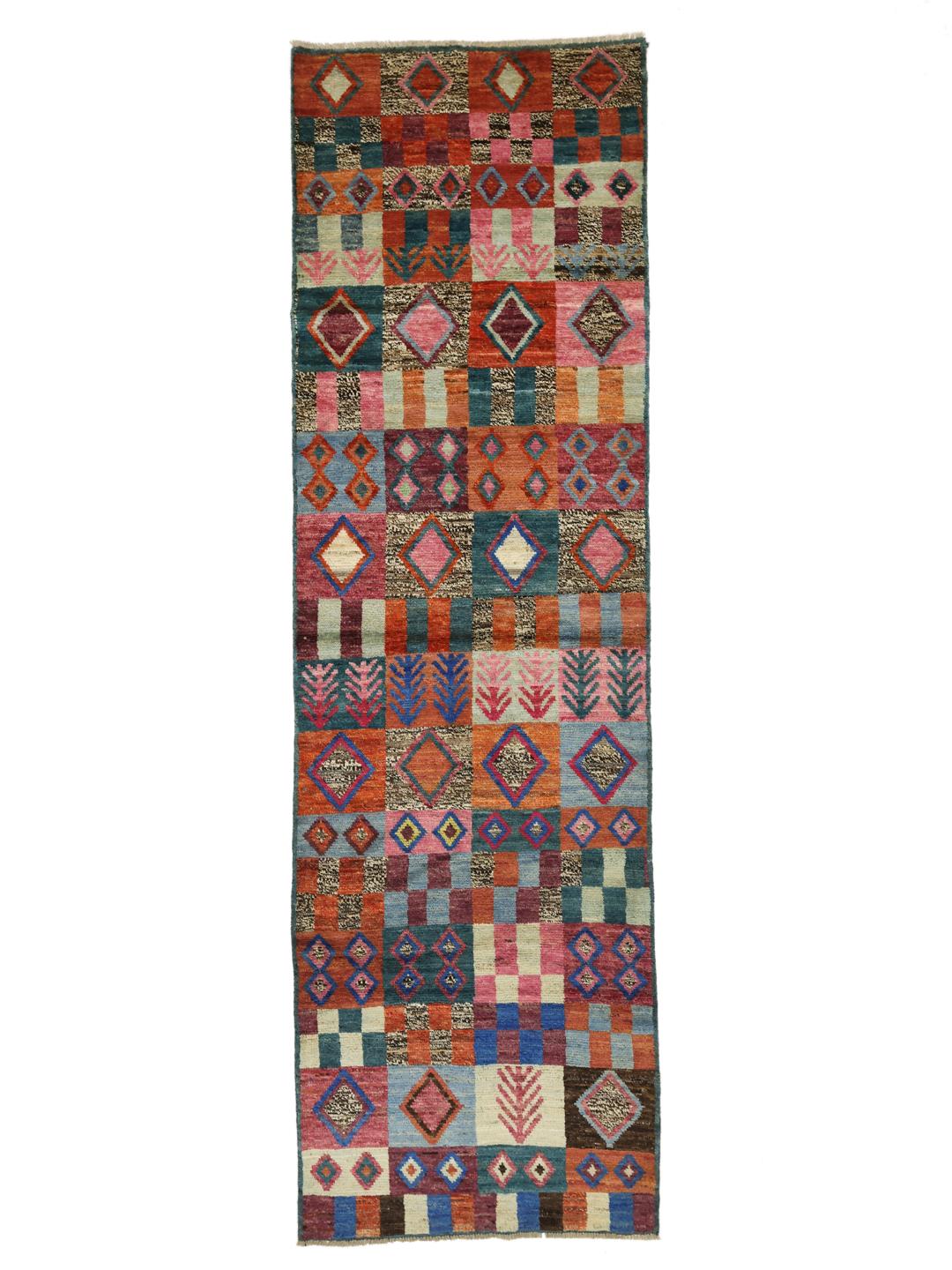
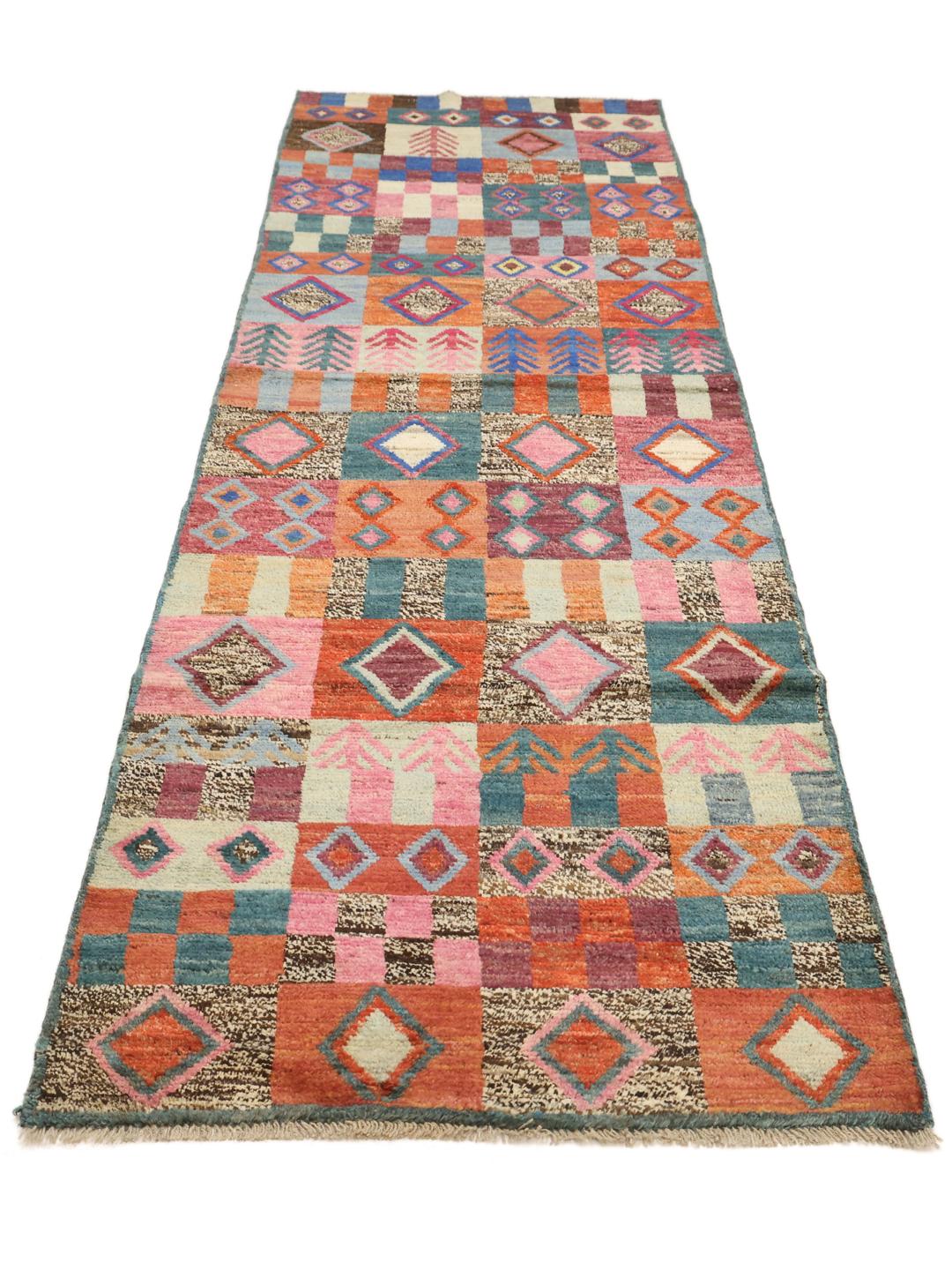
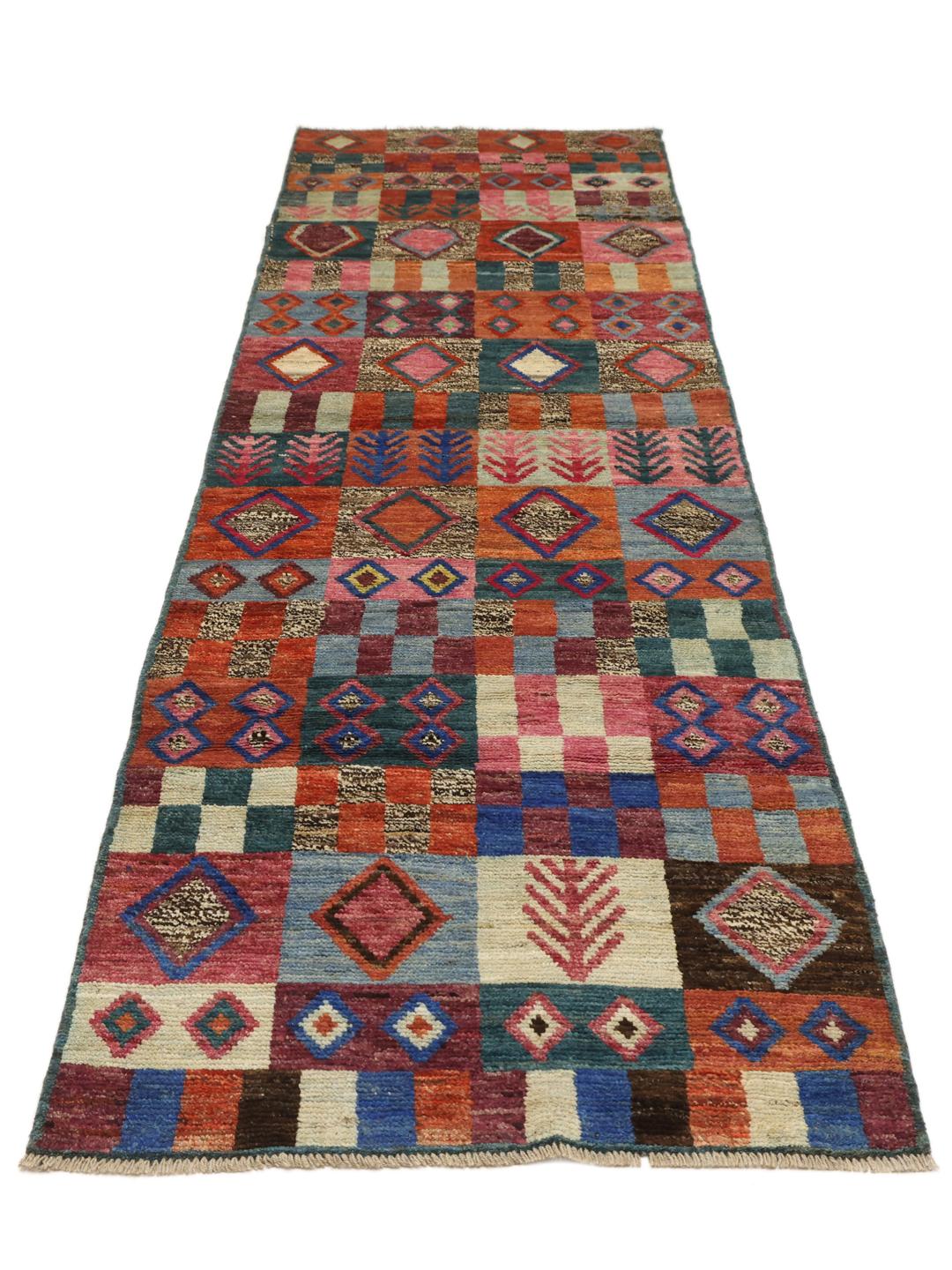
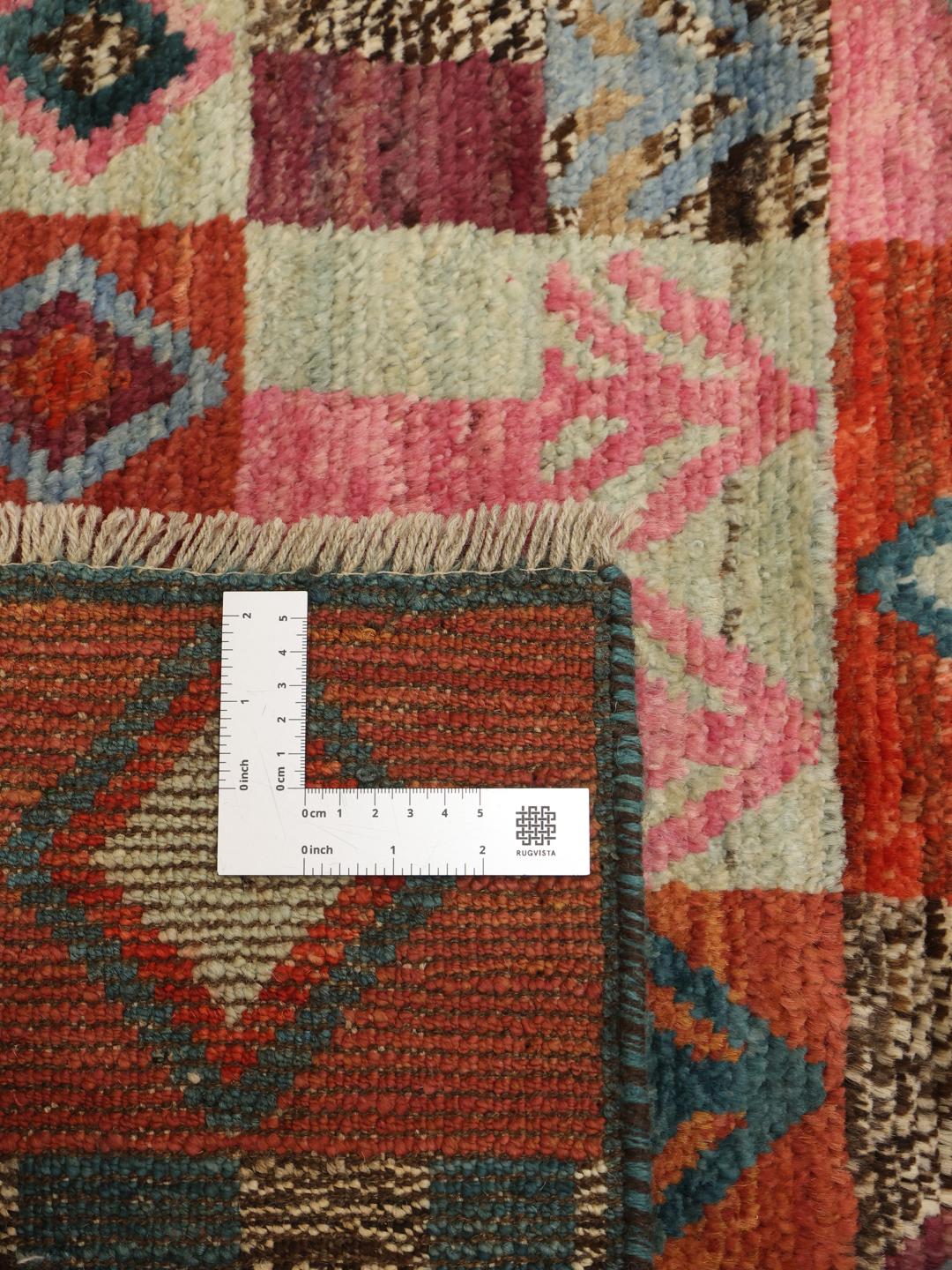
The Berber tradition is deeply rooted in the nomadic history of the Middle East and North Africa, where weaving served as both a practical necessity and a form of artistic expression. While traditionally associated with the tribes of the Atlas Mountains, the influence of these iconic designs has spread far beyond their origins, finding a vibrant new life in the weaving centres of Afghanistan. Here, artisans have adopted these beloved aesthetic principles, blending them with local techniques to create rugs that are both culturally resonant and stylistically fresh.
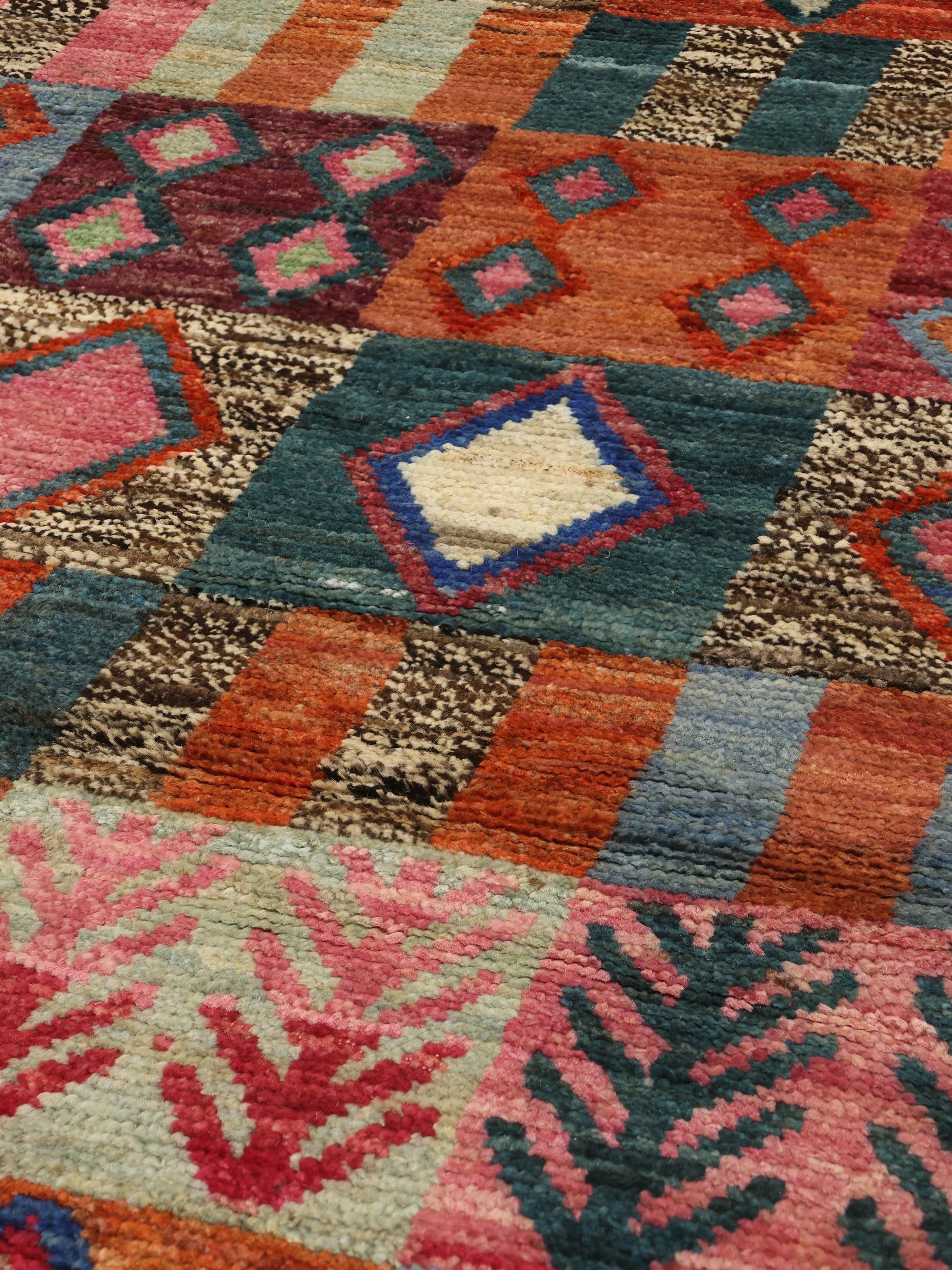
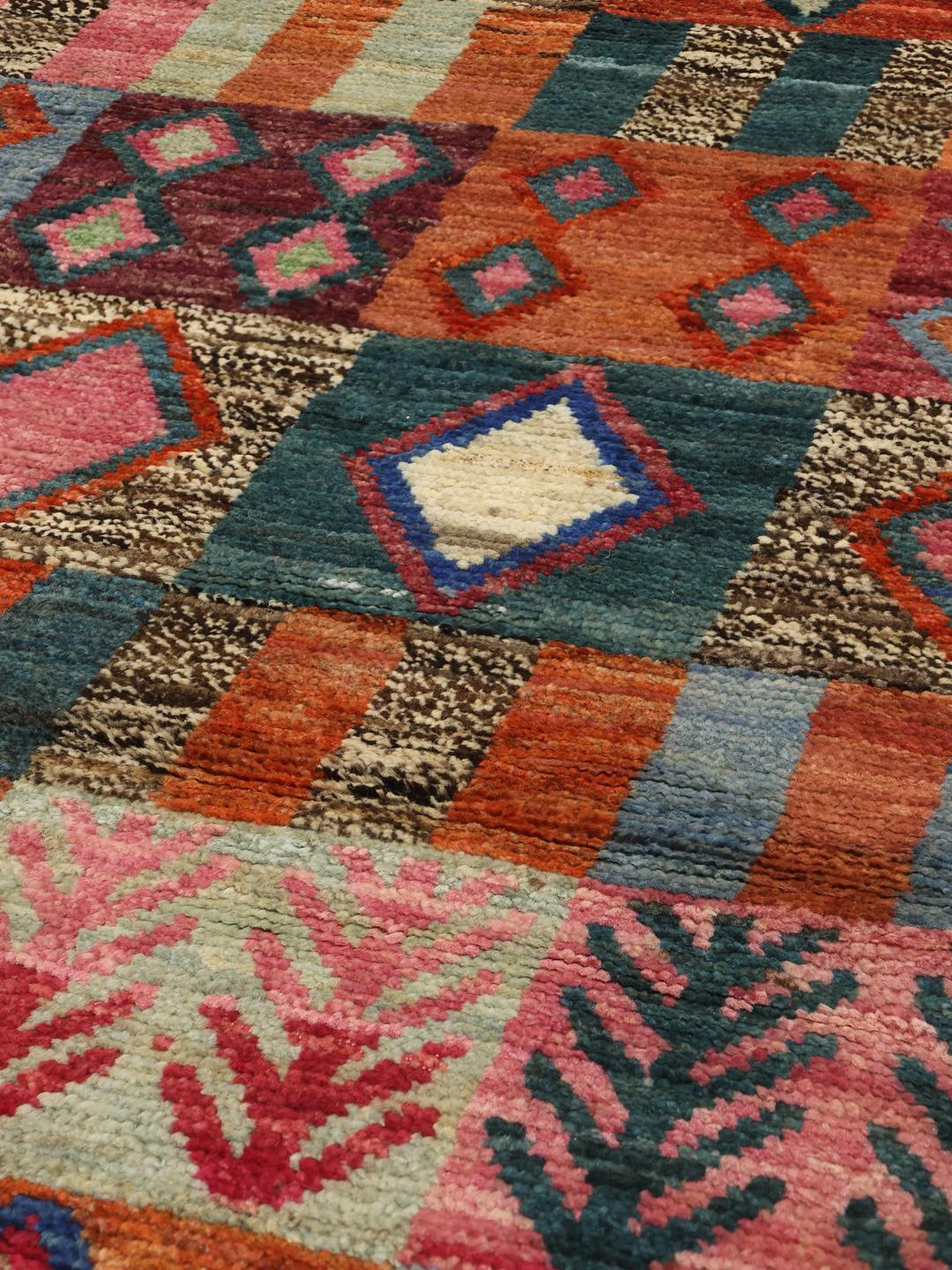
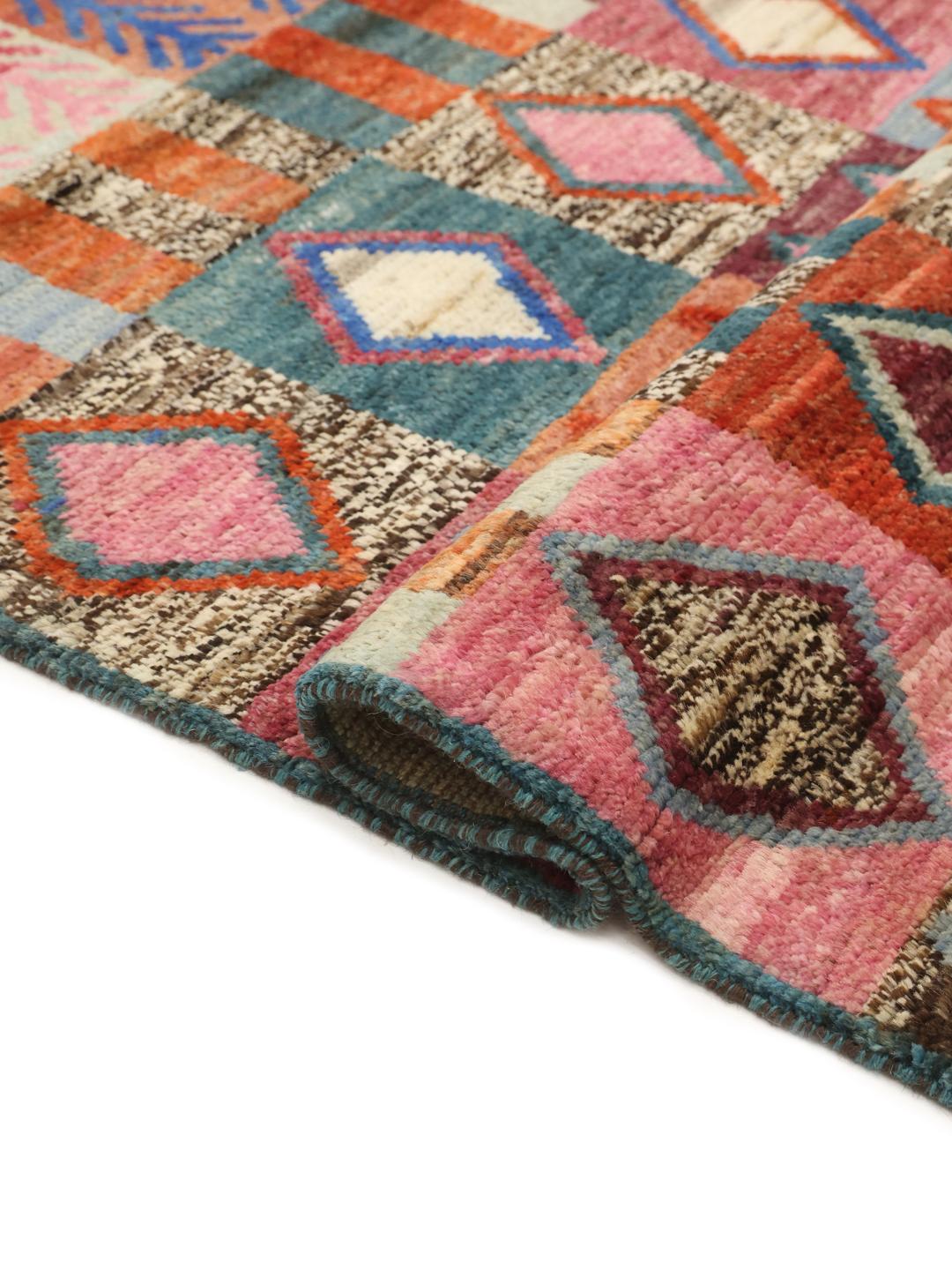
The term Berber often refers to the use of bold, simplified geometric motifs and a high-pile construction that prioritises warmth and comfort. In this context, the quality of the wool is paramount. Using high-quality wool allows for a depth of colour and a tactile softness that synthetic materials simply cannot replicate. The longevity of these rugs is a result of this superior material choice, which allows the fibres to maintain their lustre and strength even after decades of use.
Design-wise, this rug showcases a classic array of tribal geometric shapes, such as diamonds and repeating motifs, which are hallmarks of the style. These patterns are not merely decorative; they often carry symbolic meanings, representing protection, fertility, or the natural world. The use of a multicoloured palette is a bold departure from more monochromatic traditions, showcasing a playful and modern approach to a time-honoured design language.
Owning a hand-knotted piece from this tradition is an act of supporting a legacy of human skill and patience. Collectors and homeowners alike value these rugs for their ability to bring a human touch into modern interiors. Each rug acts as a bridge between ancient artistic traditions and contemporary living, offering a sense of depth, history, and personality that turns a house into a home.