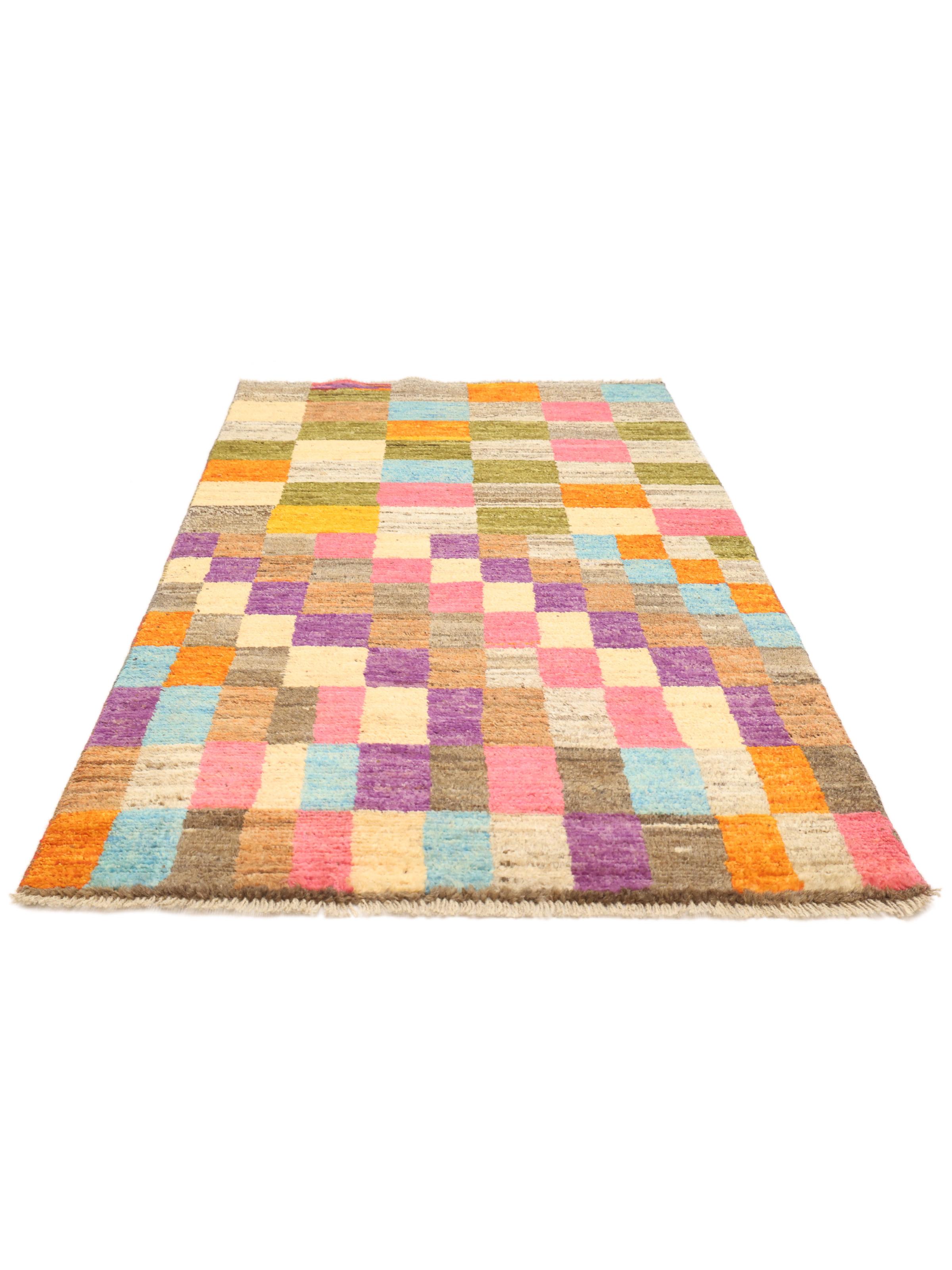
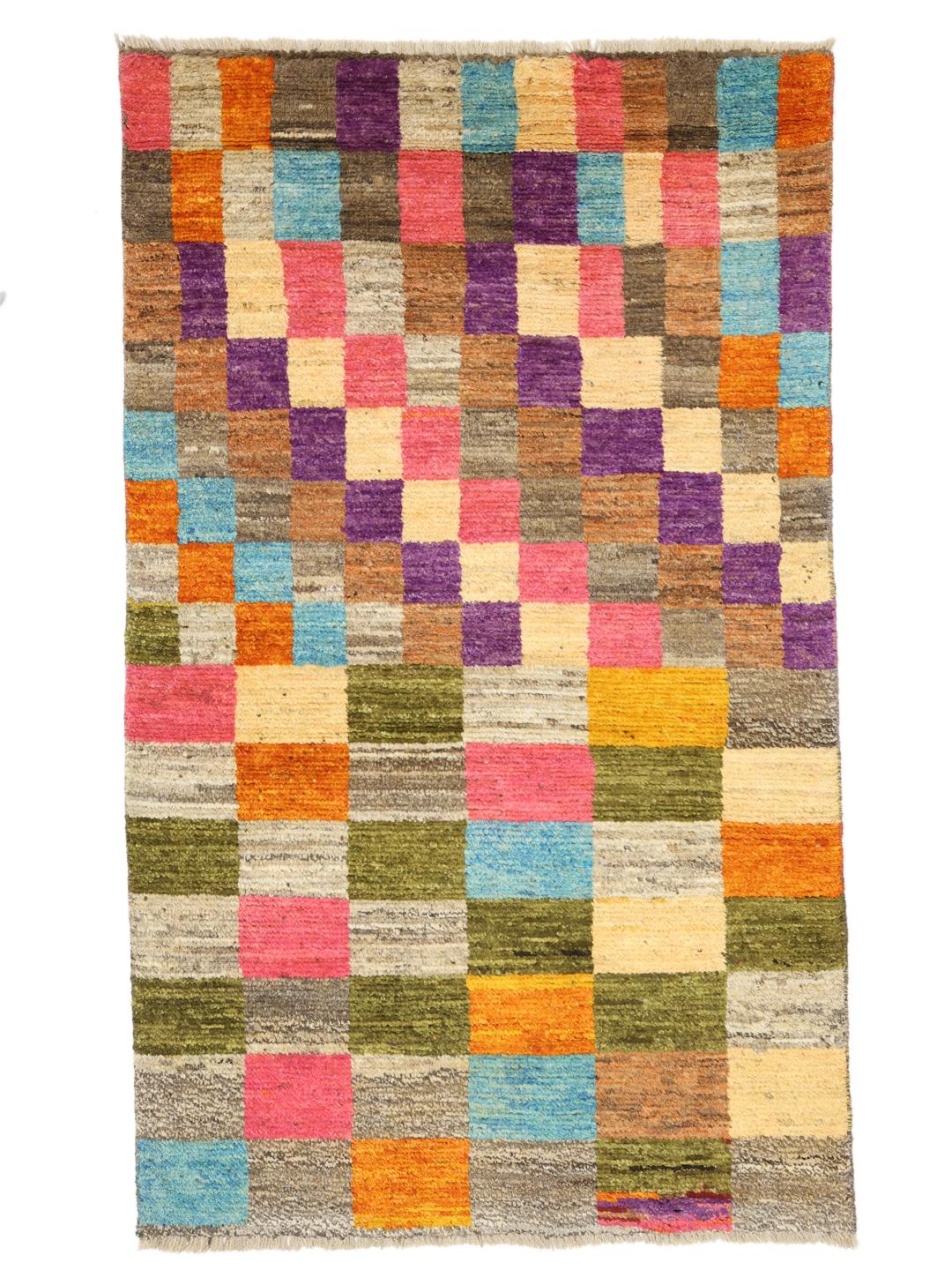
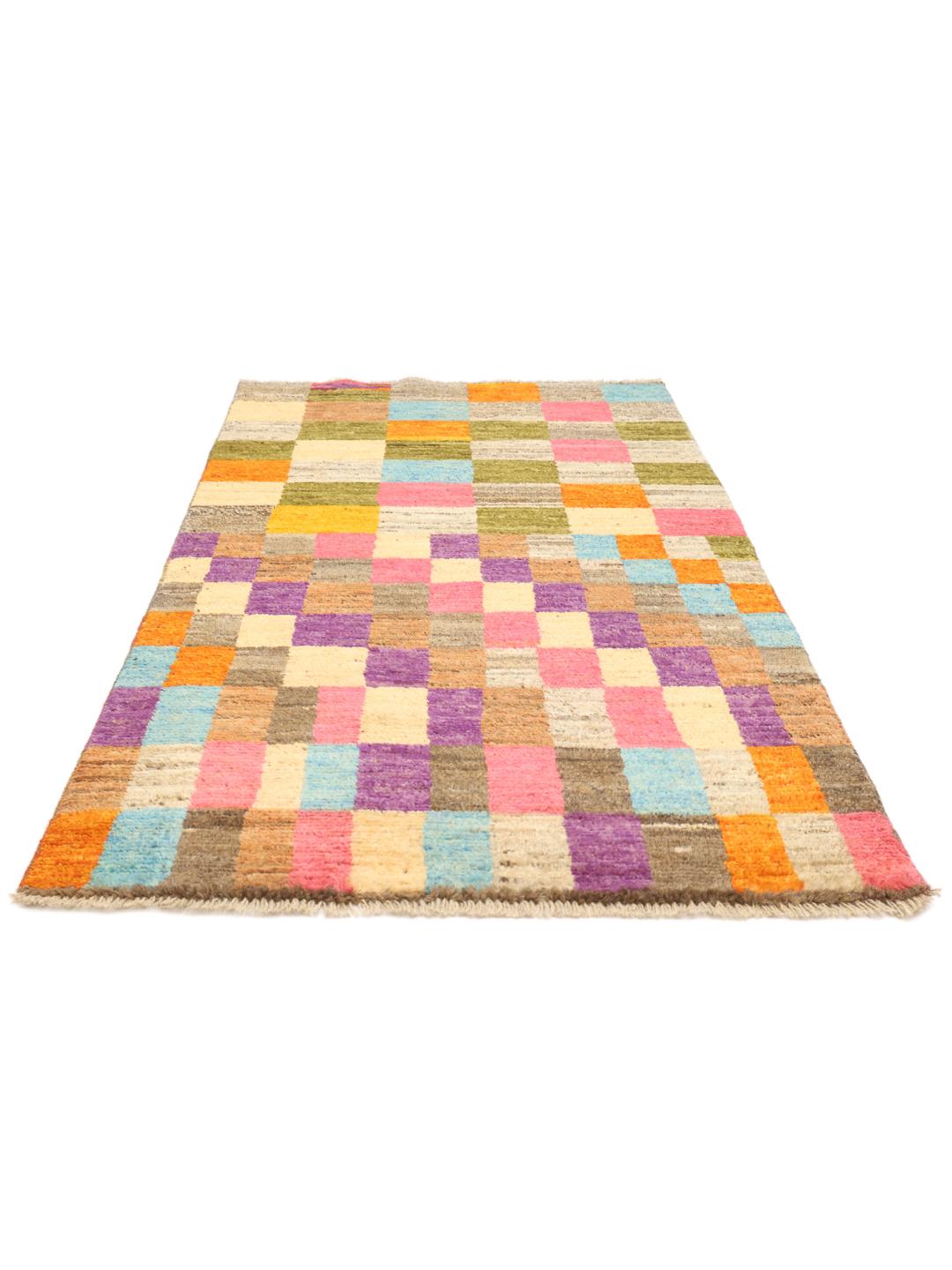
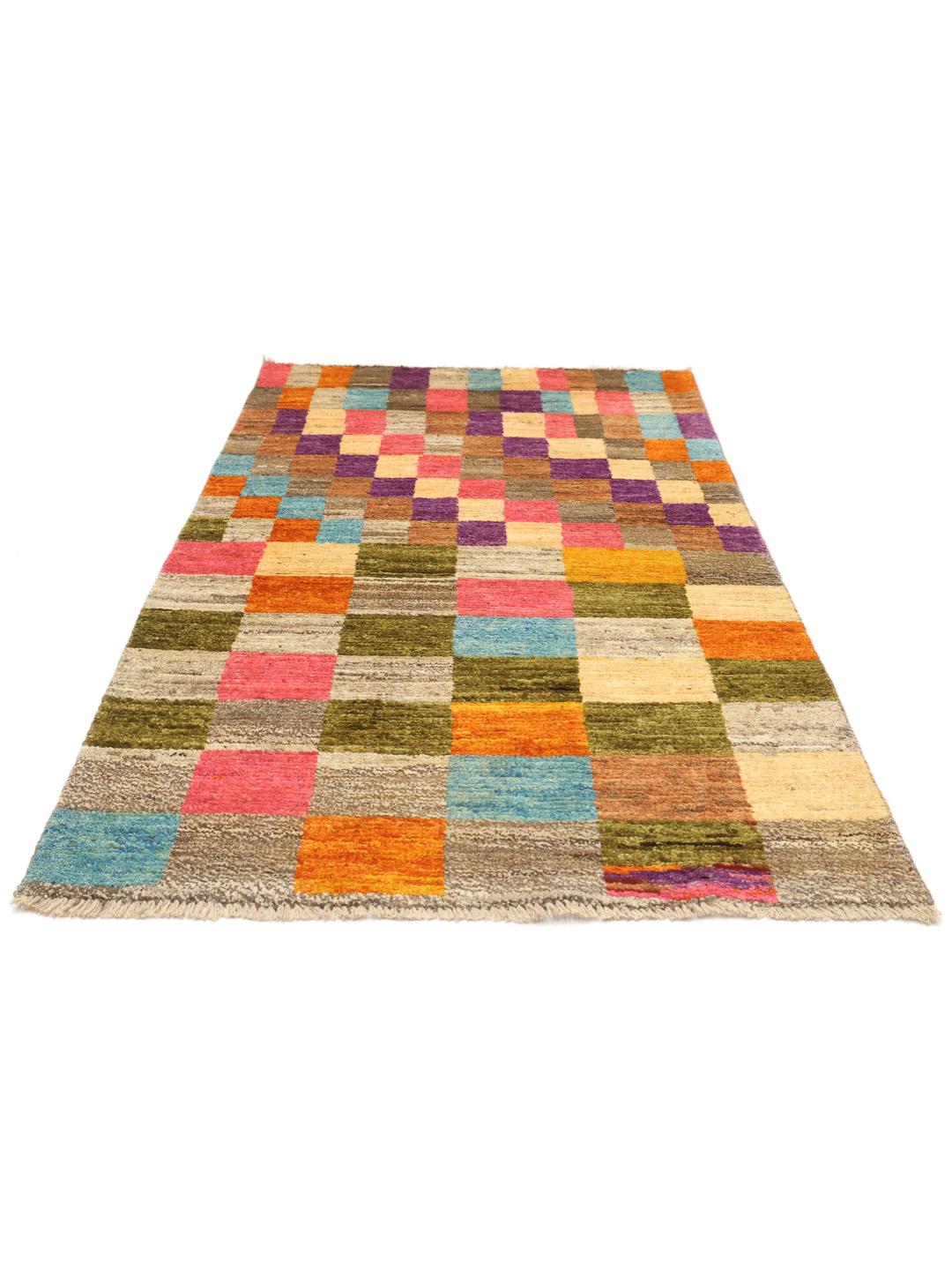
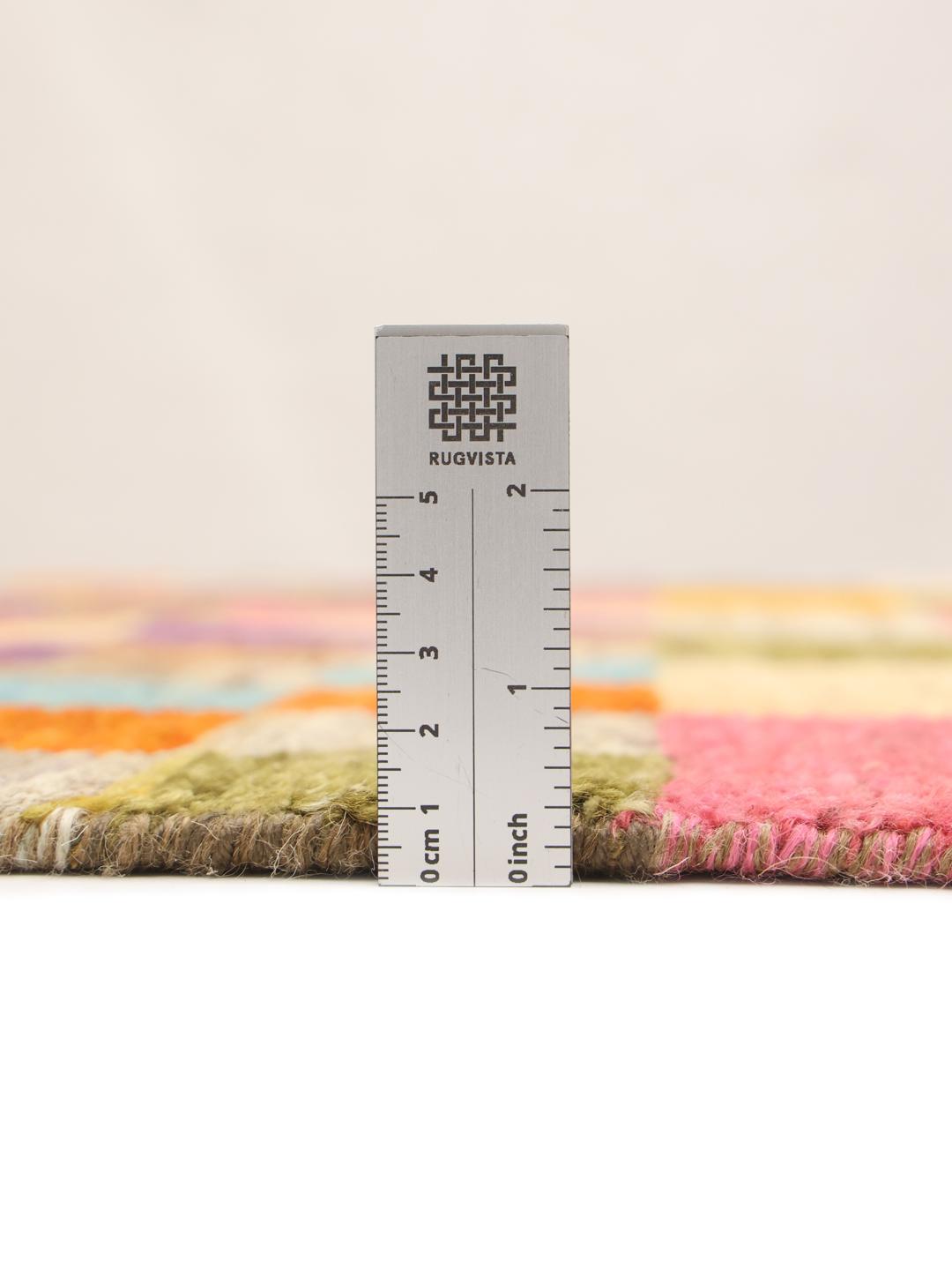
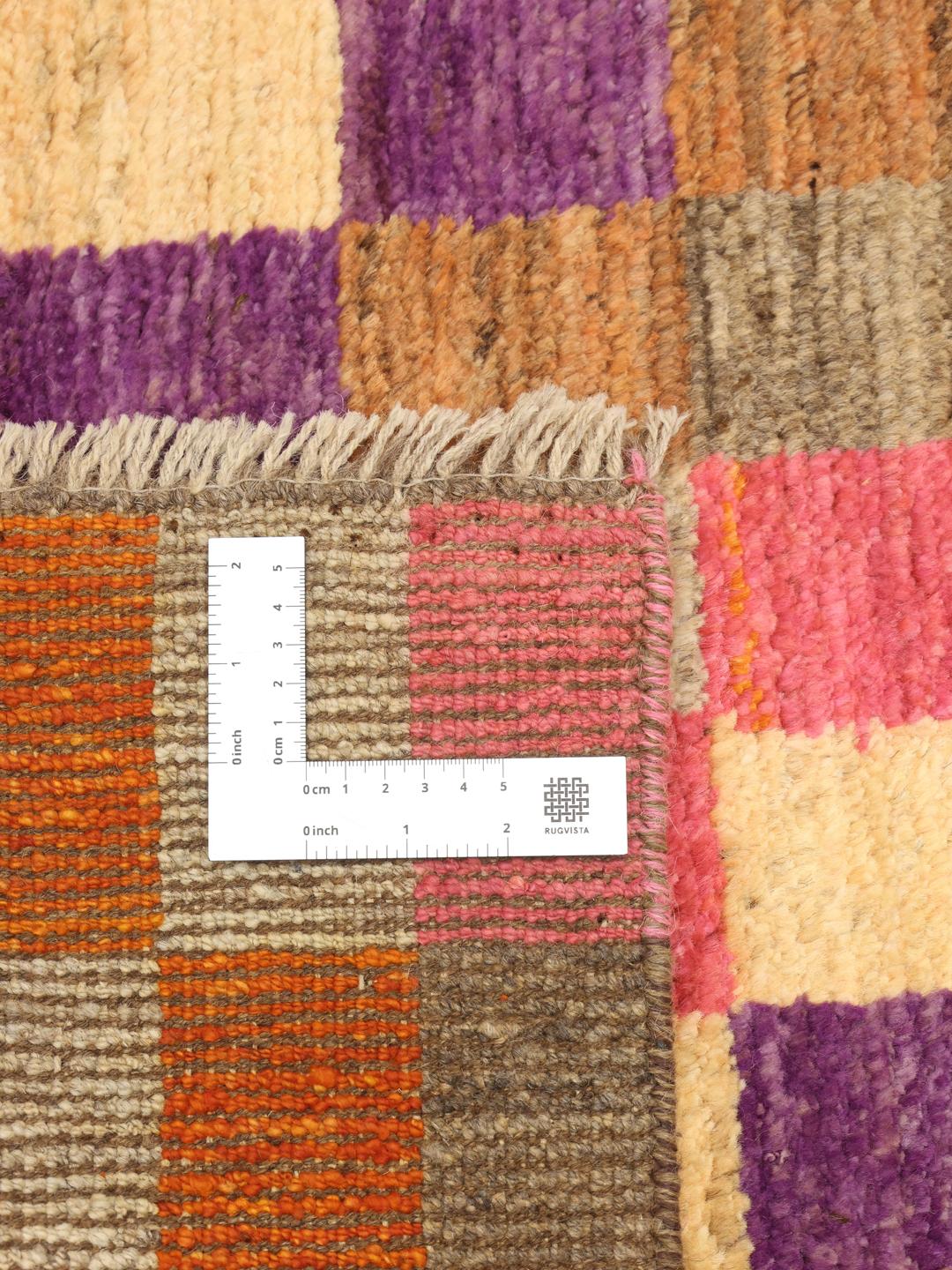
The Berber tradition originates from the indigenous peoples of North Africa, but the style has evolved and travelled across borders, finding a vibrant new home in the weaving communities of Afghanistan. Afghan artisans have embraced these classic aesthetics, blending traditional nomadic techniques with their own regional expertise to create rugs that are celebrated for their thick, luxurious wool and bold, expressive designs.
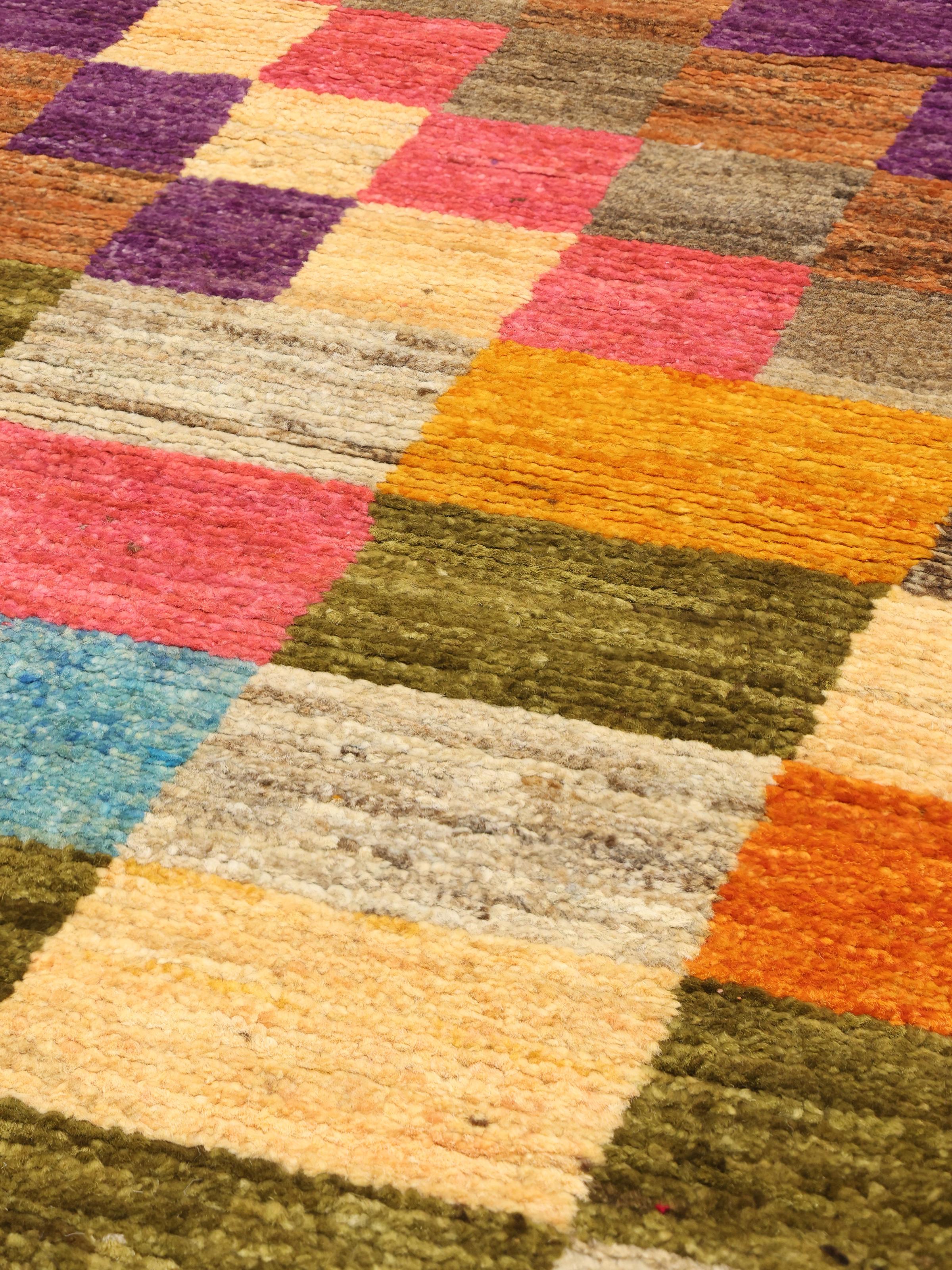
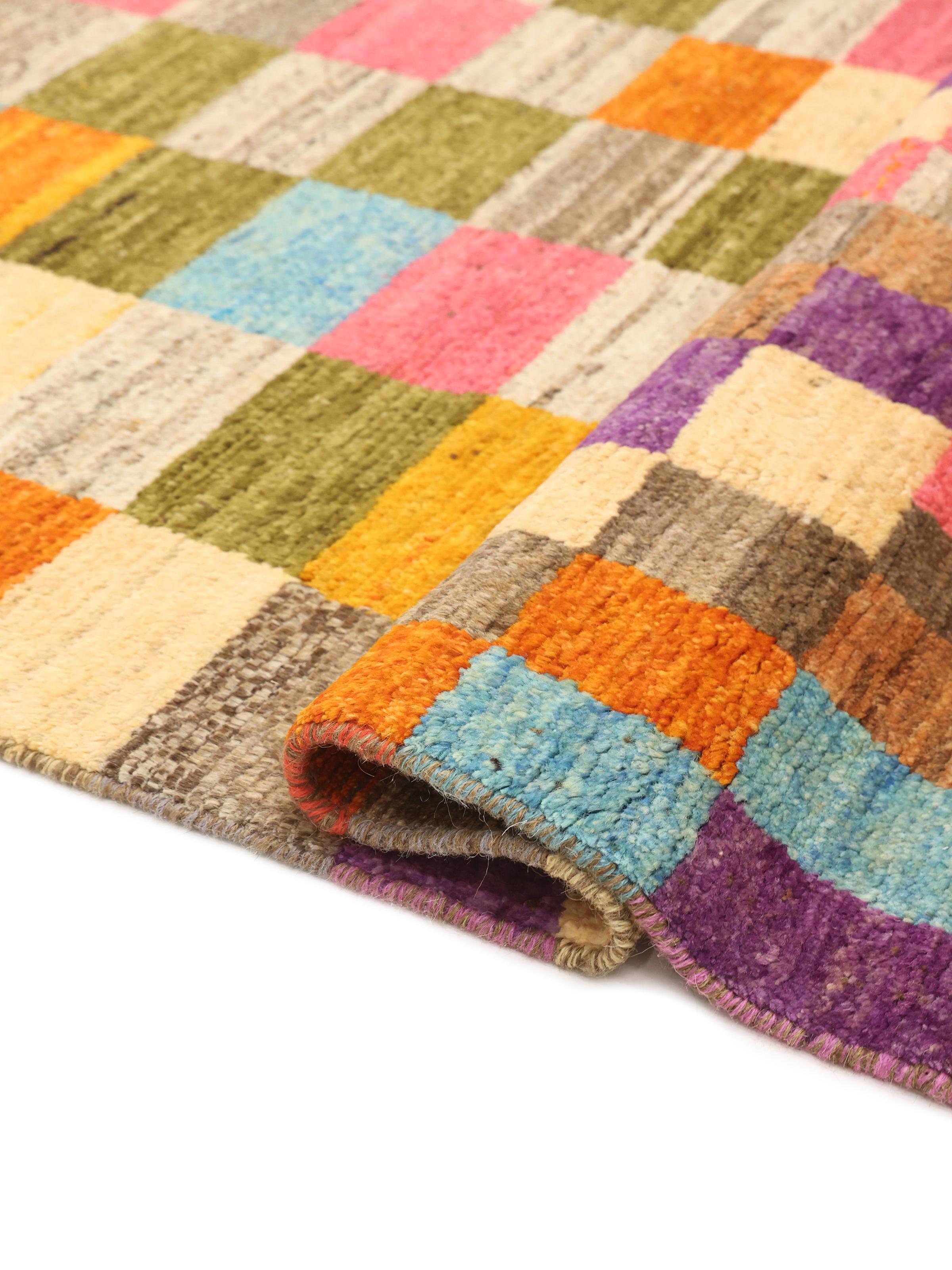
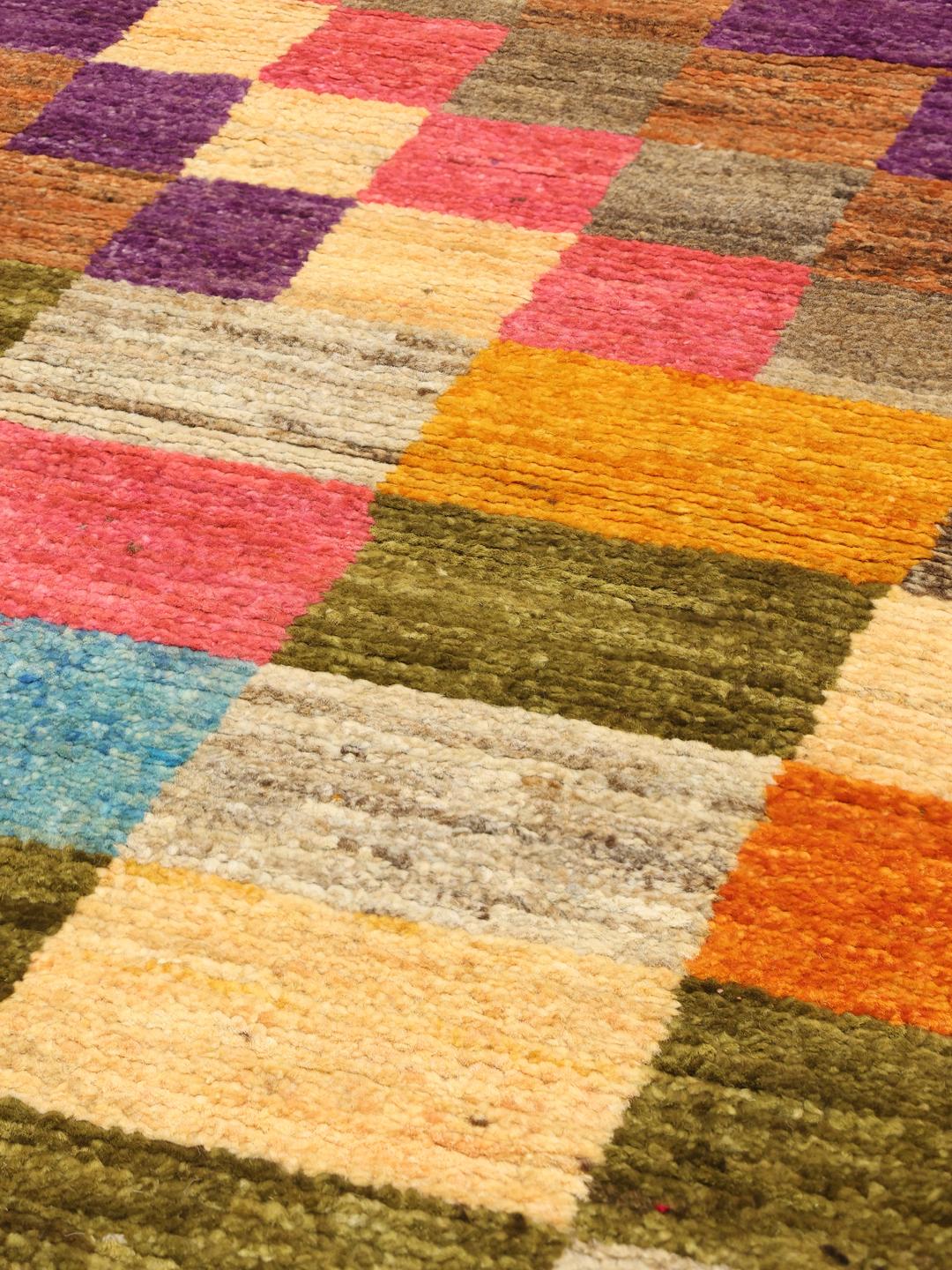
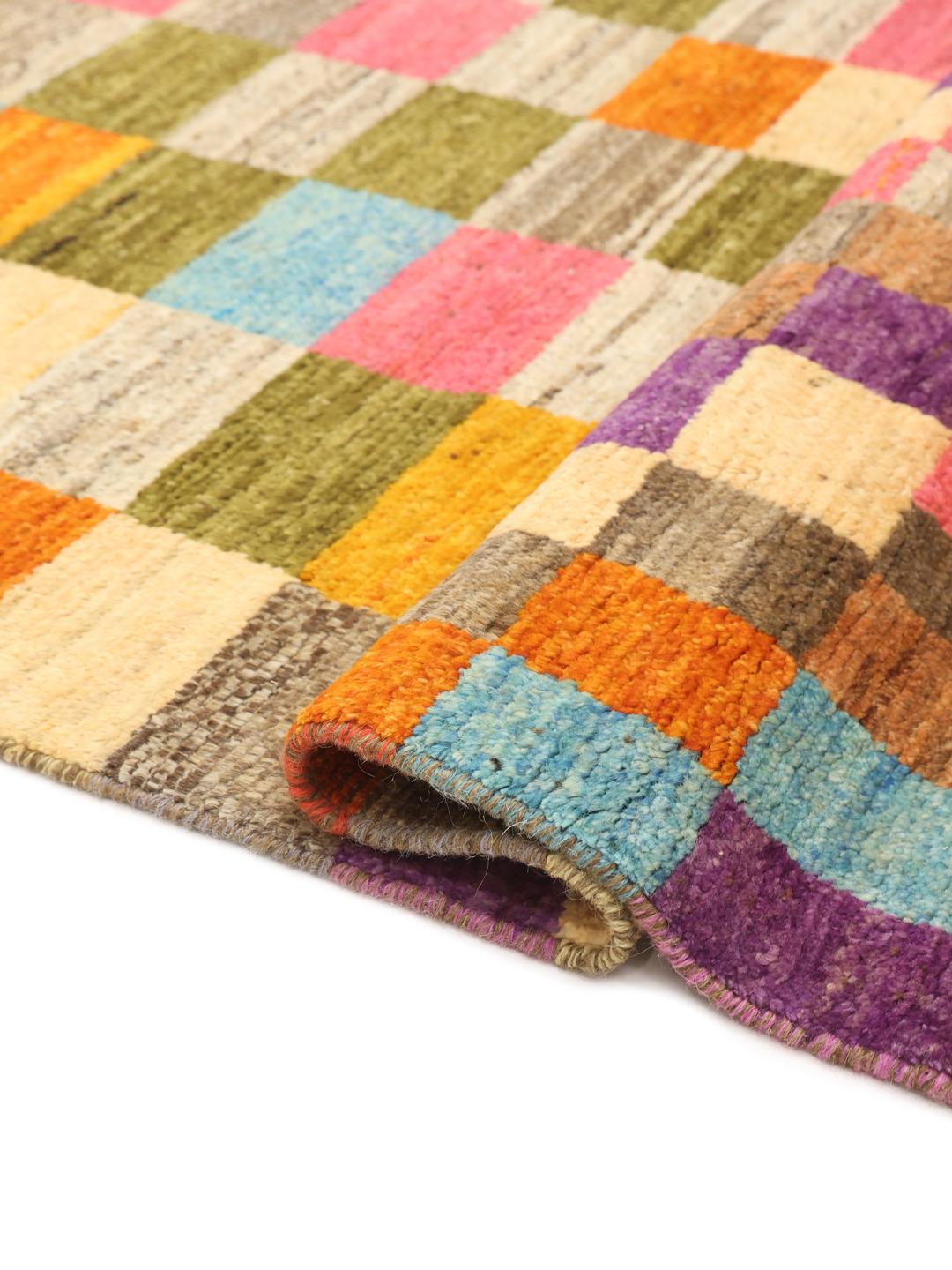
The term Berber in rug making often refers to a style characterised by a deeper, more plush pile and a focus on geometric or tribal motifs that reflect a connection to the natural world. These rugs are traditionally woven using high-quality wool, which is valued for its natural lanolin content, making the final piece naturally water-repellent and incredibly soft to the touch.
Visually, this tradition is known for its play between structured borders and free-form fields. While some Berber-style rugs lean into minimalist palettes, others, like this one, celebrate the use of vivid, saturated colours. The blocks of colour seen here are a nod to the artistic freedom often found in village-level weaving, where the weaver’s personal intuition guides the colour placement, ensuring that every piece tells a different story.
Collecting a rug from this tradition is an investment in cultural heritage and human skill. Because these rugs are made by hand, they carry the mark of the individual weaver, making them highly sought after by those who appreciate the soul of a handmade item. Owning such a rug is a way to preserve a centuries-old craft while adding a piece of enduring beauty and history to a contemporary living space.