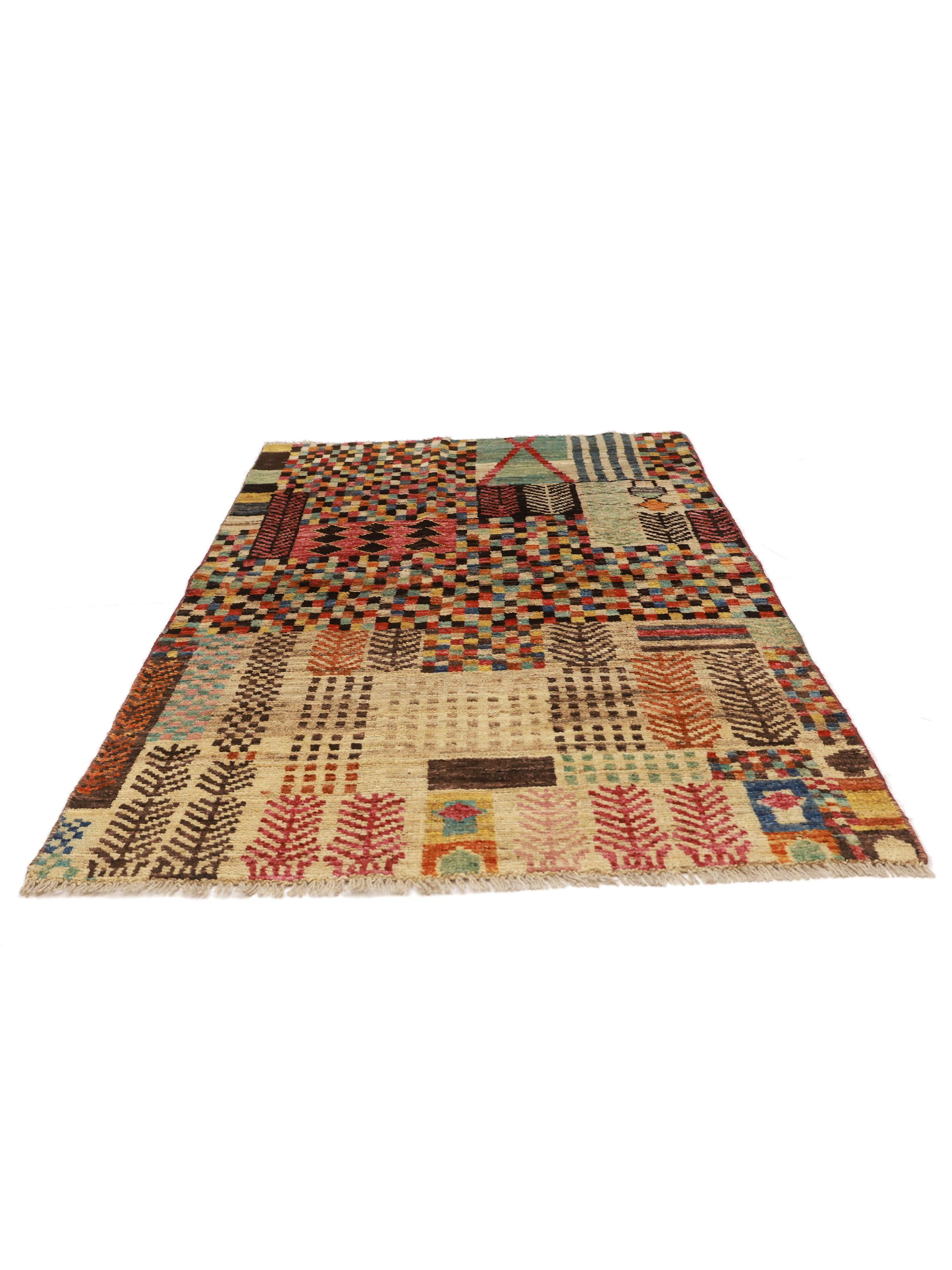
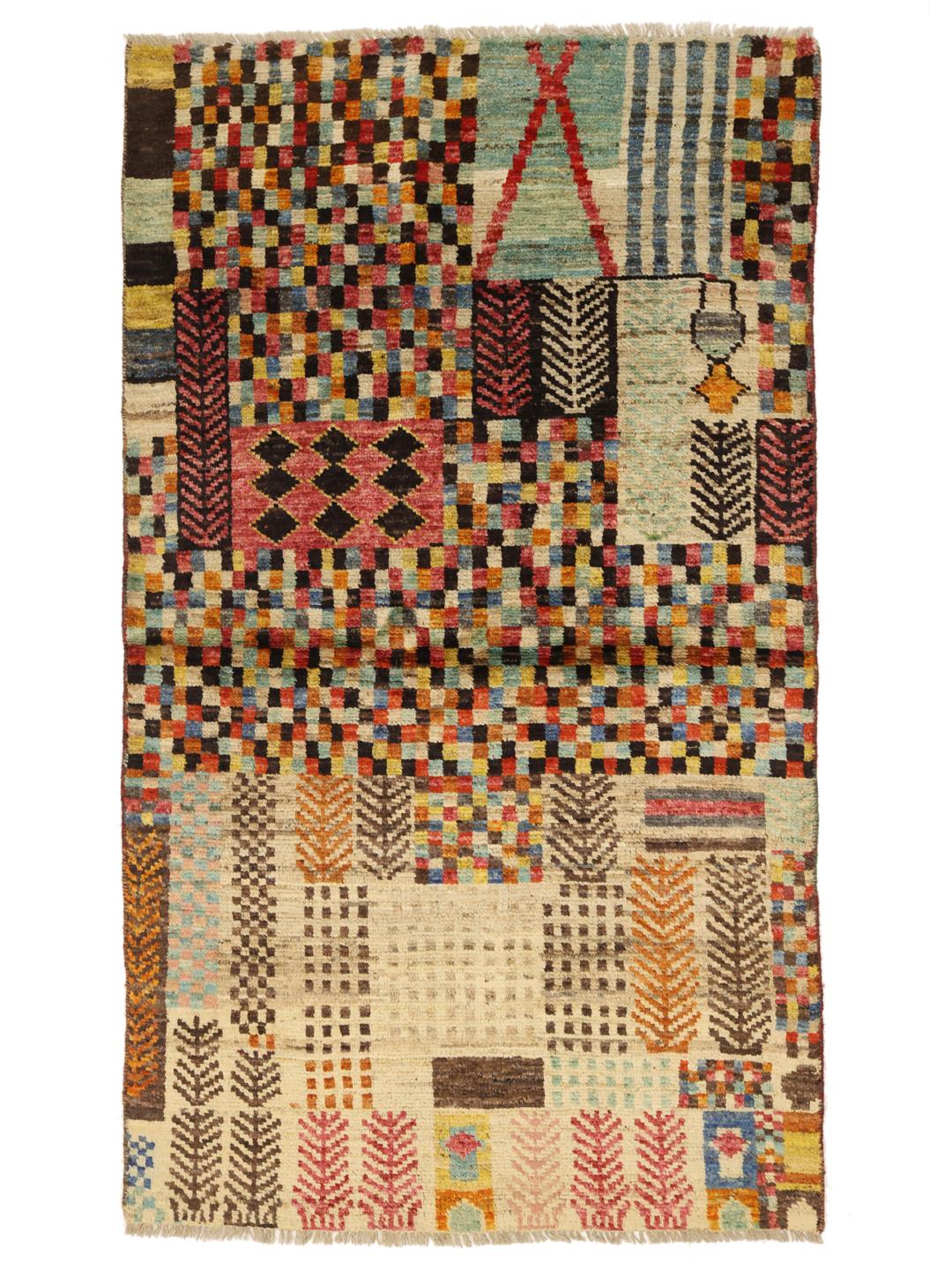
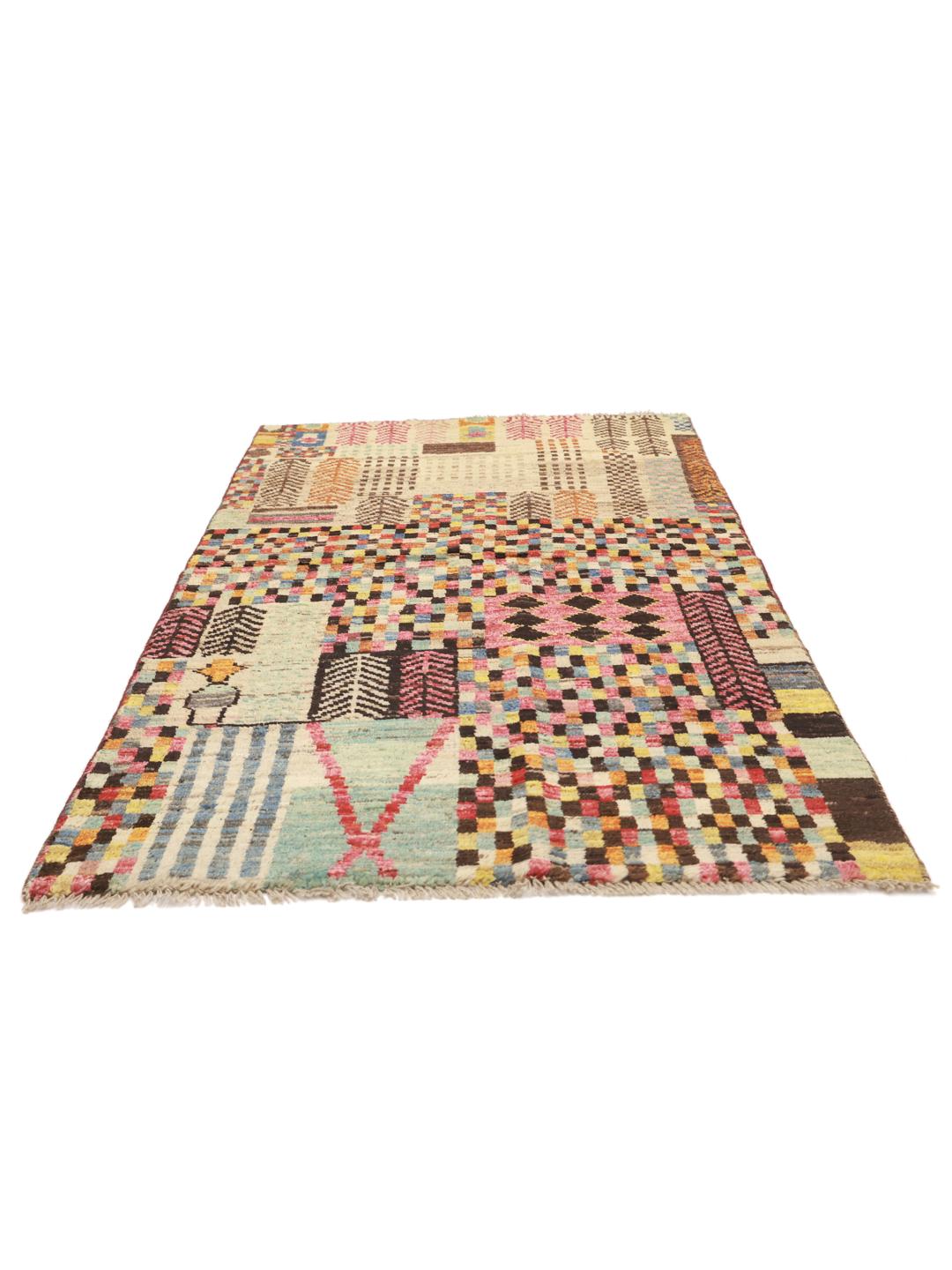
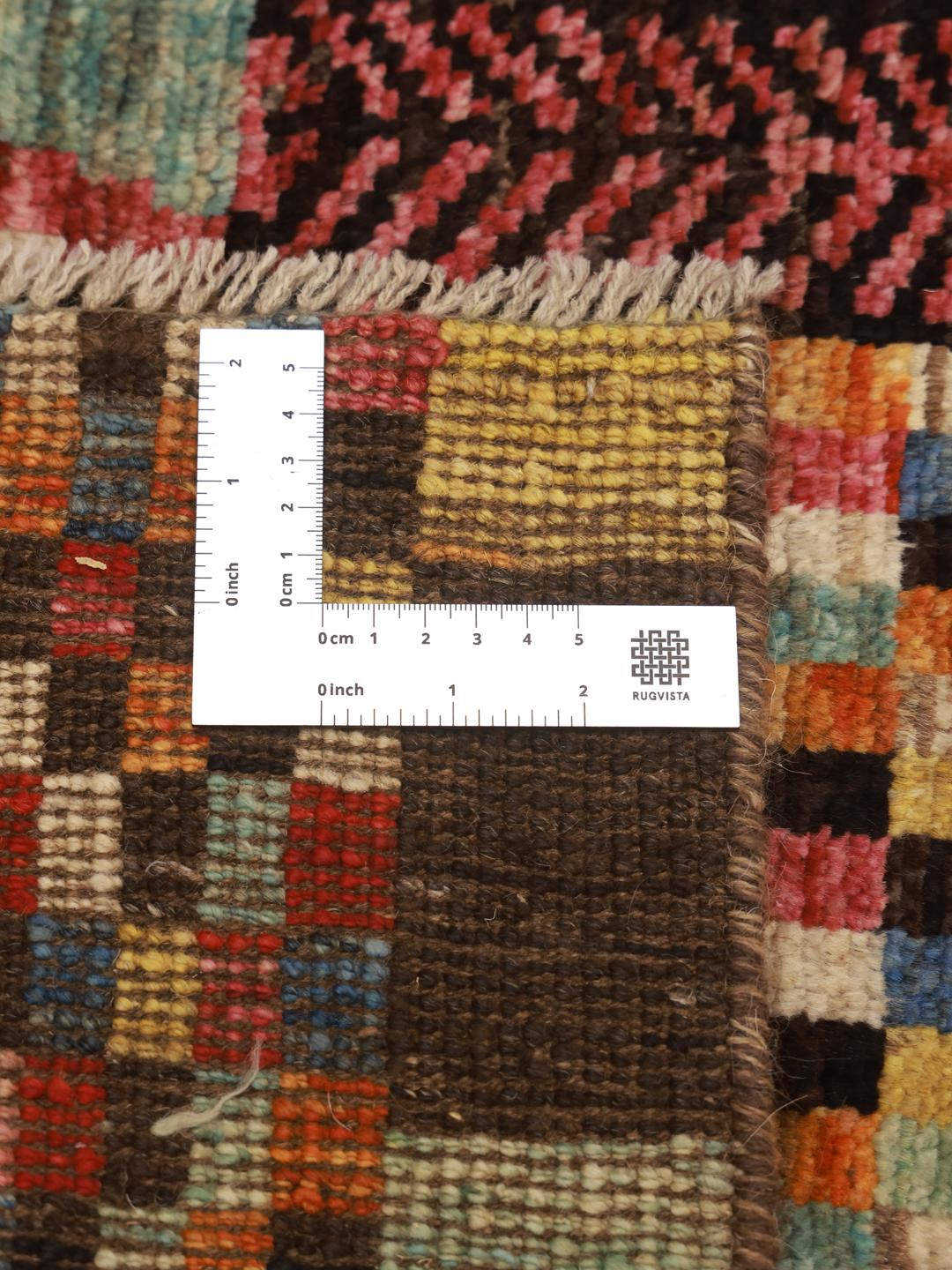
The Berber tradition finds its roots in the nomadic cultures of North Africa, where hand-woven wool textiles were essential for both warmth and protection against the elements. Over generations, the aesthetic influence of these functional textiles expanded, inspiring weavers across various regions to adopt these bold, geometric styles and integrate them into their own local craft practices.
In Afghanistan, the art of rug making has evolved into a sophisticated discipline that honours ancient techniques while embracing new creative expressions. The term Berber has come to represent a specific design language—one that prizes raw, expressive patterns and a deep connection to the organic origins of the wool itself. These rugs are highly regarded for their ability to balance primitive, bold motifs with a refined, contemporary sensibility.
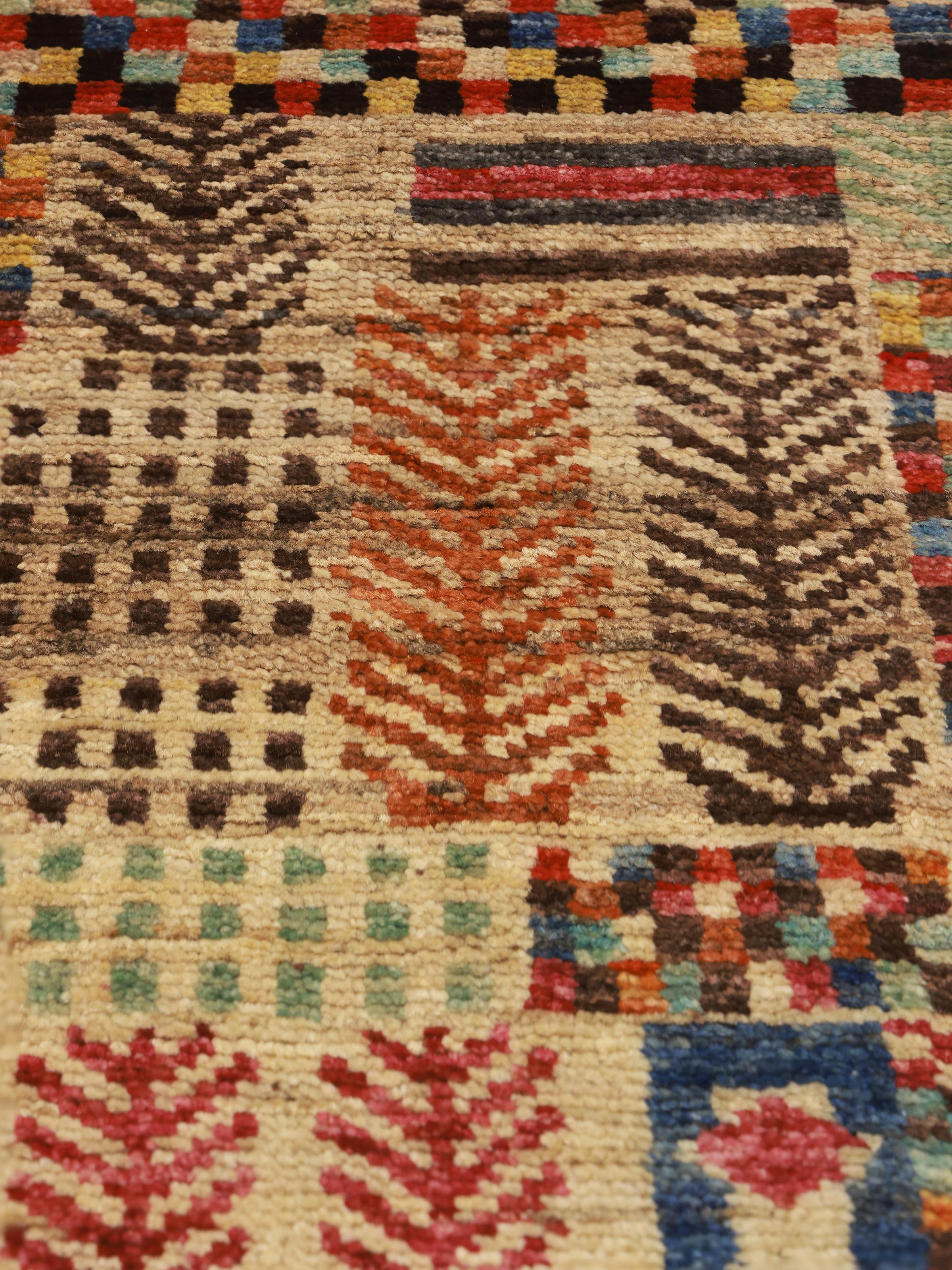
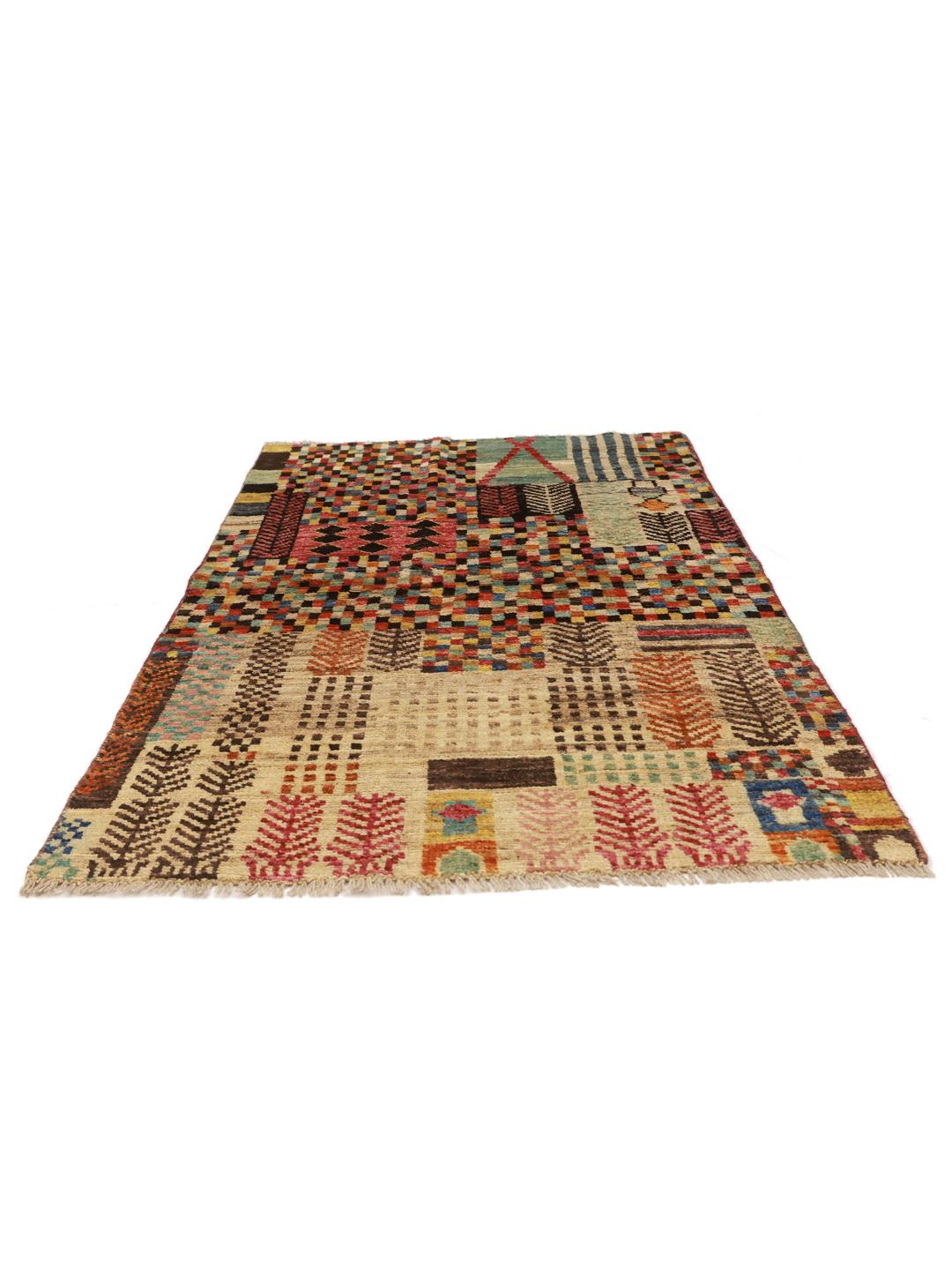
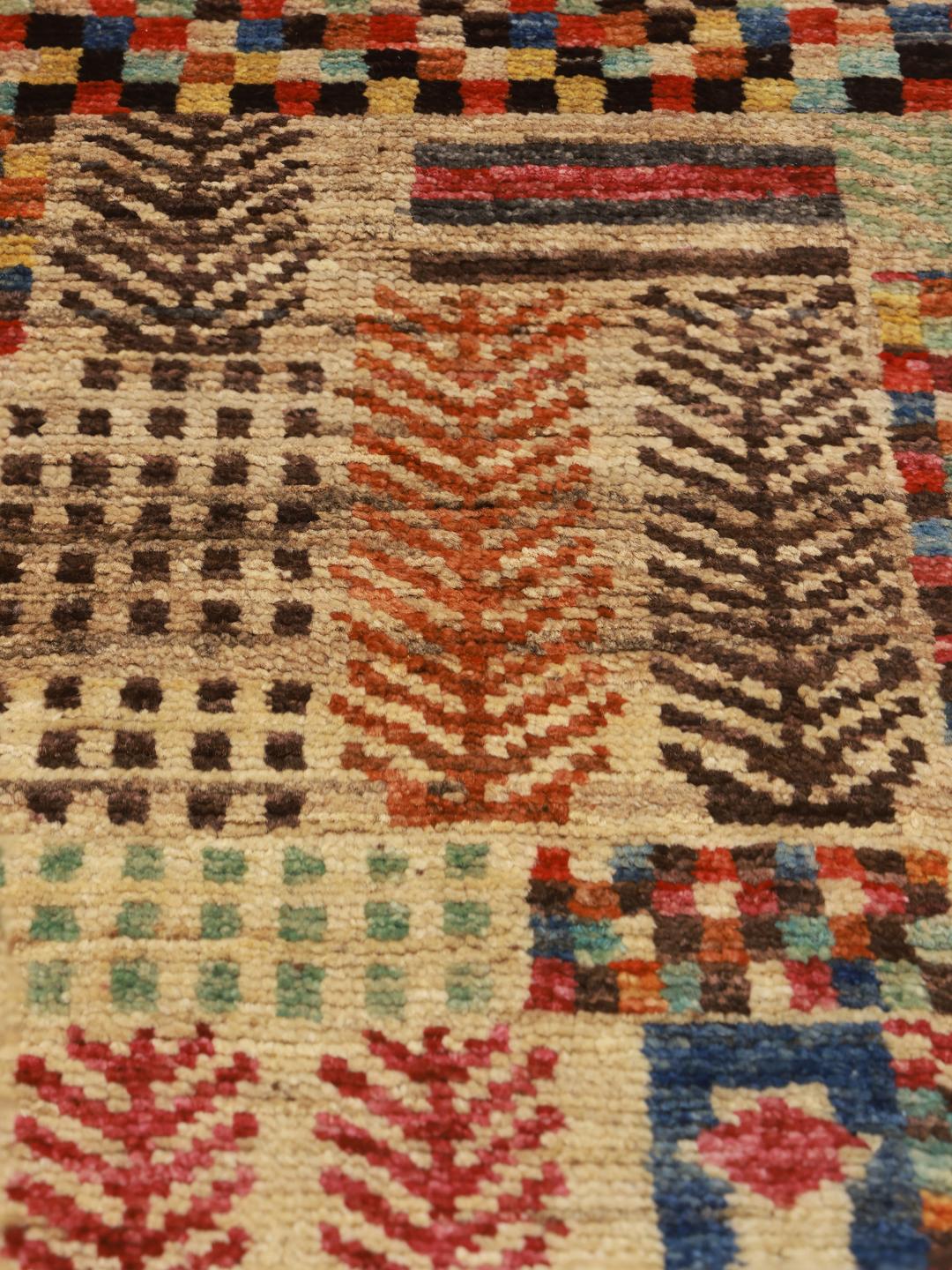
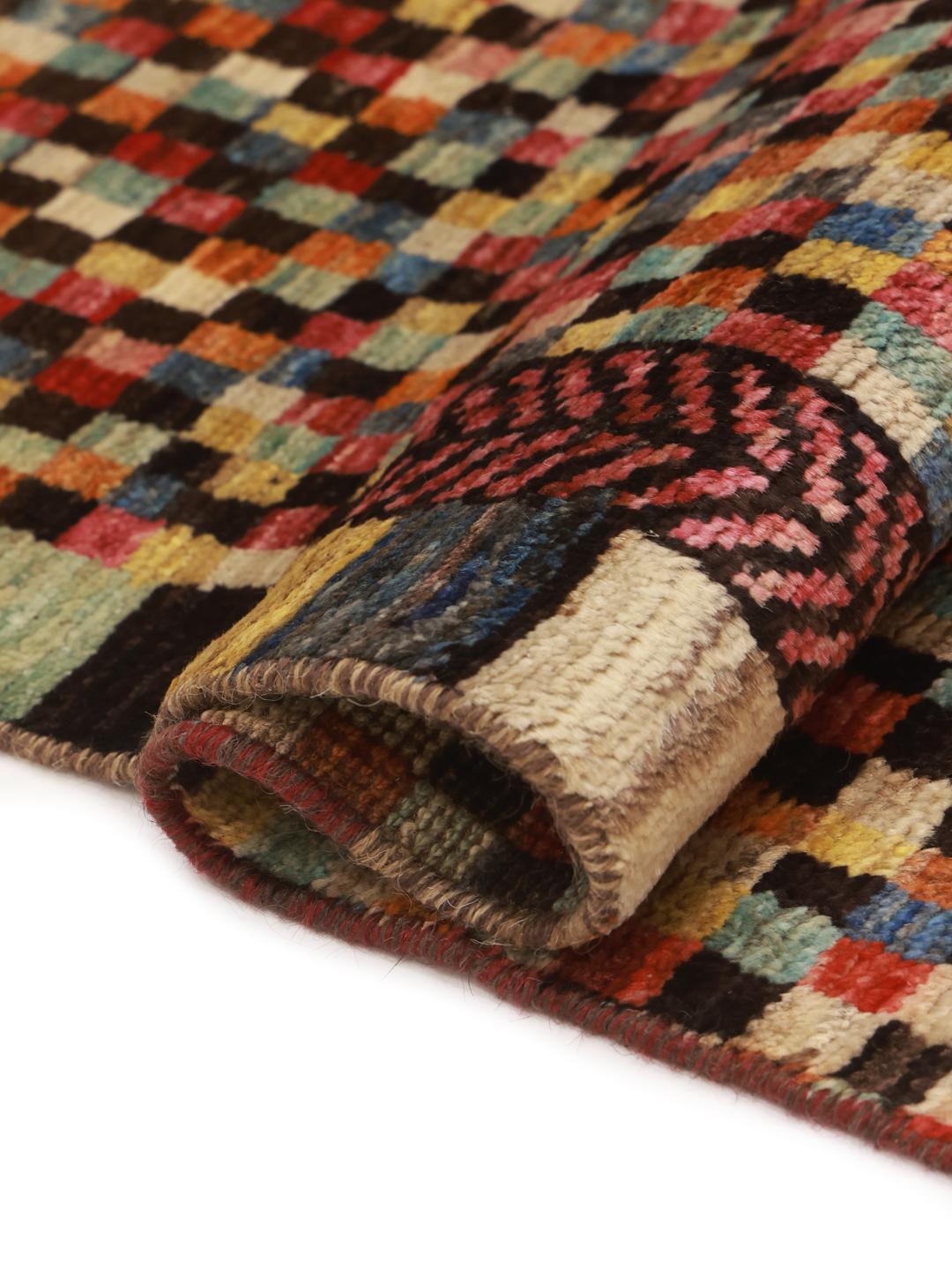
Signature elements of this style include the use of repeating symbolic motifs, such as diamonds, stylized plants, and abstract geometric forms. These patterns are often arranged in a free-spirited, patchwork layout that breaks away from the rigid, symmetrical borders found in more formal rug styles. The colours are traditionally sourced from natural dyes, providing a depth and variation that adds to the visual complexity and charm of each piece.
Collecting a rug from this tradition is an investment in human skill and cultural history. Beyond their aesthetic value, these pieces are cherished for their durability and the personal story of the artisan embedded in every knot. Owning one is a way to bridge the gap between ancient nomadic heritage and modern interior design, celebrating the enduring power of hand-crafted beauty.