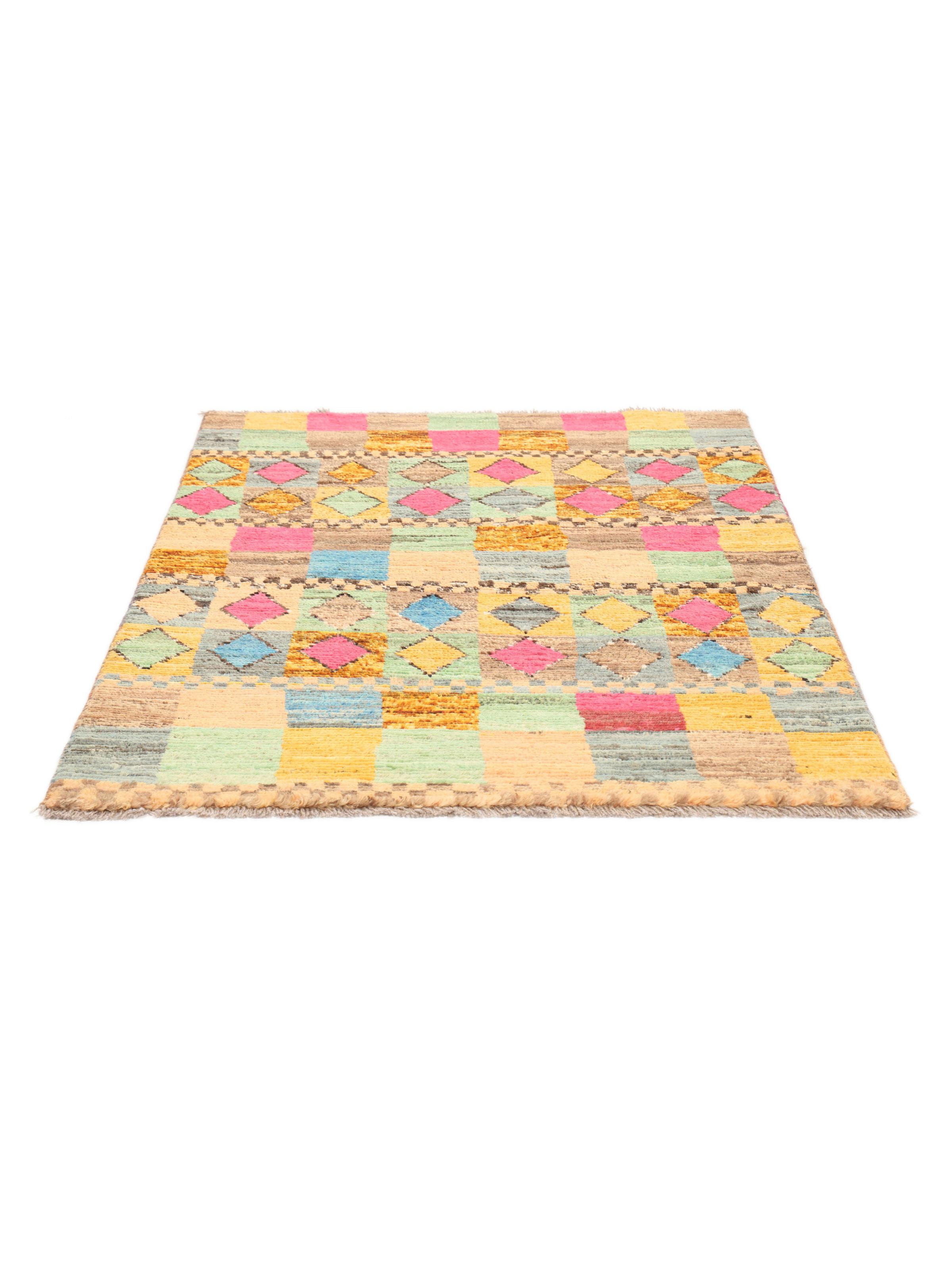
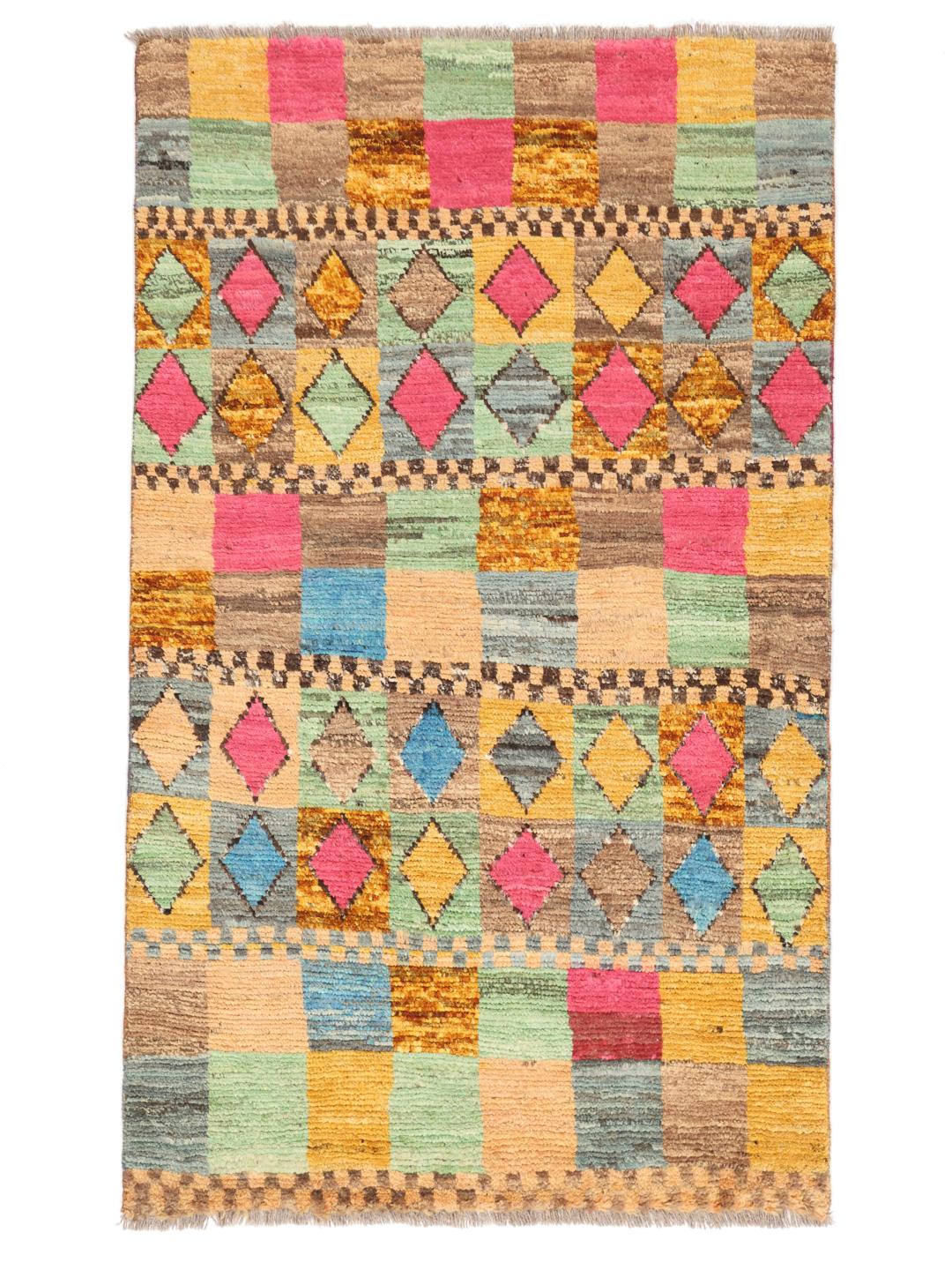
Berber rugs are rooted in the ancient traditions of the indigenous peoples of North Africa, yet their influence and weaving techniques have travelled far across the globe. Today, these styles are masterfully produced in regions like Afghanistan, where weavers have adapted the iconic aesthetic to incorporate their own regional expertise and materials. This cross-cultural evolution has resulted in a style that honours ancient history while remaining fresh and relevant for modern homes.
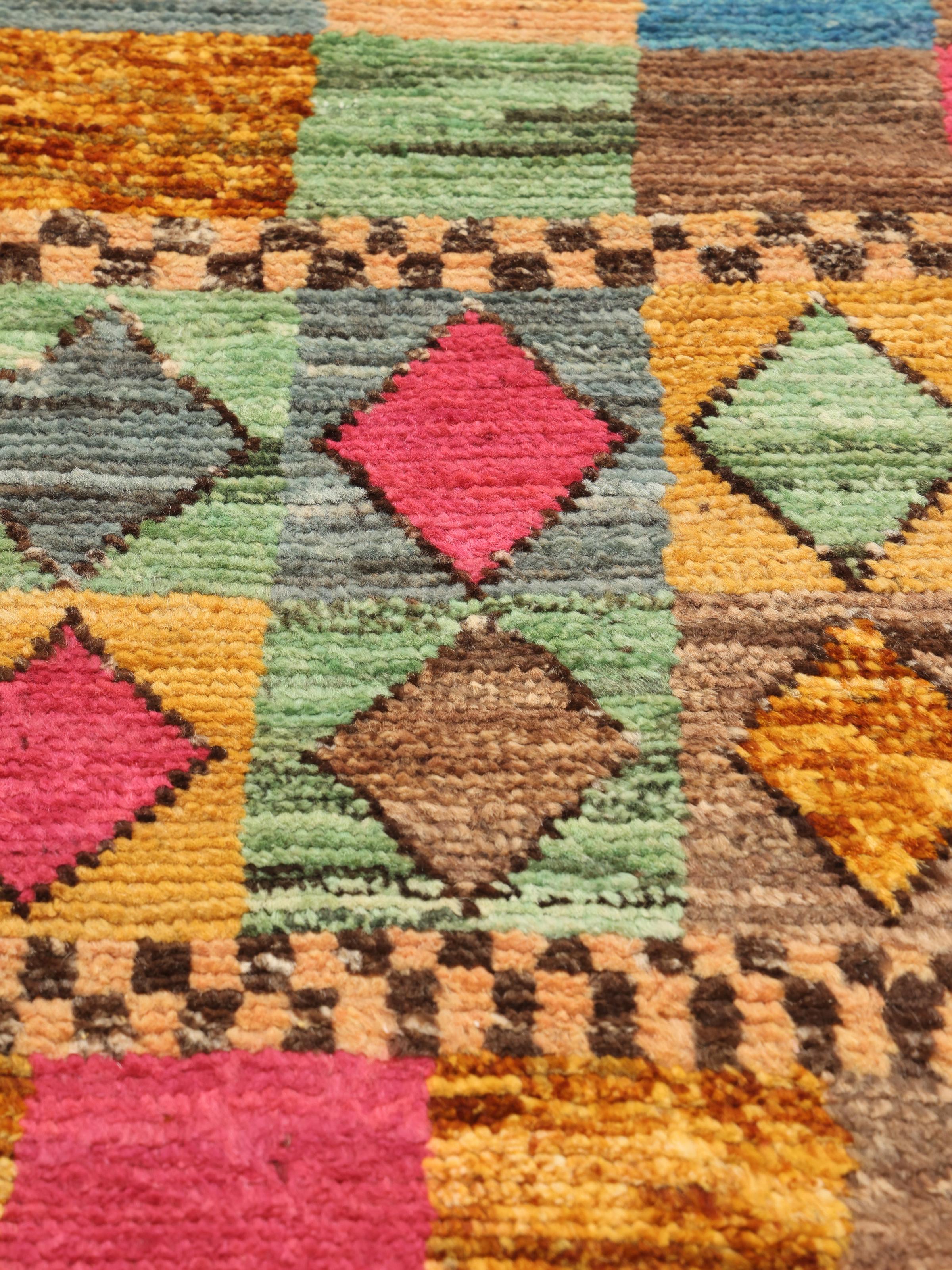
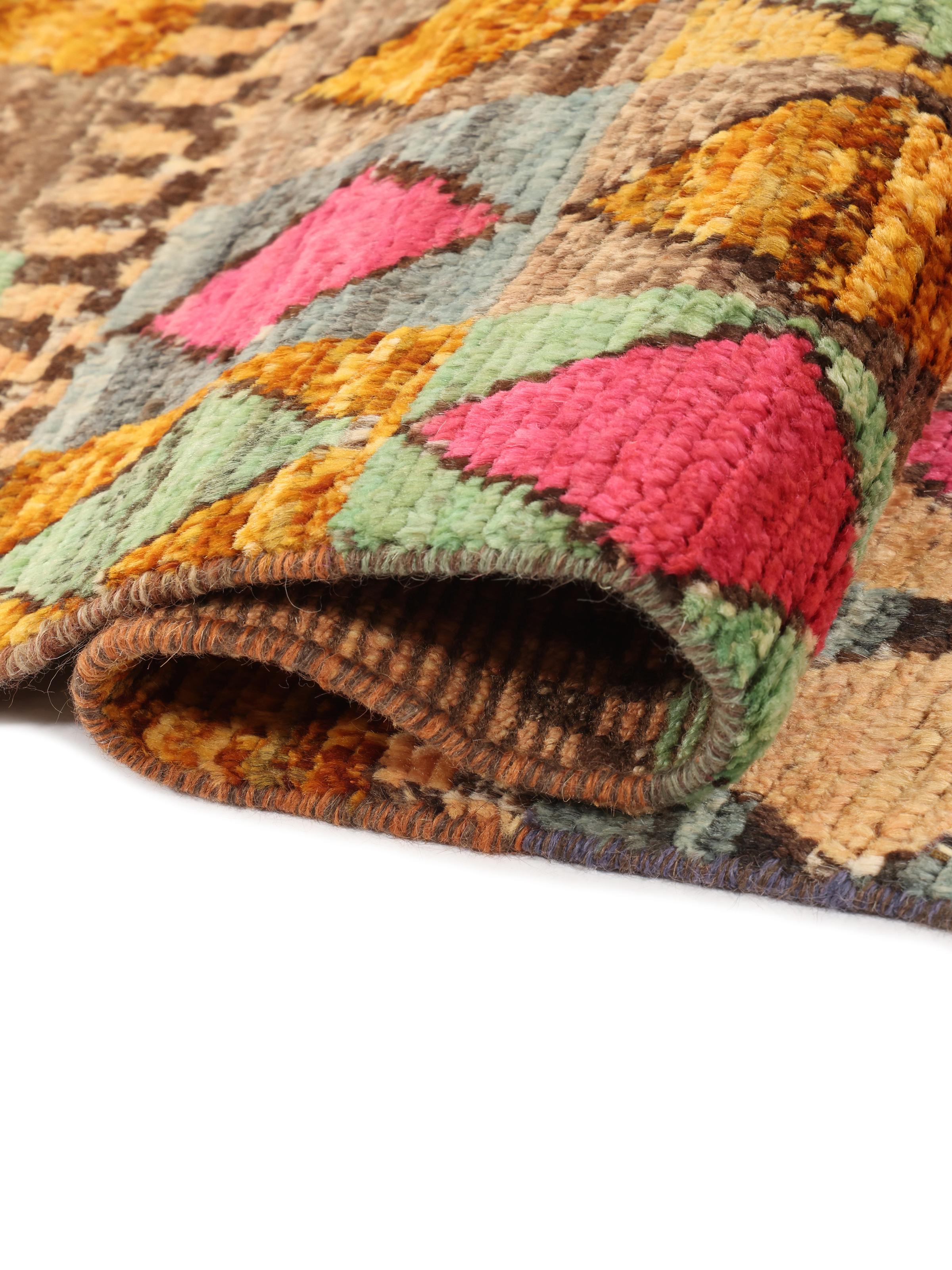
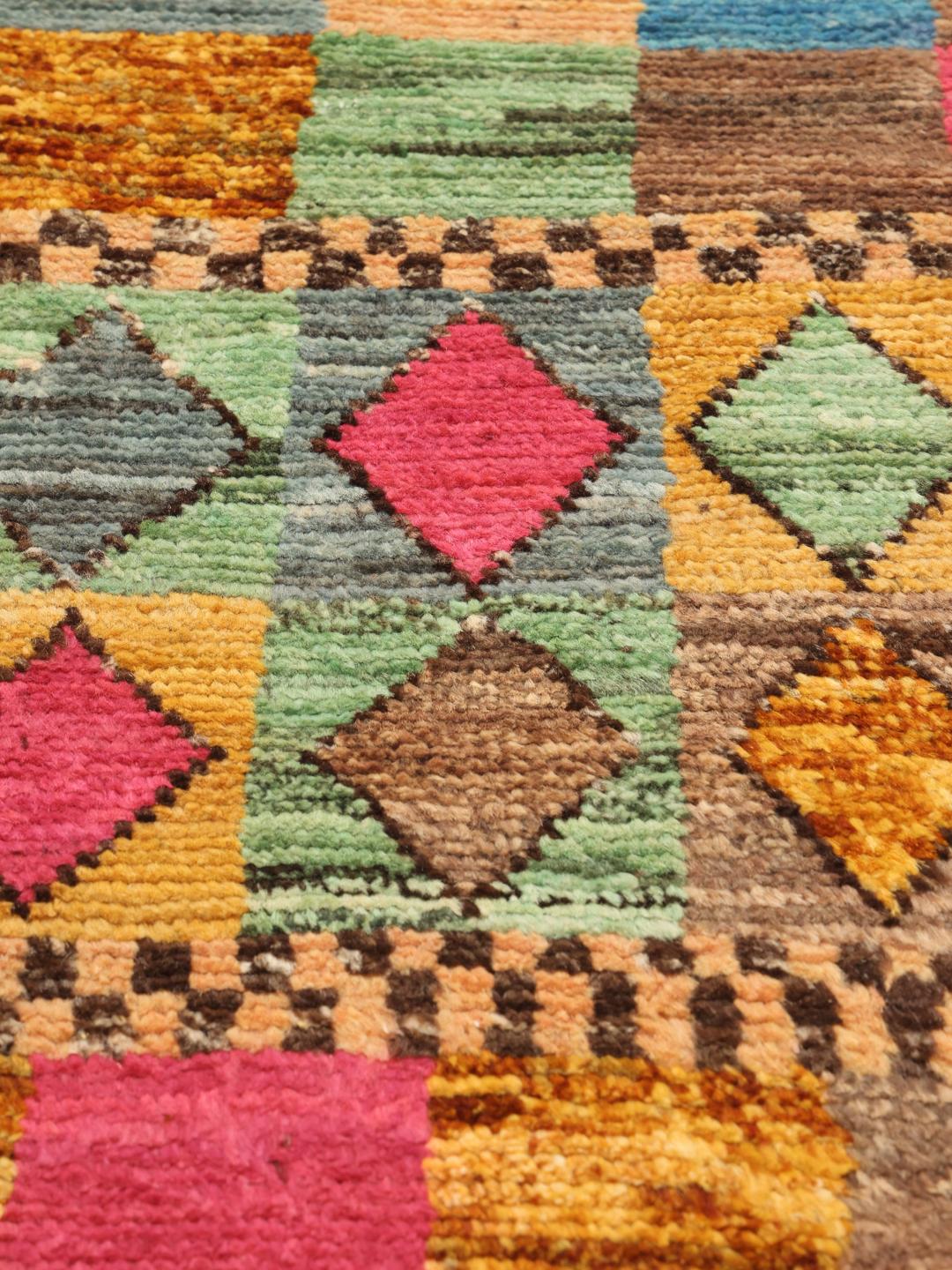
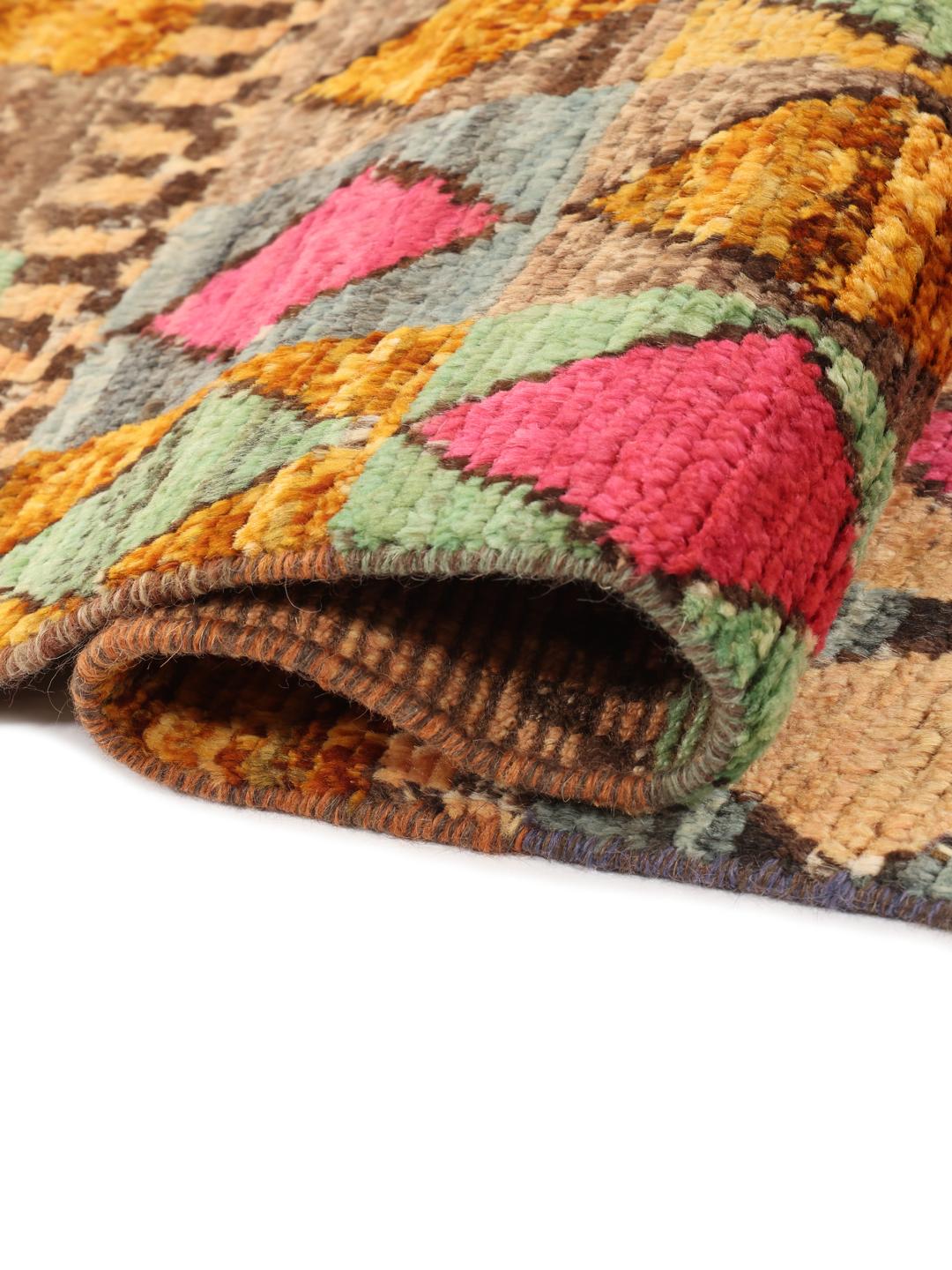
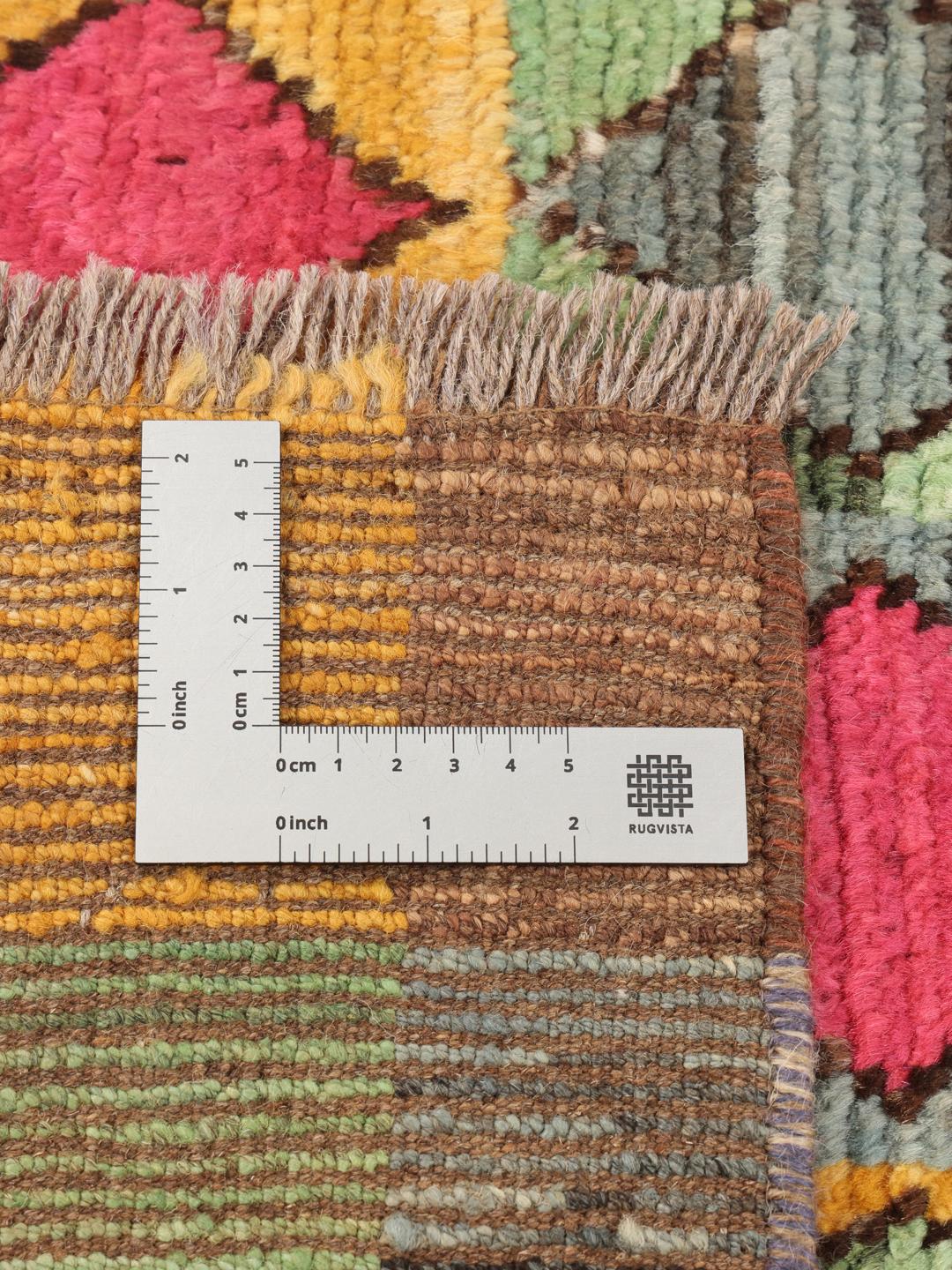
The term 'Berber' often refers to a specific approach to knotting that prioritises both comfort and durability. These rugs are typically crafted with a focus on simplicity and bold, symbolic patterns that have been passed down through generations. By utilising high-quality wool, the weavers ensure that the final product is not only visually striking but also soft to the touch and resilient against the wear and tear of everyday use.
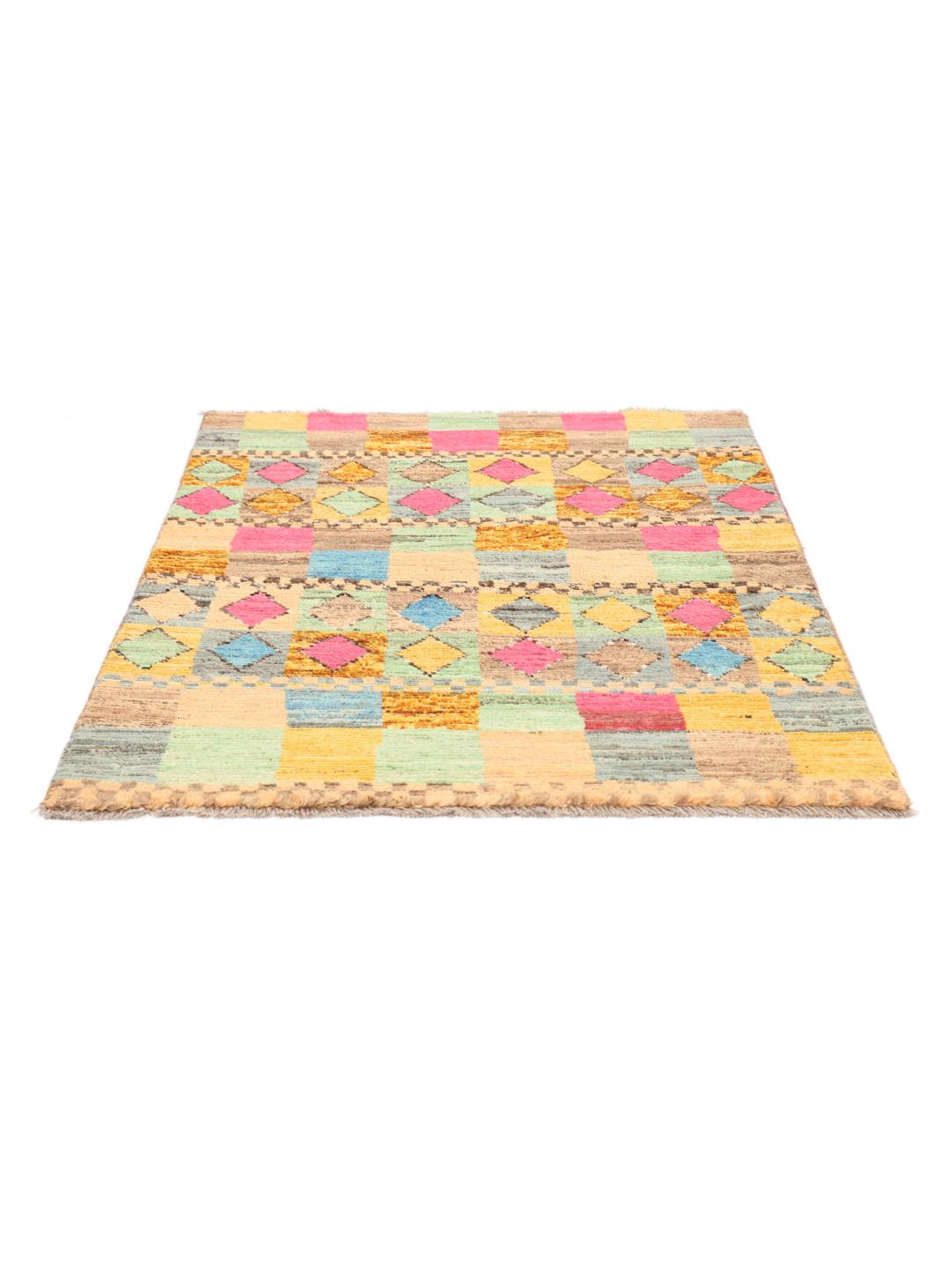
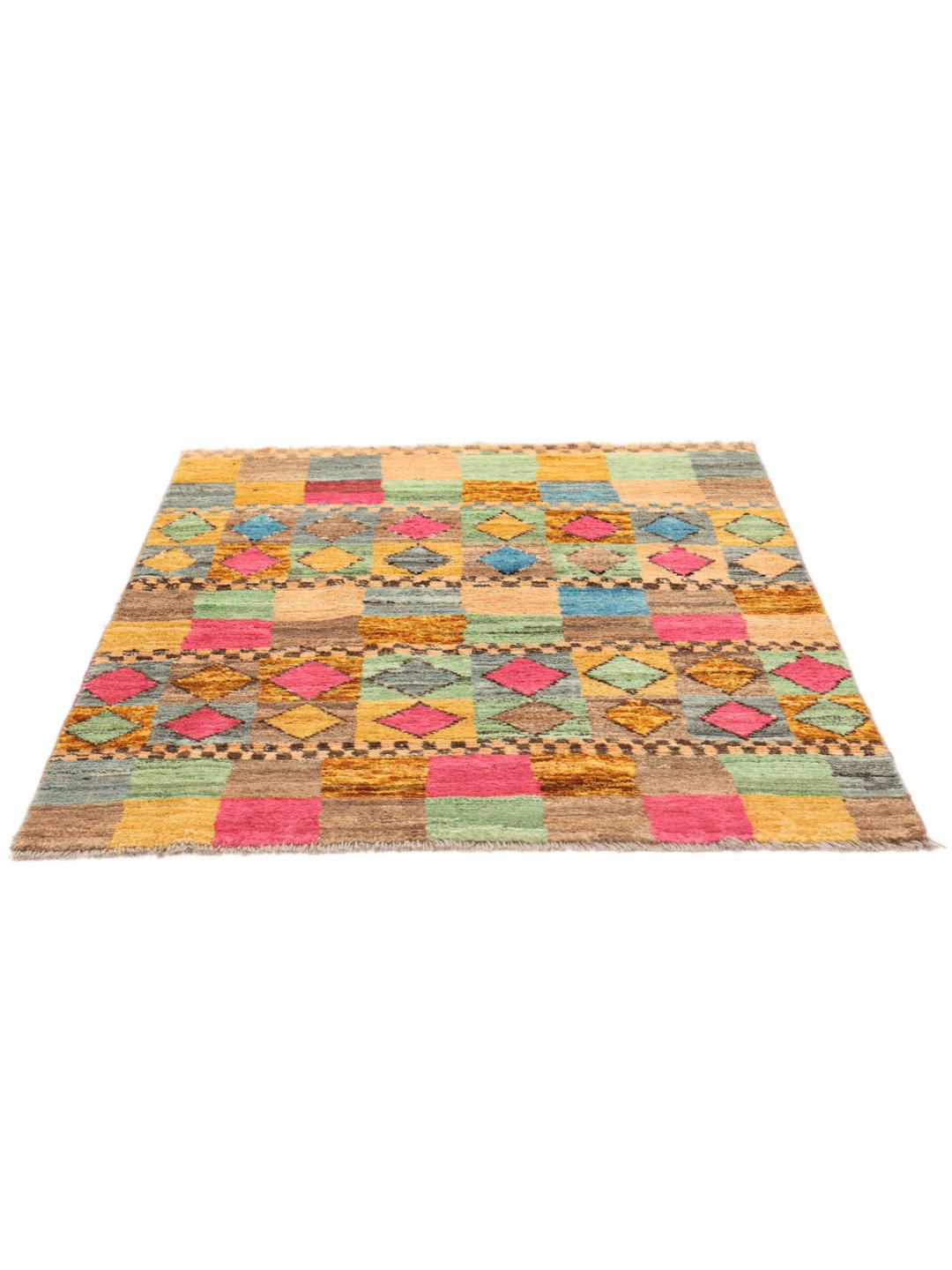
Visually, these rugs are characterised by their focus on geometric motifs and an honest, often vibrant colour palette. Common elements include diamonds, grids, and repeated shapes that hold cultural significance and represent the weaver's environment and experiences. The use of varied colours in this particular rug is a nod to the expressive nature of the craft, where every colour choice is a deliberate decision to create balance and interest within the field.
Owning a hand-knotted rug from this tradition is a way to connect with a history of human skill and storytelling. These pieces are highly valued by collectors not just for their aesthetic beauty, but for the human effort captured within every strand of wool. By bringing such a rug into your home, you are preserving a craft tradition that values the slow, thoughtful creation of objects that are meant to be lived with, touched, and enjoyed for a lifetime.