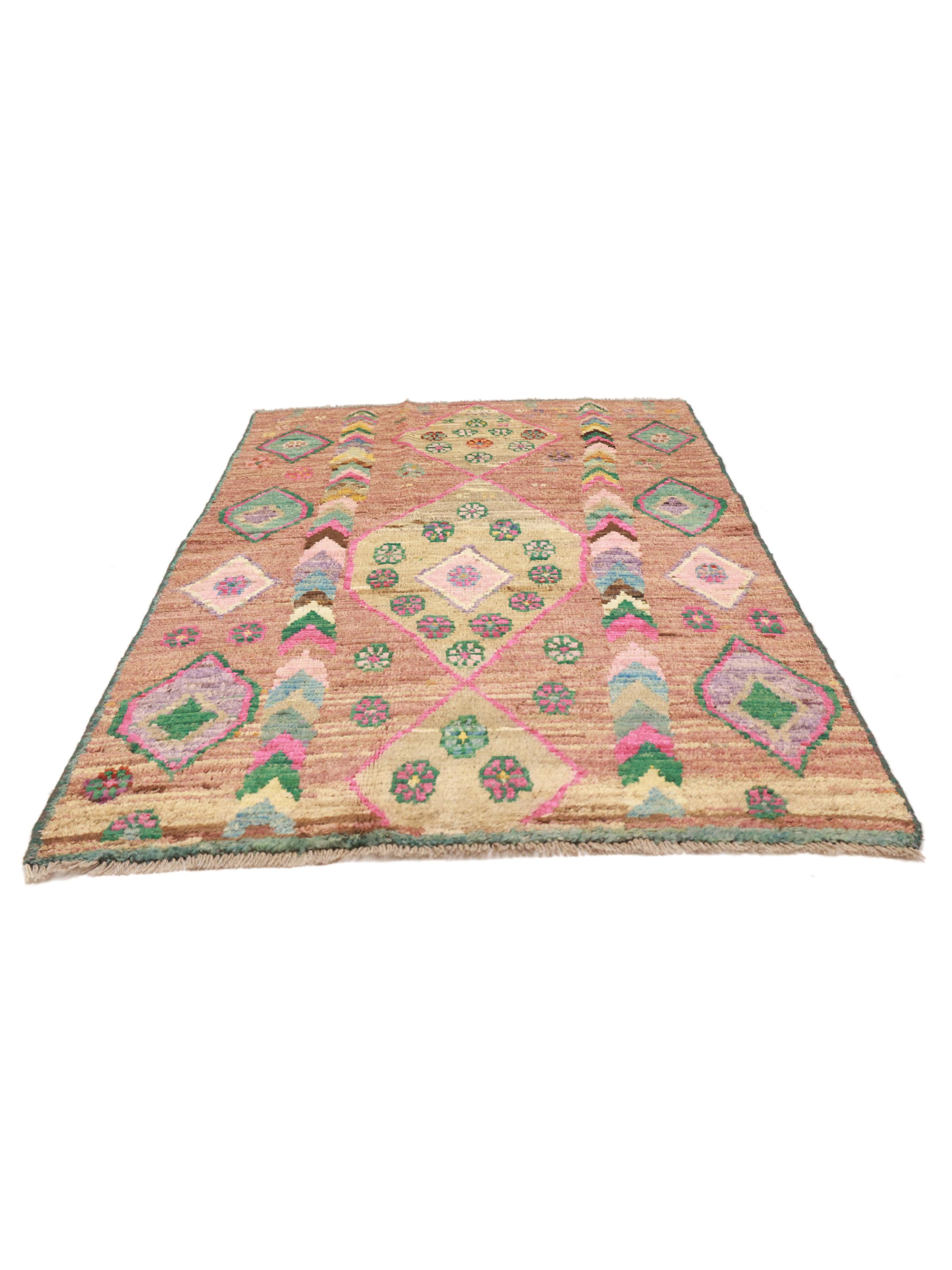
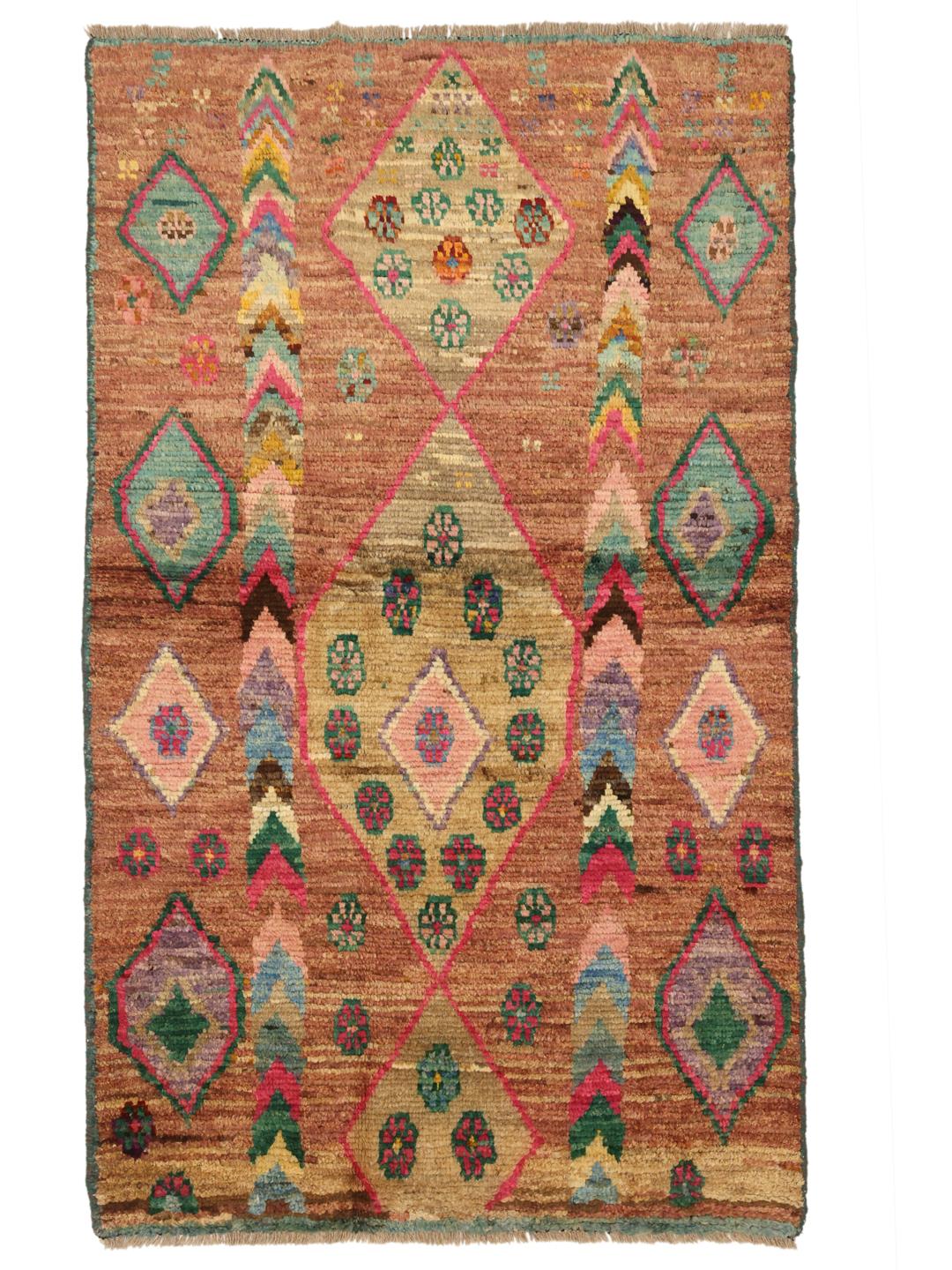
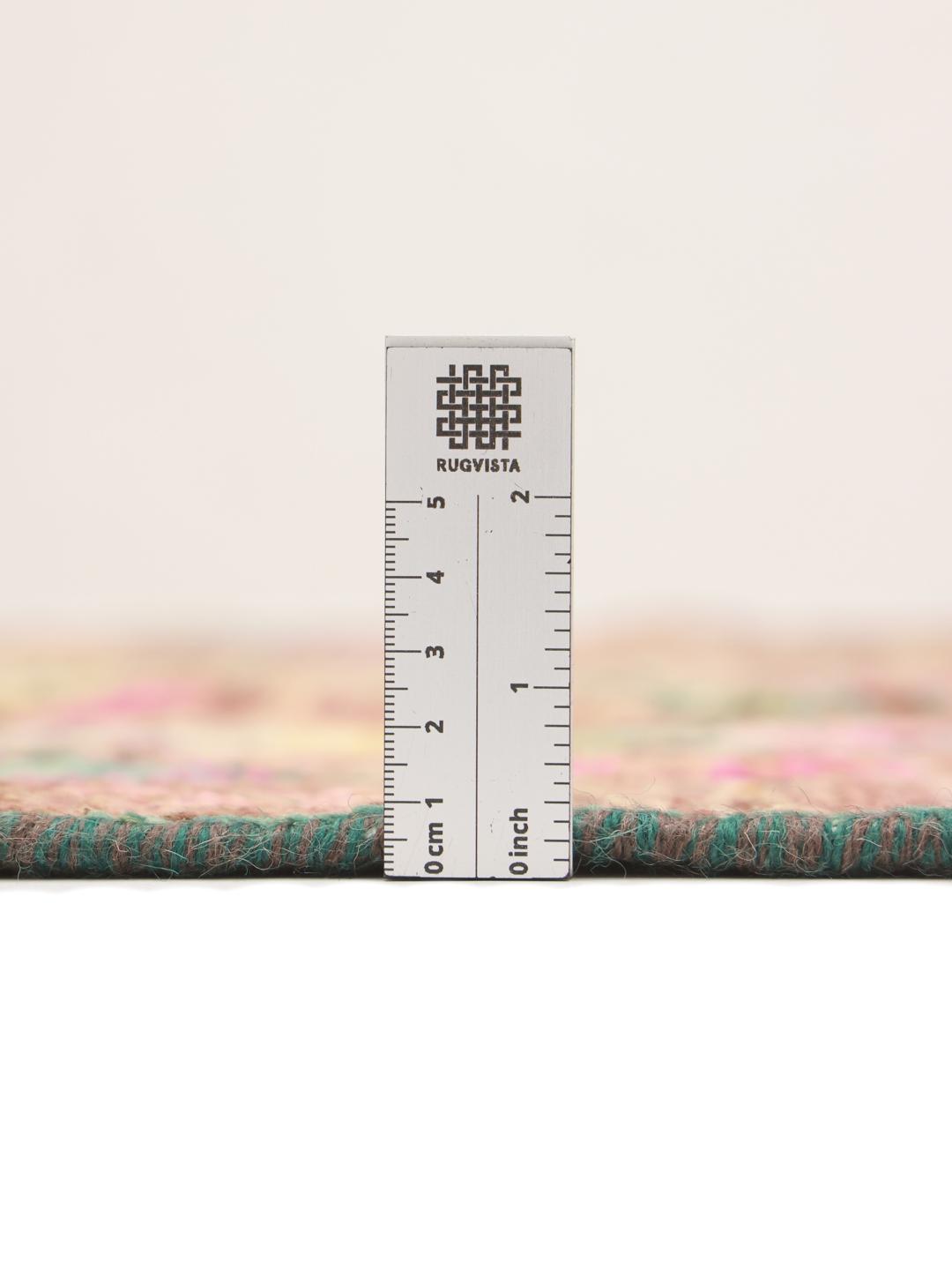
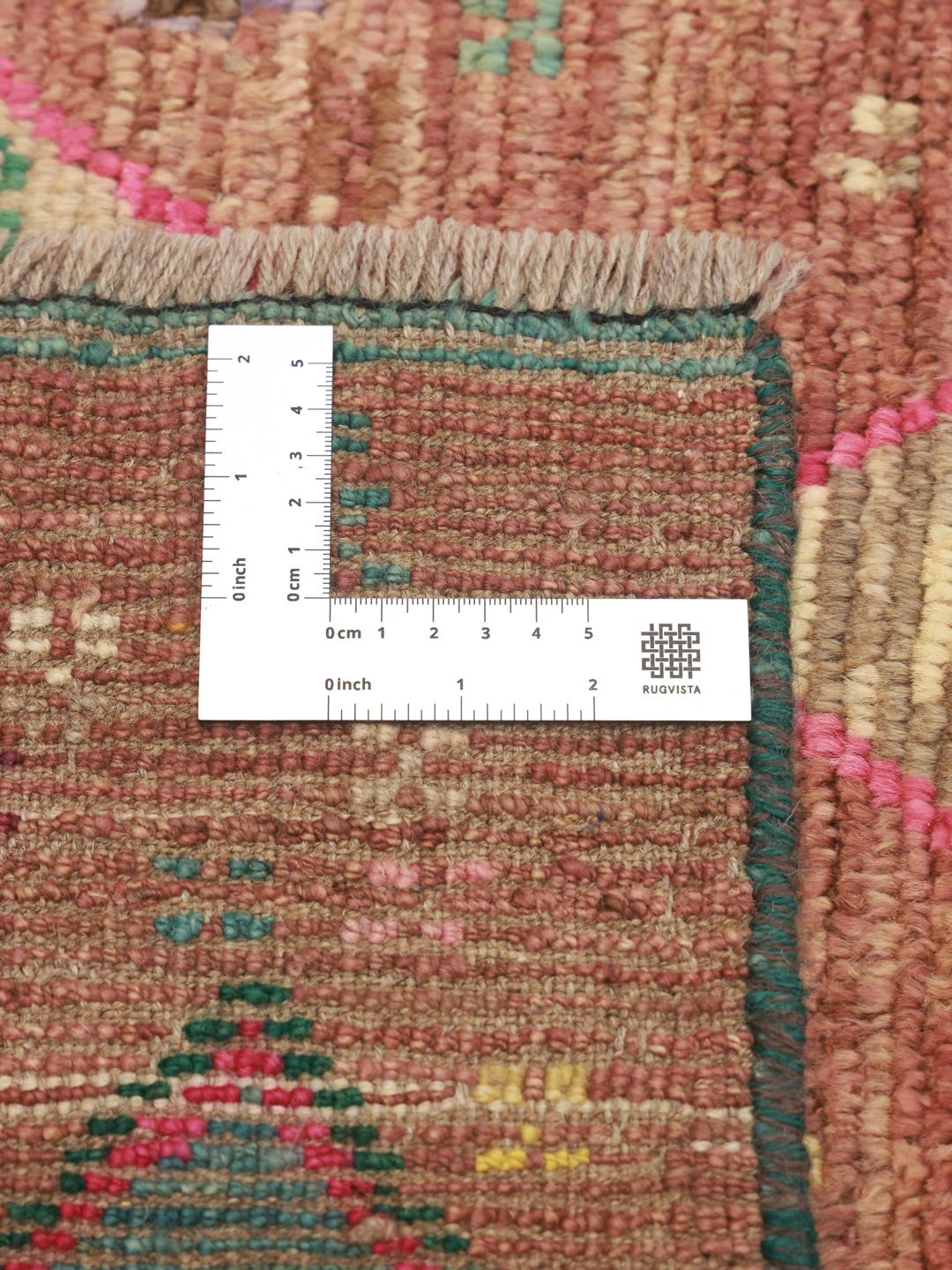
The tradition of Berber-style weaving has deep roots in the mountainous regions of North Africa, but its influence has travelled across the globe, inspiring artisans in diverse locales, including the high-altitude regions of Afghanistan. While the style originated with nomadic tribes who created rugs for warmth and utility, it has evolved into a global design language celebrated for its free-spirited, geometric beauty. Afghan weavers have embraced these traditions, infusing them with their own regional expertise and aesthetic preferences.
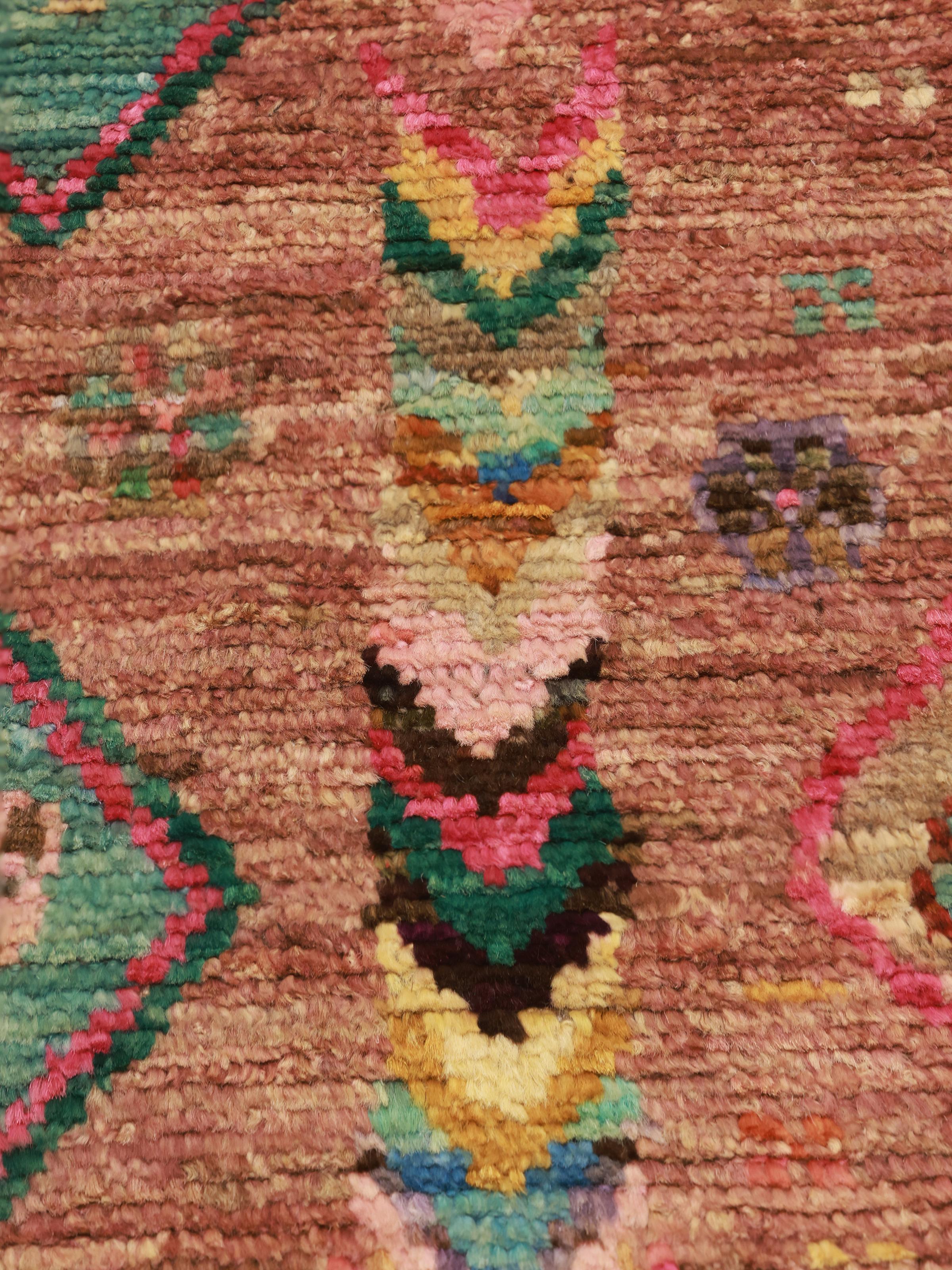
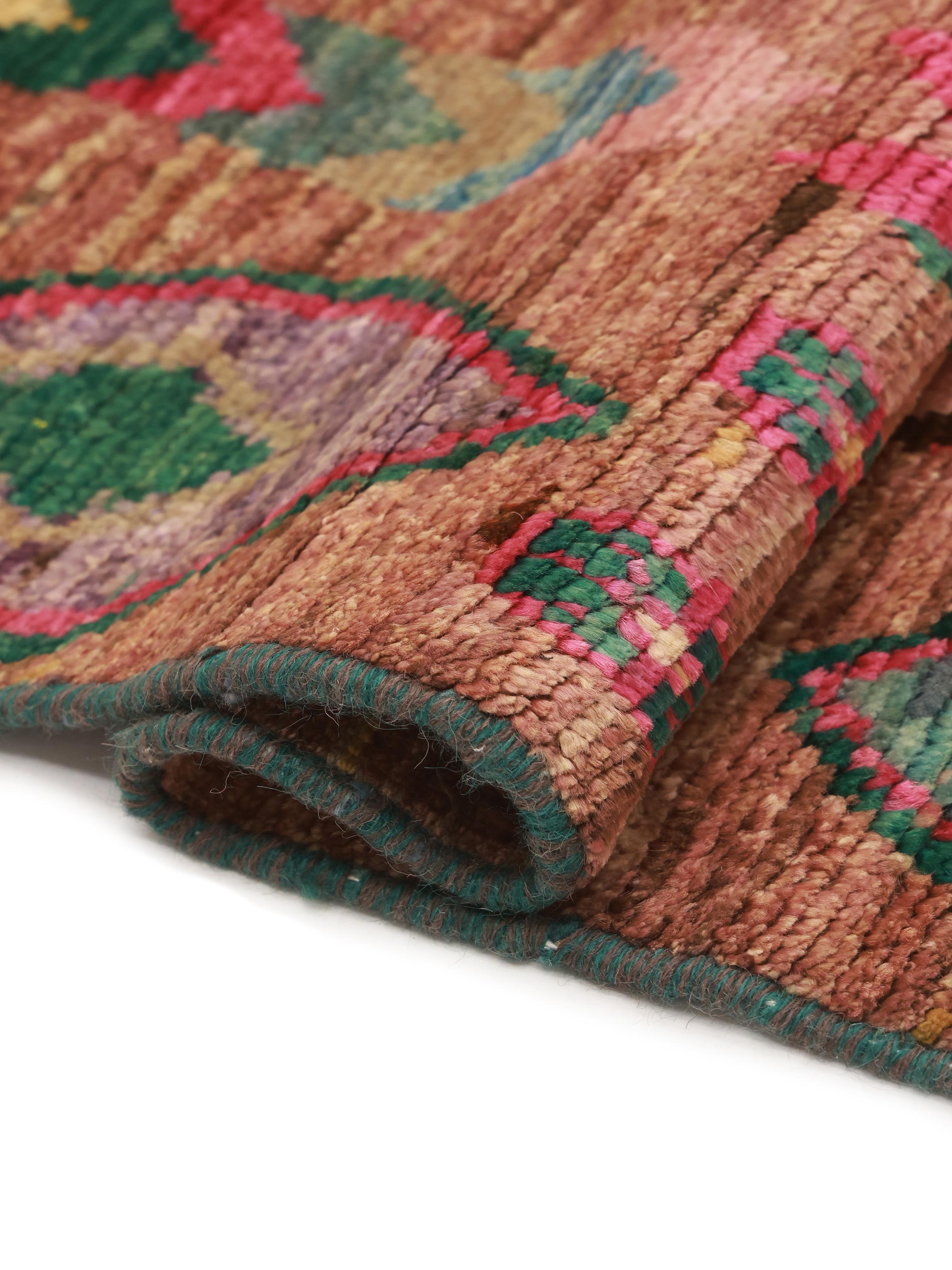
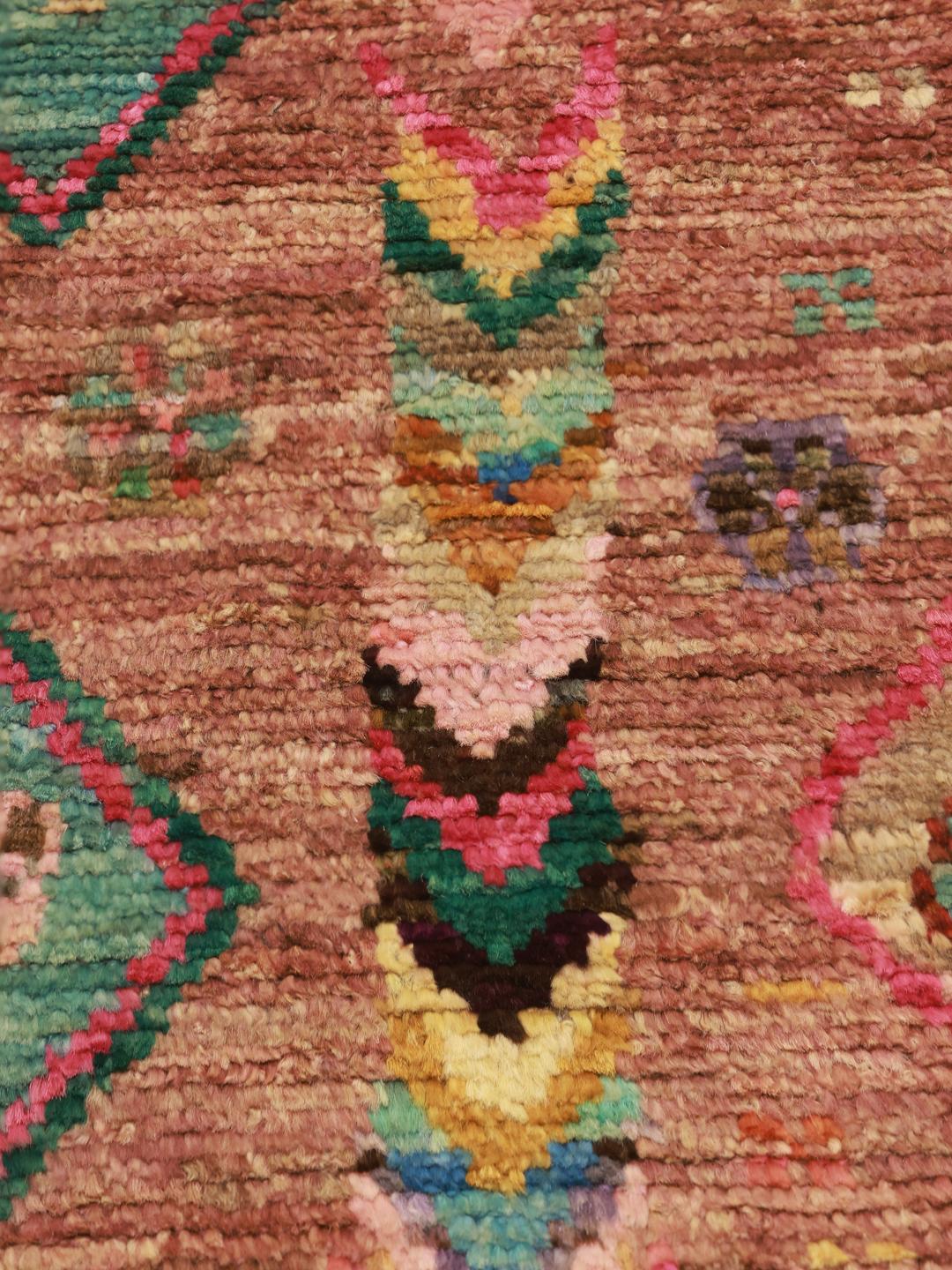
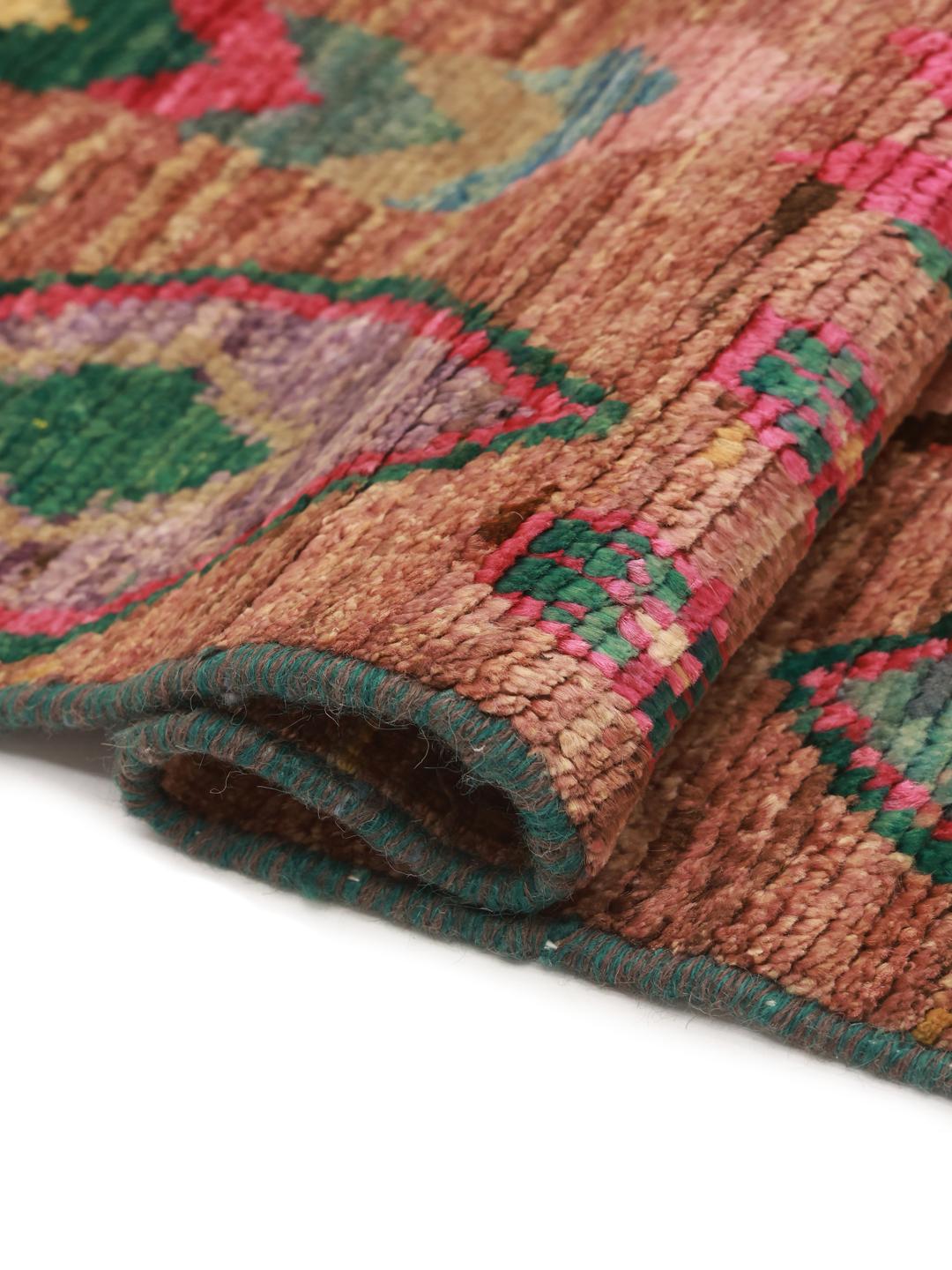
Technical mastery is at the heart of this craft, where the term hand-knotted refers to the specific, painstaking method of tying individual strands of Wool onto a foundation. This process is far more demanding than other techniques, as it requires a high degree of skill to maintain even tension and pattern alignment. The resulting pile is not only denser and more lustrous but also significantly more durable, as each knot acts as a structural anchor that prevents the rug from losing its shape over time.
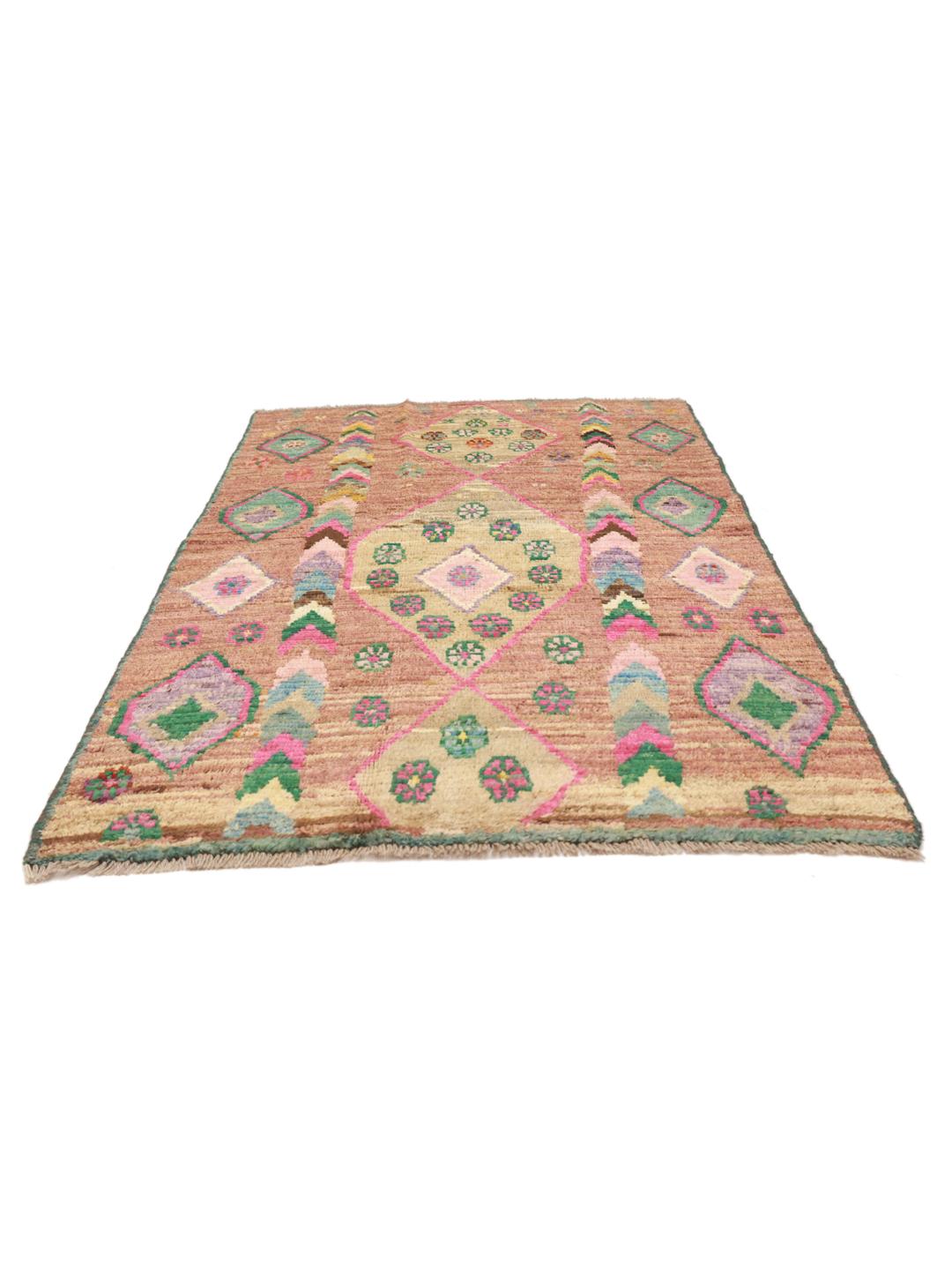
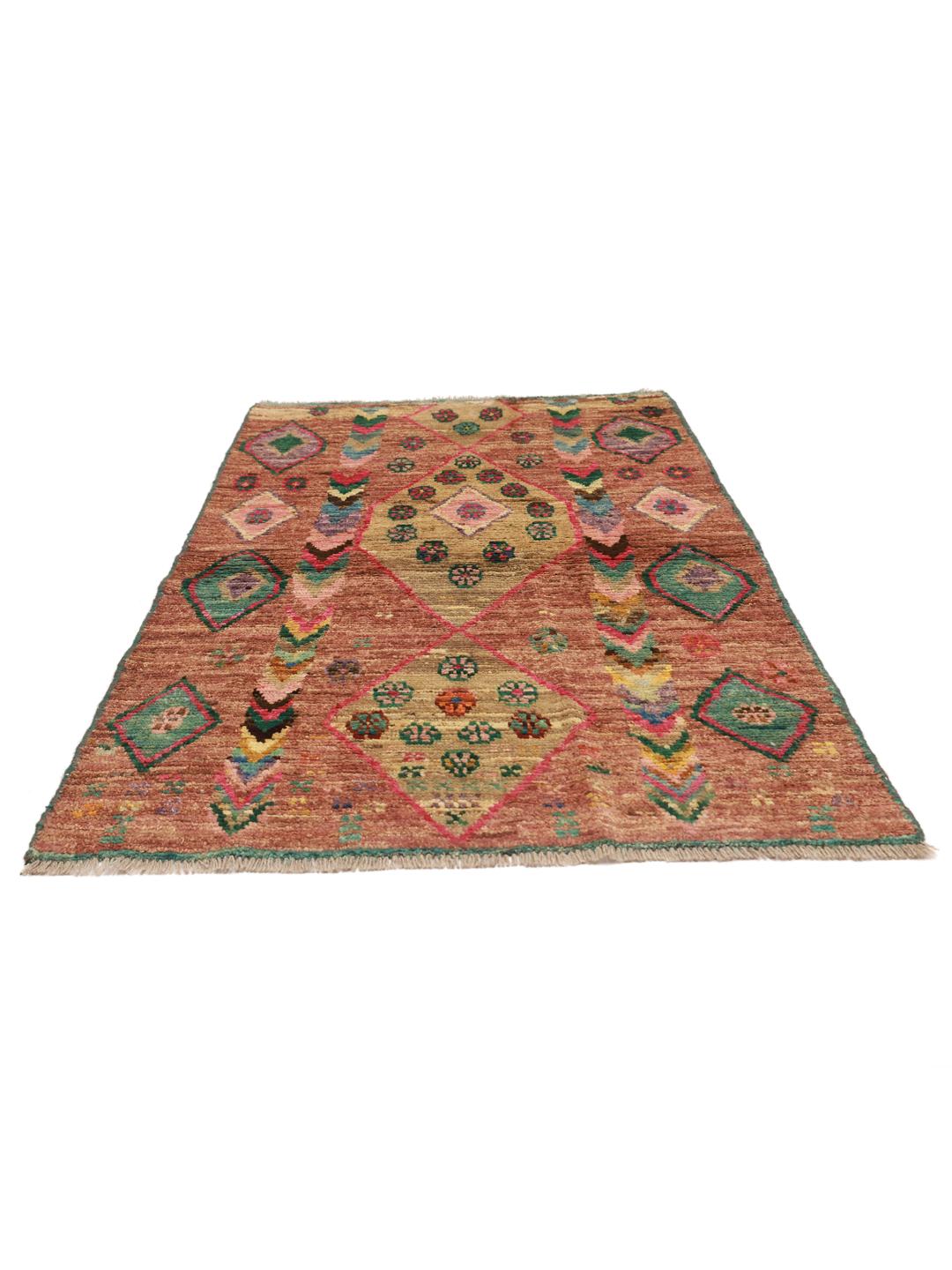
Signature design elements in these rugs often include bold, symbolic motifs such as diamonds, triangles, and stylized floral shapes. These patterns are not merely decorative but often tell stories of the weaver's environment and cultural heritage. The use of vibrant, contrasting colours against a natural, undyed Wool background is a hallmark of the style, creating a dynamic visual interplay that is both traditional and strikingly contemporary.
Owning a hand-knotted rug from this lineage is an investment in human skill and cultural continuity. These pieces are highly valued by collectors not just for their aesthetic appeal, but for the tangible evidence of the time, patience, and tradition woven into every square centimetre. By bringing one into your home, you are continuing the story of a craft that has been passed down through generations, honouring the individuals whose hands brought the design to life.