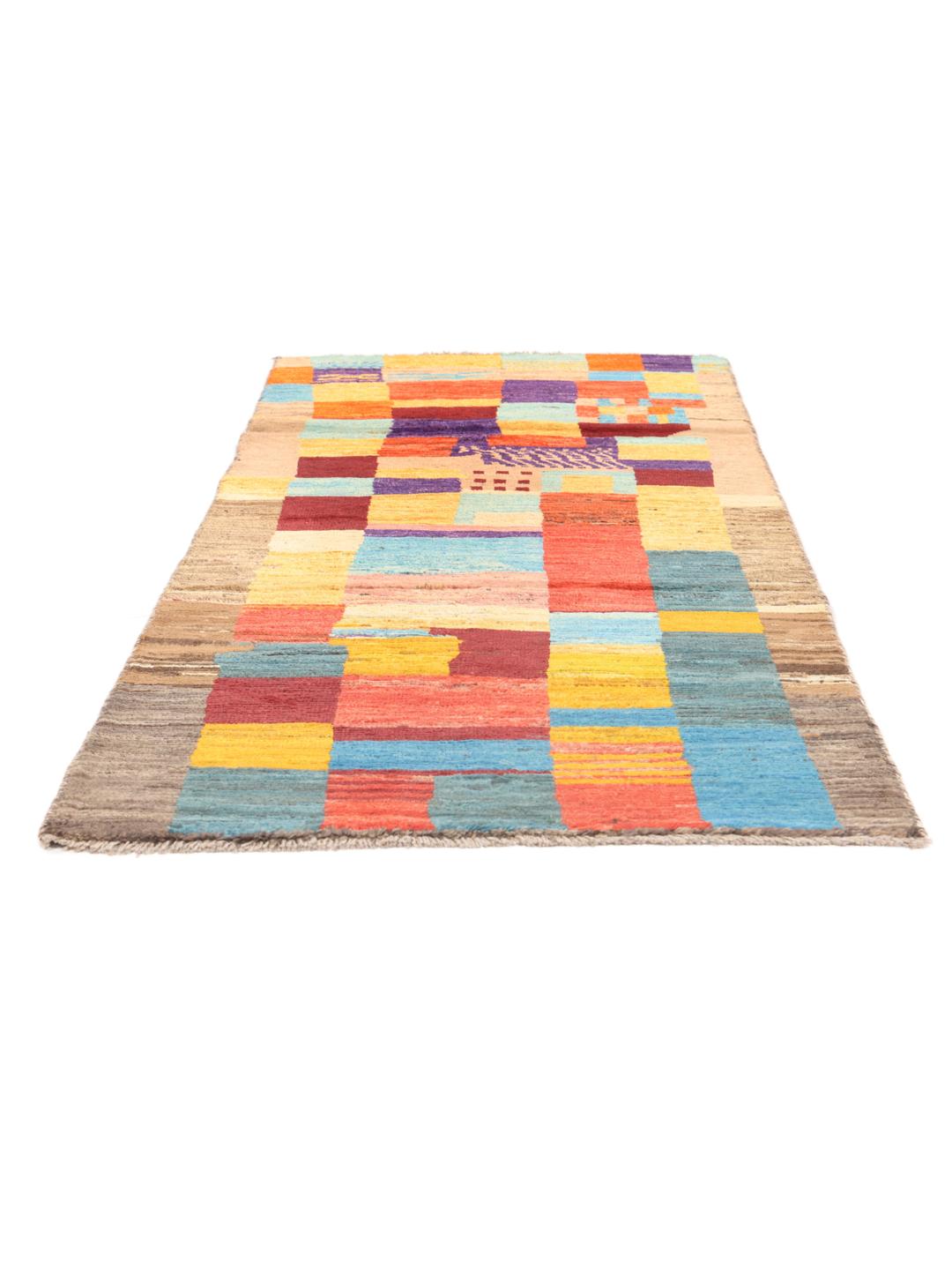
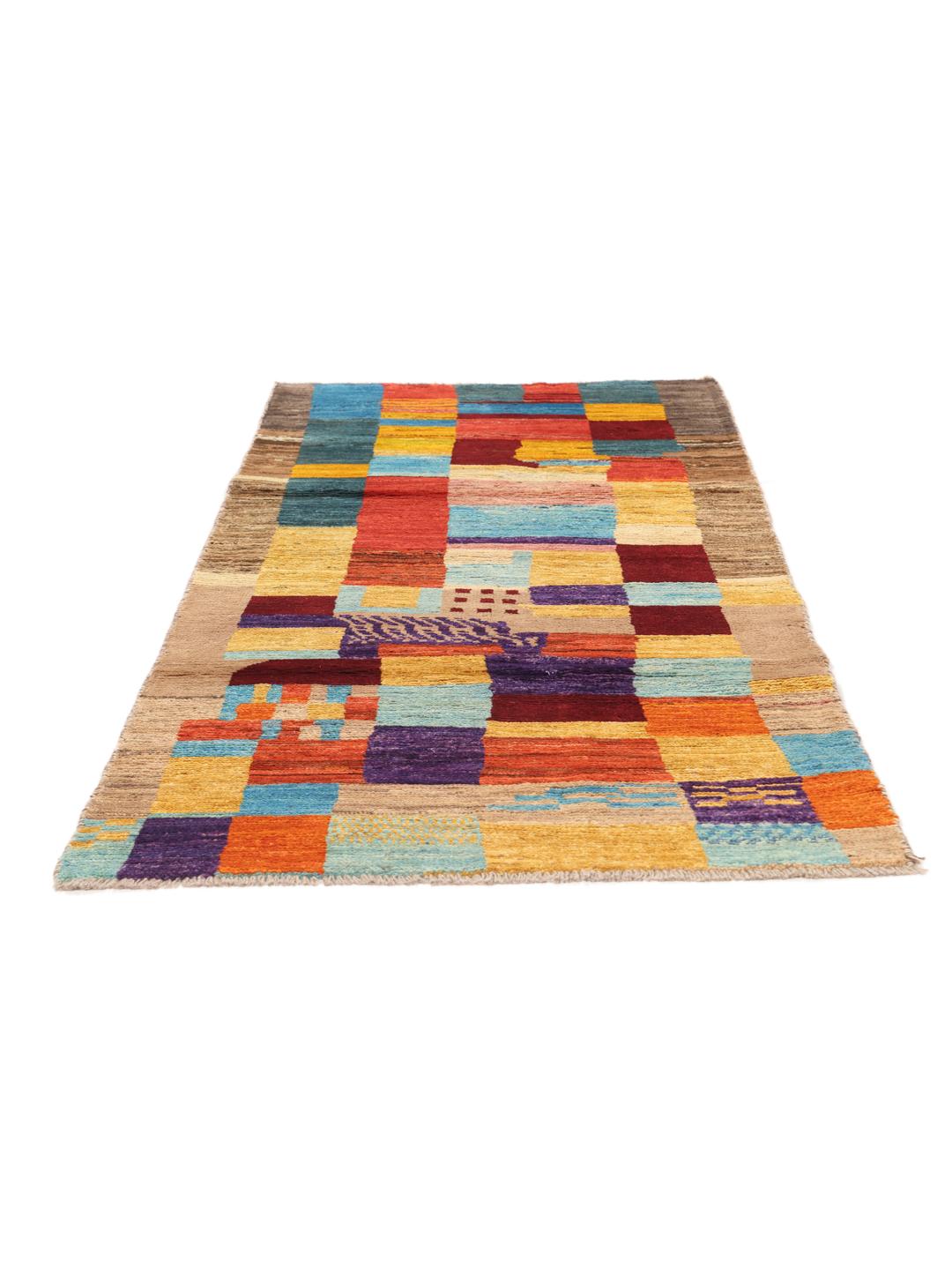
Berber rugs trace their origins to the nomadic tribes of North Africa, where they were traditionally woven for utility and warmth in harsh climates. Over centuries, these traditions migrated along ancient trade routes, influencing rug-making cultures across the Middle East and Central Asia. The Afghan interpretation of this style often blends these nomadic roots with local weaving techniques, resulting in rugs that are both robust and culturally rich.
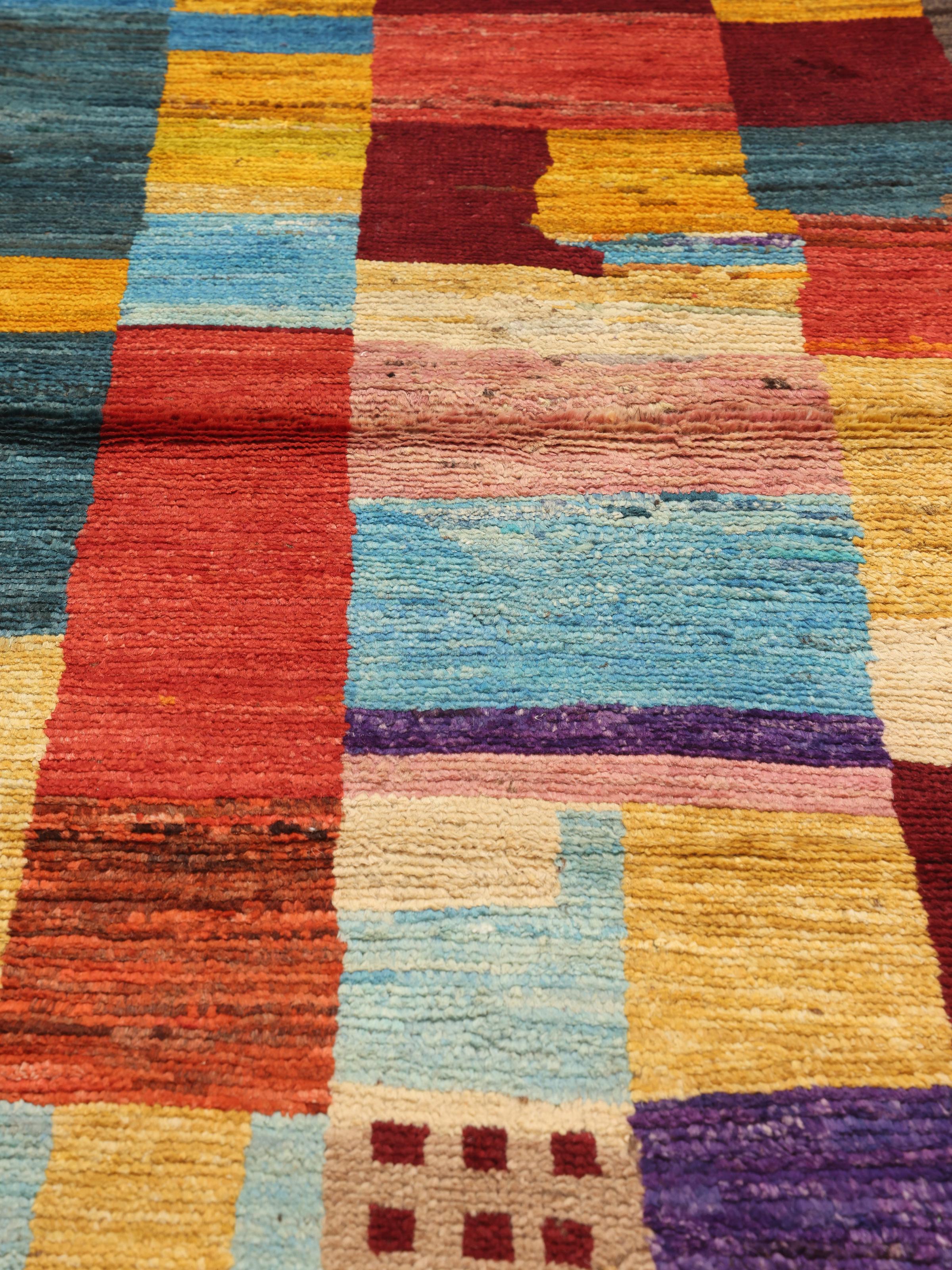
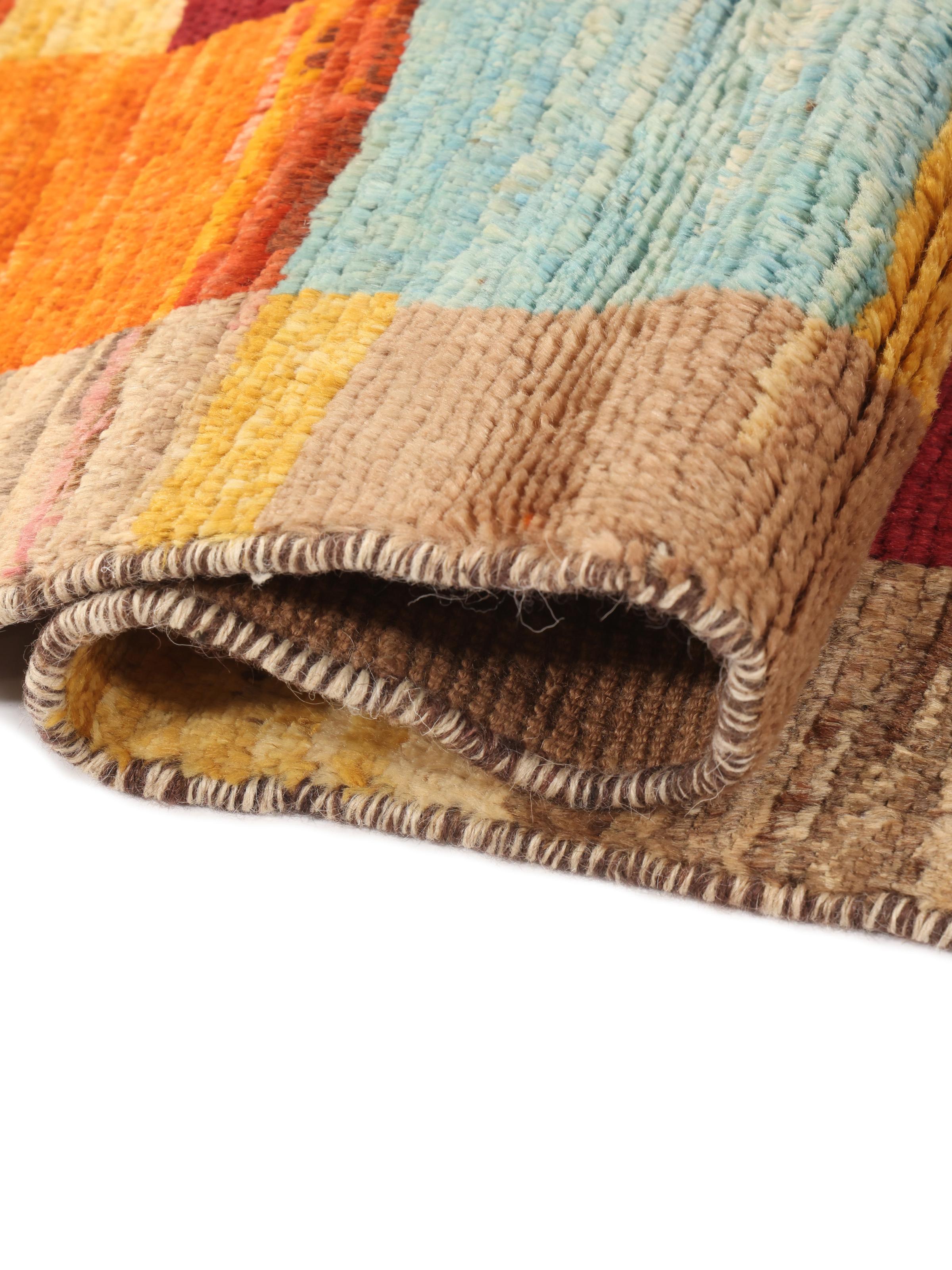
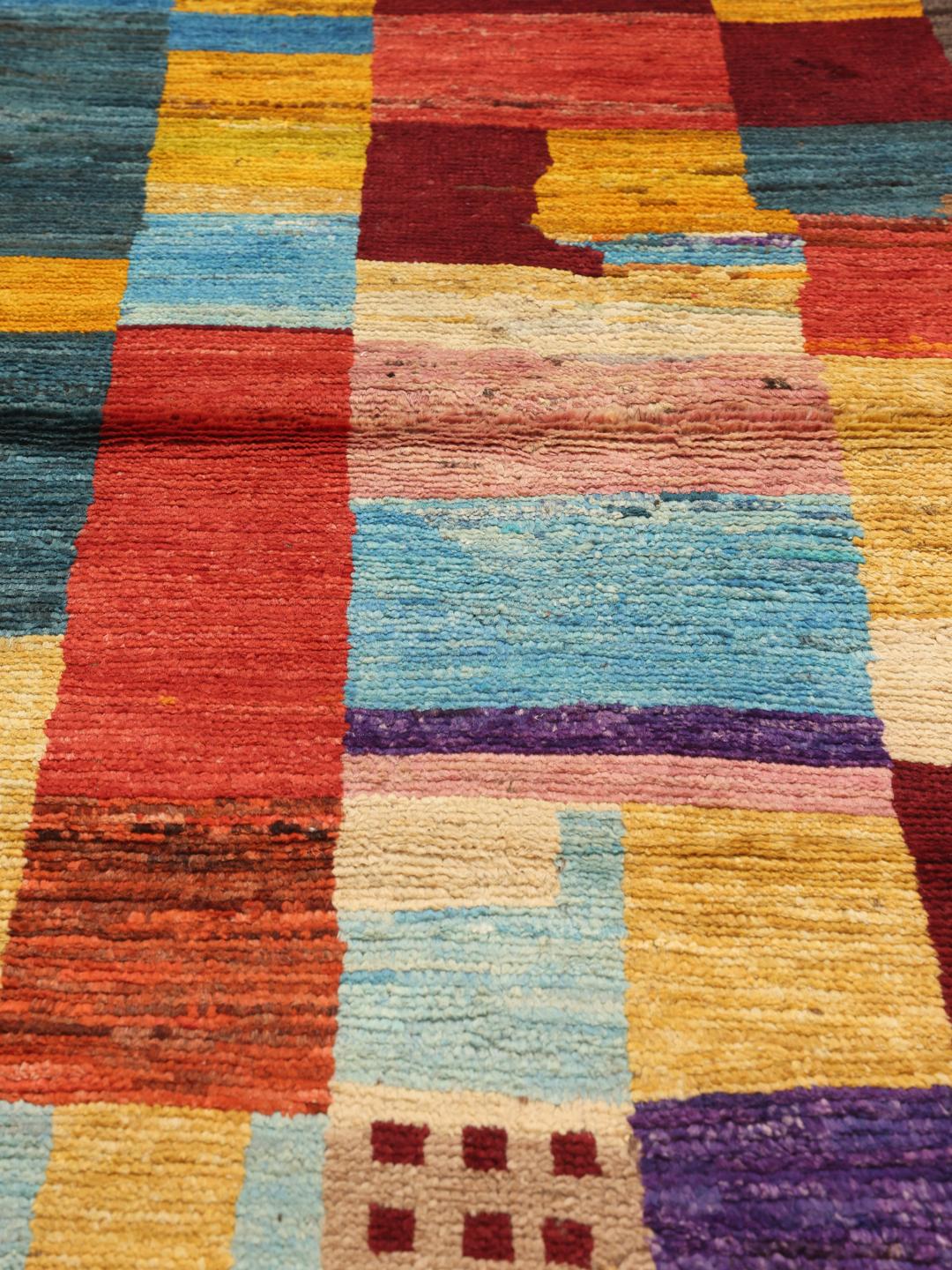
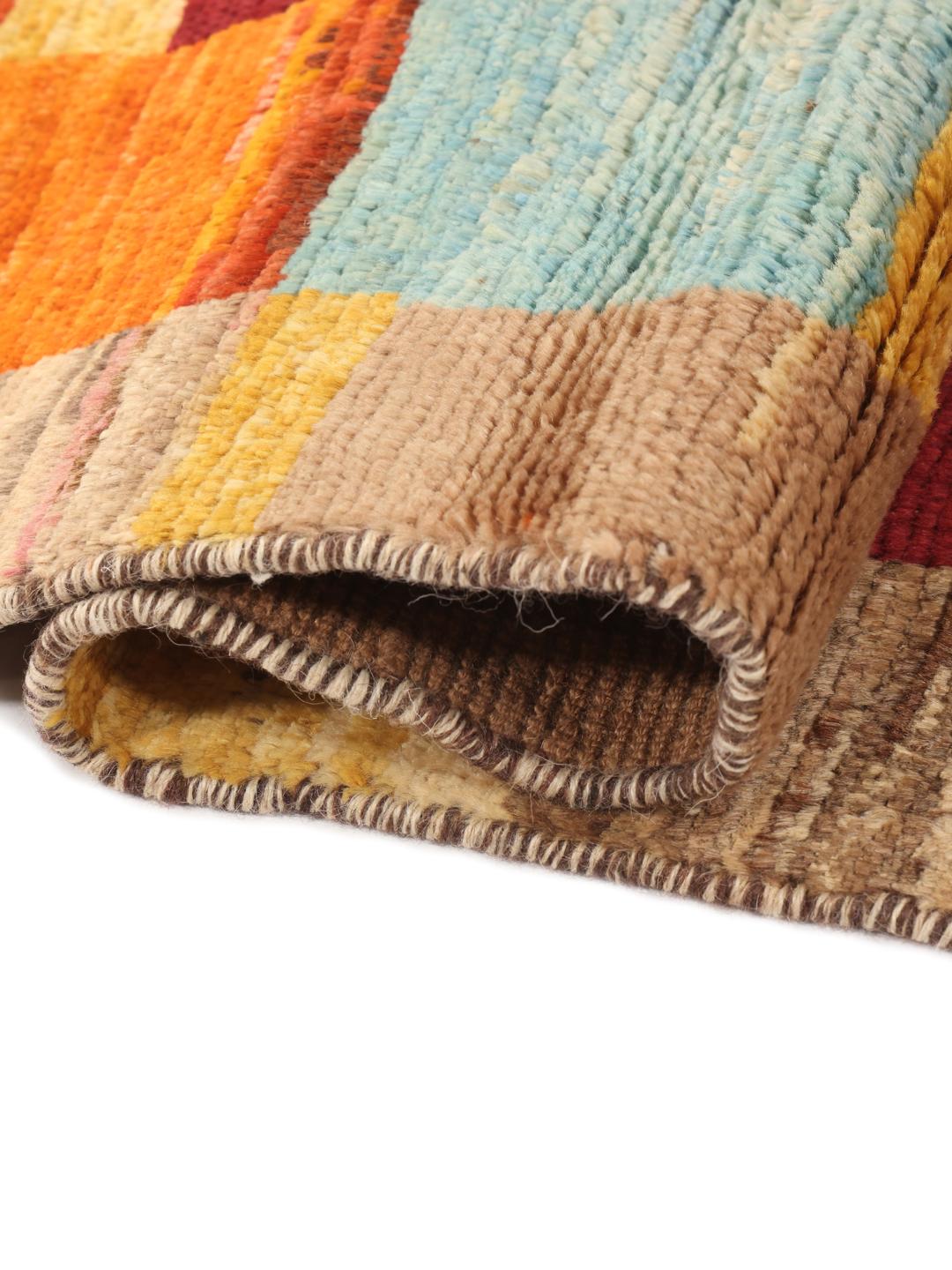
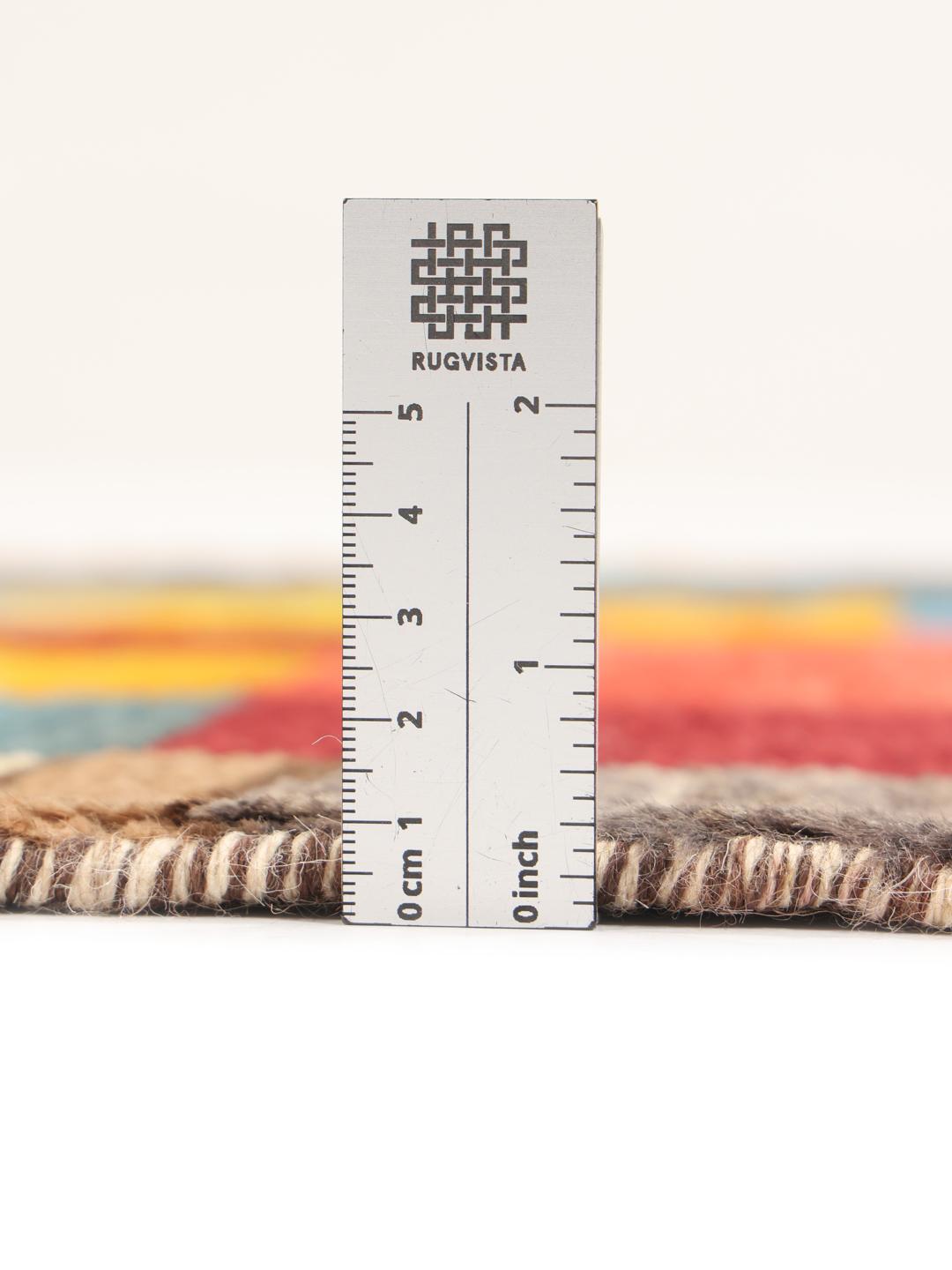
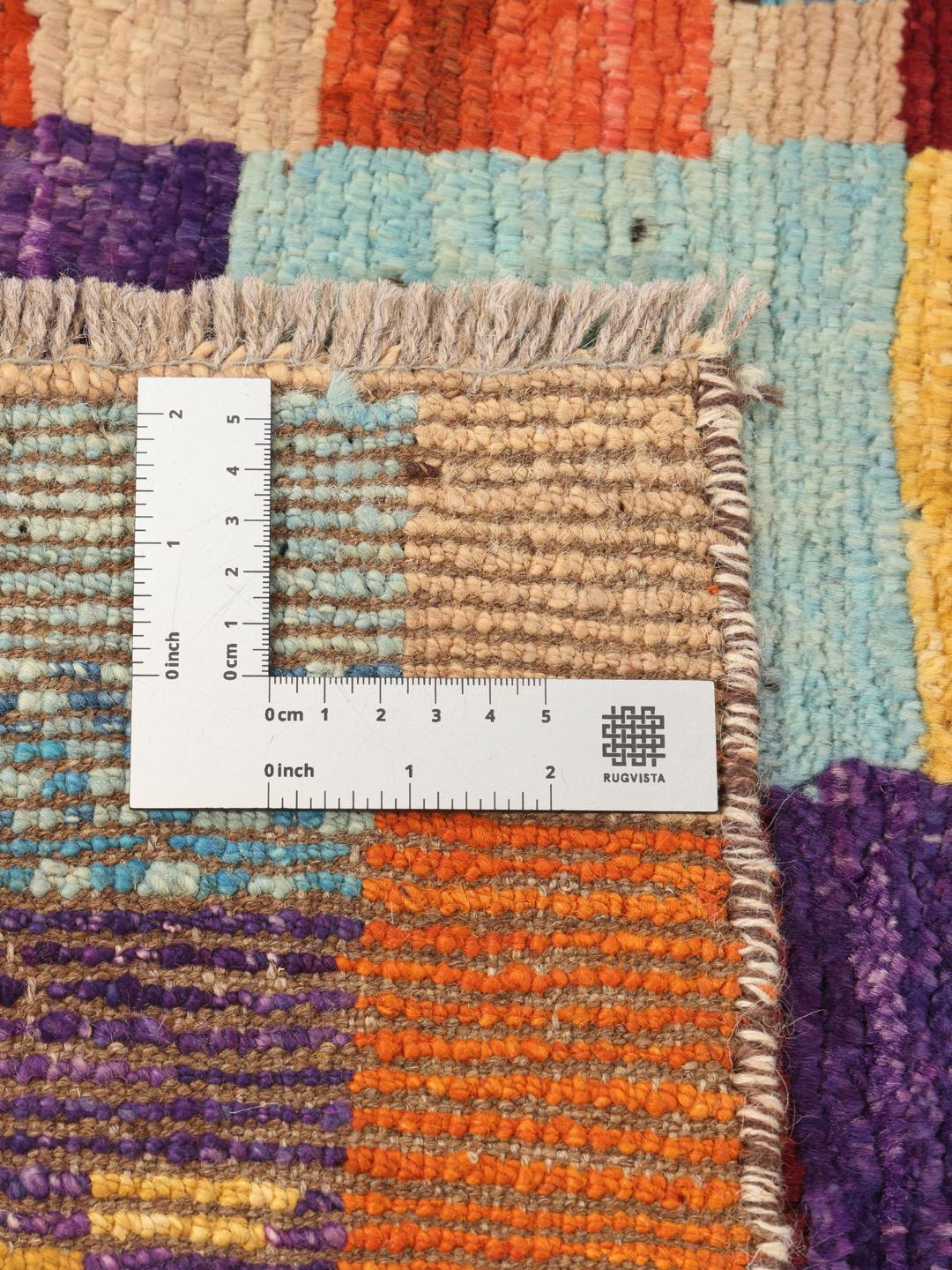
The term hand-knotted refers to the technique where each individual knot is tied by hand onto the foundation of the rug. This method is the hallmark of premium quality, as it allows for intricate design work and a pile that is incredibly durable. It is a labour-intensive process that ensures every inch of the rug is secured with strength and care, making it a reliable choice for high-traffic areas.
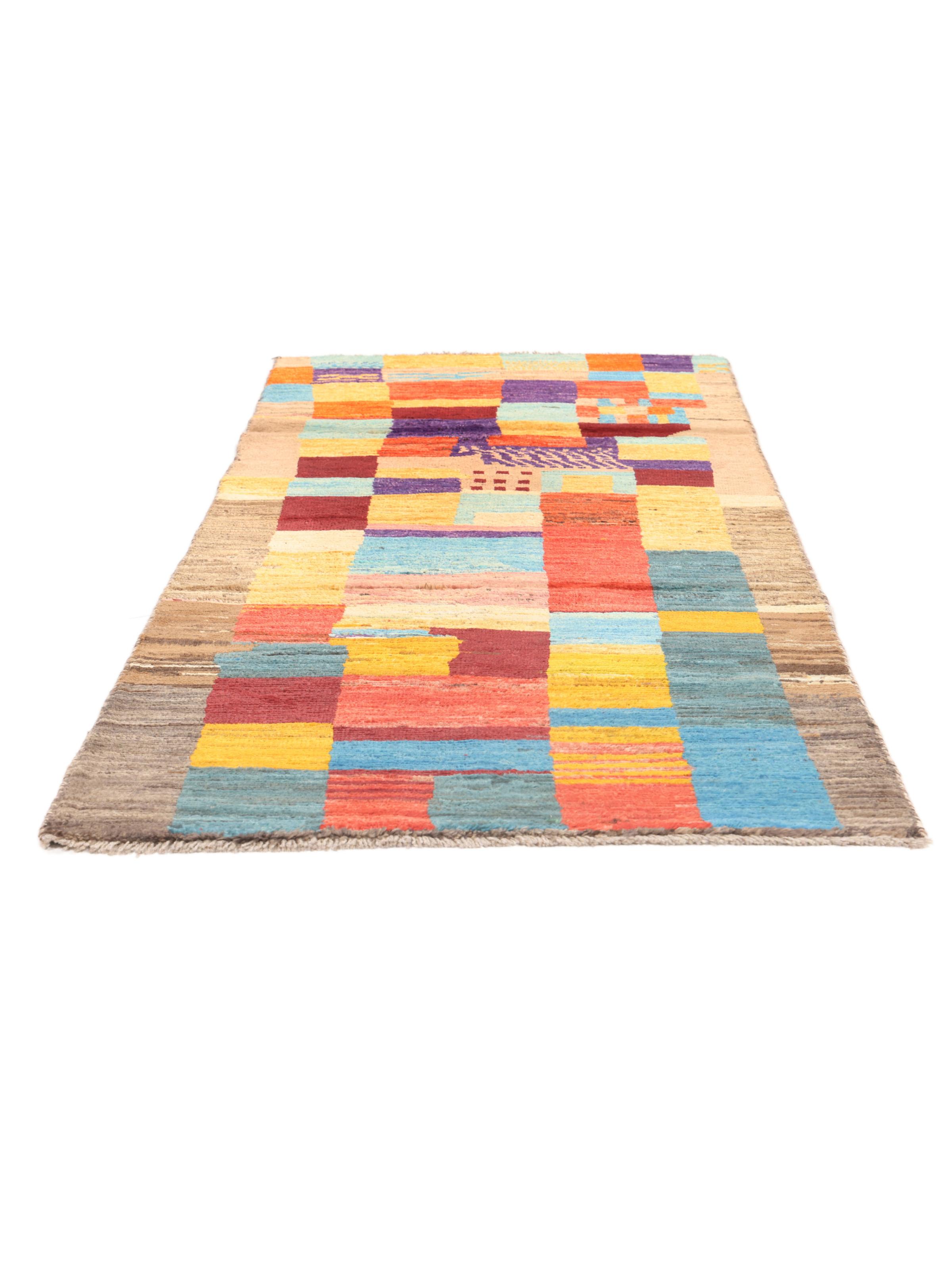
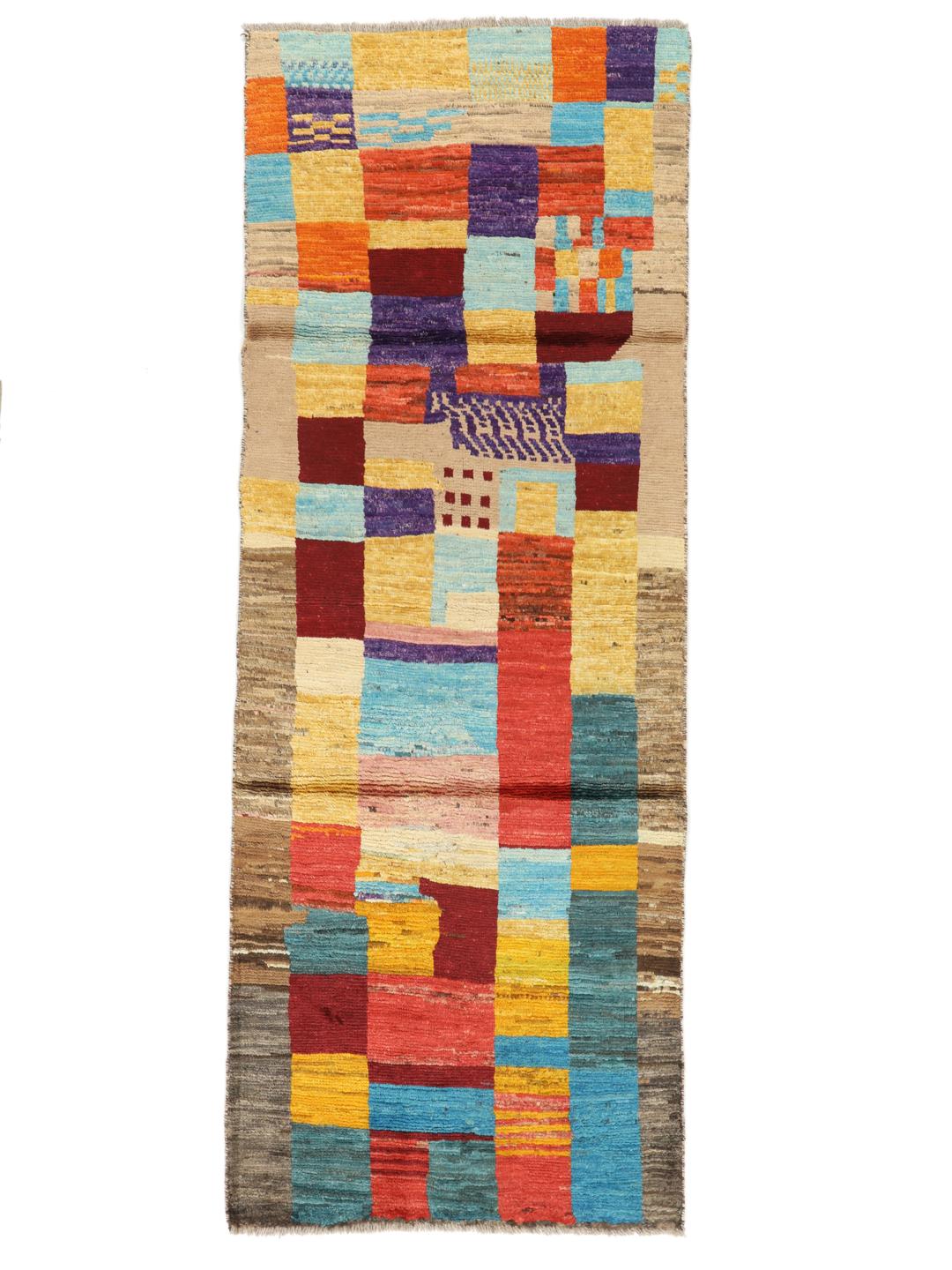
Visually, this rug is defined by its vibrant, geometric patchwork. While traditional tribal rugs often favoured specific symbols and regional motifs, the modern Berber style frequently embraces a more artistic, abstract approach to colour. The use of varied, saturated tones across the runner creates a lively rhythm that draws the eye and anchors the room, turning a simple floor covering into a focal point.
Collecting a rug from this tradition is an investment in human heritage. These pieces are valued not only for their aesthetic appeal but for the centuries of skill they represent. By bringing this runner into your home, you are continuing a long-standing tradition of valuing craft, longevity, and the unique beauty that only a hand-made item can possess.