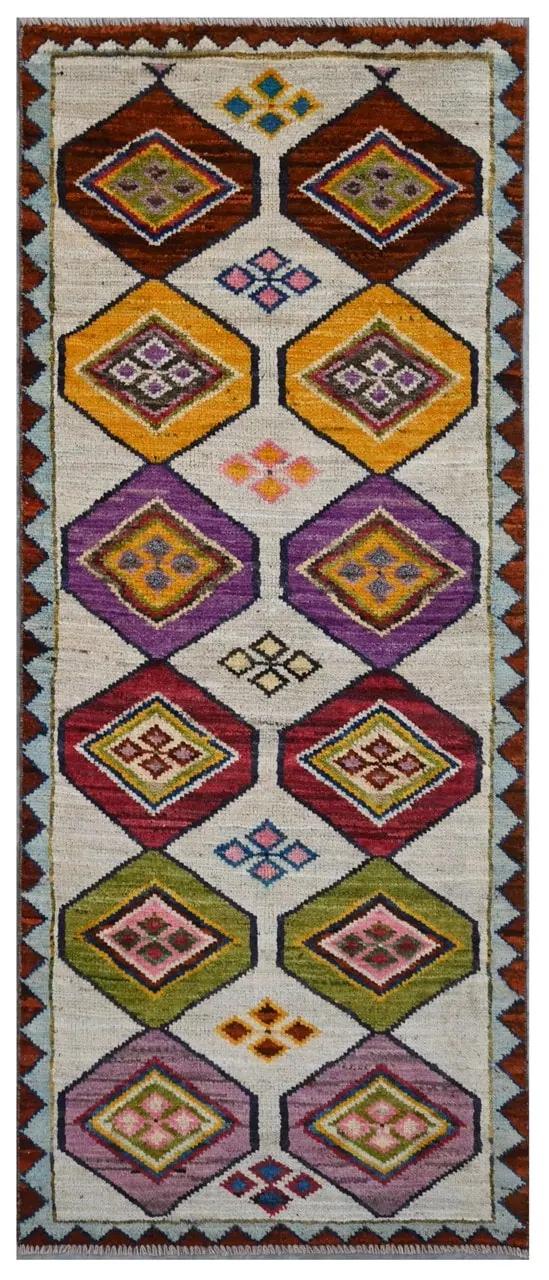
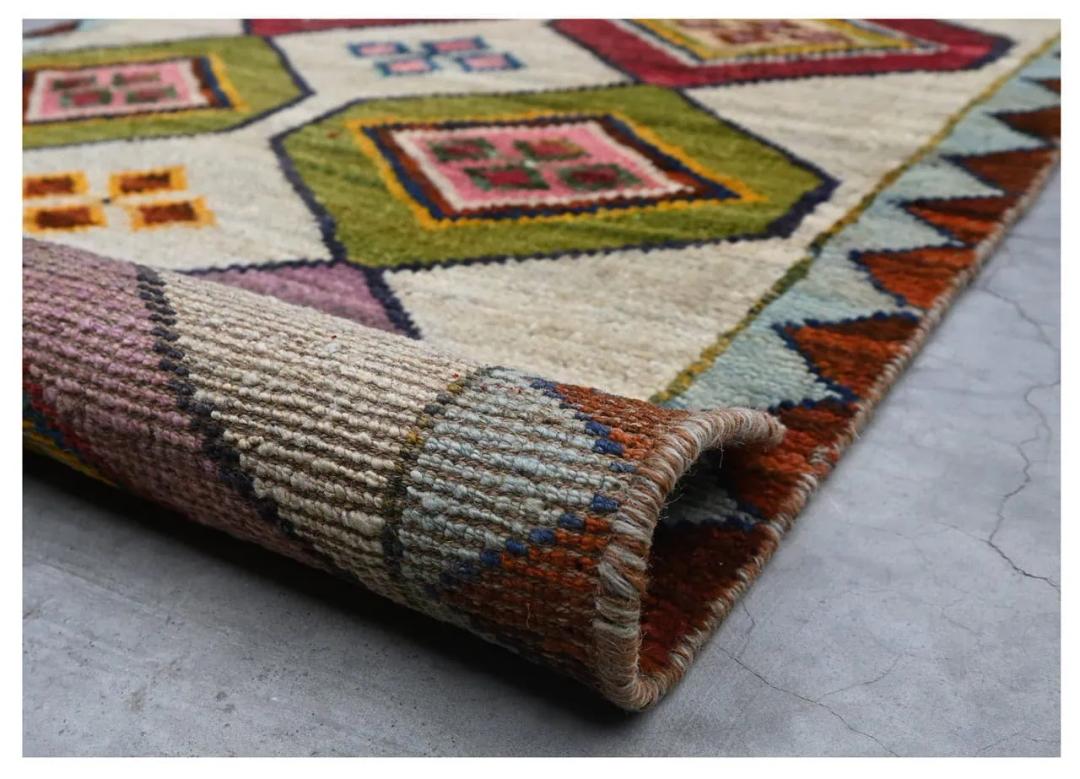
Berber rugs originate from the indigenous tribes of the Atlas Mountains, where weaving has been a vital part of domestic and cultural life for centuries. While the term Berber is often associated with North African traditions, the style has evolved significantly over time, with contemporary interpretations now being masterfully produced by artisans in Afghanistan who draw upon these ancient, nomadic design philosophies.
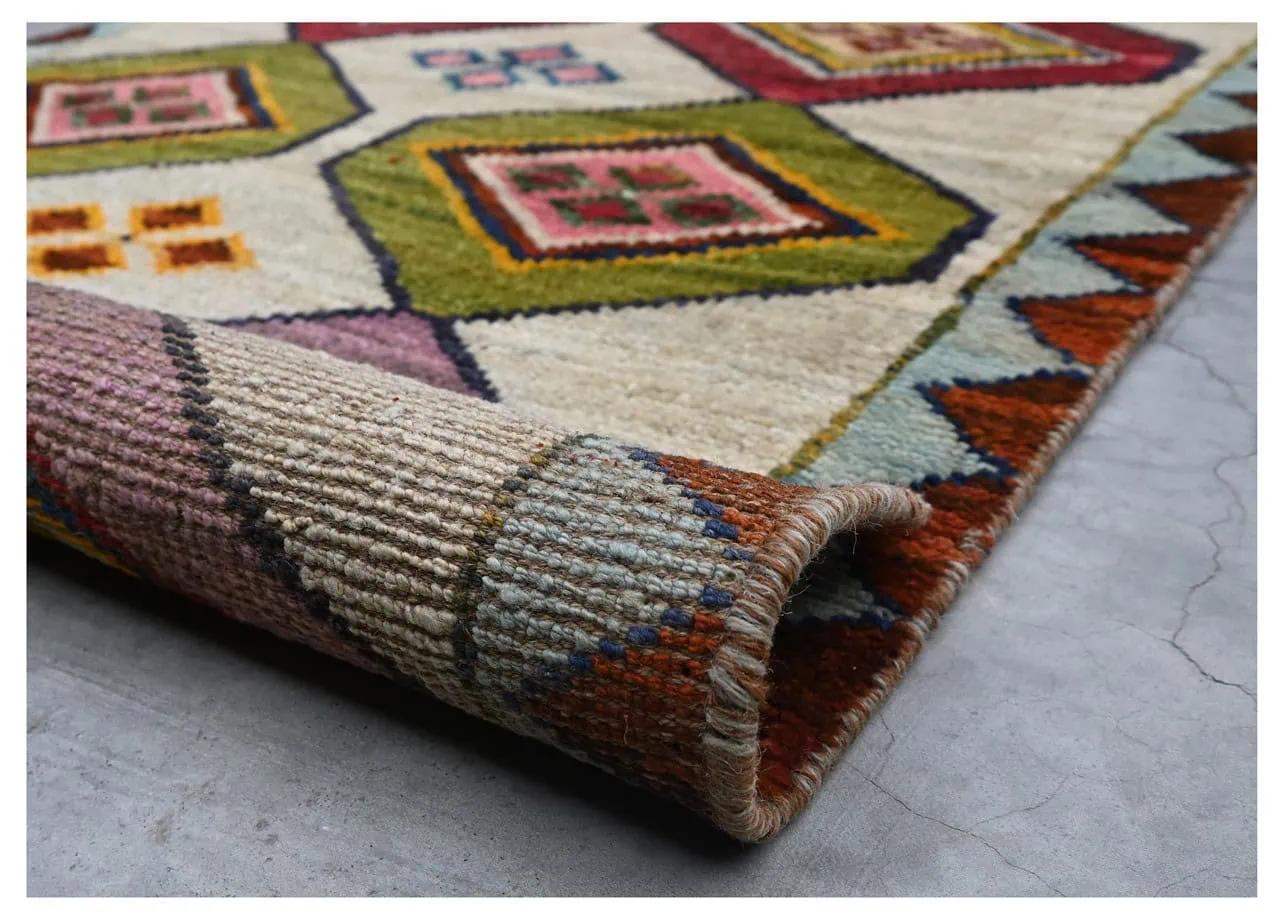
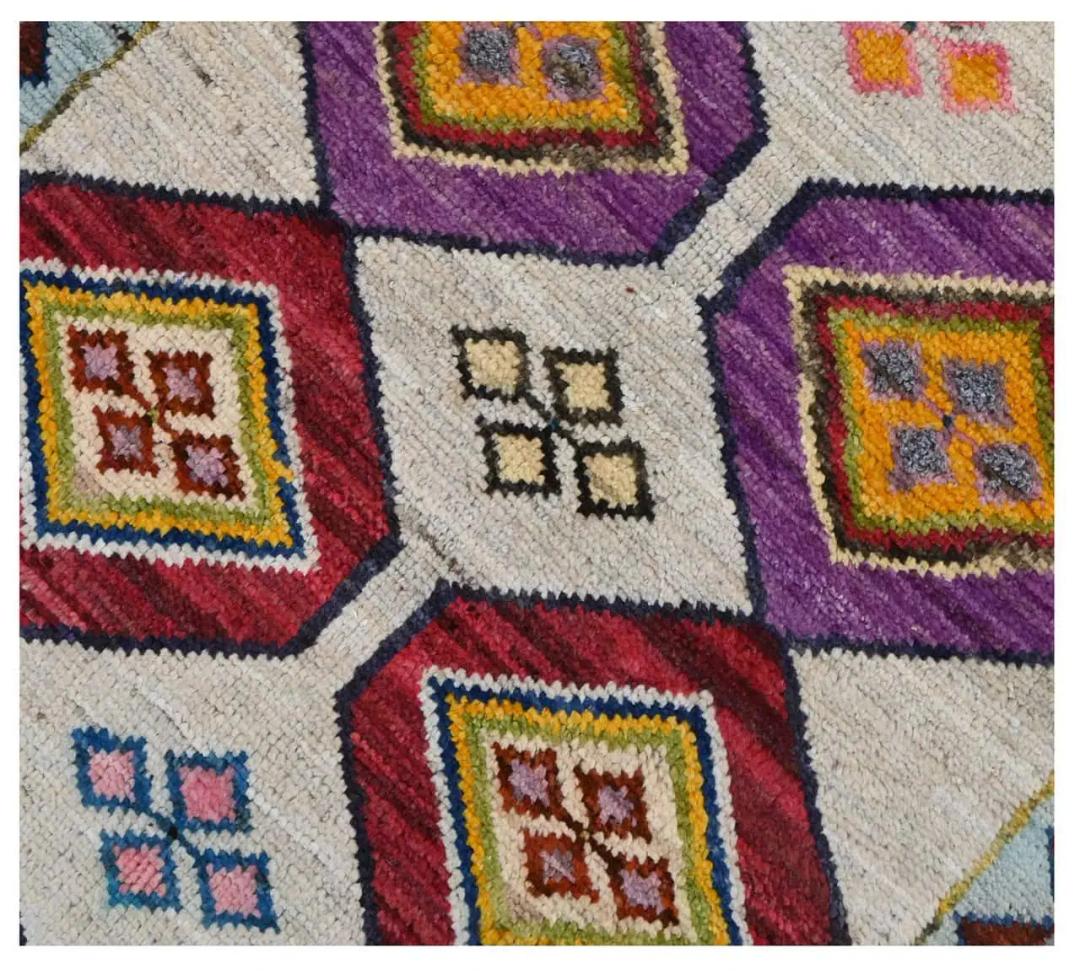
The construction of these rugs relies on time-honoured techniques that prioritise longevity and tactile comfort. The use of hand-spun wool is central to this tradition, as it retains natural oils that give the pile a unique sheen and resilience. This construction method results in a durable, thick pile that is prized not just for its appearance, but for its functional ability to insulate and soften living spaces.
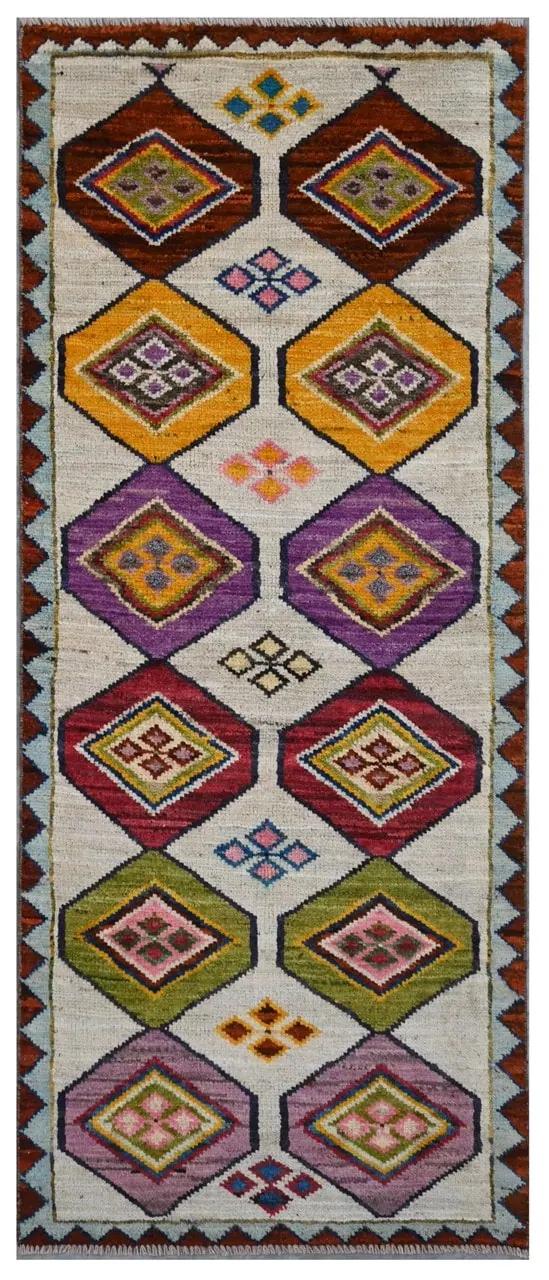
Design-wise, these rugs are defined by their bold, symbolic geometric motifs. Often featuring diamonds, chevrons, and abstract shapes, the patterns are not merely decorative but often tell stories of the weaver’s environment, beliefs, and family history. The use of vibrant, contrasting colours is a hallmark of the style, intended to bring joy and energy to the home, while the formal borders frame these complex stories within a balanced, cohesive structure.
Owning a hand-knotted rug of this tradition is an investment in cultural heritage and human skill. Collectors value these pieces because they represent a living craft that rejects mass production in favour of individual expression. Each rug serves as a bridge between ancient nomadic aesthetics and modern interior needs, offering a connection to a long, rich history of textile artistry that remains relevant and cherished today.