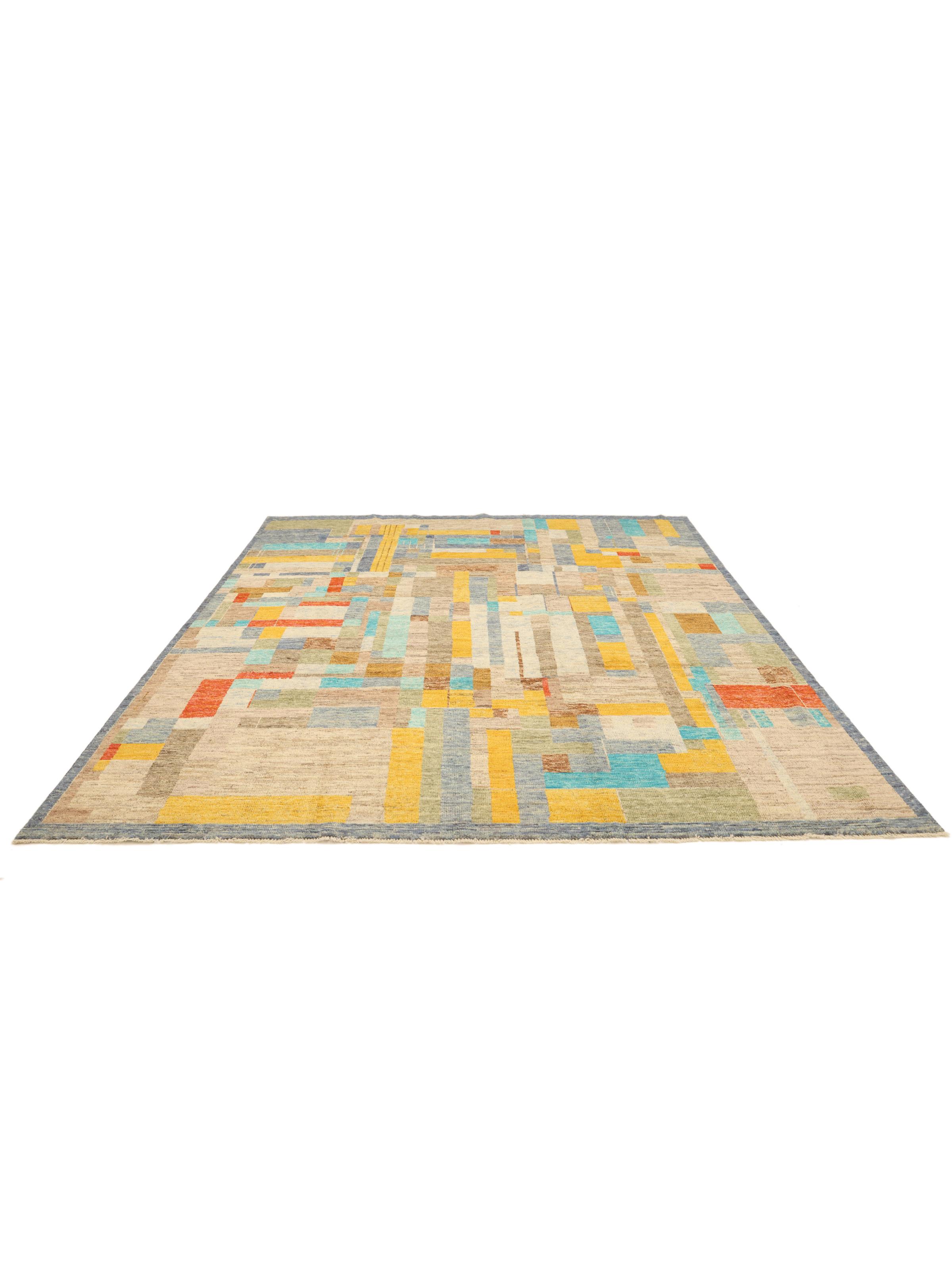
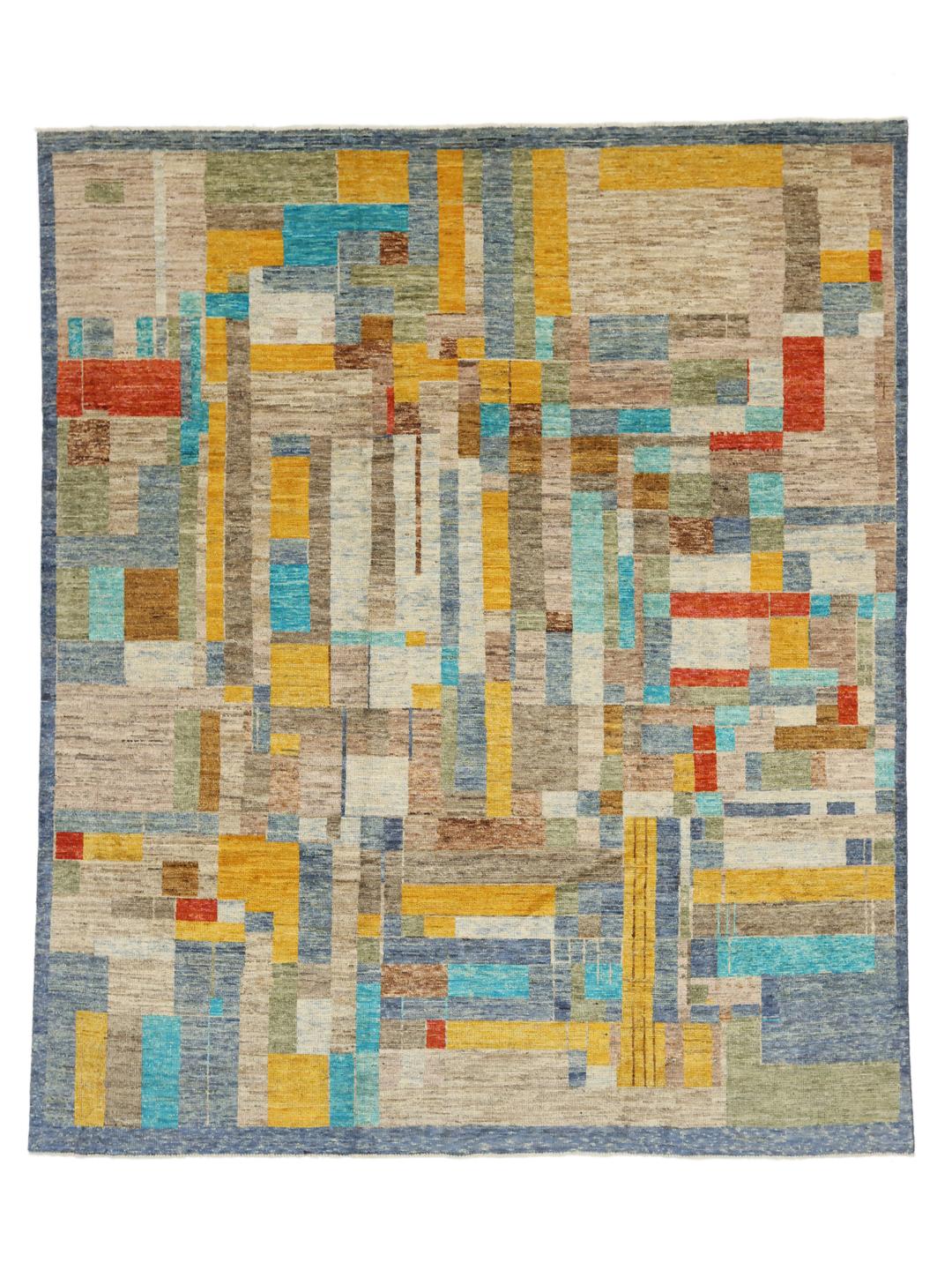
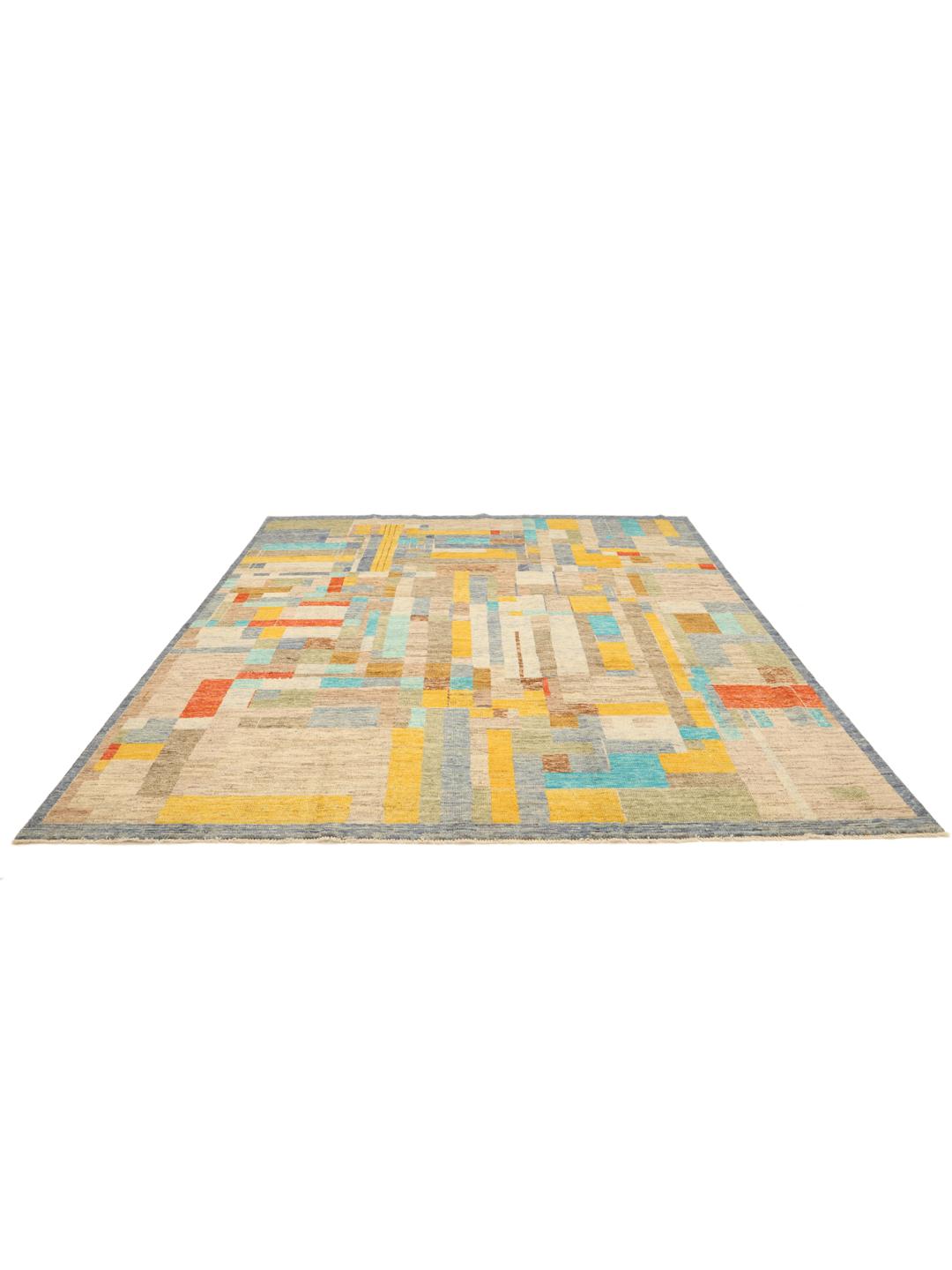
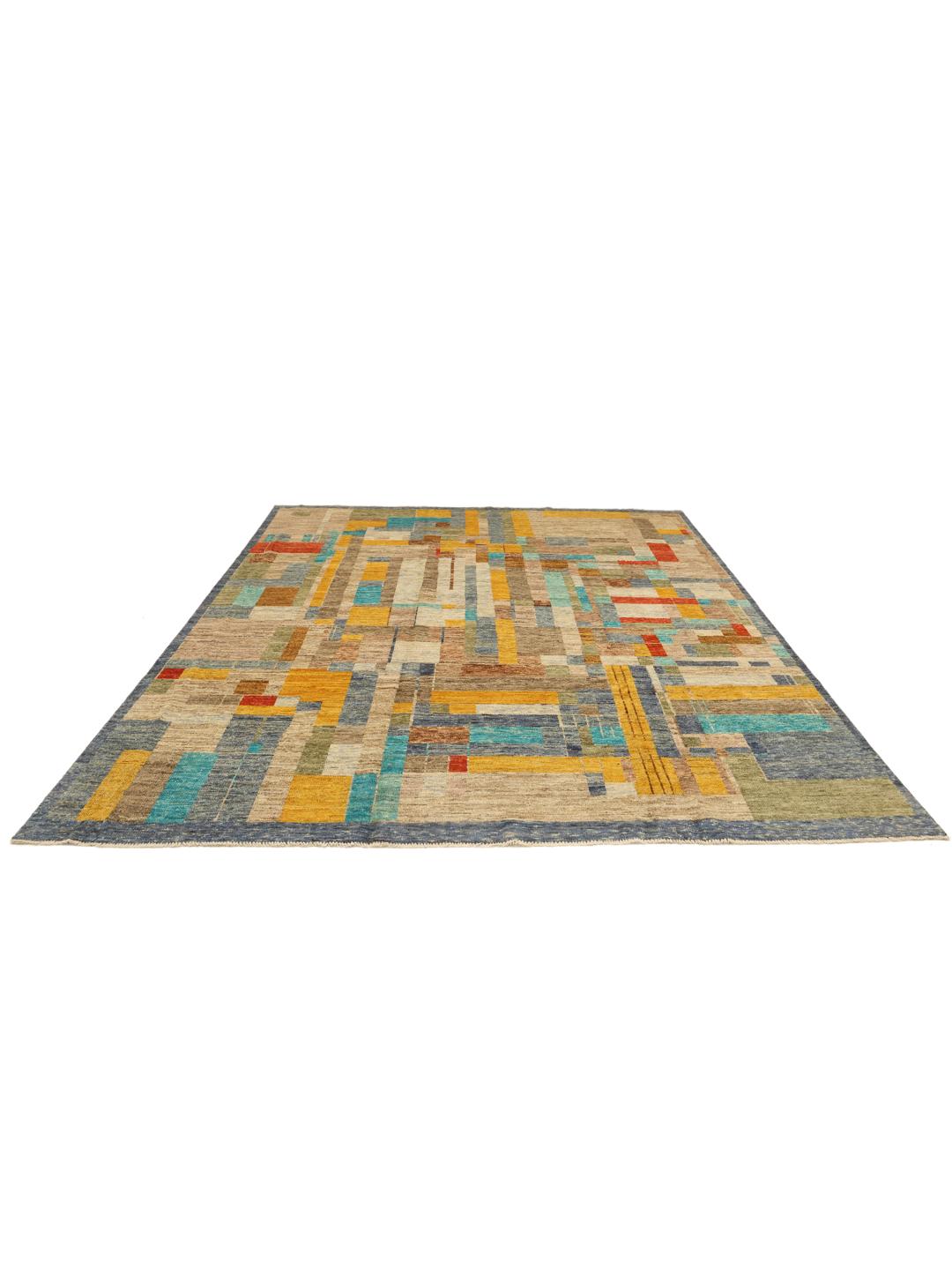
The Berber tradition, while historically rooted in the Atlas Mountains of North Africa, has inspired weavers across the globe to reinterpret its iconic geometric language. In the Middle East, this tradition has been adapted through a unique lens, blending ancient knotting techniques with modern design sensibilities. This cross-cultural dialogue has resulted in rugs that honour historical methods while embracing a fresh, artistic perspective.
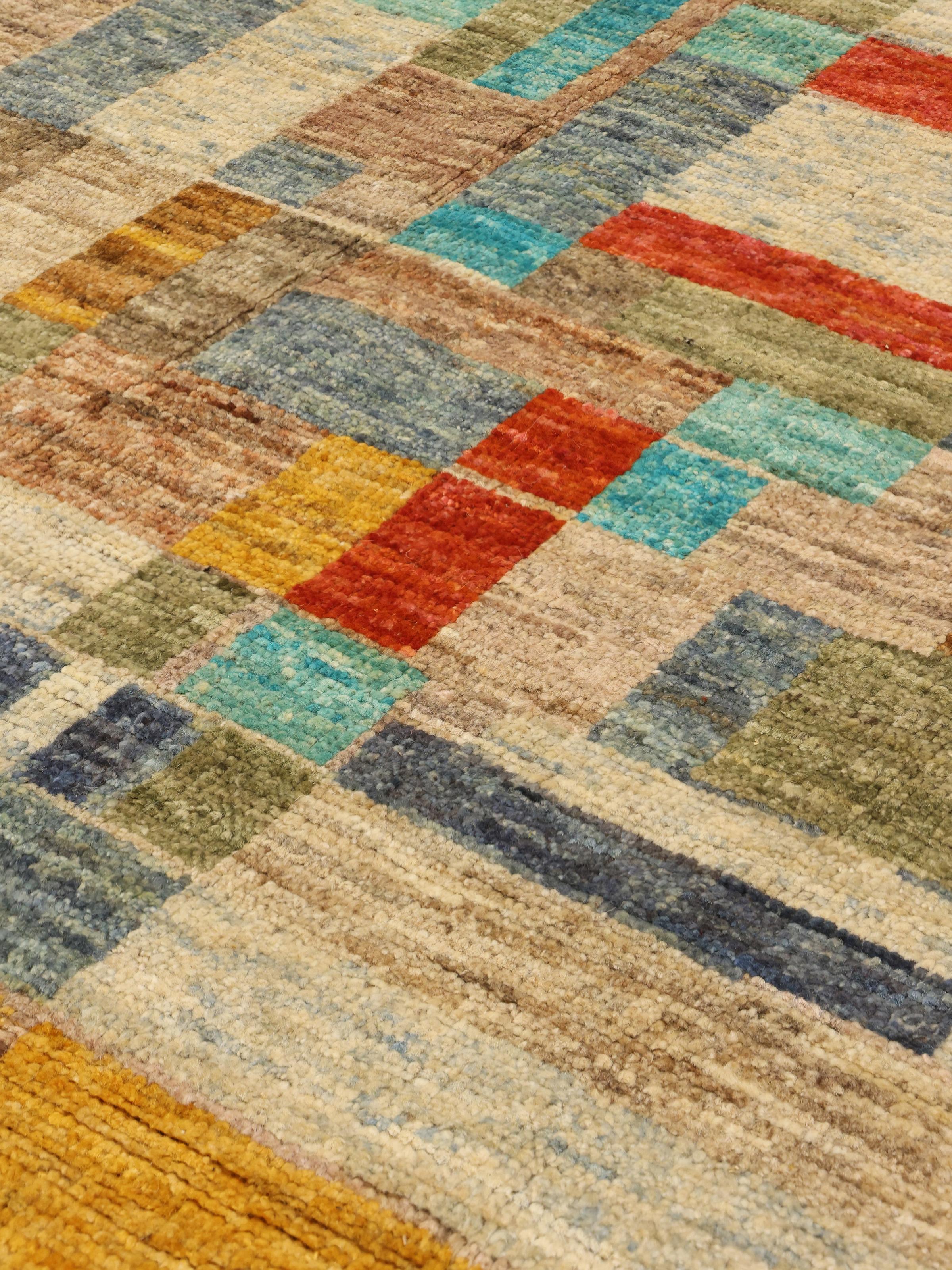
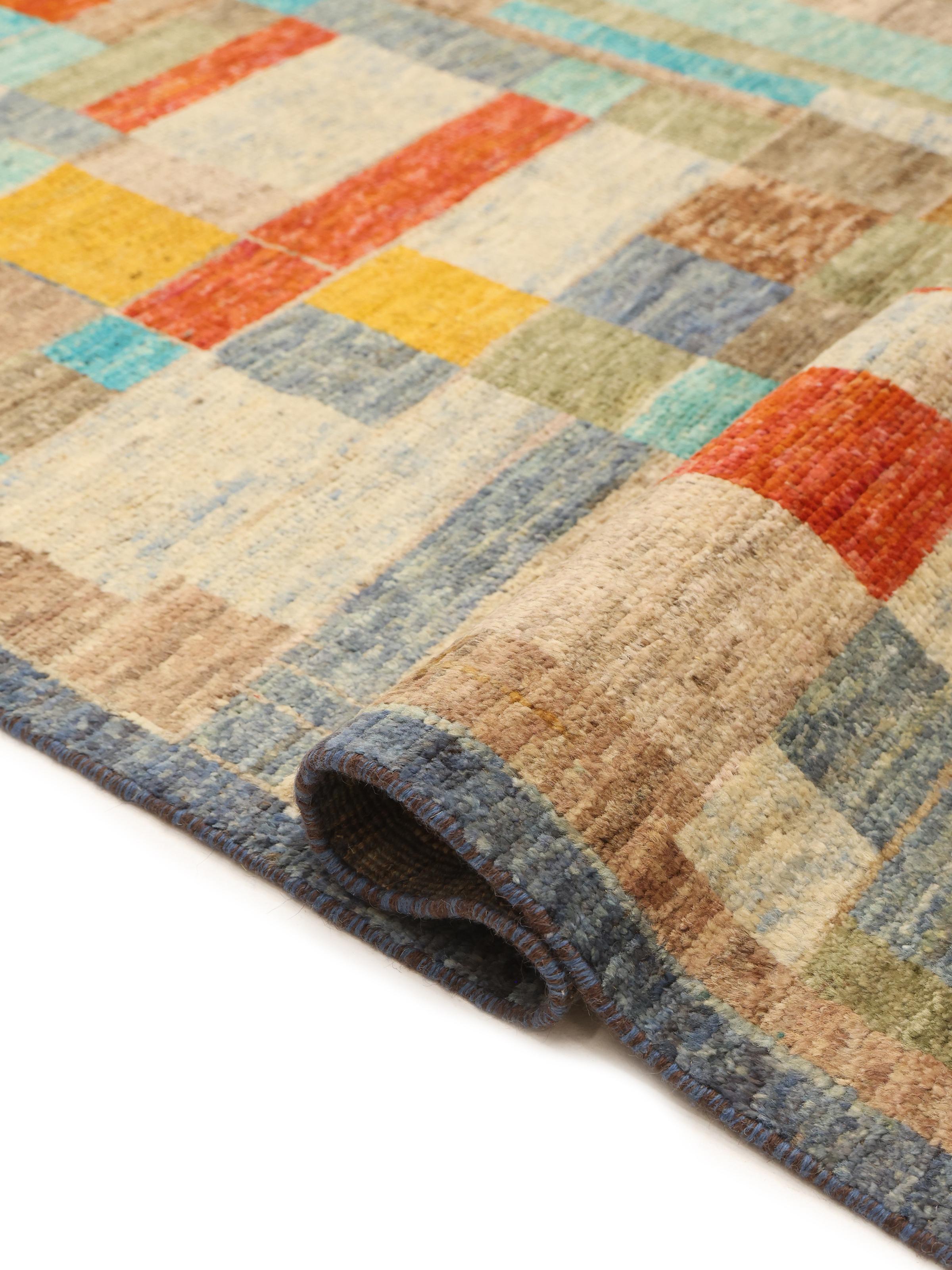
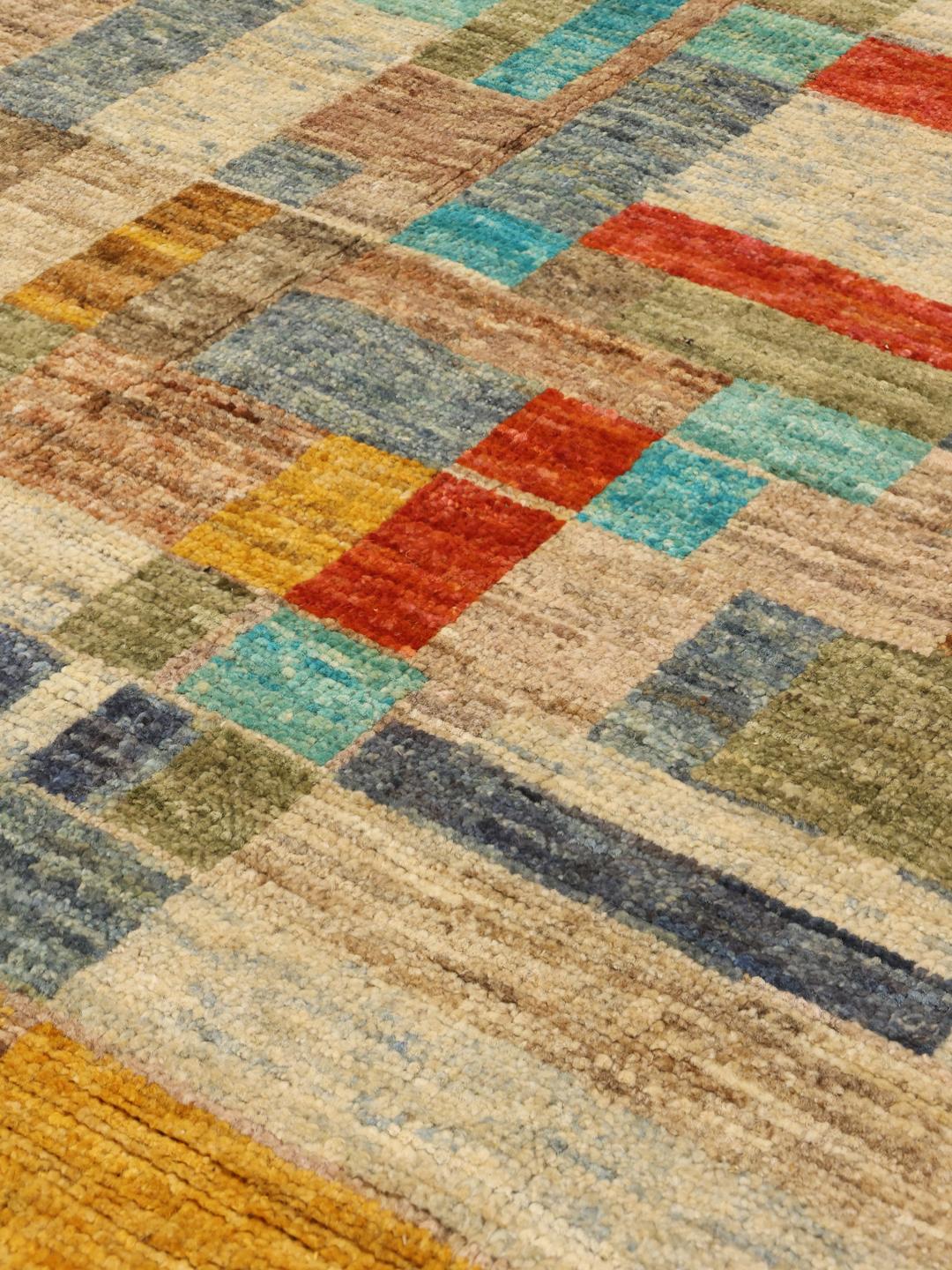
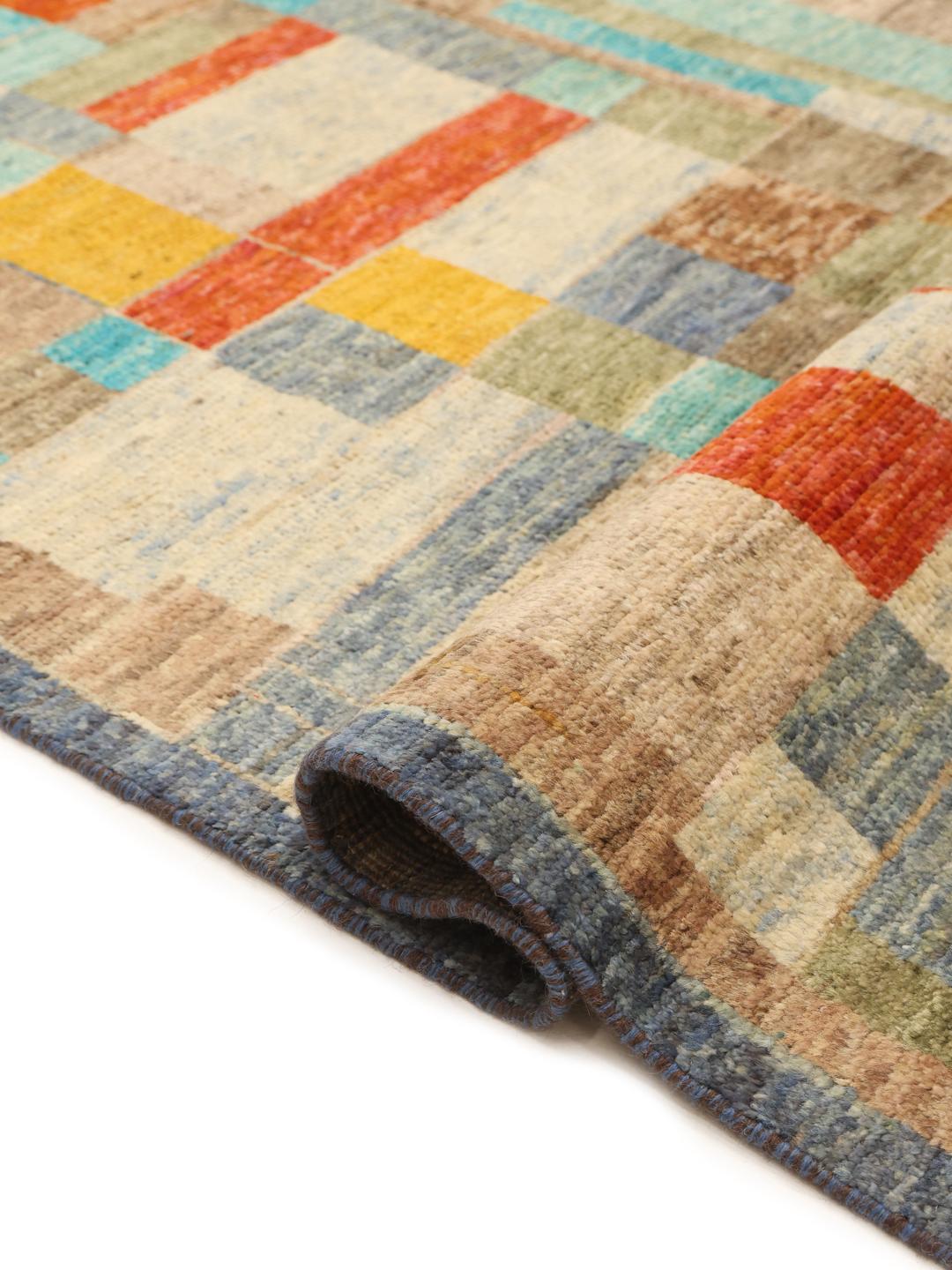
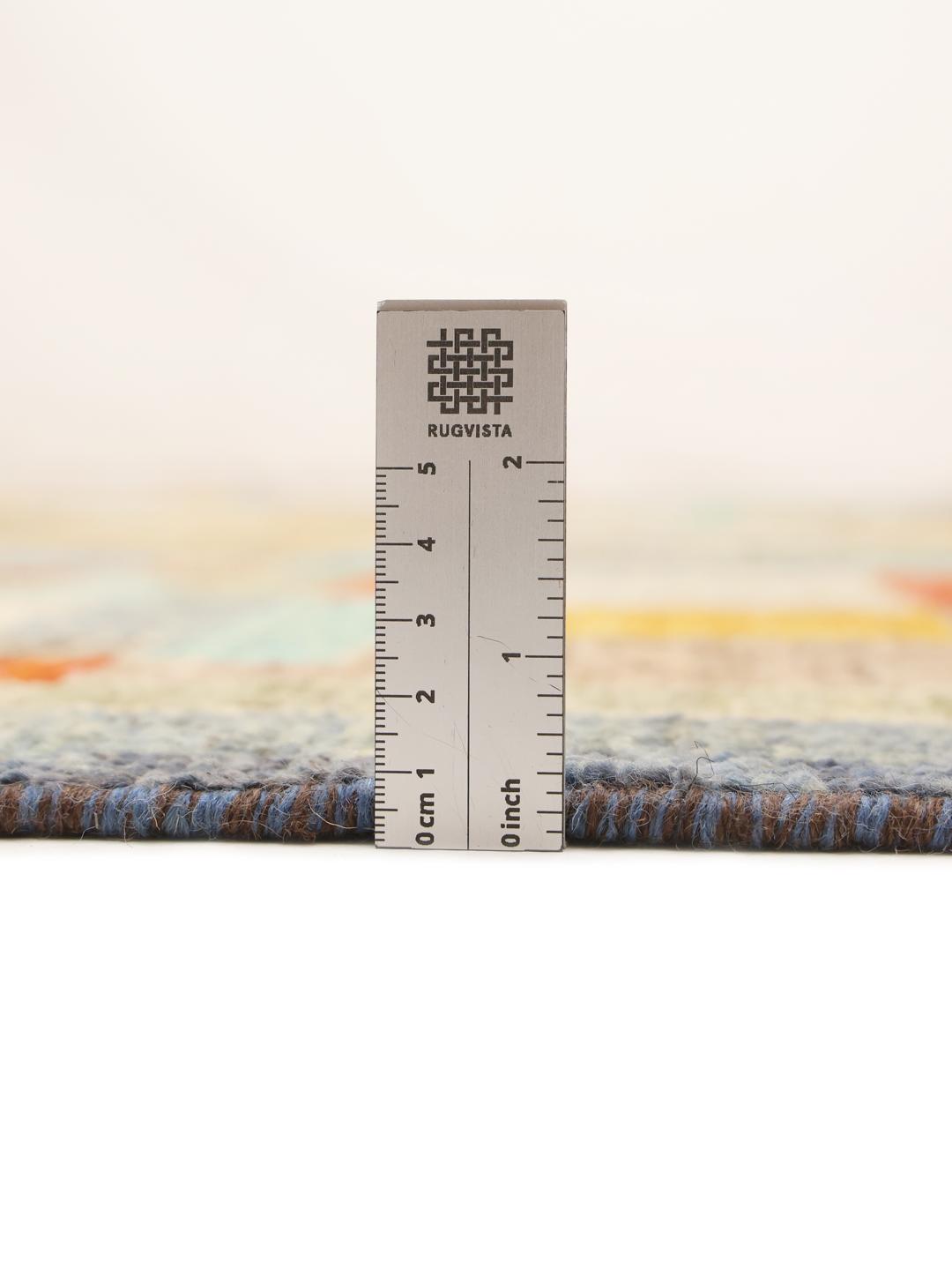
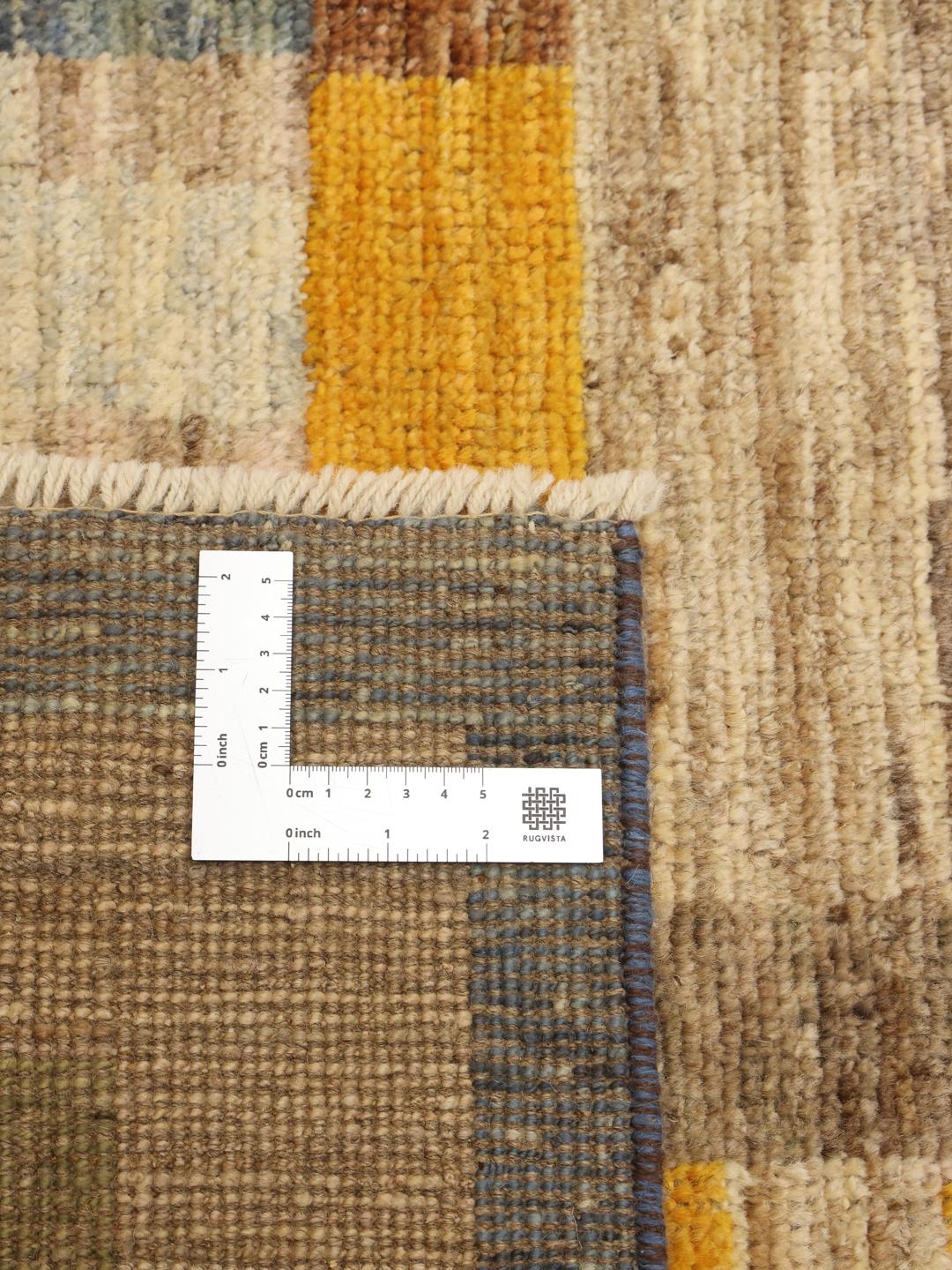
Technical mastery in rug making is defined by the tension and consistency of the knots. By using a hand-knotted technique, weavers ensure that every strand of wool is locked firmly into the foundation, creating a pile that is dense and luxurious. This method is essential for achieving the crisp lines and sharp transitions seen in this geometric design, as it allows for a level of detail that is physically impossible to achieve with faster, automated methods.
Signature elements of this style include a focus on geometric forms, often utilising a palette of earthy tones accented by bold, primary colours. These motifs are not merely decorative but represent a language of shapes that have been passed down through generations of artisans. The arrangement of these blocks creates a sense of movement, turning the floor into a gallery of abstract, hand-crafted shapes.
Collectors value these rugs for their combination of heritage and individuality. Owning a piece from this tradition is an act of supporting a craft that requires immense patience and skill. It connects your modern living space to a long history of human creativity, ensuring that your home is furnished with items that carry real cultural weight and lasting significance.