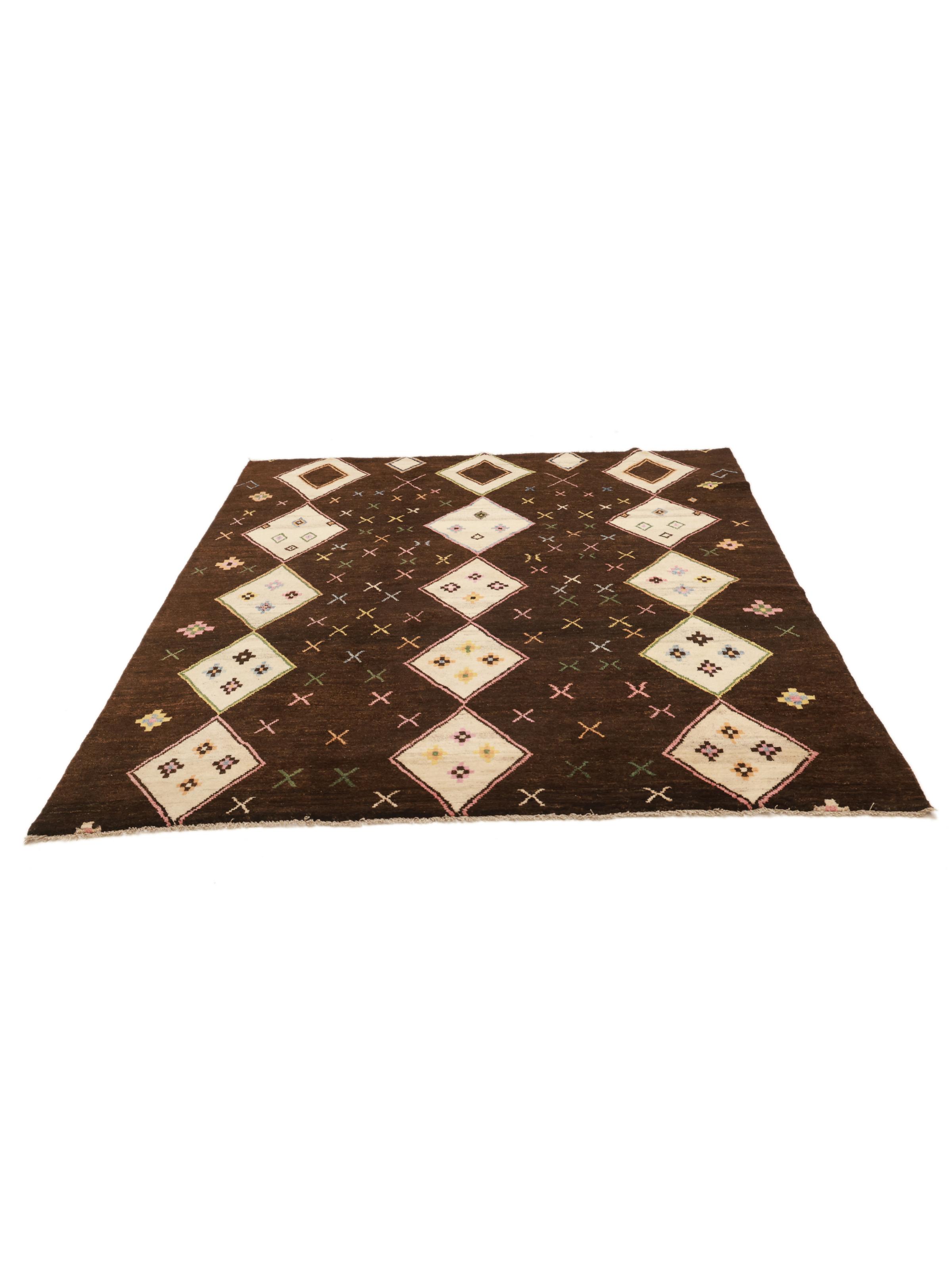
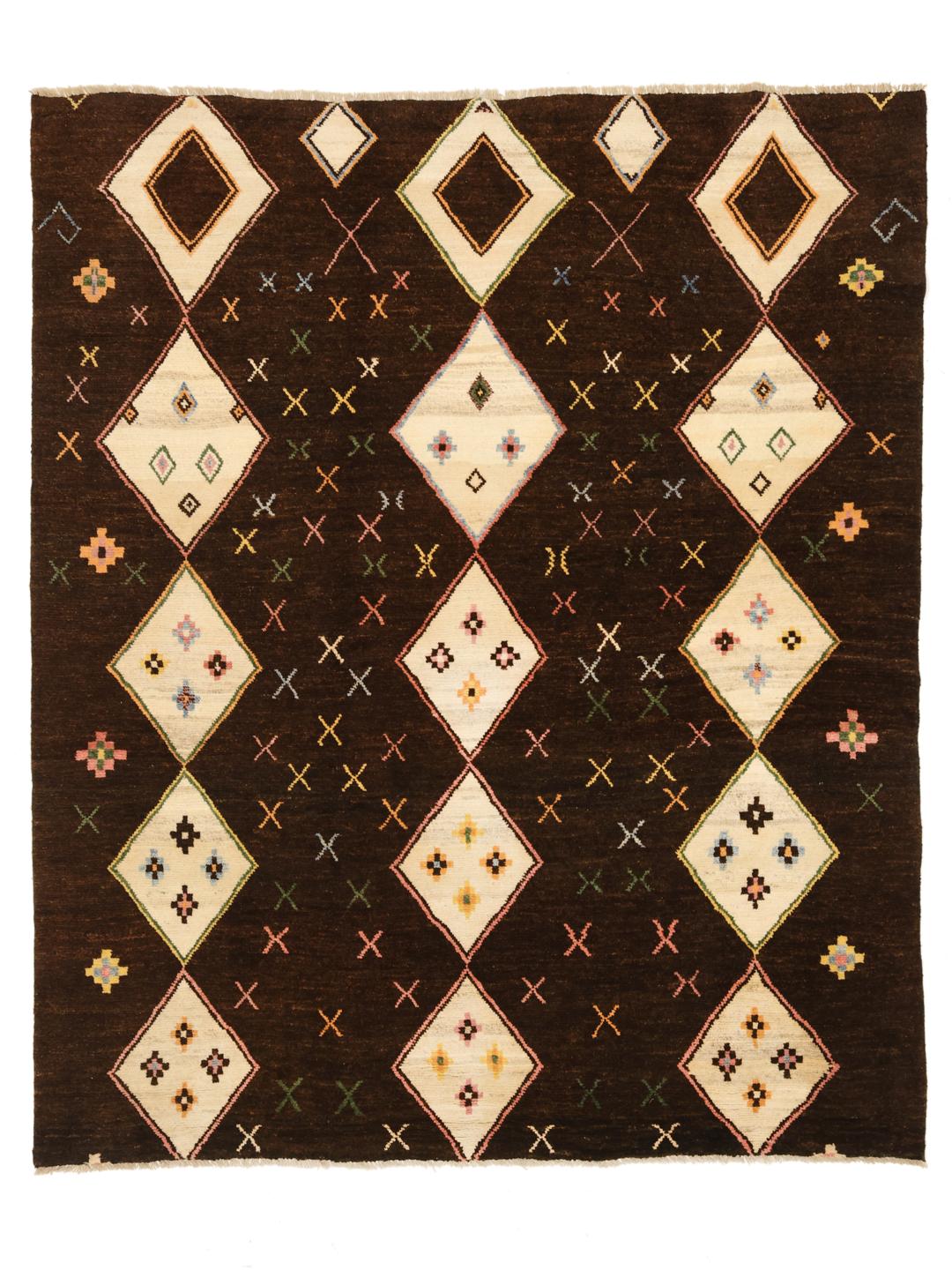
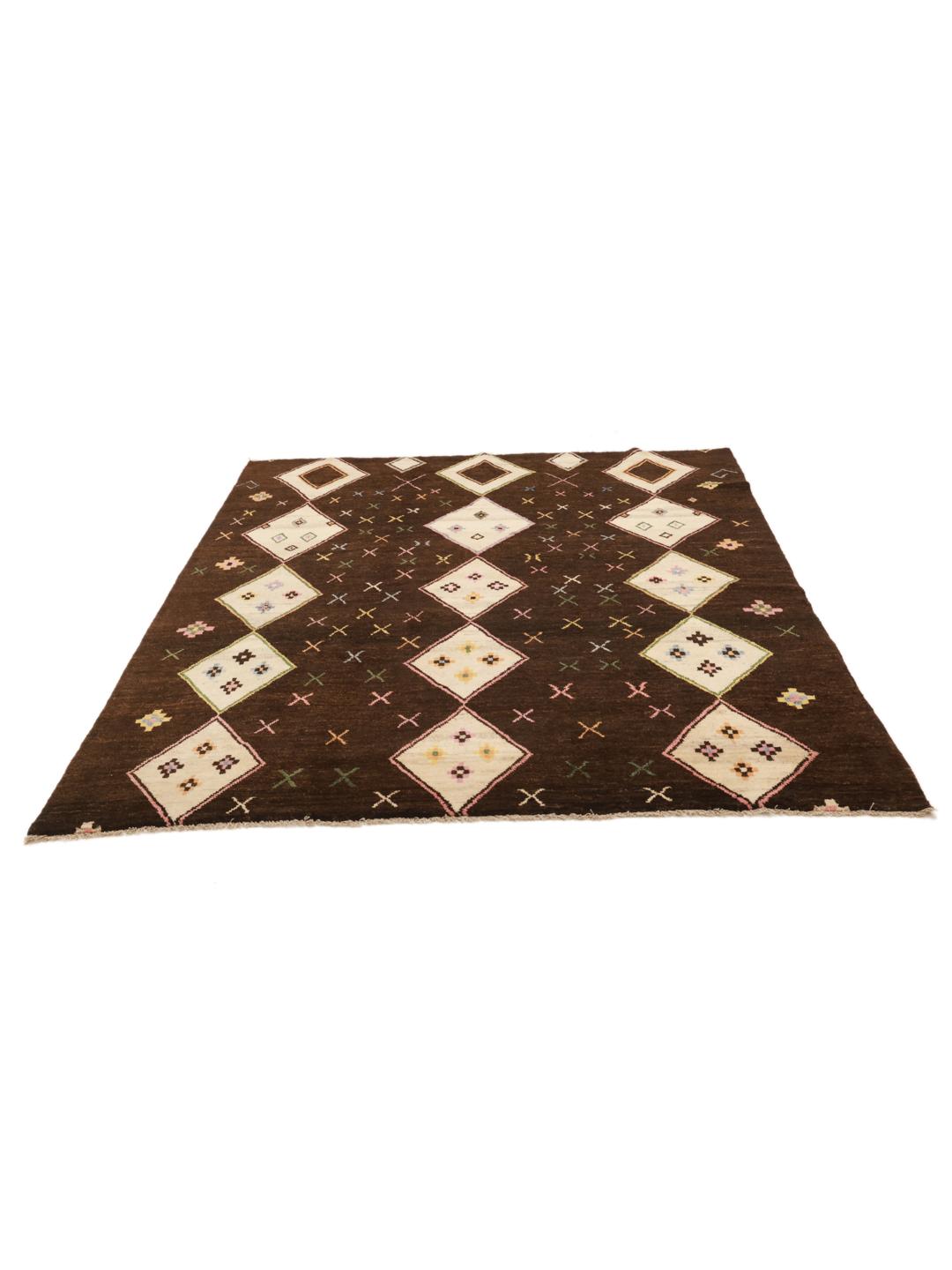
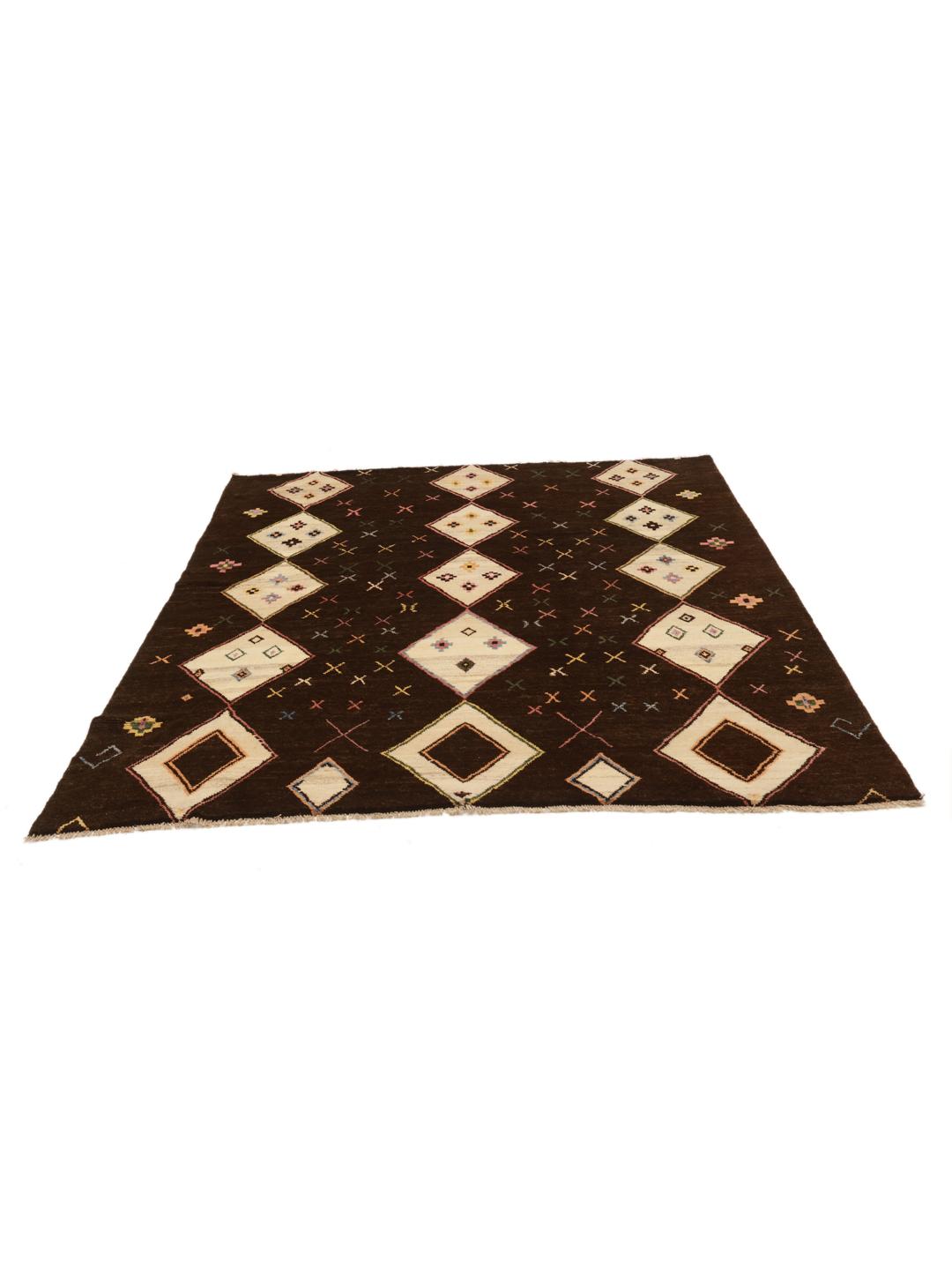
Berber-style rugs have a rich heritage that spans across diverse regions, originally inspired by the nomadic weaving traditions of North Africa. Over time, these styles have travelled and evolved, finding a home in the vibrant weaving communities of Afghanistan. Today, Afghan artisans bring their own local perspective to this style, blending traditional techniques with contemporary colour palettes and motifs.
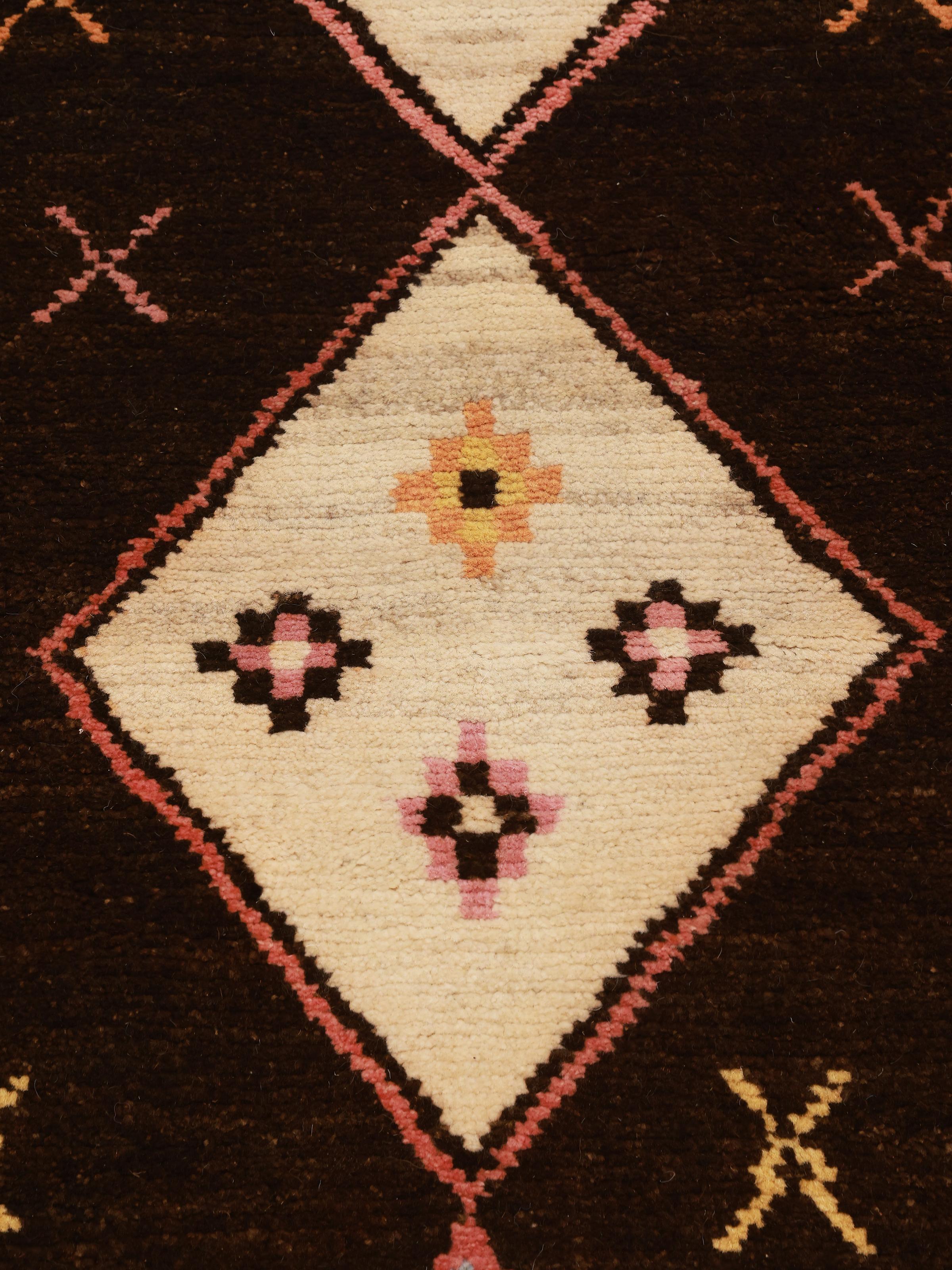
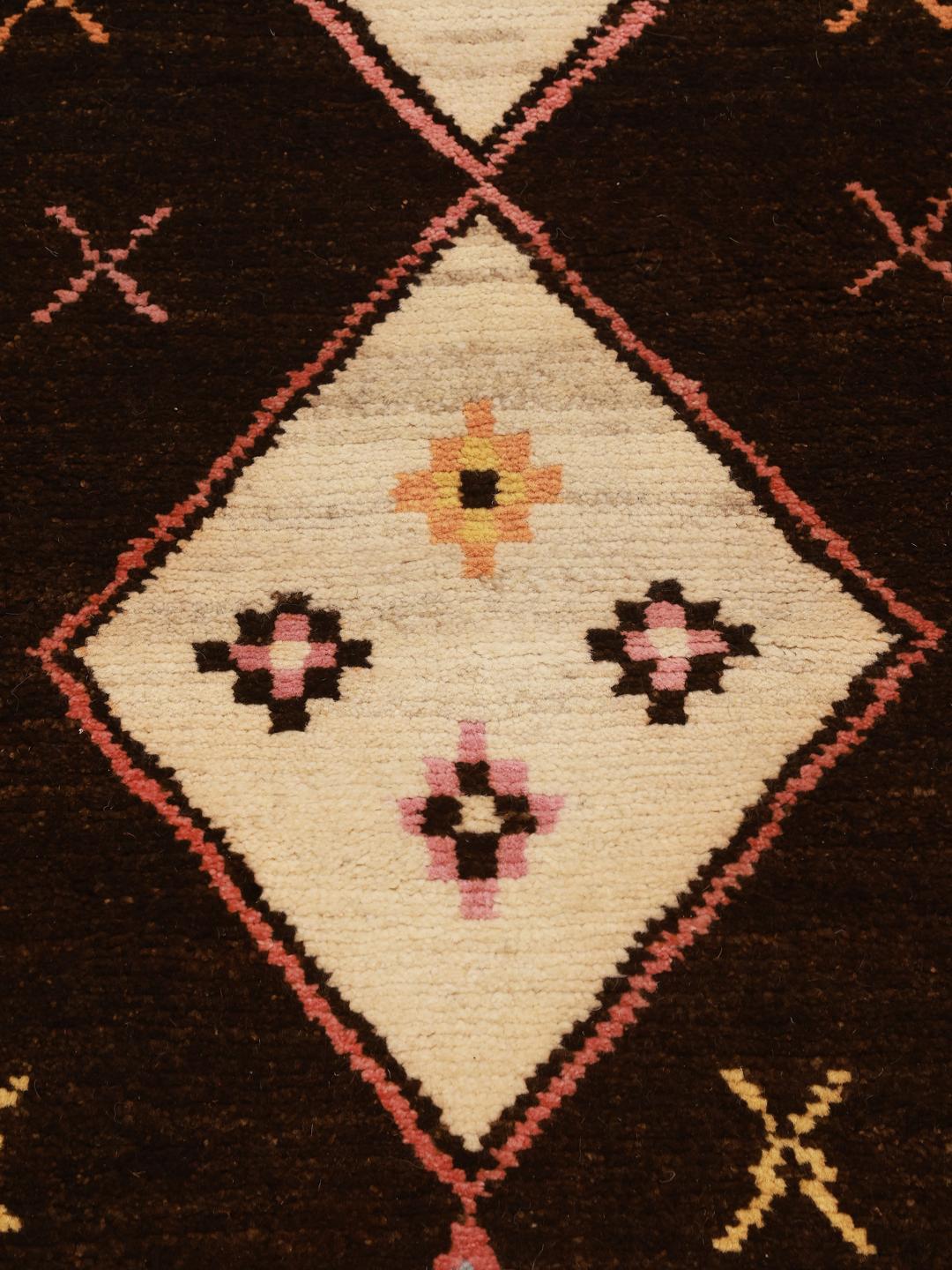
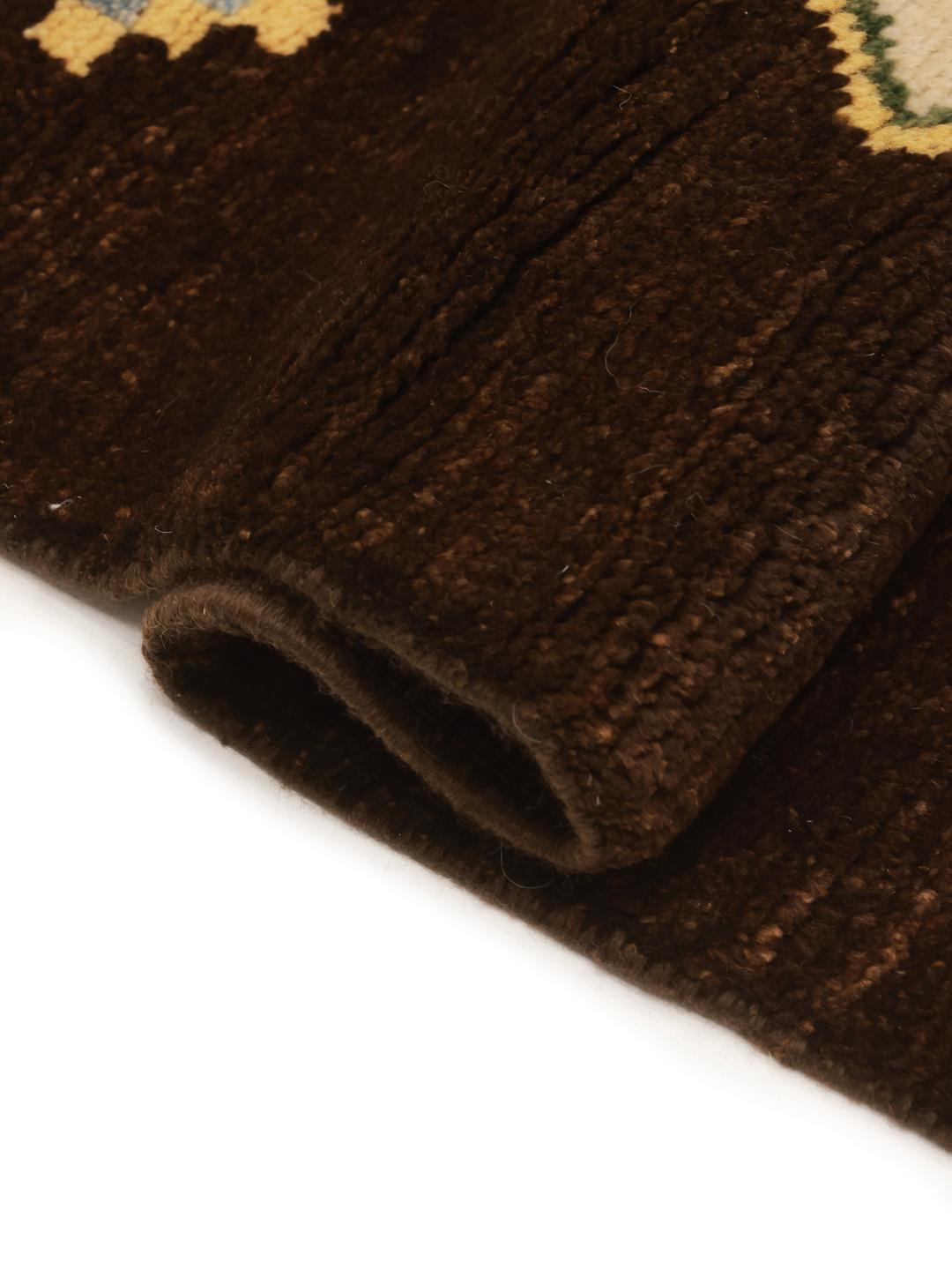
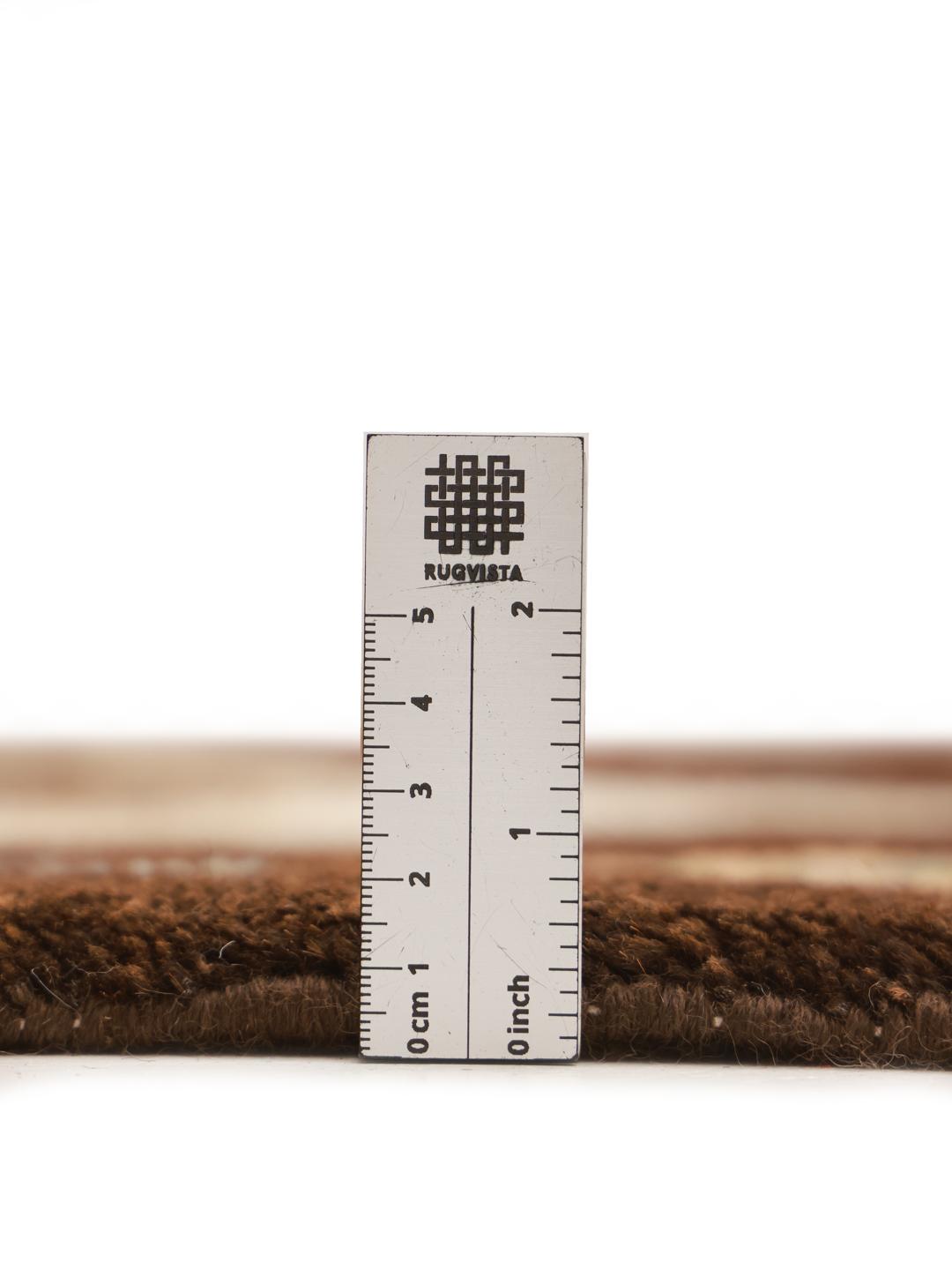
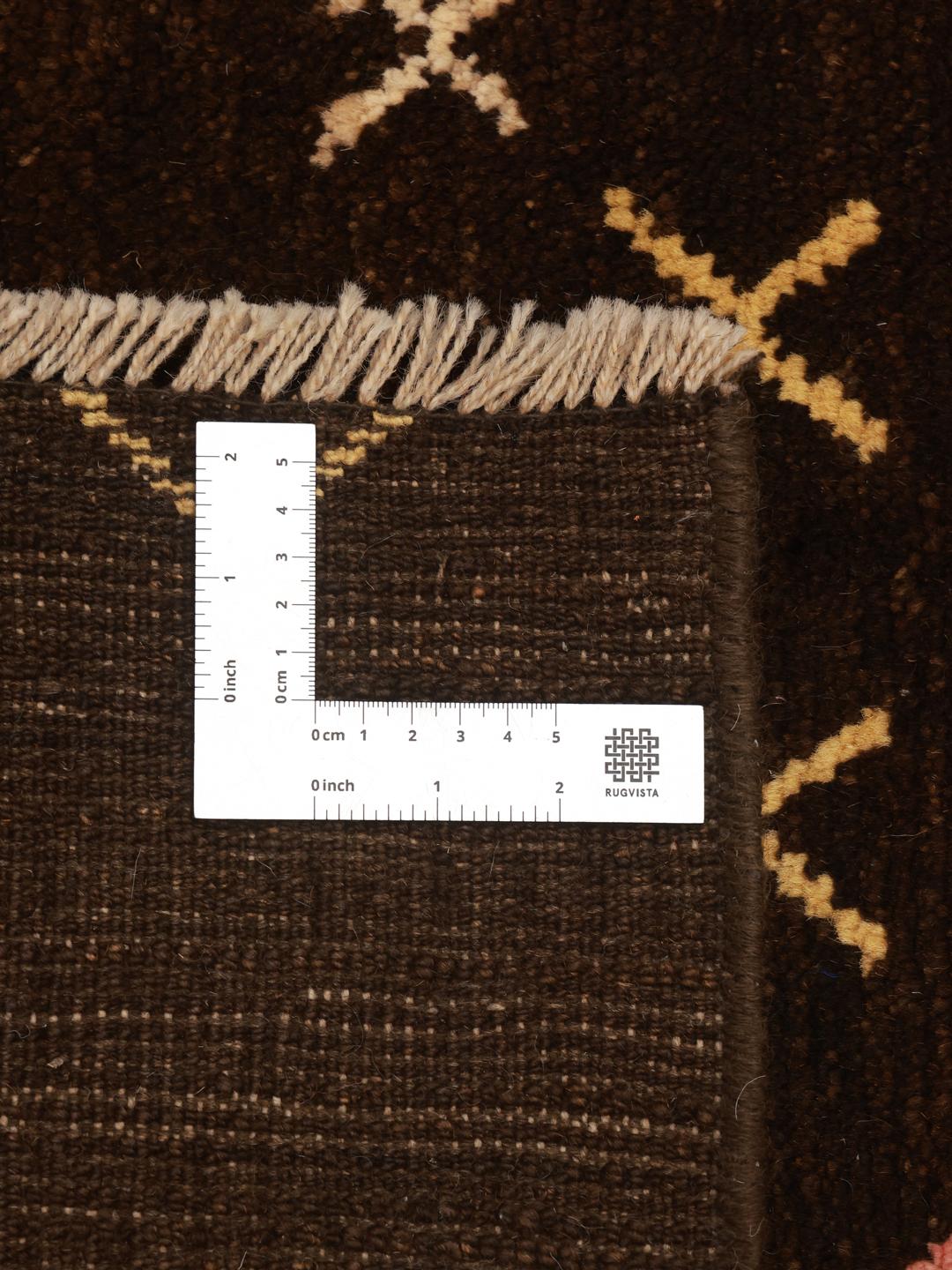
The term hand-knotted refers to the time-honoured method of securing individual strands of wool onto a warp foundation. This technique is the hallmark of high-quality rug making, as it allows for intricate designs and a durable, dense pile that stands up to heavy foot traffic. The result is a rug that feels luxurious underfoot and maintains its structural integrity over decades of use.
Visually, this tradition is defined by its bold geometric language. The diamond motif is a central element, often symbolising protection or fertility in various cultural contexts. The inclusion of small, scattered cross symbols and vibrant, contrasting colours is a hallmark of this specific design evolution, breaking away from stricter, more formal patterns to favour a more artistic and expressive aesthetic.
Collecting a rug from this tradition is an investment in cultural continuity. These pieces are valued not just for their utility as floor coverings, but as artefacts of human skill and regional storytelling. Owning such a rug signifies an appreciation for the slow, intentional process of hand-crafting, ensuring that traditional methods remain vibrant and relevant in modern homes.