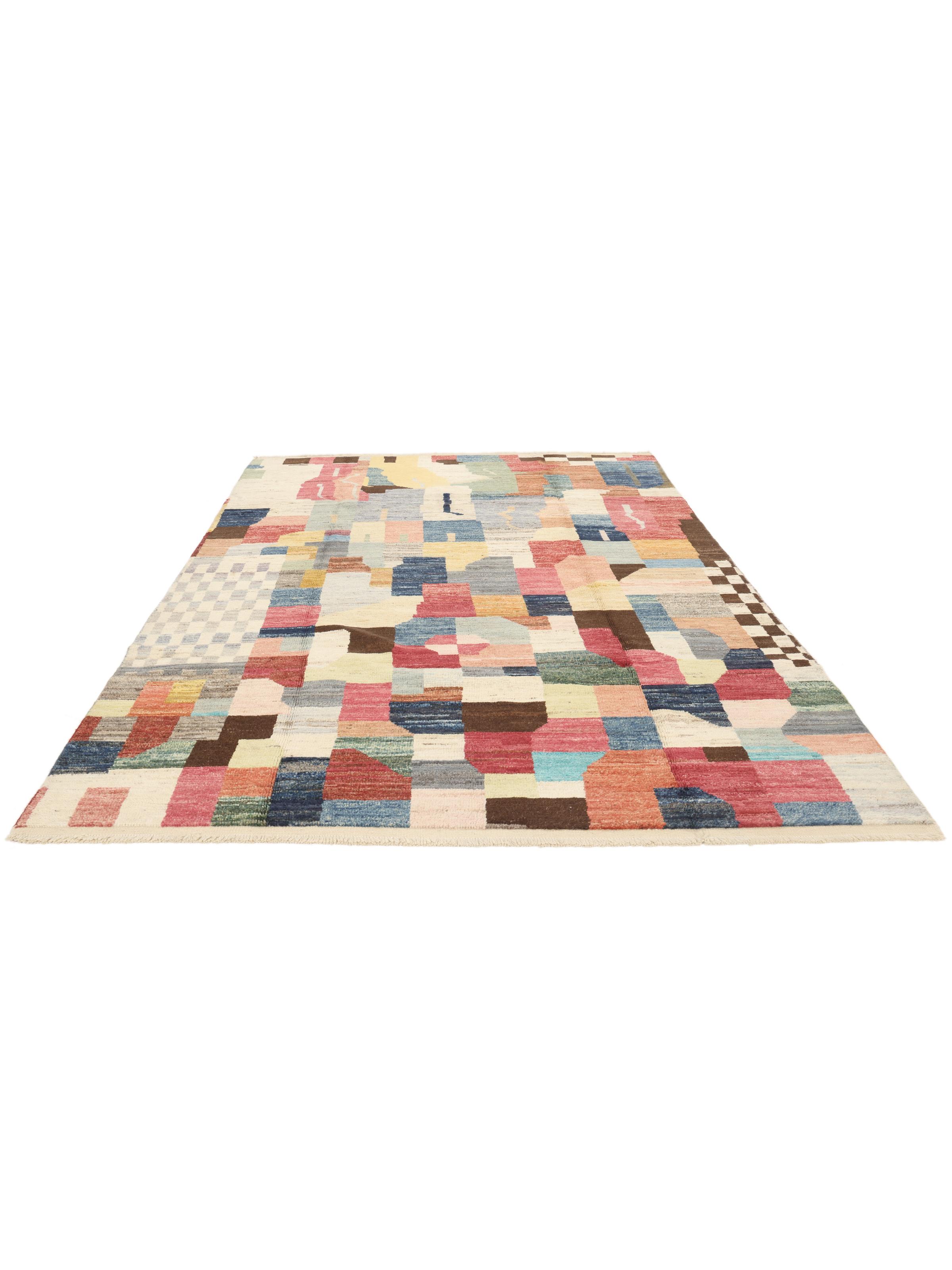
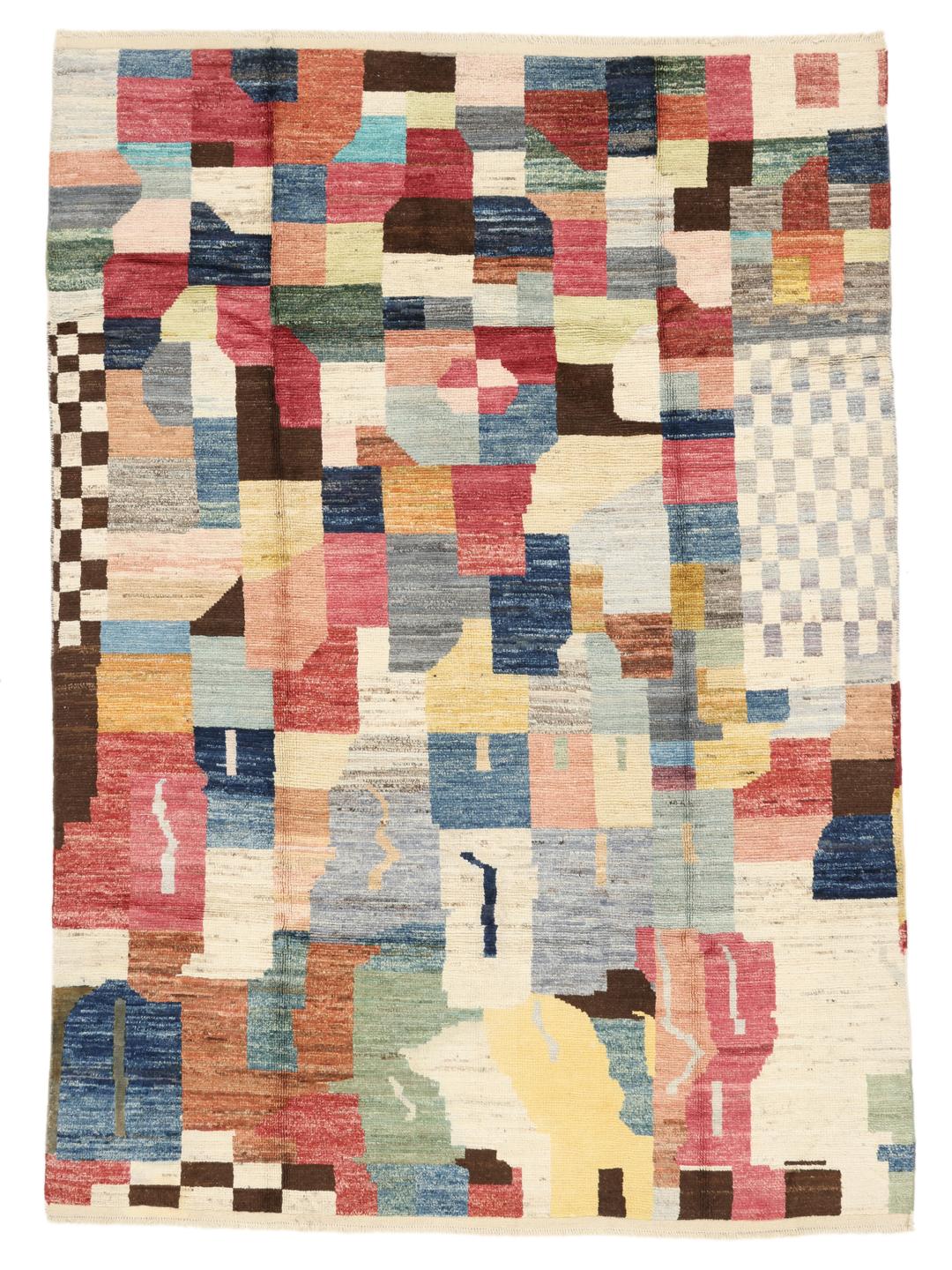
Berber rugs are traditionally associated with the nomadic tribes of North Africa, known for their thick, hand-knotted wool and geometric, often symbolic designs. Over time, these weaving traditions have travelled and evolved, finding a home in the workshops of Afghanistan, where artisans bring their own local expertise and cultural heritage to the style.
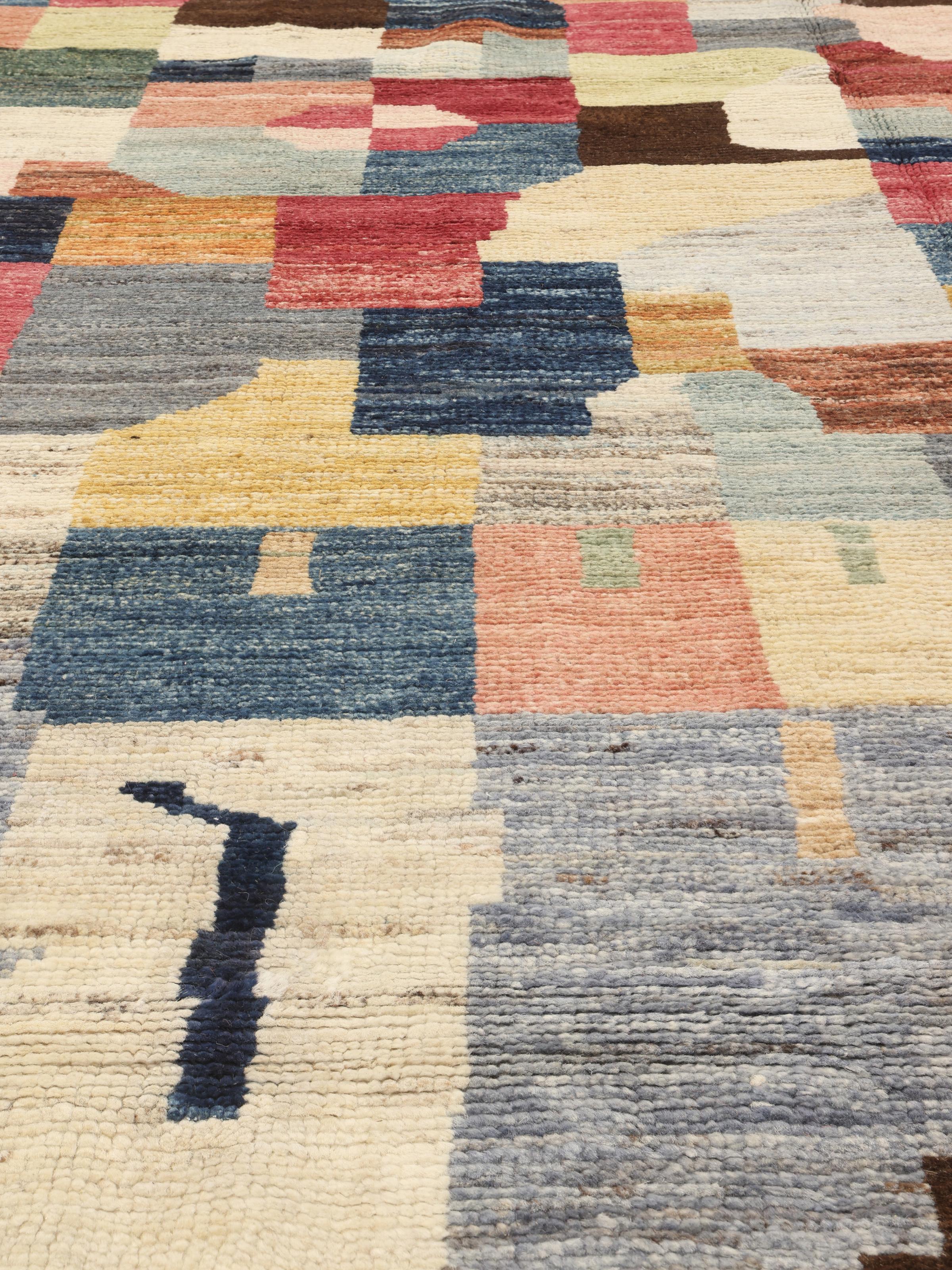
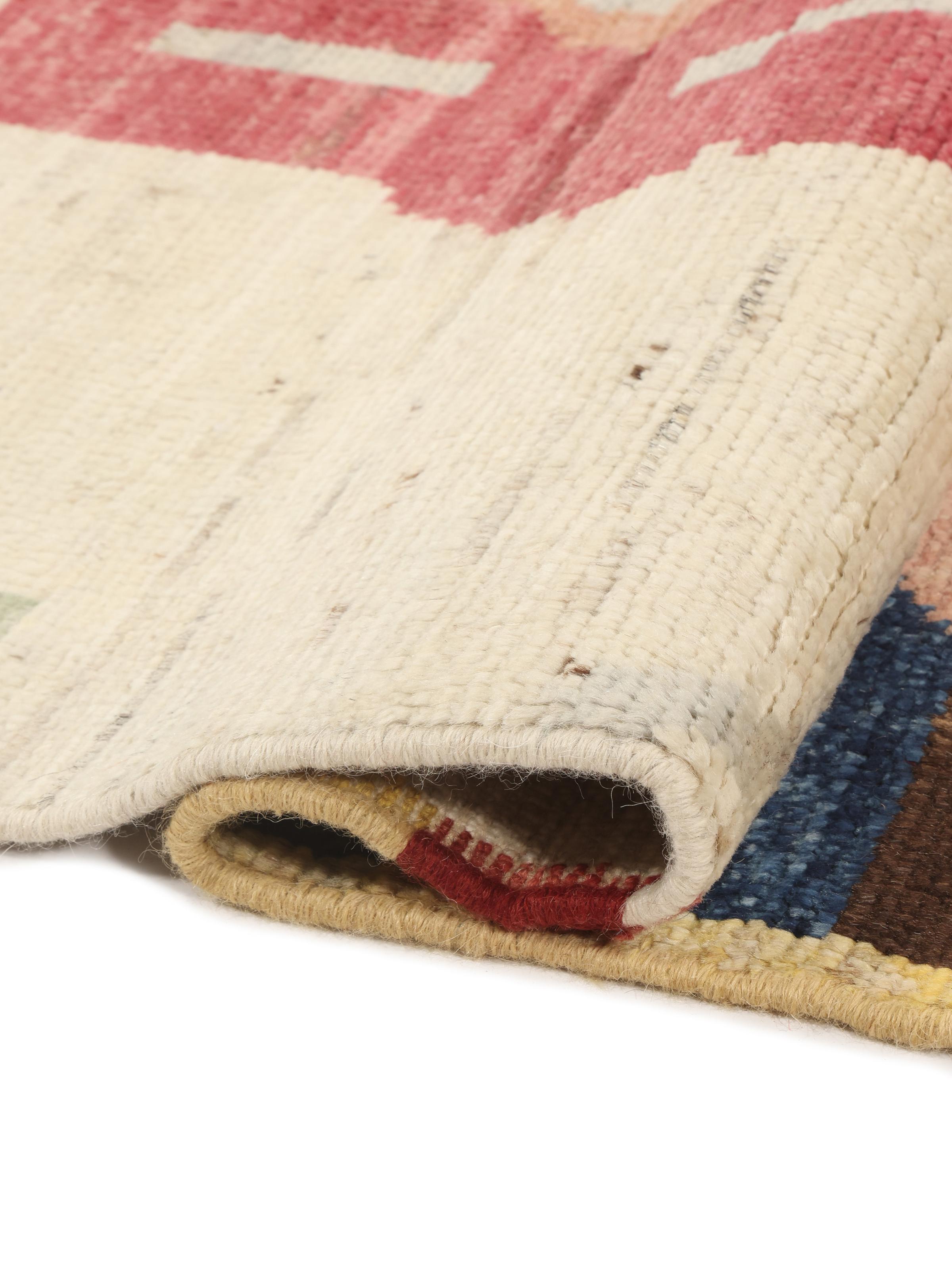
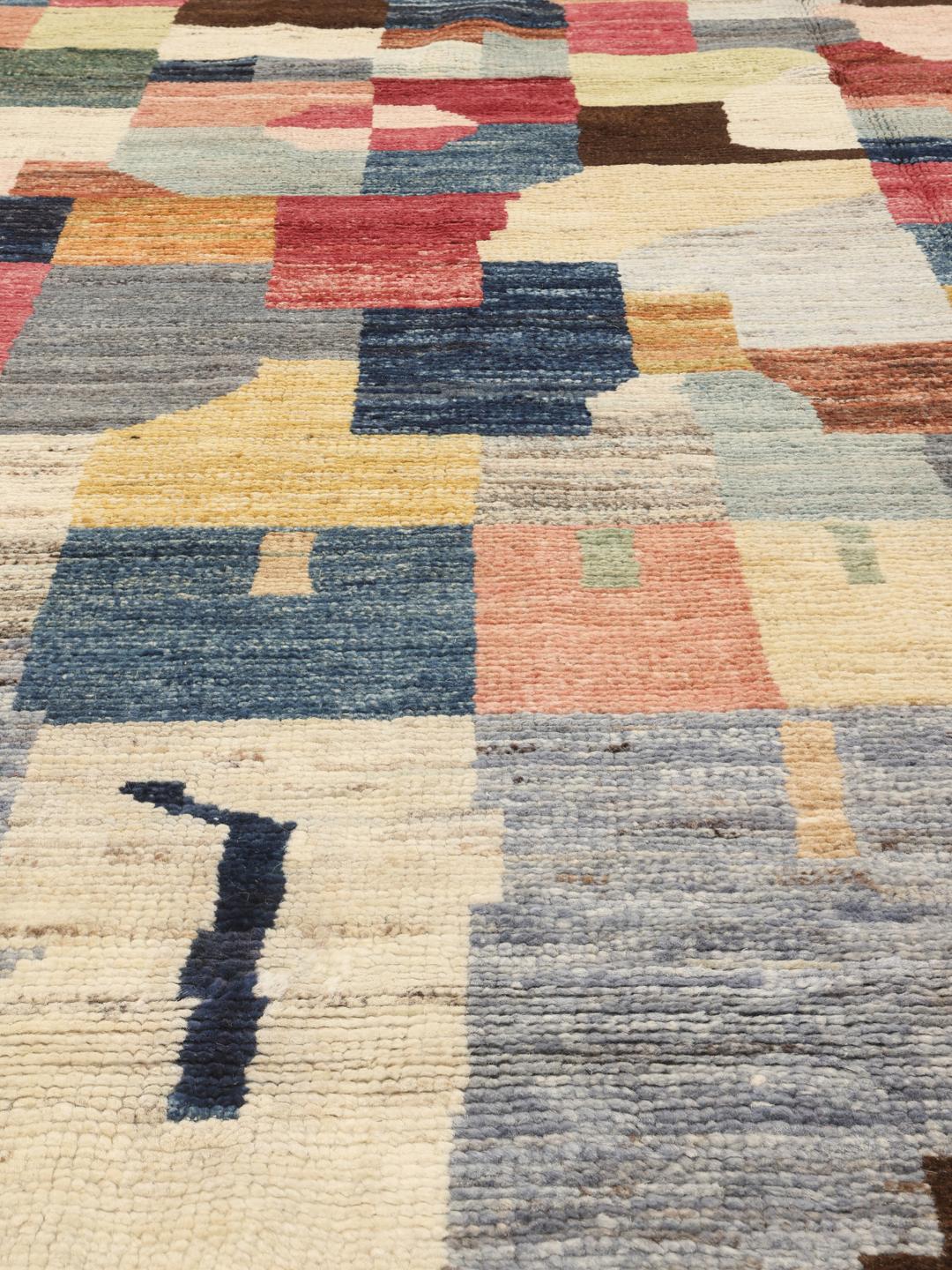
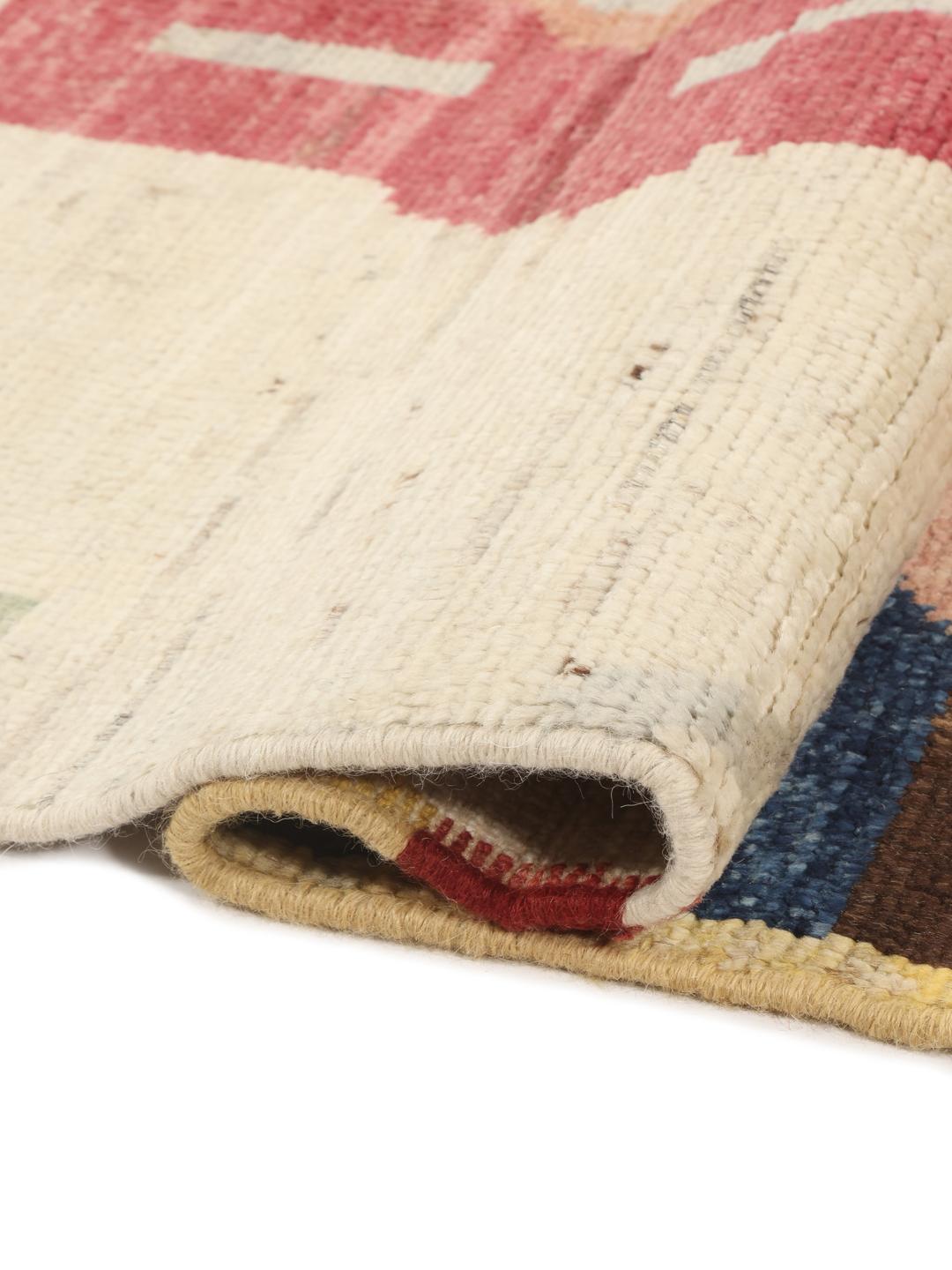
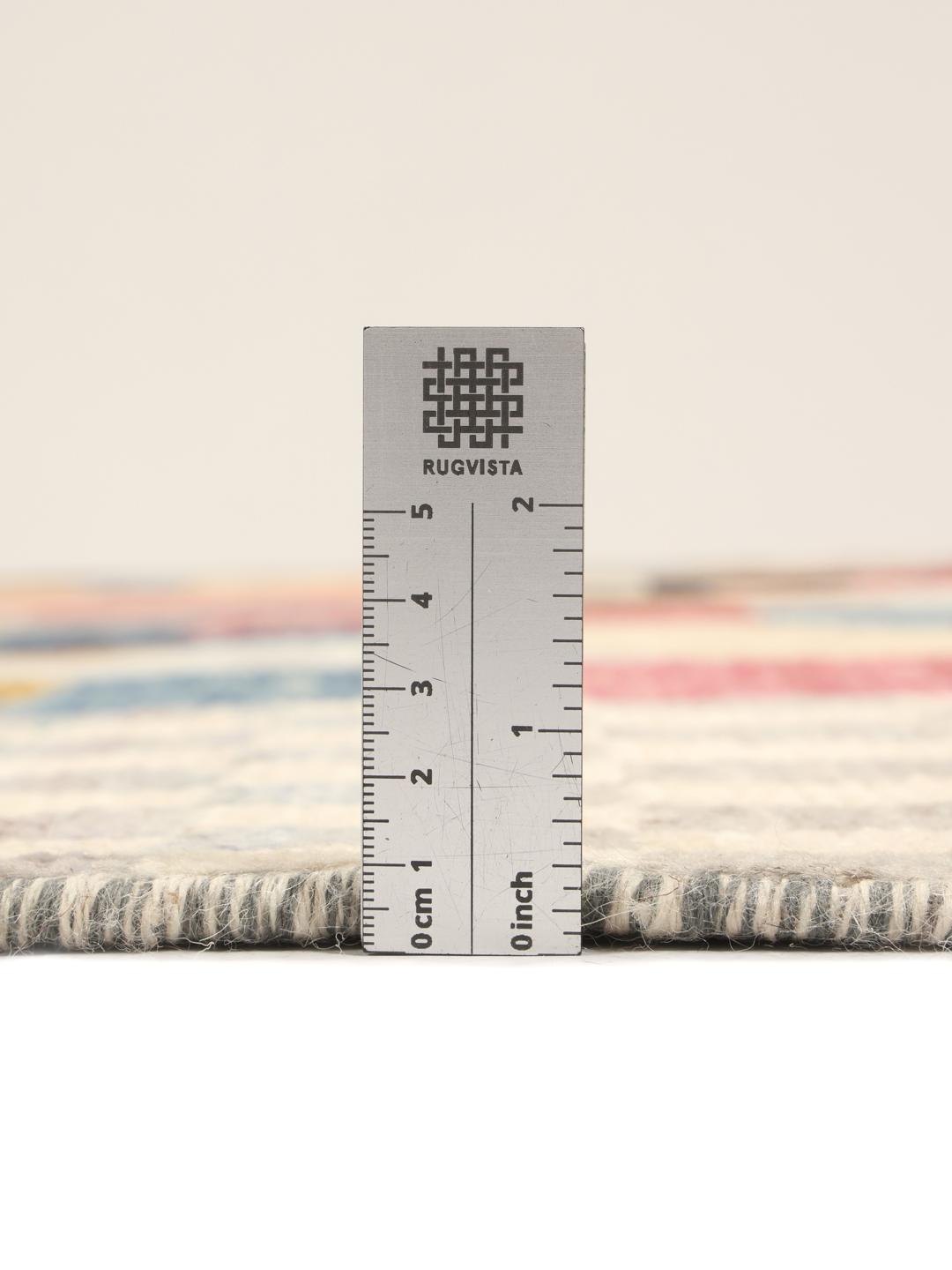
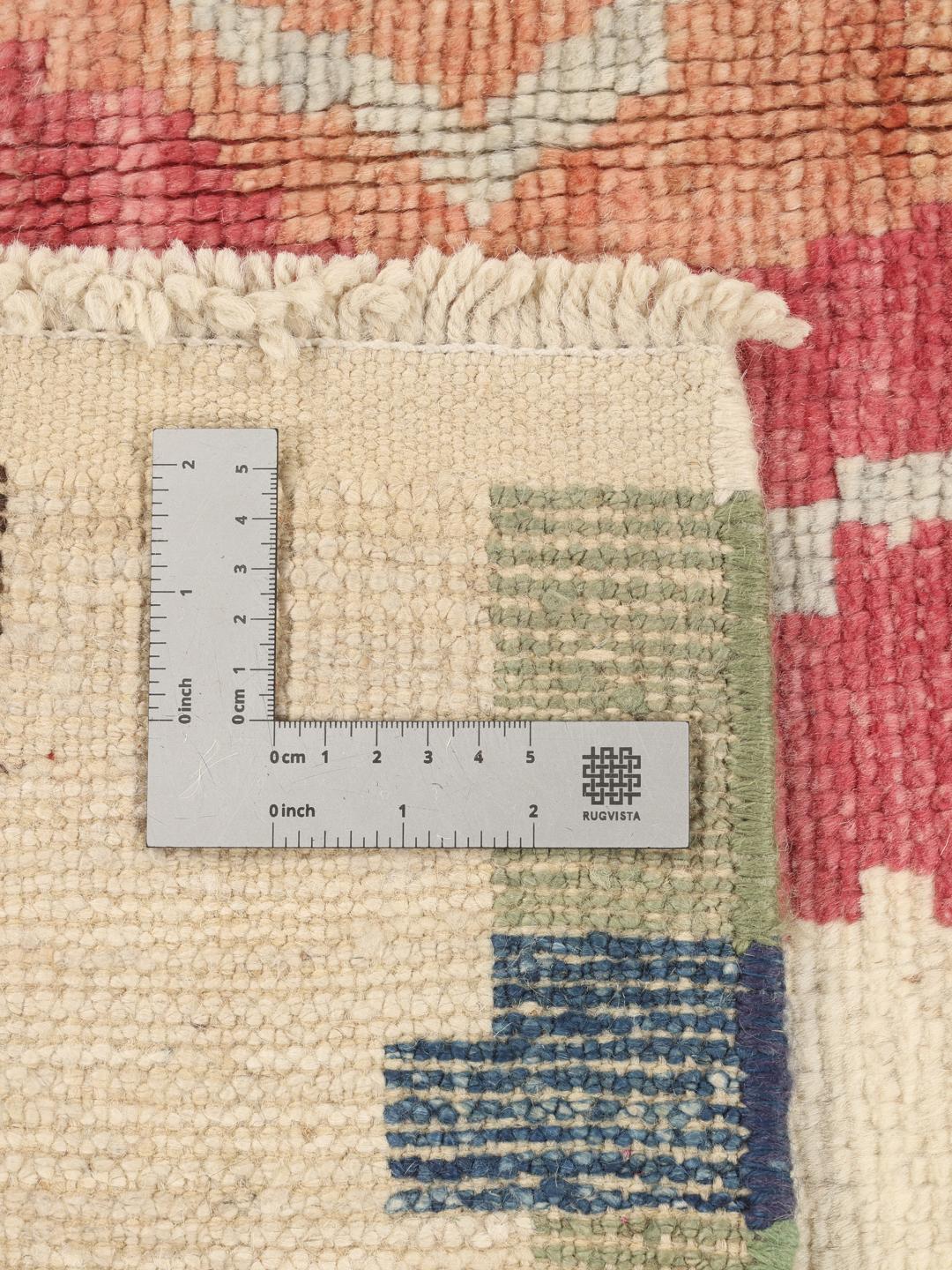
The term 'hand-knotted' refers to the age-old technique of tying individual knots of wool onto a warp and weft foundation. This method is the hallmark of high-quality rug making, as it creates a dense, durable pile that is built to withstand generations of use. For the collector, this construction is a sign of authenticity and a testament to the skill required to maintain consistency across a large, complex design.
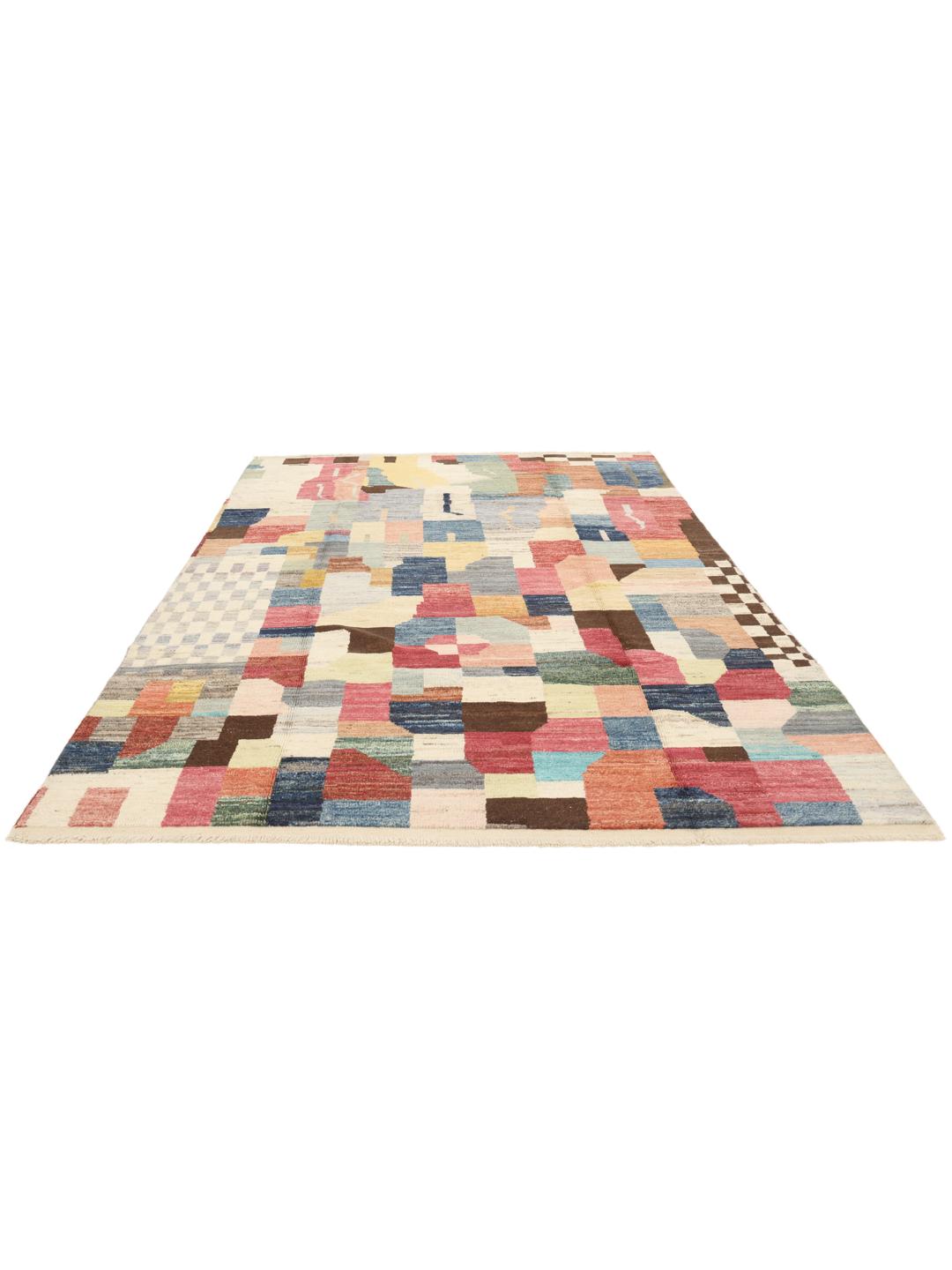
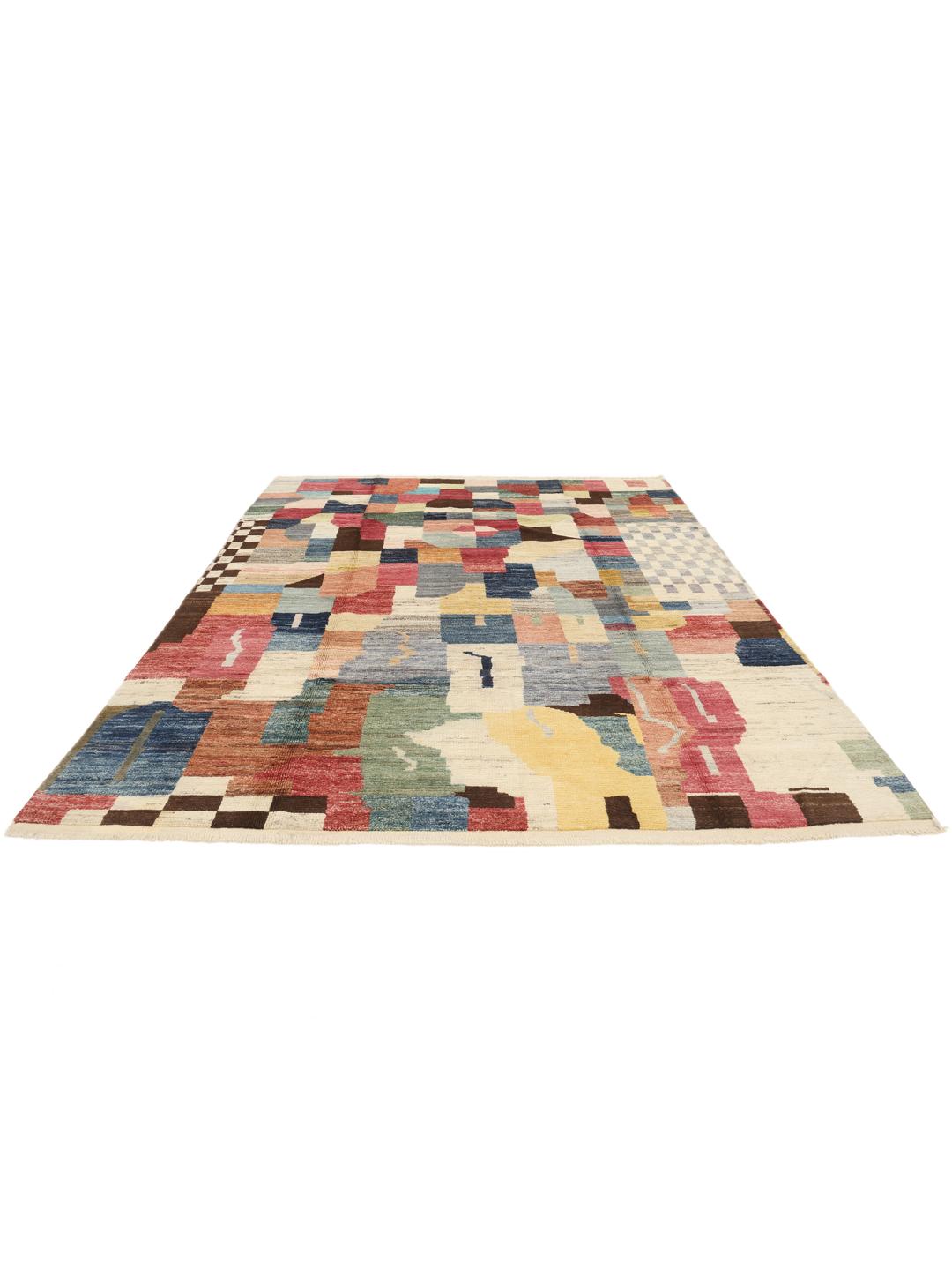
Visually, these rugs are defined by their expressive use of colour and pattern. While traditional Berber rugs often featured neutral tones and simple, lozenge-shaped motifs, modern interpretations like this one embrace a more vibrant, patchwork aesthetic. This allows the rug to act as a contemporary piece of art, where the interplay of different shades and blocks of colour creates a sense of movement and energy.
Owning a hand-knotted rug from this tradition is an investment in cultural history and personal style. These pieces are highly valued by collectors because they represent a marriage of human skill and artistic vision that is rare in today's world of mass production. By acquiring this rug, you are not just covering a floor, but honouring a craft tradition that has been passed down through centuries.