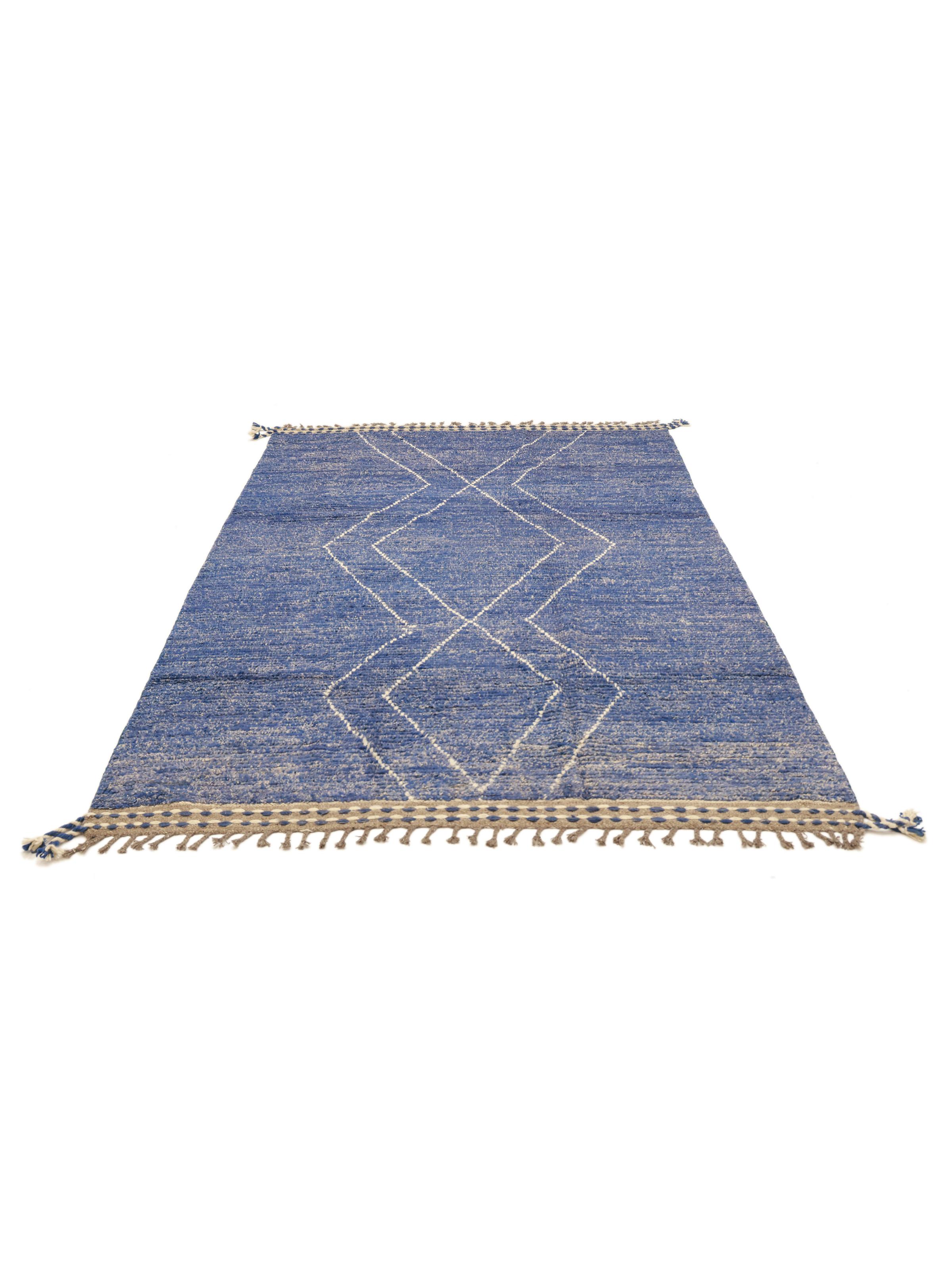
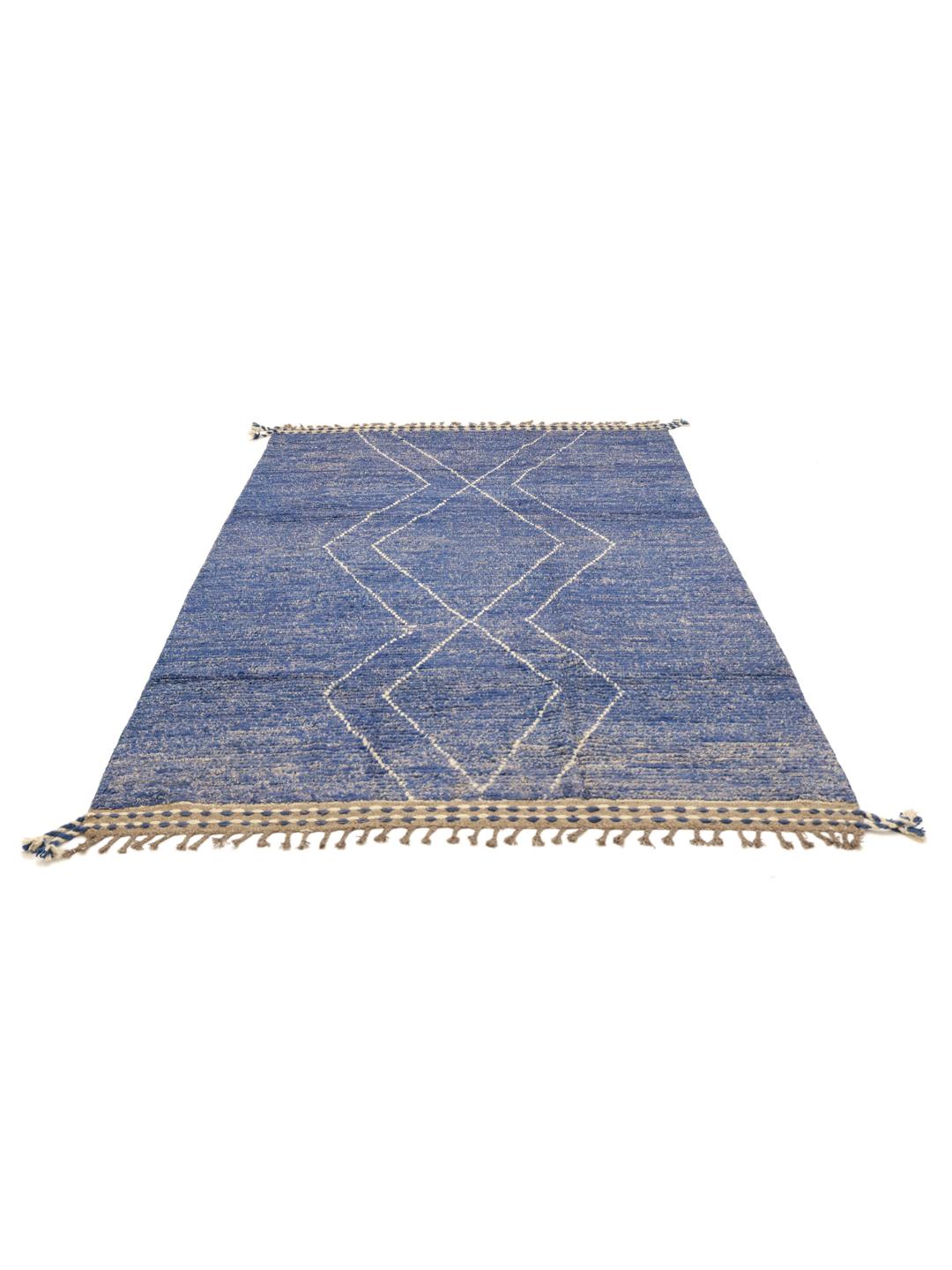
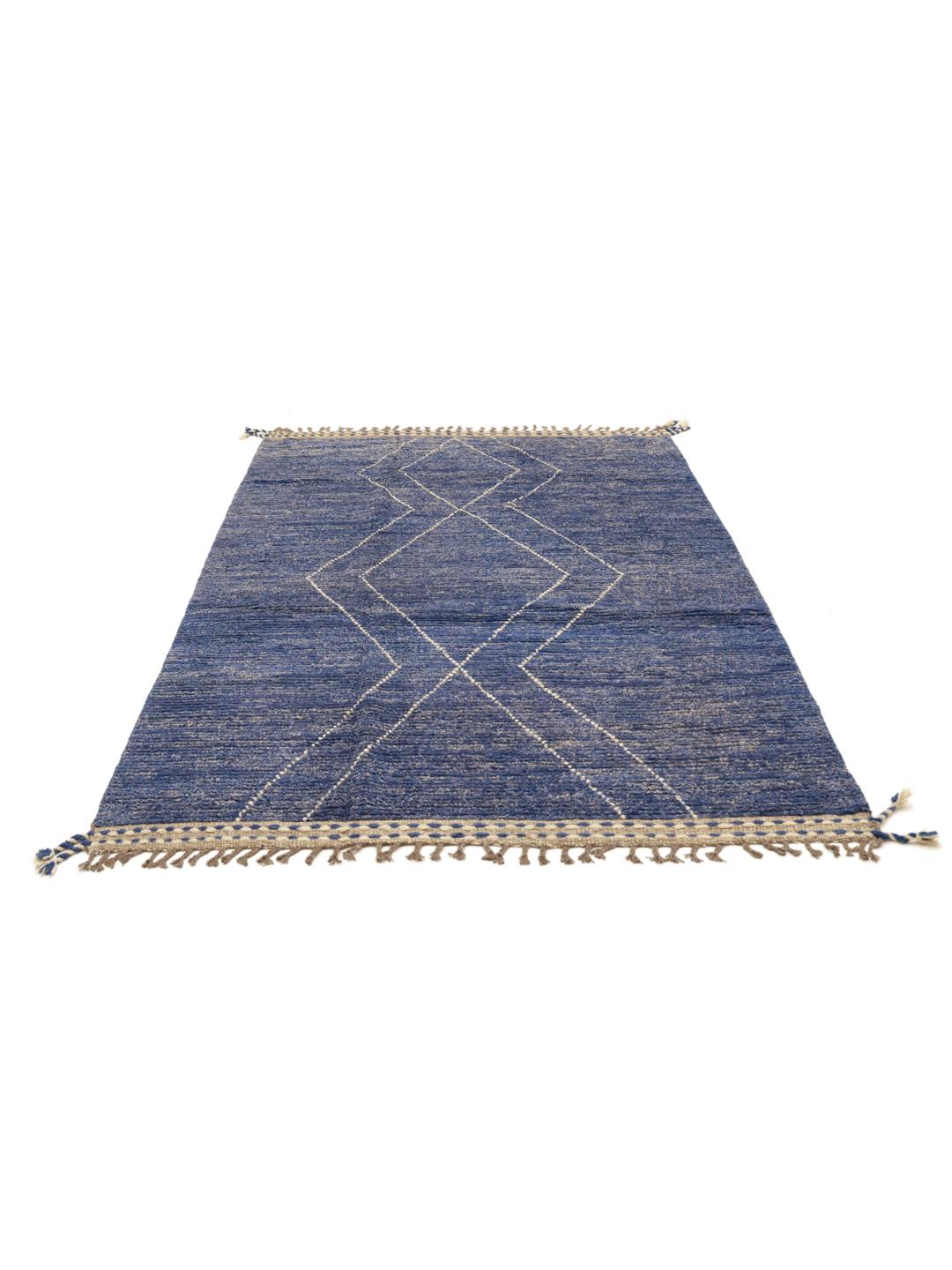
The Berber tradition is deeply rooted in the history of North Africa, yet its influence has spread far beyond its origins, inspiring weavers in regions like Afghanistan to adopt and reinterpret these iconic styles. While traditional Berber rugs are often characterised by their thick, shaggy pile and simple, symbolic patterns, the Afghan interpretation brings a new level of refinement and technical precision to the craft.
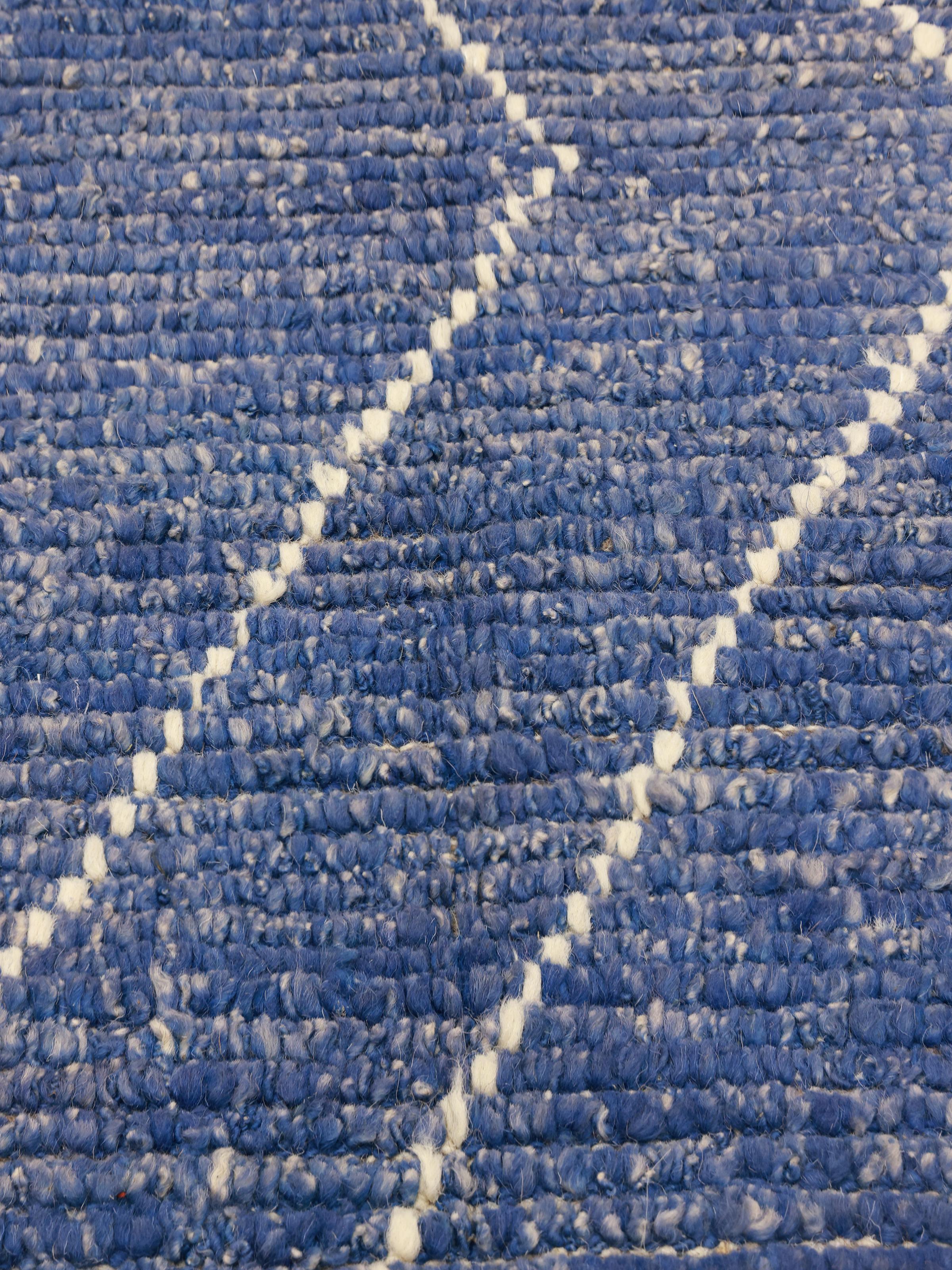
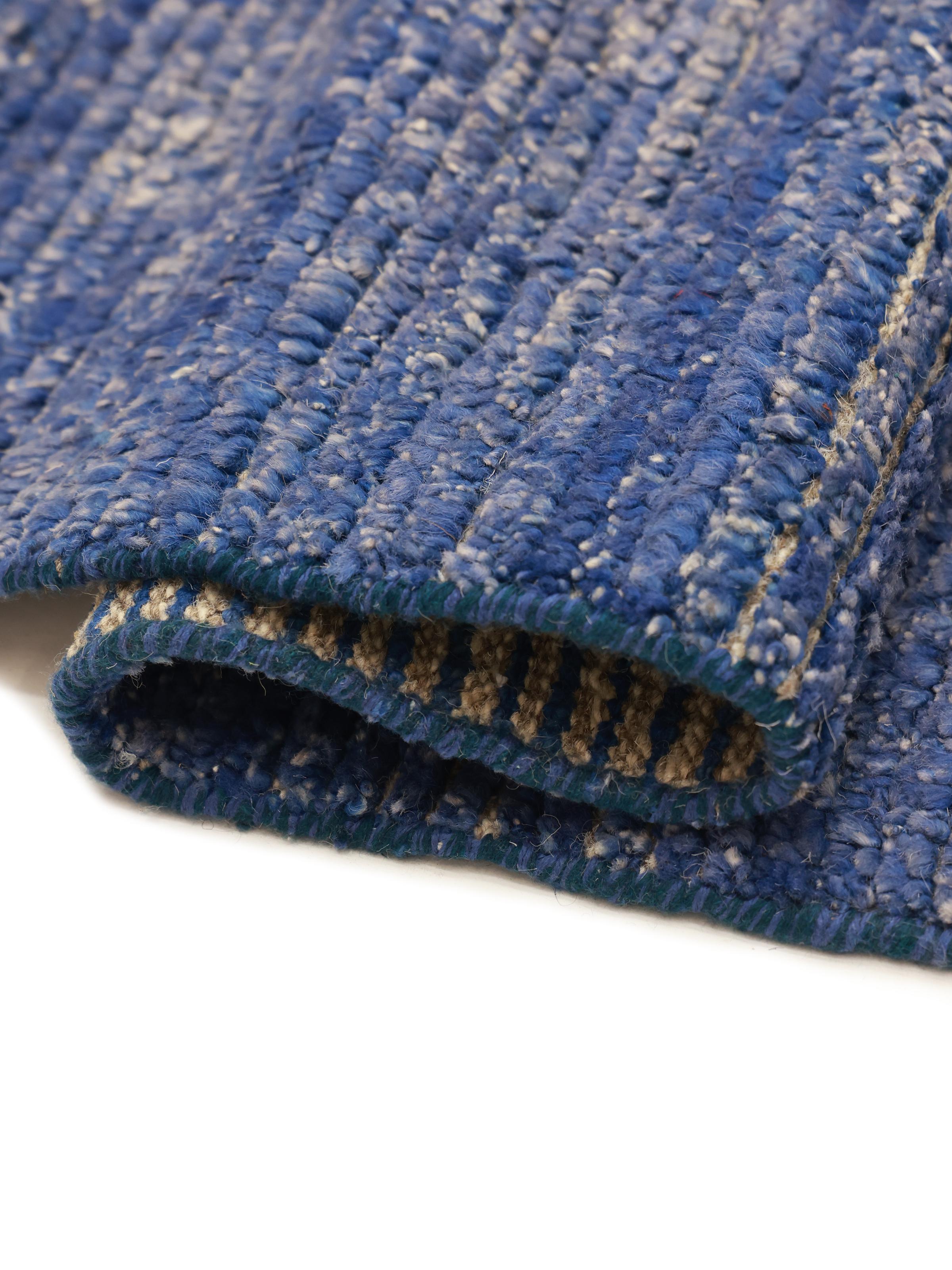
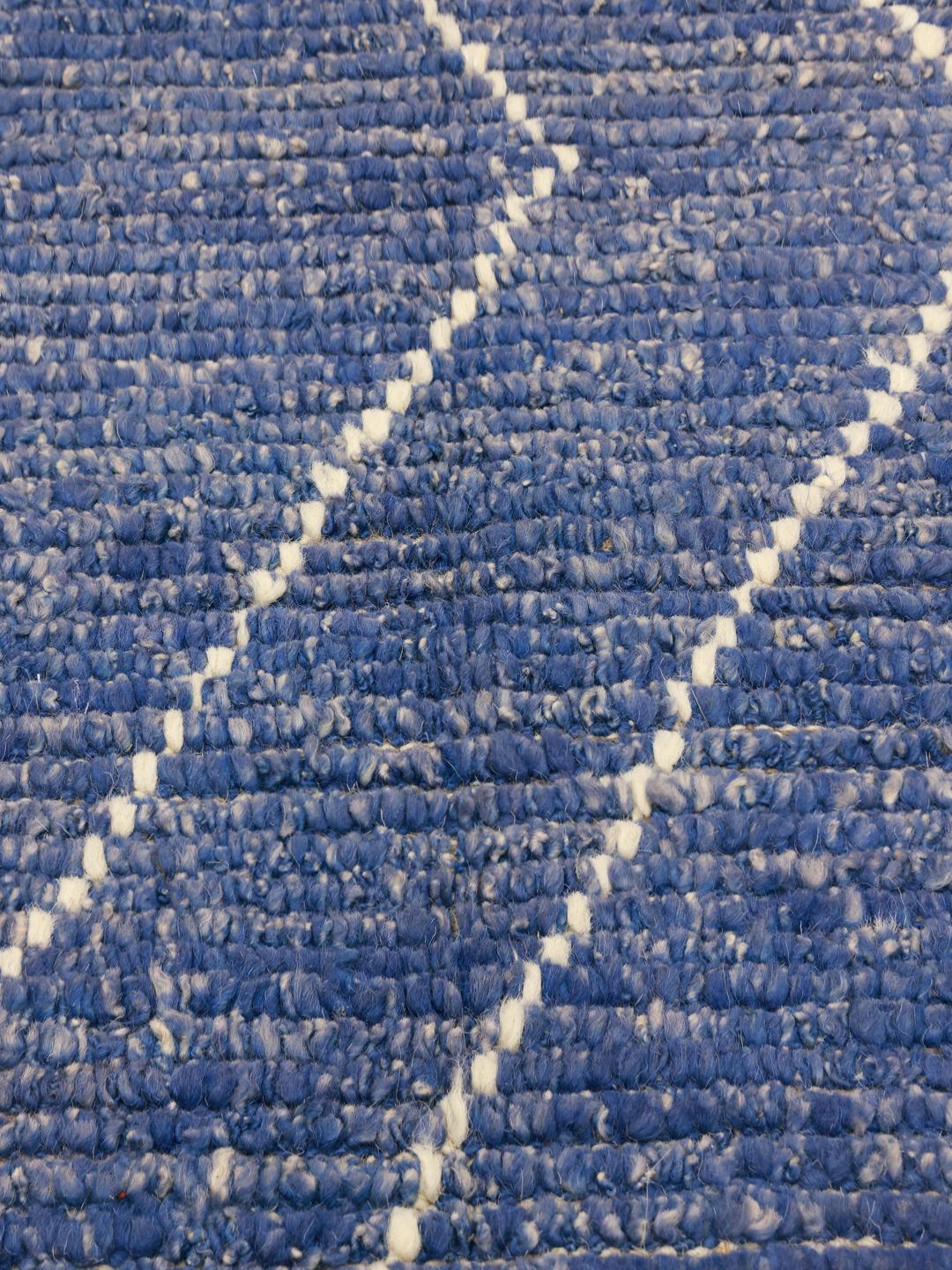
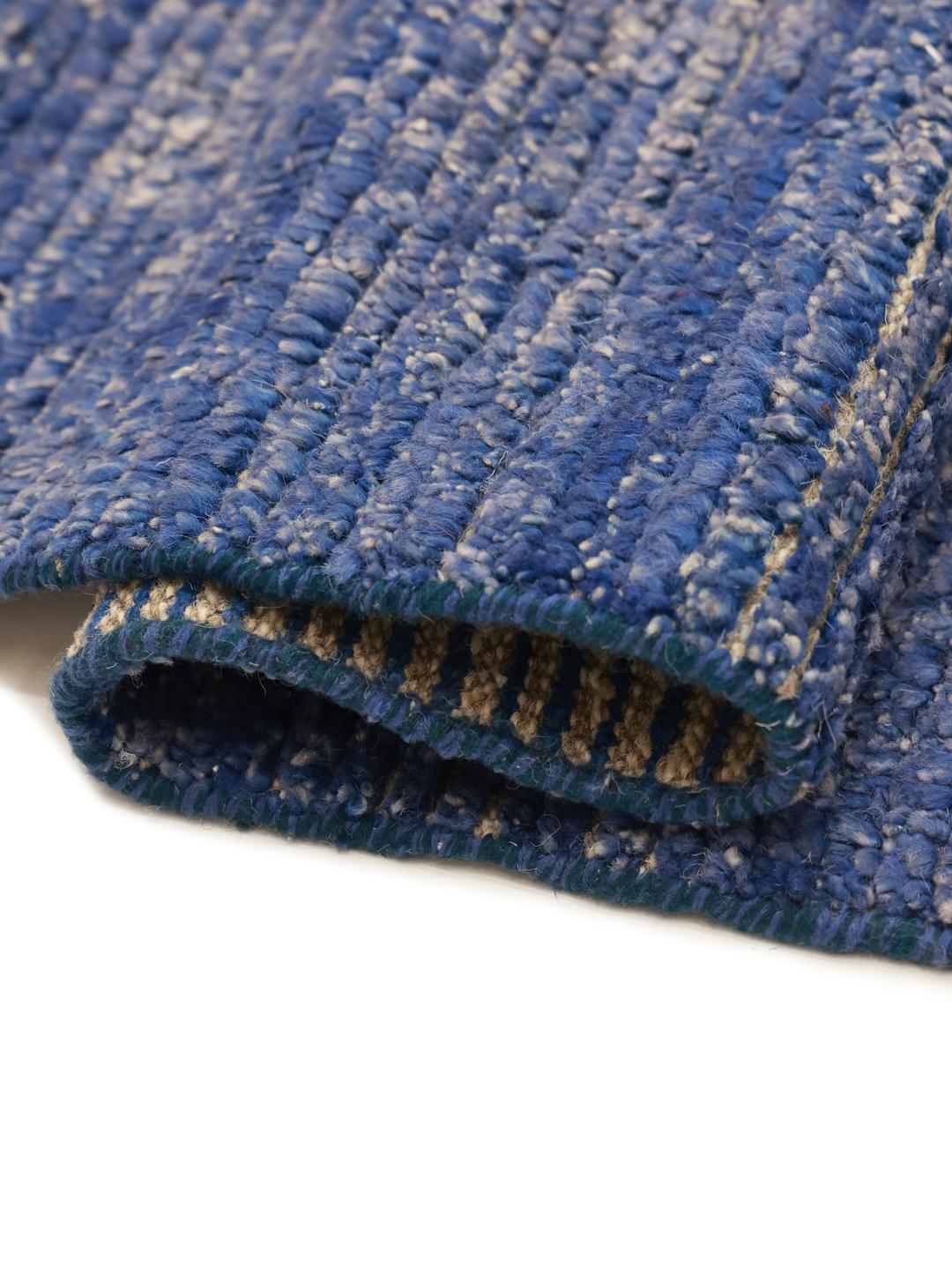
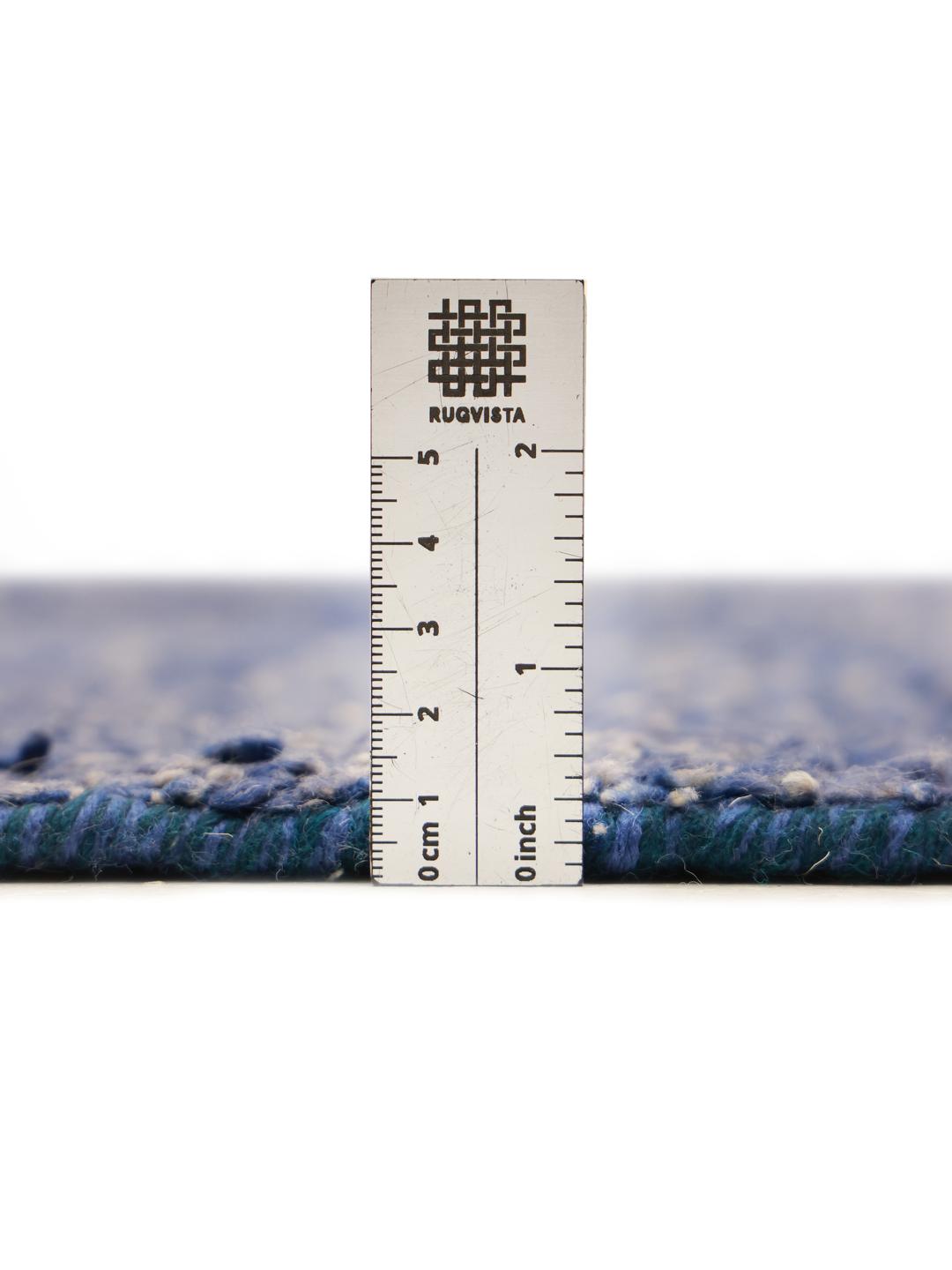
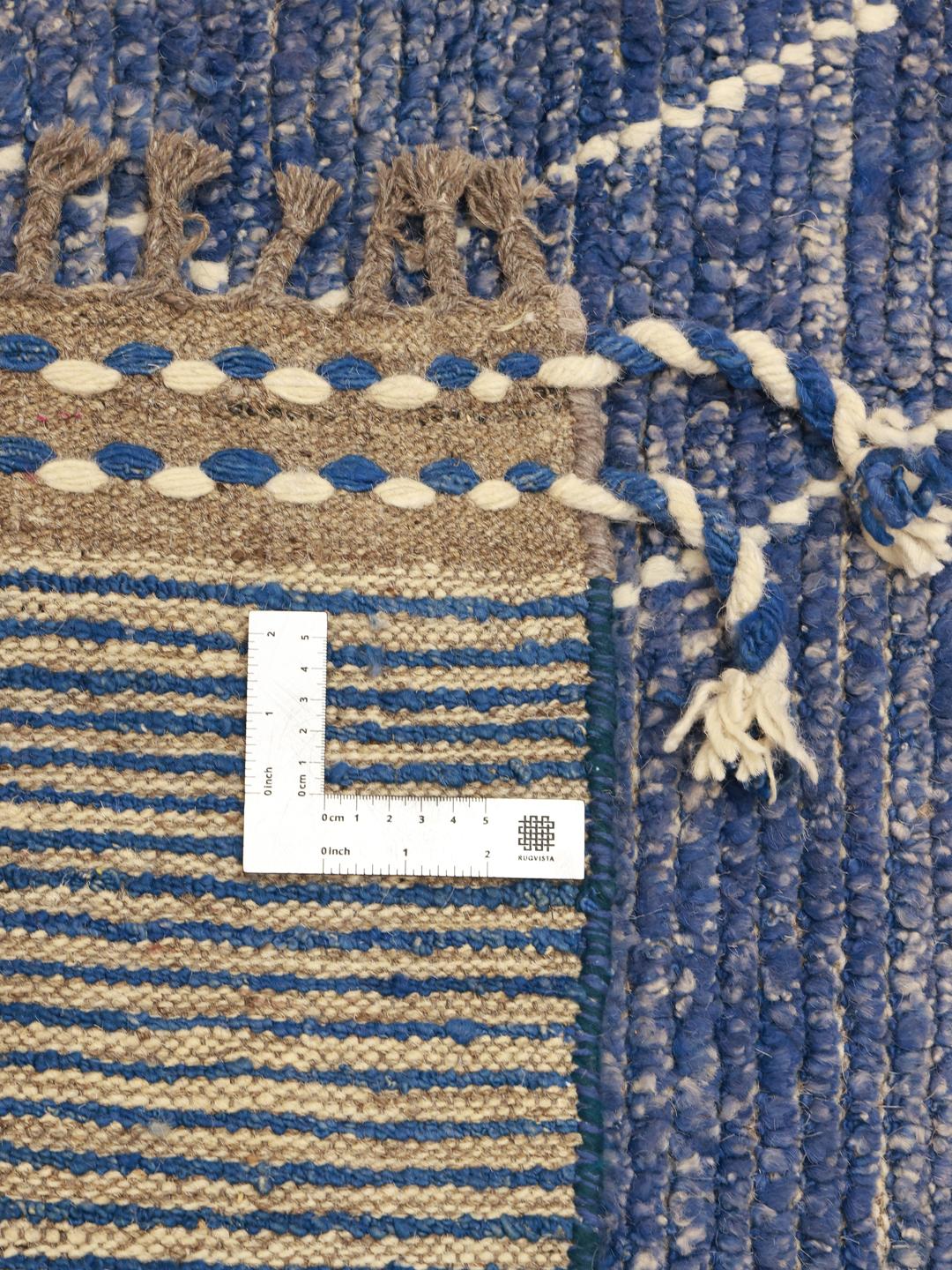
Understanding the construction is key to appreciating these rugs. The hand-knotted technique involves tying individual strands of Wool onto a foundation, a labour-intensive process that allows for greater control over the design and pile density. This method produces a rug that is both structurally sound and aesthetically rich, offering a level of longevity that machine-made alternatives simply cannot match.
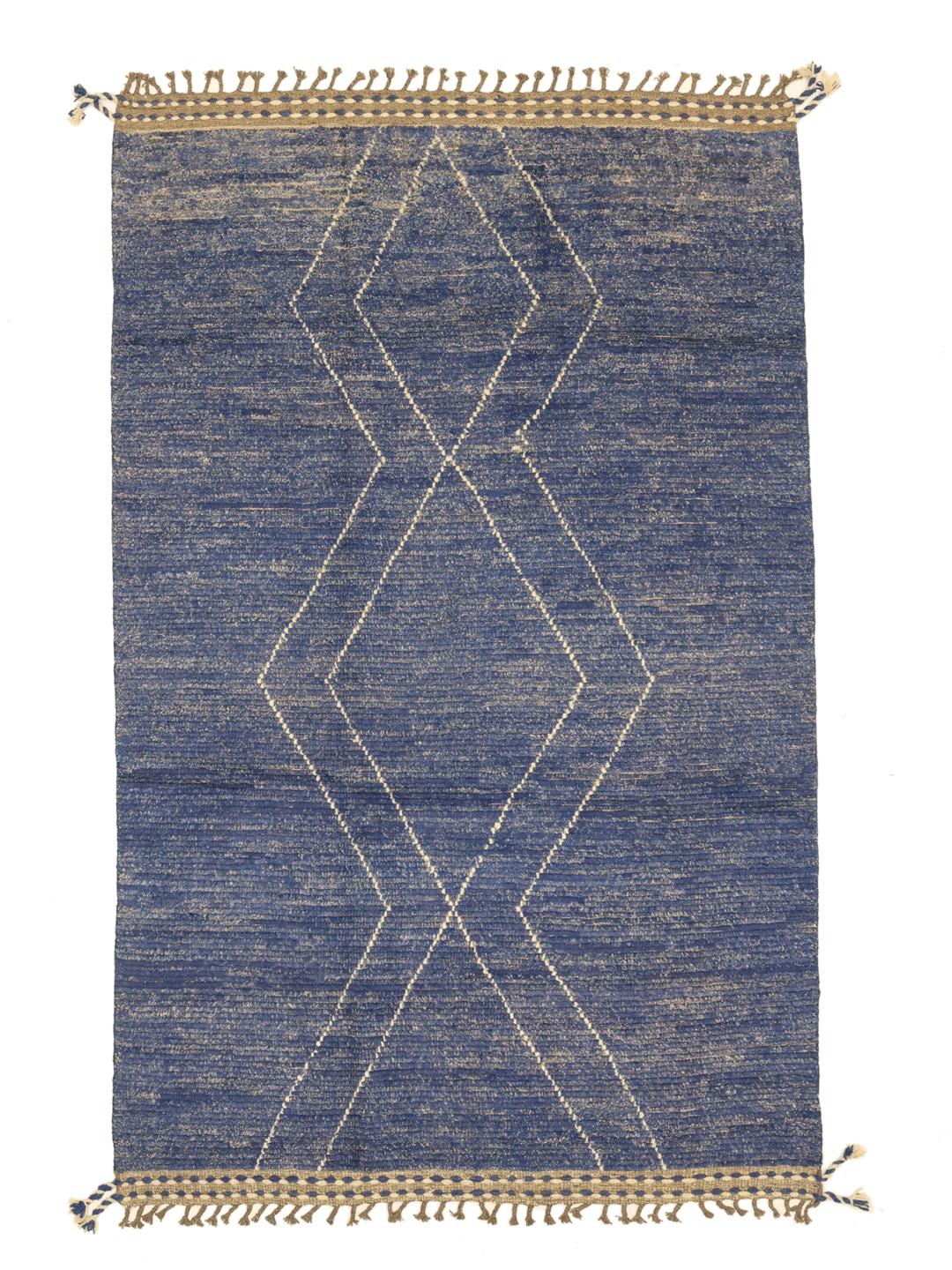
Signature elements of this style often include bold, geometric motifs that were traditionally used to tell stories or offer protection to the home. In this piece, the central diamond-inspired design serves as a focal point, reflecting the minimalist yet powerful visual language that has defined this aesthetic for generations. The use of vibrant, deep blue tones provides a modern update to these historic patterns.
Owning a hand-knotted rug from this tradition is an investment in cultural heritage and skilled artistry. Collectors value these pieces not only for their visual appeal but for the human story embedded in every knot. By bringing this rug into your home, you are participating in a global conversation about craft, history, and the enduring value of handmade objects.