Berber-style rugs from Afghanistan represent a fascinating intersection of nomadic tradition and regional artistic evolution. While the term Berber is historically associated with the indigenous peoples of North Africa, the style has been adopted and reinterpreted by weavers across the Middle East and Central Asia. In the Afghan context, this fusion has resulted in a distinct tradition that blends the rustic, thick-pile aesthetic of tribal rugs with the sophisticated knotting techniques of the region.
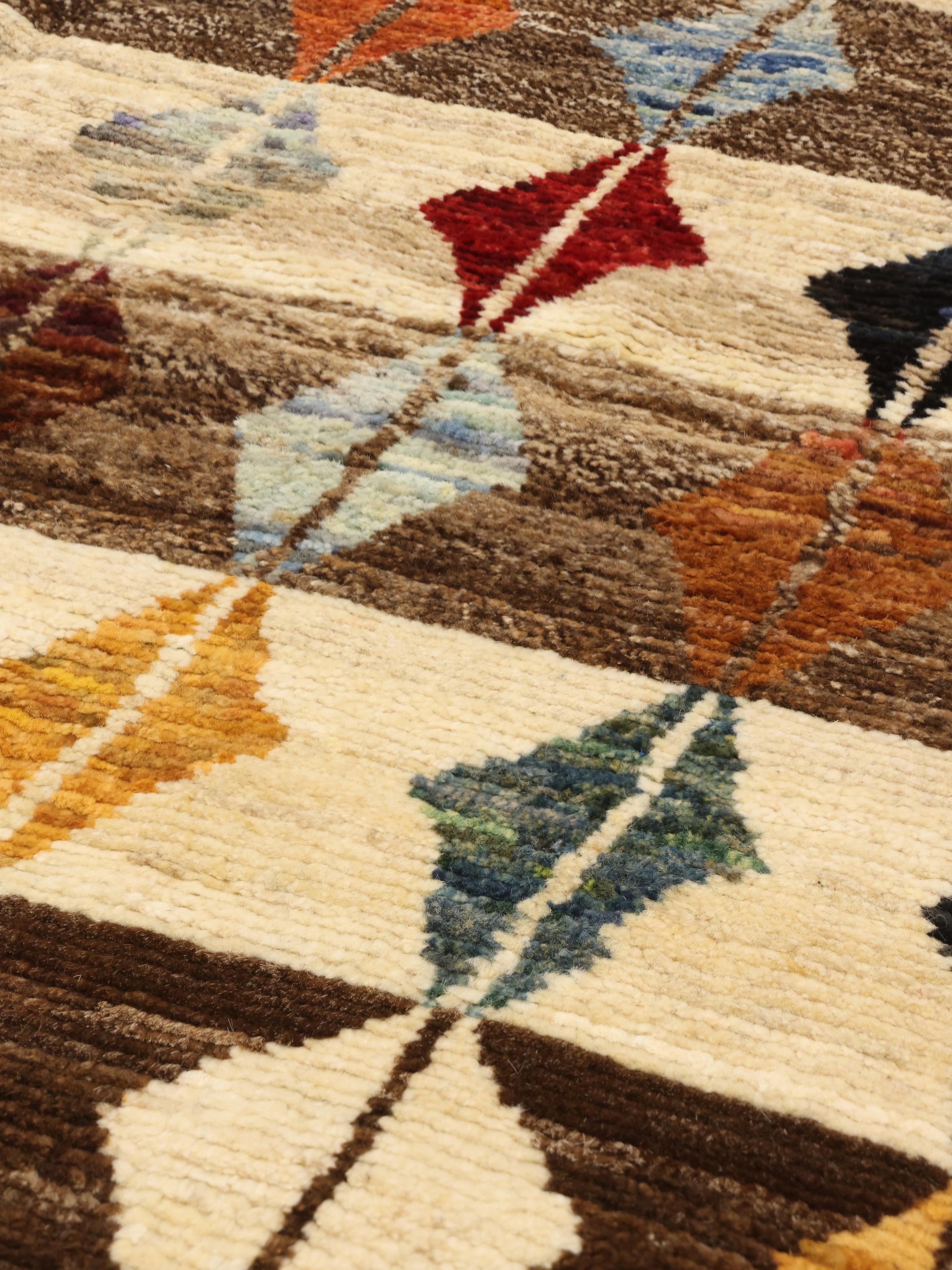
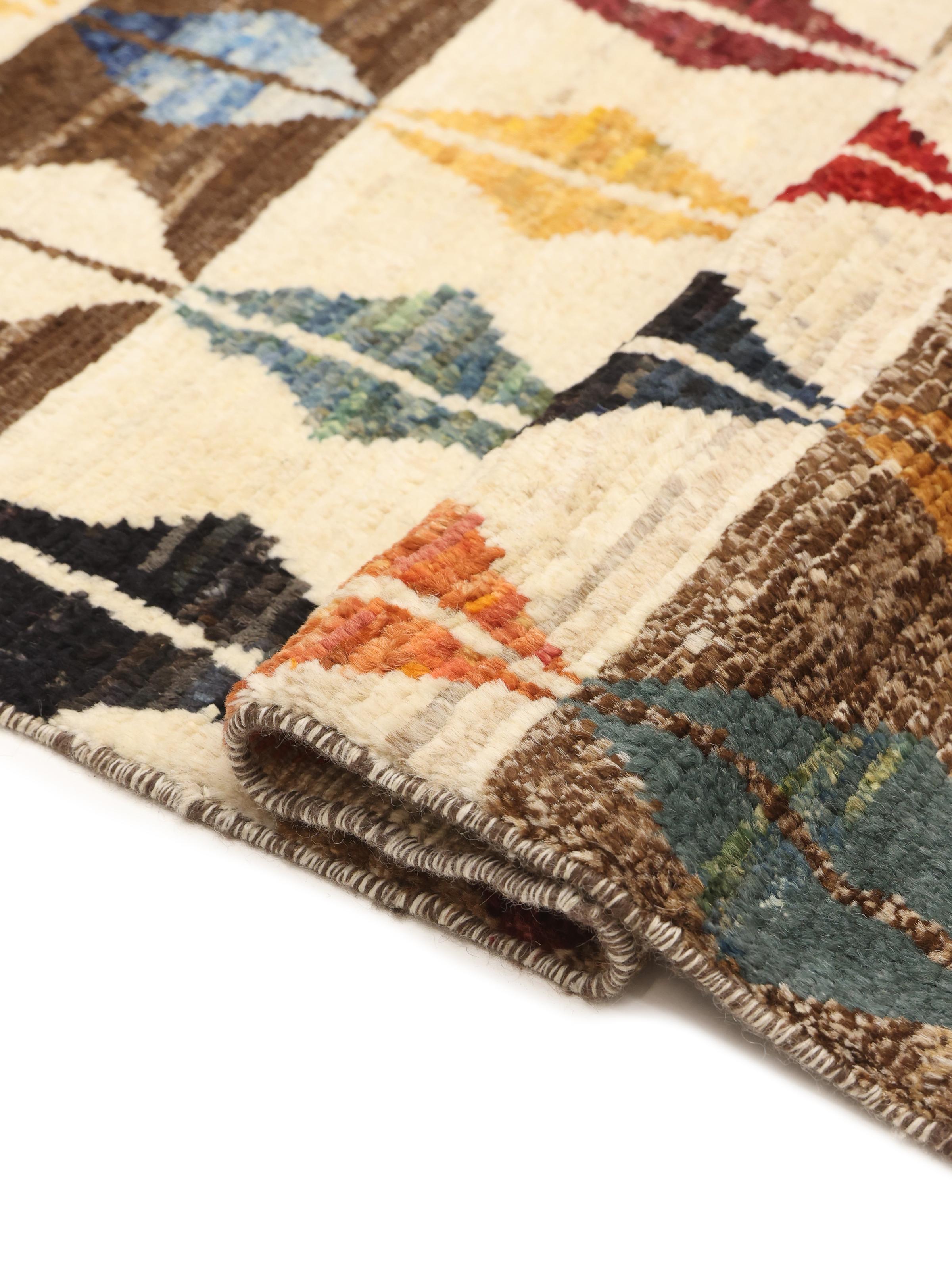
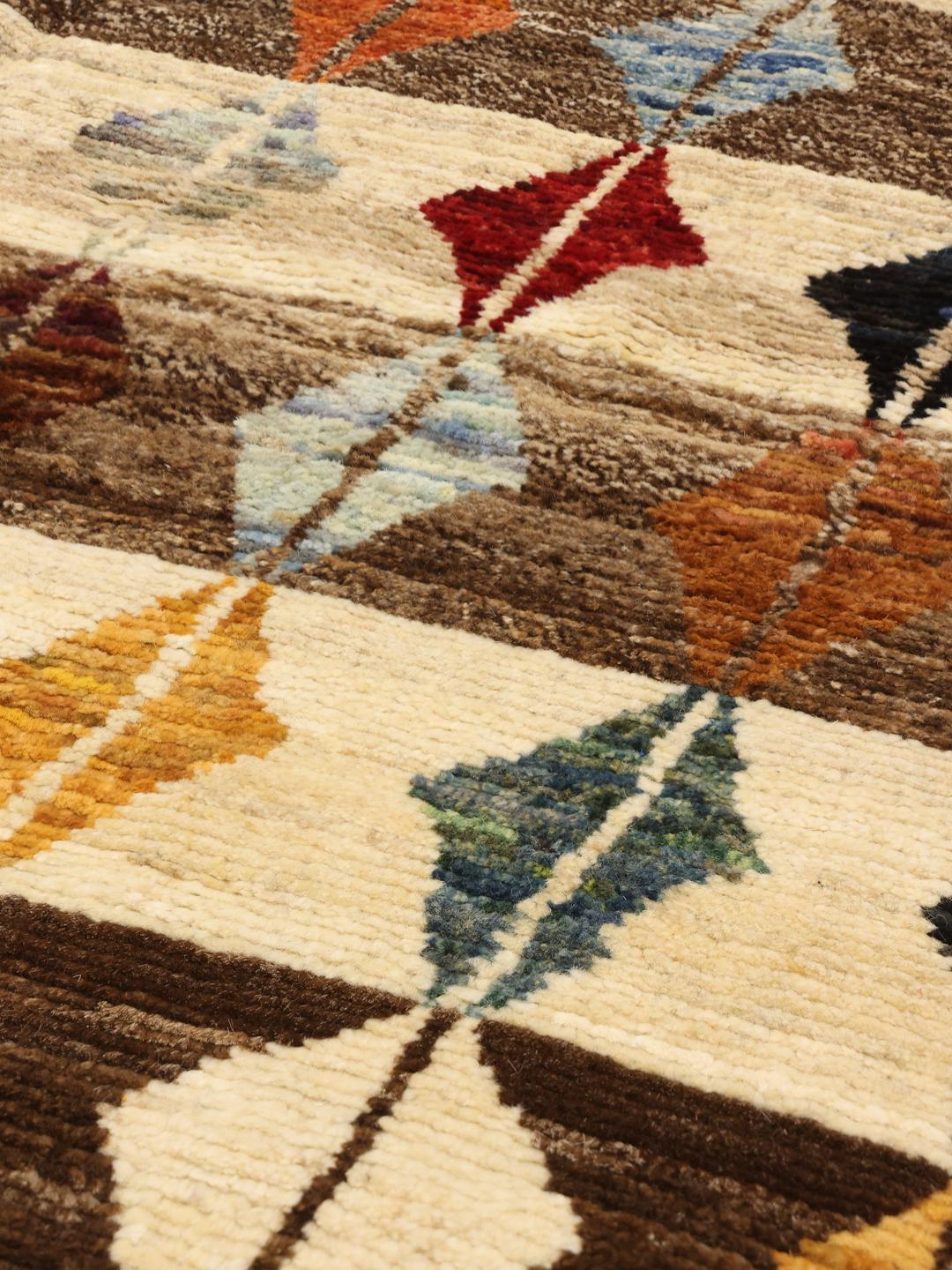
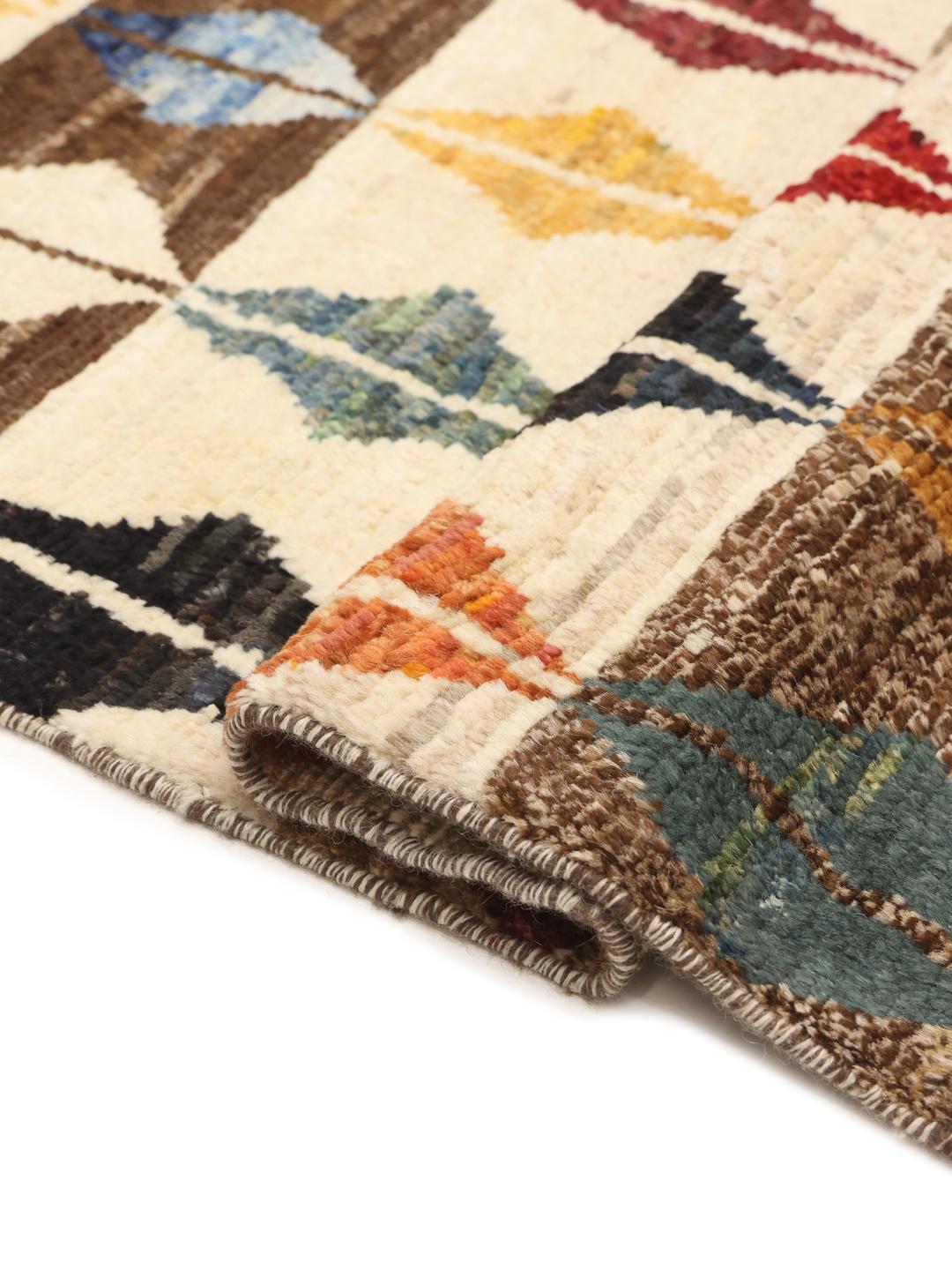
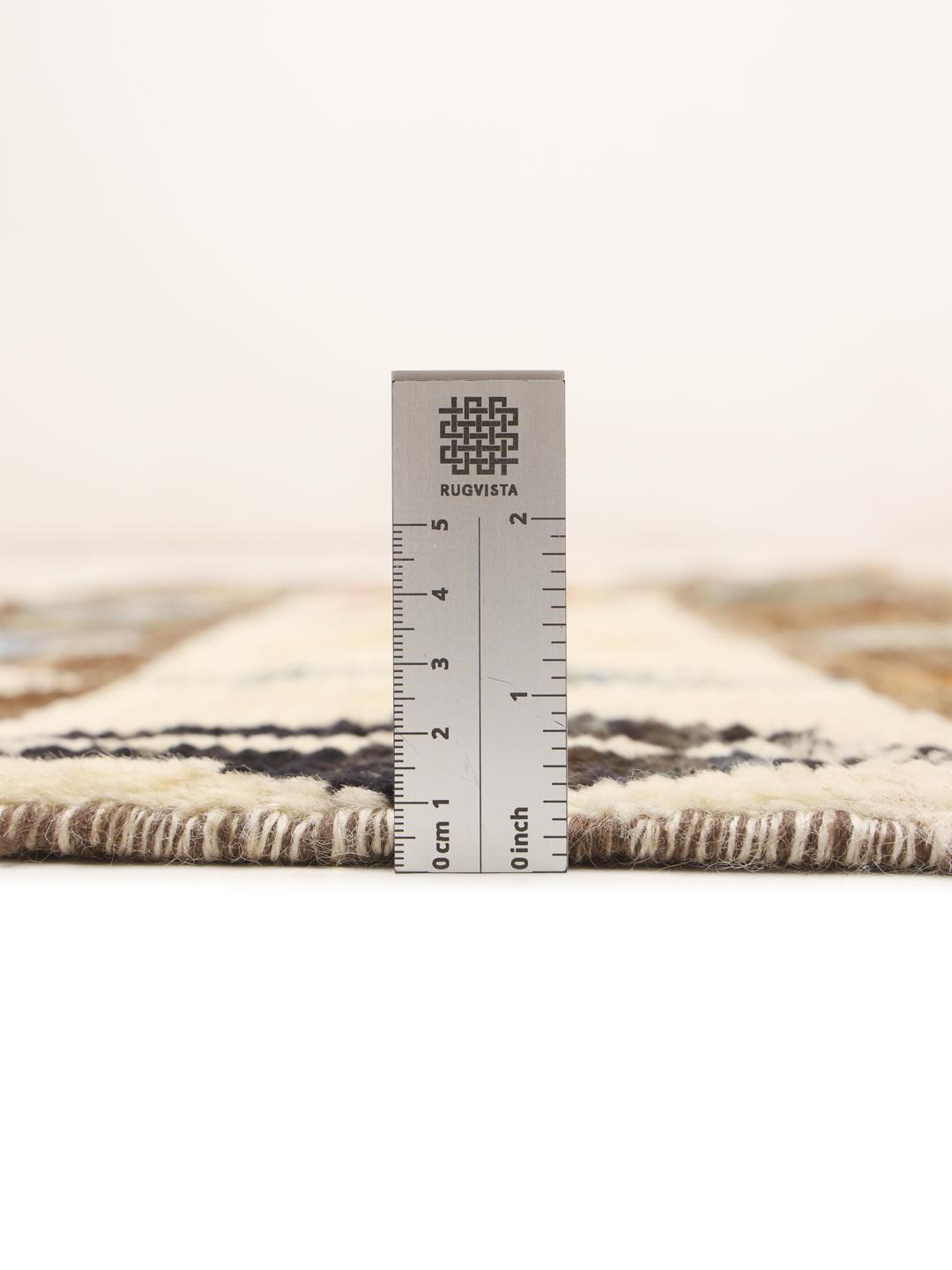
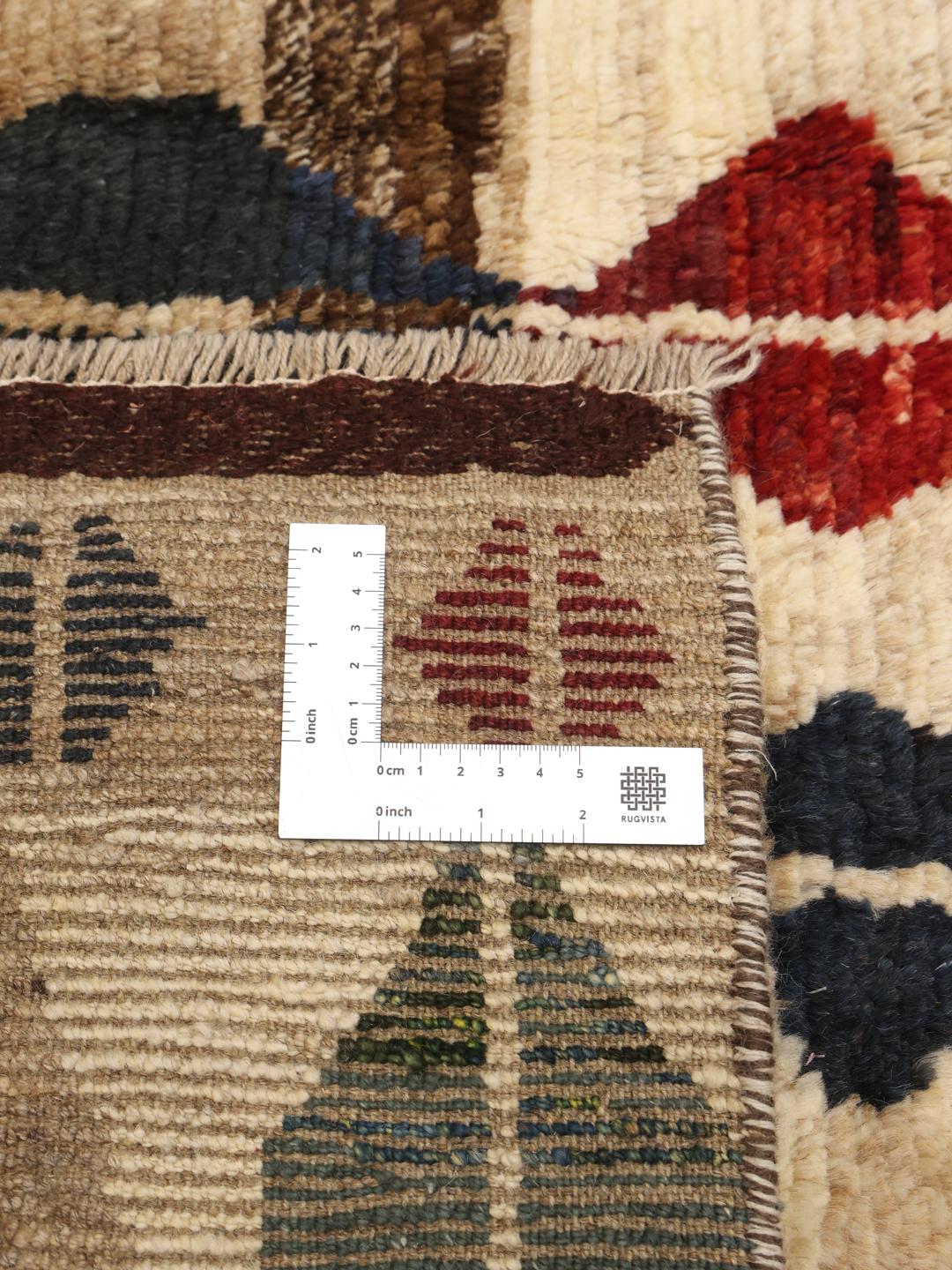
The construction of these rugs is defined by their dense, hand-knotted pile, which is crafted to provide warmth and durability in the harsh climates of the high mountain regions. The use of high-quality wool, known for its natural lanolin content, ensures that the rug is both water-resistant and incredibly soft. This technical approach to weaving, passed down through generations, ensures that the structural integrity of the rug is maintained, allowing it to serve as a functional piece for decades.
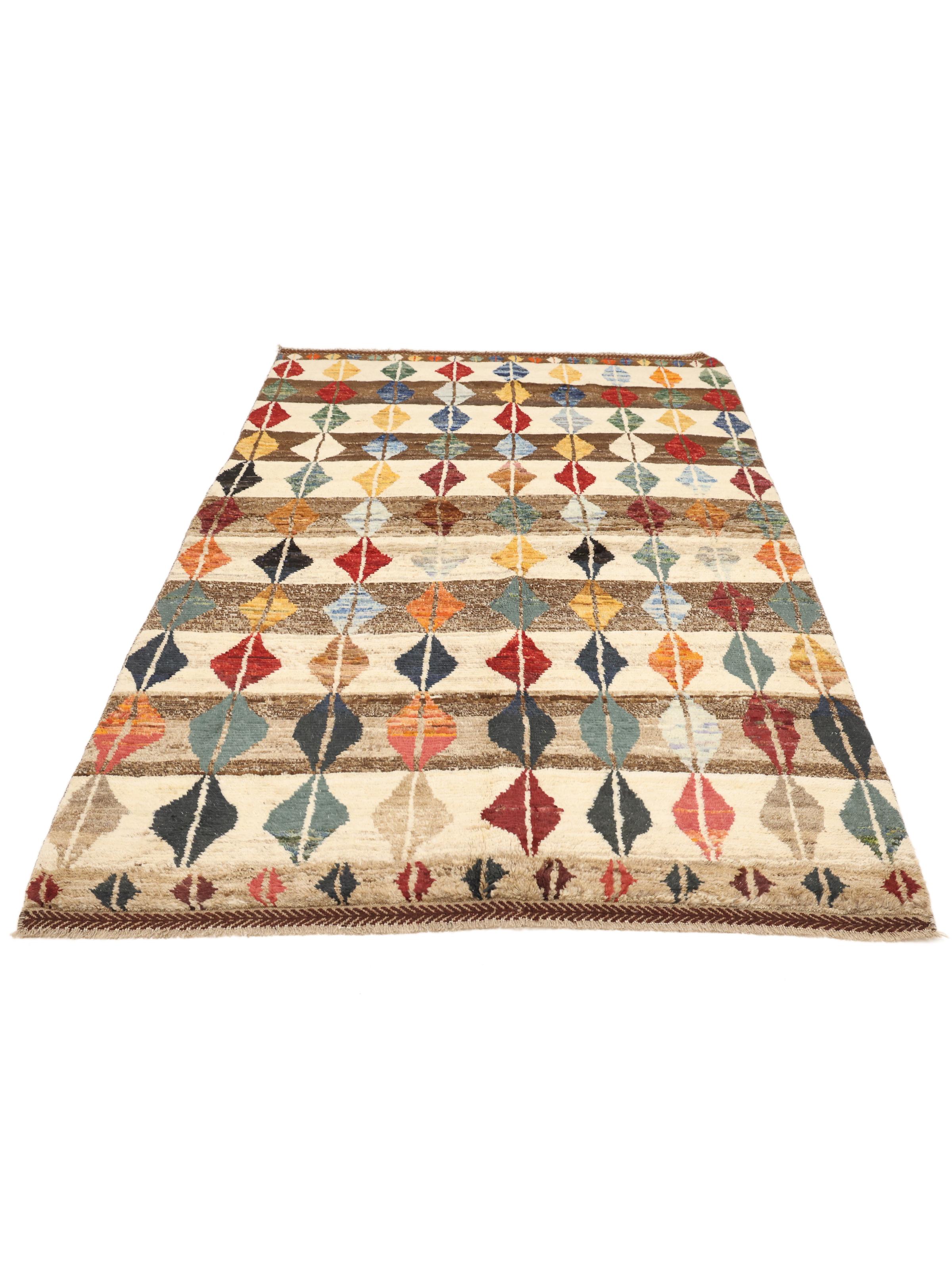
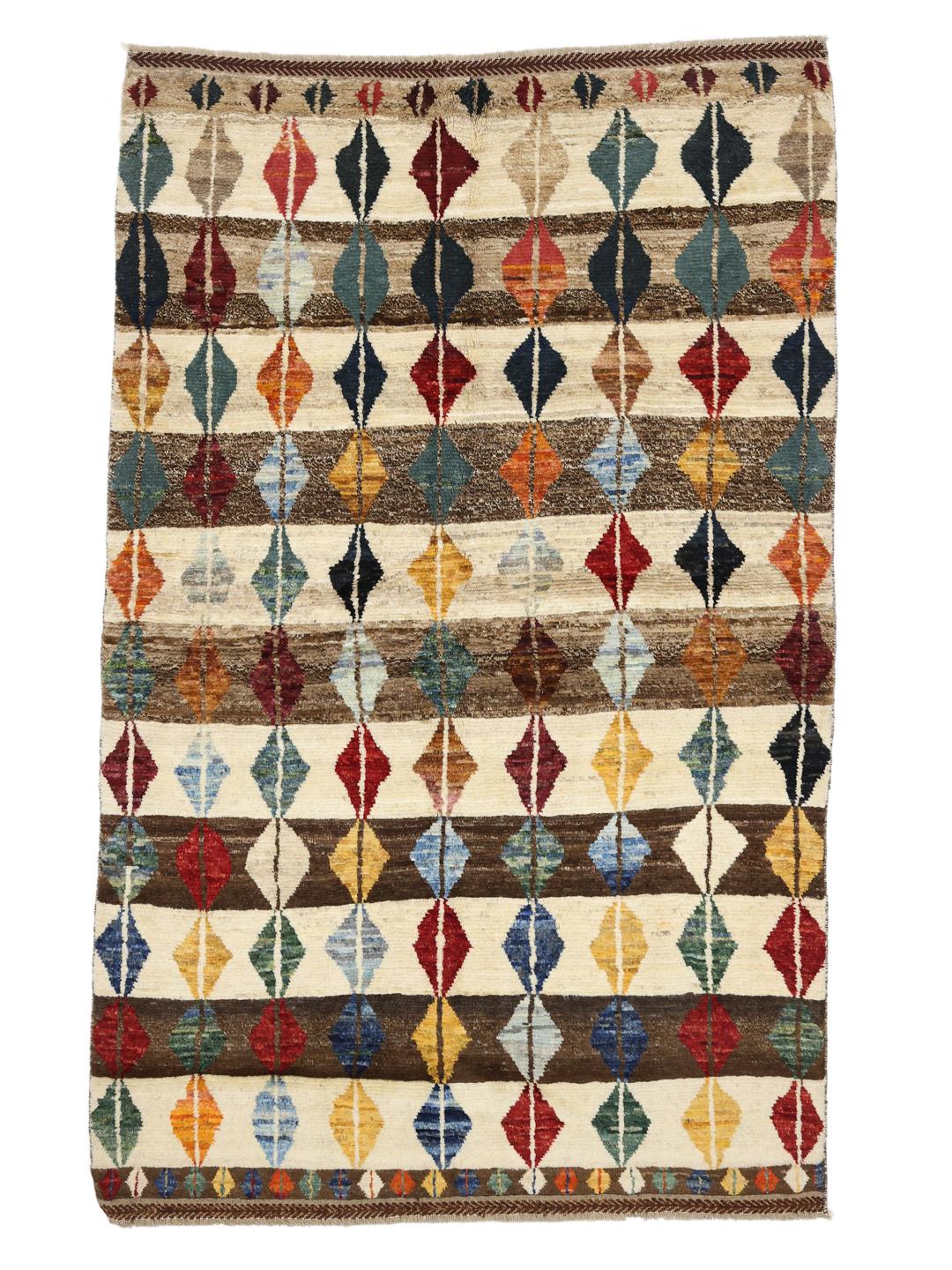
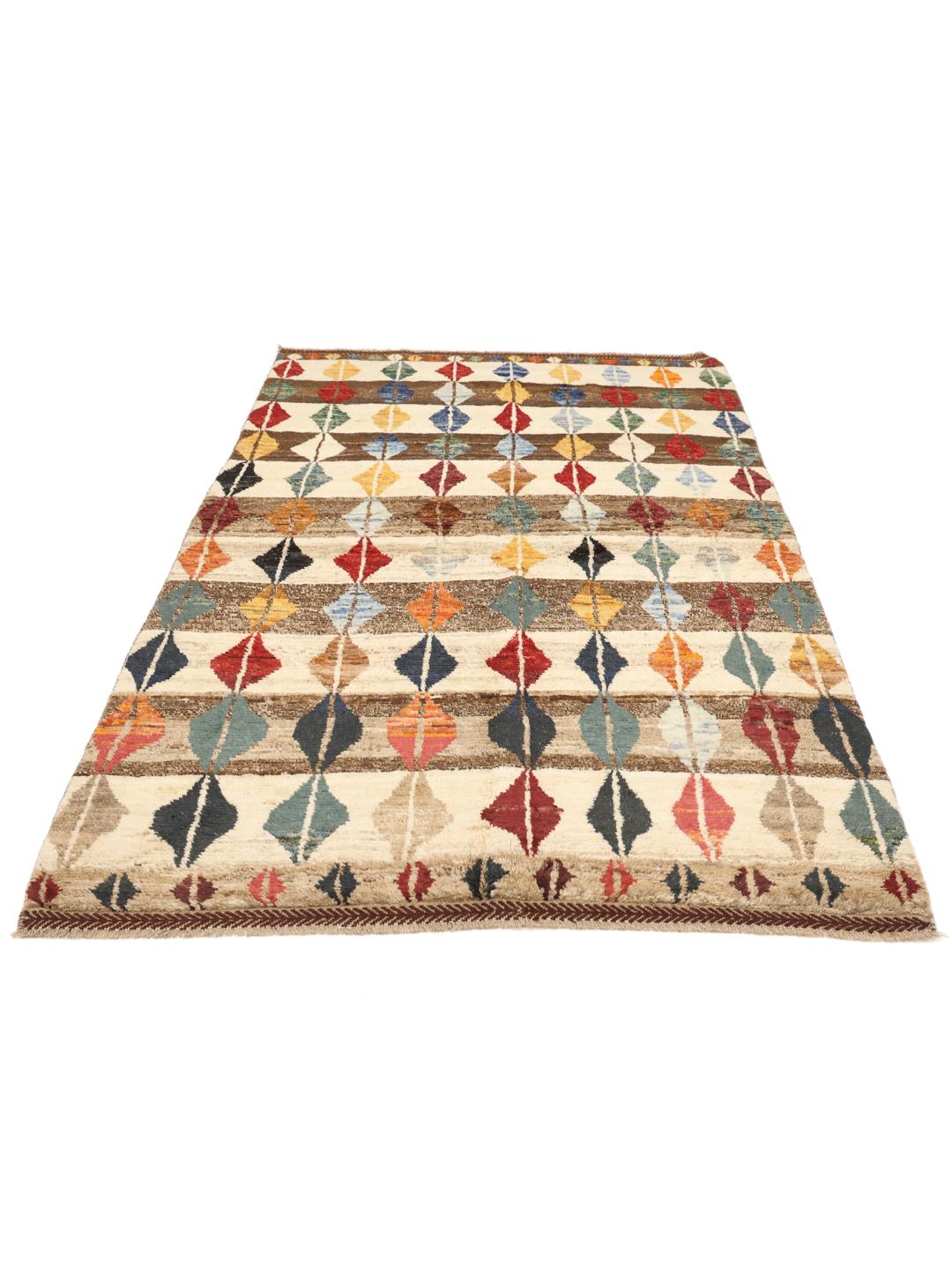
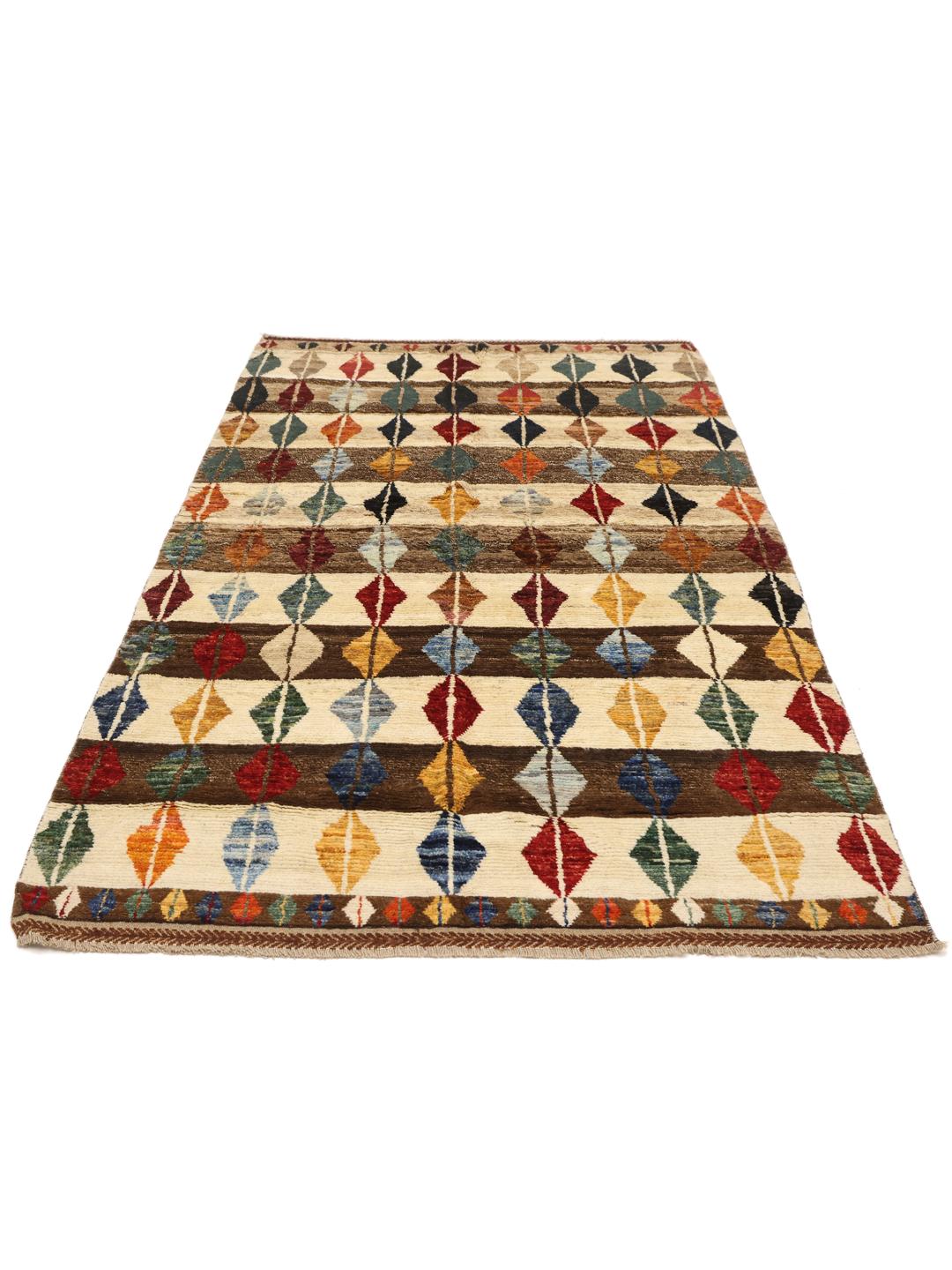
Visually, these rugs are celebrated for their bold, geometric language. The diamond motif, often referred to as a symbol of protection or fertility in various cultures, is a signature element that anchors the design. In this specific piece, the diamond patterns are arranged in a rhythmic, repeating sequence, punctuated by earthy stripes that ground the vibrant colour palette. This balance of geometric order and playful colour is a hallmark of the style, making each piece a striking visual statement.
Collecting a rug from this tradition is an investment in human skill and cultural history. Owning such a piece is a reminder of the artistic legacy that persists in a world of mass production. It connects your home to a long lineage of craftspeople who have perfected their trade over centuries, turning raw, natural materials into functional beauty. These rugs are valued not just for their appearance, but for the tangible sense of heritage they bring into a modern home.