Berber rugs are celebrated for their deep historical roots and connection to the nomadic traditions of the Middle East and North Africa. While the term Berber originally refers to the indigenous peoples of North Africa, the style has evolved and migrated through trade routes, finding a new, vibrant life in the hands of skilled weavers in Afghanistan. These weavers have adapted ancient techniques to create rugs that bridge the gap between historic craftsmanship and modern interior needs.
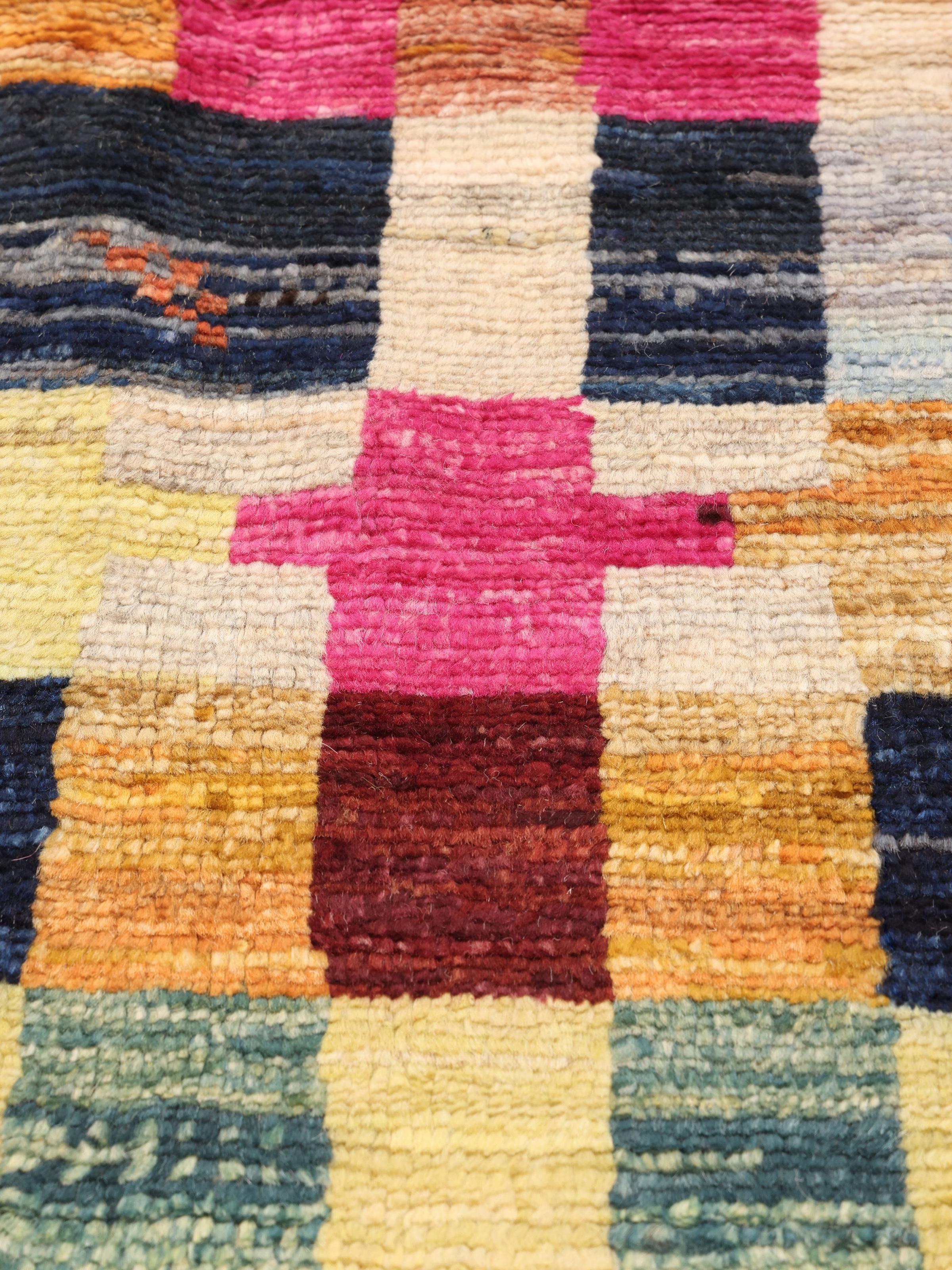
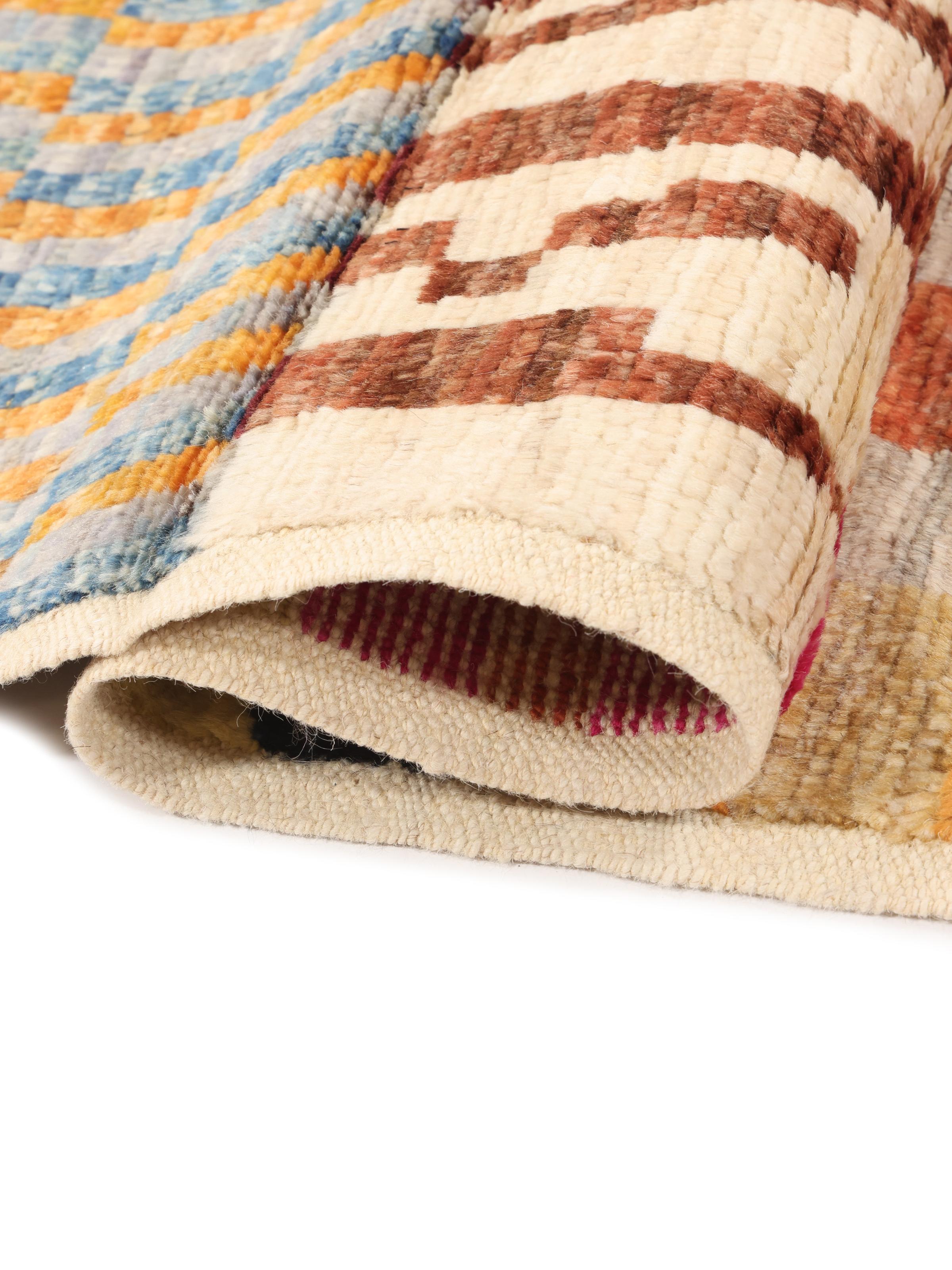
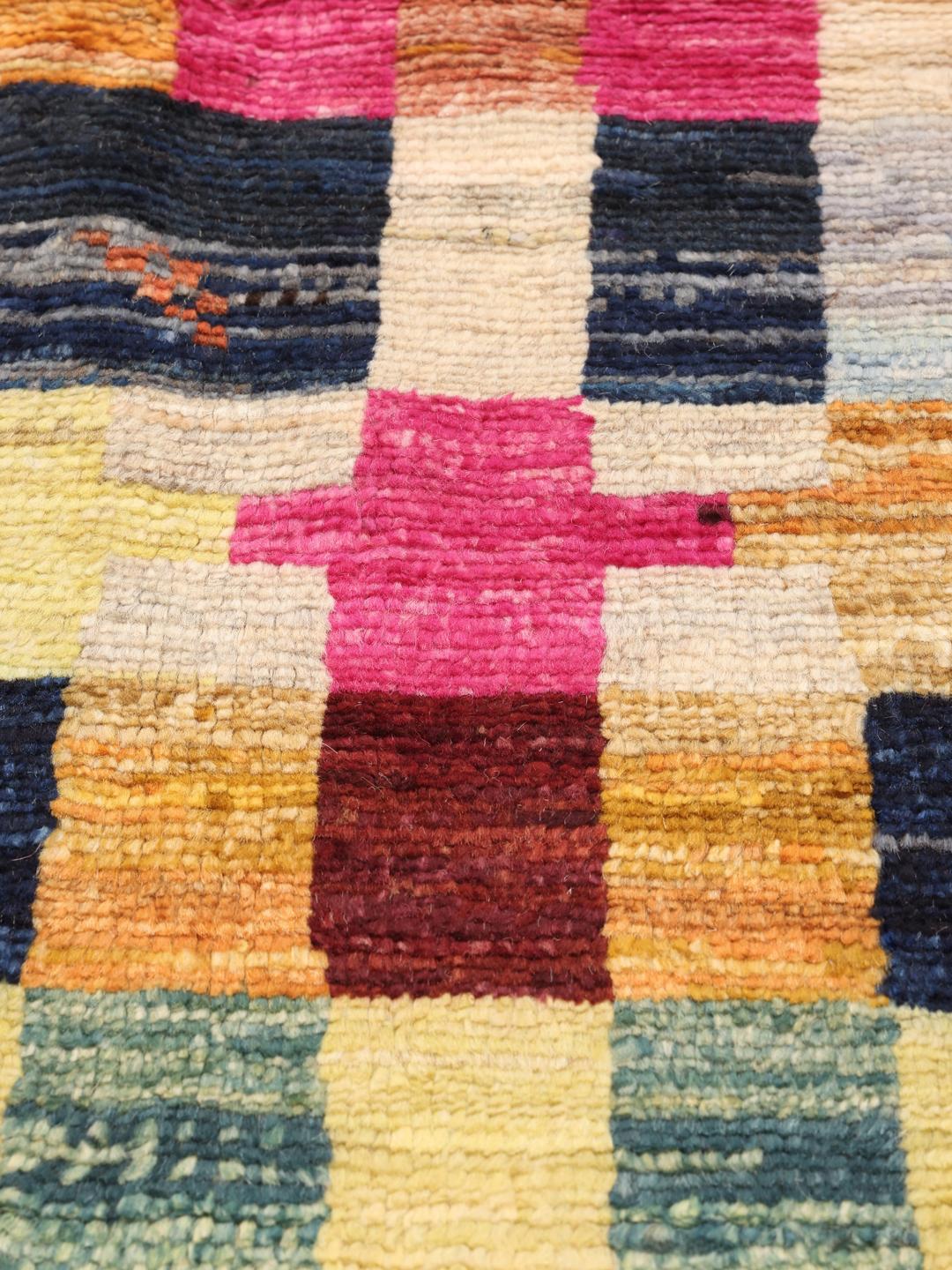
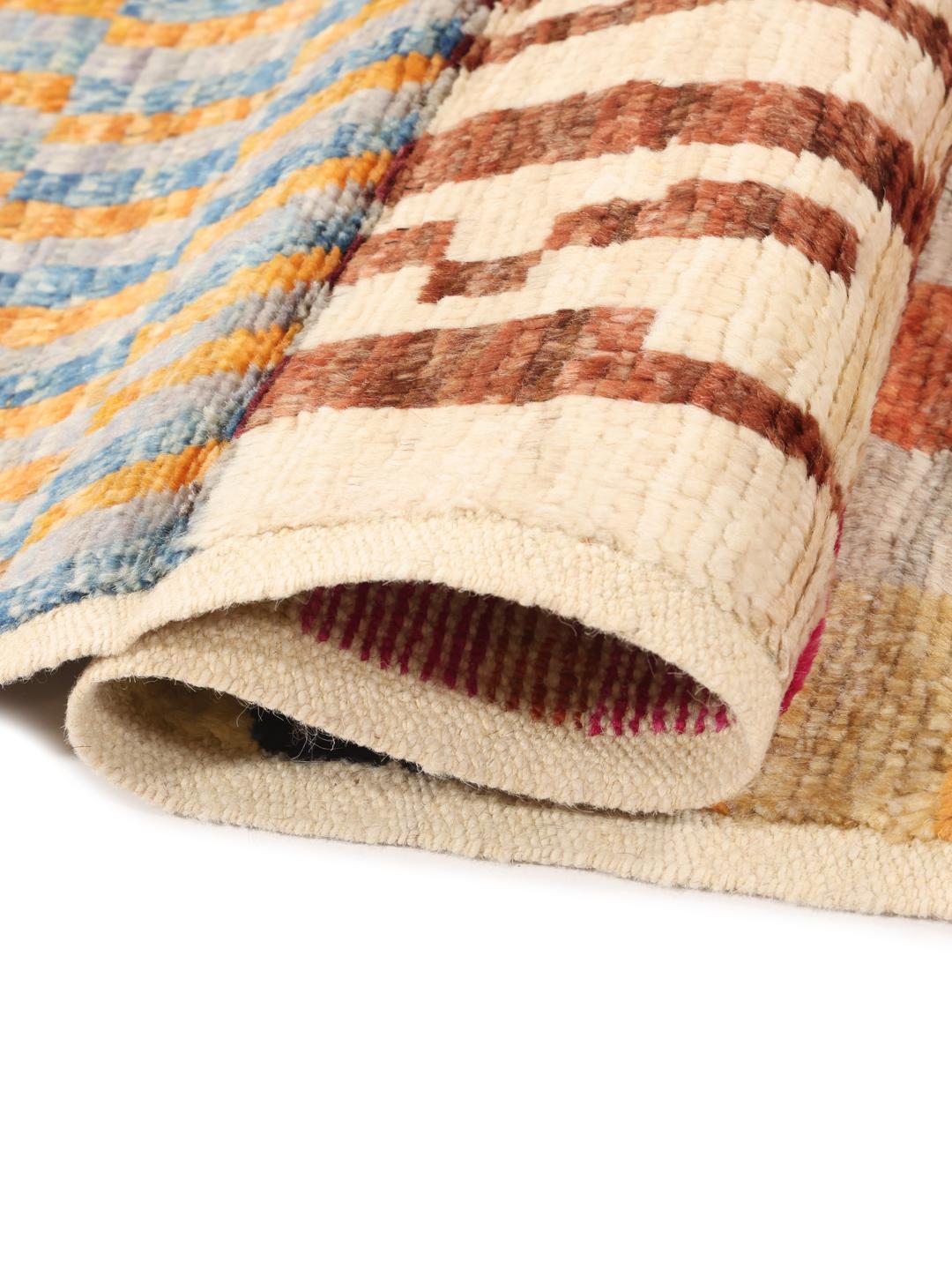
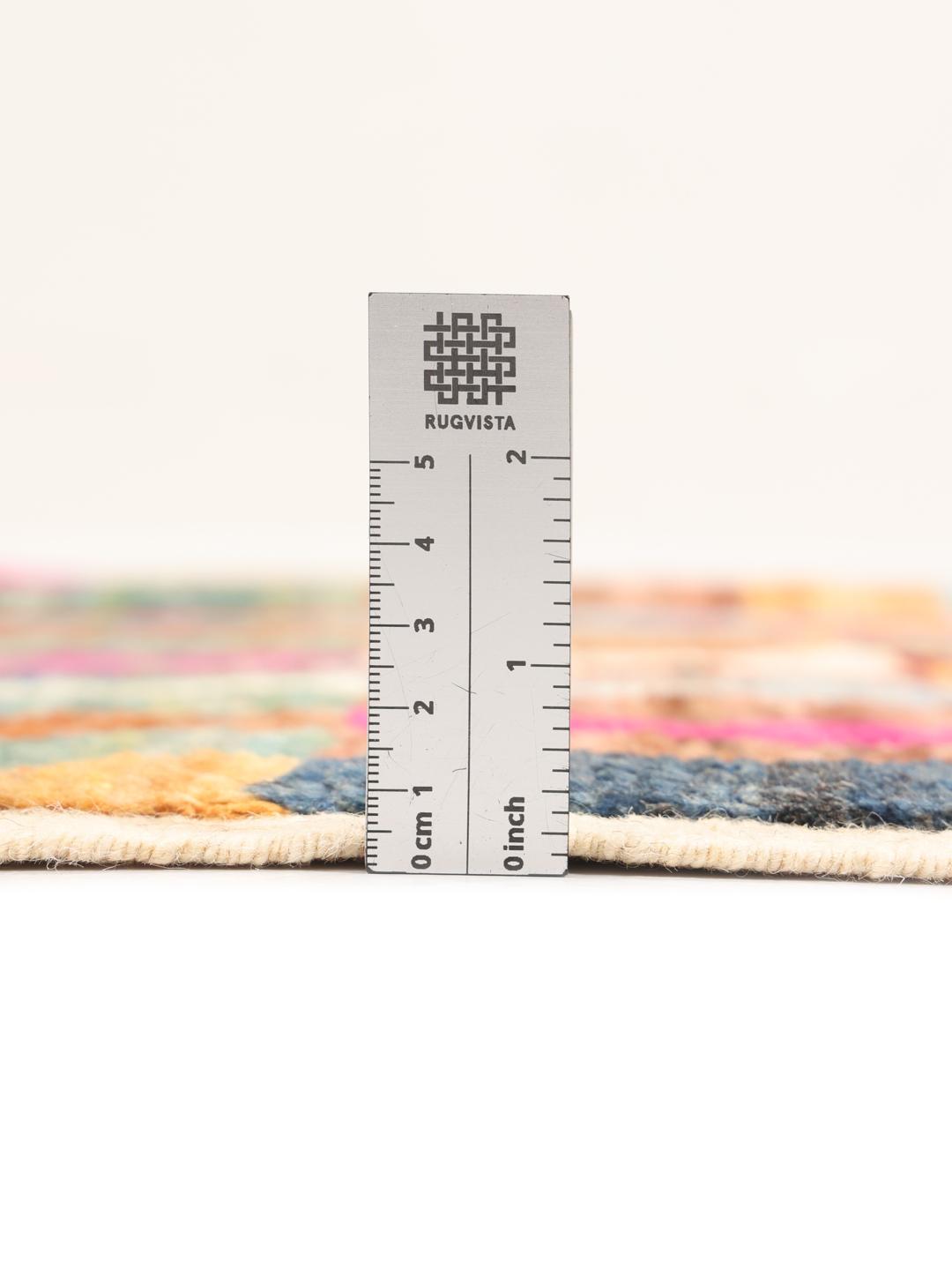
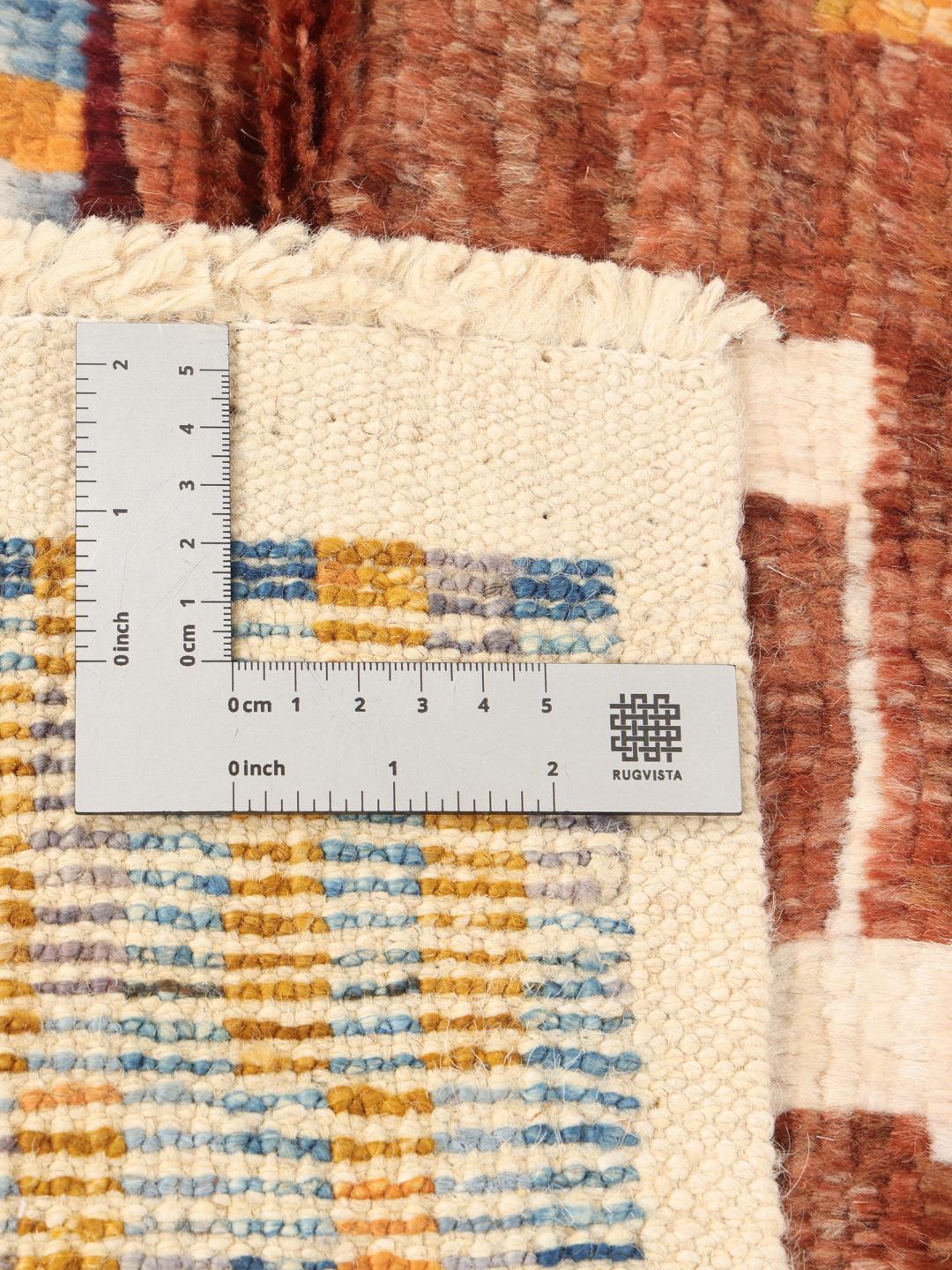
The term hand-knotted refers to the technique of tying individual strands of wool onto a foundation of warp and weft threads. This method is the hallmark of quality, as it creates a sturdy pile that is resistant to wear and tear. Unlike tufted rugs, which use glue or backing, a hand-knotted rug relies entirely on the tension of the knots, ensuring a flexible, breathable, and long-lasting product that matures beautifully over time.
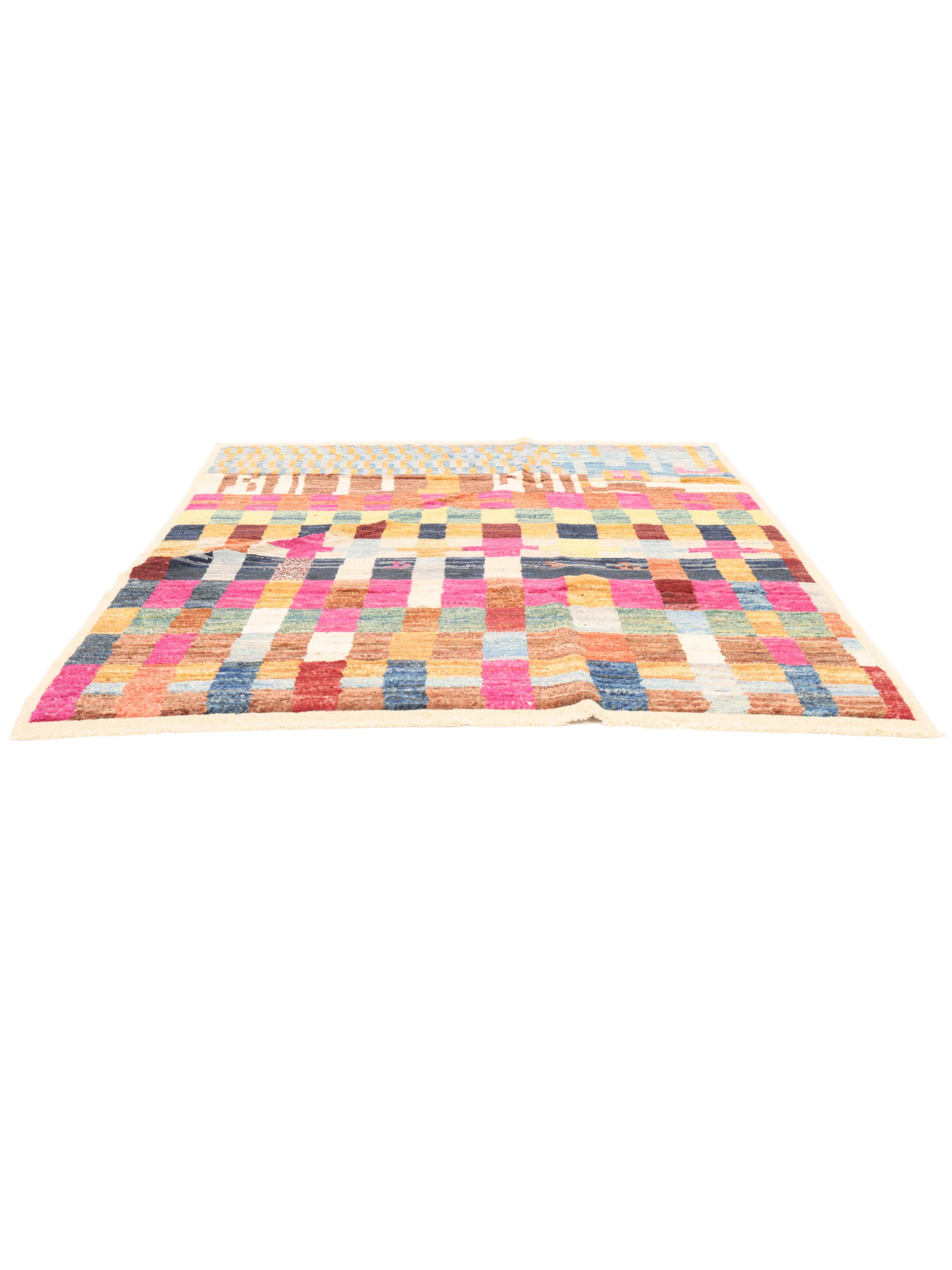
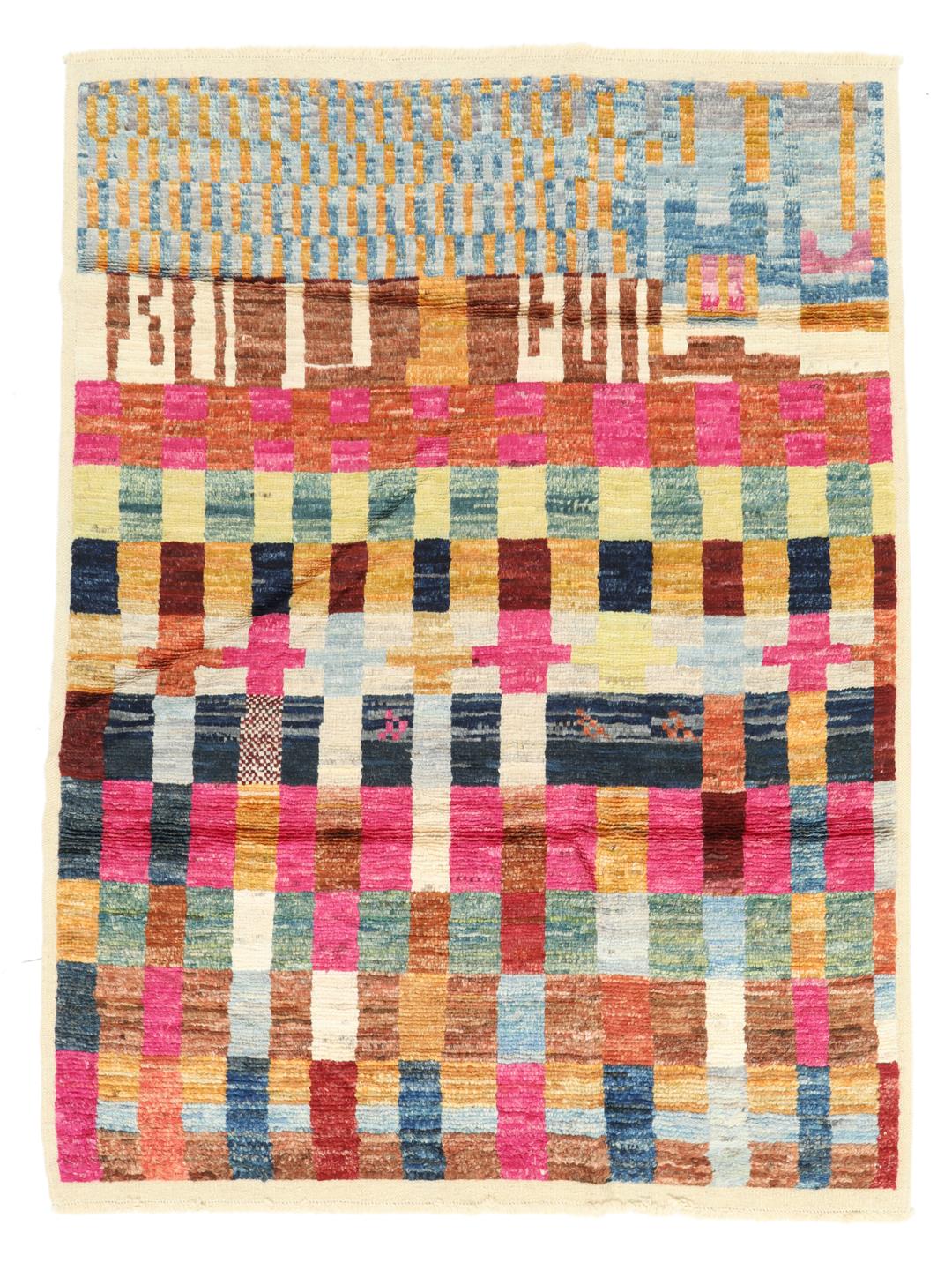
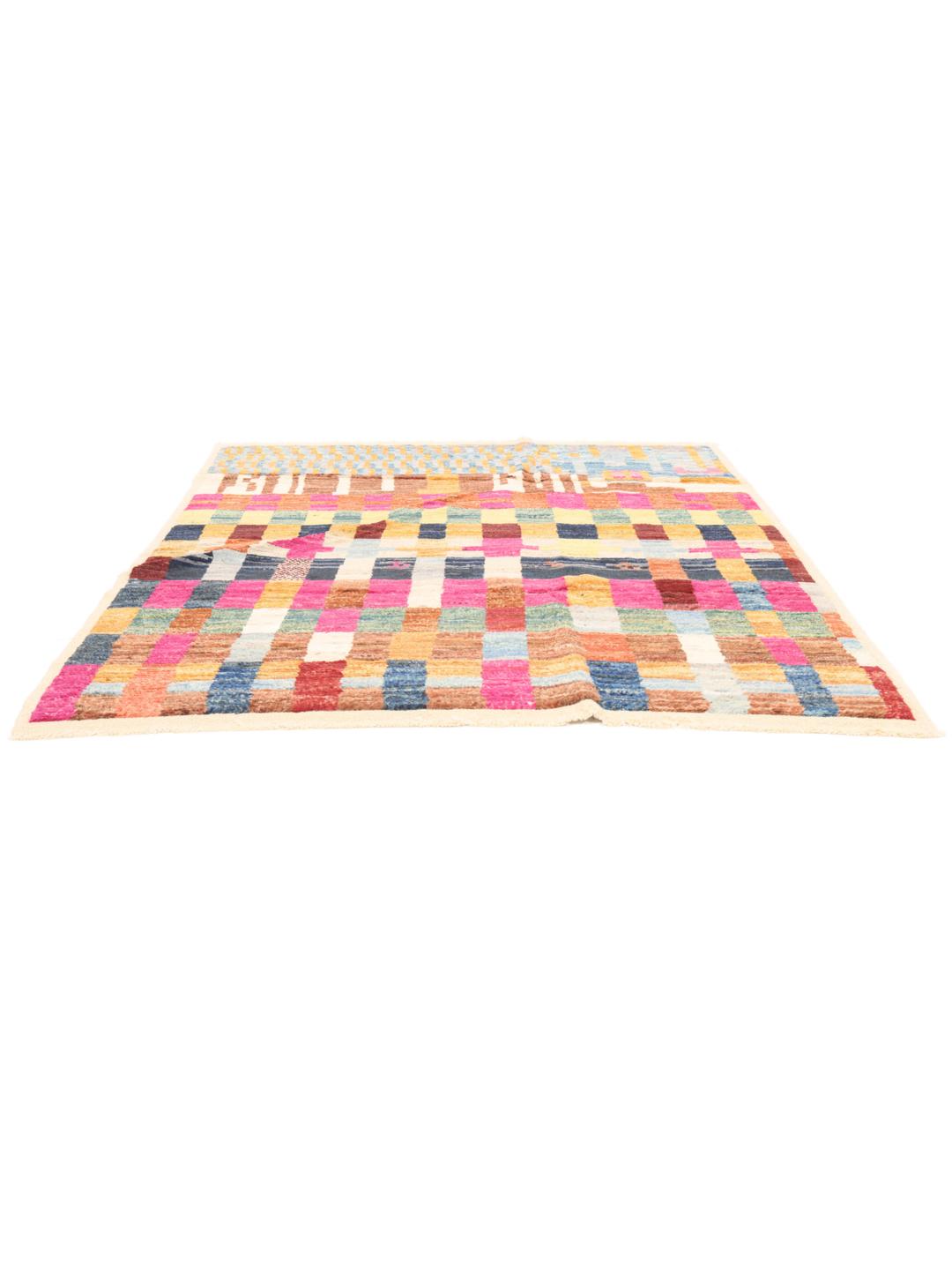
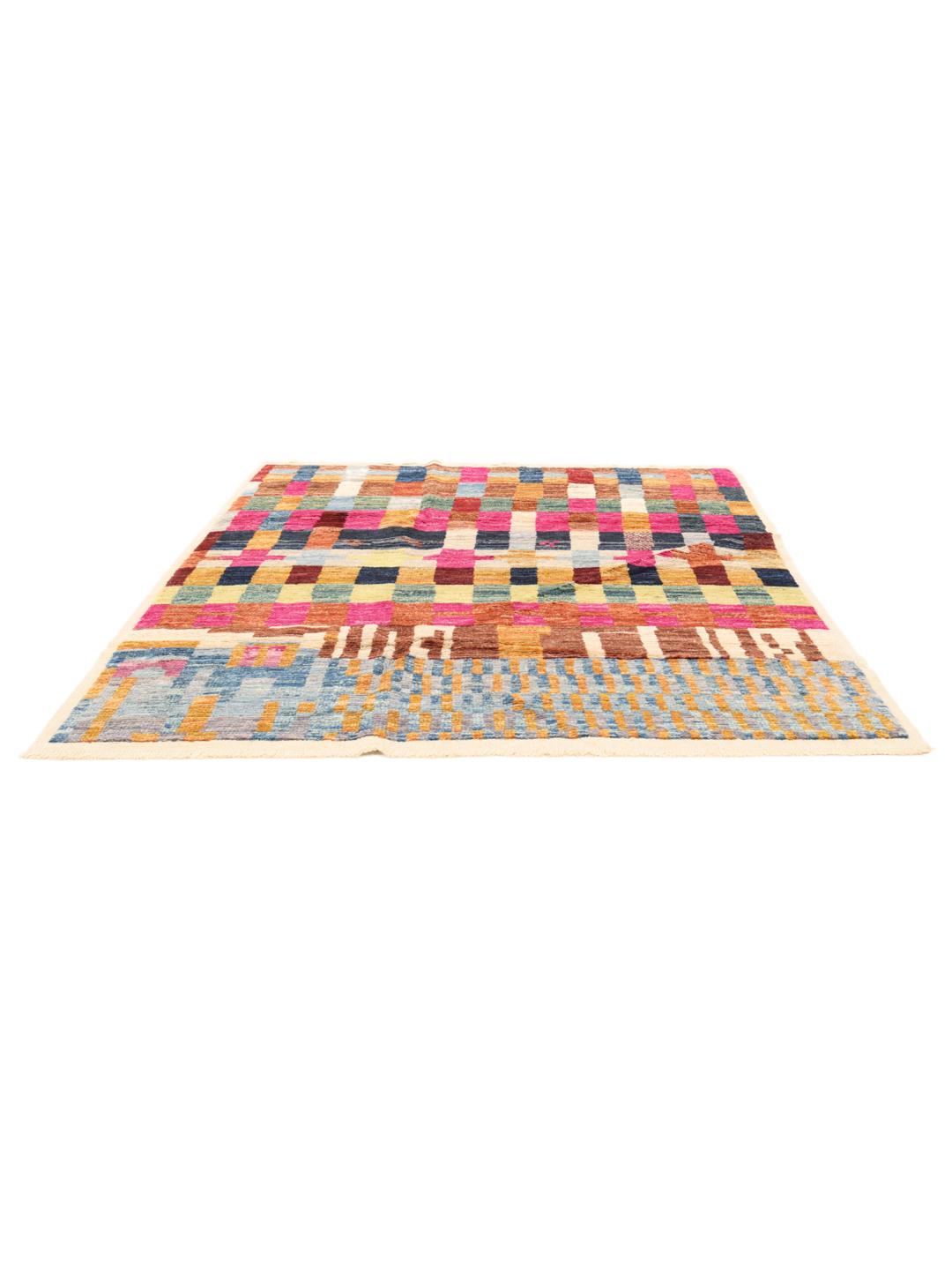
Visually, these rugs are defined by their bold, geometric language and an unapologetic use of colour. The grid and block patterns seen here are reminiscent of classic tribal motifs that have been simplified and modernised. The use of vibrant, contrasting shades is a signature of this tradition, designed to bring light and character into the home, often telling a story of the landscape or the weaver's personal vision through colour choices.
Collecting a hand-knotted rug from this tradition is an investment in cultural heritage and human skill. These pieces are valued not only for their aesthetic beauty but for the months of human labour they represent. By choosing this rug, you are supporting a craft that has survived for centuries, ensuring that these traditions continue to flourish in the modern world while adding a piece of authentic, storied art to your living space.