Berber rugs carry a rich legacy that traces back to the indigenous tribes of the Atlas Mountains and beyond, where weaving served as both a functional necessity and a form of storytelling. While the tradition is deeply rooted in North African heritage, the craft has travelled and evolved, with Afghan weavers adopting these iconic styles and blending them with their own regional expertise to create rugs of remarkable character.
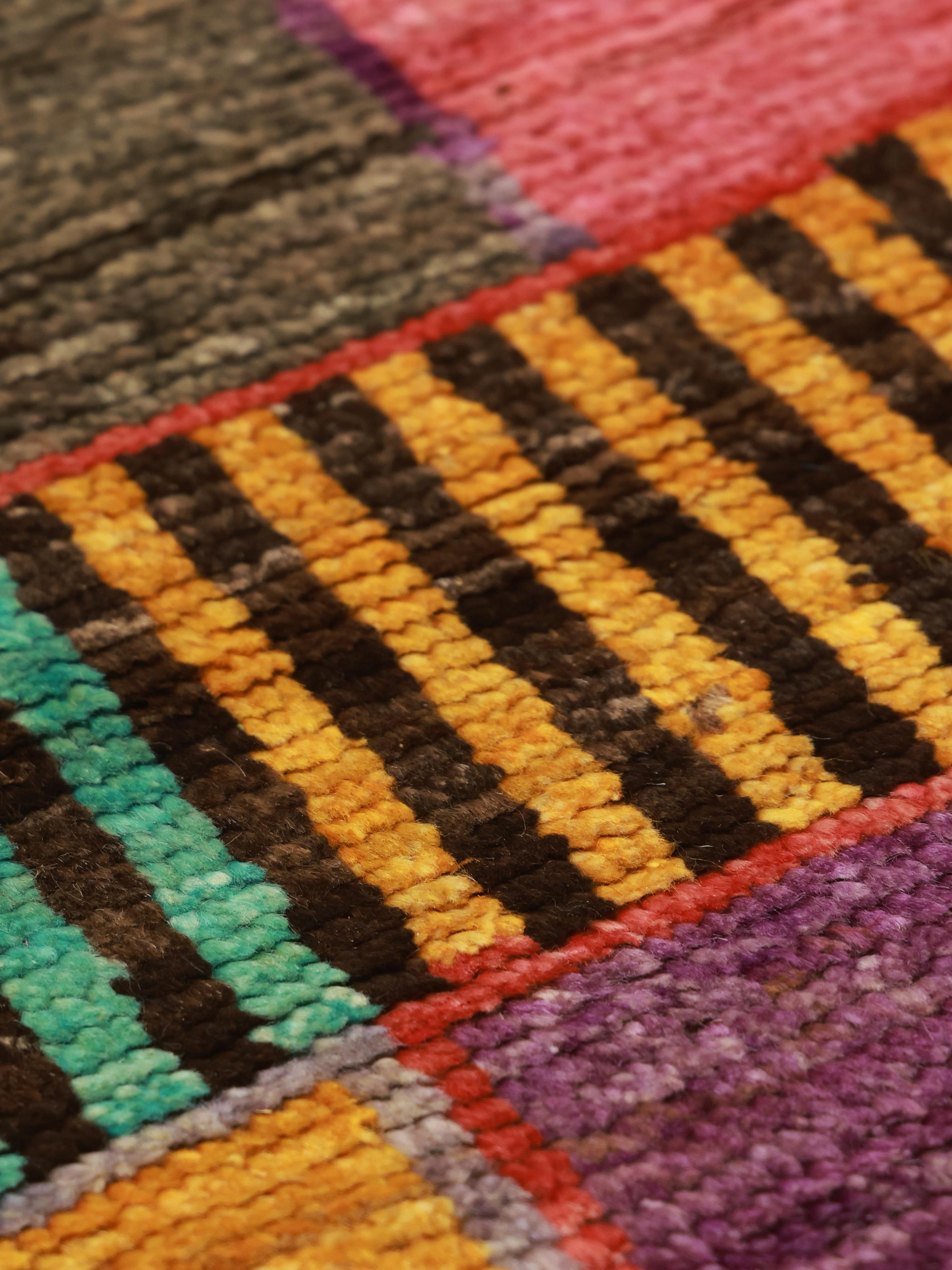
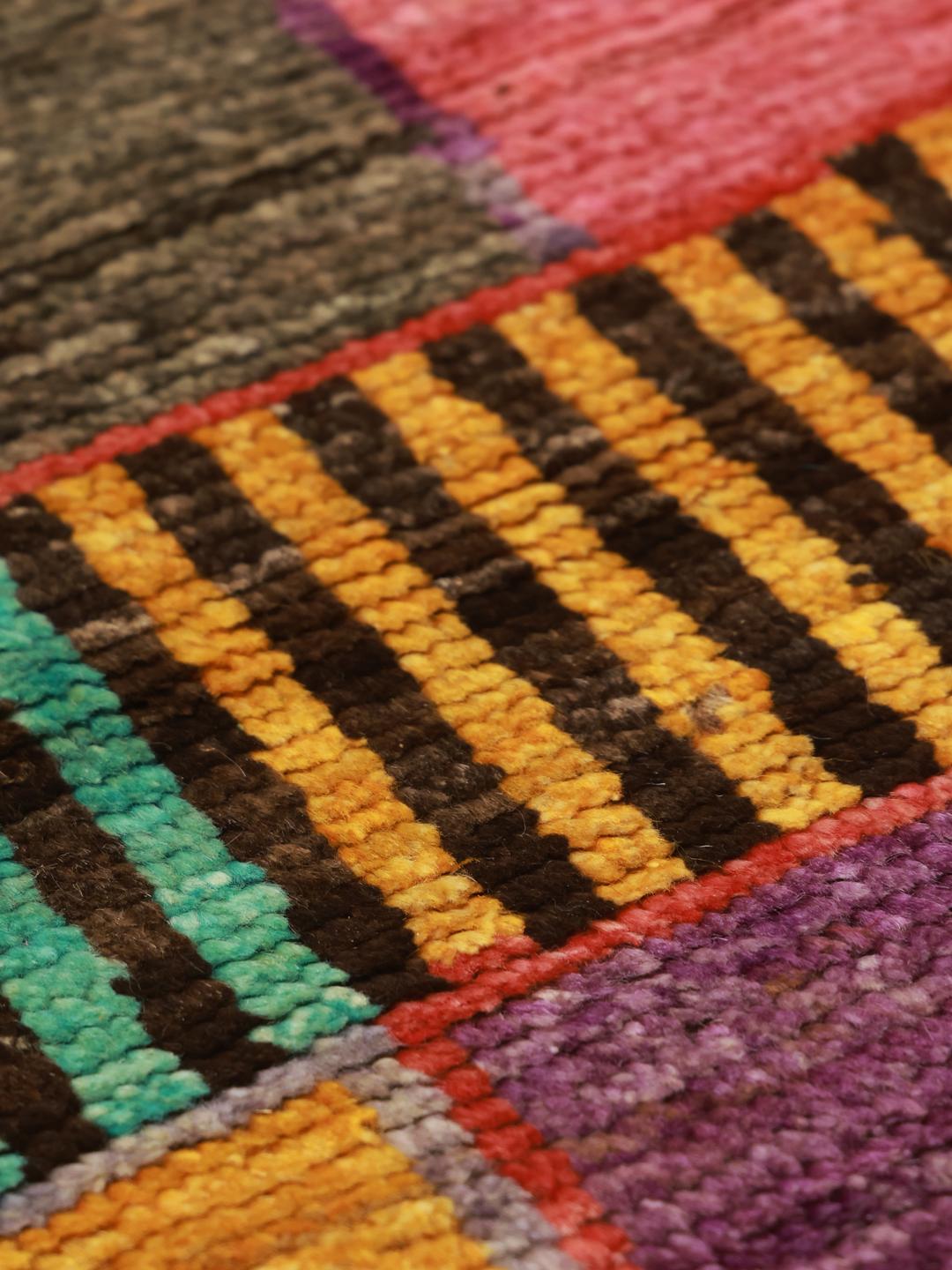
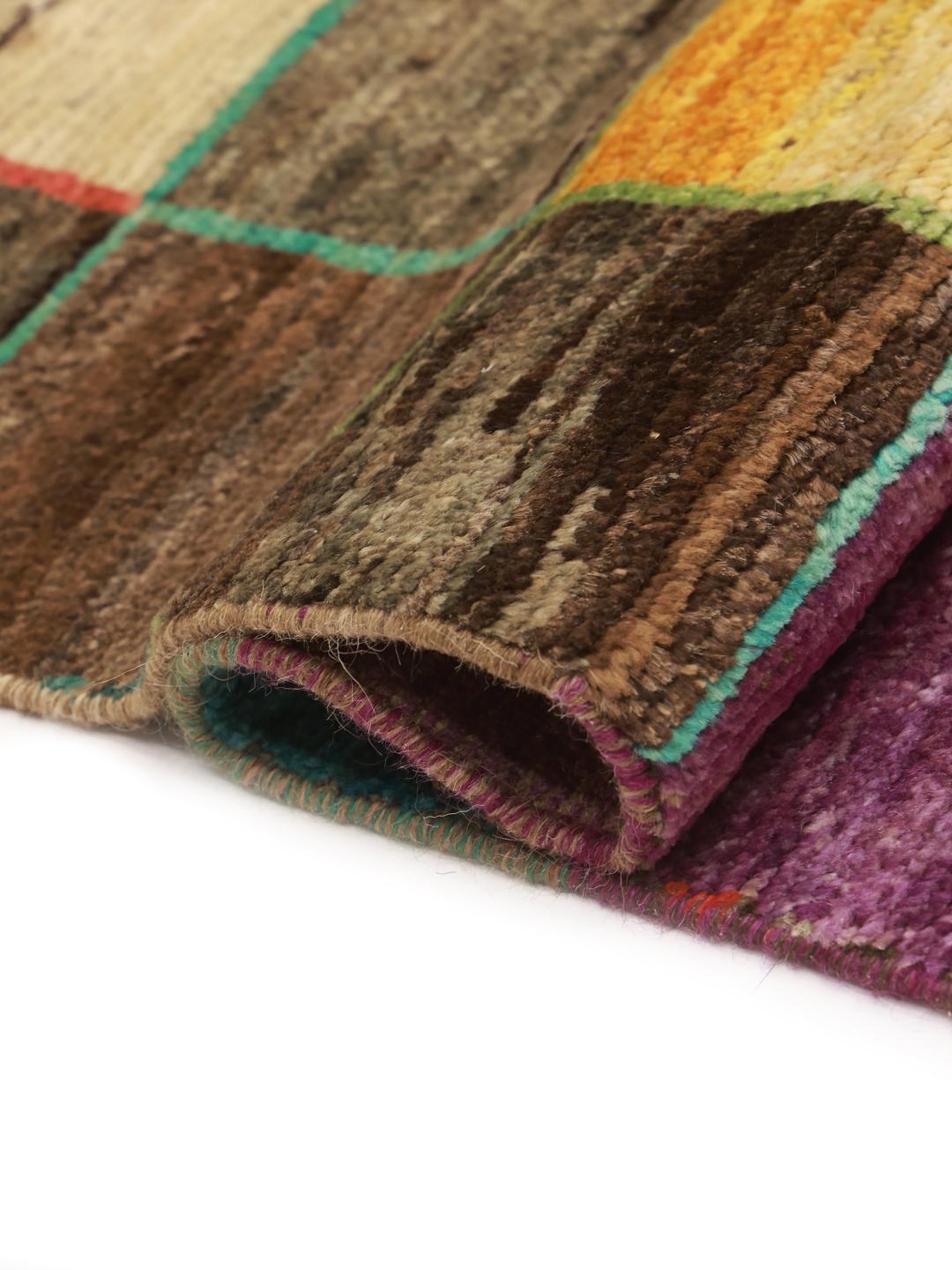
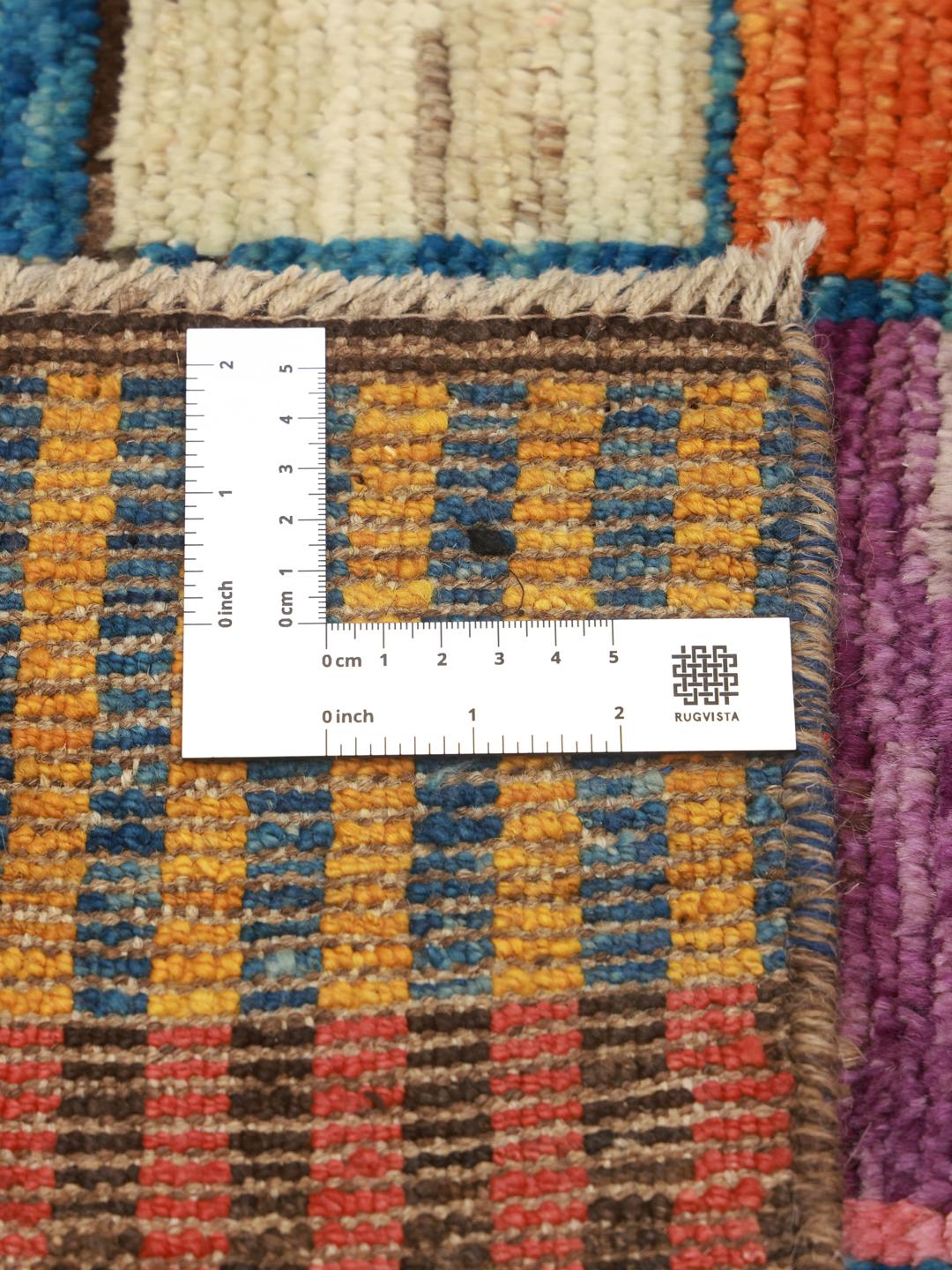
The term 'hand-knotted' refers to the traditional technique where individual tufts of Wool are tied onto the foundation of the rug. This method is the hallmark of quality in rug-making, as it creates a much more durable and luxurious pile than machine-made alternatives. It allows for the complexity of the design to be fully realised, ensuring that the colours remain vivid and the structure holds firm over many years of use.
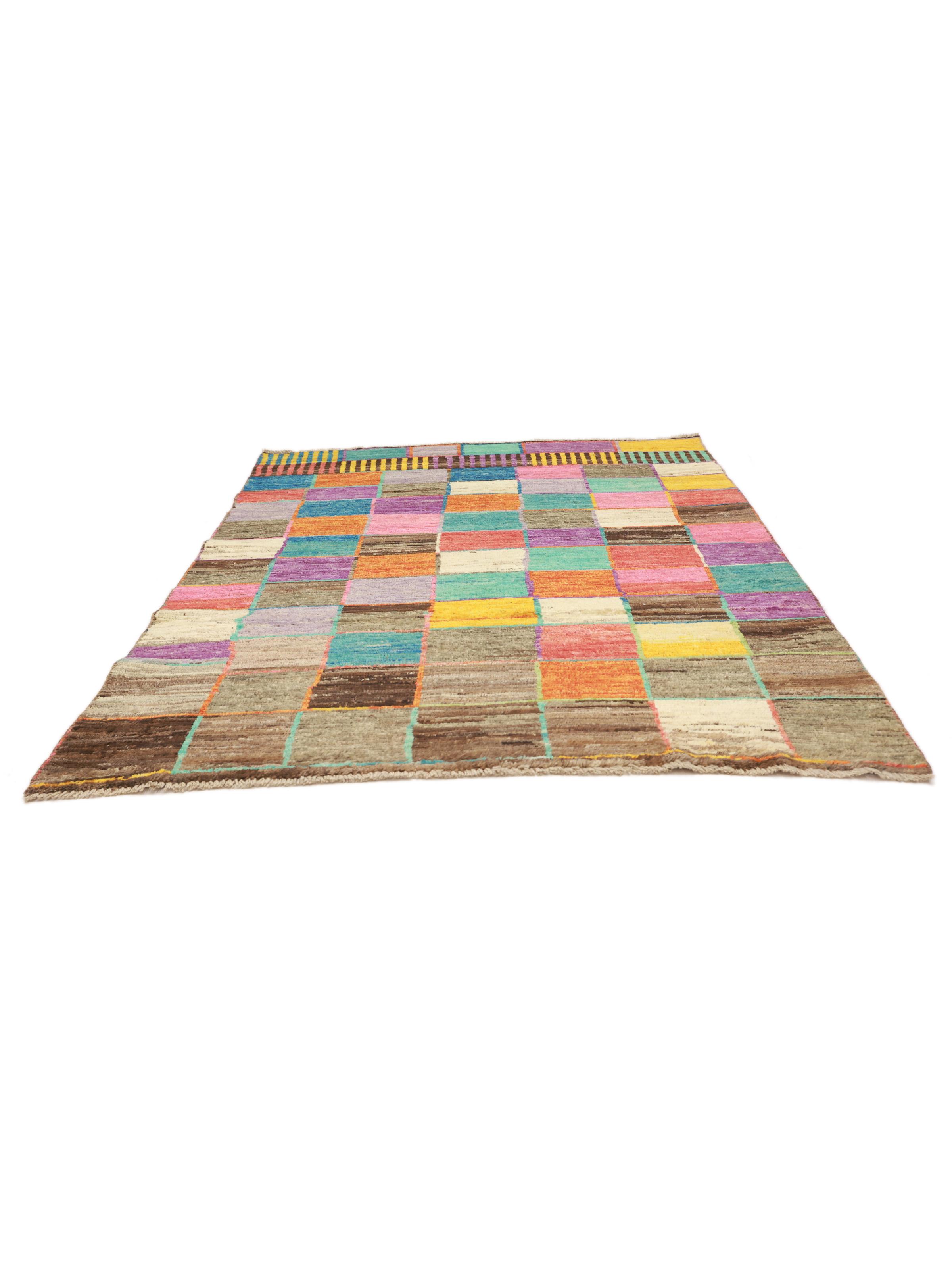
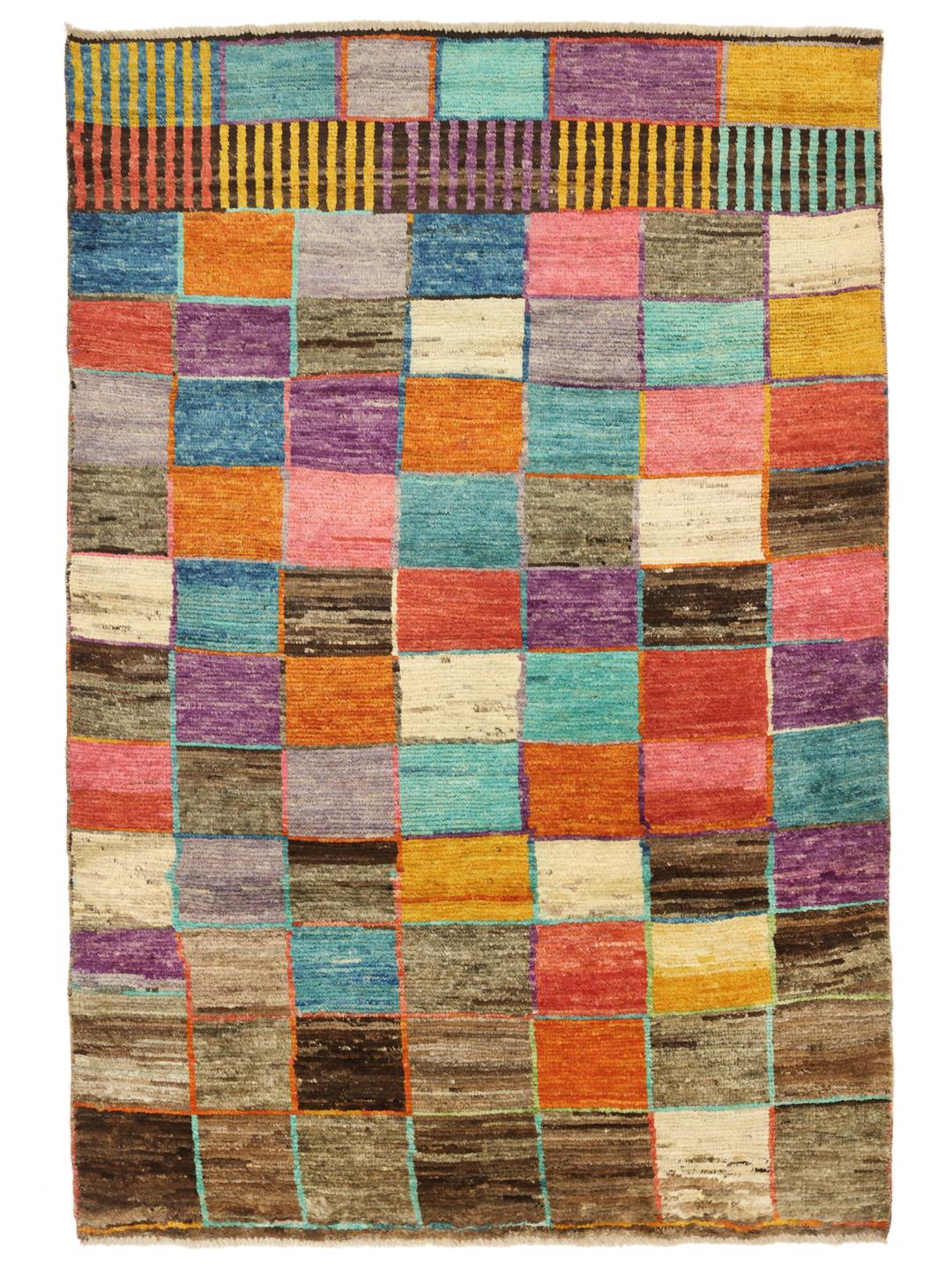
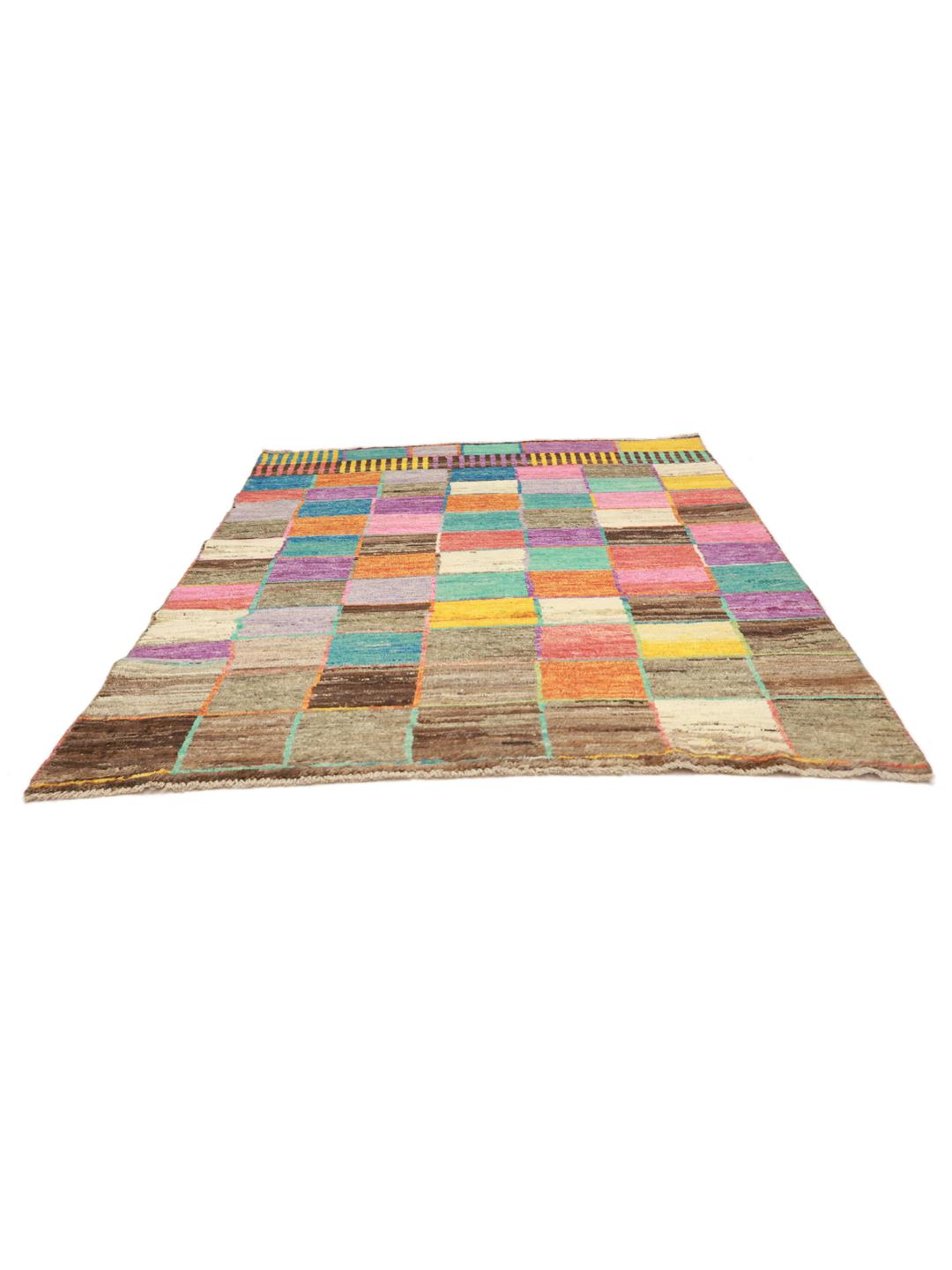
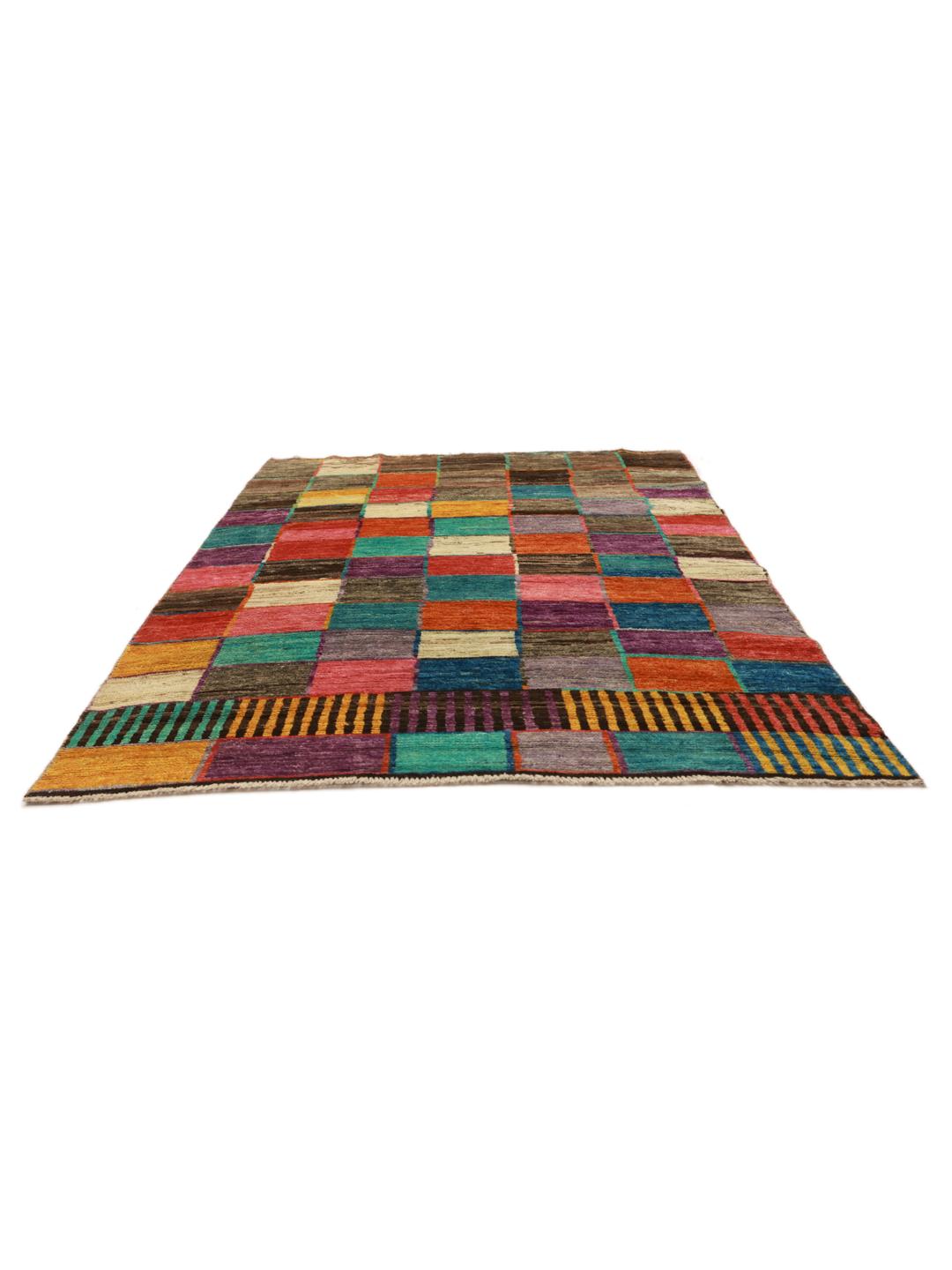
Visually, Berber rugs are celebrated for their bold, minimalist, and often geometric motifs. While they are traditionally known for earthy tones, contemporary interpretations like this one embrace a vibrant, multicoloured palette. This use of bold, contrasting blocks creates a modern aesthetic that honours the classic, rugged spirit of the original Berber style while fitting seamlessly into diverse modern homes.
Owning a hand-knotted rug of this calibre is an investment in human skill and cultural preservation. Each piece is a testament to the weaver's dedication, representing a bridge between ancient techniques and current design sensibilities. Collectors and design enthusiasts alike value these rugs not just for their physical beauty, but for the story of craftsmanship they bring into a living space.