The Berber tradition, while historically rooted in the mountainous regions of North Africa, has seen its influence travel far beyond its original borders. Today, the aesthetic of these rugs is celebrated globally for its ability to merge primitive, geometric simplicity with a deep sense of human narrative. The migration of these styles to Afghanistan has resulted in a fascinating evolution where local weaving techniques meet iconic, tribal design languages.
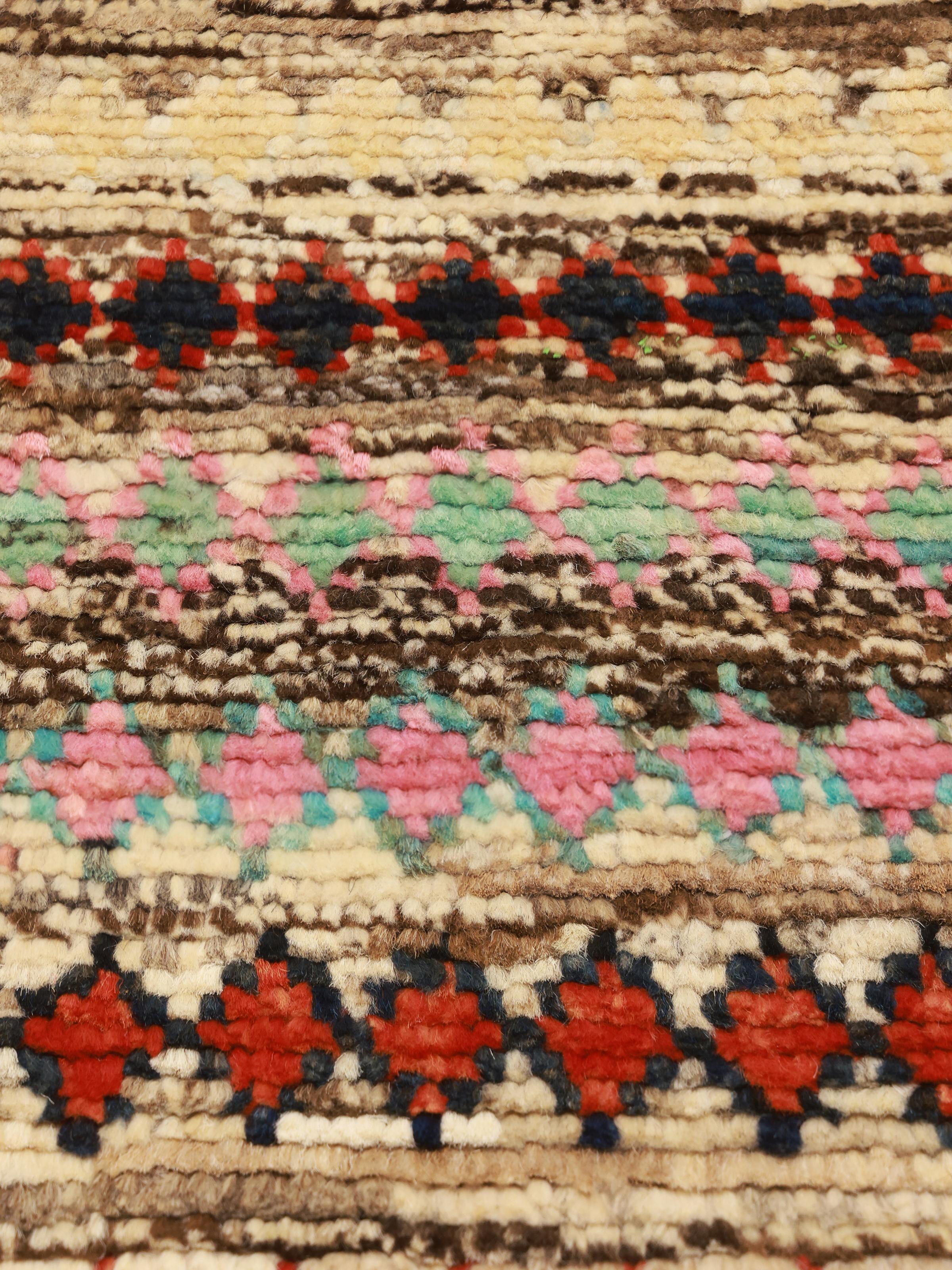
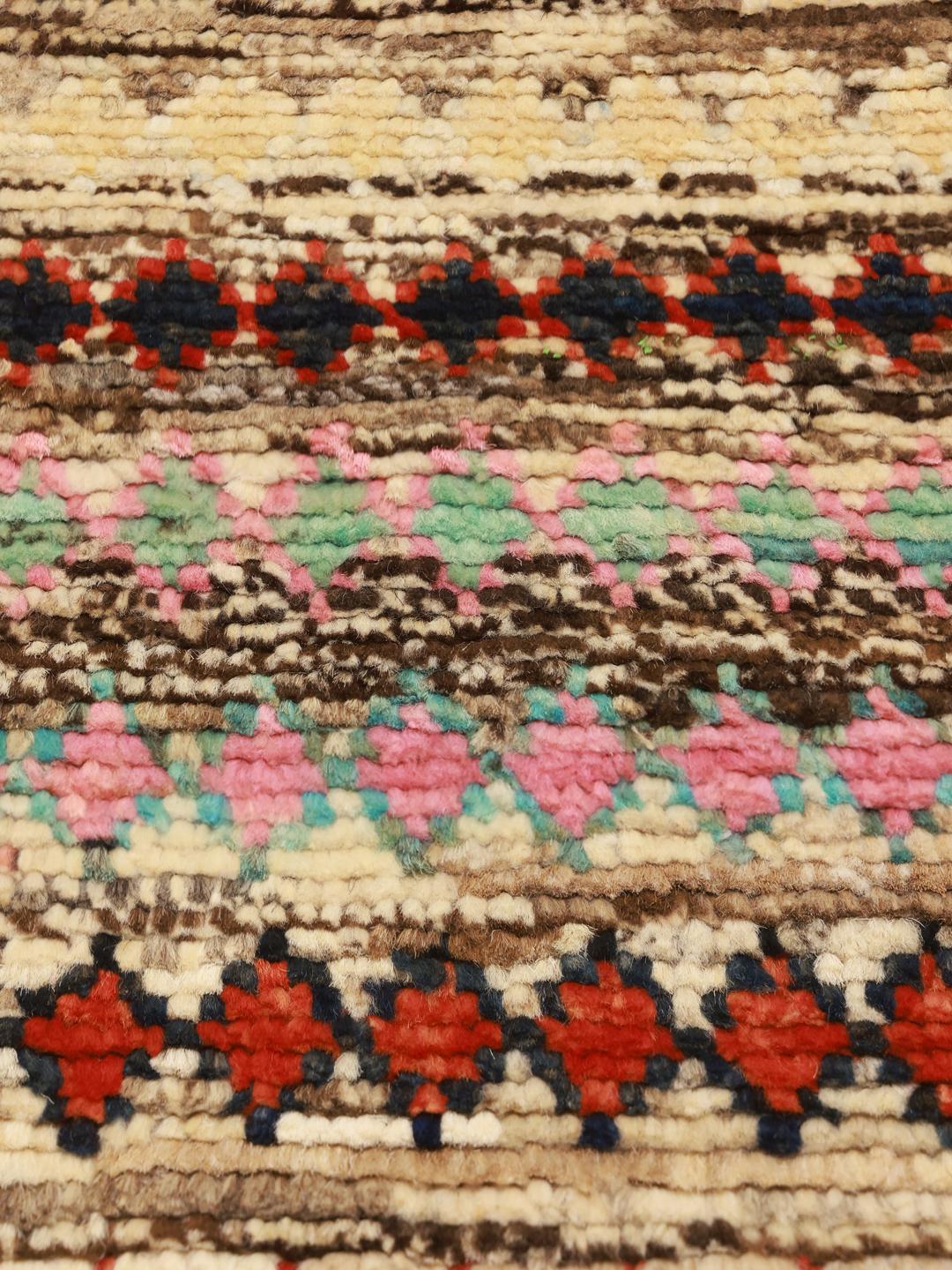
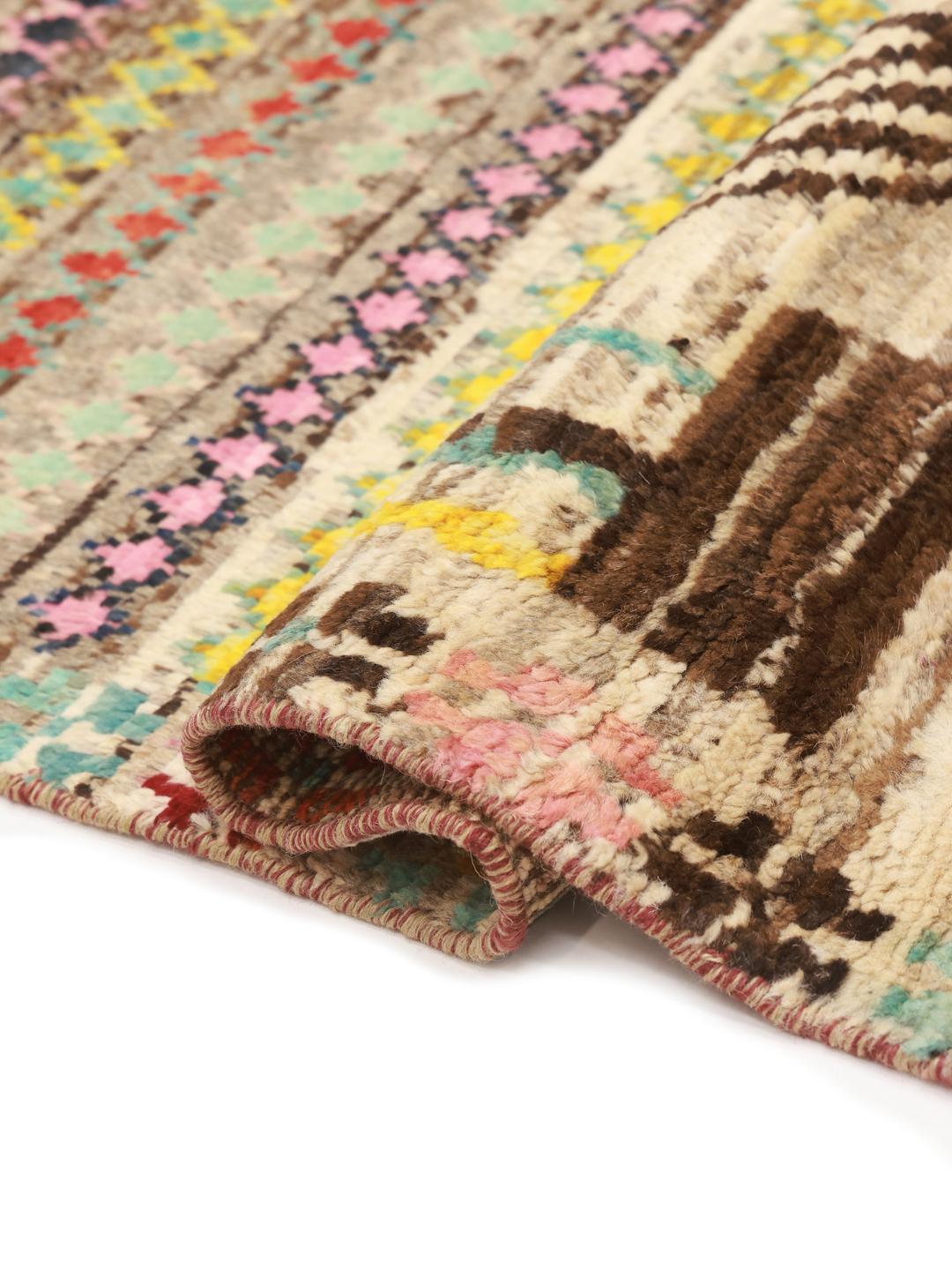
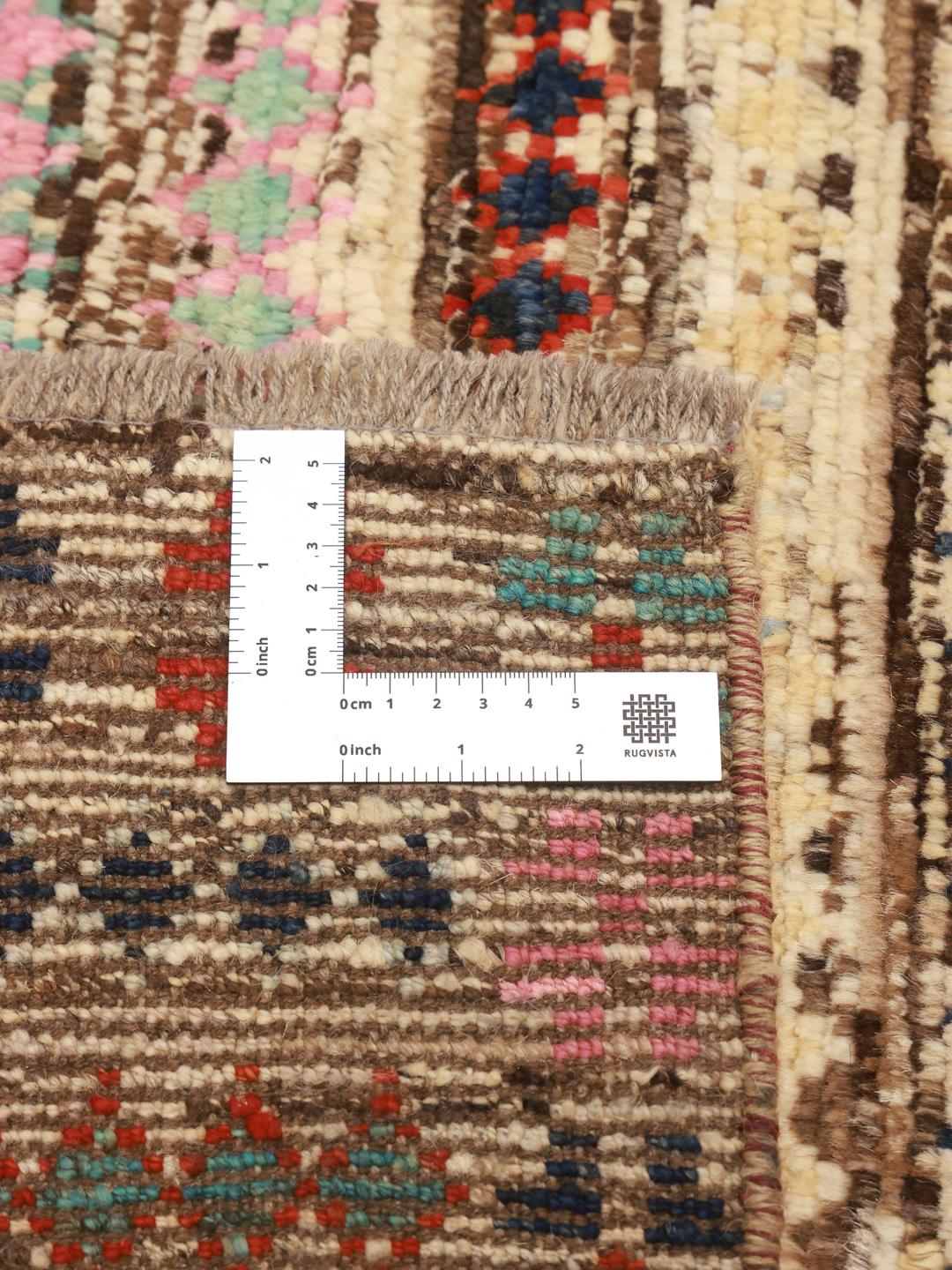
Central to the quality of these rugs is the hand-knotting technique, a method that requires immense skill and patience. When we talk about these pieces, we are referencing a heritage of craftsmanship that prioritises the longevity of the wool. This construction method allows for a density and texture that cannot be achieved through other means, ensuring that the rug is not just a decorative item but a functional, long-lasting part of a home.
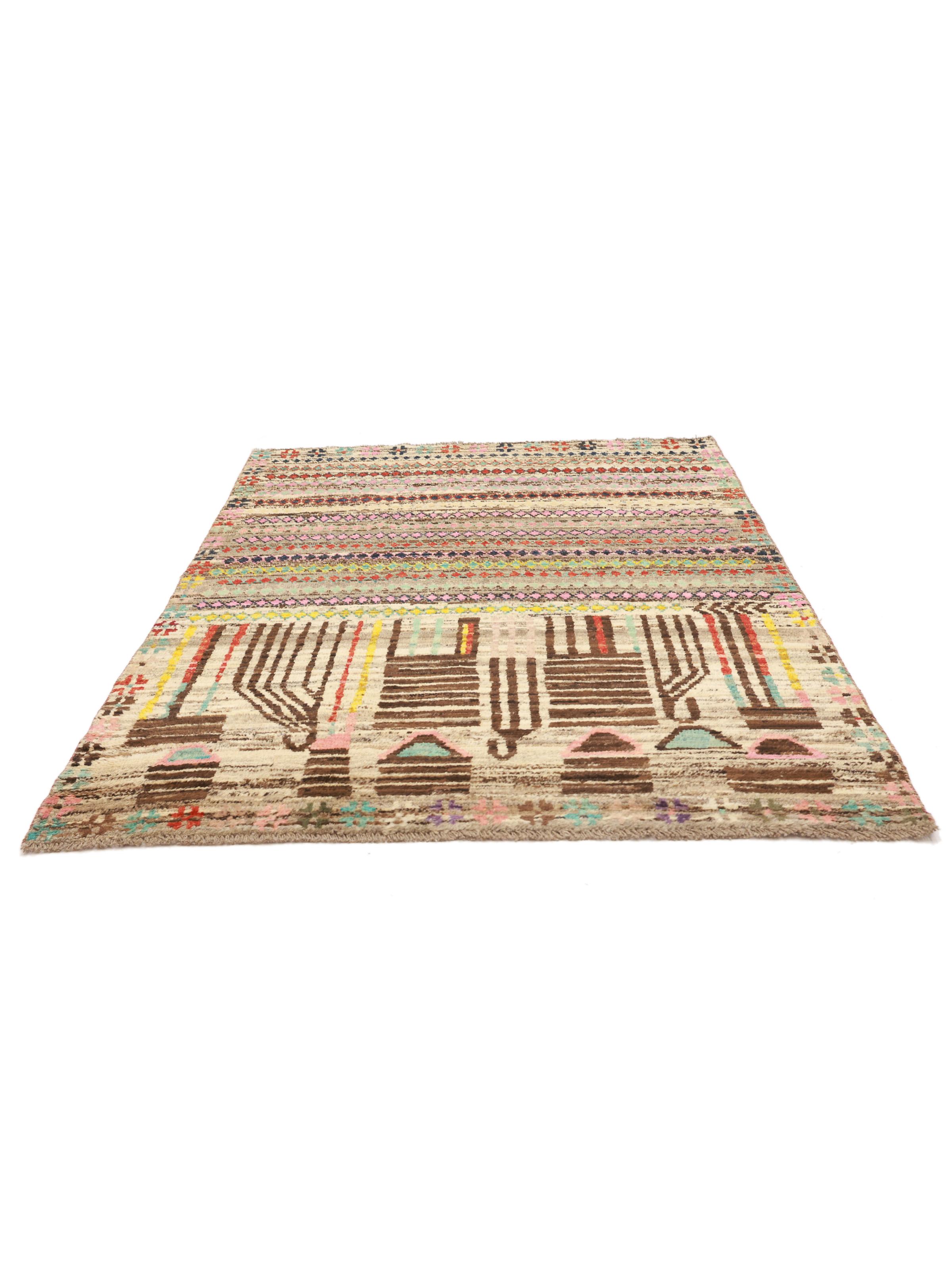
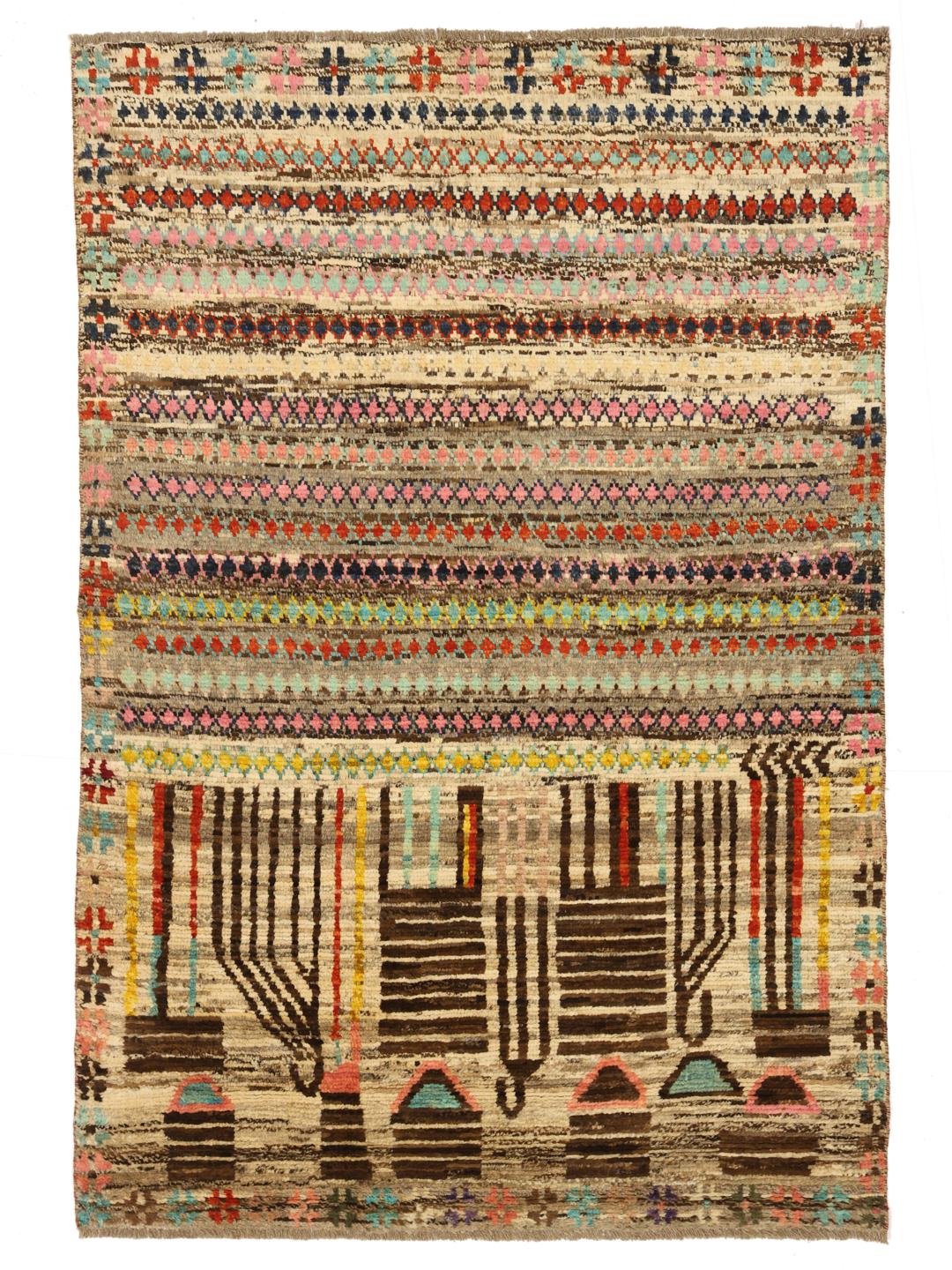
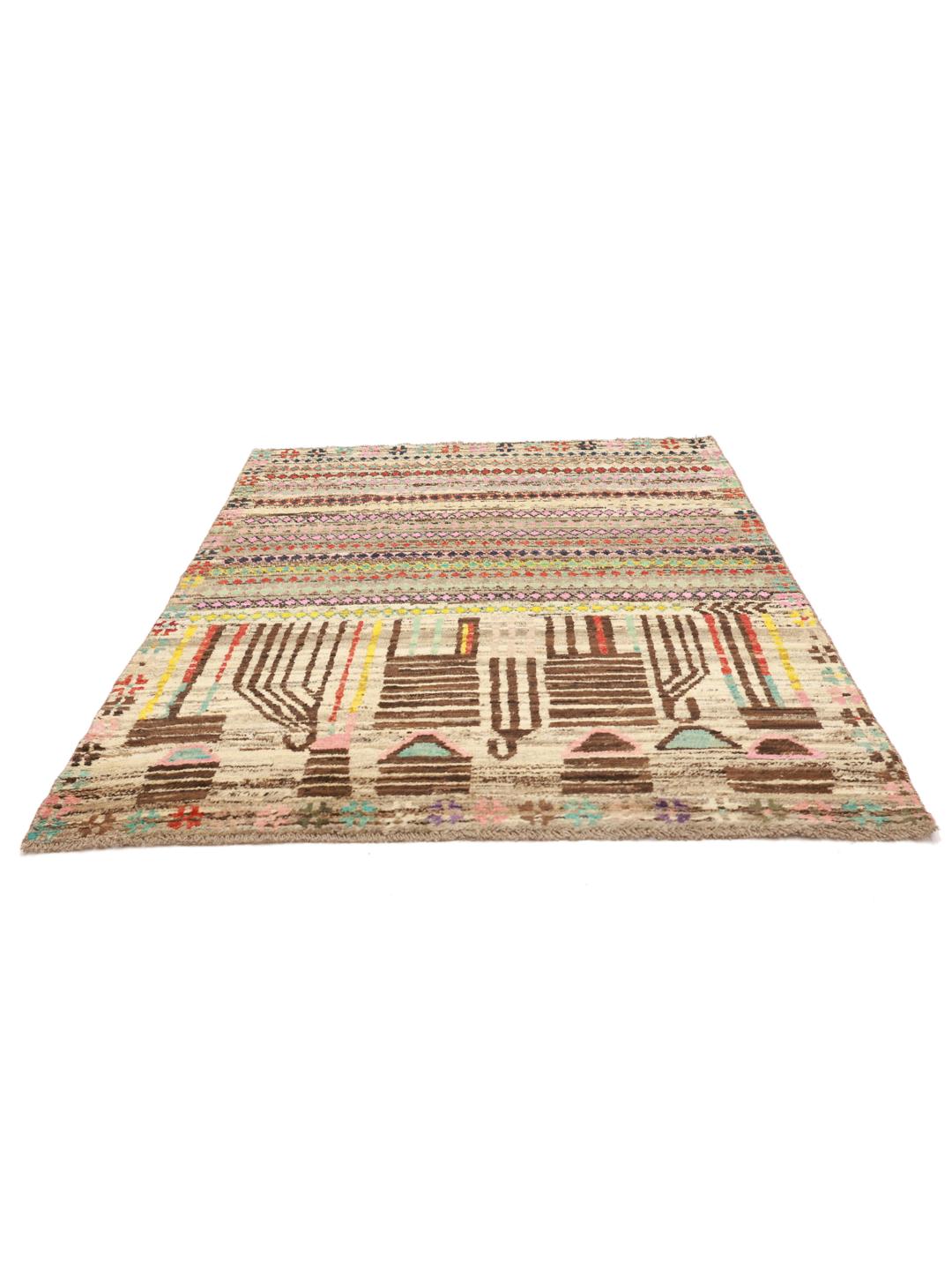
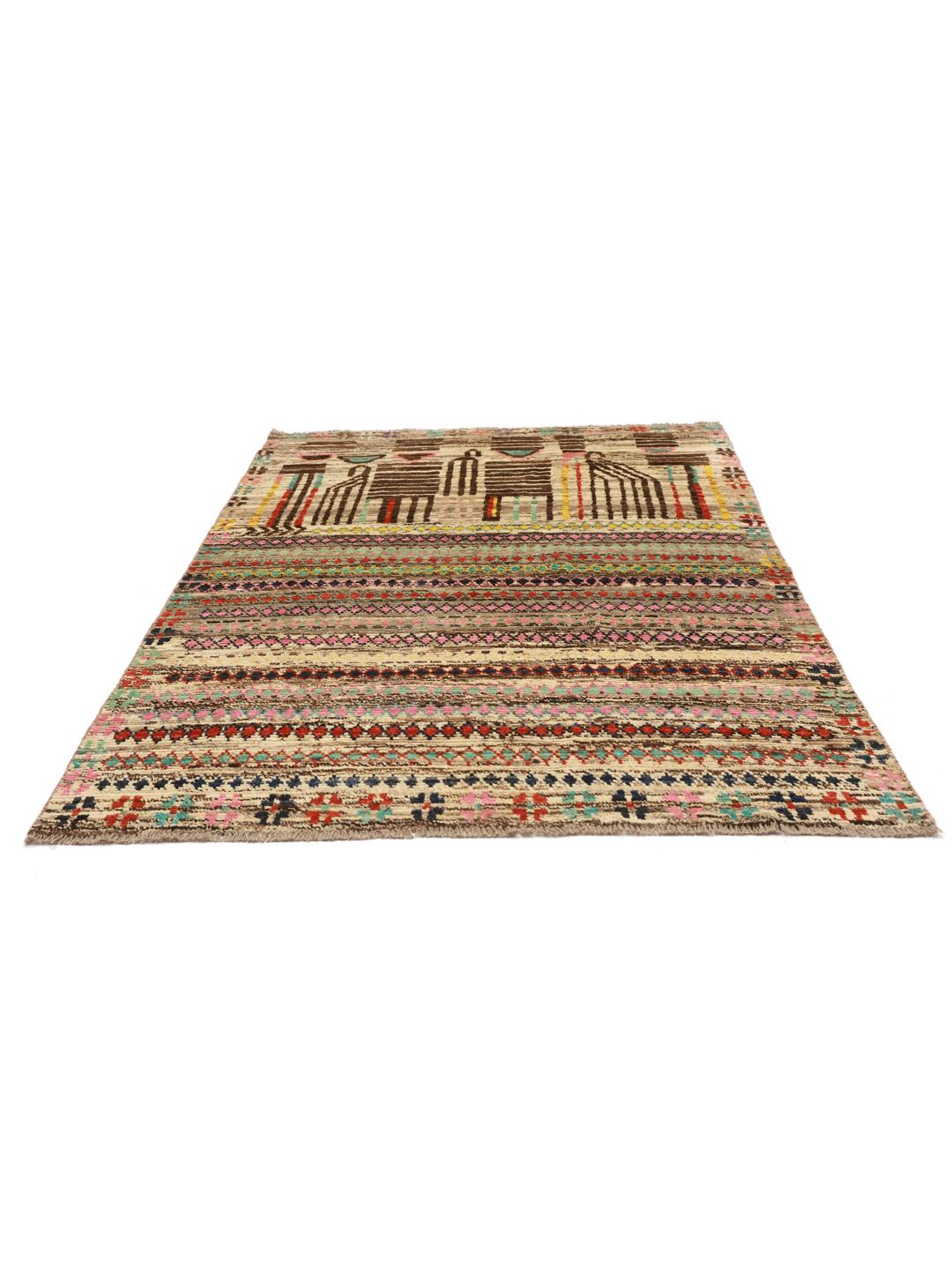
Visually, these rugs are defined by their bold, symbolic motifs and a use of colour that often feels both spontaneous and deeply considered. Traditional Berber designs often feature geometric shapes, lines, and diamonds, which serve as a visual language representing elements of nature and daily life. In this particular piece, the vibrant colours act as a modern interpretation of these ancient patterns, creating a lively visual rhythm that feels both historical and contemporary.
Collecting a rug from this tradition is about more than just filling floor space; it is about acquiring a piece of cultural history. These rugs are valued for their ability to carry the spirit of their makers, with every design choice reflecting a connection to a long lineage of weavers. Owning one means participating in a story of skill and heritage, ensuring that these ancient creative practices continue to thrive in modern homes.