Berber rugs are deeply rooted in the traditions of the Atlas Mountains, where they were originally created by indigenous tribes for practical use as bedding and floor coverings. While the classic Berber style is often associated with simple, undyed Wool and minimalist geometric lines, the evolution of the craft has seen a vibrant transformation. Today, artisans in various regions, including Afghanistan, have embraced this tradition, infusing it with bold, contemporary colour palettes while maintaining the core principles of the craft.
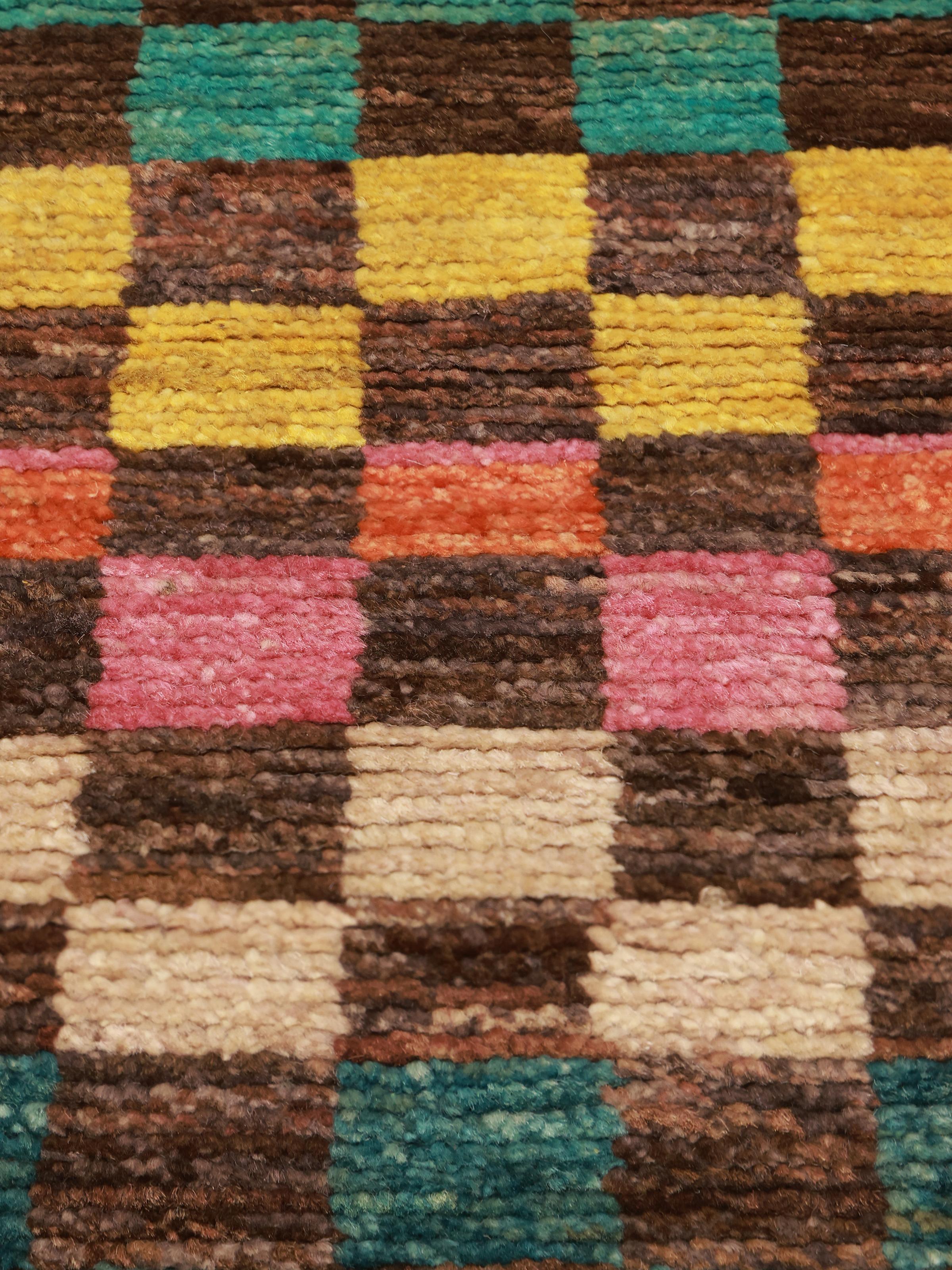
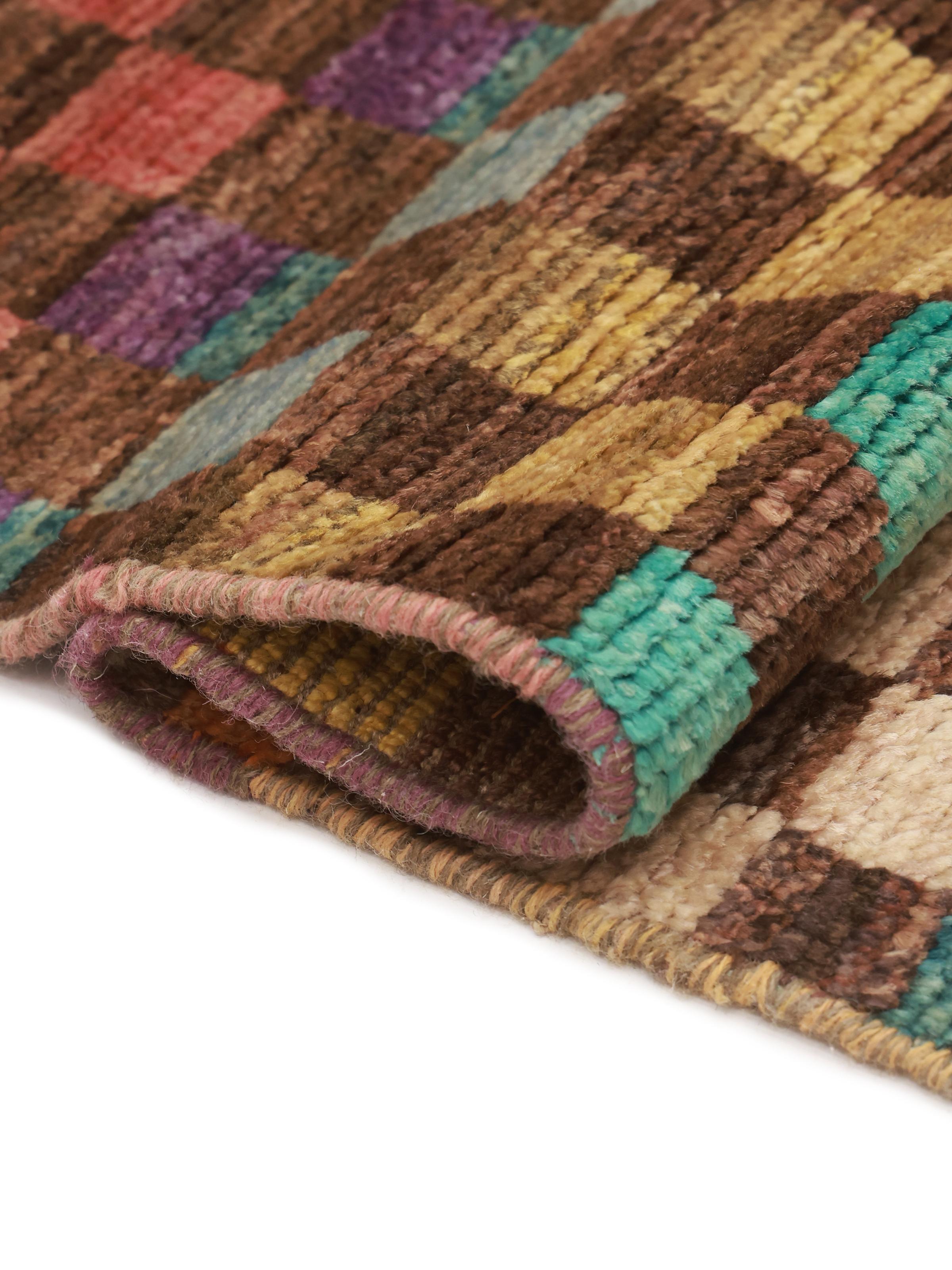
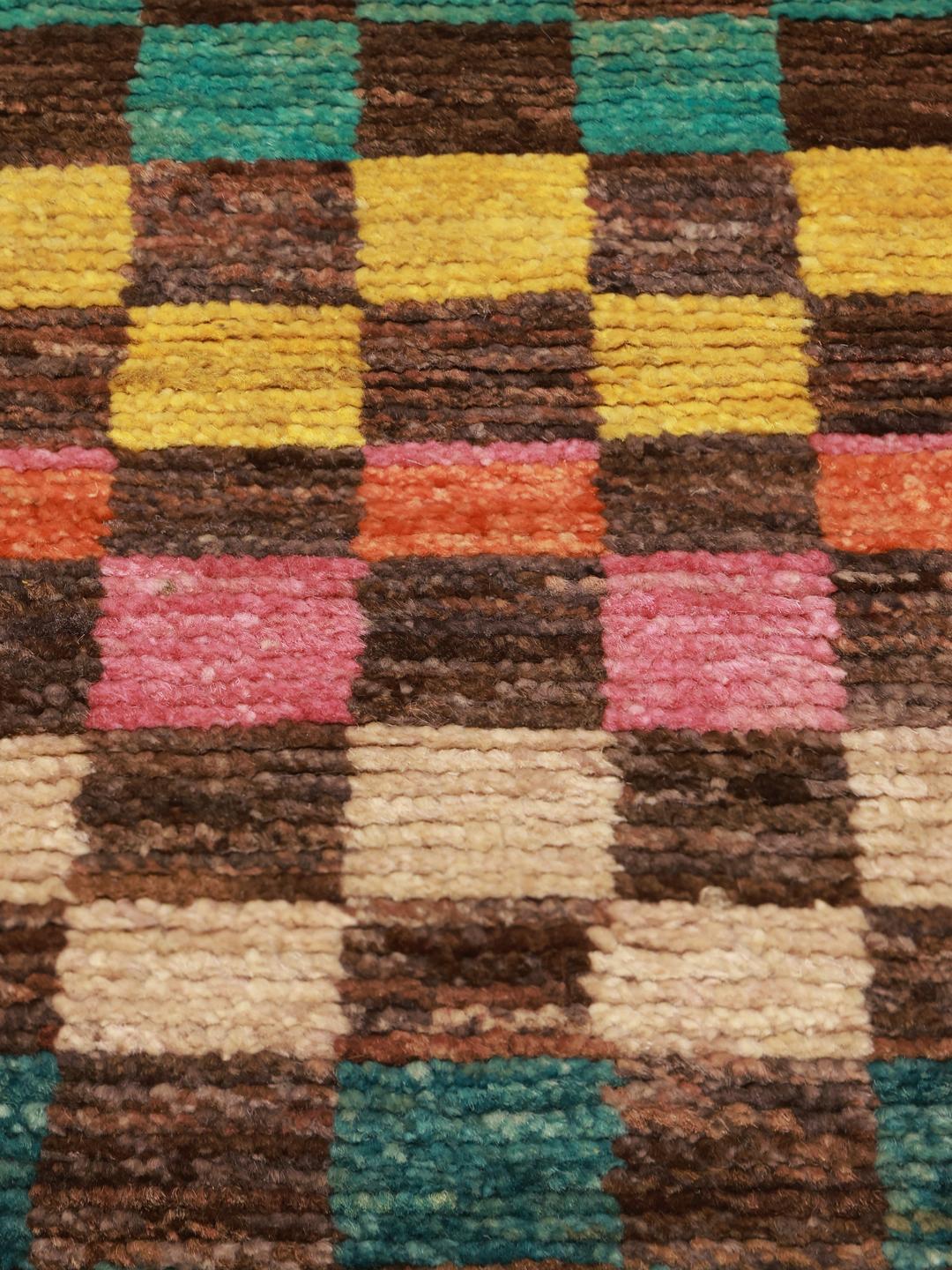
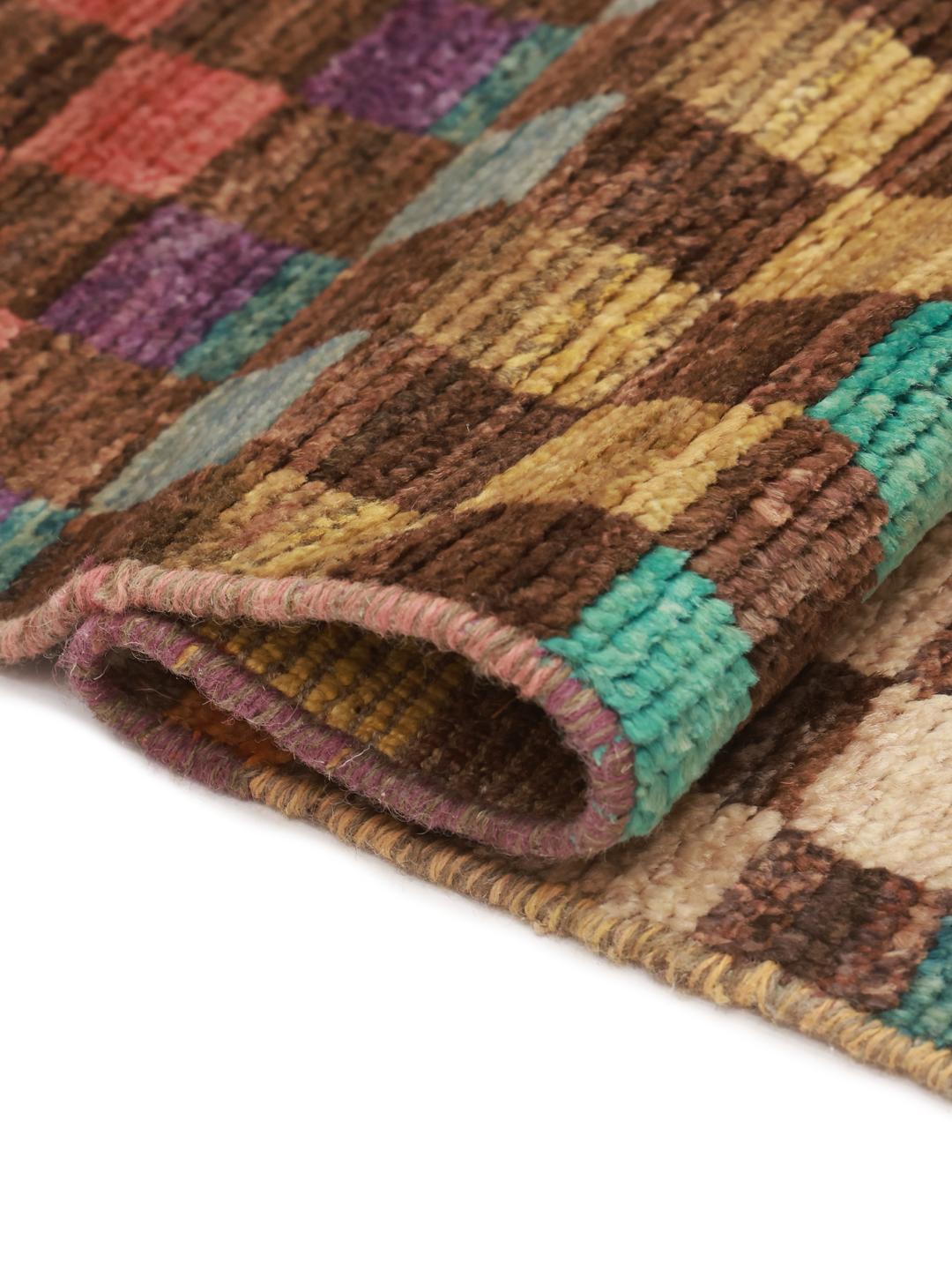
The term hand-knotted refers to the technique where individual strands of Wool are tied around the foundation threads. This method is the hallmark of quality in the rug world, as it creates a pile that is incredibly durable and capable of holding intricate designs. The time-consuming nature of this craft ensures that every knot is placed with intention, resulting in a finished product that is far more resilient than tufted or machine-woven alternatives.
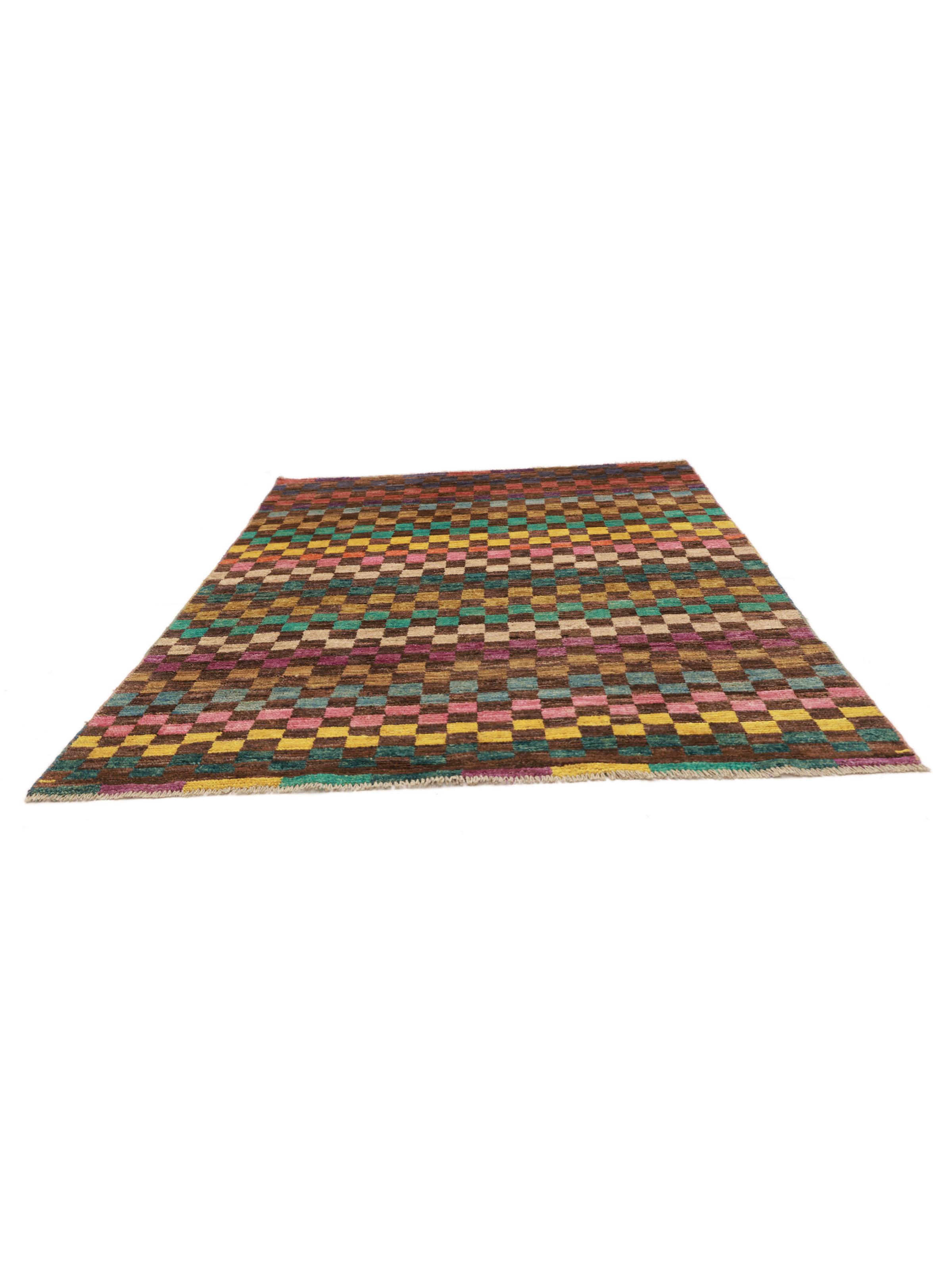
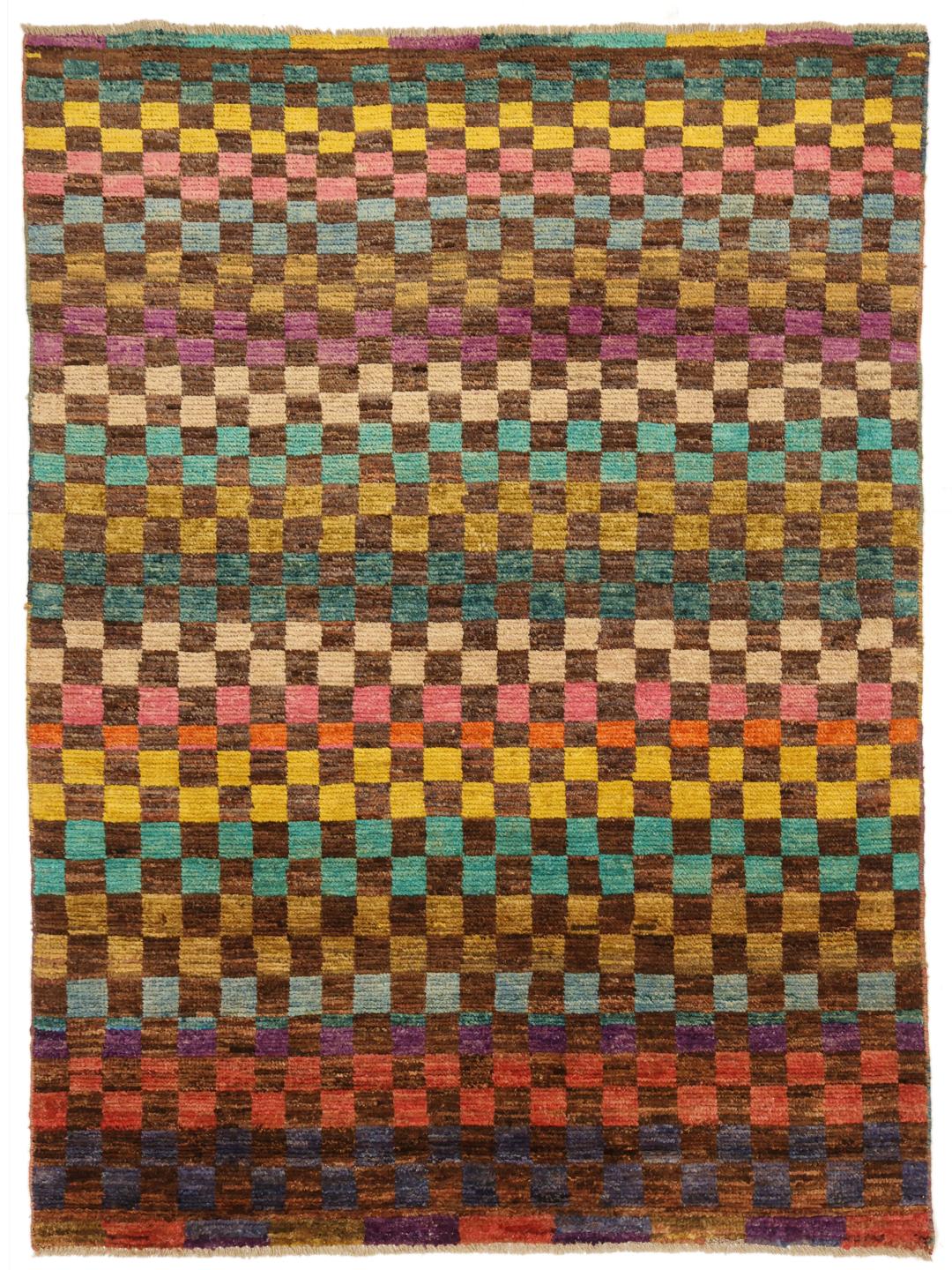
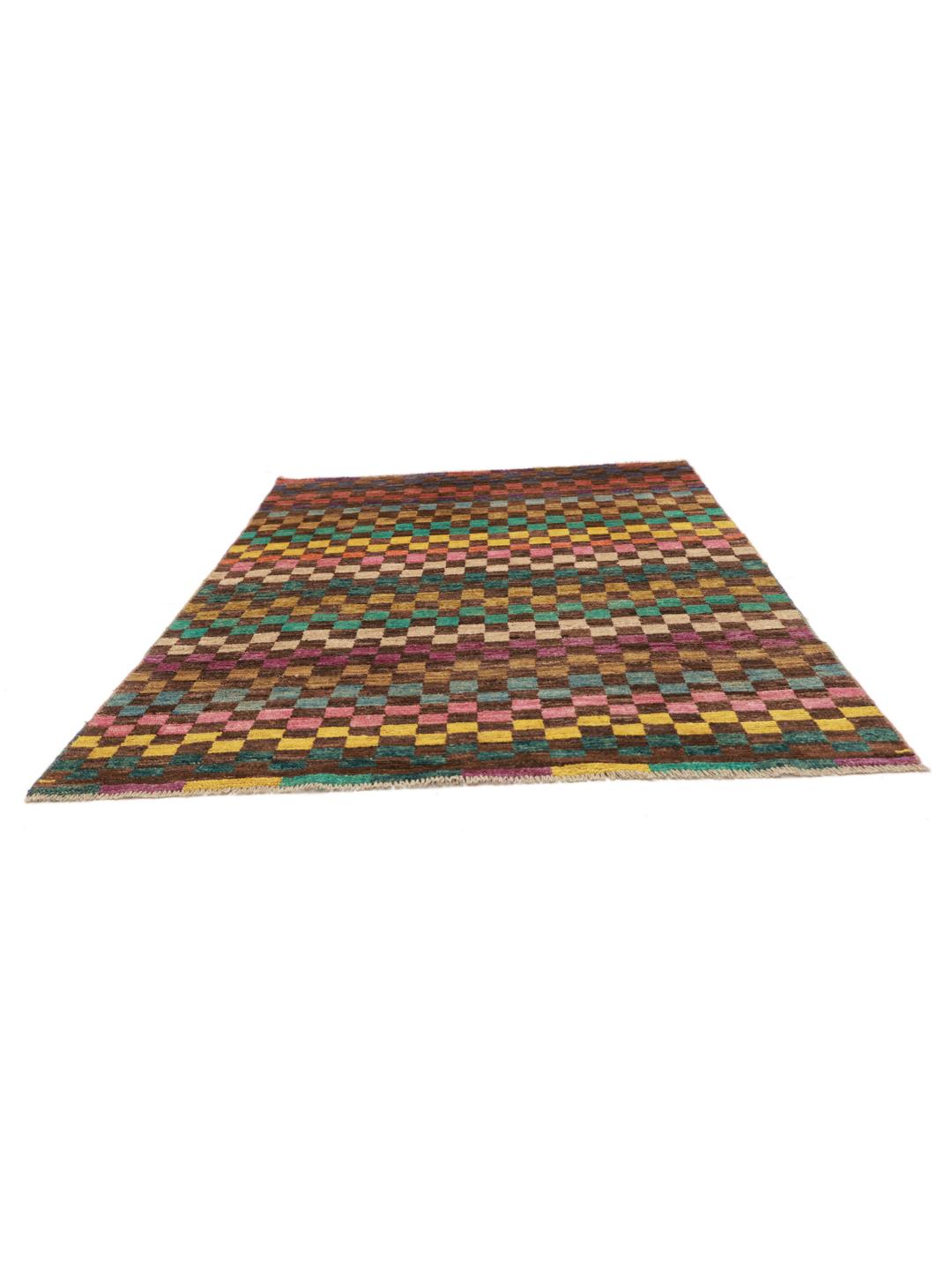
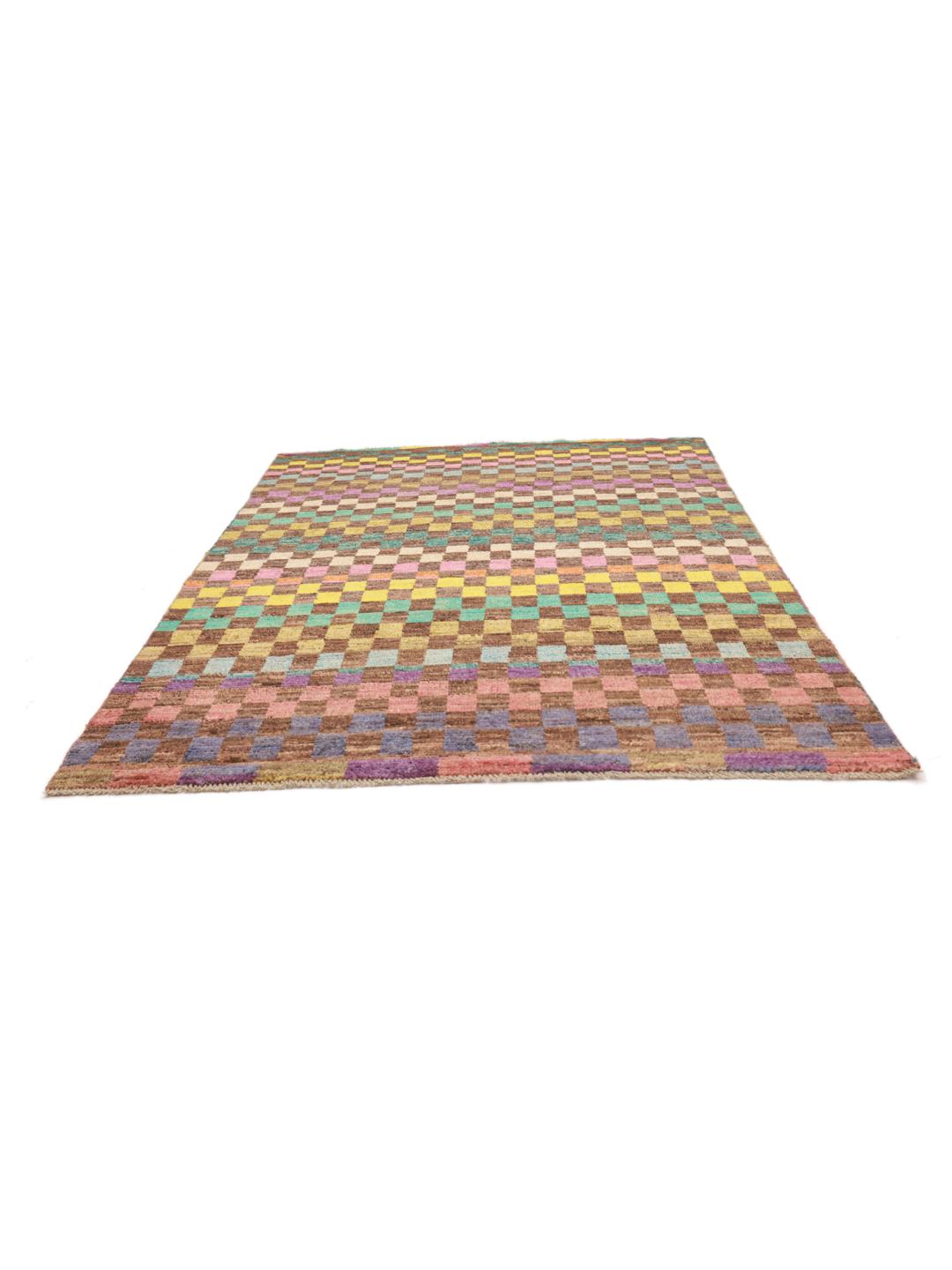
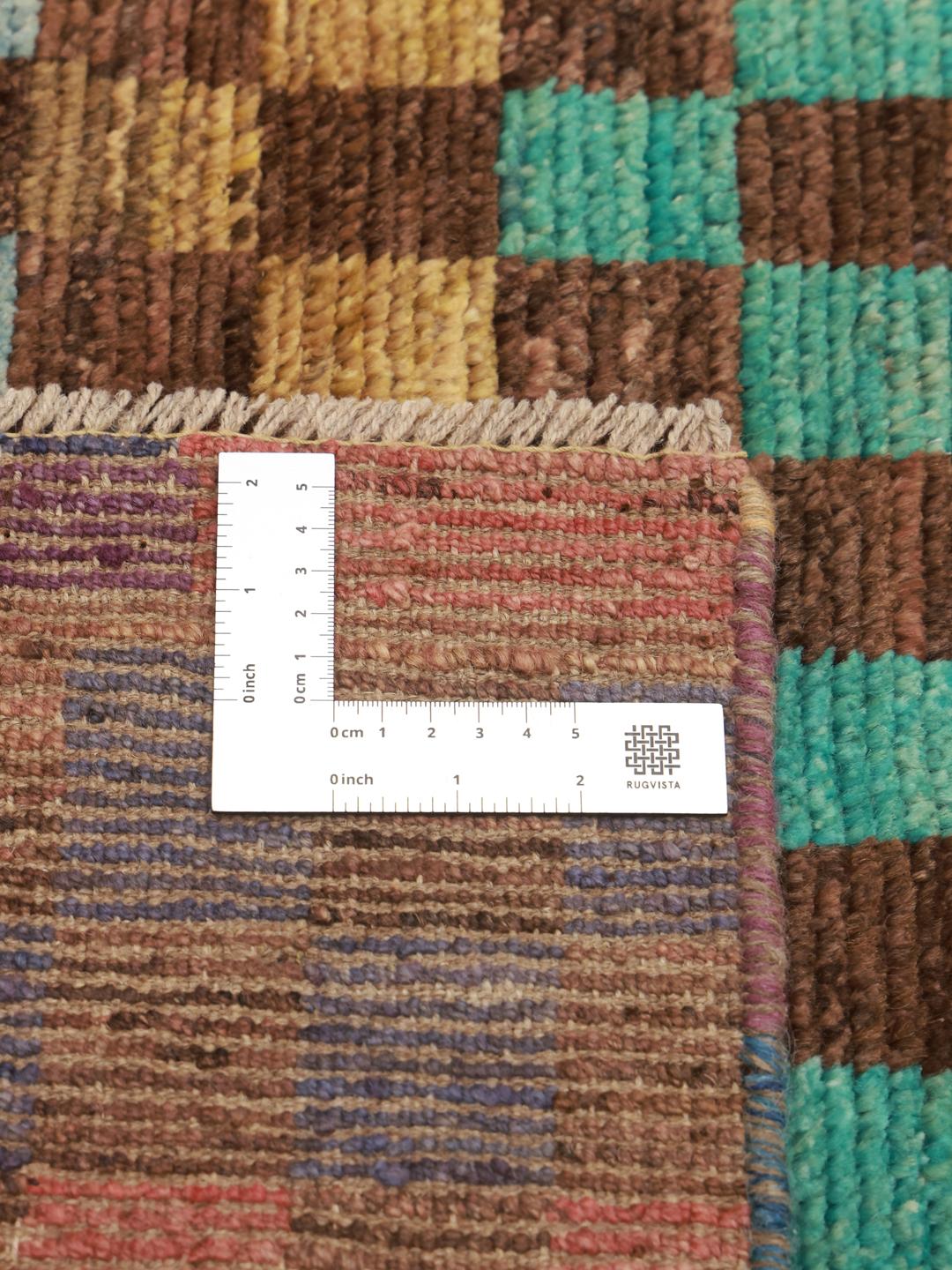
Visually, this rug moves away from the traditional ivory and brown tones of classic Berber weaving to showcase a spirited, multicoloured checkerboard motif. This design choice honours the geometric heritage of the style while creating a modern, graphic impact. The use of varied, saturated colours reflects a creative shift that allows these rugs to serve as contemporary statements while still being grounded in ancient weaving techniques.
Collecting a rug from this tradition is an appreciation of both history and human skill. Because these pieces are not mass-produced, they carry a sense of cultural weight and authenticity that mass-market decor lacks. Owning this rug is an act of preserving a craft that emphasises the connection between the weaver, the raw materials, and the final owner, ensuring that traditional techniques continue to thrive in the modern home.