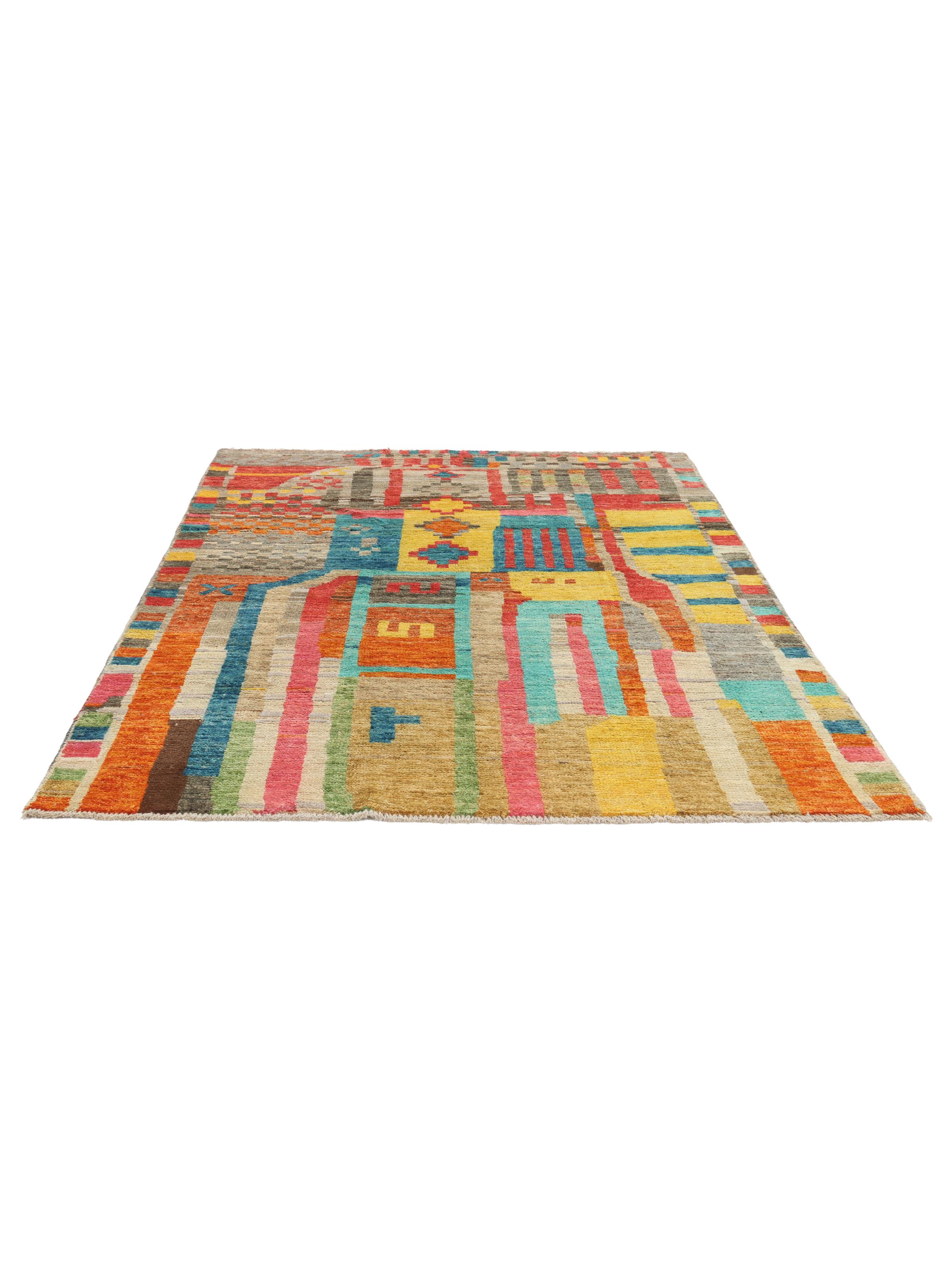
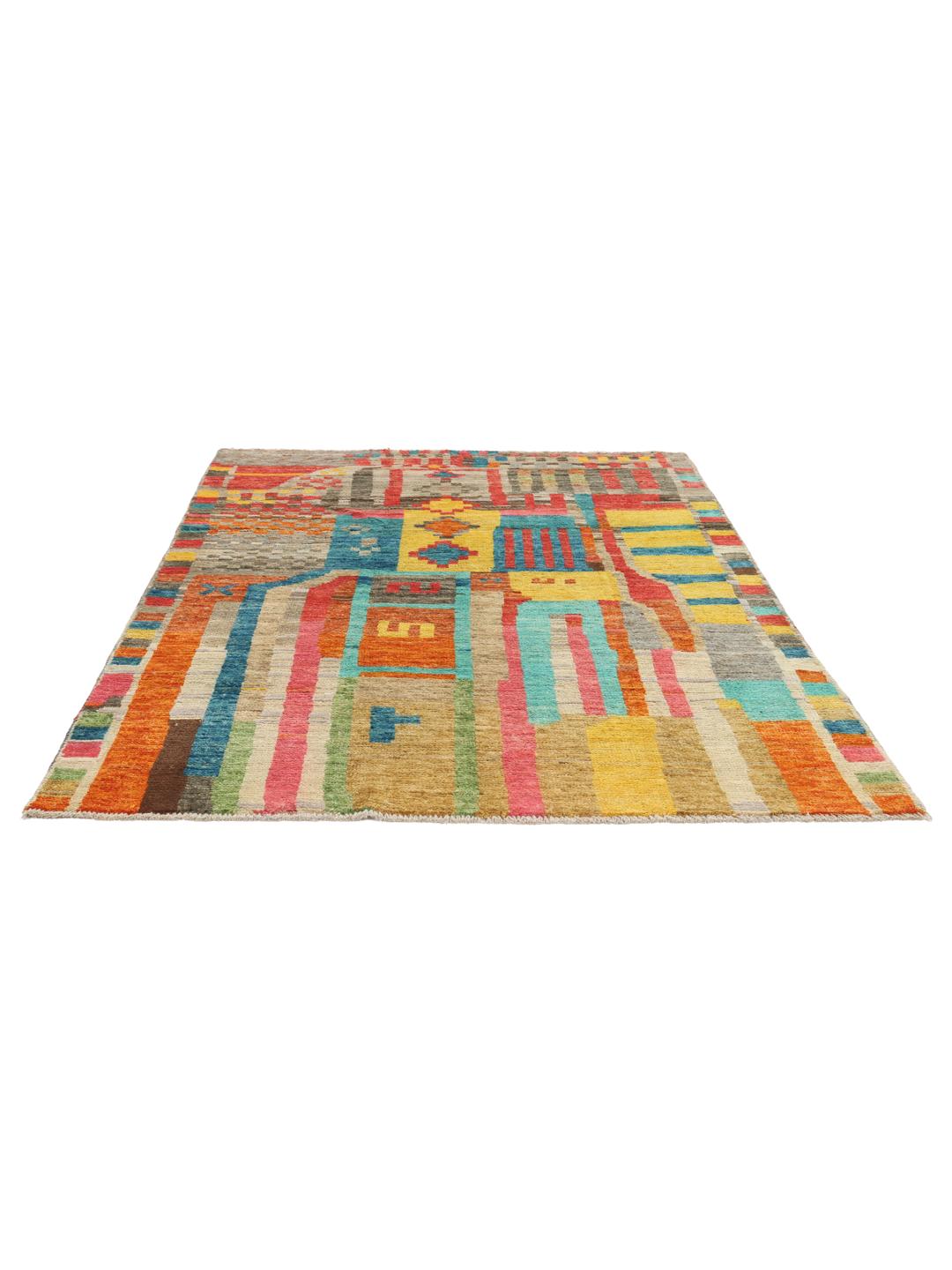
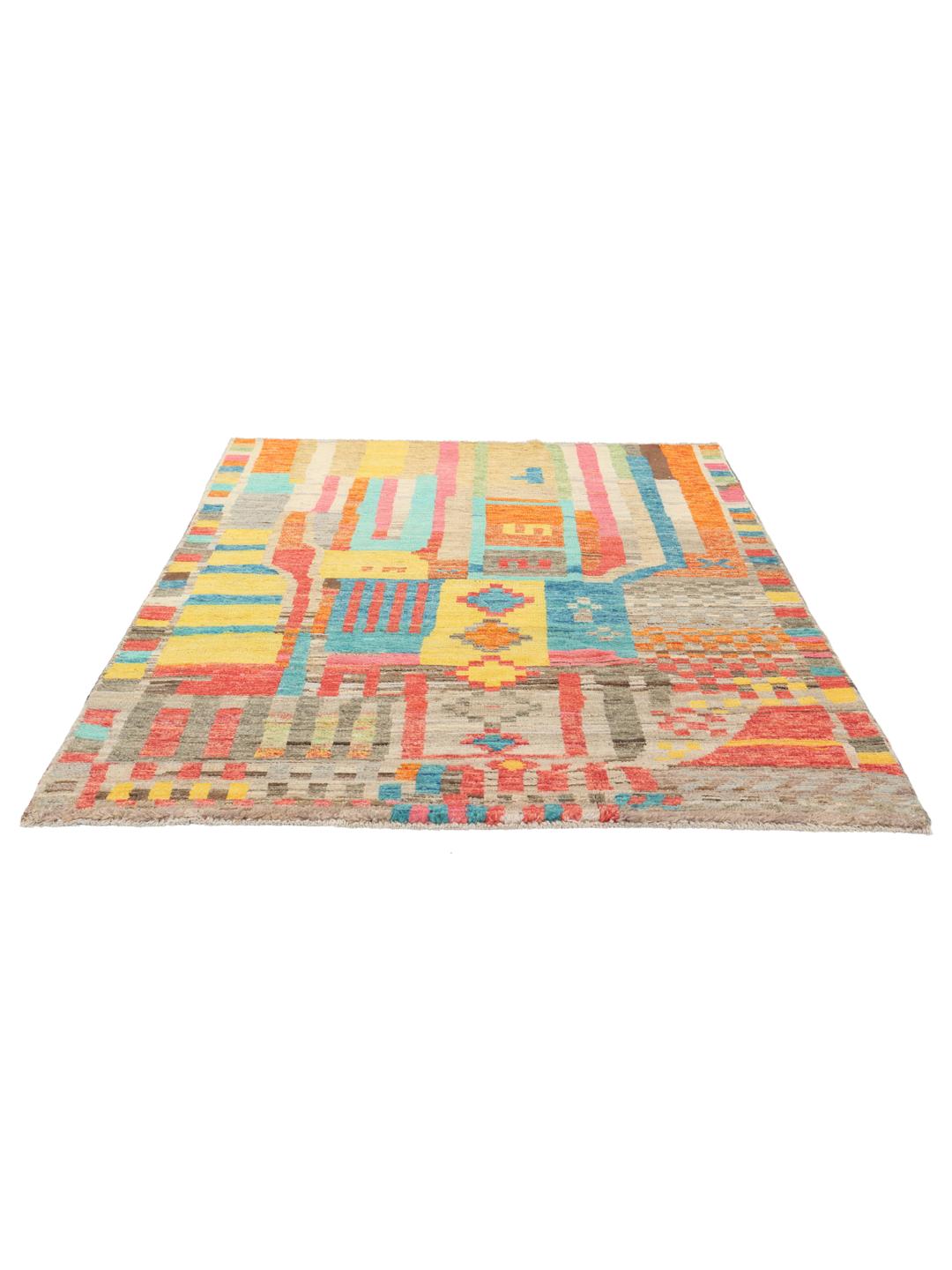
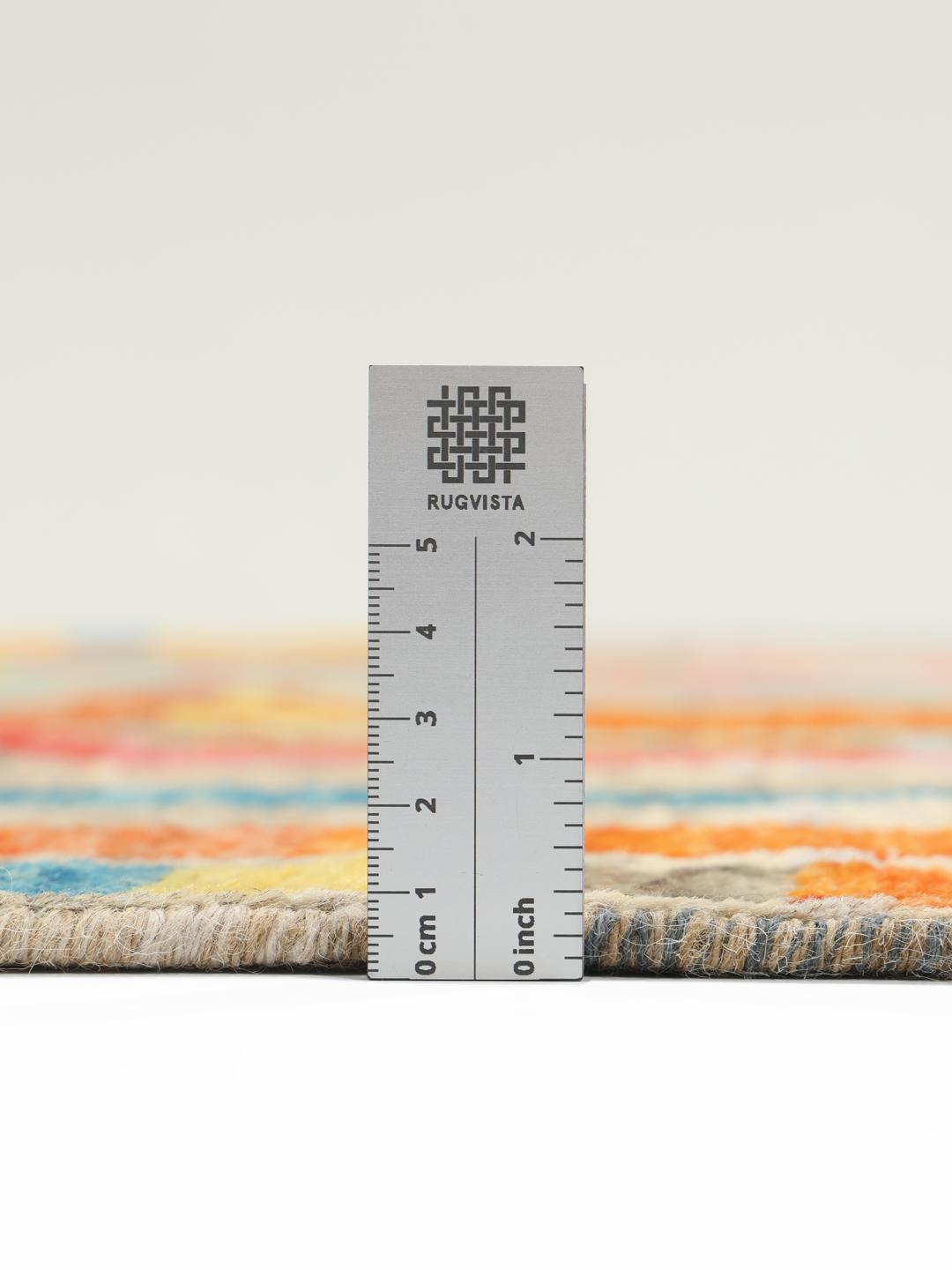
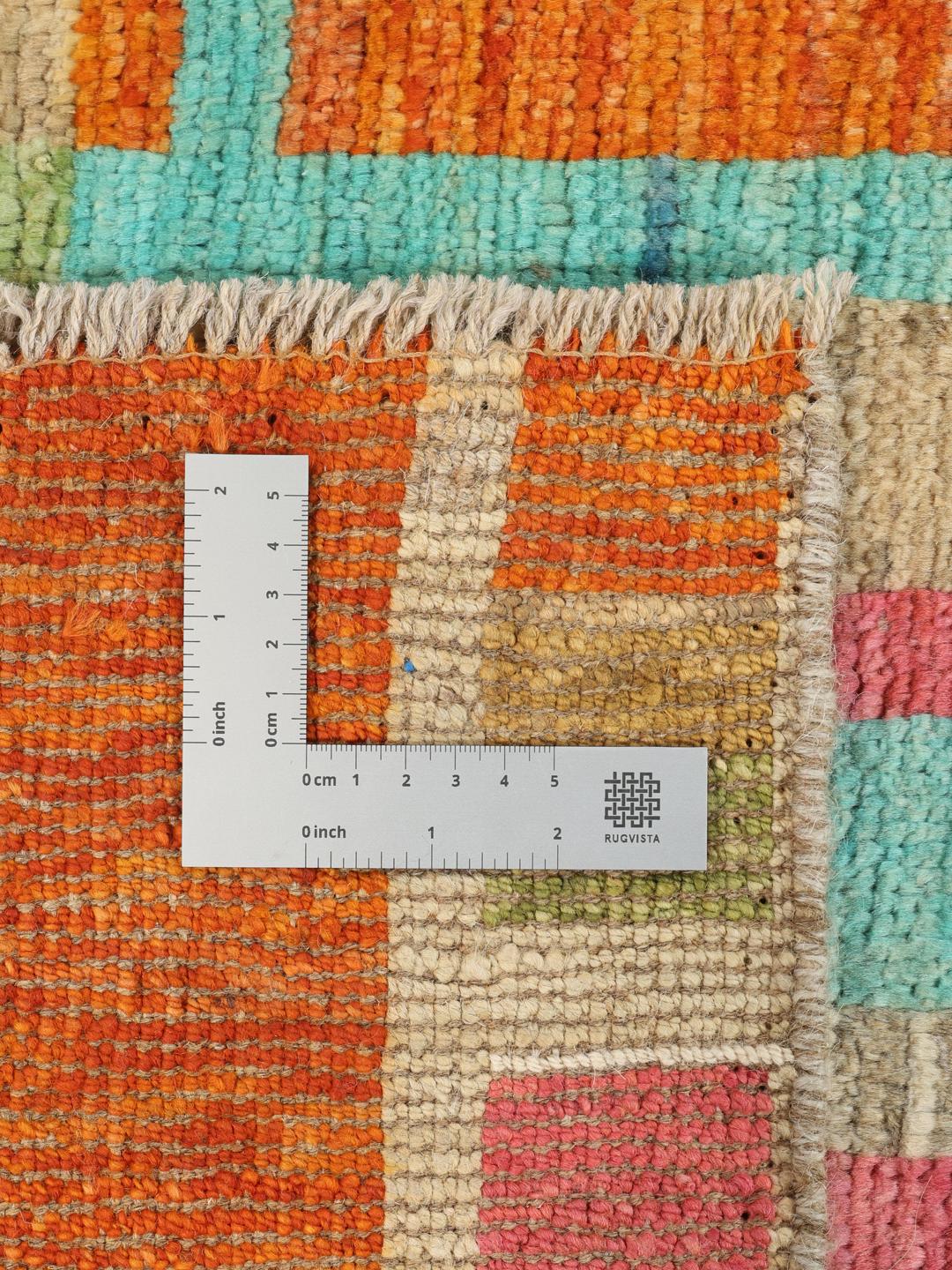
Berber rugs carry a legacy that spans centuries, traditionally woven by nomadic tribes across North Africa and parts of Central Asia. While the term Berber has become synonymous with a specific aesthetic of high-pile, hand-knotted textiles, the tradition in Afghanistan has evolved to incorporate unique local motifs and a broader, more adventurous use of colour. These rugs serve as a bridge between ancient tribal customs and contemporary design sensibilities.
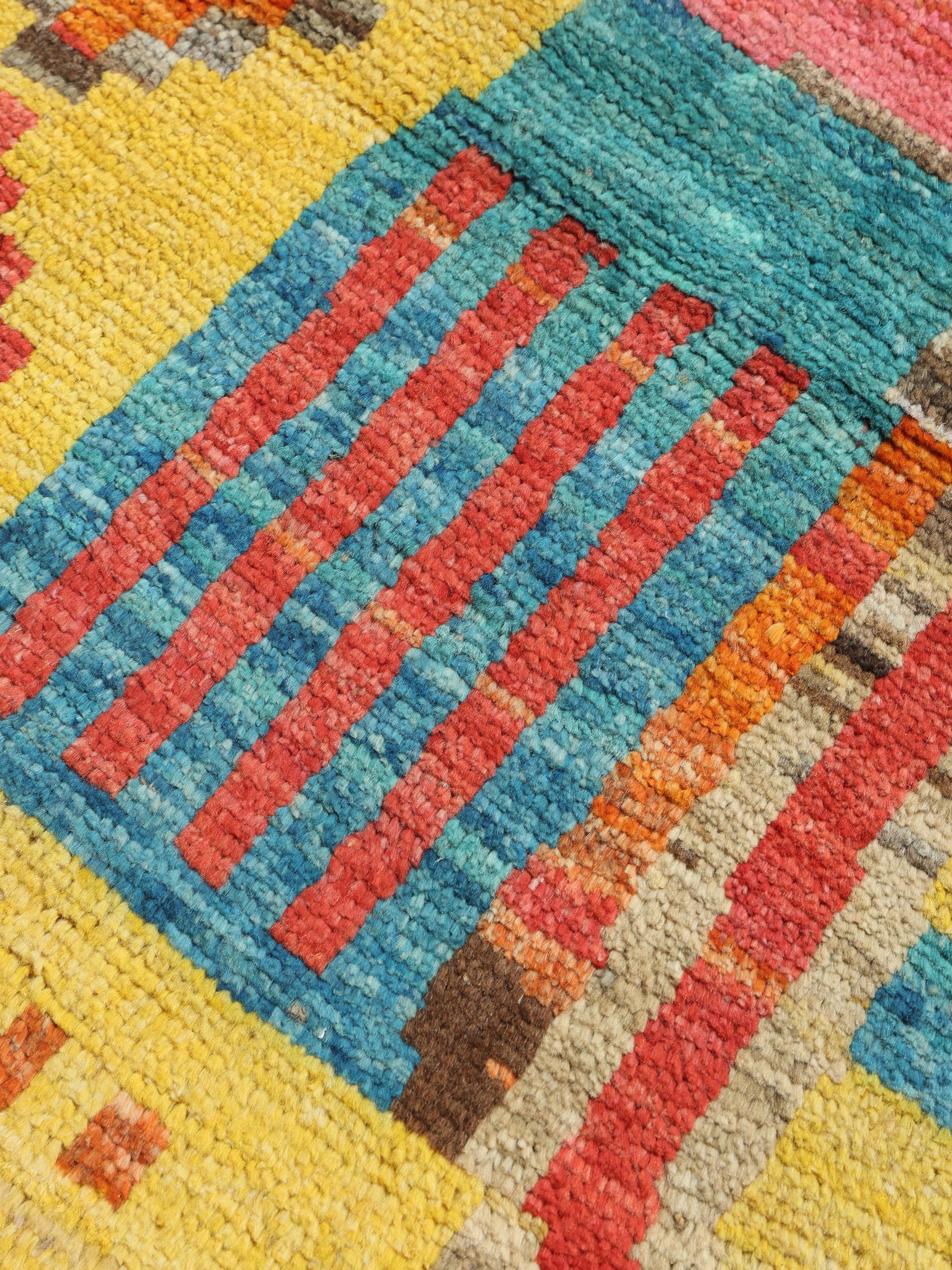
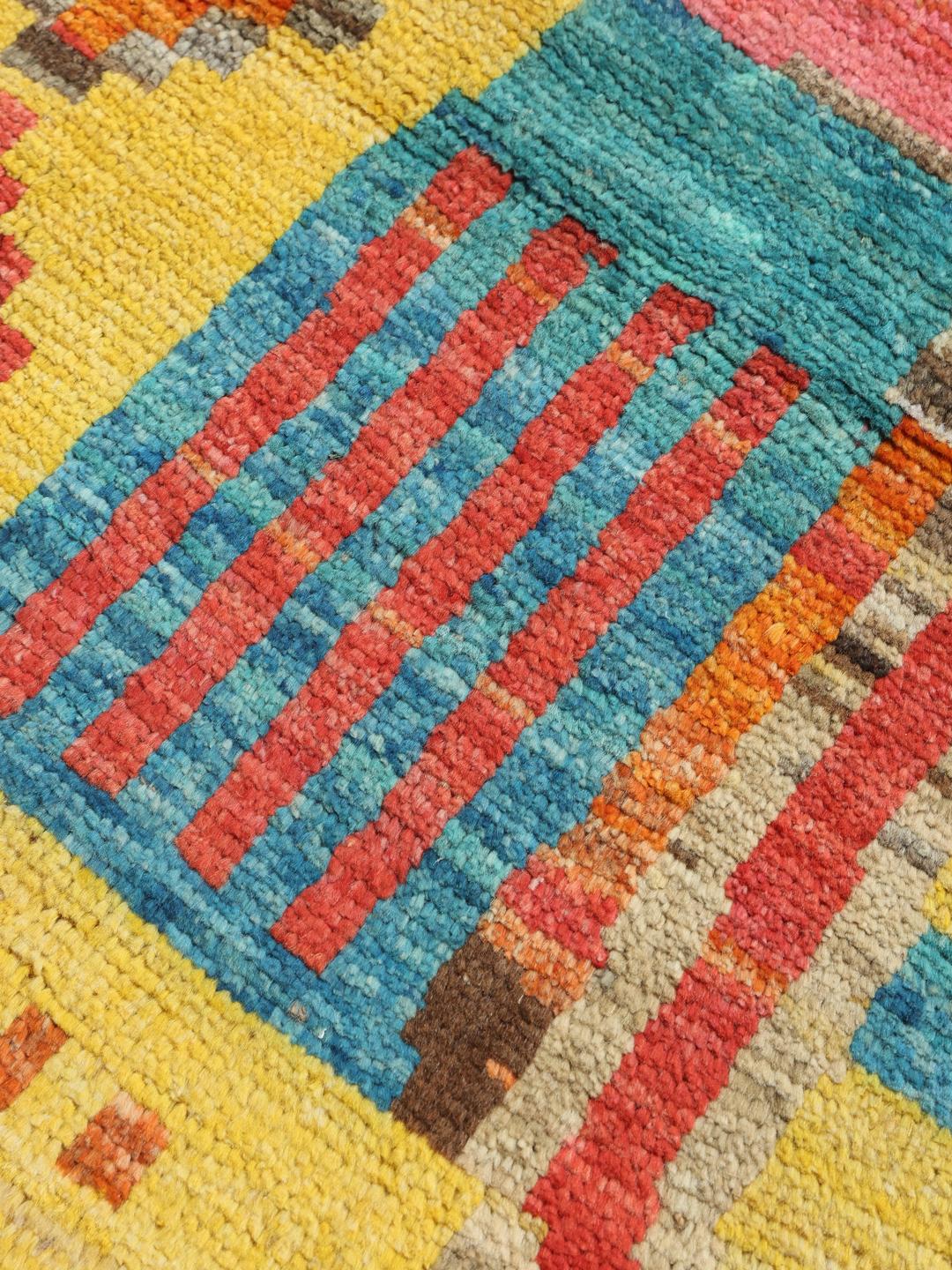
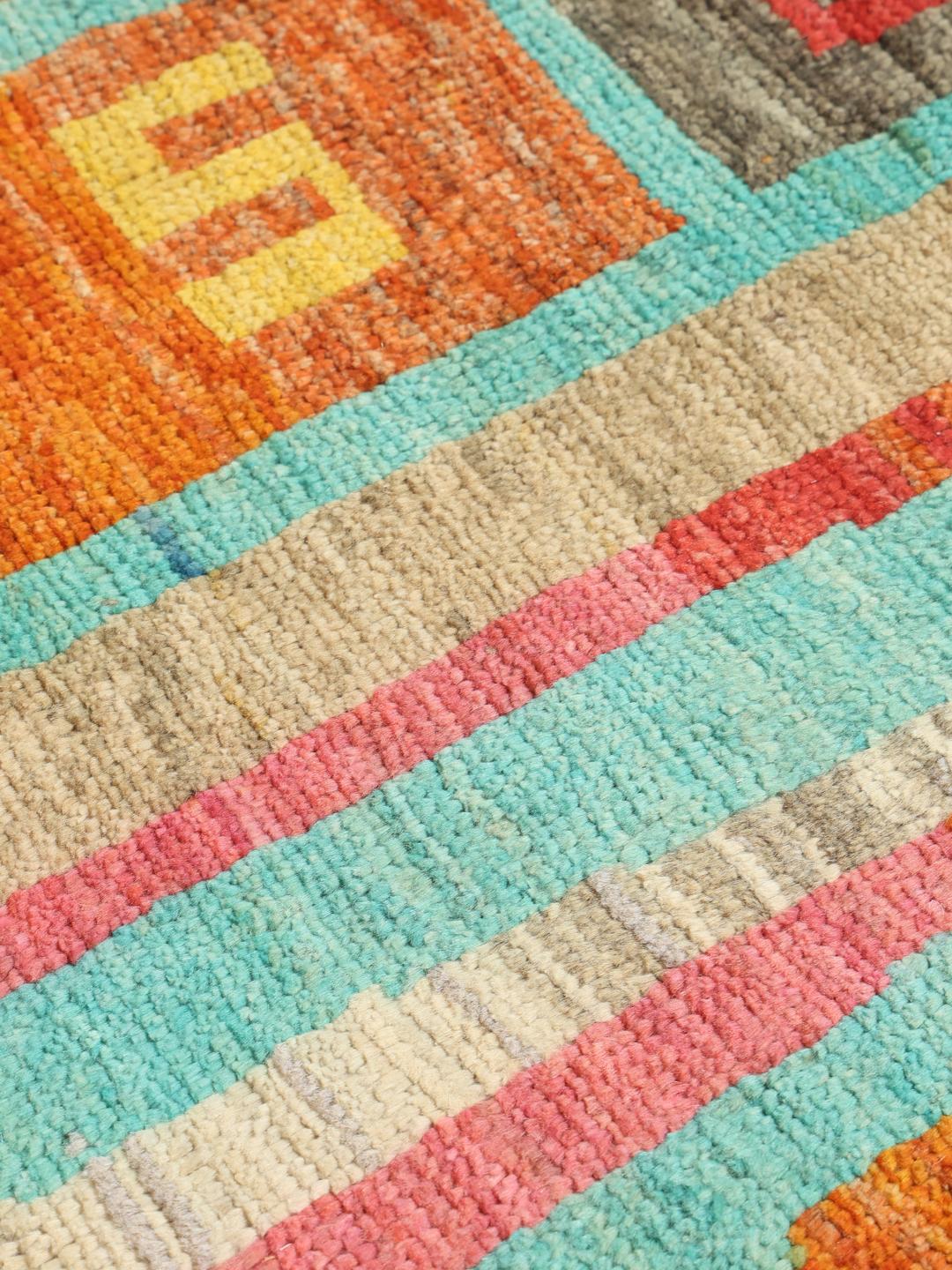
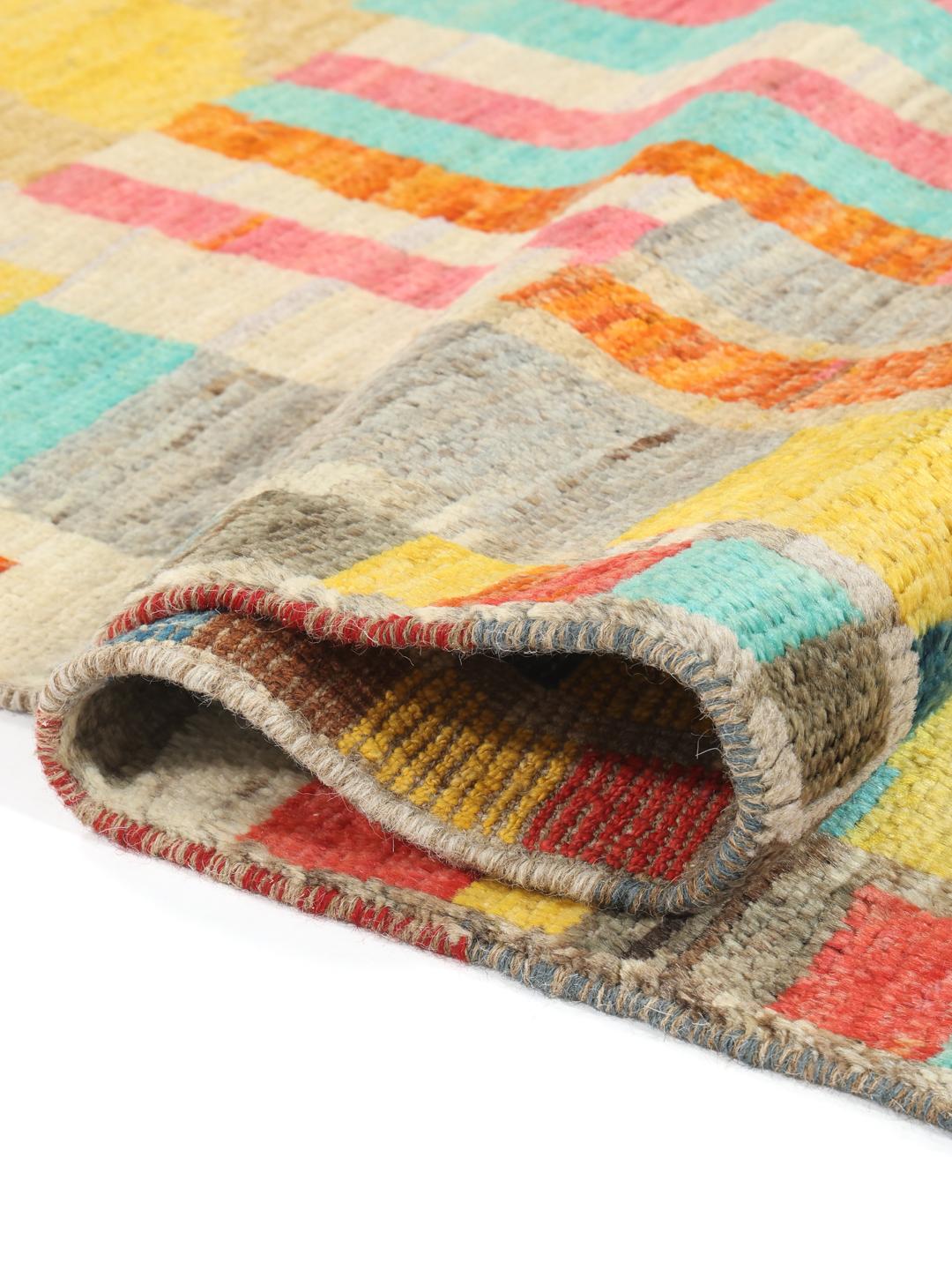
The craft of hand-knotting is a complex art form that relies on the tension of the foundation and the precision of the knot. In these rugs, the use of high-quality wool is essential, as the material's natural lanolin provides a soft, lustrous sheen that protects the fibres from wear. The density achieved through hand-knotting allows for intricate designs that remain sharp and clear, a hallmark of quality that distinguishes these pieces from simpler woven textiles.
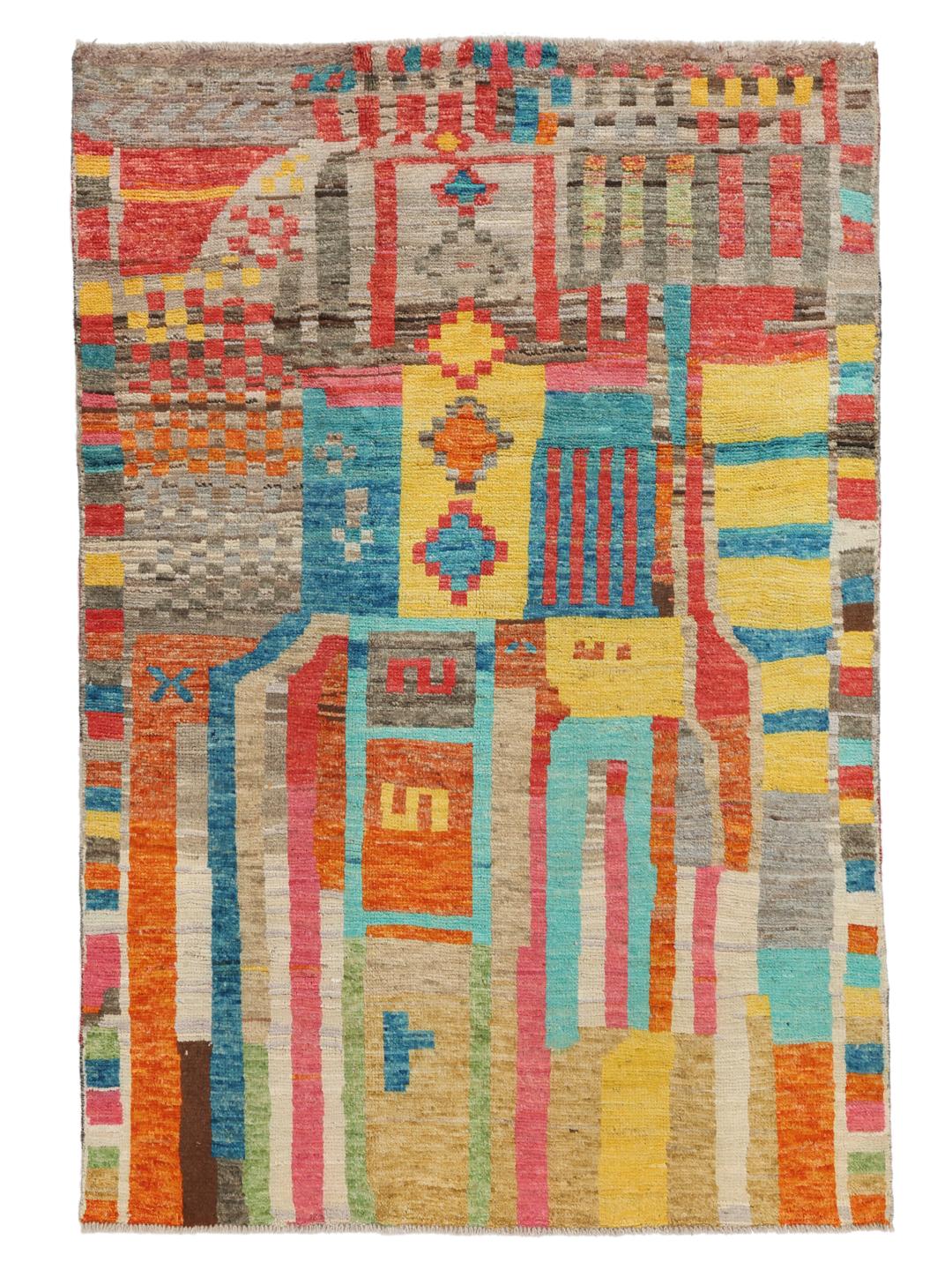
Design-wise, these rugs are defined by their expressive use of geometric shapes and a vibrant colour palette. While traditional patterns often hold symbolic meanings related to protection or tribal identity, modern interpretations like this one emphasise a playful, artistic arrangement of forms. The inclusion of decorative borders and balanced, yet irregular, motifs creates a visual rhythm that is both structured and free-spirited, making them highly sought after by collectors and interior enthusiasts alike.
Owning a hand-knotted rug from this tradition is an investment in cultural heritage and human skill. These pieces are not merely functional floor coverings but are records of the artisan’s vision and the region's artistic evolution. By choosing such a rug, you are preserving a craft that values slow production and individual expression, ensuring that the stories woven into the wool continue to be told in your home for generations.