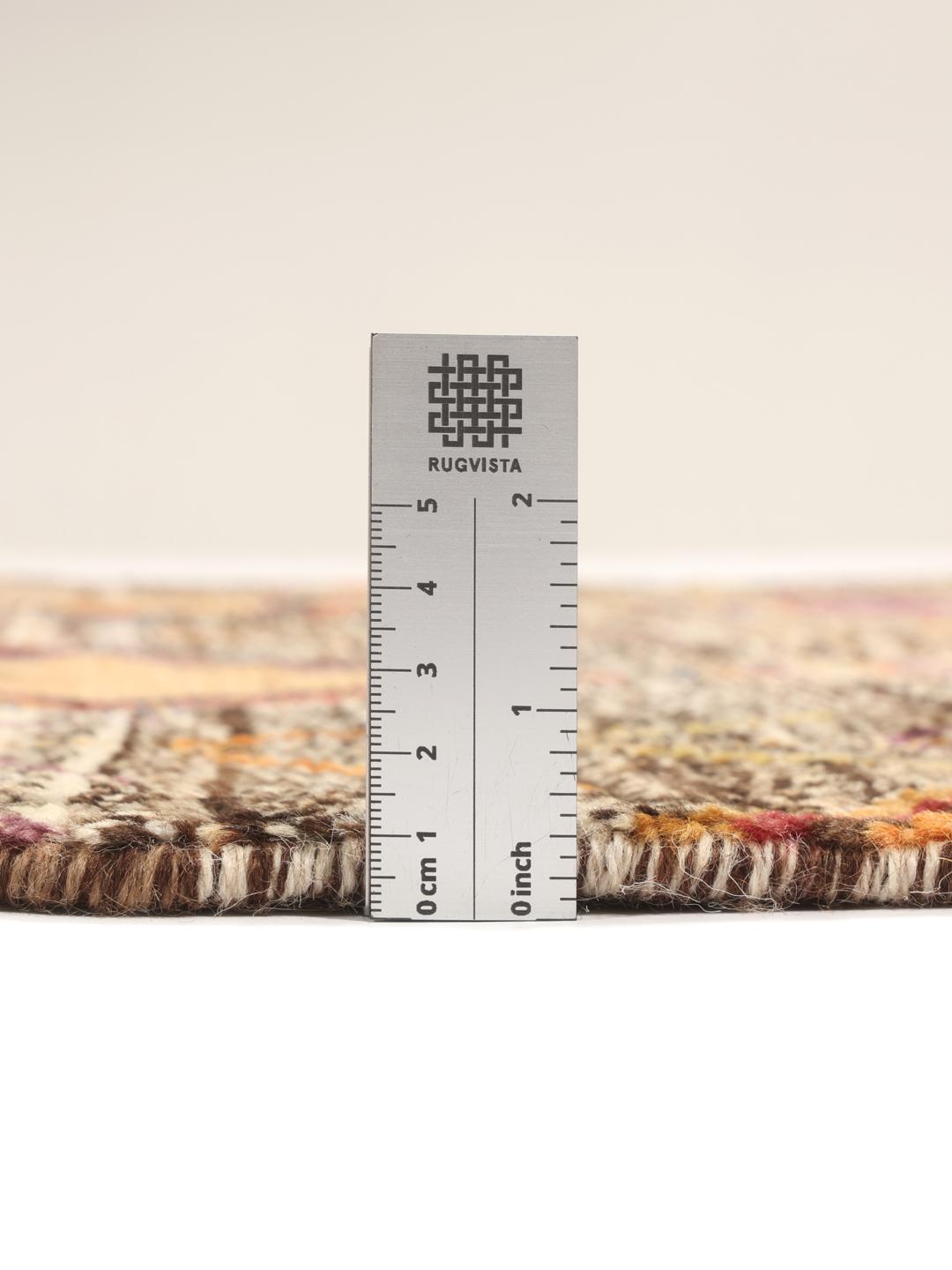
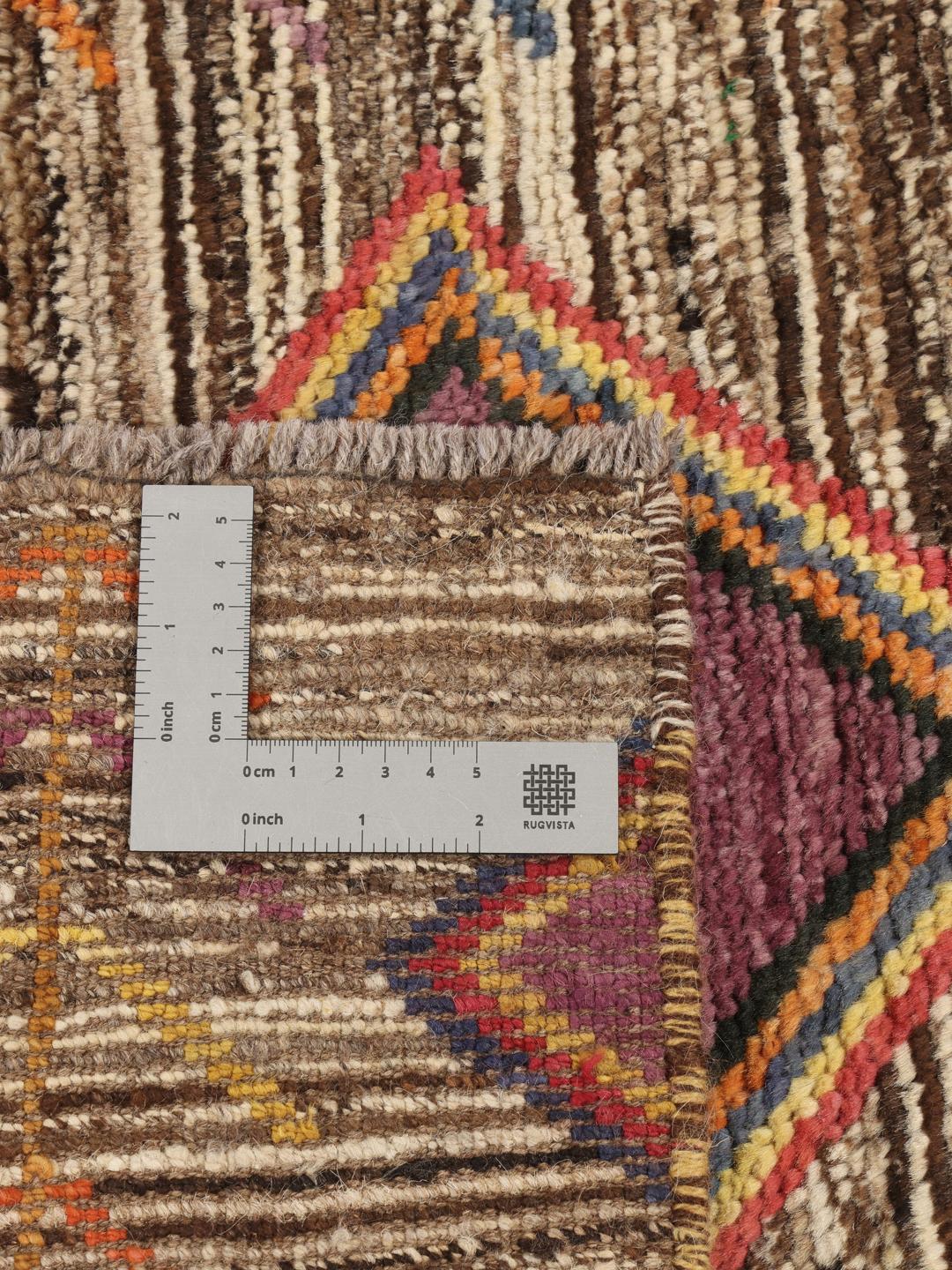
The tradition of rug weaving in Afghanistan is deeply rooted in the cultural history of the Middle East, drawing on centuries of nomadic and settled craft practices. These rugs are often celebrated for their robust construction and the use of high-quality, hand-spun wool, which is known for its natural luster and resilience. Over time, Afghan weaving has evolved to incorporate both traditional tribal motifs and more modern, expressive designs, reflecting the region's dynamic history.
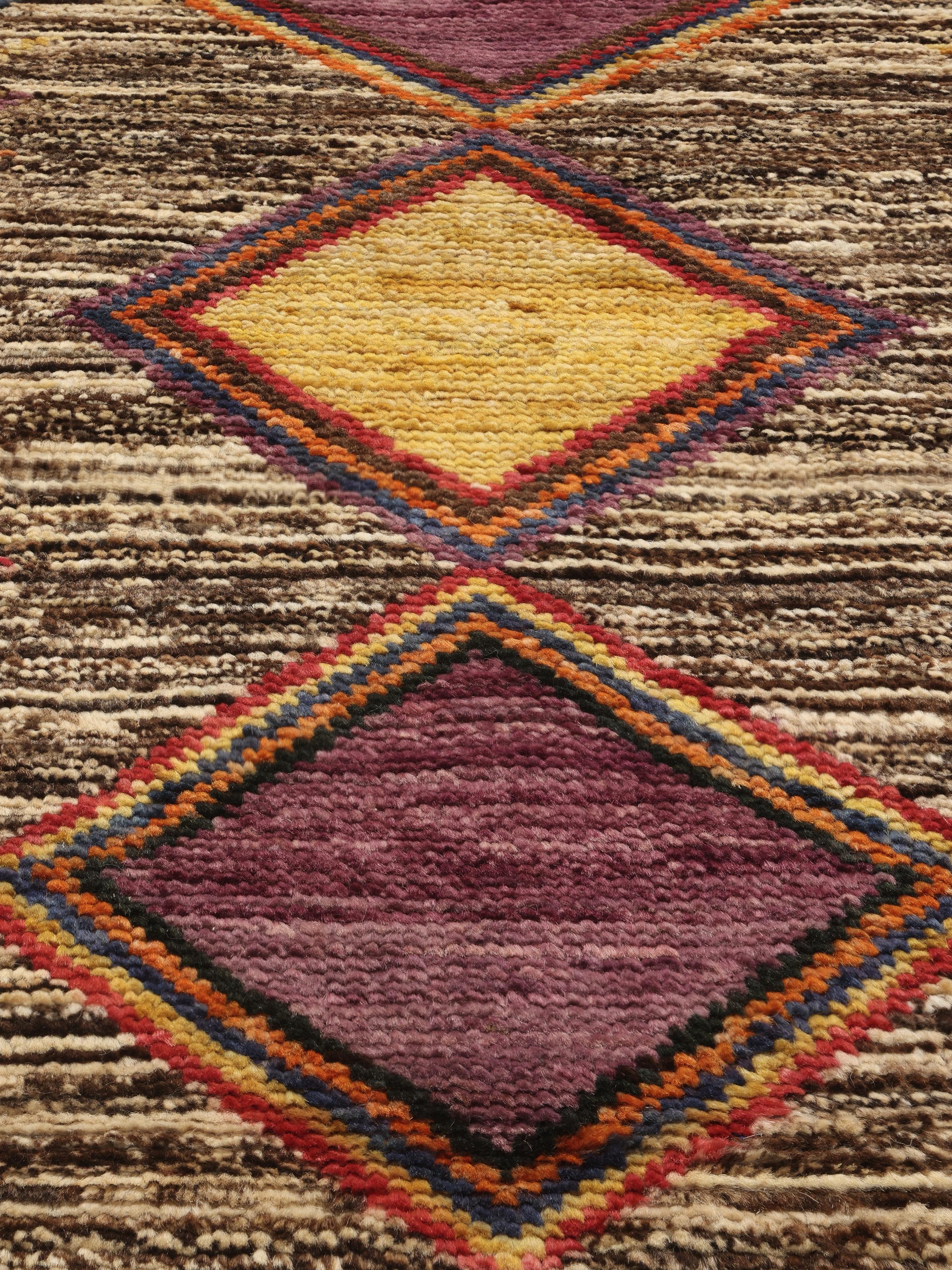
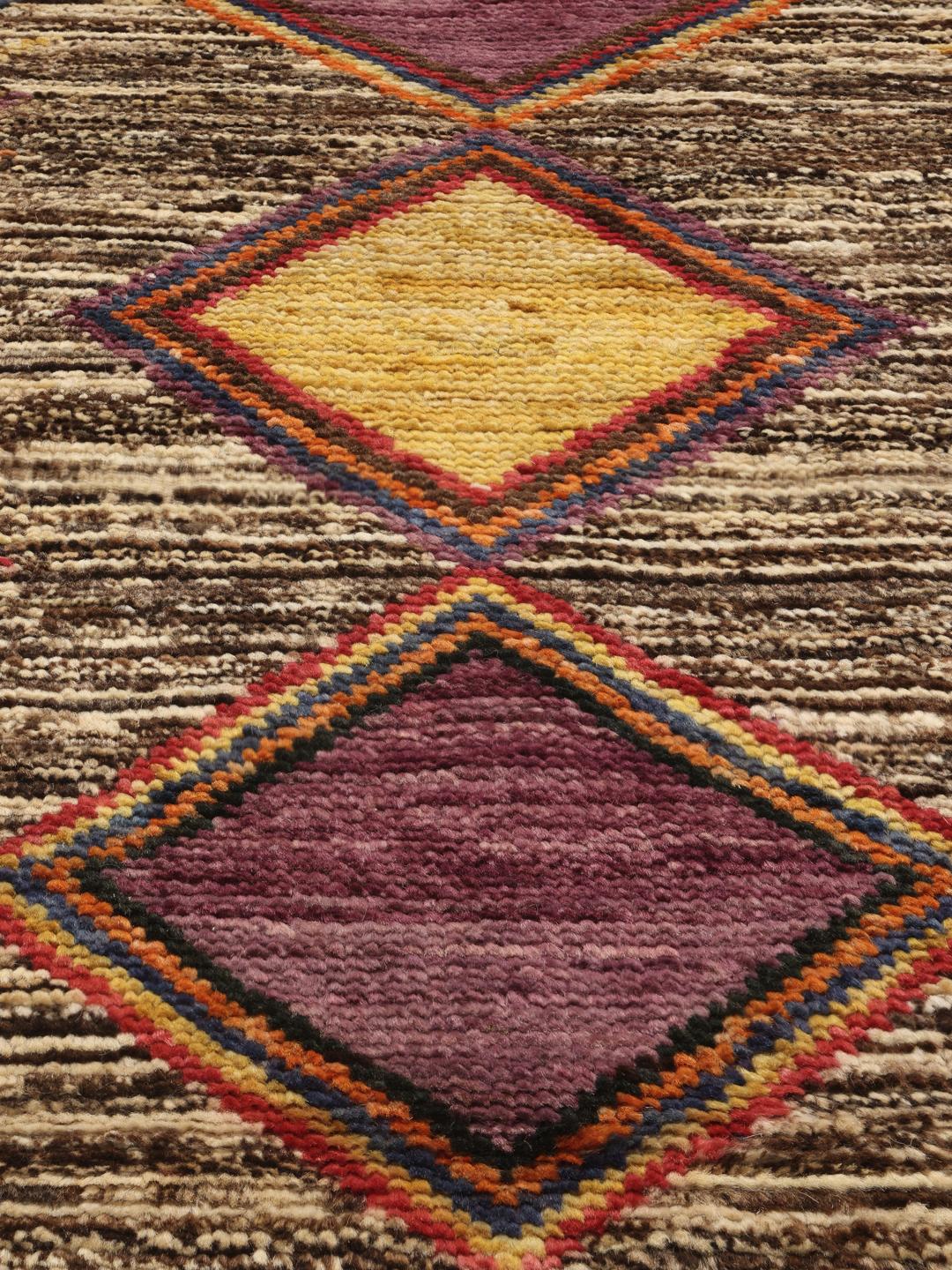
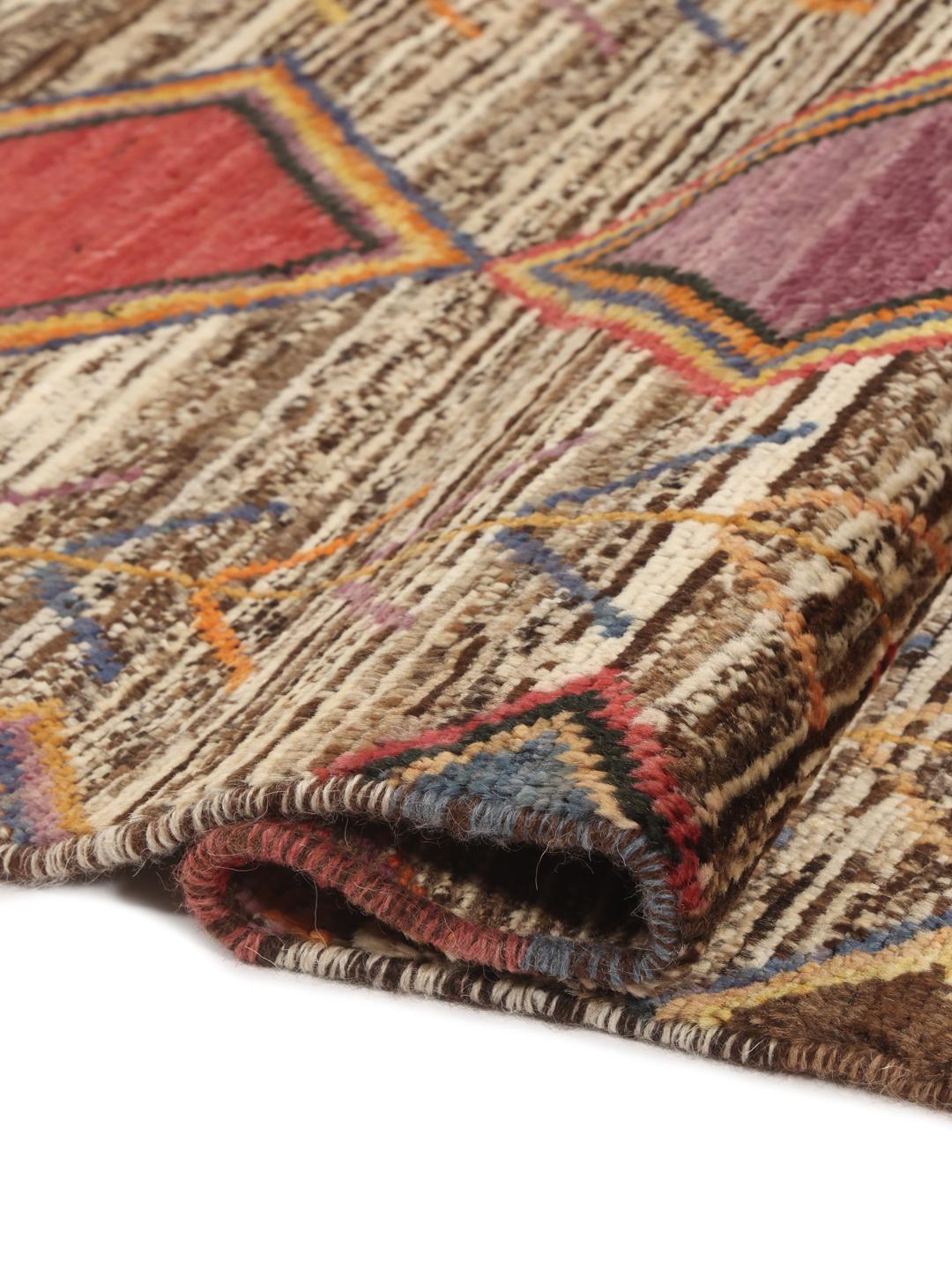
The terminology surrounding these rugs often highlights the skill involved in the knotting process. A hand-knotted rug is built on a foundation of warp and weft threads, with individual strands of wool knotted onto the warp to create the pile. This labour-intensive technique is what gives the rug its weight, texture, and lasting value, as the structure is physically locked together through the repetition of thousands of knots.
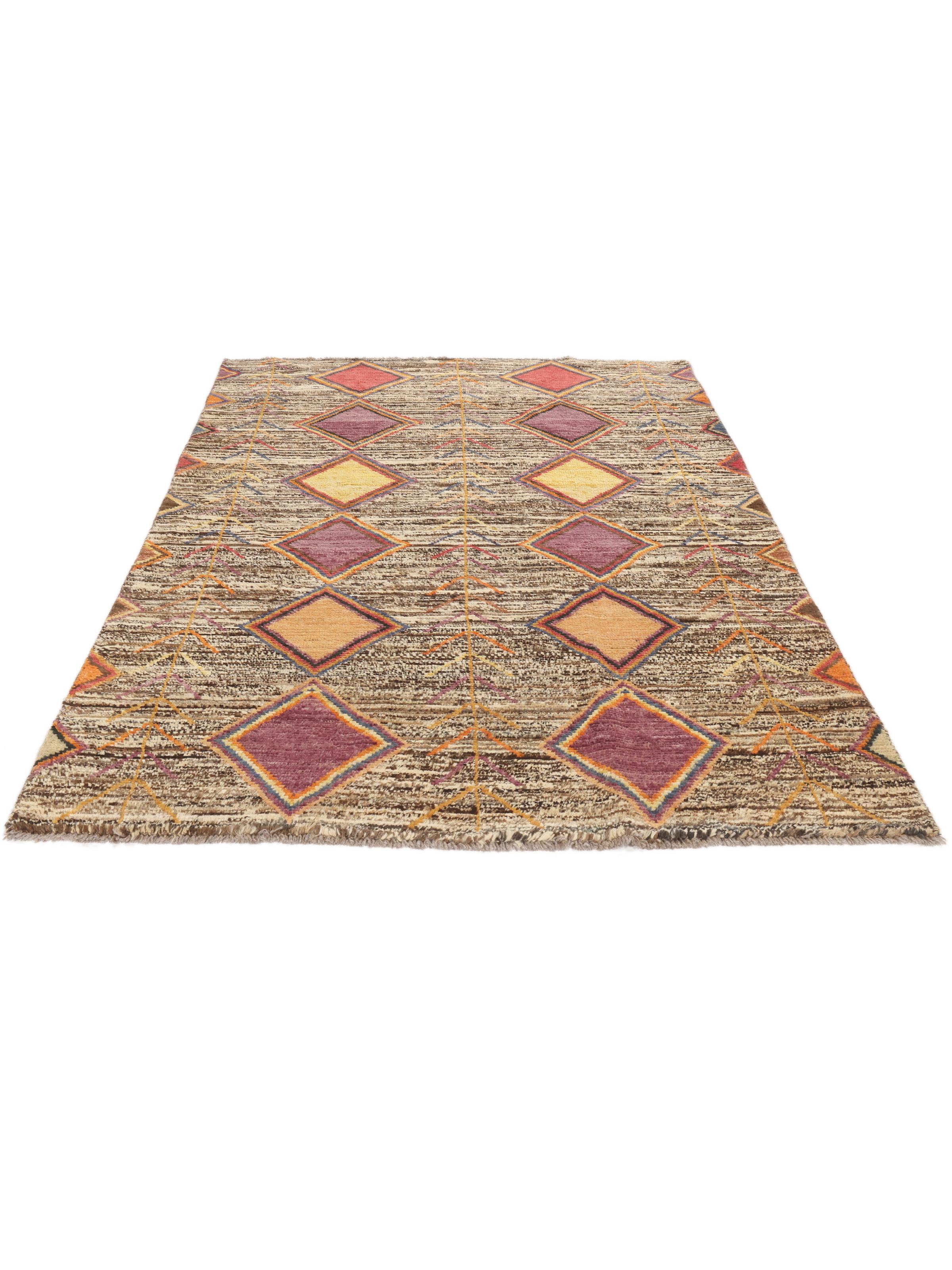
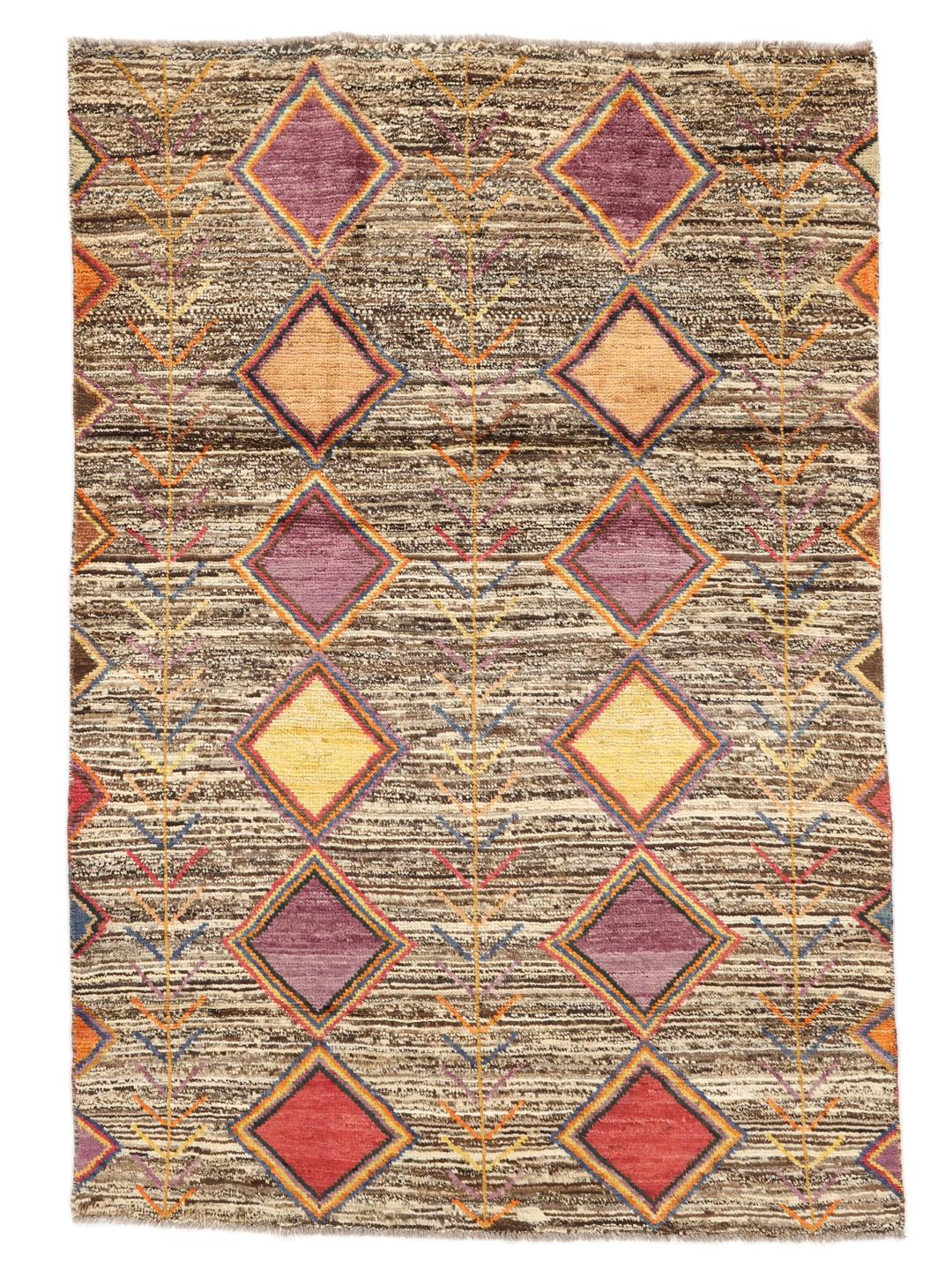
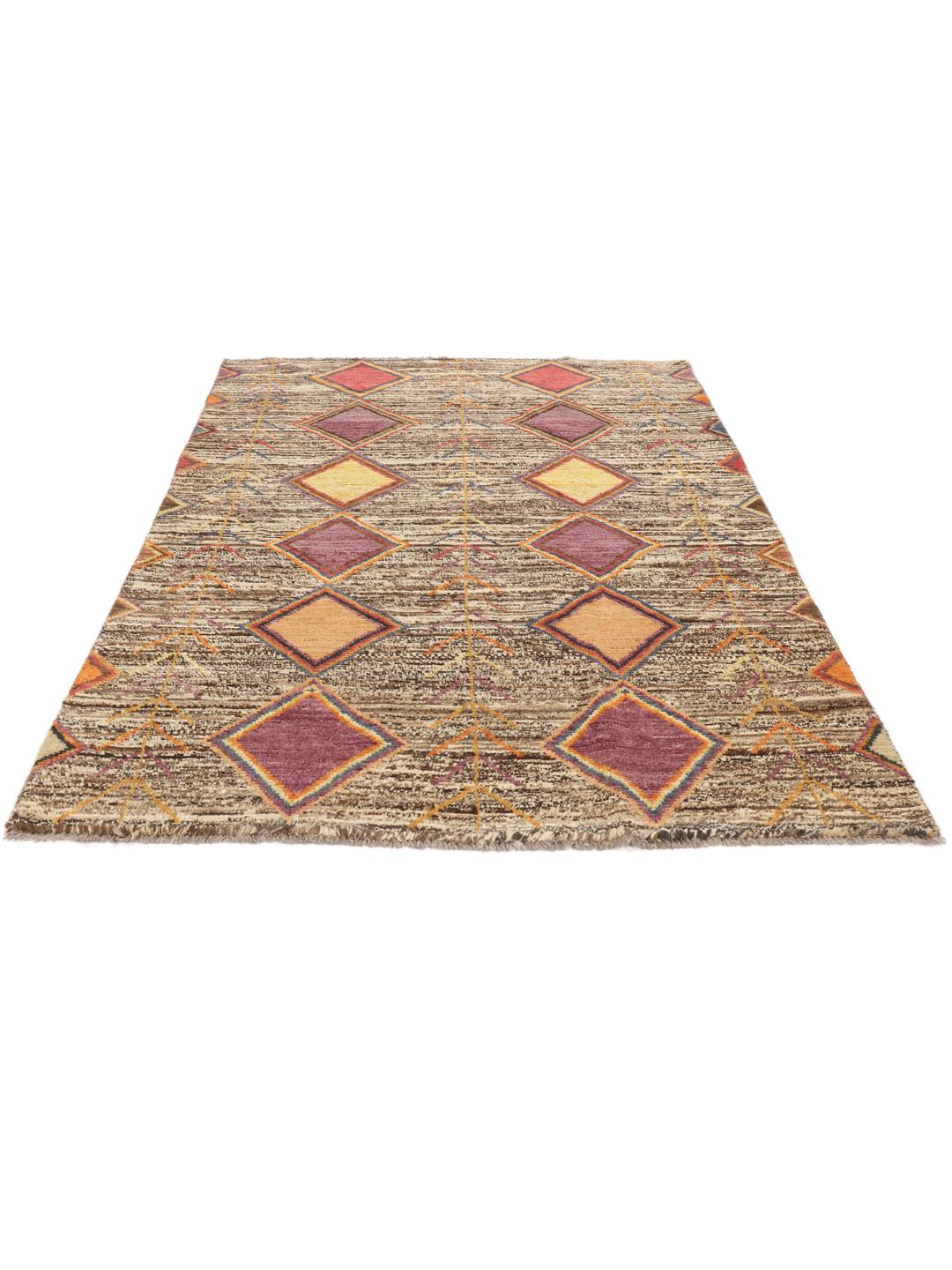
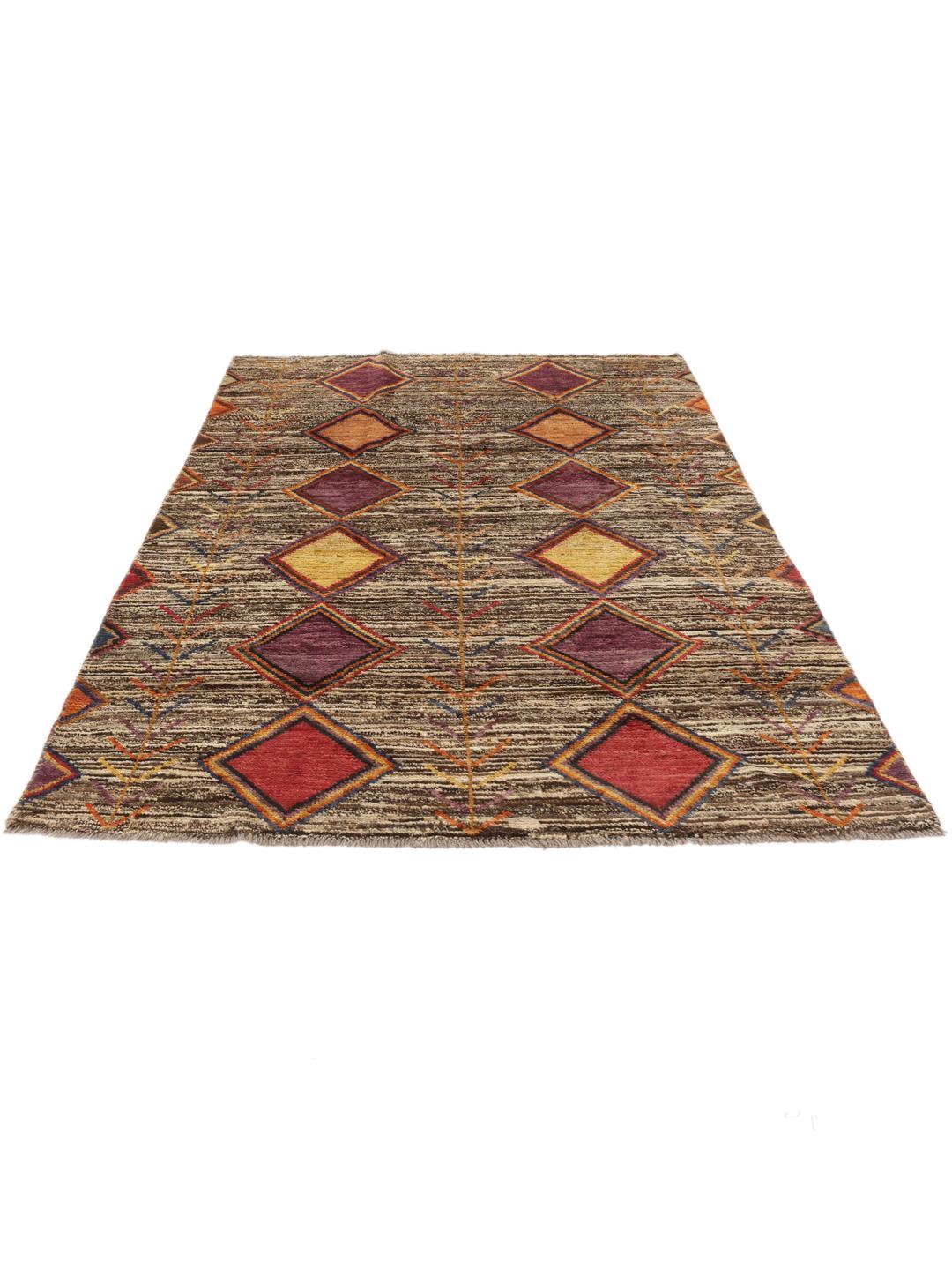
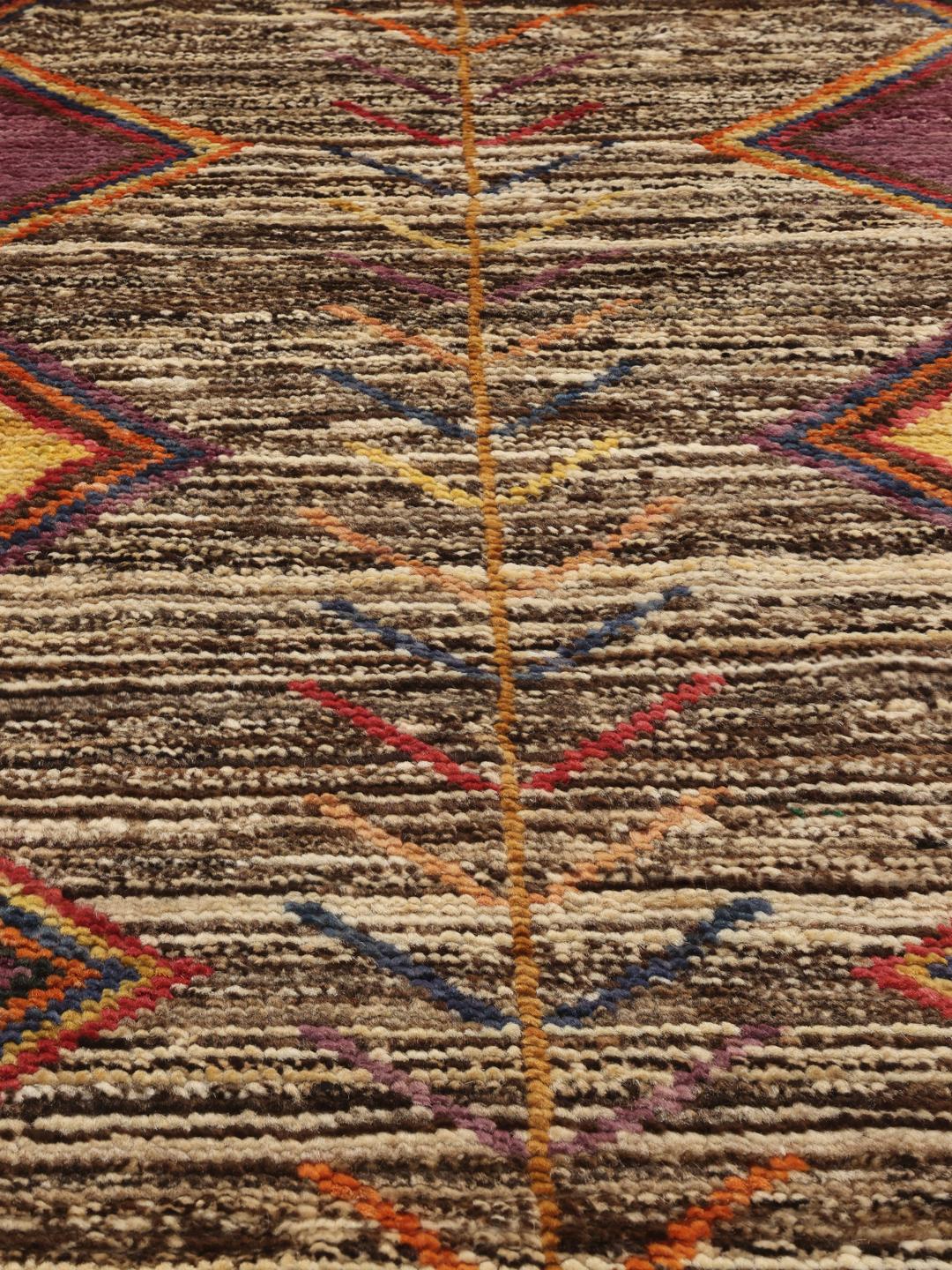
Visually, this rug draws inspiration from the Berber tradition, which is famous for its bold, geometric language. While traditionally associated with North African styles, the 'Berber' label has become a global design language for rugs that feature high-contrast, minimalist, or diamond-based patterns. The inclusion of vibrant colours against a dark, earthy field is a contemporary evolution of this style, offering a fresh take on classic geometric arrangements.
Owning an Afghan-made rug is about more than just floor coverage; it is about appreciating a craft that has been passed down through generations. These pieces are highly valued by collectors for their authenticity and the human story behind every knot. When you bring this rug into your home, you are choosing a piece with cultural weight and artistic integrity, grounding your space in a tradition of excellence.