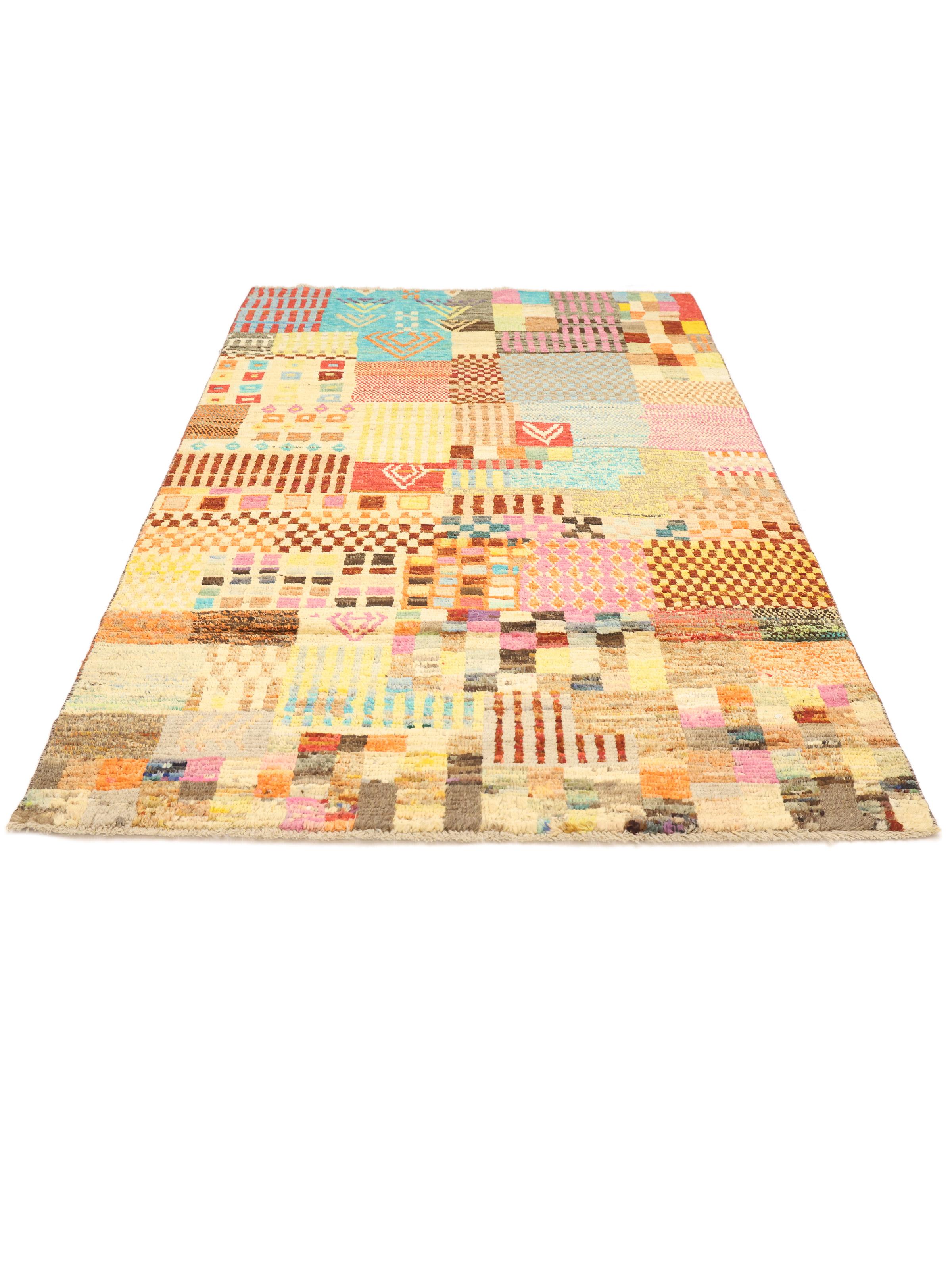
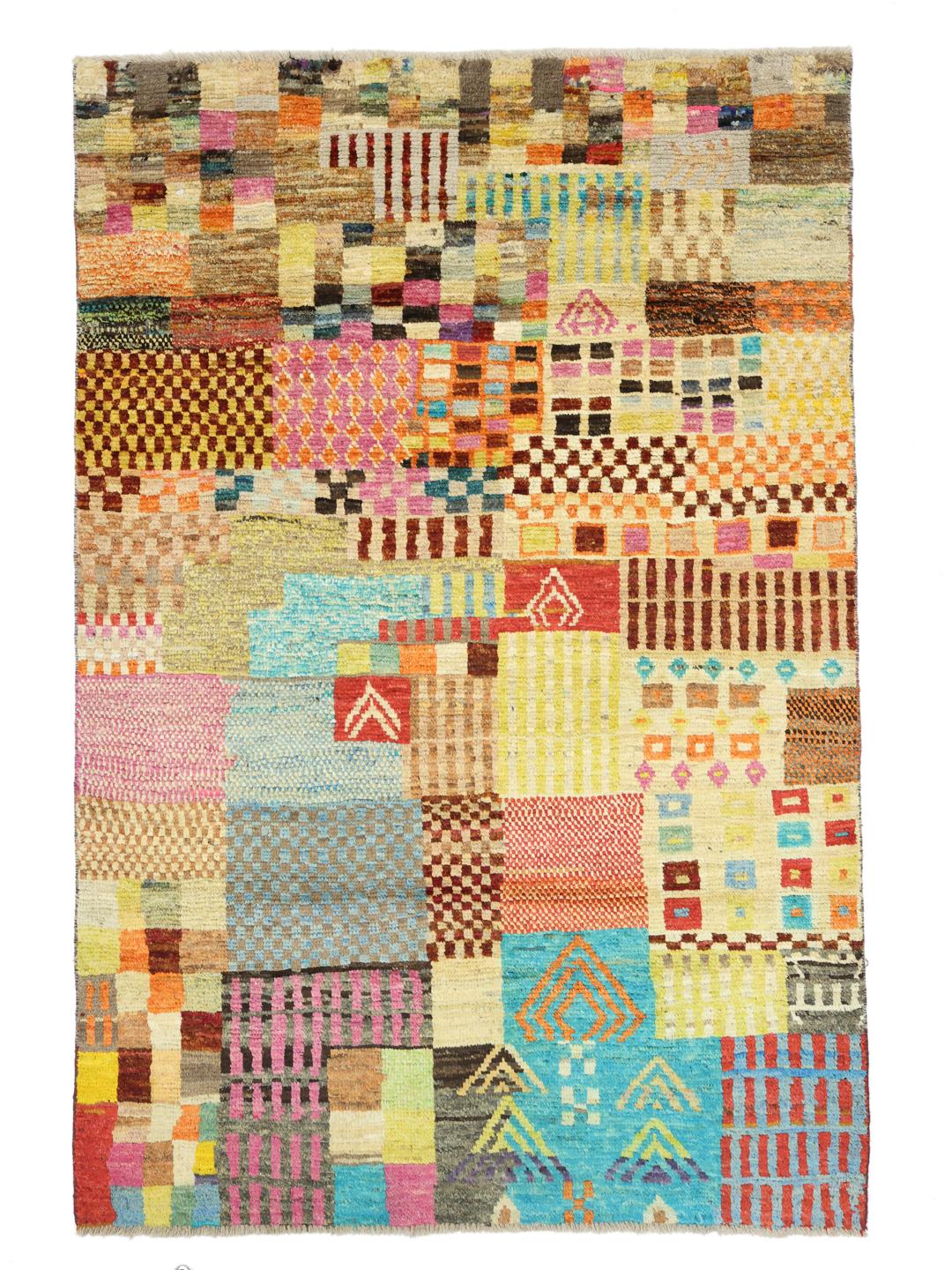
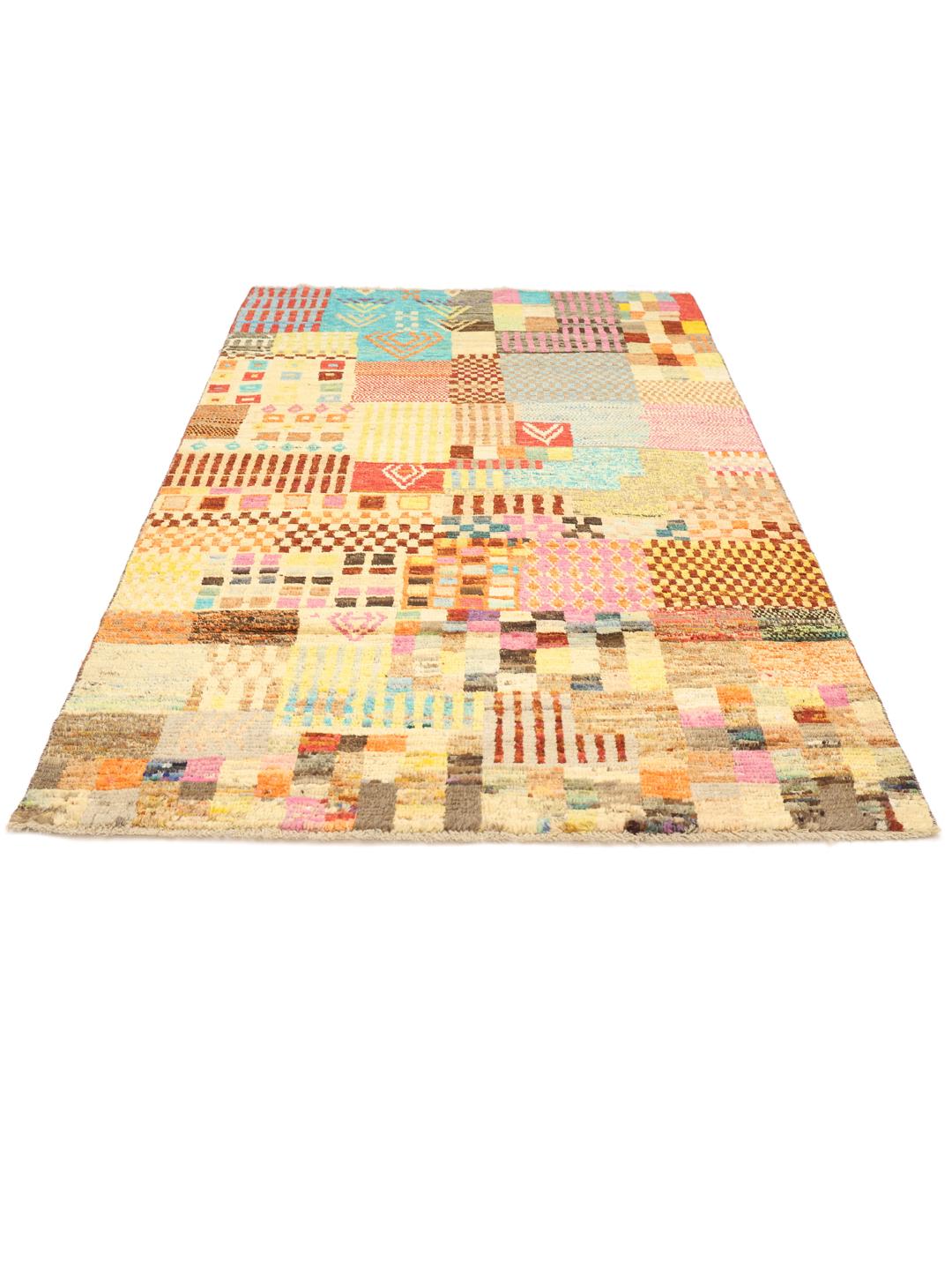
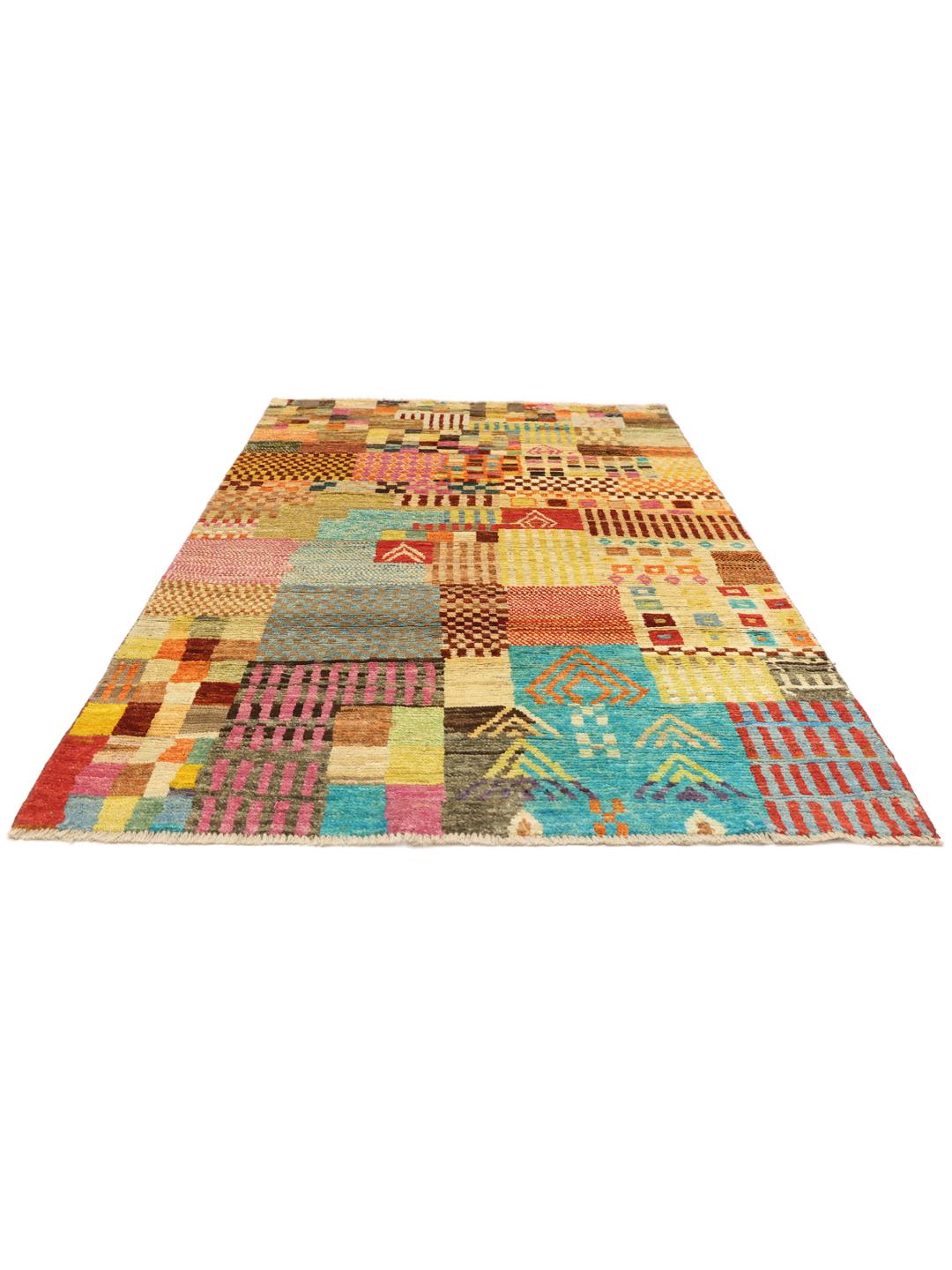
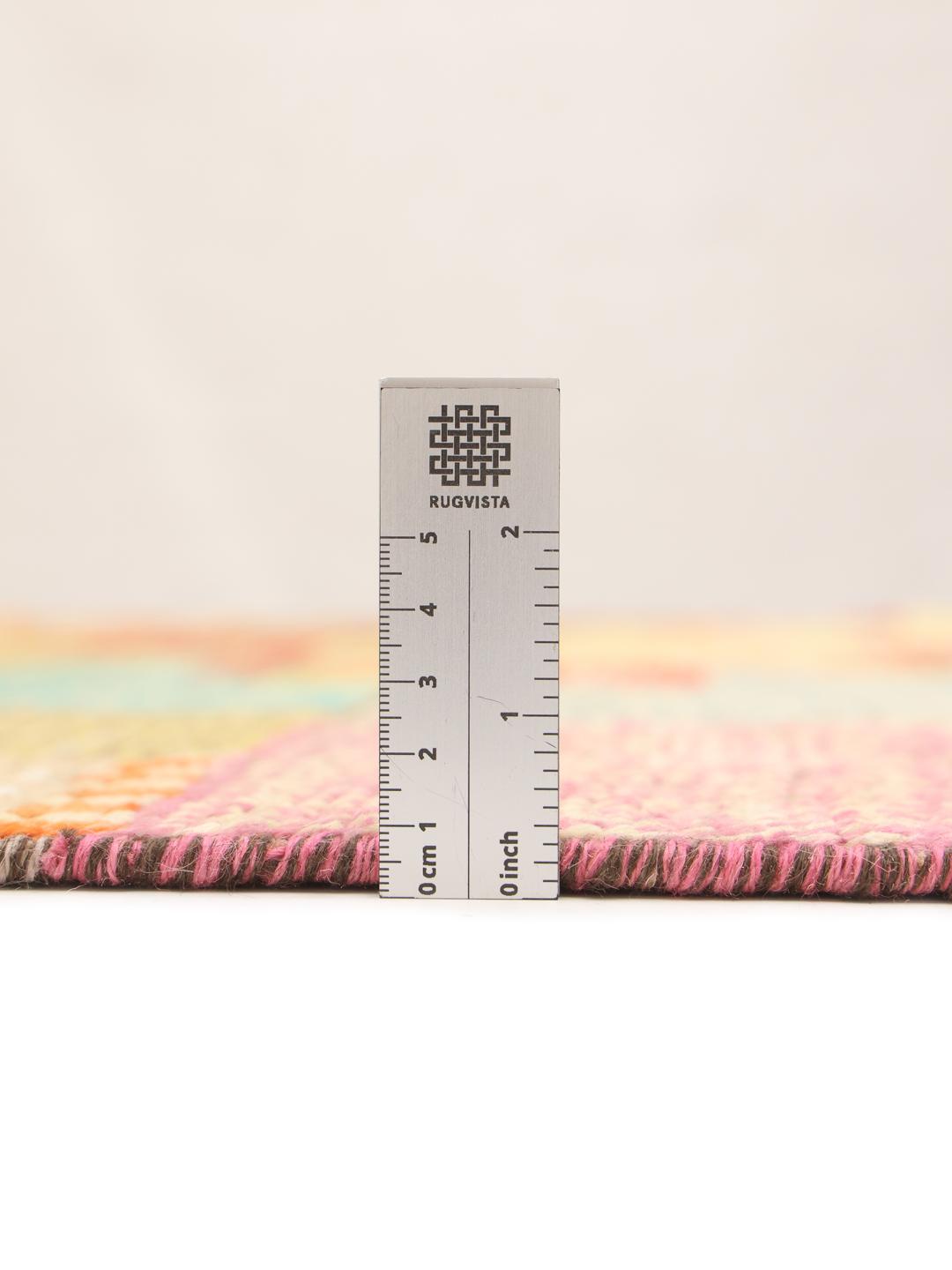
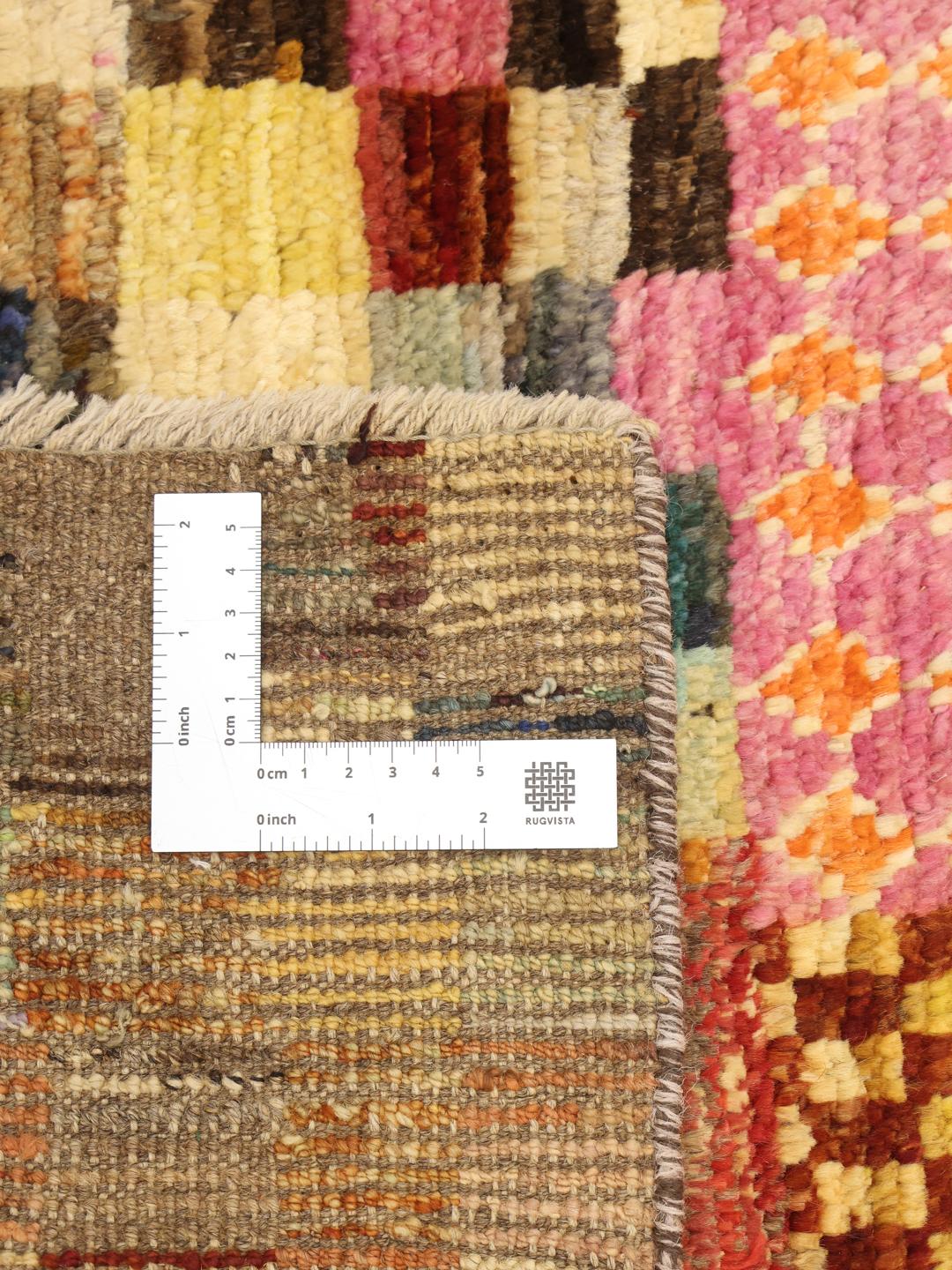
The Berber rug tradition traces its origins to the indigenous tribes of North Africa, where these rugs were originally crafted for domestic use, providing insulation against the cold and serving as versatile floor coverings or bedding. Over centuries, these traditional designs have been adapted and reimagined by artisans across the Middle East, leading to a rich evolution of style that blends ancient weaving techniques with contemporary aesthetic sensibilities.
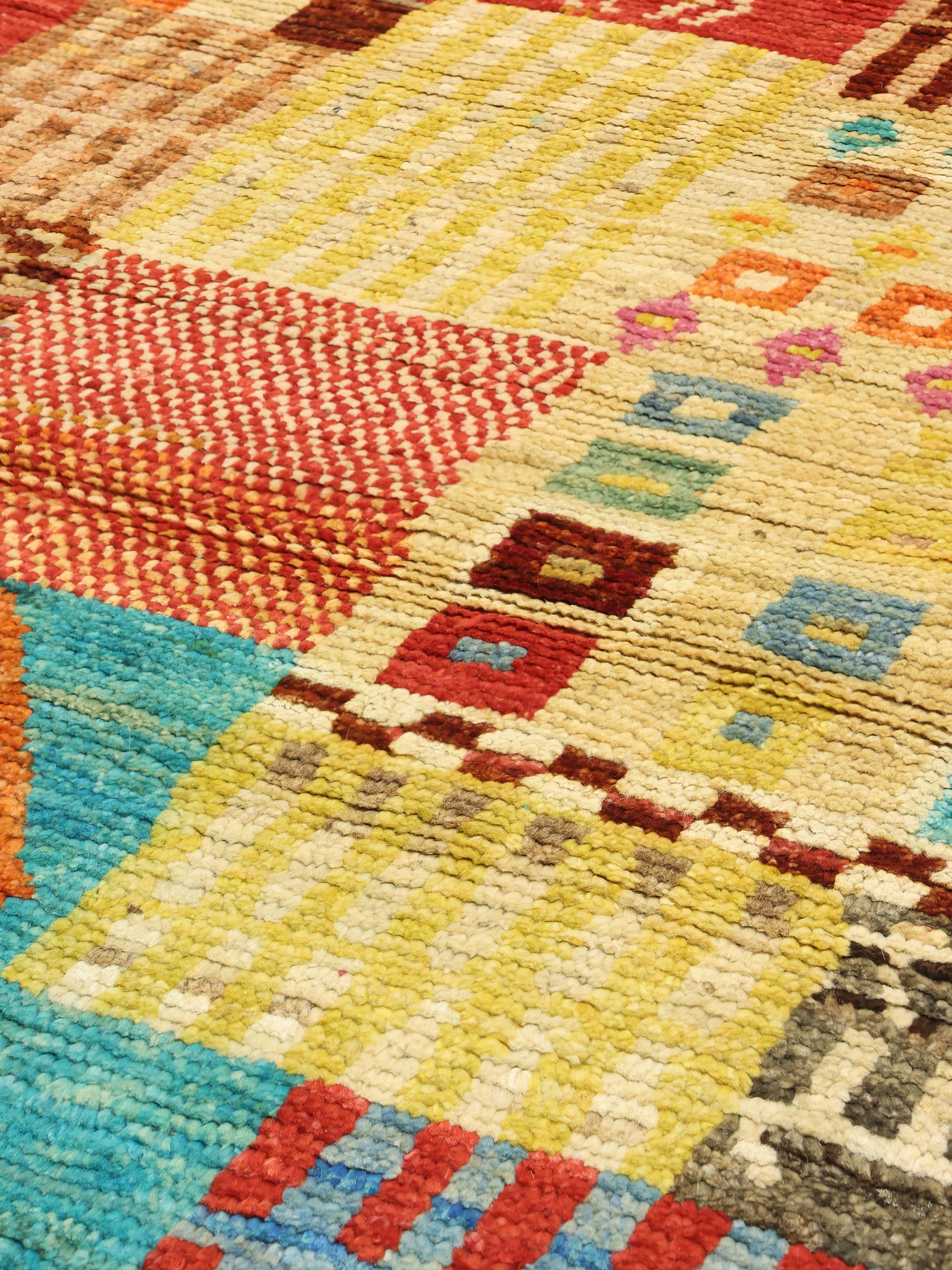
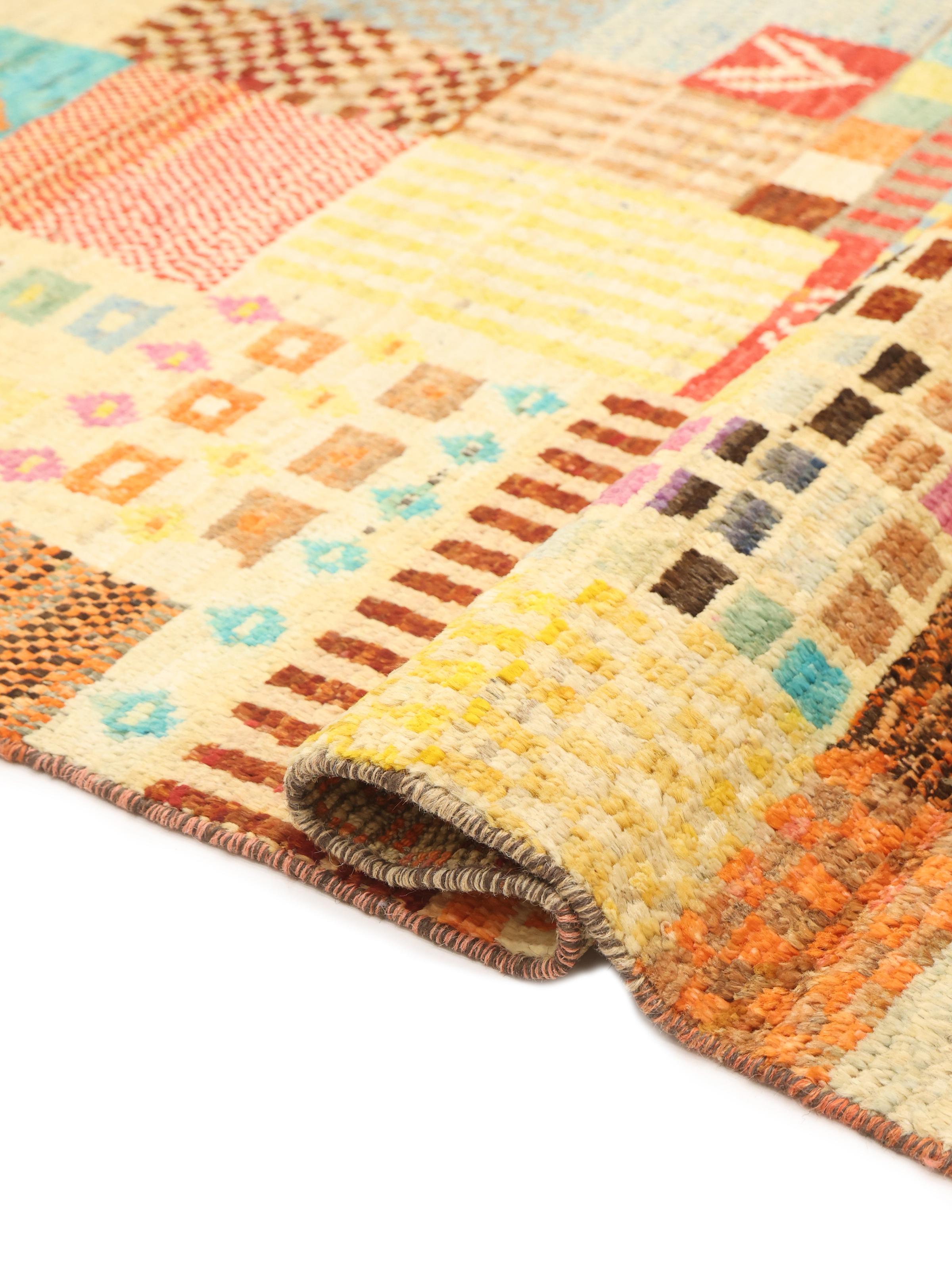
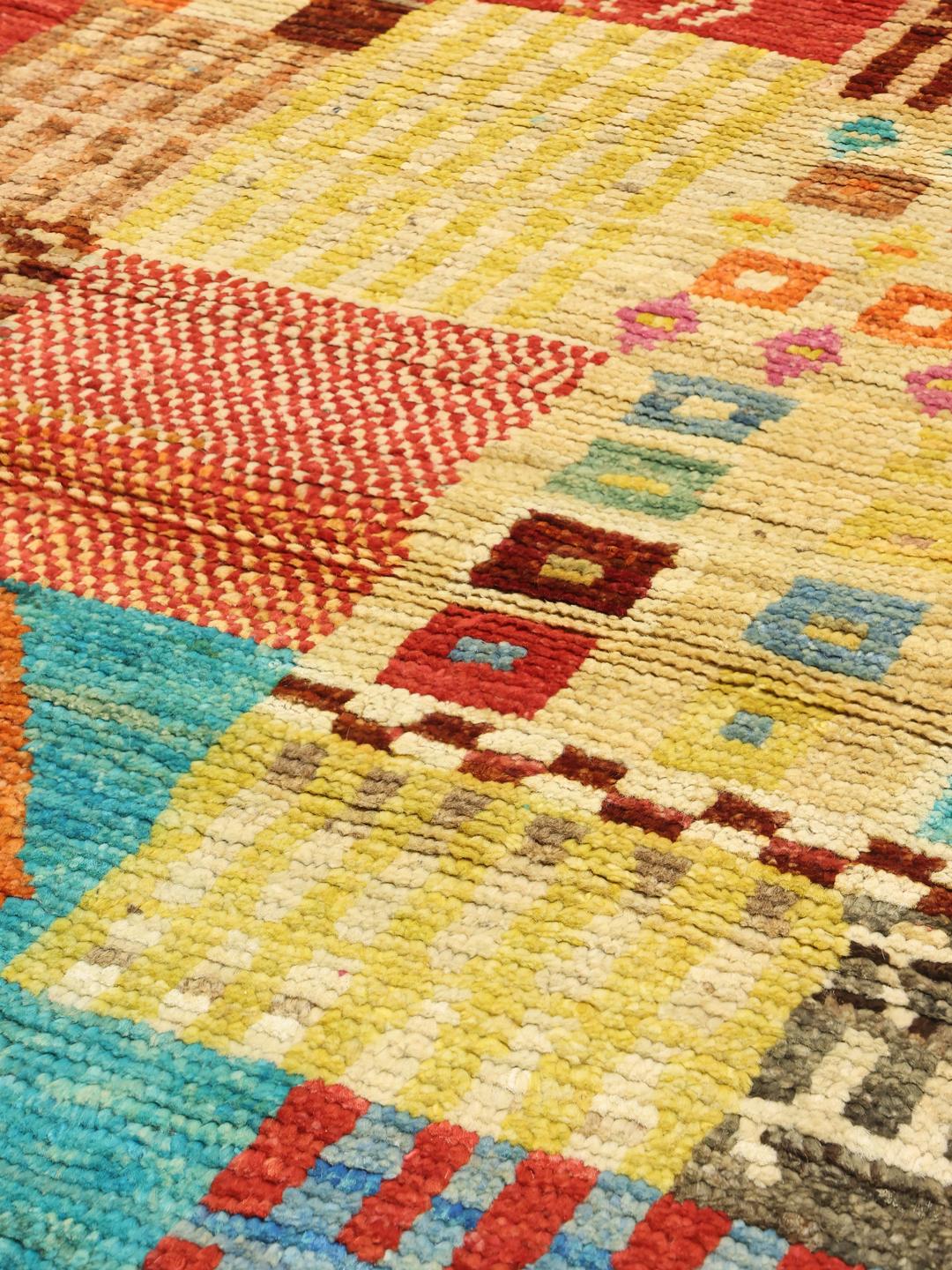
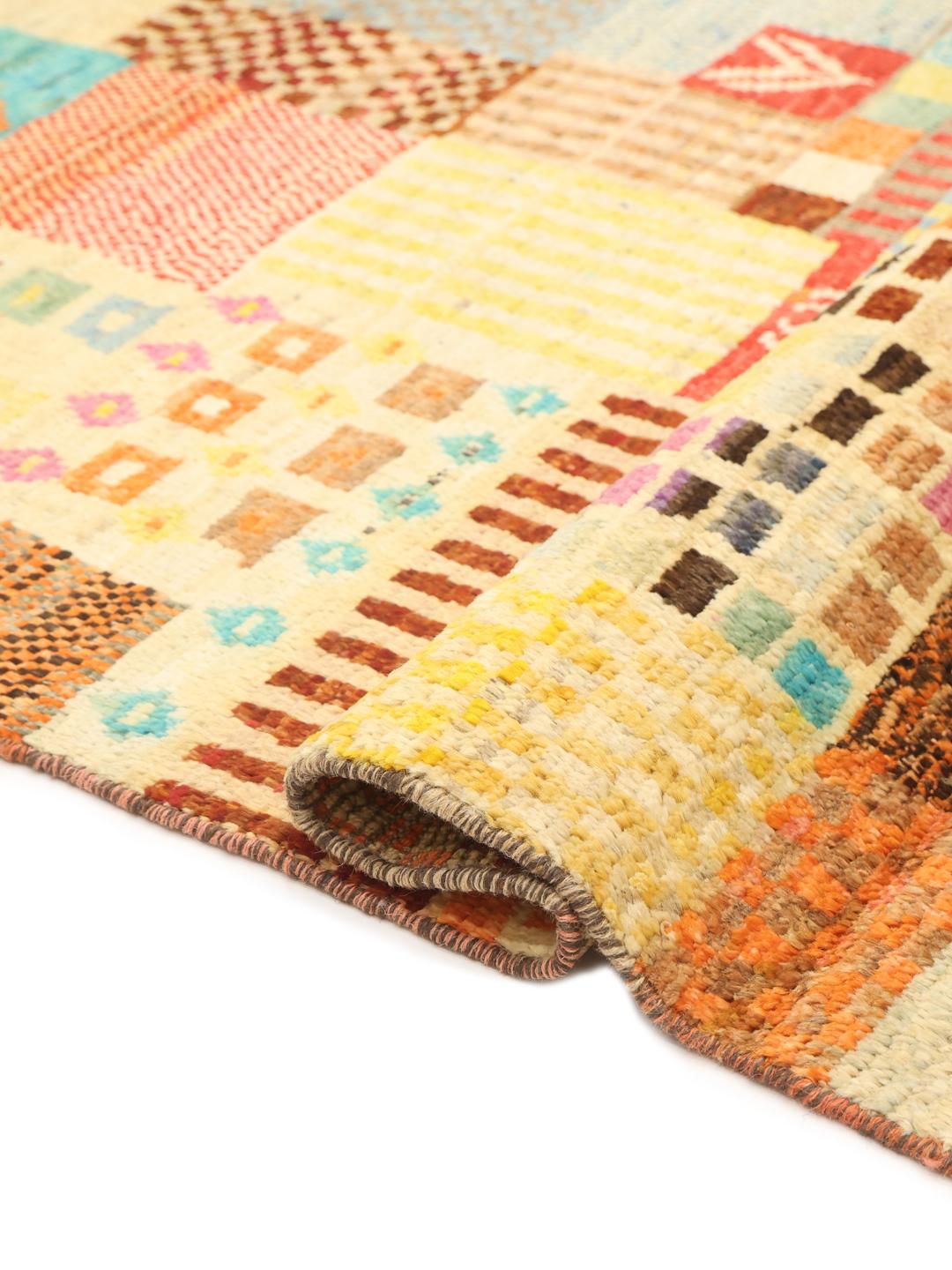
The term Berber refers to a style characterised by a thick, soft pile and a focus on abstract, symbolic patterns. Technically, these rugs are defined by their construction and the quality of the wool used. The wool is carefully sourced and hand-spun, which retains natural oils that give the finished rug a soft, lustrous sheen and an inherent resistance to wear, making it both practical and beautiful.
The signature design elements of this tradition often include geometric motifs, such as diamonds, checks, and lines, which are frequently arranged in spontaneous, patchwork-like compositions. These patterns are not merely decorative but are deeply rooted in the cultural storytelling of the weaving communities, with each symbol often carrying historical meaning or reflecting the weaver's personal environment and experiences.
Collecting a rug from this tradition is an investment in cultural heritage and human skill. Because these pieces are made without the use of automated machinery, they possess a character and soul that mass-produced items lack. Owning such a rug signifies an appreciation for the enduring value of manual craft and the timeless nature of designs that have been passed down through generations.