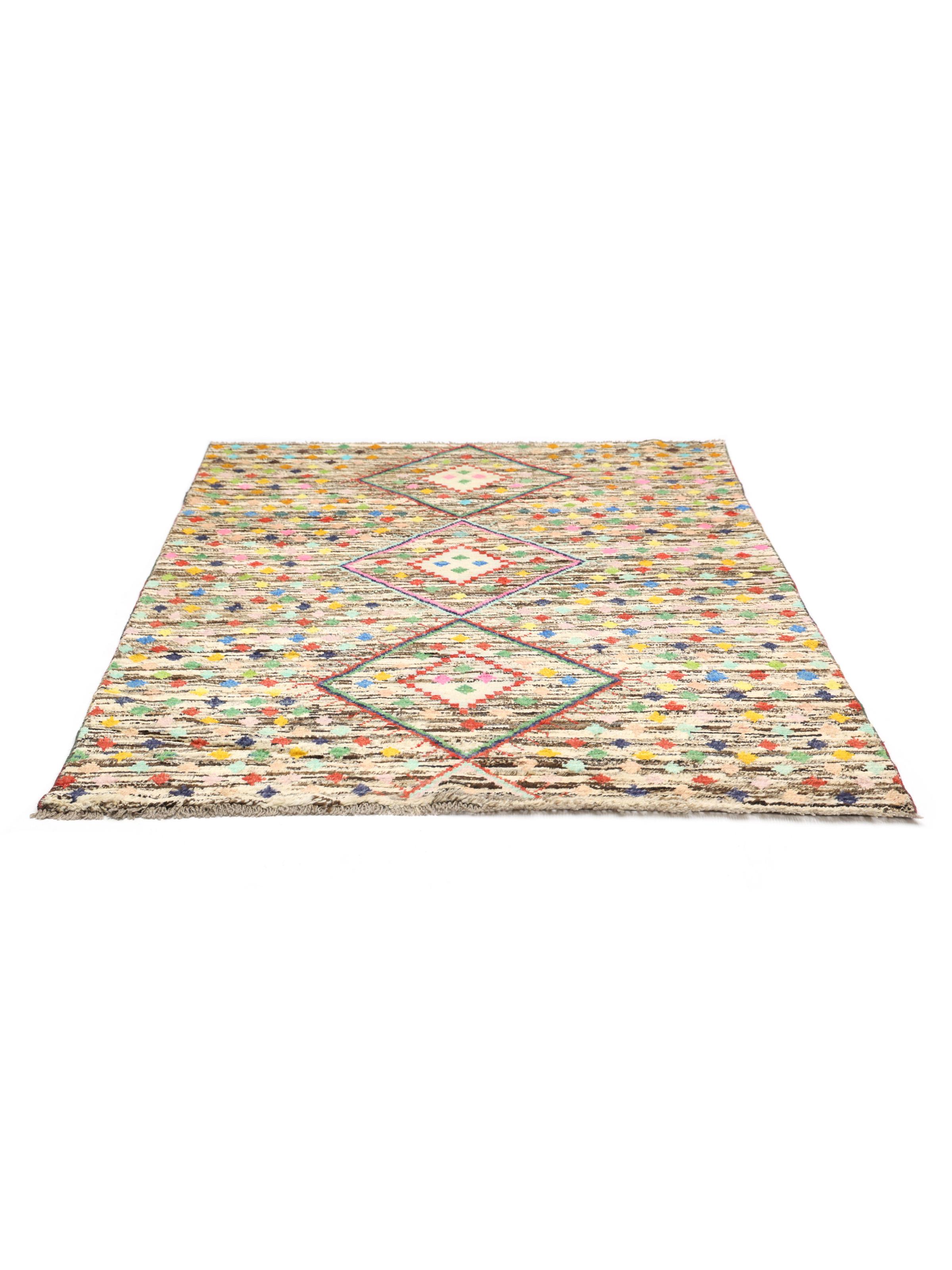
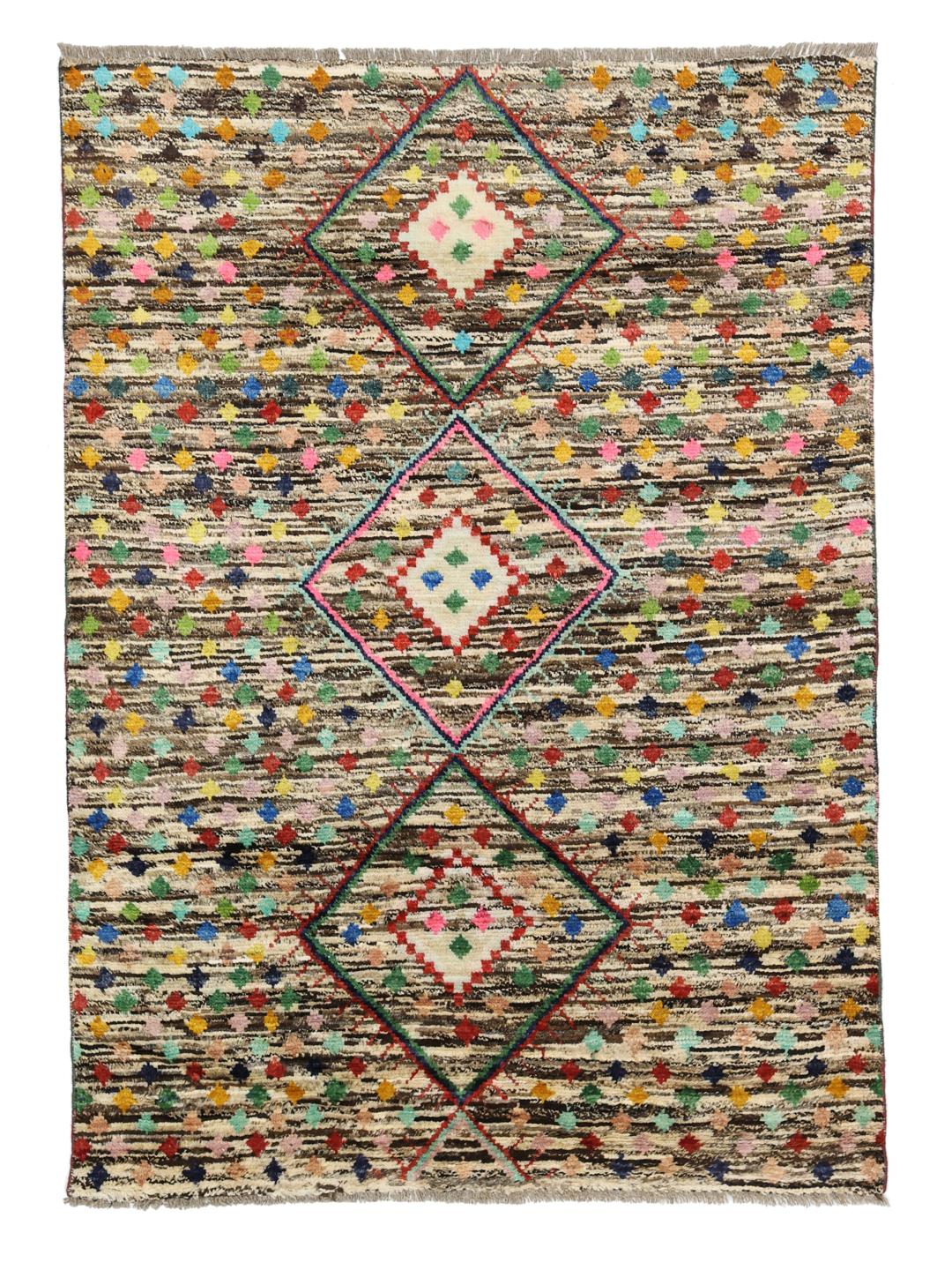
Berber rugs trace their origins back to the indigenous tribes of North Africa, where they were traditionally crafted for both utility and symbolic expression. Over time, these weaving traditions migrated and evolved, finding a home in the diverse craft landscapes of Afghanistan. In these regions, weavers have adapted the iconic aesthetic, blending traditional techniques with local materials and cultural influences.
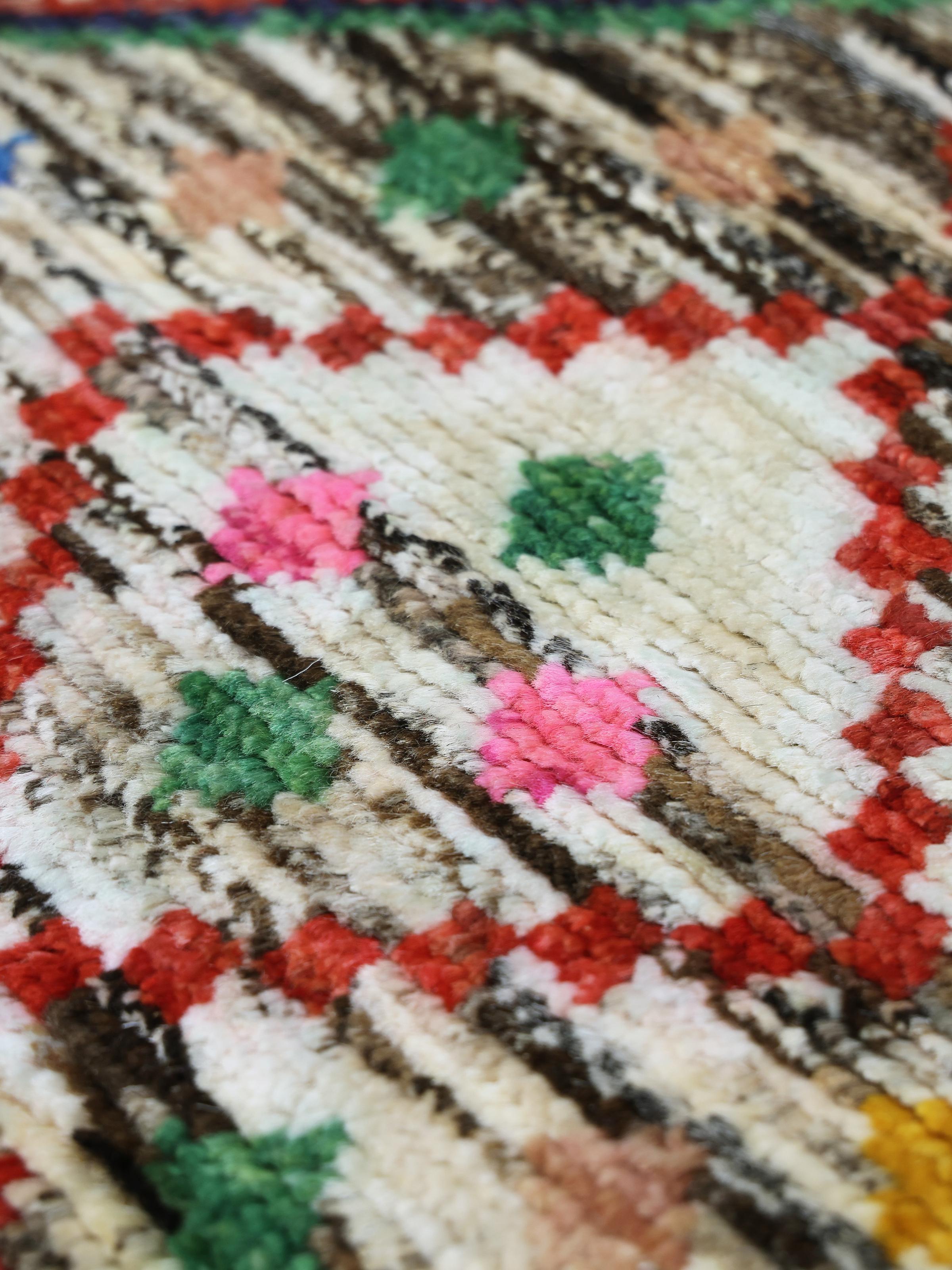
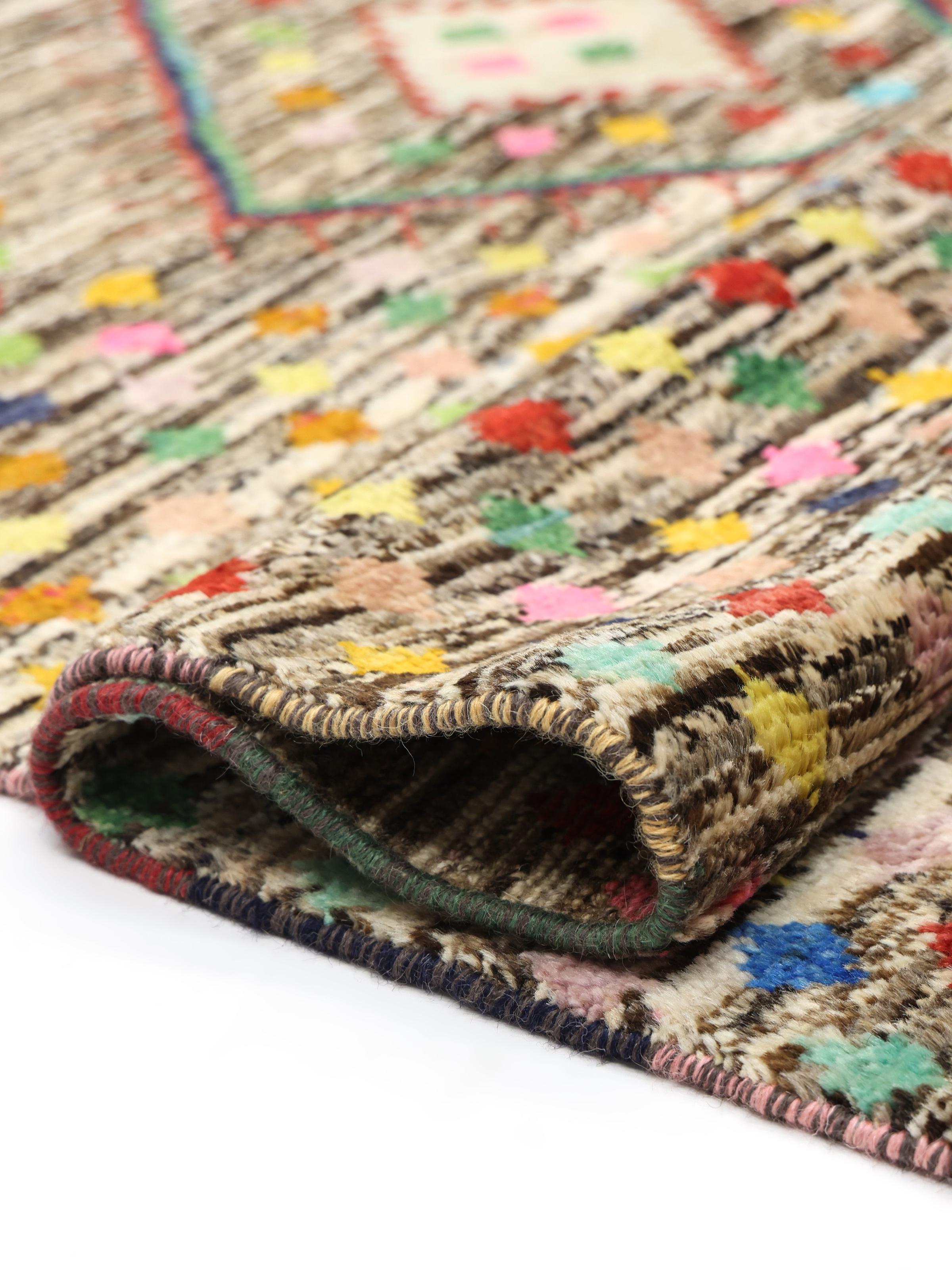
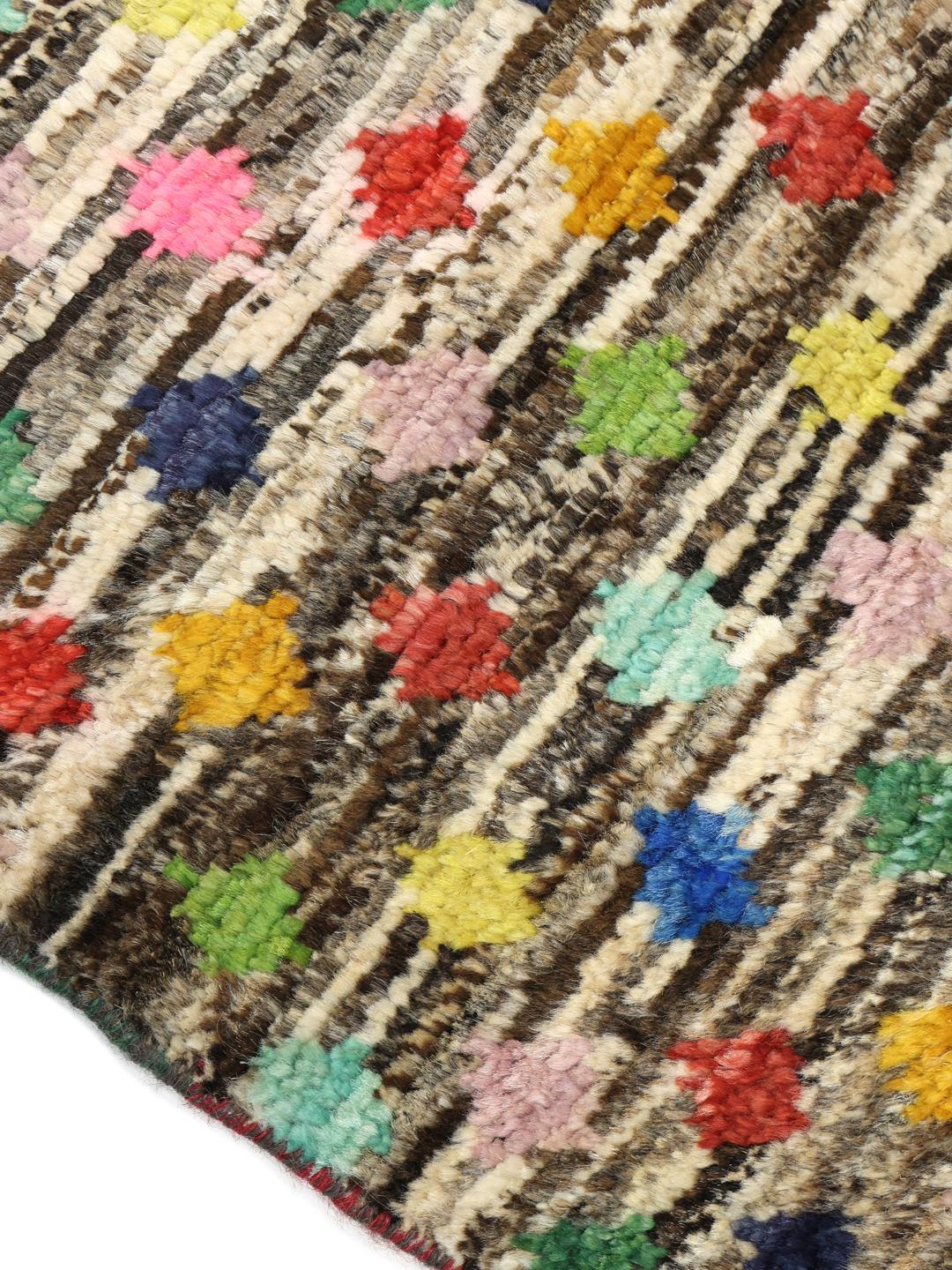
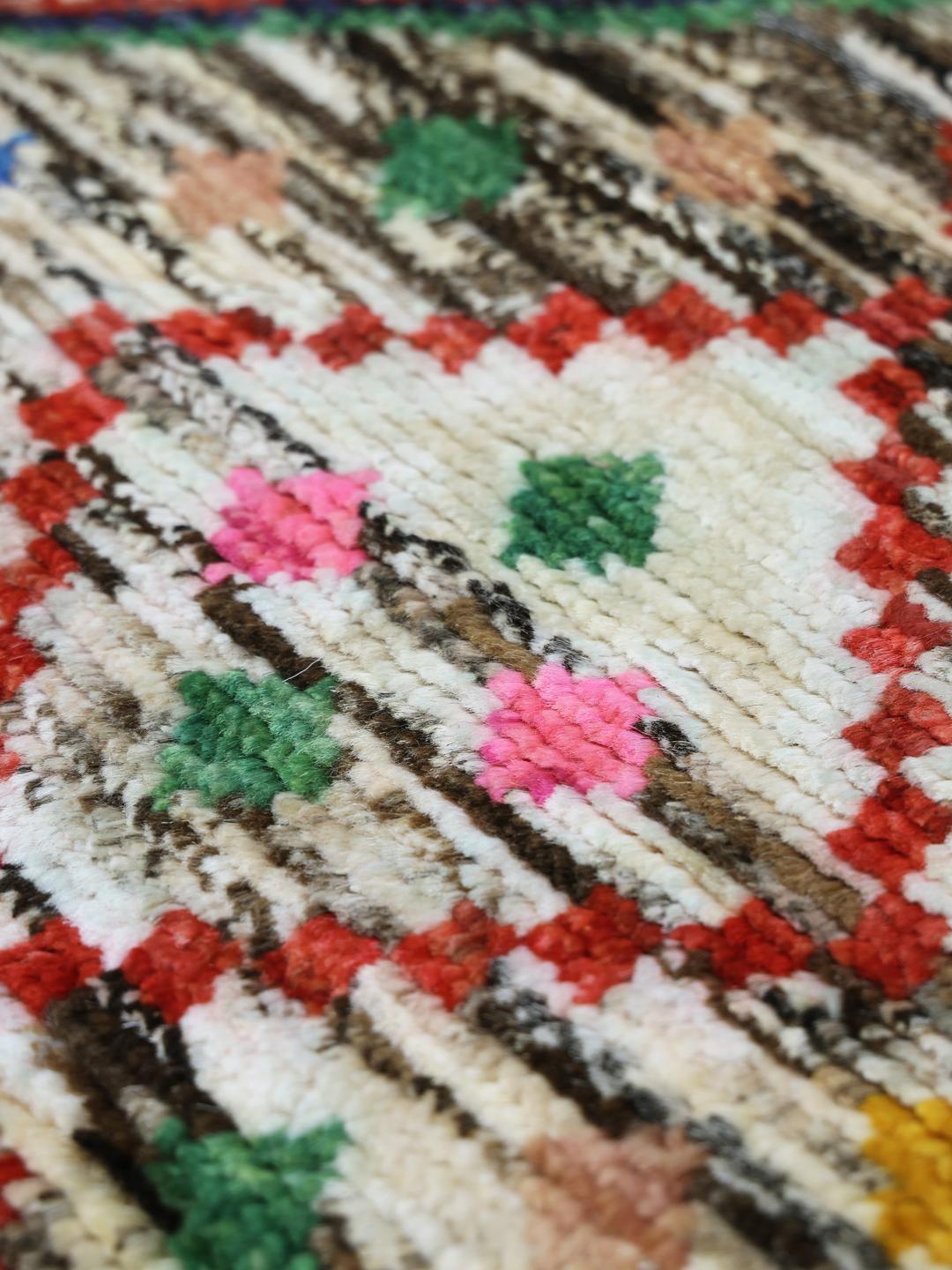
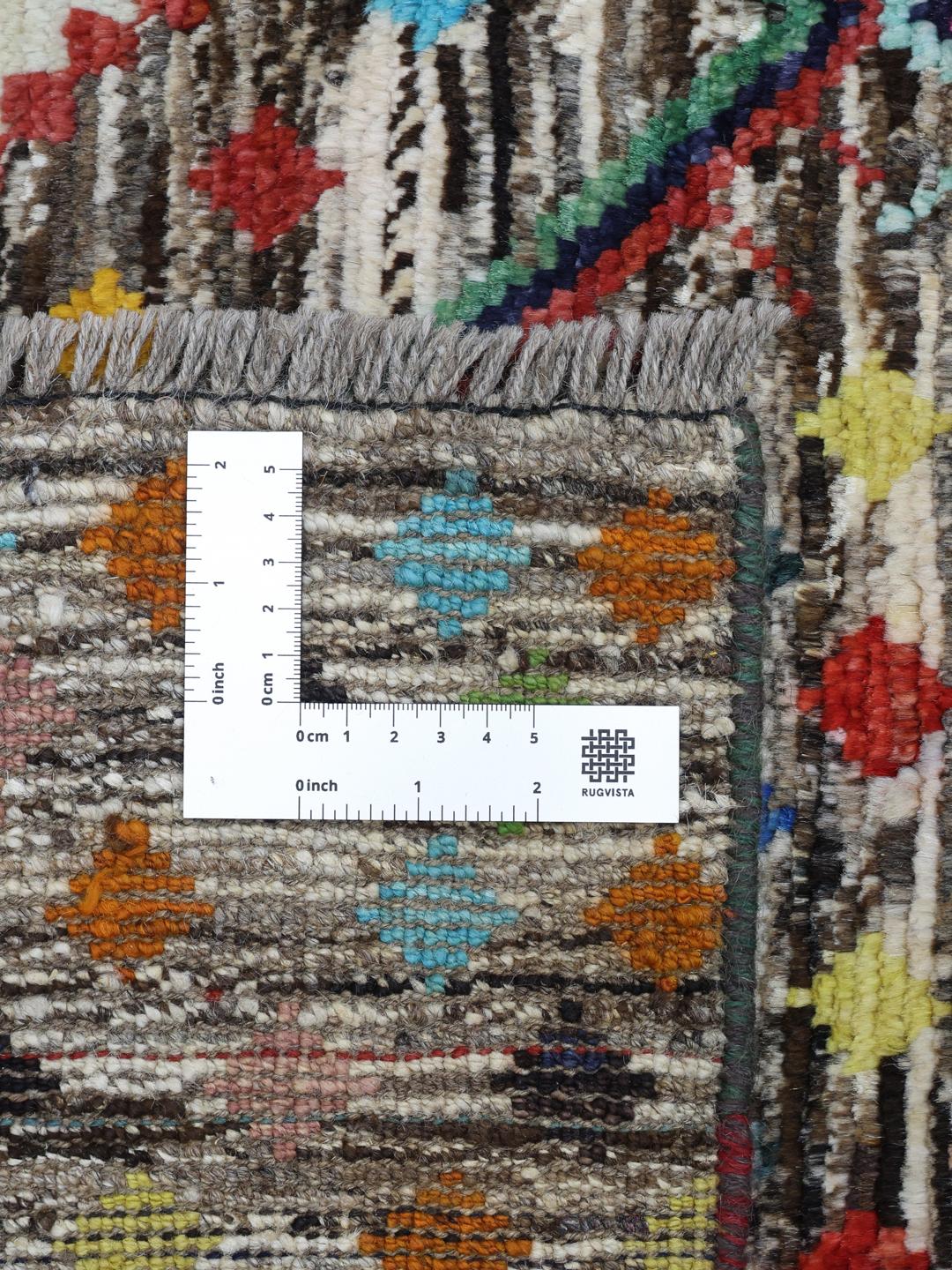
The term 'Berber' originally referred to the specific knotting and weaving styles developed by nomadic and semi-nomadic groups. These methods are designed to create a resilient, long-lasting pile that can withstand the rigours of daily life. Today, this tradition remains a hallmark of quality, where the focus is on the strength of the foundation and the natural properties of the Wool.
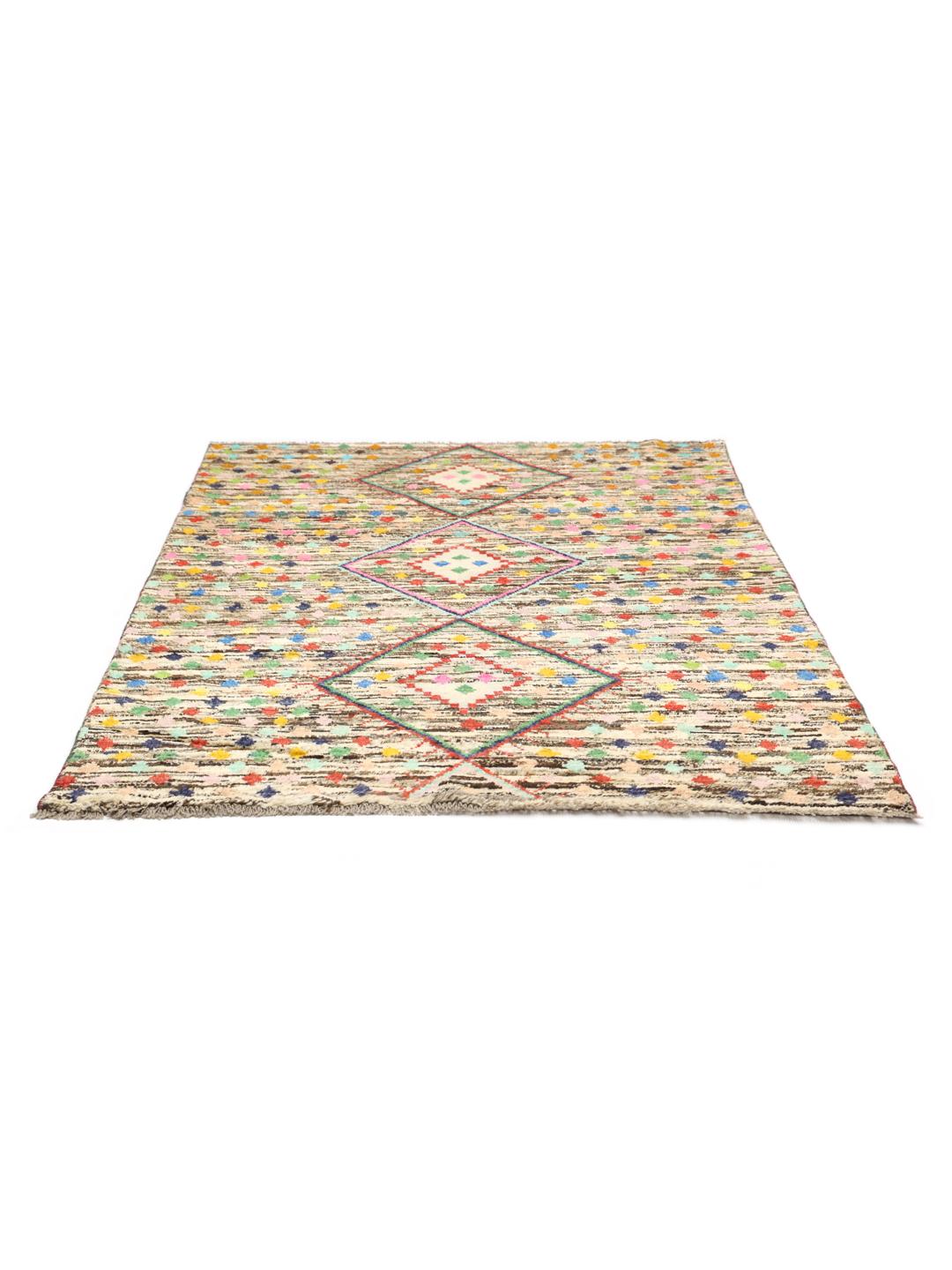
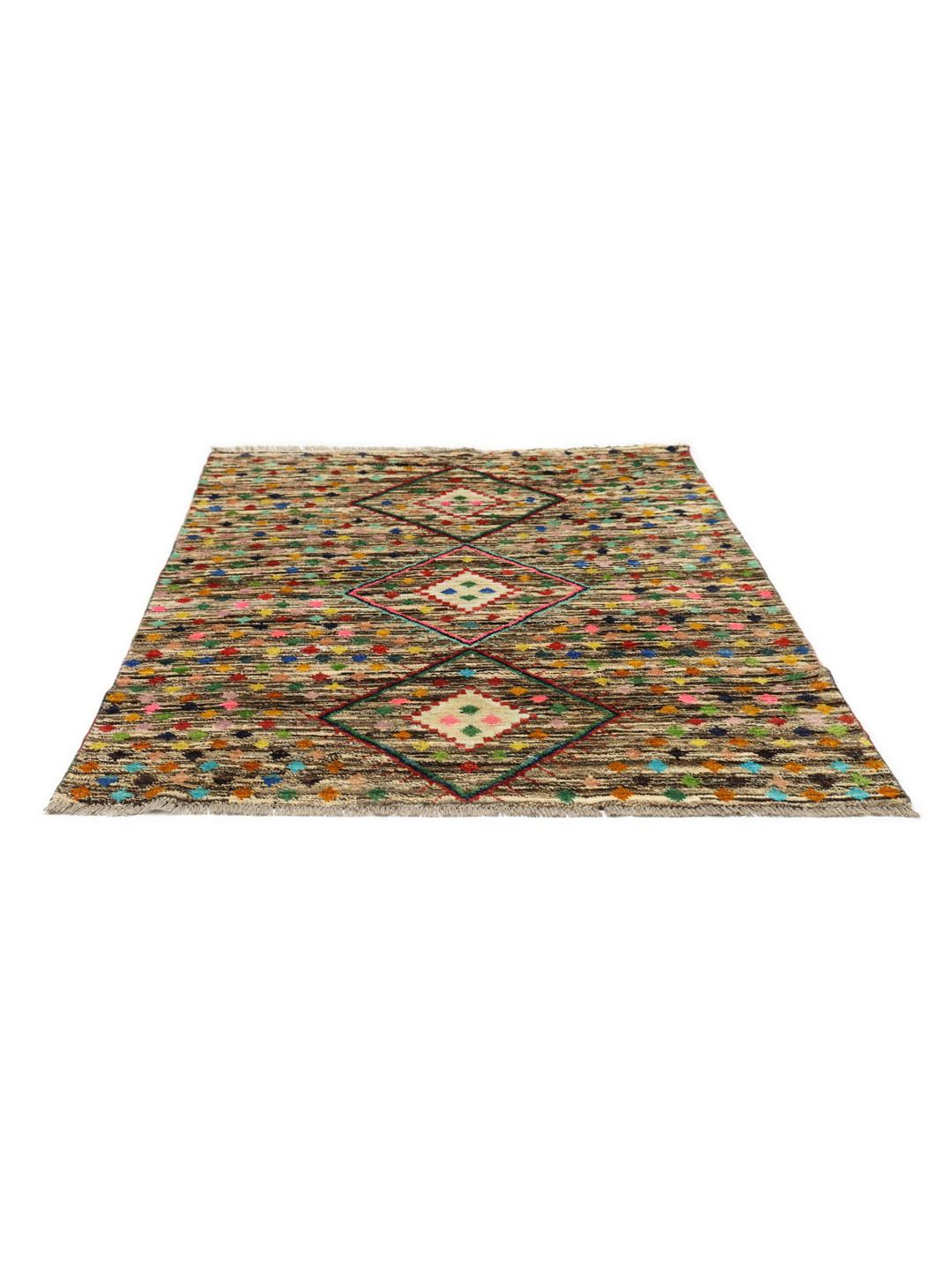
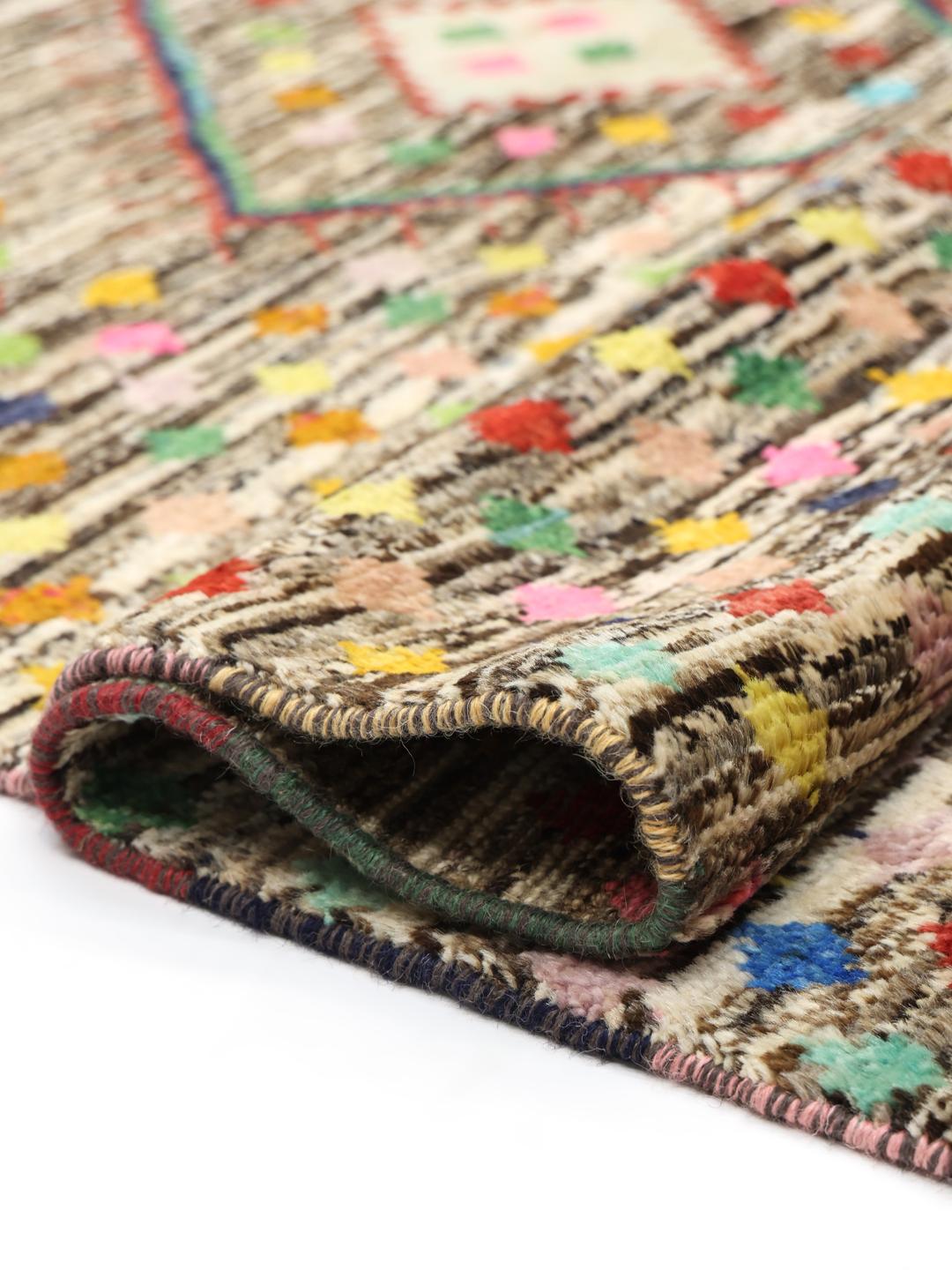
Visually, these rugs are often defined by their geometric motifs and an emphasis on organic, expressive design. While traditional styles might favour more muted or monochromatic palettes, modern interpretations like this one embrace a vibrant array of colours, often using bold contrasts to highlight the intricate patterns and borders that define the piece.
Owning a hand-knotted rug of this tradition is a way to connect with a long lineage of craft. These pieces are highly valued not only for their visual impact but for the skill and patience required to create them. They serve as a bridge between the past and the present, offering collectors and homeowners alike a piece of heritage that is as durable as it is beautiful.