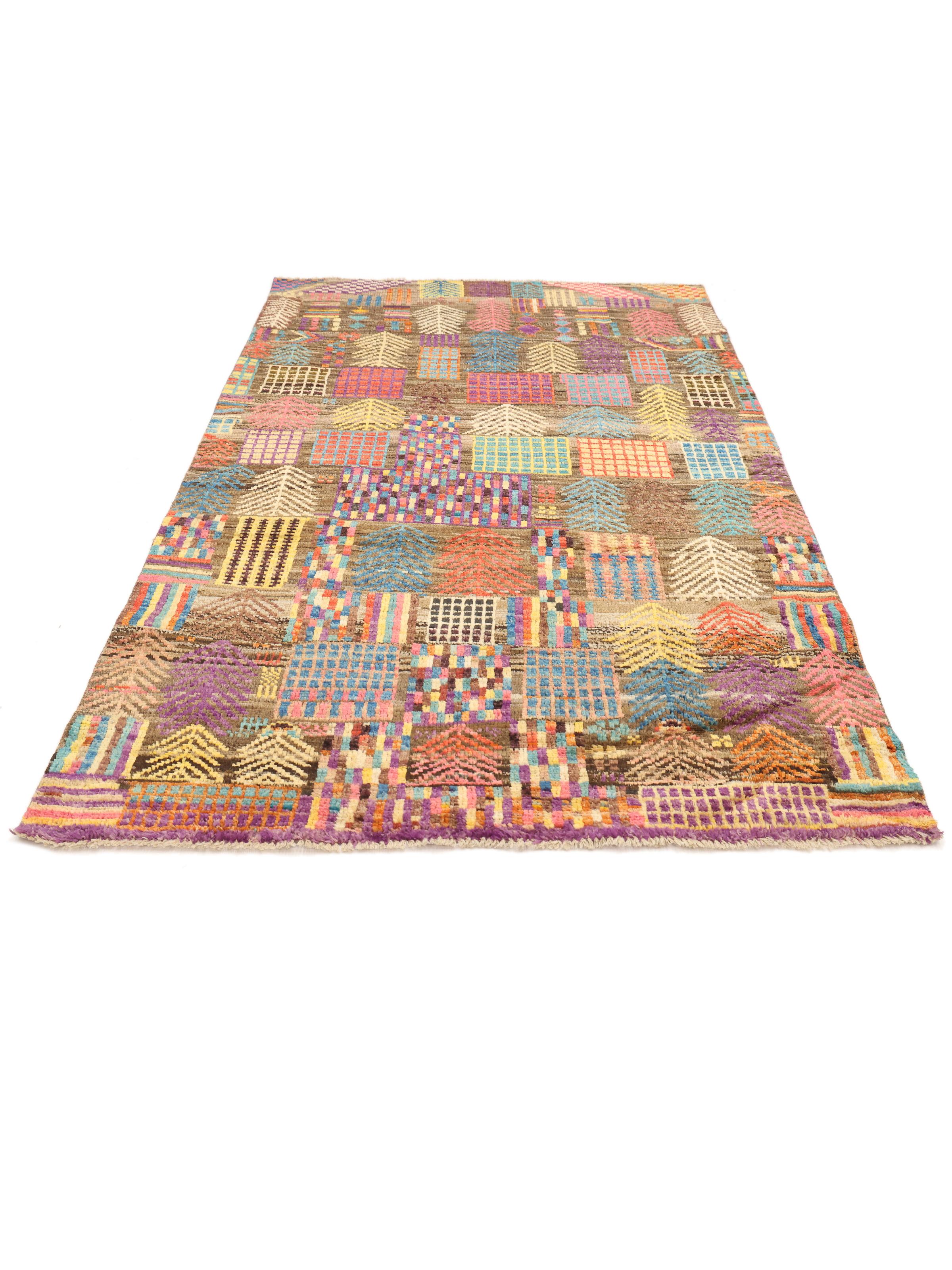
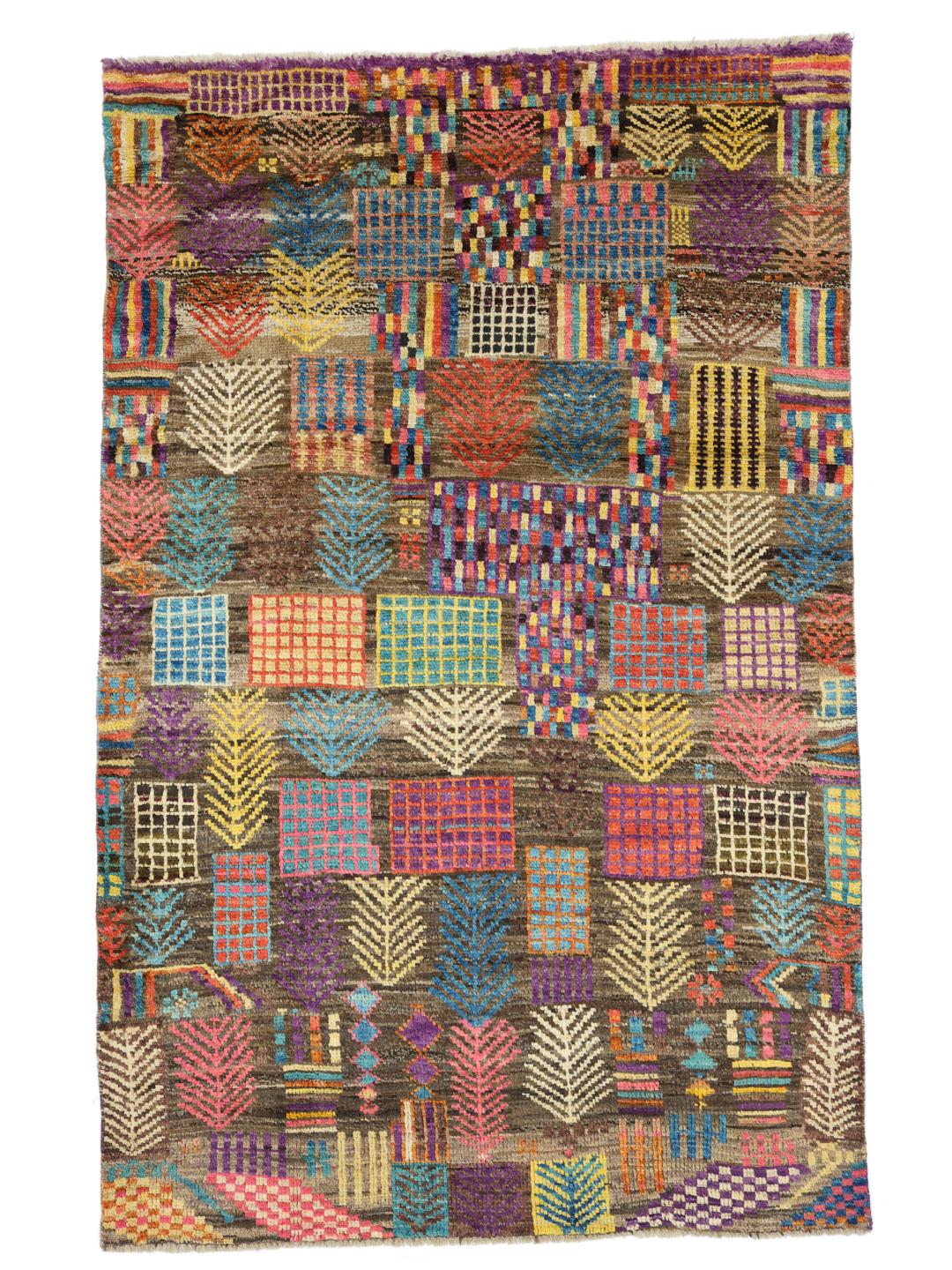
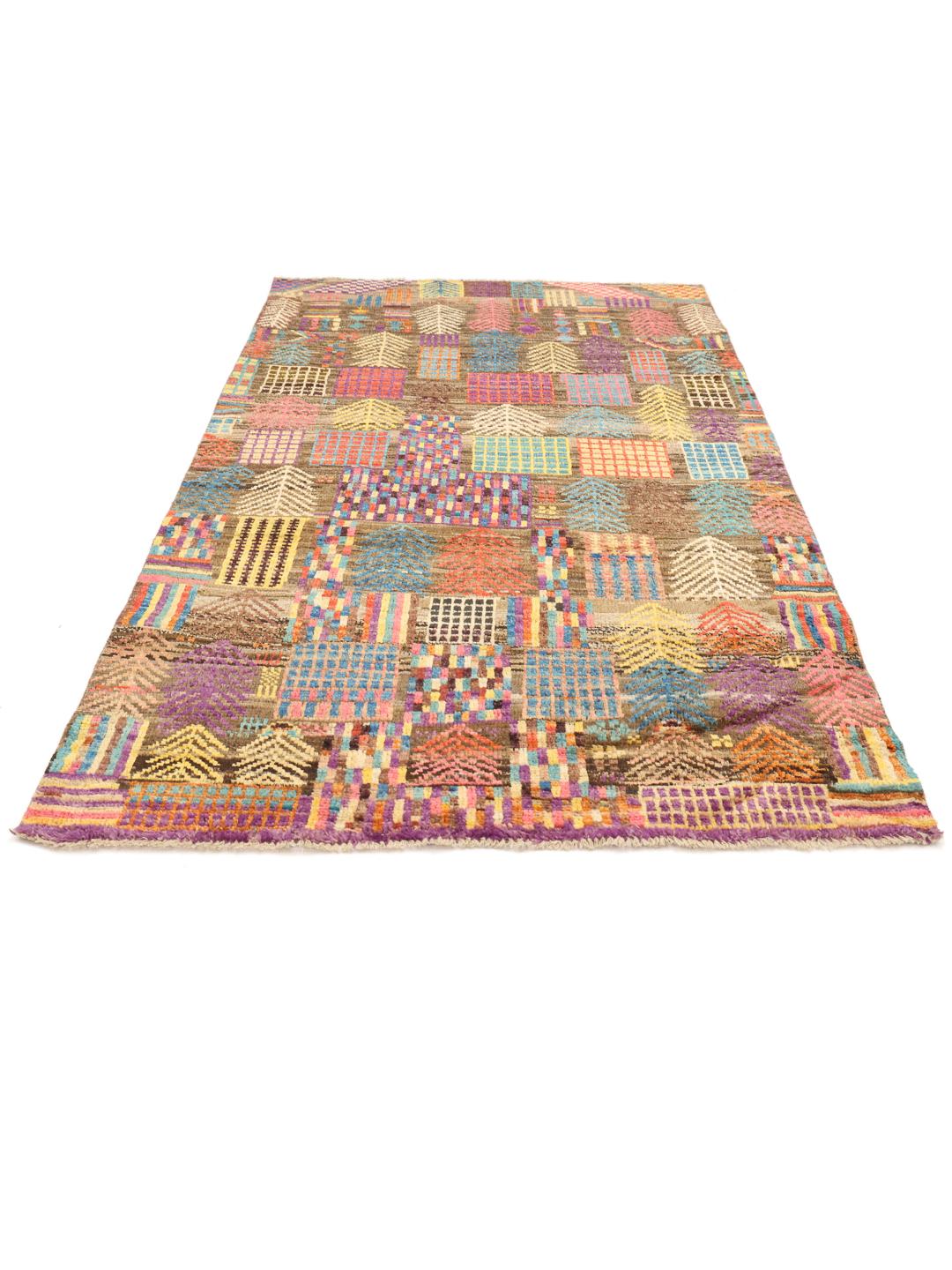
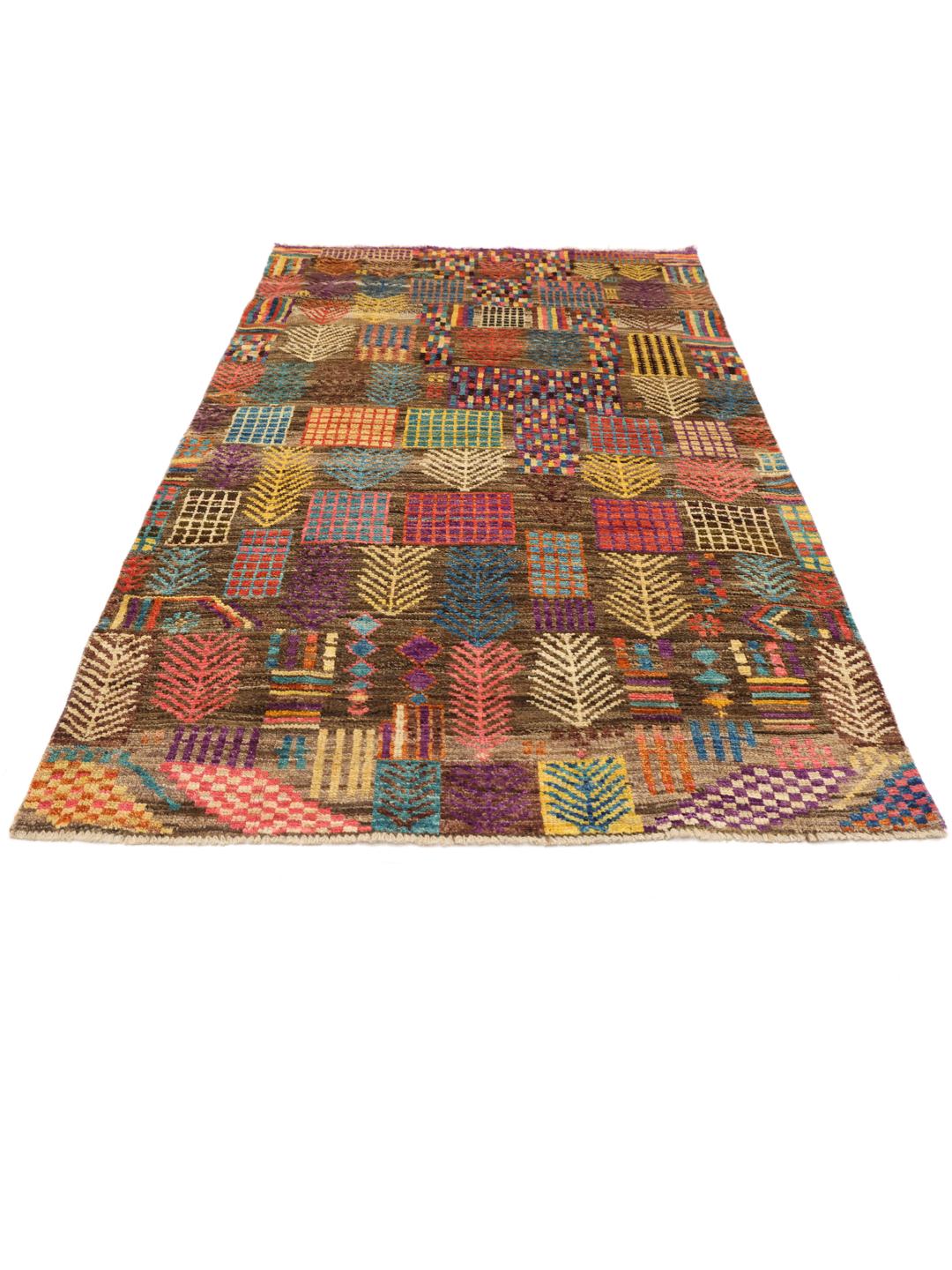
The Berber tradition is deeply rooted in the history of nomadic groups, though the term has evolved to describe a specific style of hand-knotted rug that emphasises bold, geometric creativity. While traditionally associated with North African weaving, modern iterations, particularly those crafted in the Middle East, have adopted these iconic, expressive patterns to create something entirely new and culturally rich.
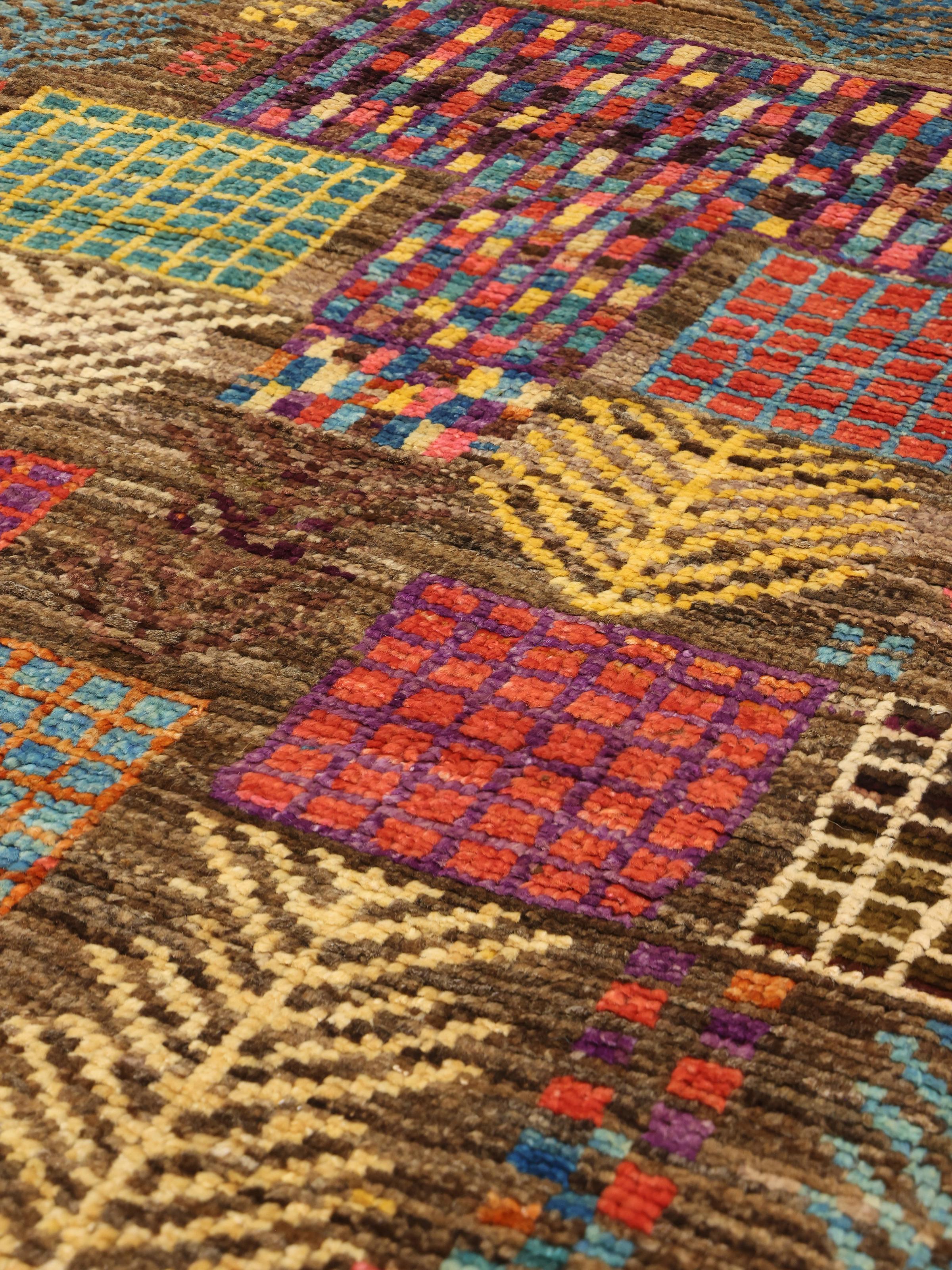
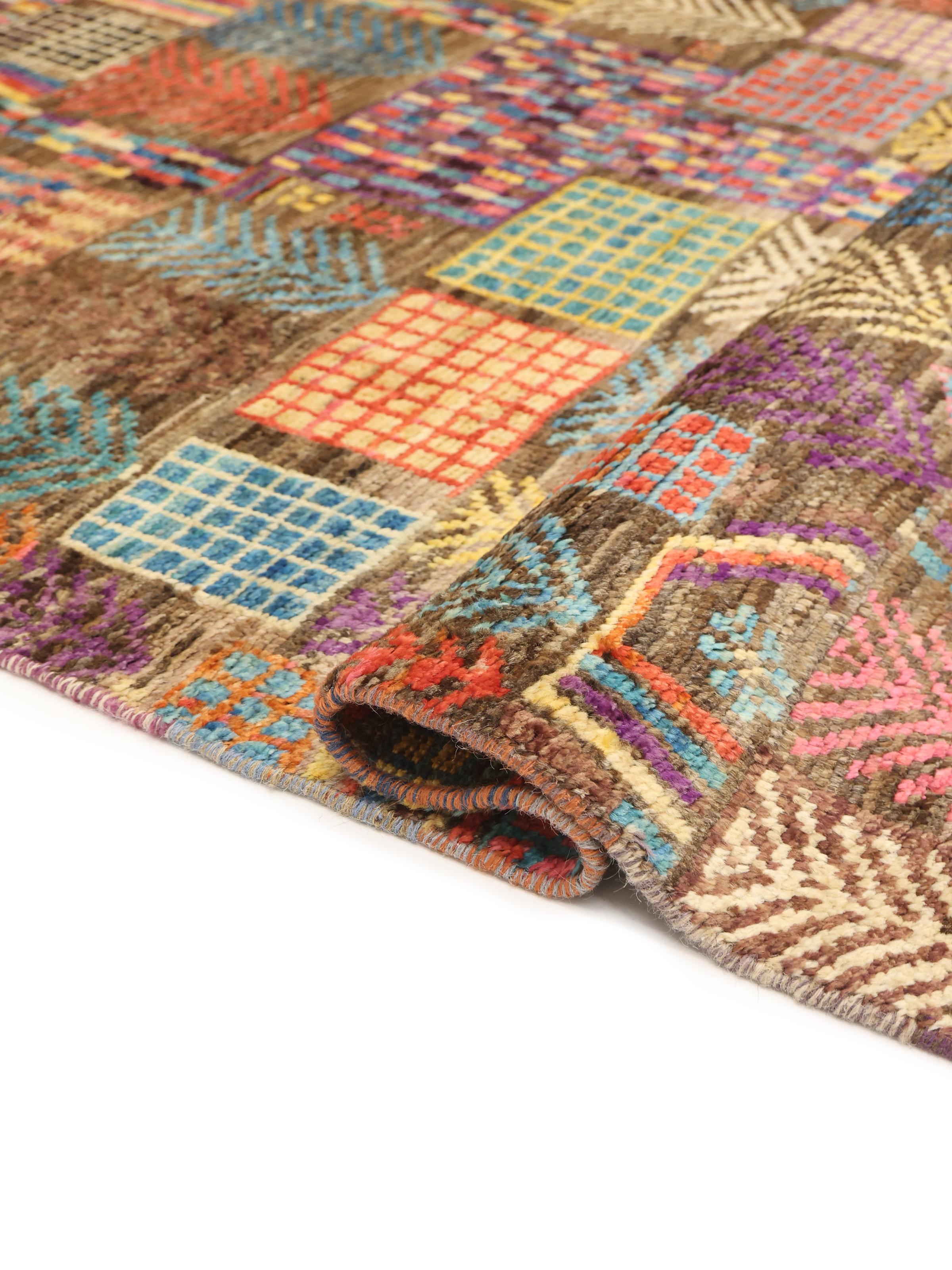
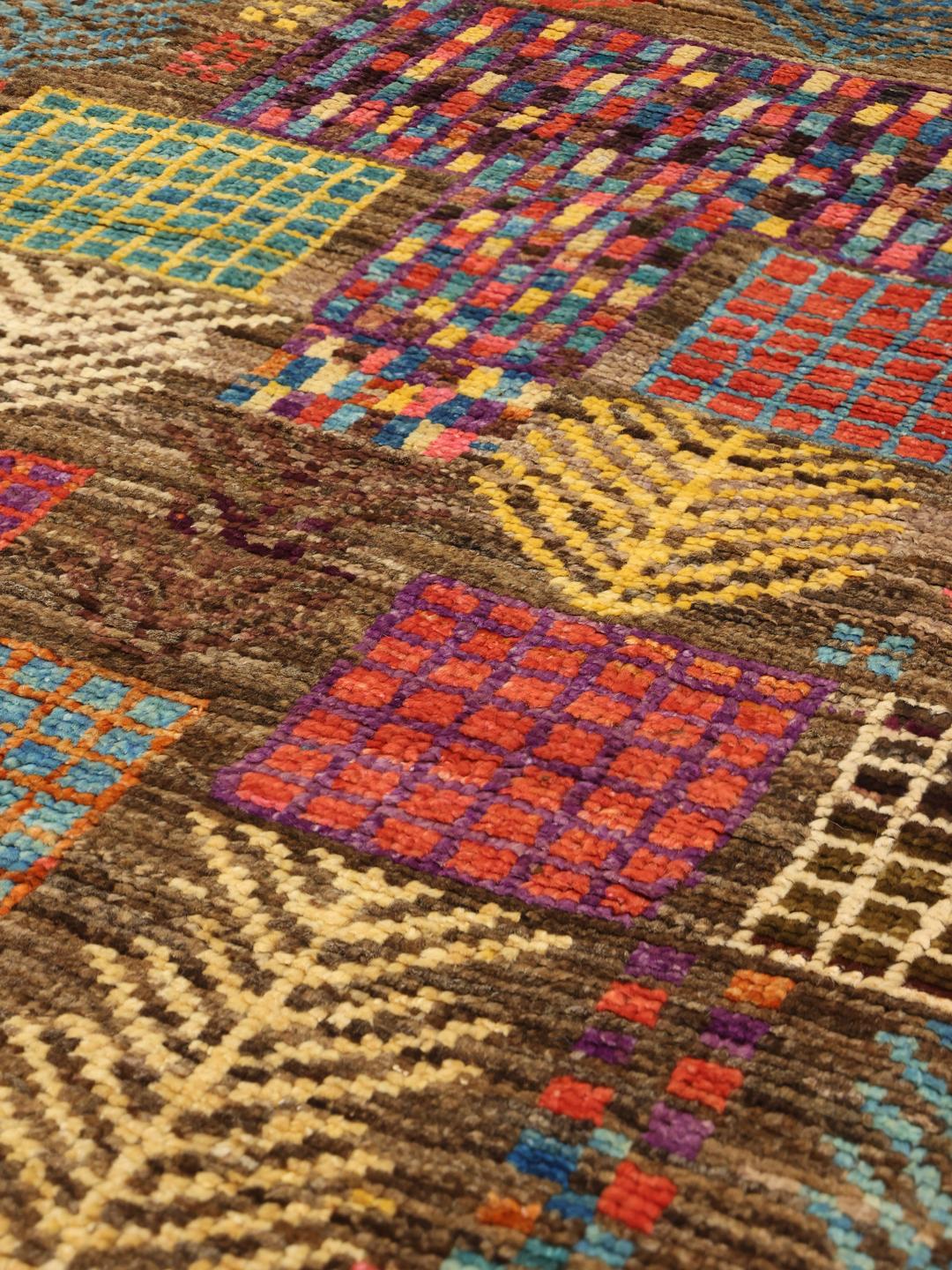
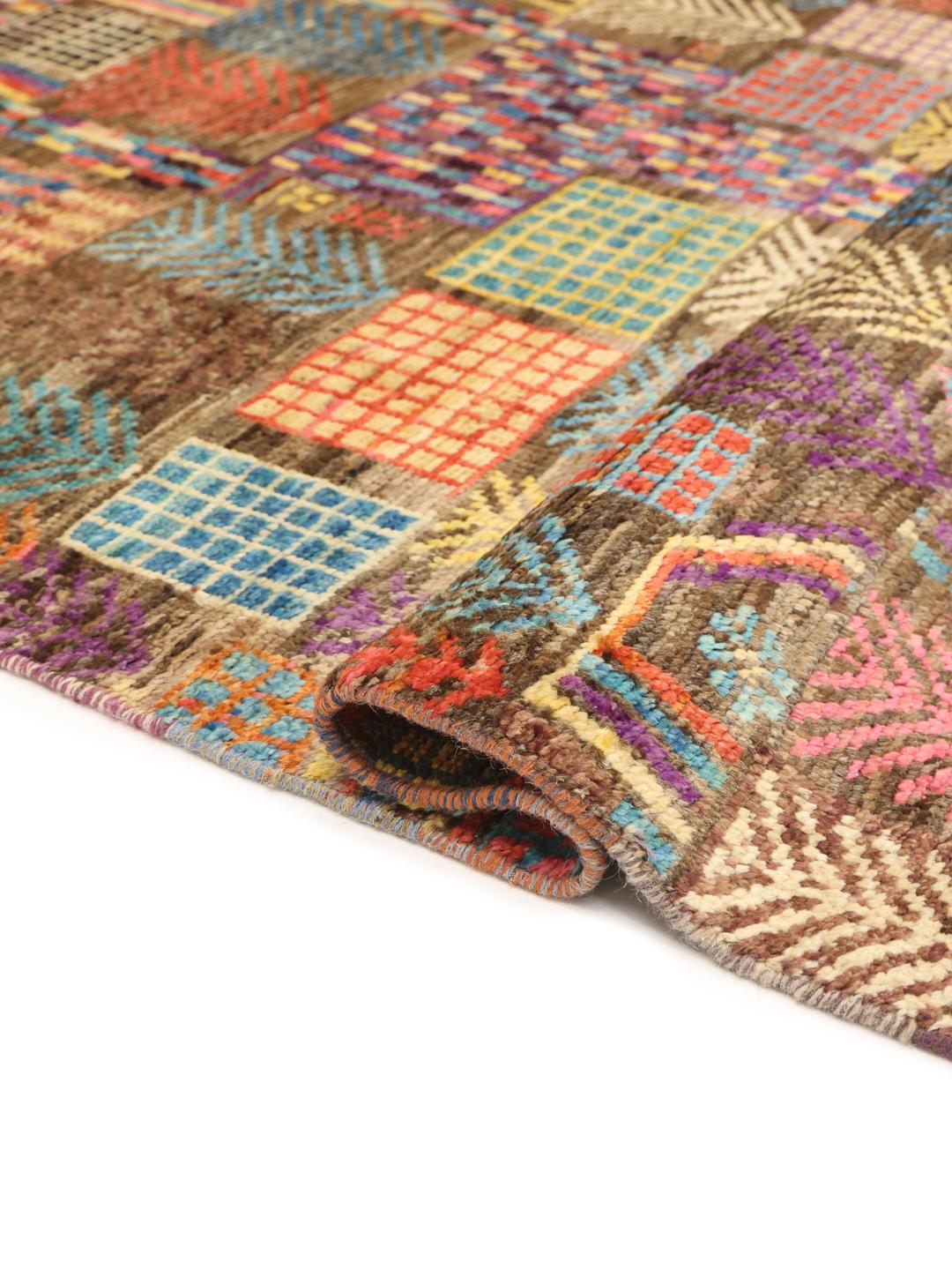
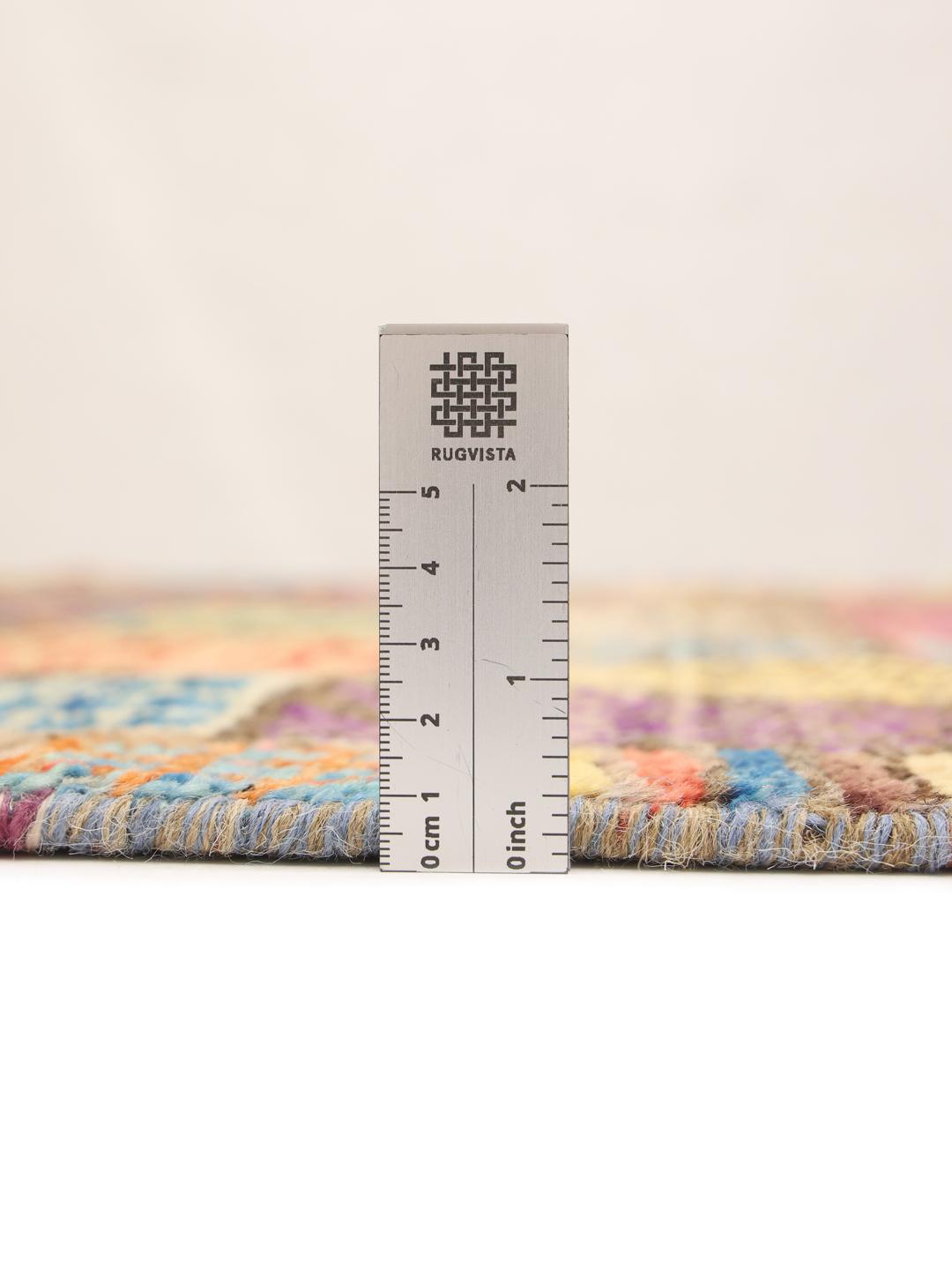
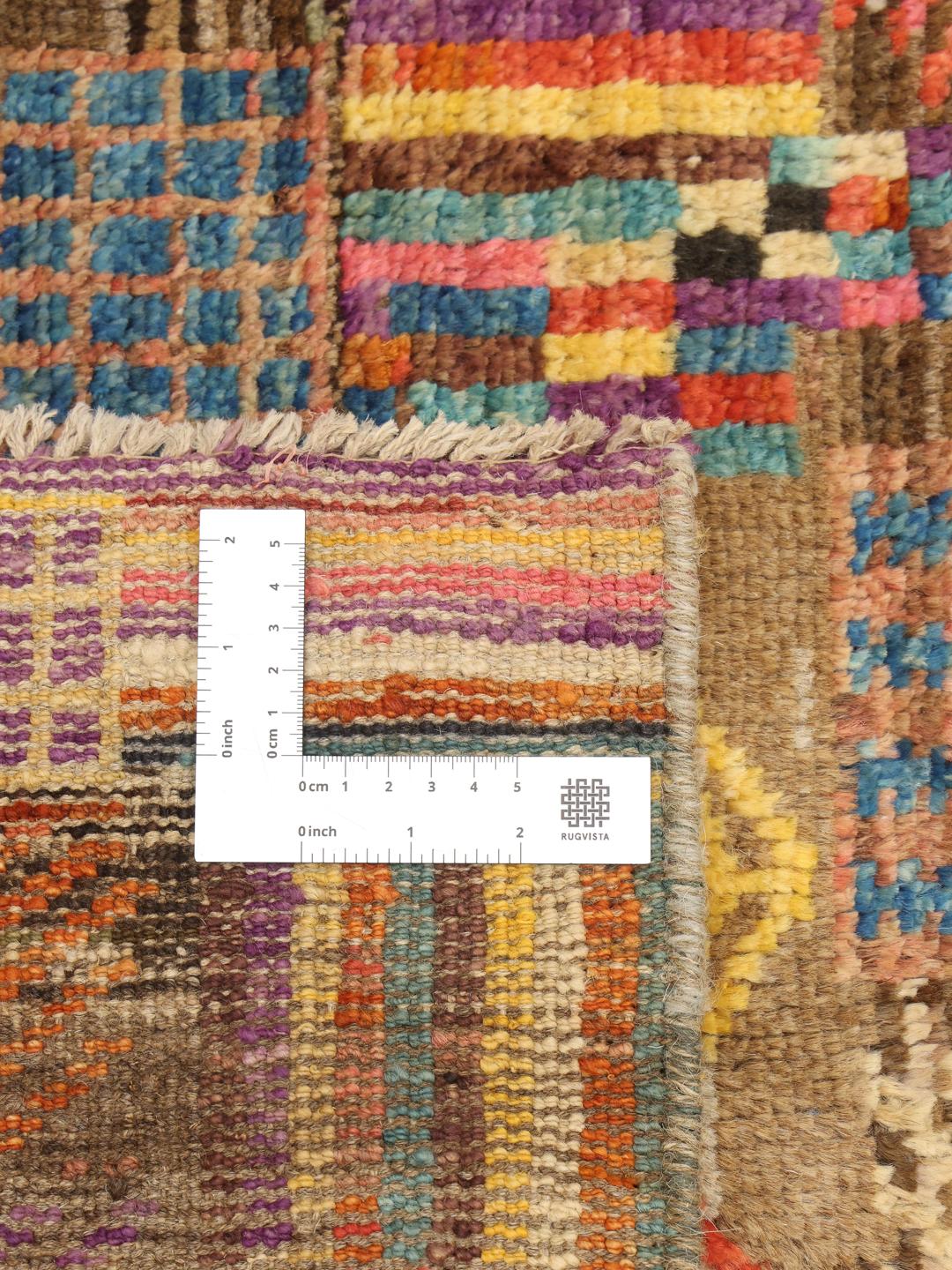
In these rugs, the craft is defined by the quality of the wool and the density of the knotting. The use of high-quality wool is essential, as it provides a natural lanolin content that protects the fibres, making the rug soft to the touch yet incredibly robust. This construction ensures that the rug remains a staple in your home for years, gaining character as it ages gracefully.
The signature design elements often feature a playful mix of geometric shapes such as squares, diamonds, and simplified organic motifs like trees. These patterns are not just decorative; they are a visual language used by the weavers to tell stories and express their surroundings. The use of vibrant, contrasting colours in this particular piece highlights a departure from more muted, traditional palettes, making it a contemporary statement piece.
Owning a piece from this tradition is an investment in cultural heritage and artisanal skill. Collectors value these rugs for their authenticity and the fact that they represent a living craft. By bringing this rug into your home, you are continuing a long-standing tradition of valuing human-made beauty over industrial efficiency, ensuring that the art of the hand-knotted rug continues to thrive.