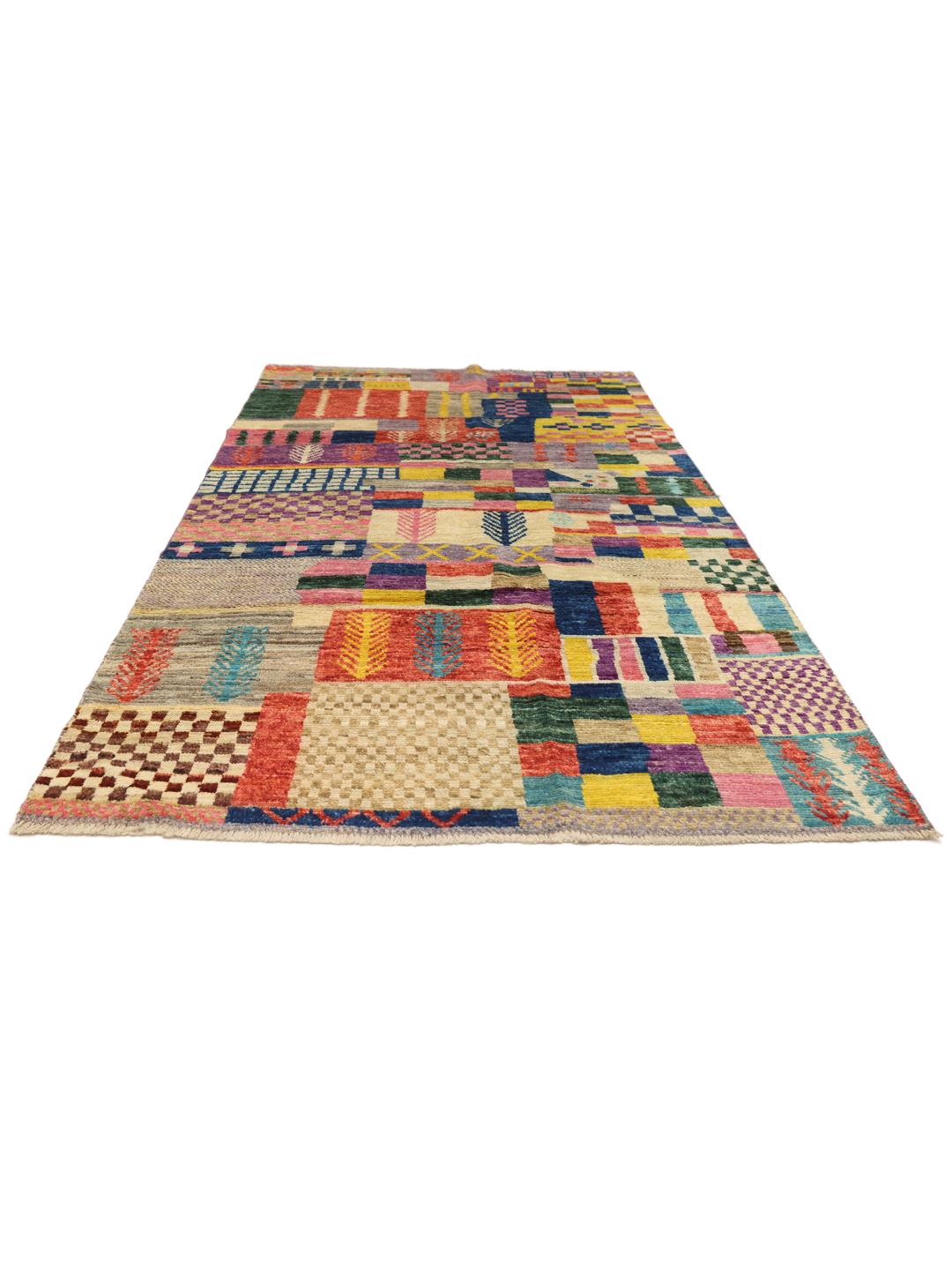
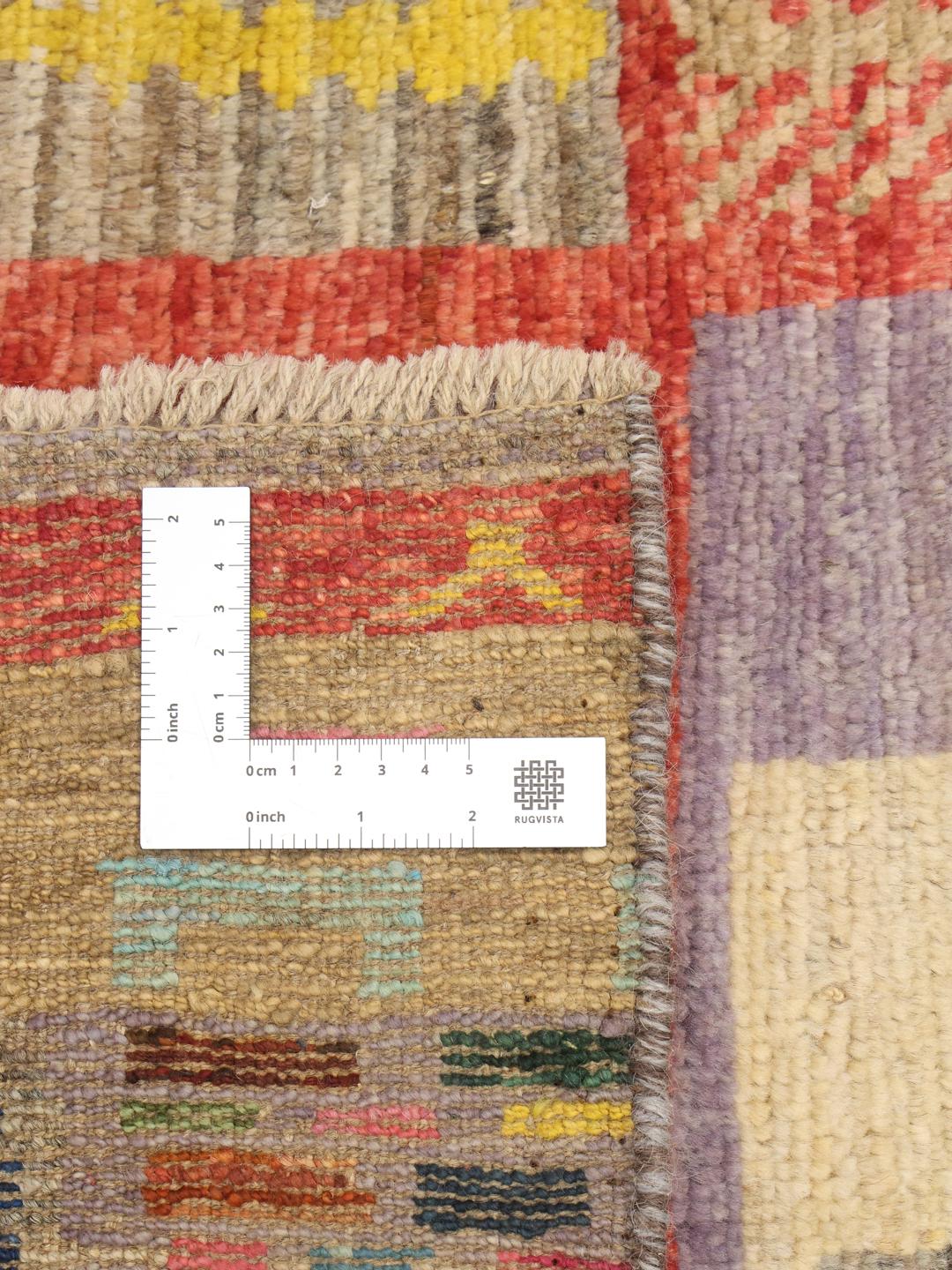
Berber-style rugs find their roots in the ancient weaving traditions of North Africa, where indigenous tribes have crafted textiles for centuries to serve both functional and symbolic purposes. Over time, these weaving techniques travelled across the Middle East, influencing local artisans in places like Afghanistan to adopt and adapt these styles using their own regional materials and design sensibilities.
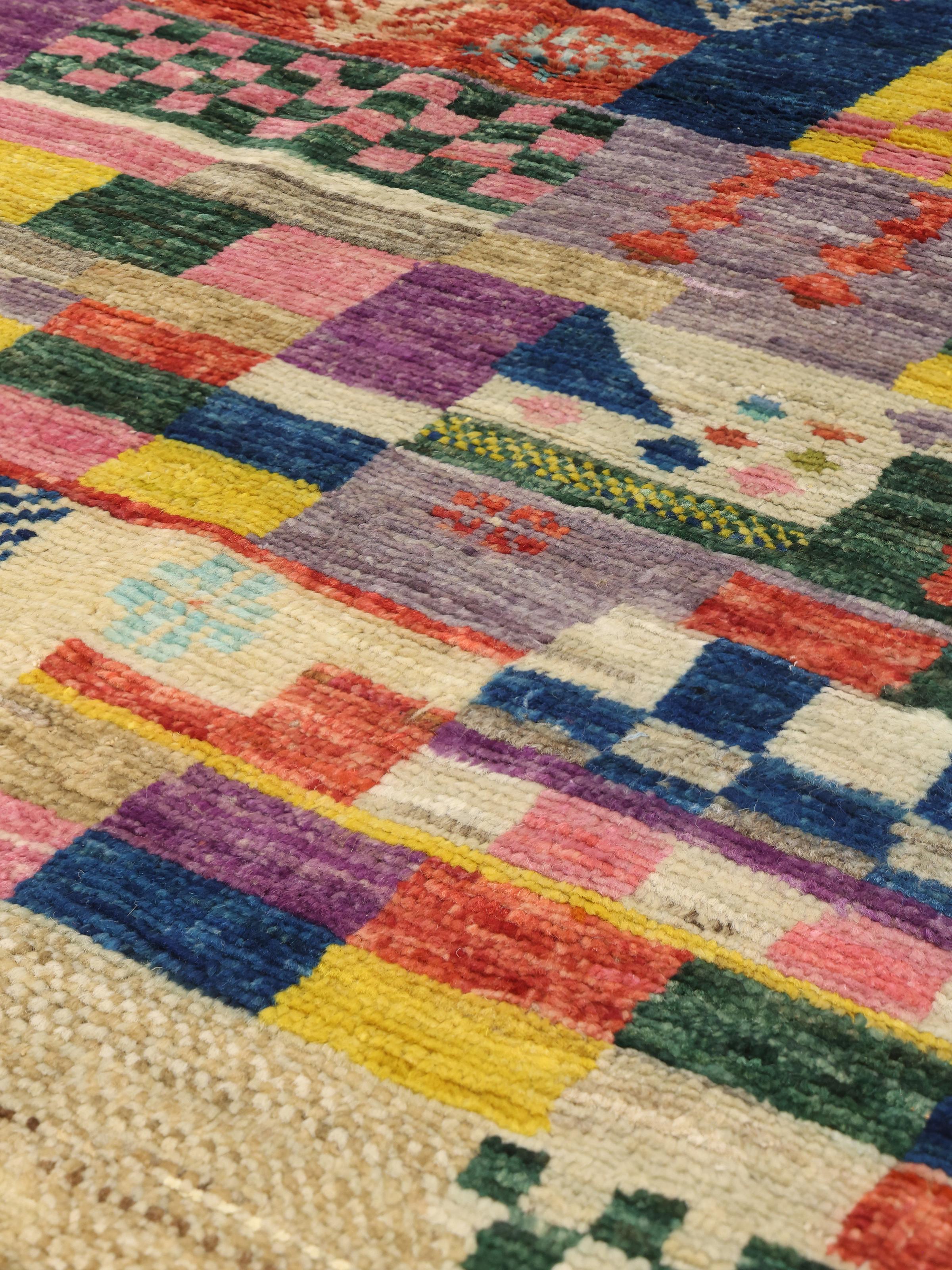
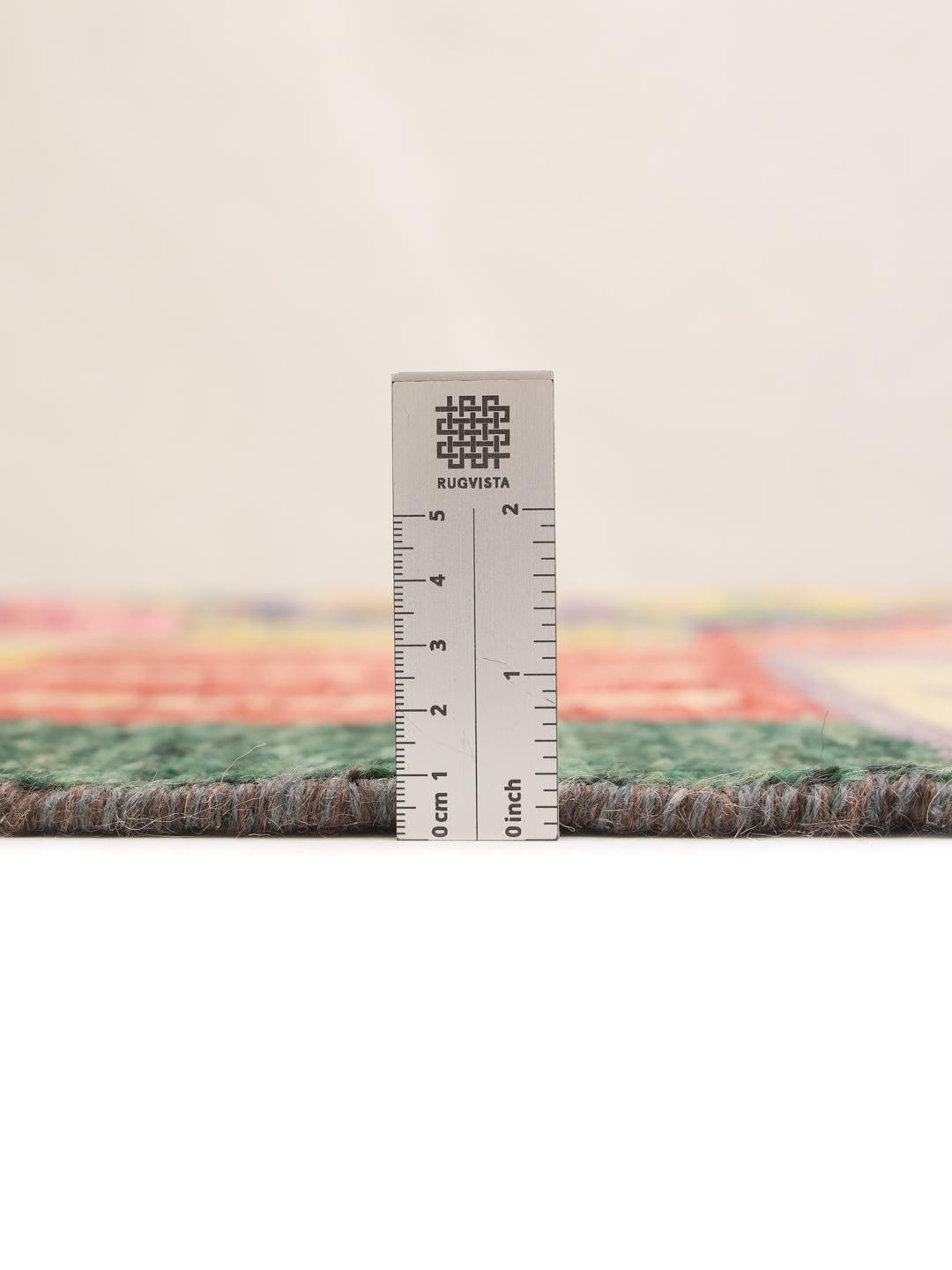
The term 'Berber' originally referred to the nomadic tribes of the Atlas Mountains, known for creating thick, durable wool rugs that provided insulation against cold temperatures. Today, the style represents a bridge between these ancestral techniques and contemporary design. It relies on the use of high-quality wool, which is prized for its natural lanolin content, providing a soft feel and long-lasting durability.
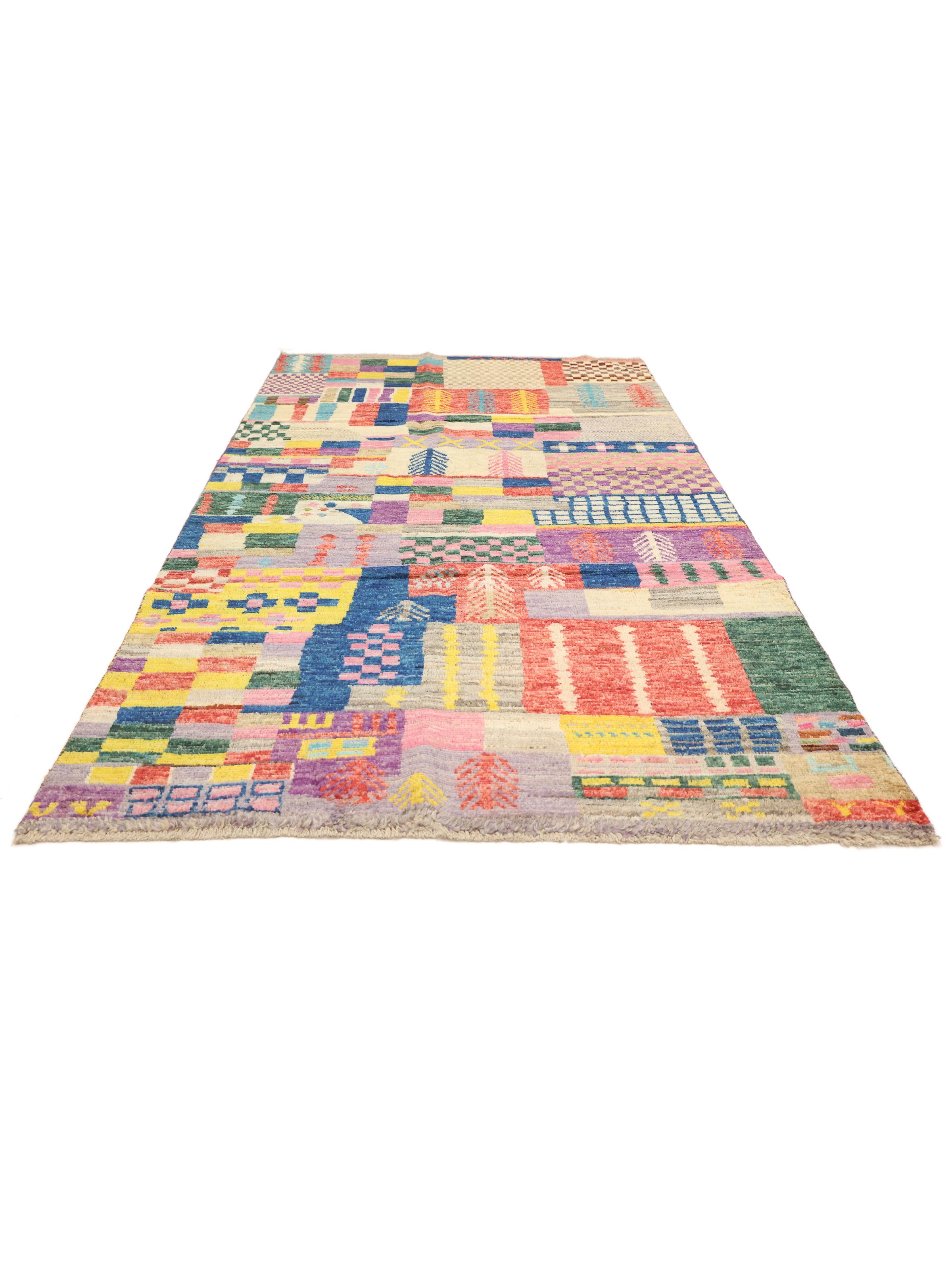
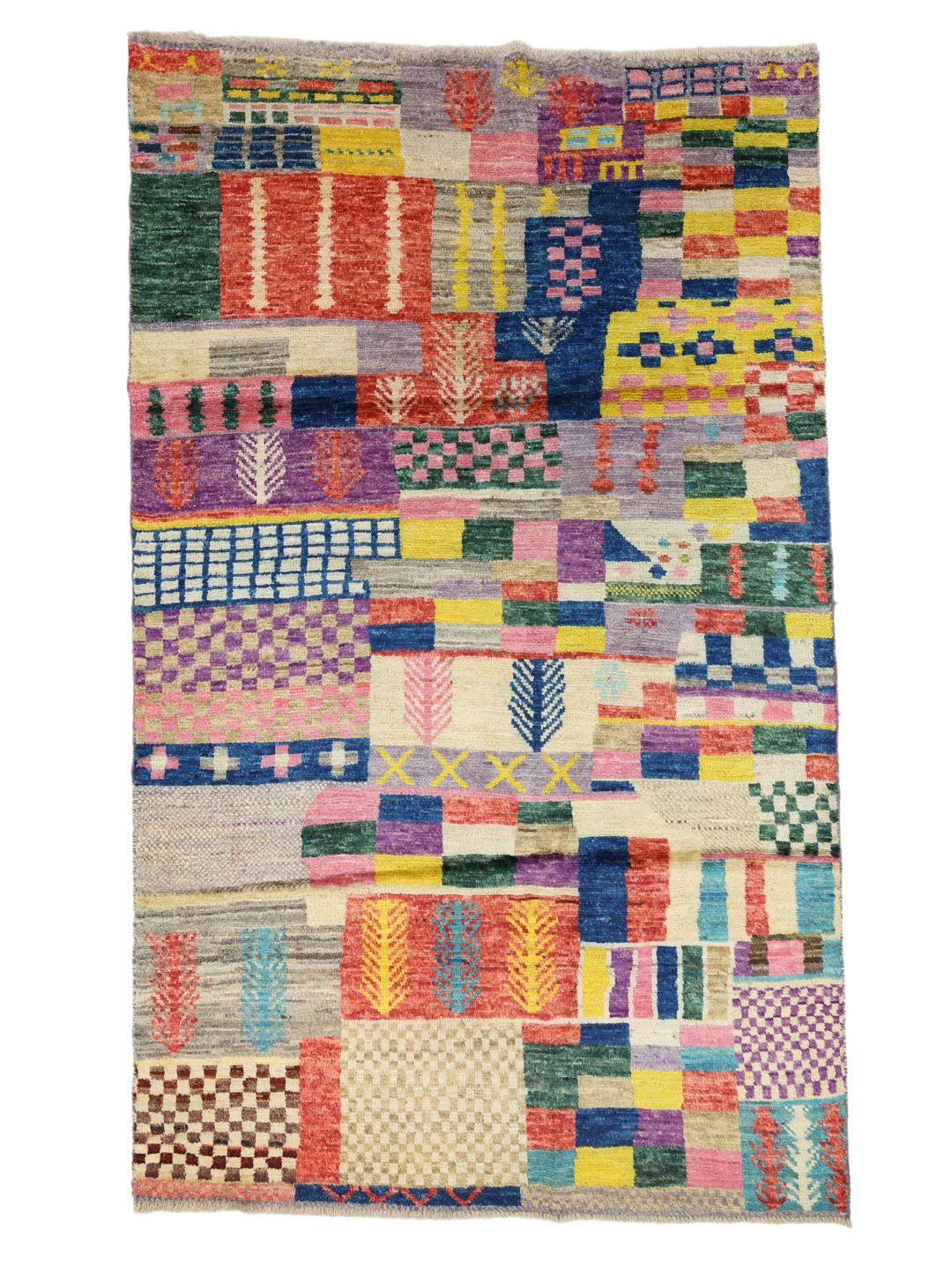
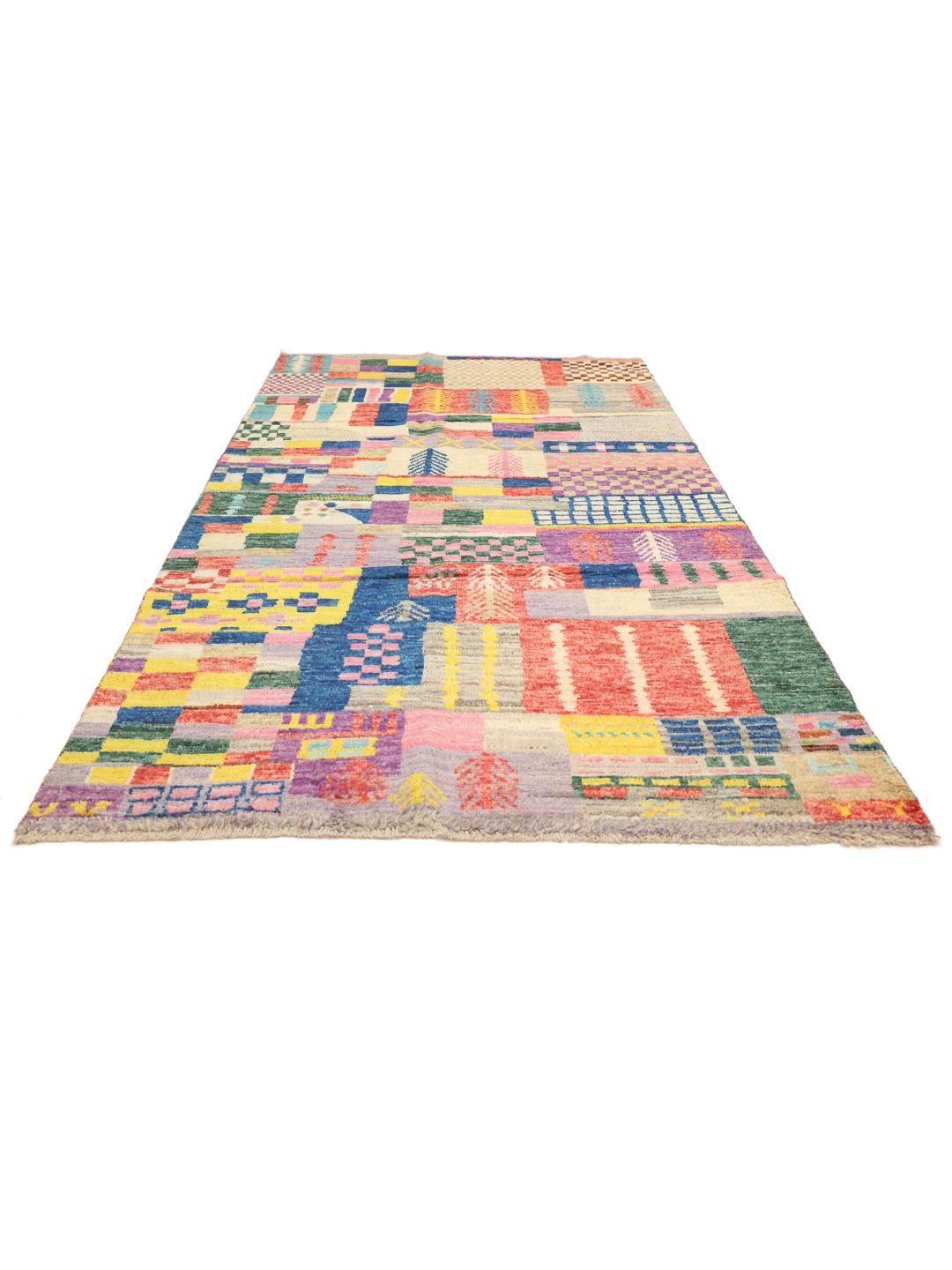
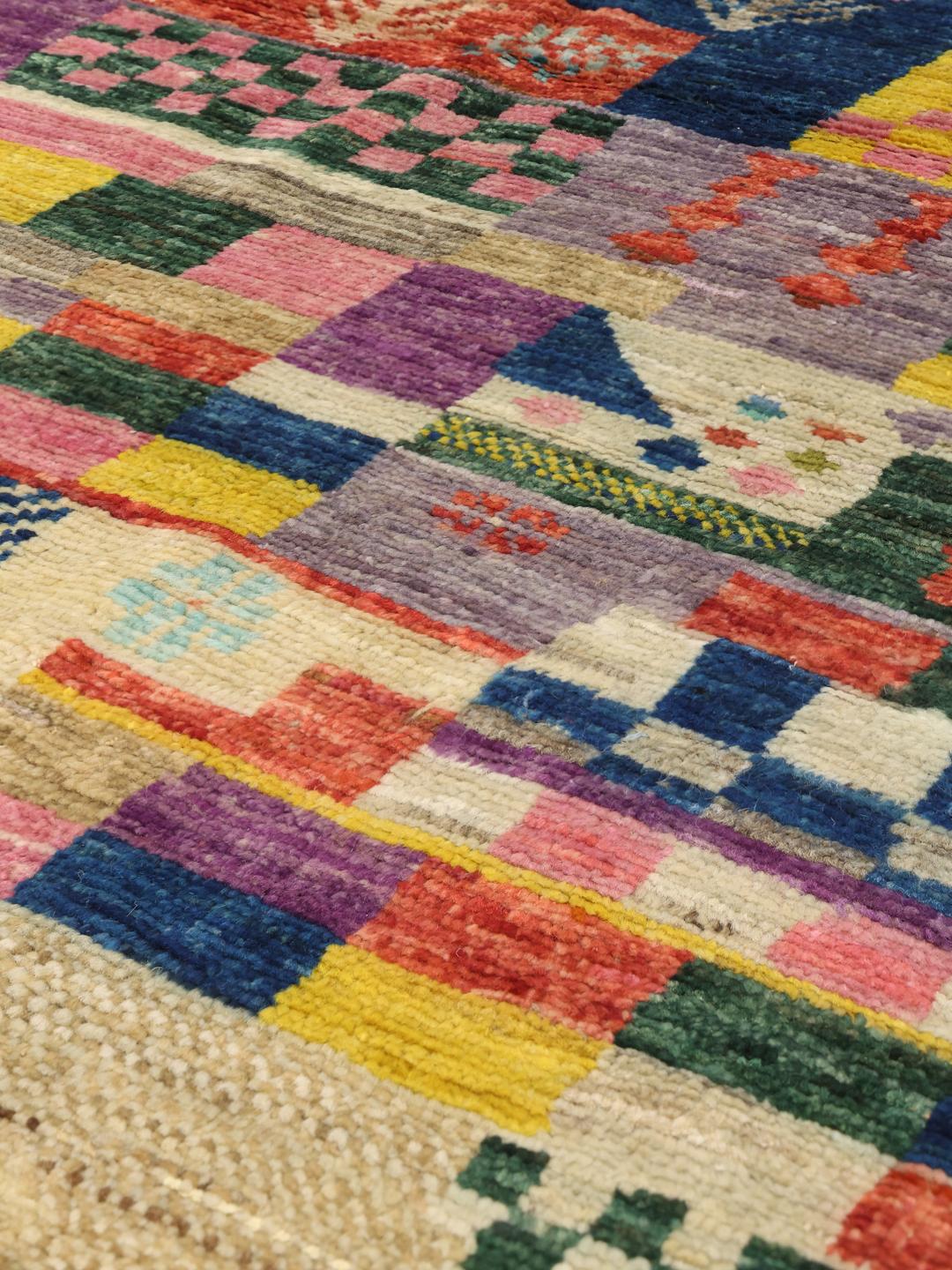
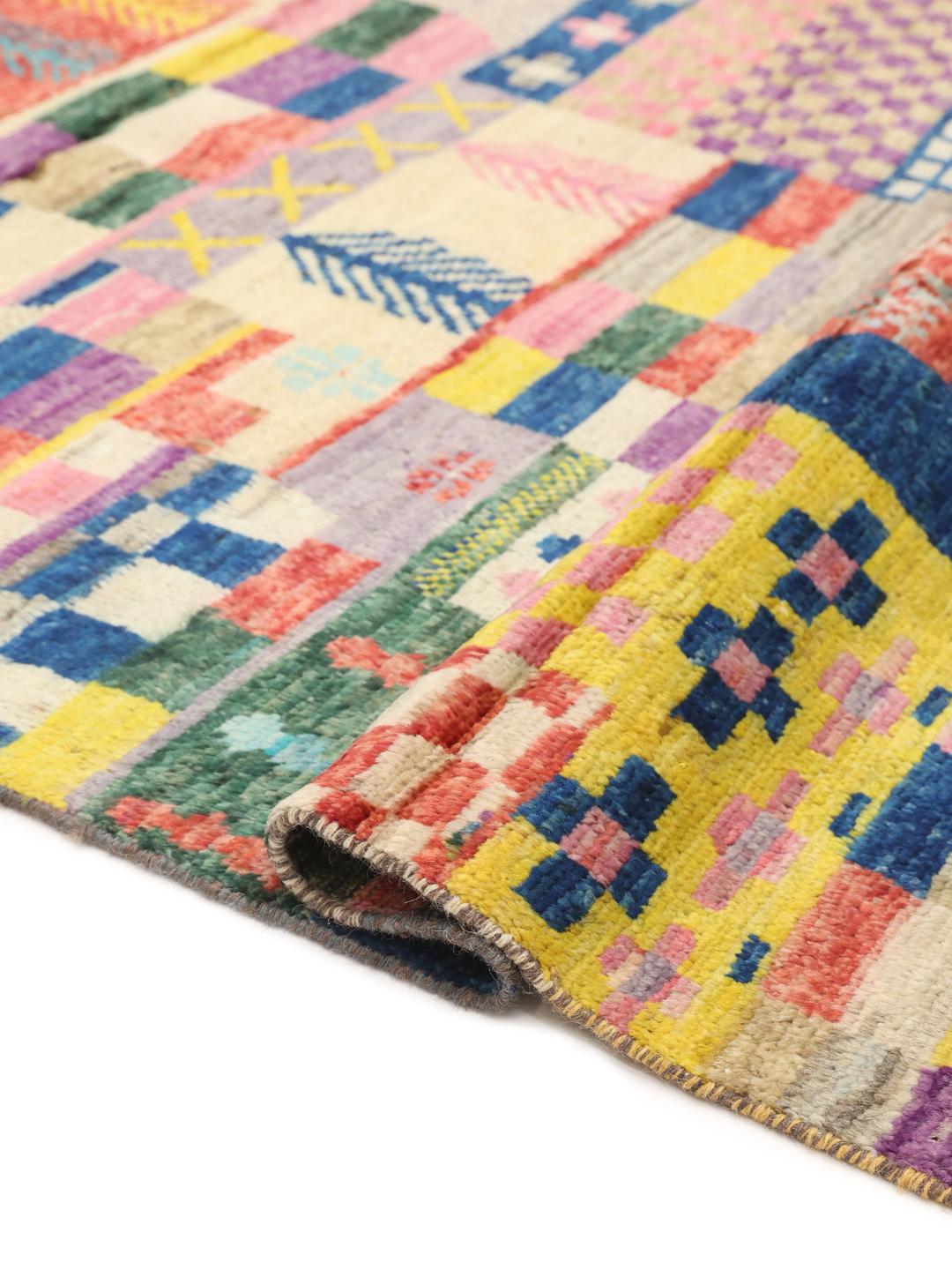
Visually, these rugs are celebrated for their use of geometric patterns, tribal motifs, and a free-spirited approach to colour. Unlike more rigid, formal rug styles, these pieces often feature a spontaneous, almost improvisational layout. The motifs are frequently symbolic, representing protection, fertility, or the natural world, though in more modern interpretations, they serve as an abstract canvas for colour and shape.
Collecting a rug from this tradition is an act of preserving a living craft. These pieces are not merely floor coverings but expressions of cultural heritage and individual artisan skill. By bringing one into your home, you are connecting with a long lineage of creators who valued the balance of form and function, ensuring that your space is grounded in both history and genuine human effort.