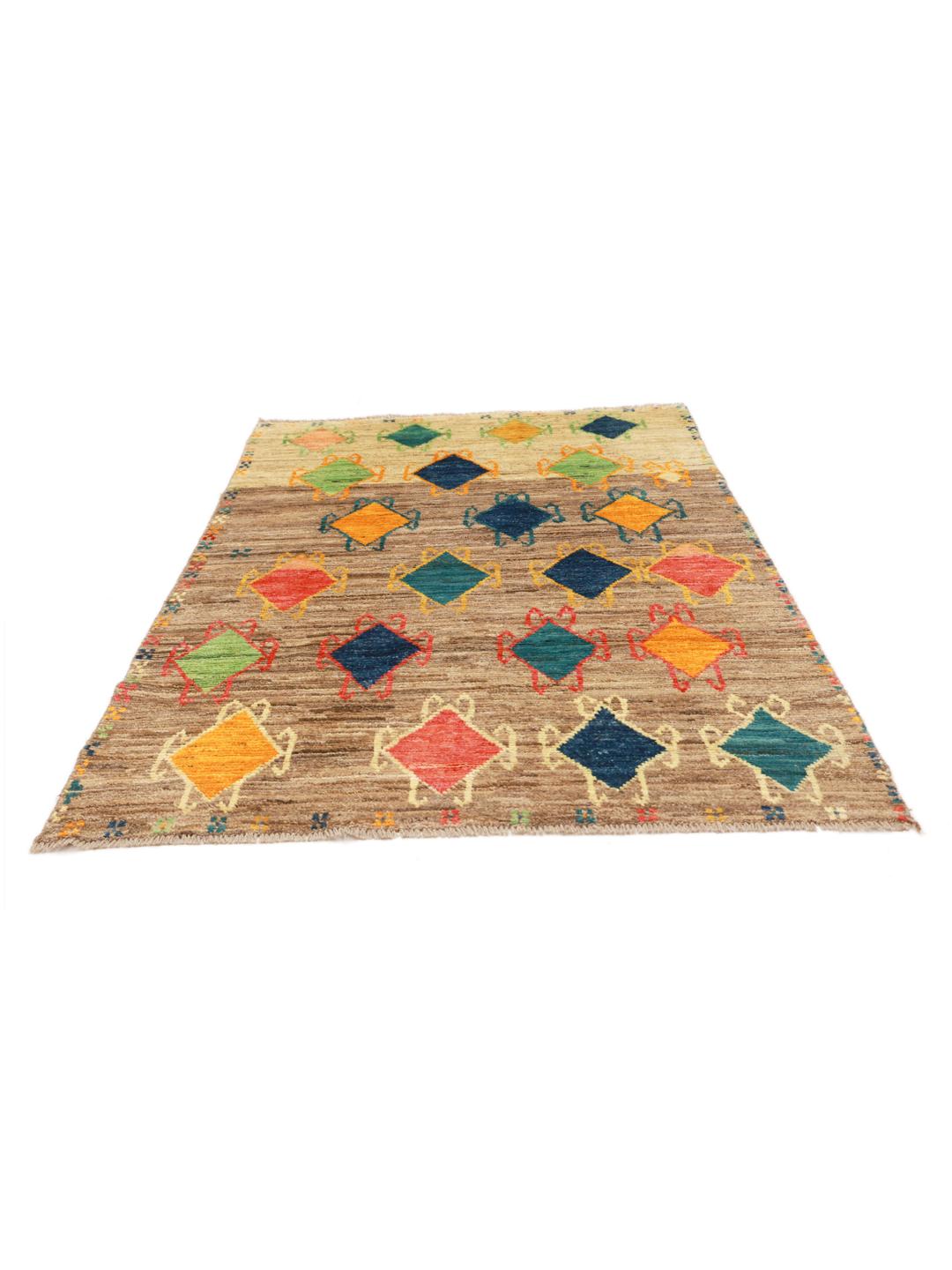
Berber-inspired rugs are celebrated for their rich cultural heritage and connection to ancient weaving traditions. While the style traces its roots to the nomadic tribes of North Africa, the migration of these design principles has seen them embraced by skilled artisans across the Middle East and Central Asia. Today, Afghan weavers have mastered this aesthetic, blending traditional techniques with their own regional expertise to create rugs that feel both historical and relevant to modern homes.
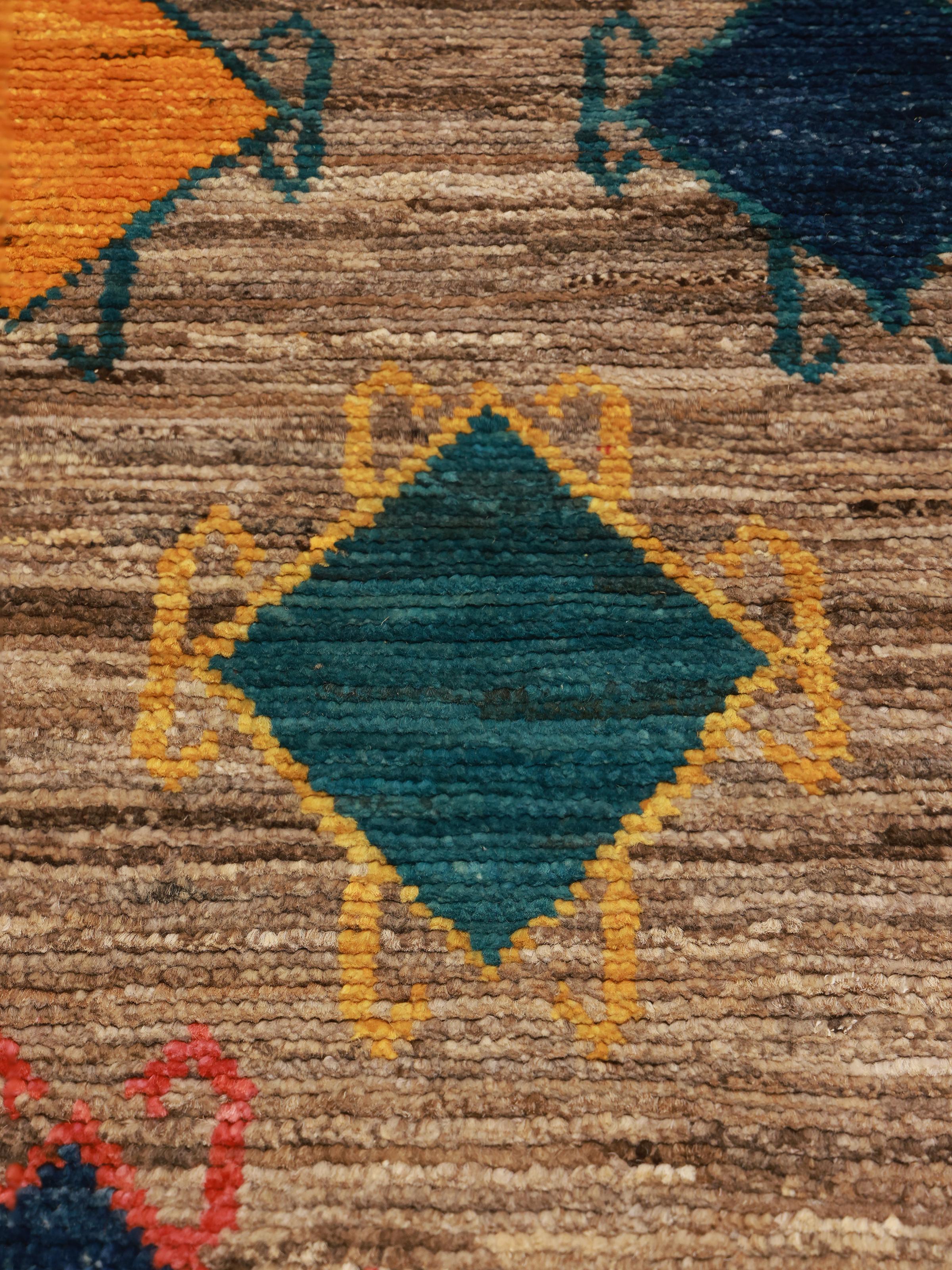
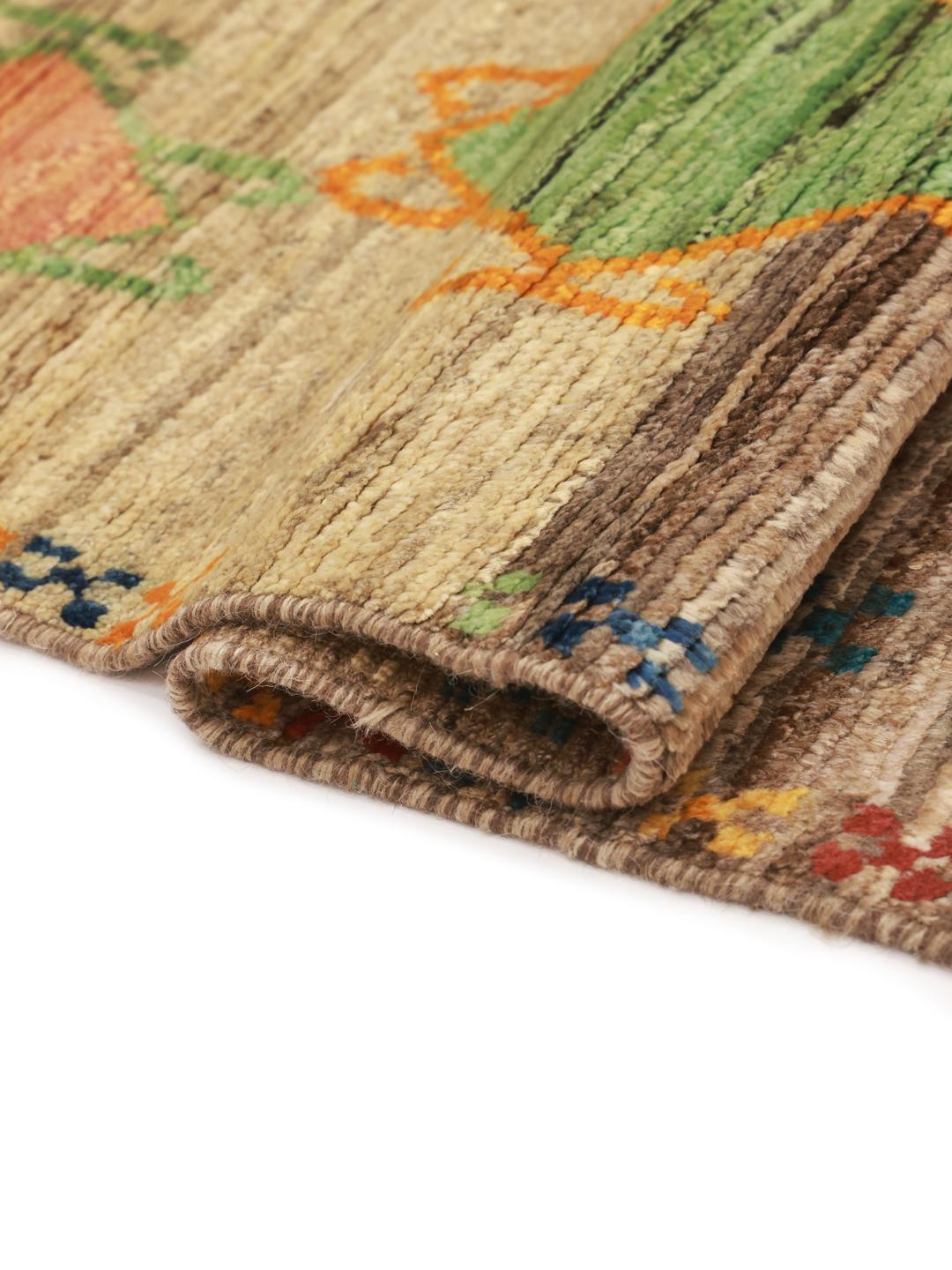
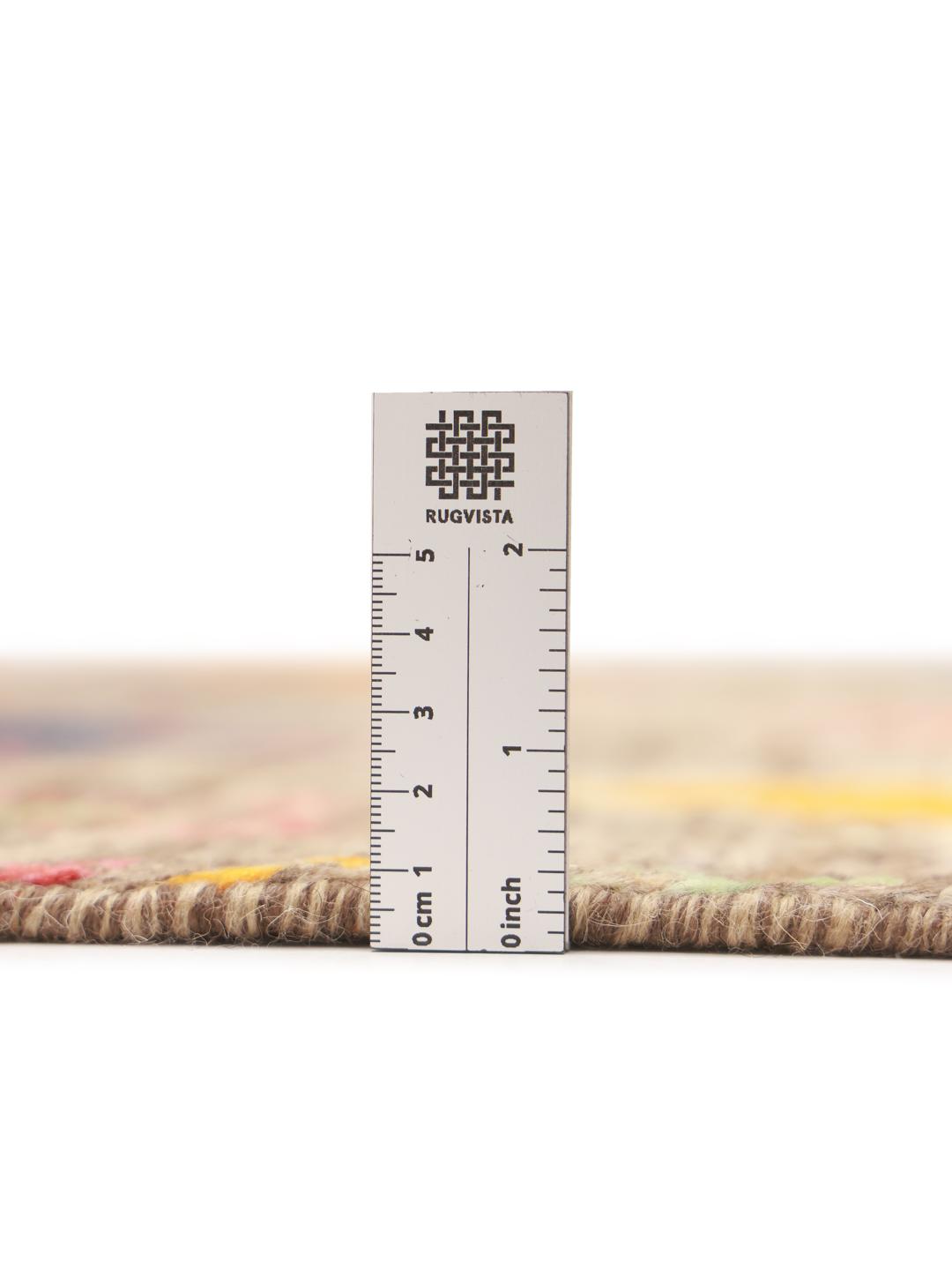
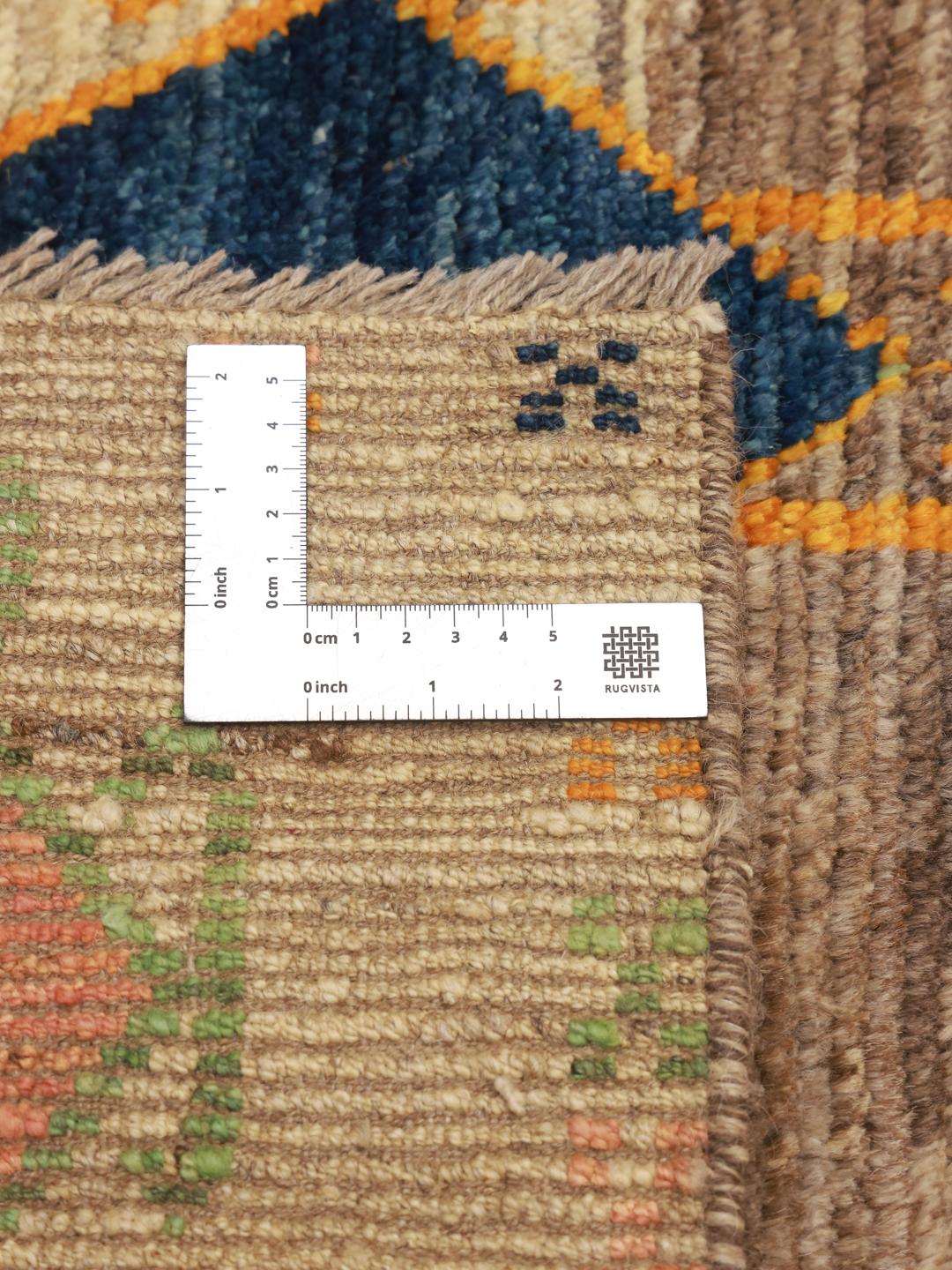
The term hand-knotted refers to the laborious technique of tying individual strands of wool onto a foundation. This method is the hallmark of premium quality in the rug world, as it creates a pile that is not only dense and resilient but also possesses a depth of colour that cannot be achieved through other means. The quality of the wool used is vital, as it provides the natural lustre and softness that defines these pieces.
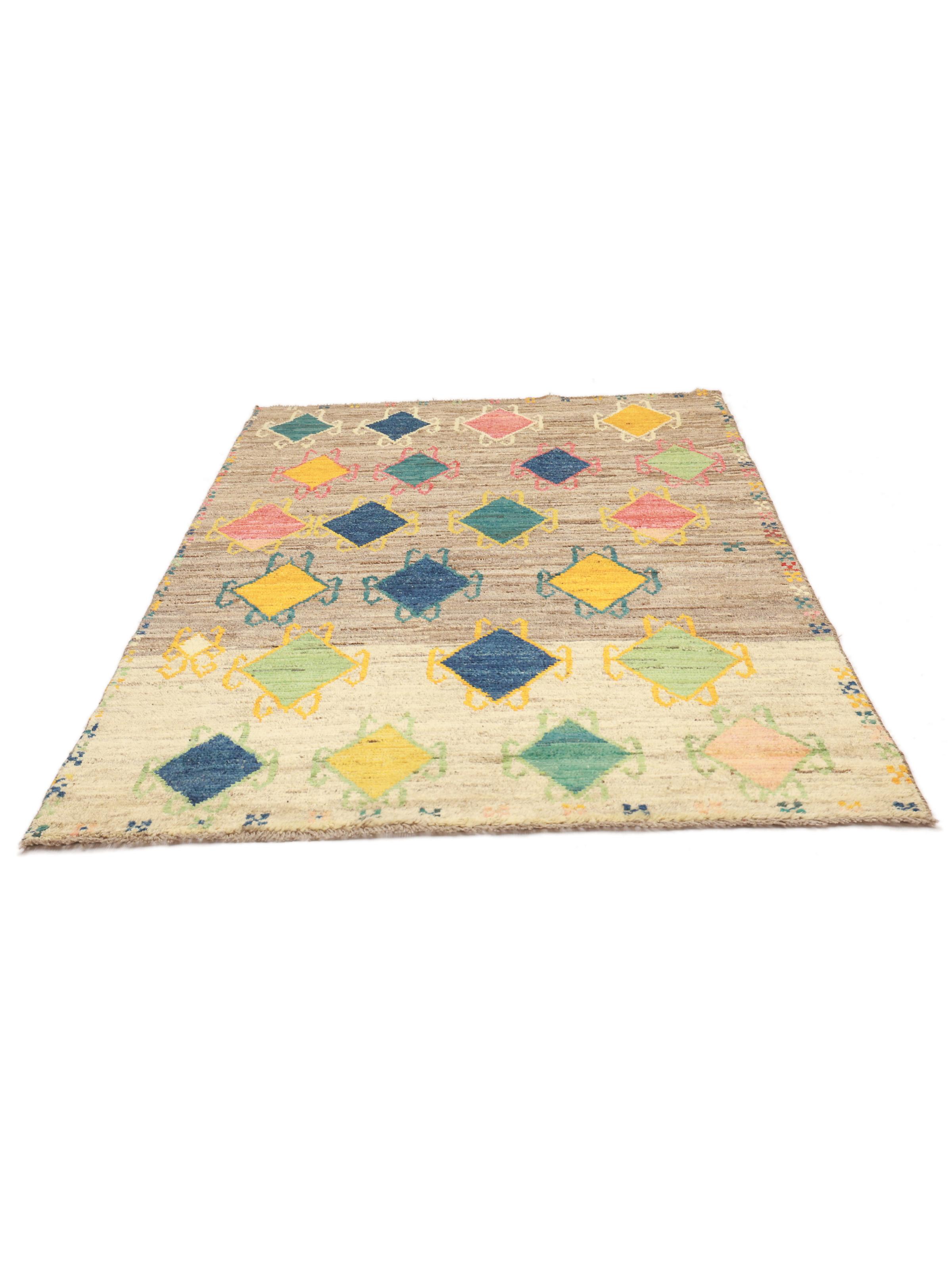
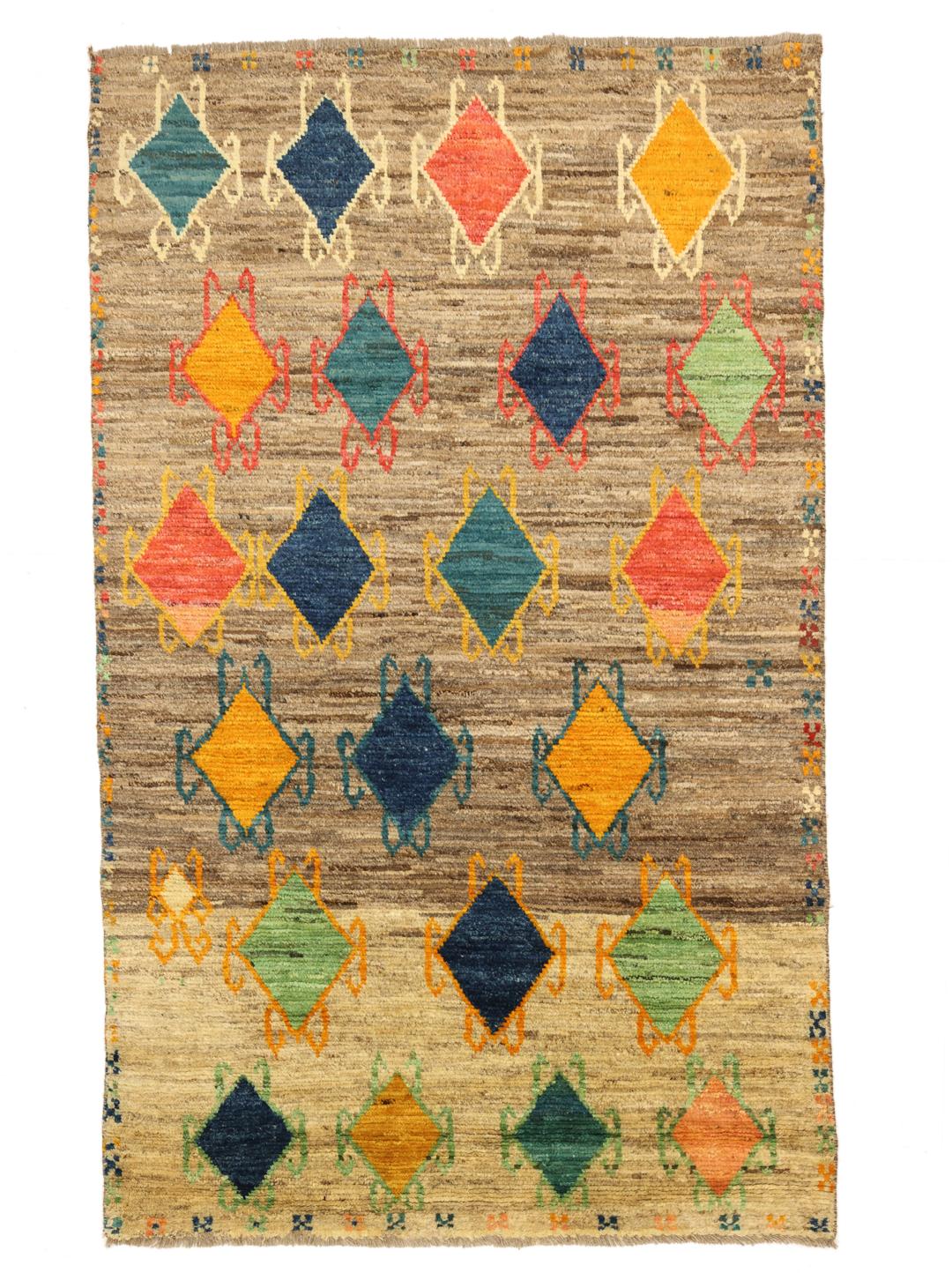
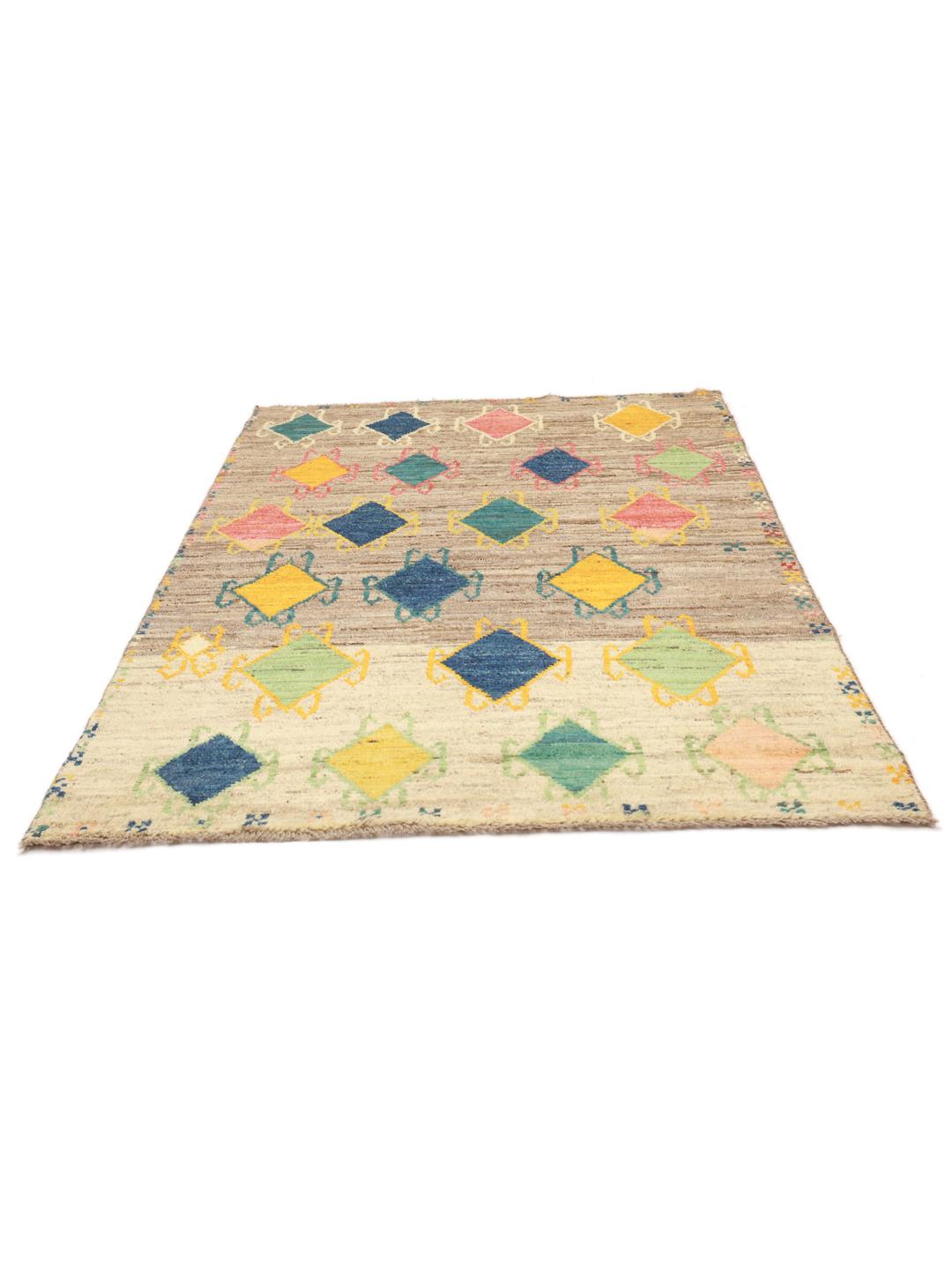
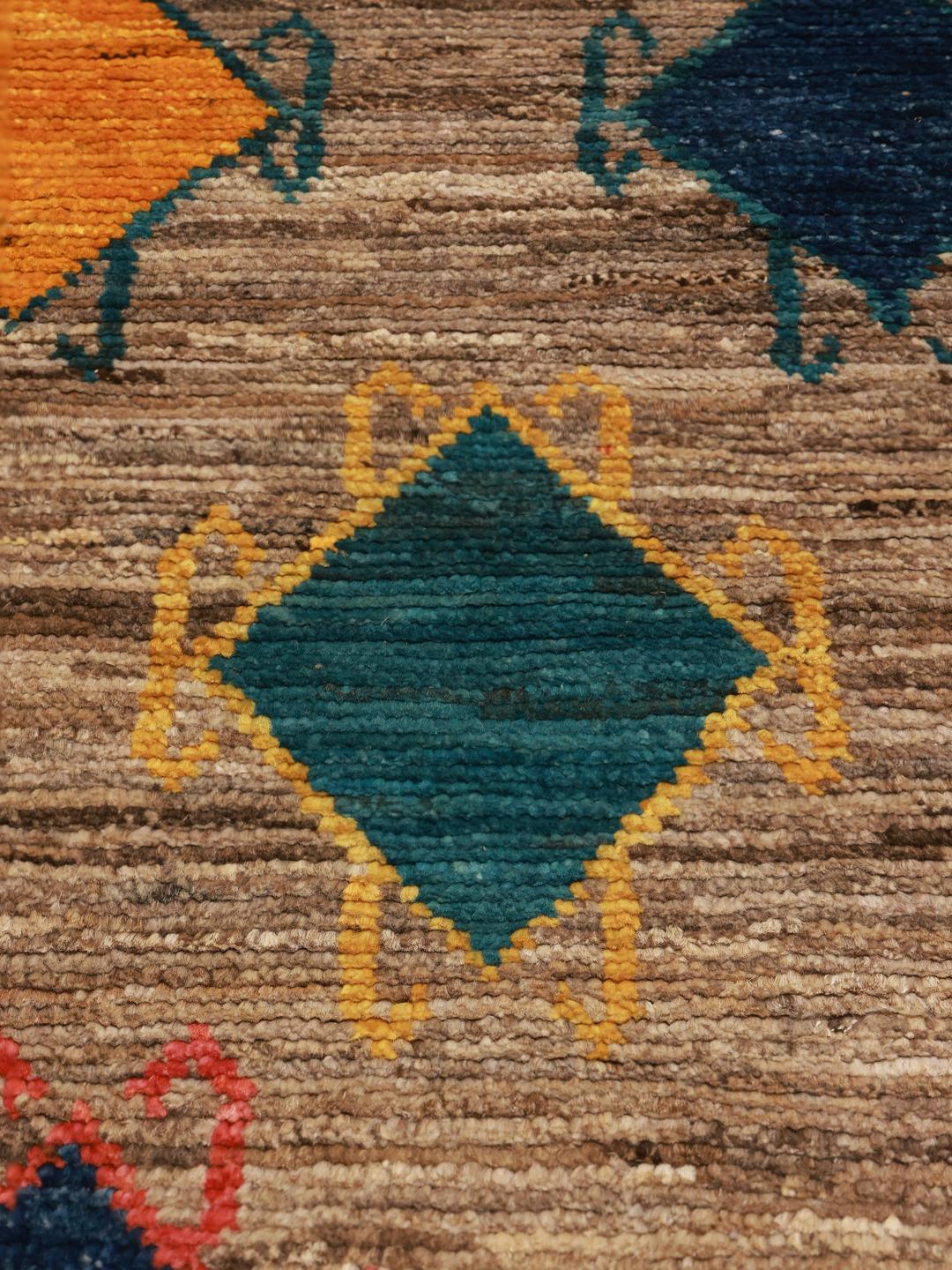
The signature design elements often include geometric shapes such as diamonds, triangles, and zig-zags, which were traditionally used as symbolic protection or to tell the stories of the weaver’s life. In this particular piece, the diamond motifs serve as a vibrant contrast to the field, showcasing a playful yet balanced approach to pattern. The use of varied colours adds a layer of complexity, turning a standard geometric layout into a dynamic display of creative expression.
Collecting a rug from this tradition is about more than just floor coverage; it is an investment in human skill and cultural continuity. Each rug represents a dialogue between the weaver and their heritage, preserved through the knots and patterns. By choosing this piece, you are becoming a custodian of a craft that values slow, deliberate work, ensuring that this art form continues to thrive for future generations.