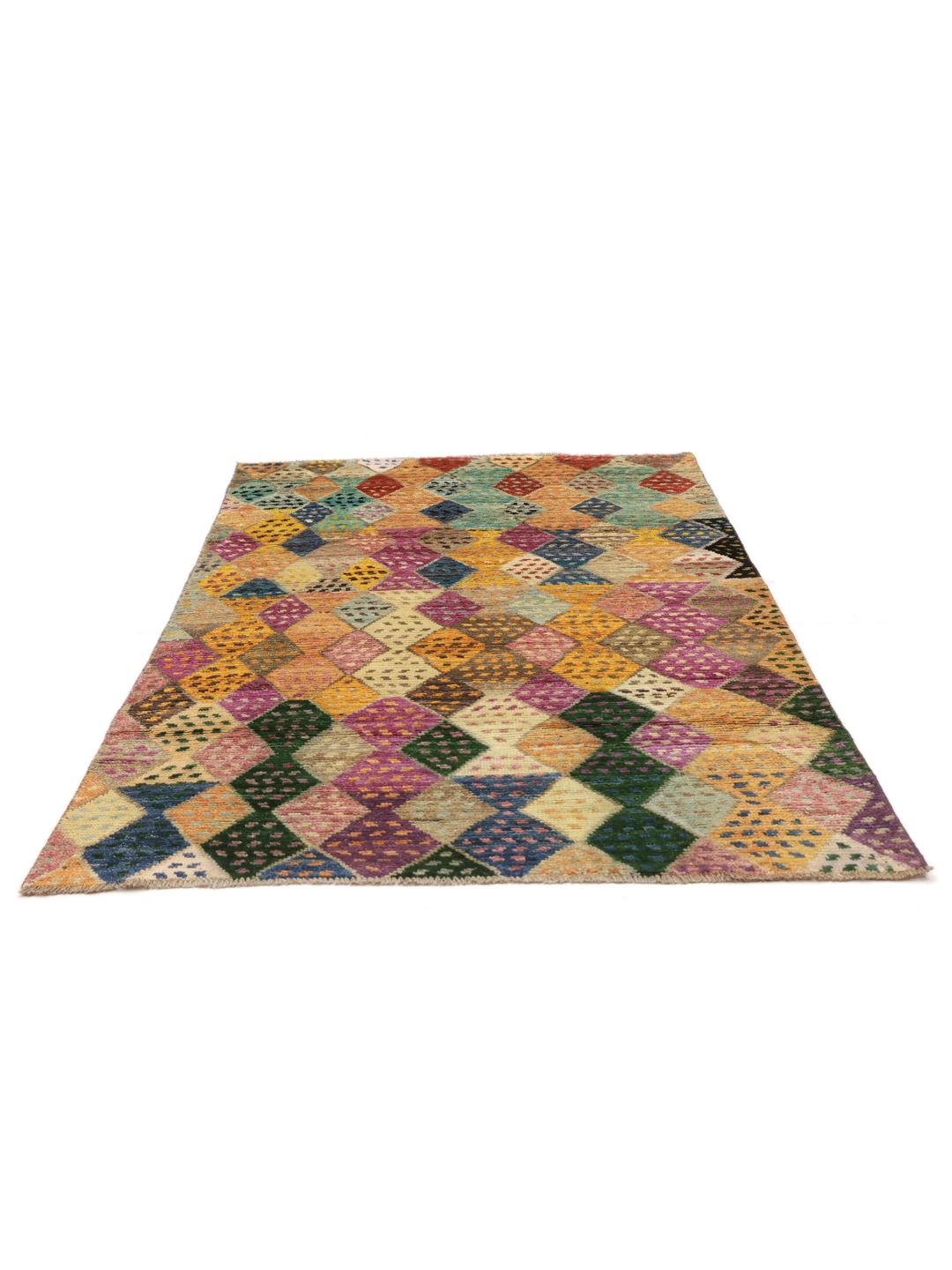
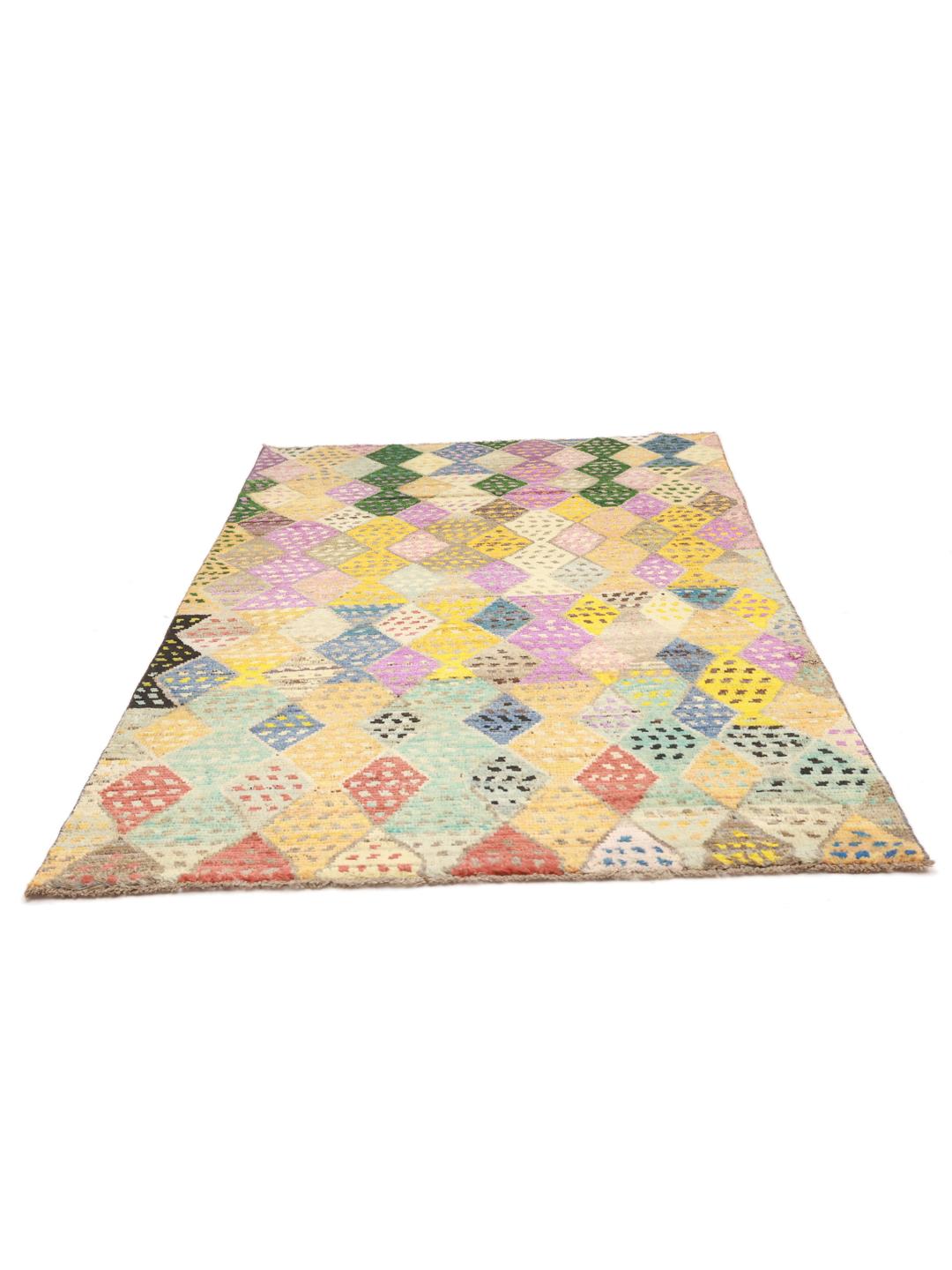
Berber-style rugs trace their origins to the indigenous nomadic tribes of North Africa, who developed these textiles for both practical warmth and symbolic expression. Over time, the aesthetic of these rugs—characterised by bold geometric patterns and deep, rich colours—has inspired weavers across the globe, including those in the mountainous regions of Afghanistan. This migration of style highlights how traditional motifs evolve while maintaining their fundamental cultural spirit.
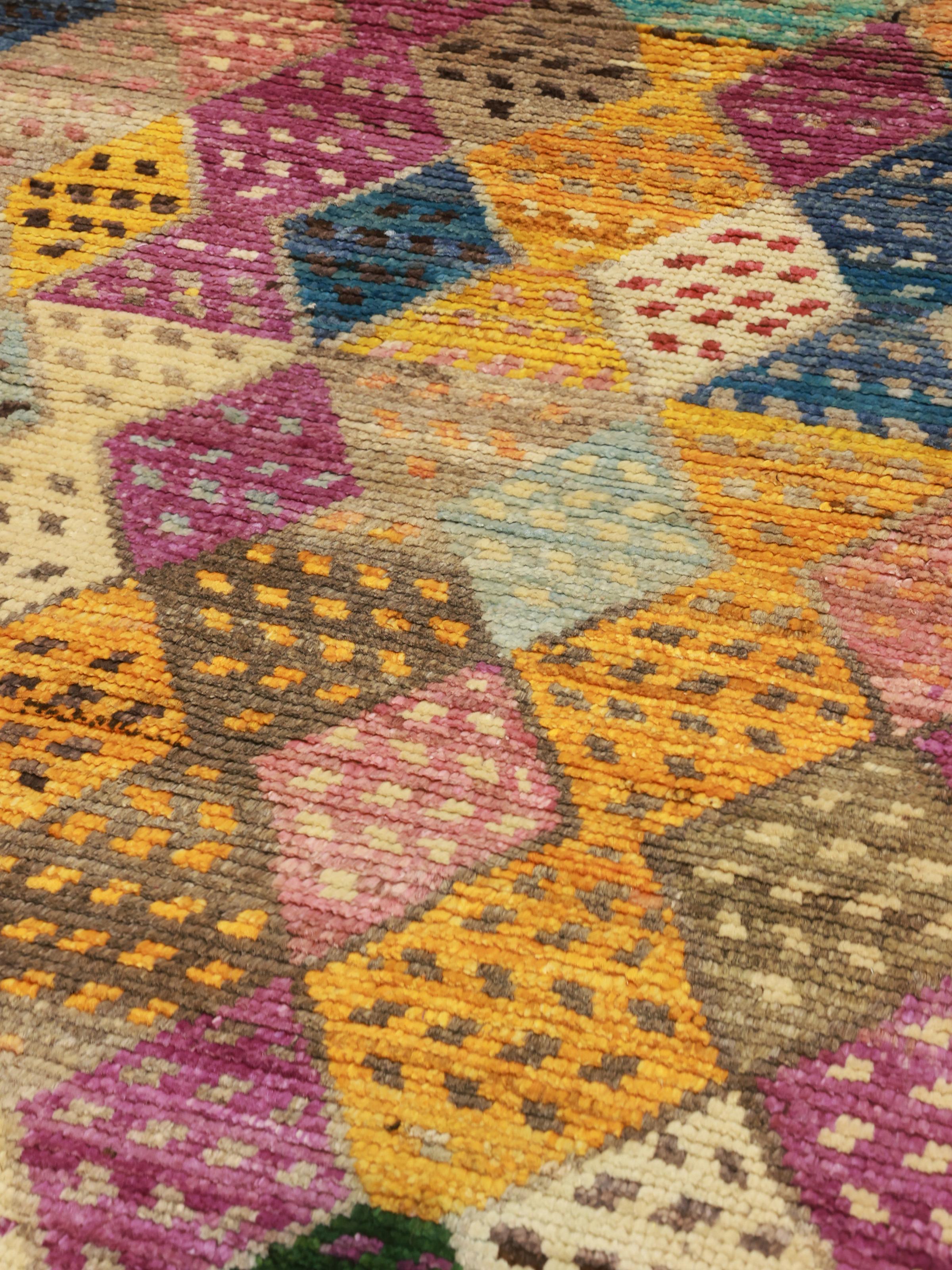
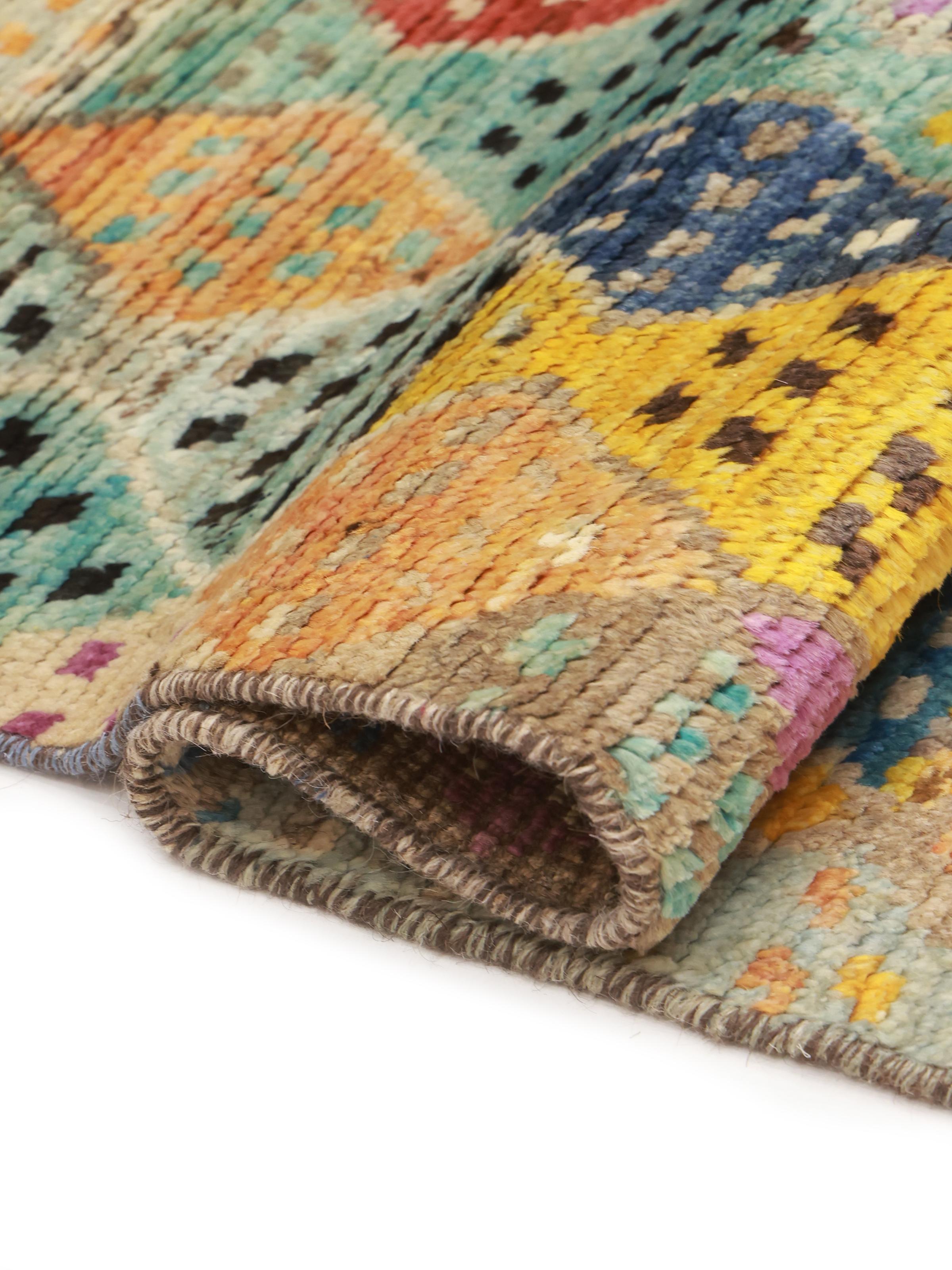
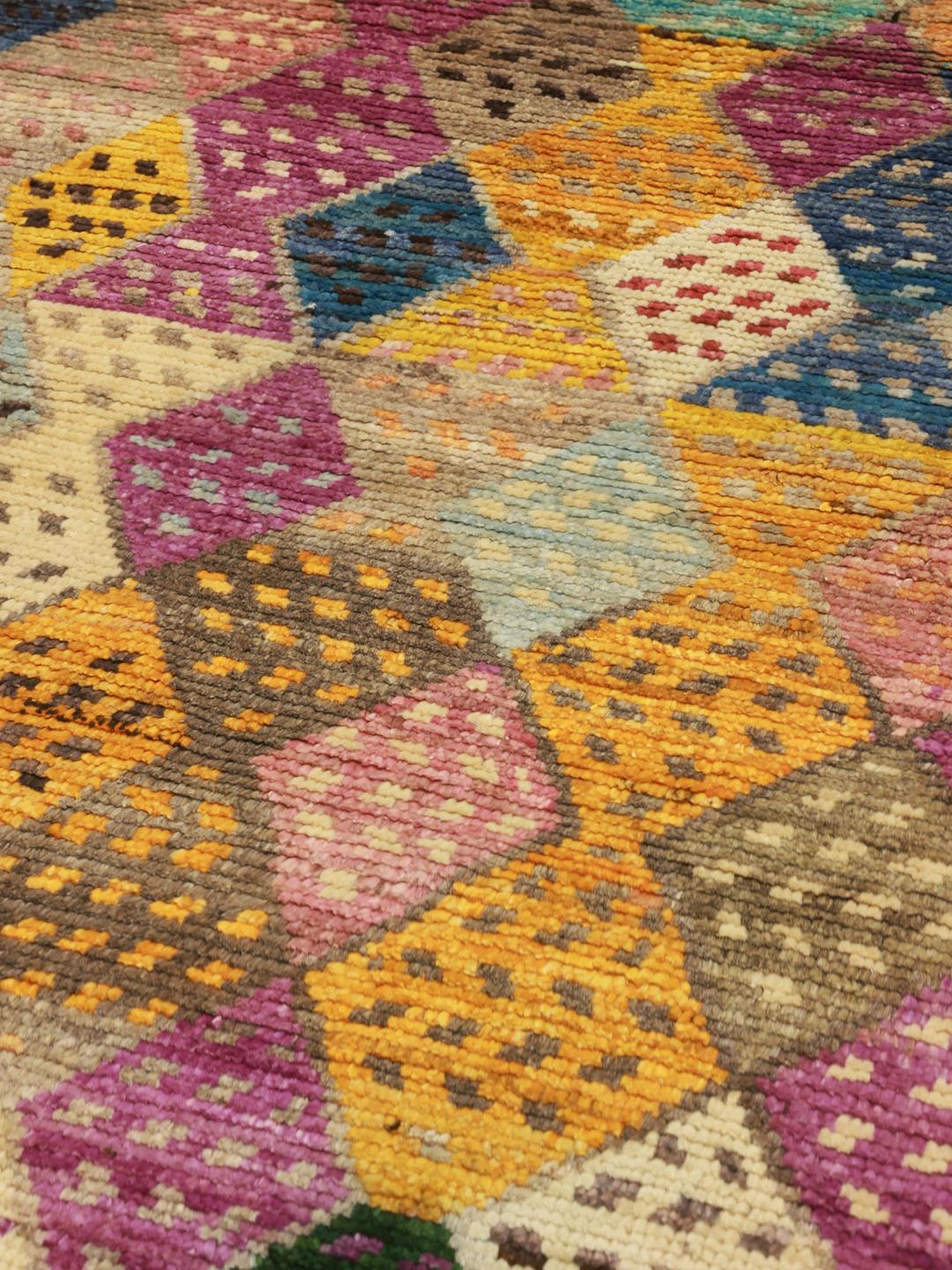
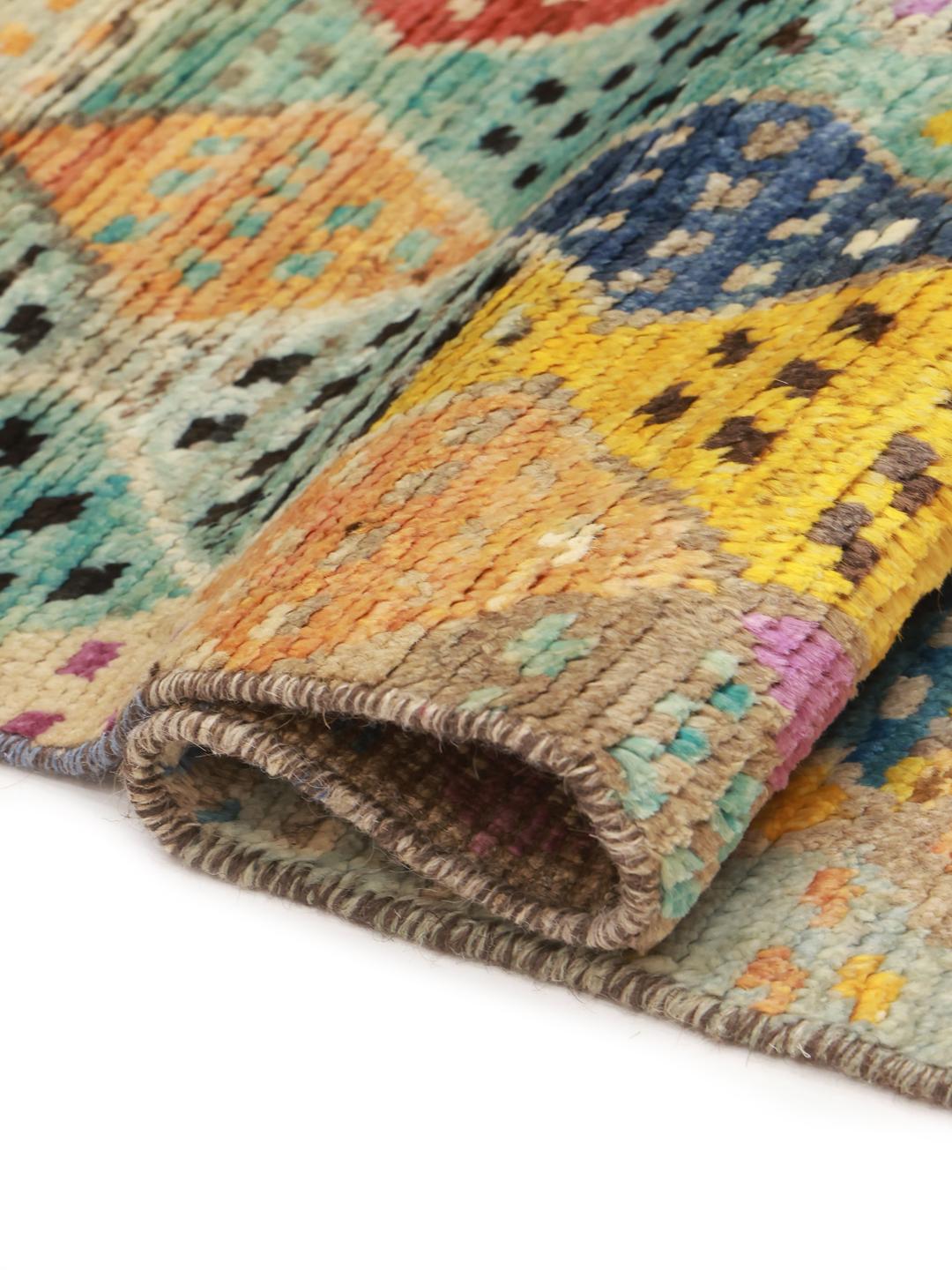
The term 'Berber' originally referred to the specific weaving techniques and wool-handling traditions of these tribes. In modern craft, these techniques focus on creating a dense, durable foundation that supports complex, repeating patterns. When we talk about quality in this context, we are referring to the intentionality of the weave, which provides a plush surface that is both functional and beautiful.
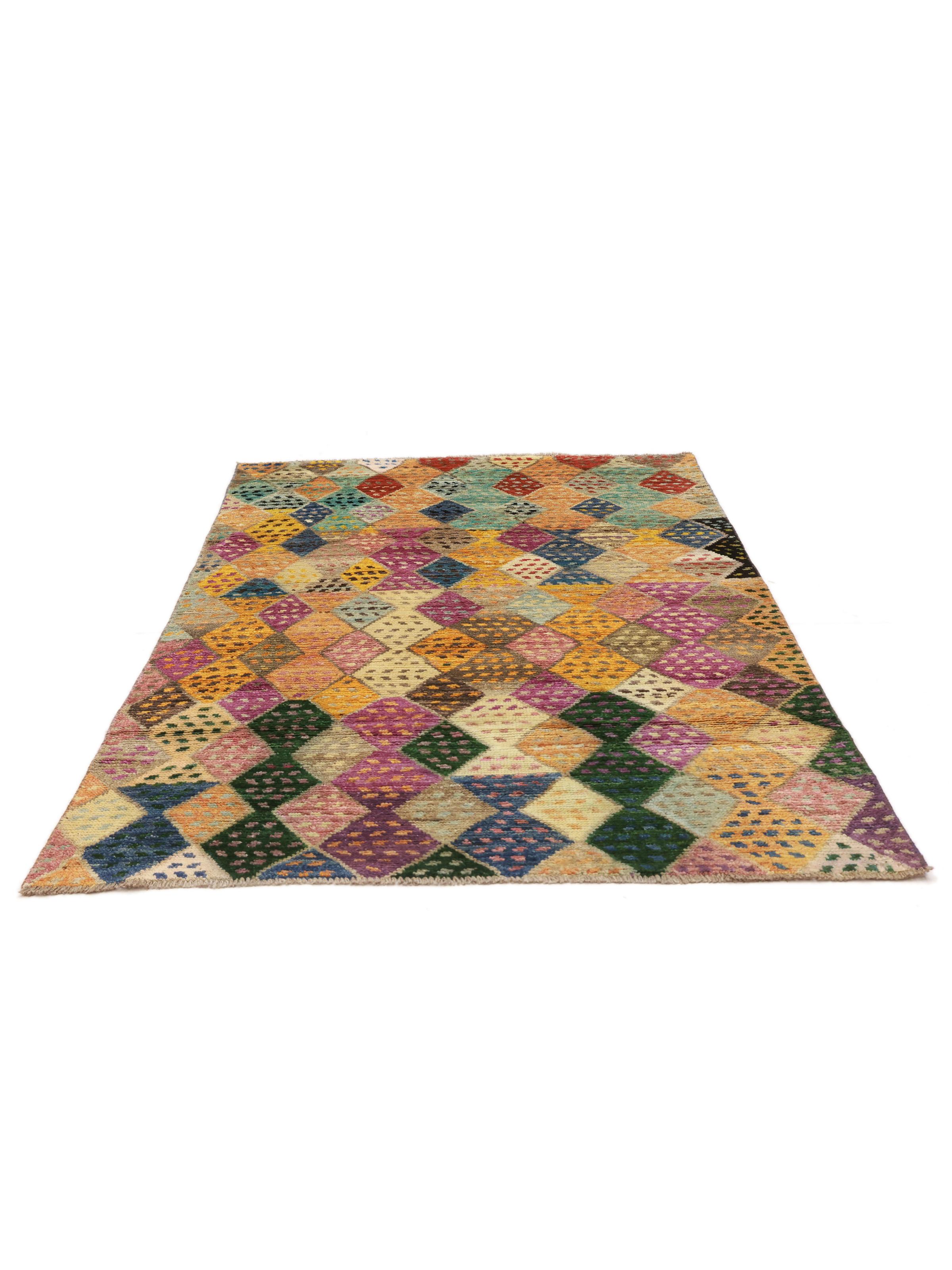
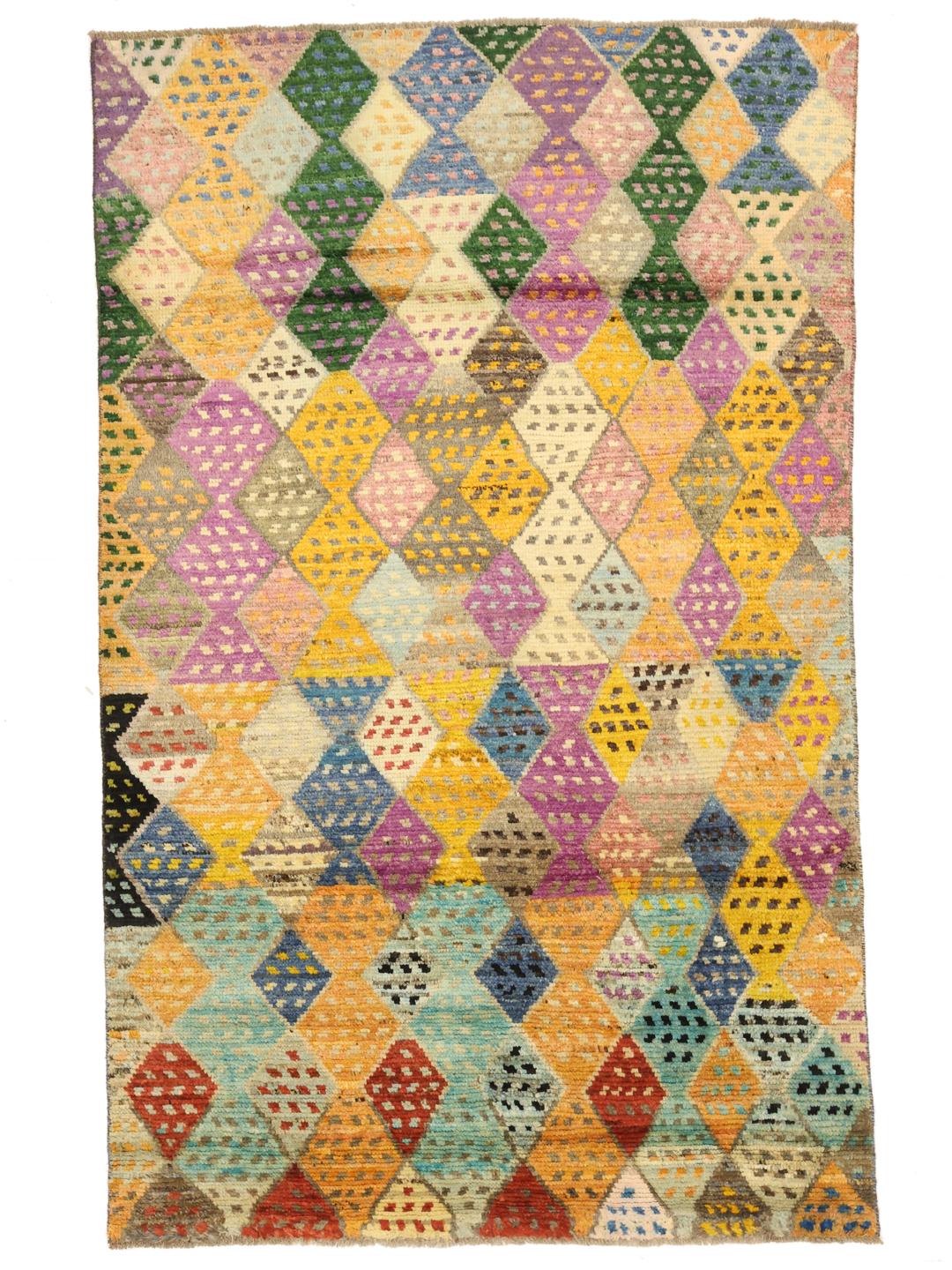
The visual language of this tradition is defined by the diamond motif, which is often interpreted as a protective symbol. These geometric shapes are typically arranged in repetitive sequences, creating a sense of balance and harmony. While traditional styles might rely on a limited palette of natural tones, contemporary interpretations like this one embrace vibrant, multicoloured designs that make each rug a standout piece of decor.
Owning a hand-knotted rug of this tradition is a way of connecting with a deep history of craftsmanship. These pieces are not just floor coverings; they are carriers of skill, patience, and regional heritage. Collectors value these rugs for their authenticity and the way they bridge the gap between ancient textile traditions and modern interior design, making them lasting additions to any home.