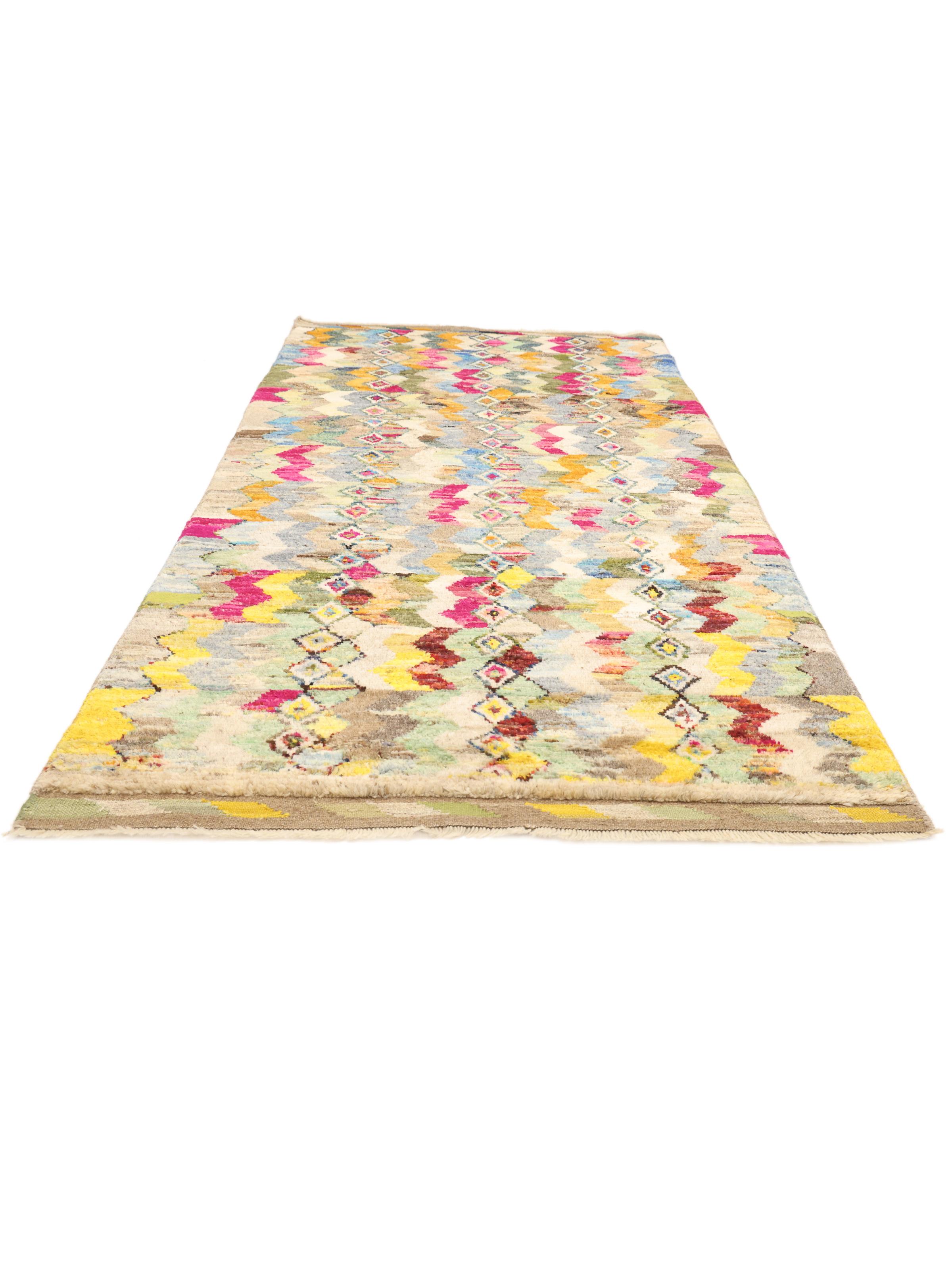
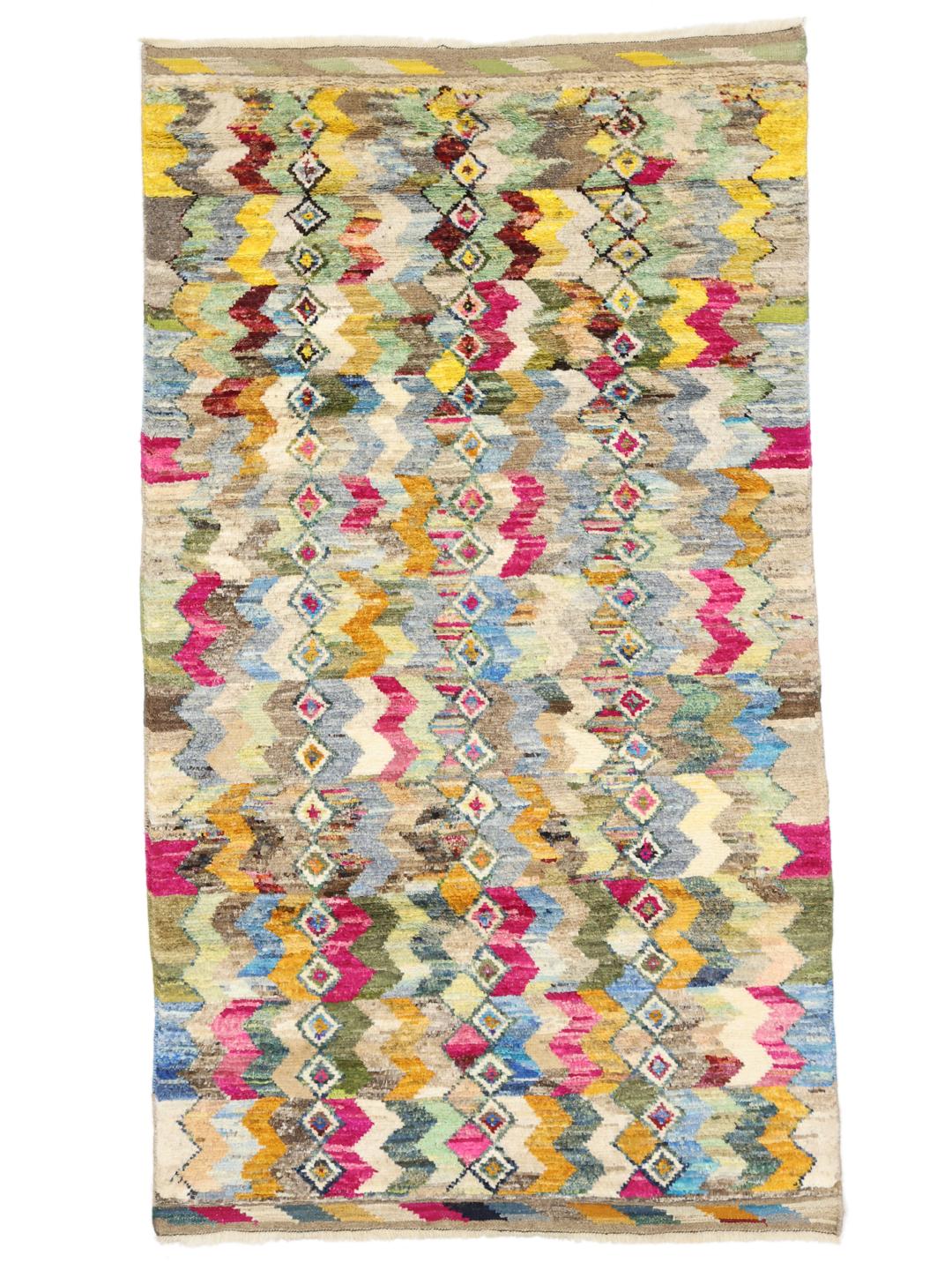
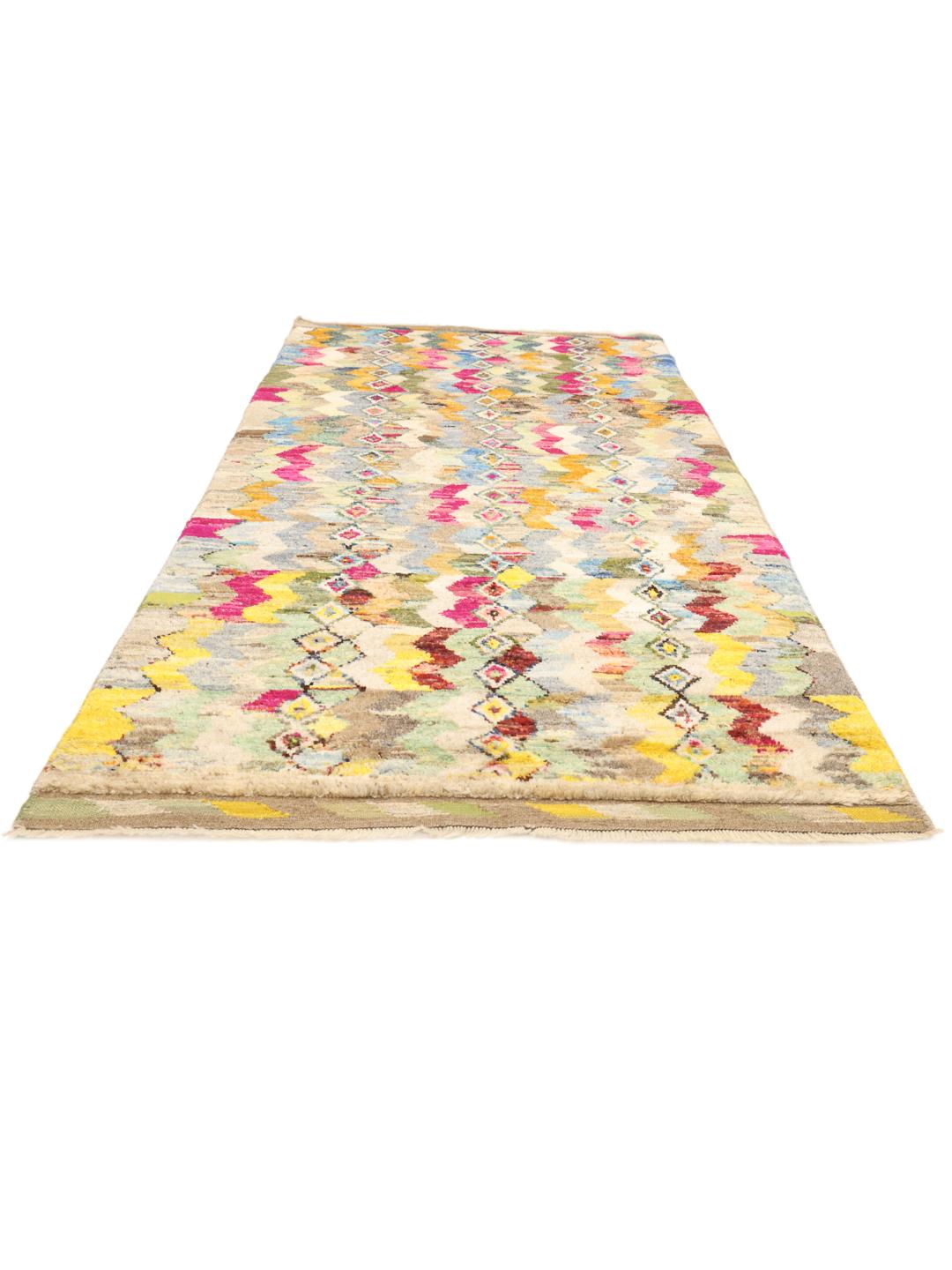
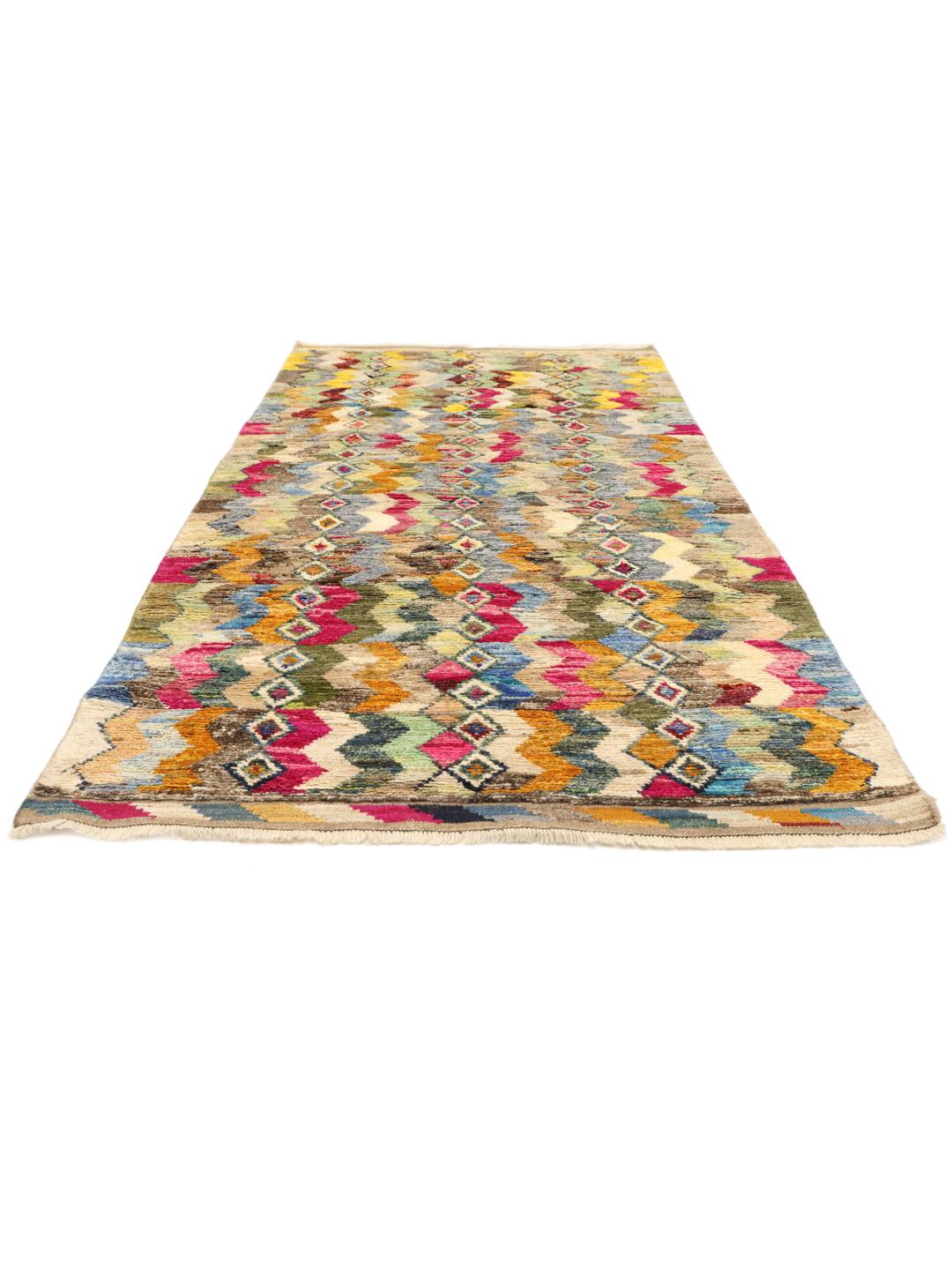
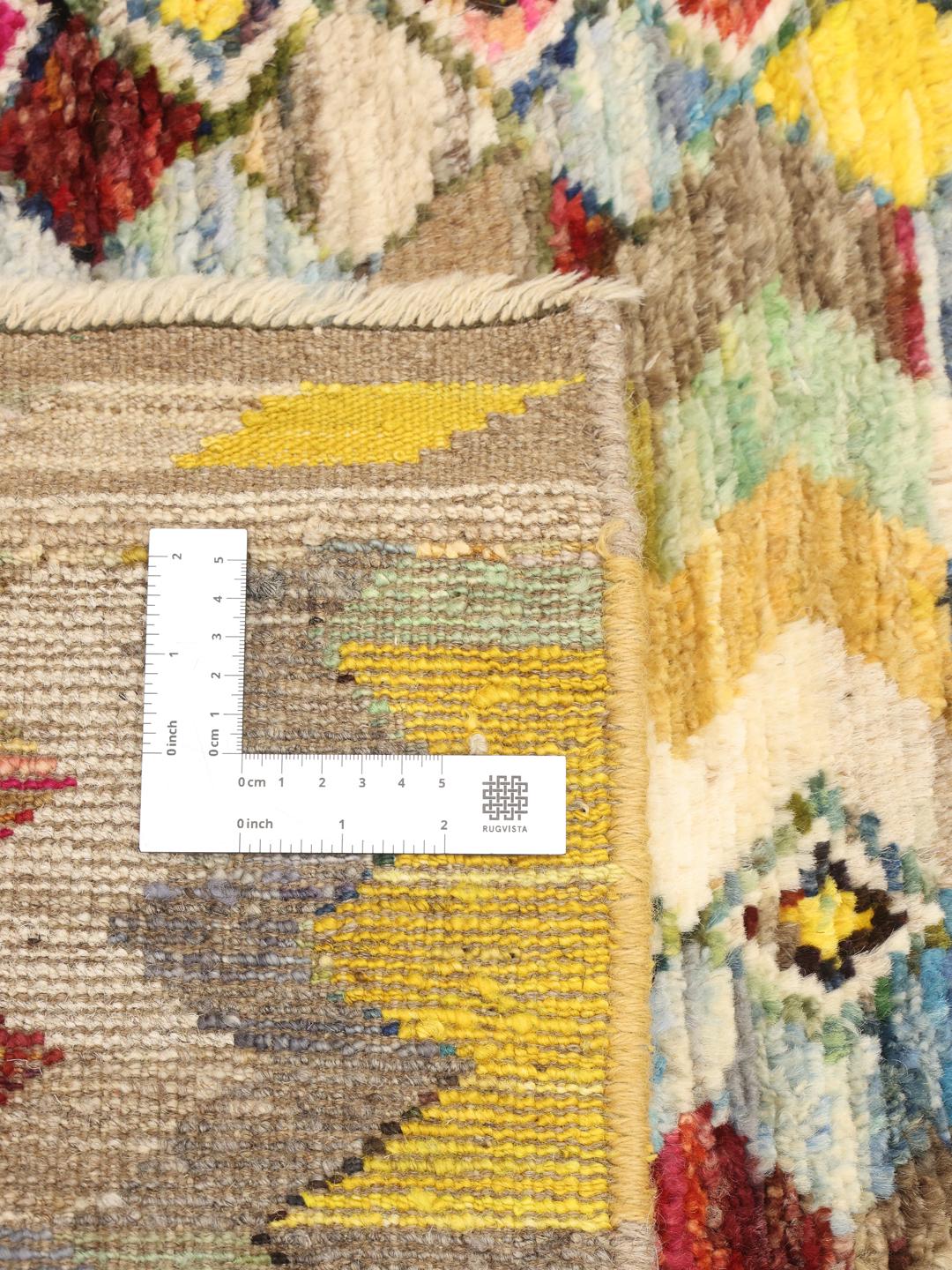
The Berber rug tradition, while most famously associated with the Atlas Mountains of North Africa, has seen a fascinating evolution as regional aesthetics have been reinterpreted by artisans across the globe. In Afghanistan, weavers have adopted these iconic, high-pile, and geometric styles, infusing them with the rich cultural history and vibrant colour palettes native to Central Asian textile traditions. This cross-pollination of styles has resulted in rugs that honour the heritage of the original Berber designs while offering a distinct, regional flair.
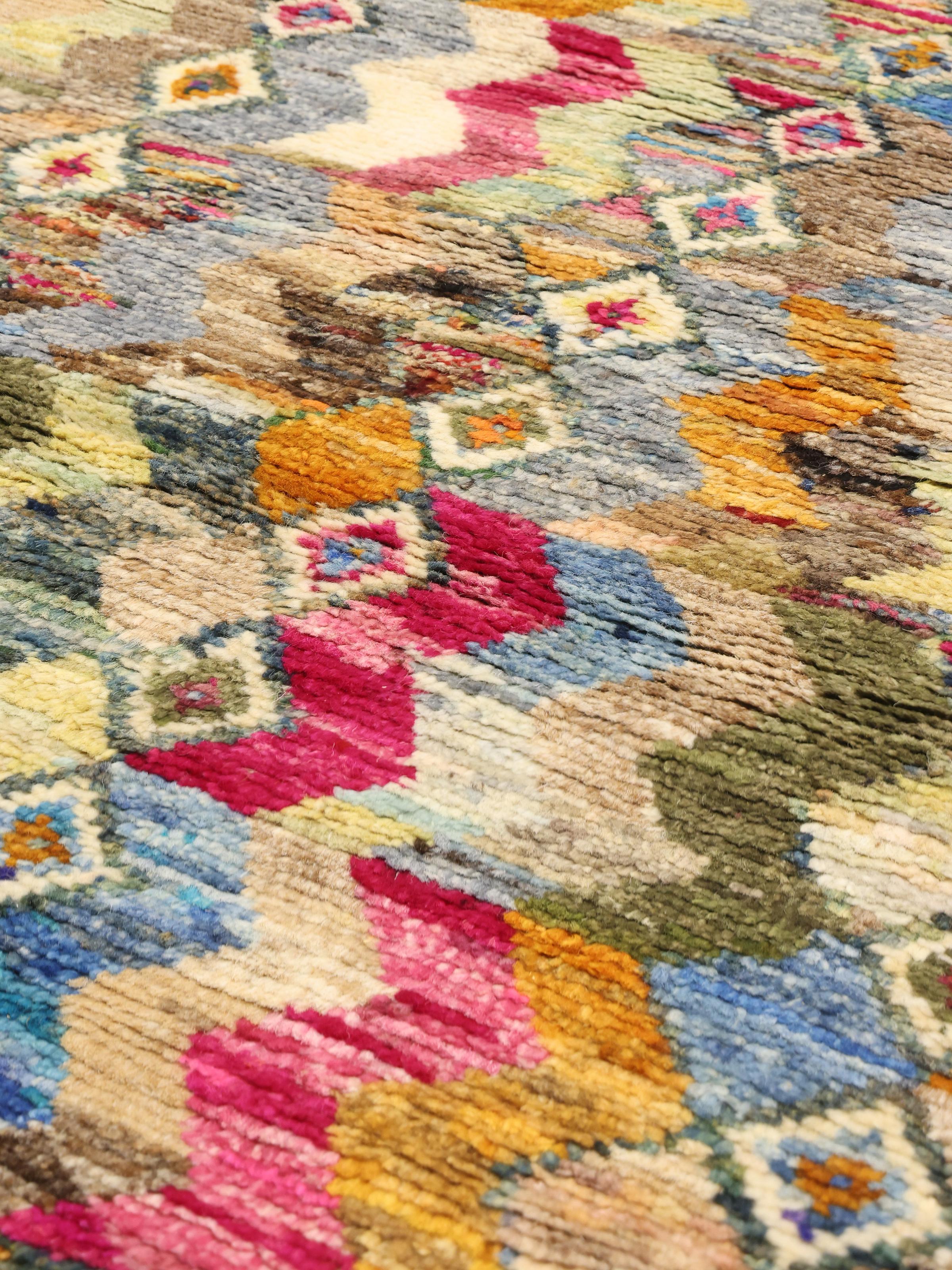
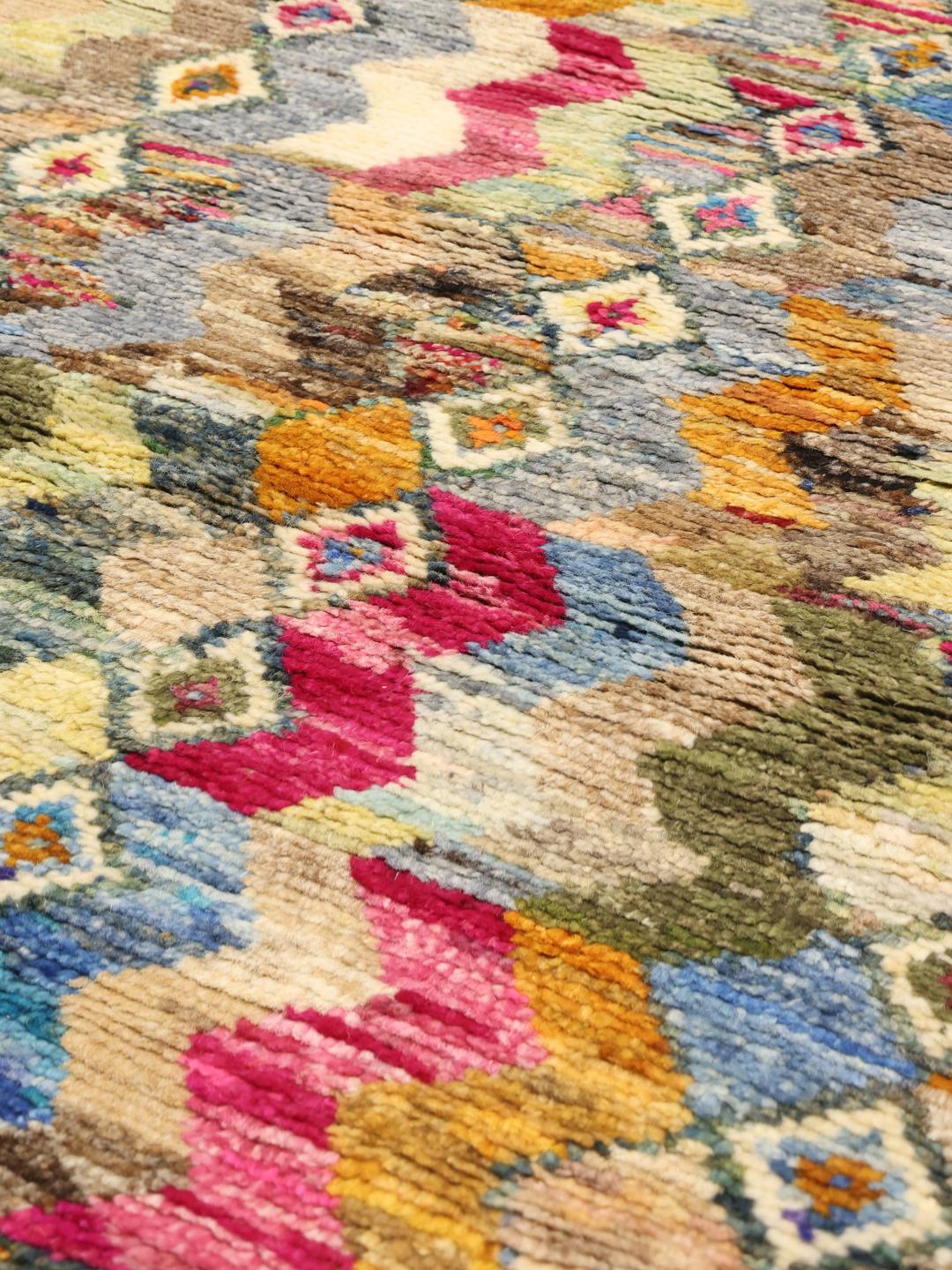
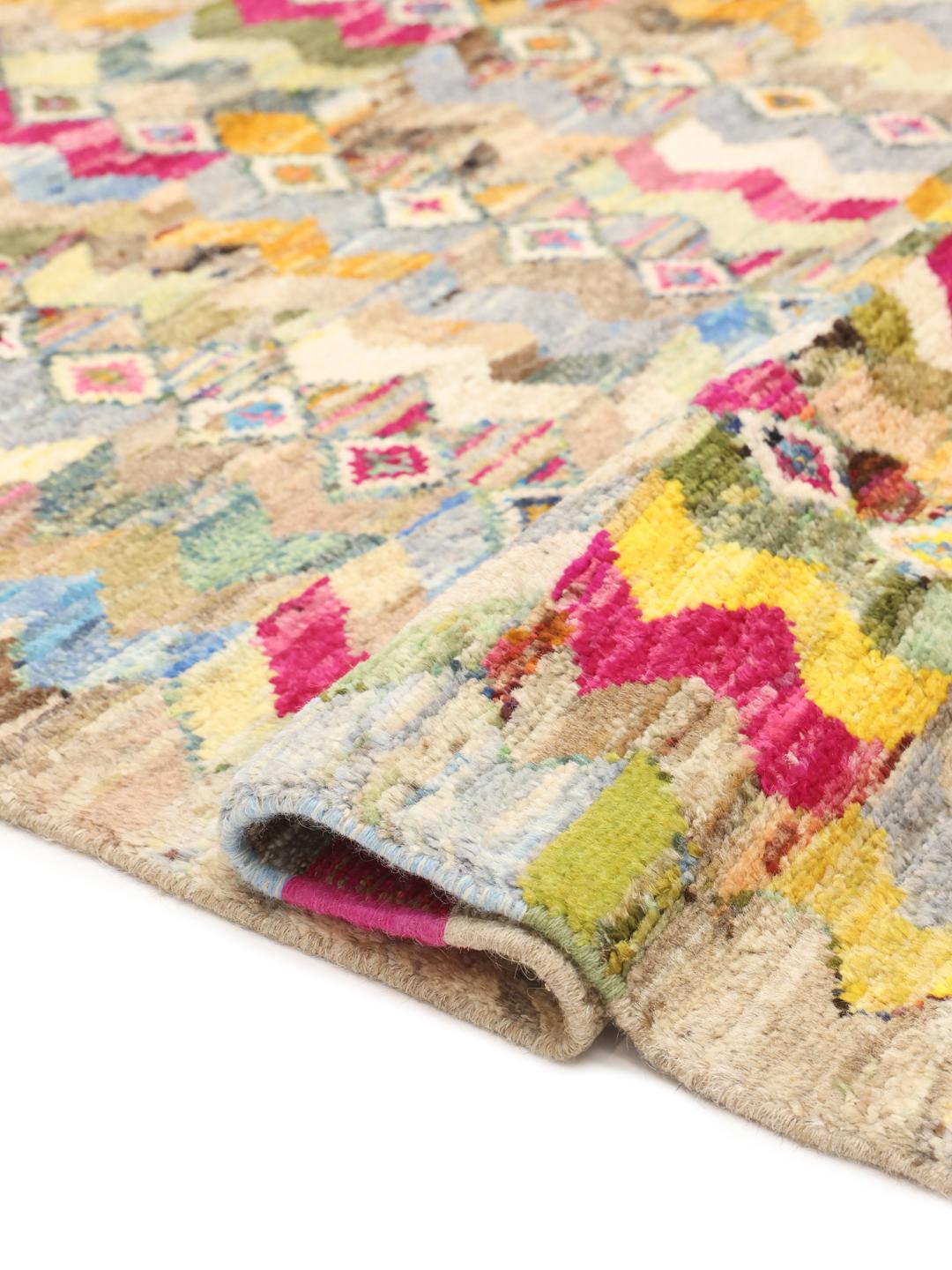
The term hand-knotted refers to the traditional, time-honoured technique where individual strands of Wool are tied by hand onto the rug's foundation. This method is the hallmark of quality in the rug world, as it allows for intricate patterns and a dense, luxurious pile that simply cannot be replicated by automated machinery. The skill required to maintain consistent tension and knotting across the entire surface is a craft passed down through generations.
The signature design elements of this rug tradition are characterised by bold, geometric motifs and a playful use of colour. Zigzags, diamonds, and tribal symbols are often used to tell stories or represent elements of the weaver's environment. The use of vibrant, contrasting colours is a deliberate choice, intended to bring energy and warmth into the home, making these rugs as much about visual expression as they are about functional floor covering.
Collecting a rug from this tradition is an investment in cultural heritage and human skill. Because each rug is a product of the weaver's interpretation and spontaneous creativity, owning one means possessing a piece of history that is entirely unique. These rugs are highly valued not only for their aesthetic beauty but also for the endurance of the craft, representing a connection between the past and the present that is increasingly rare in the modern world.