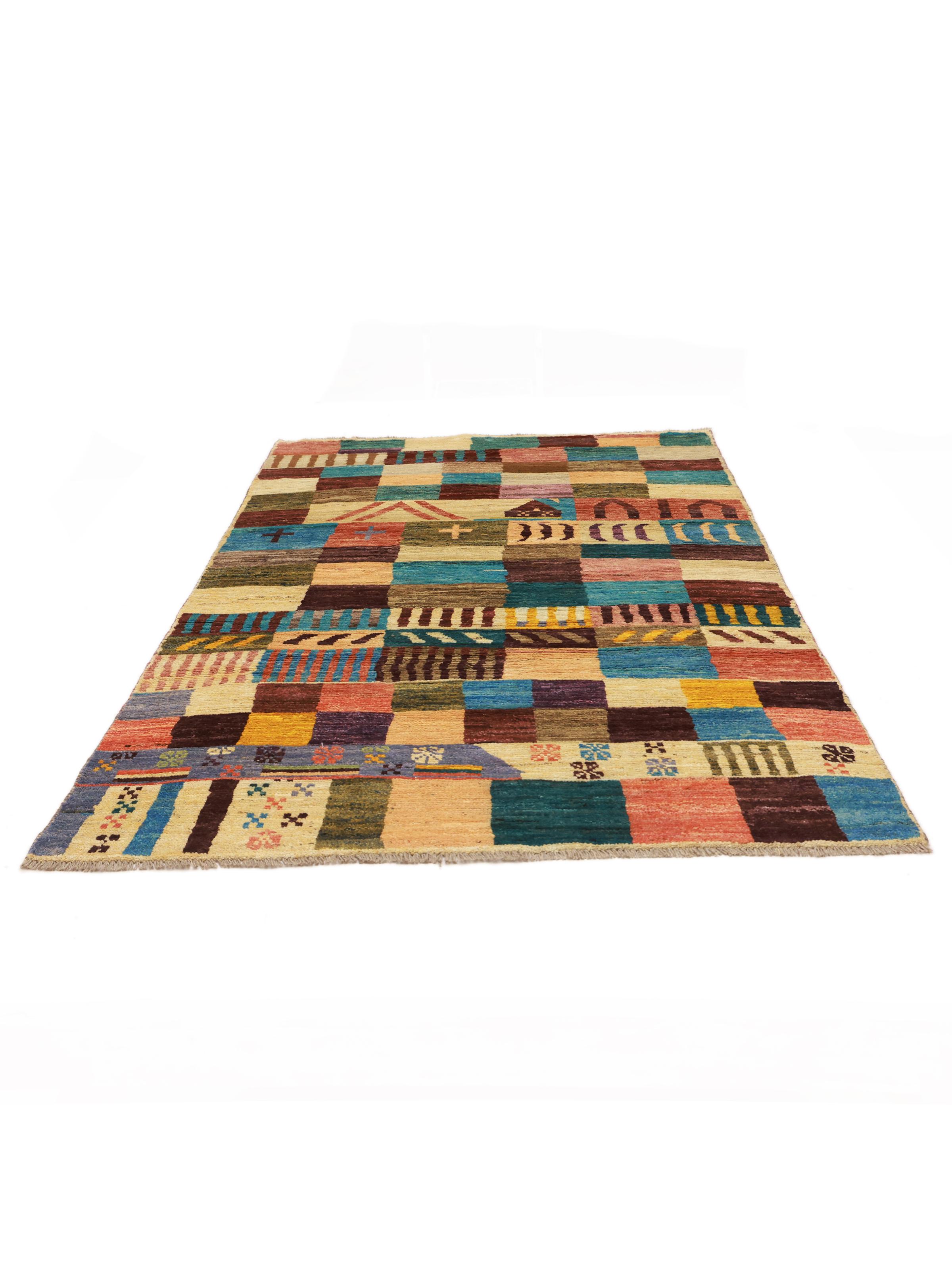
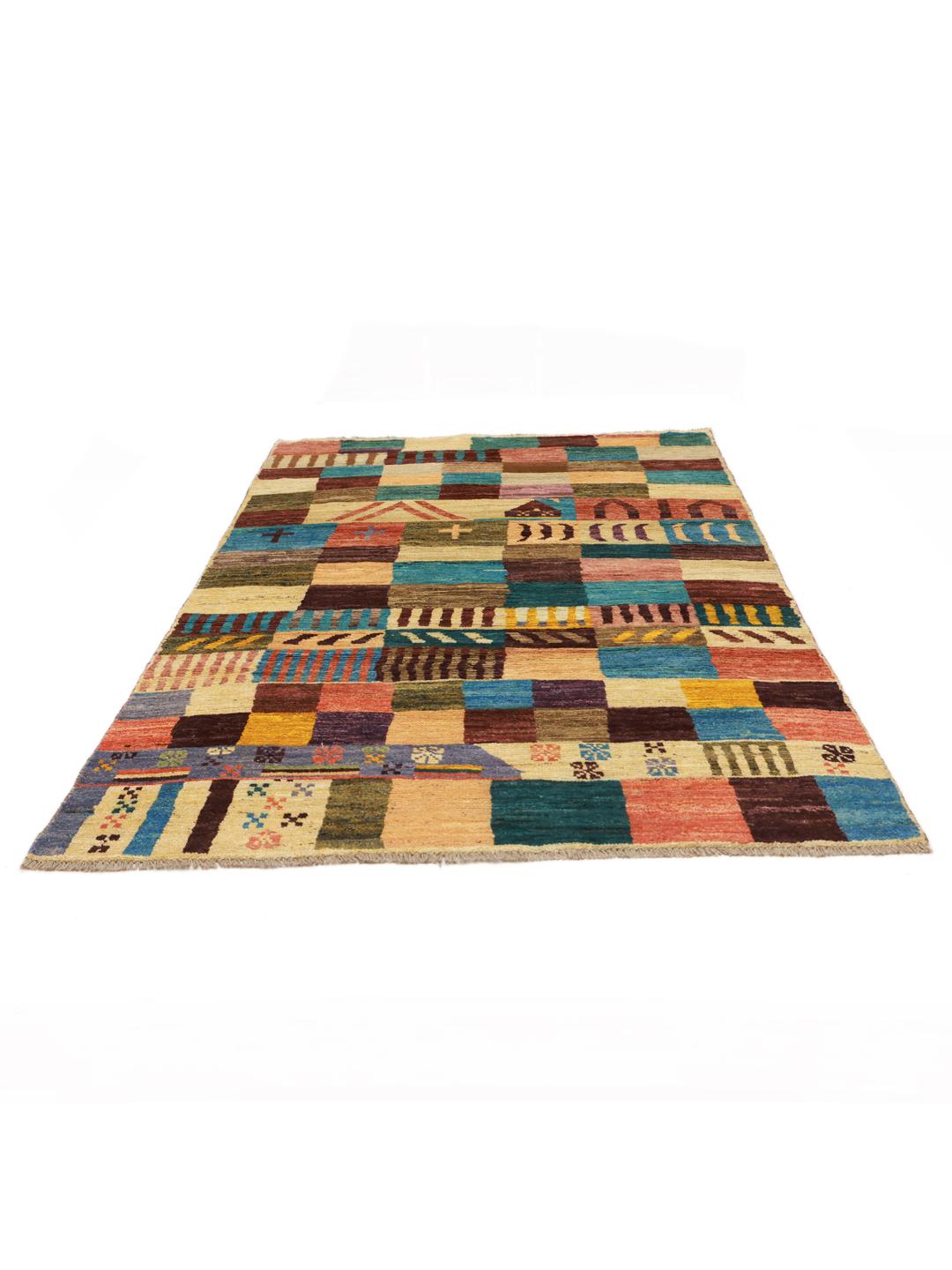
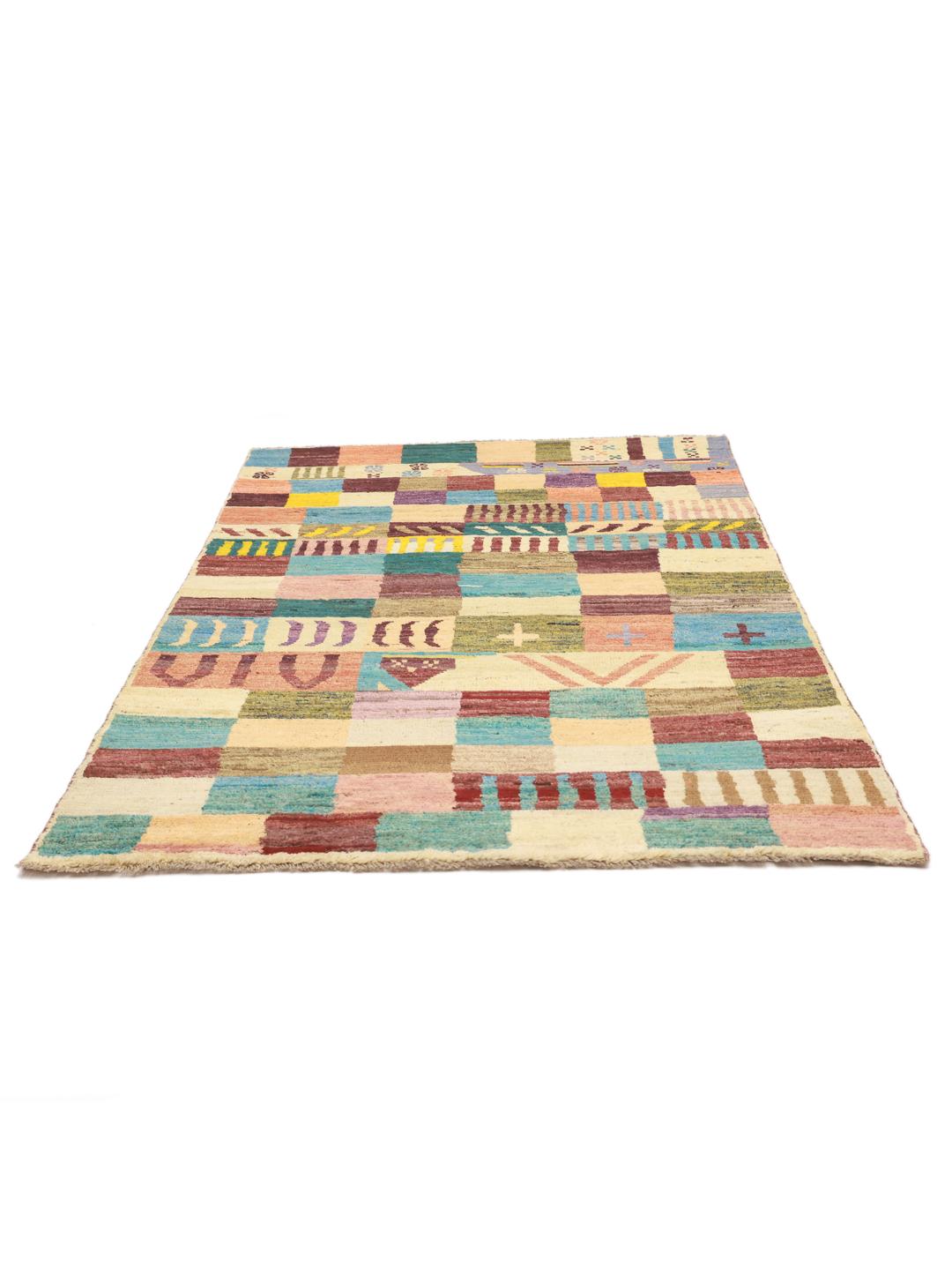
Berber rugs are deeply rooted in the traditions of North Africa, yet their influence has travelled across the globe, inspiring artisans in regions like Afghanistan to adapt these styles through their own cultural lens. The resulting rugs often blend traditional Berber-inspired aesthetics with local craftsmanship, creating a unique synthesis of history and regional design.
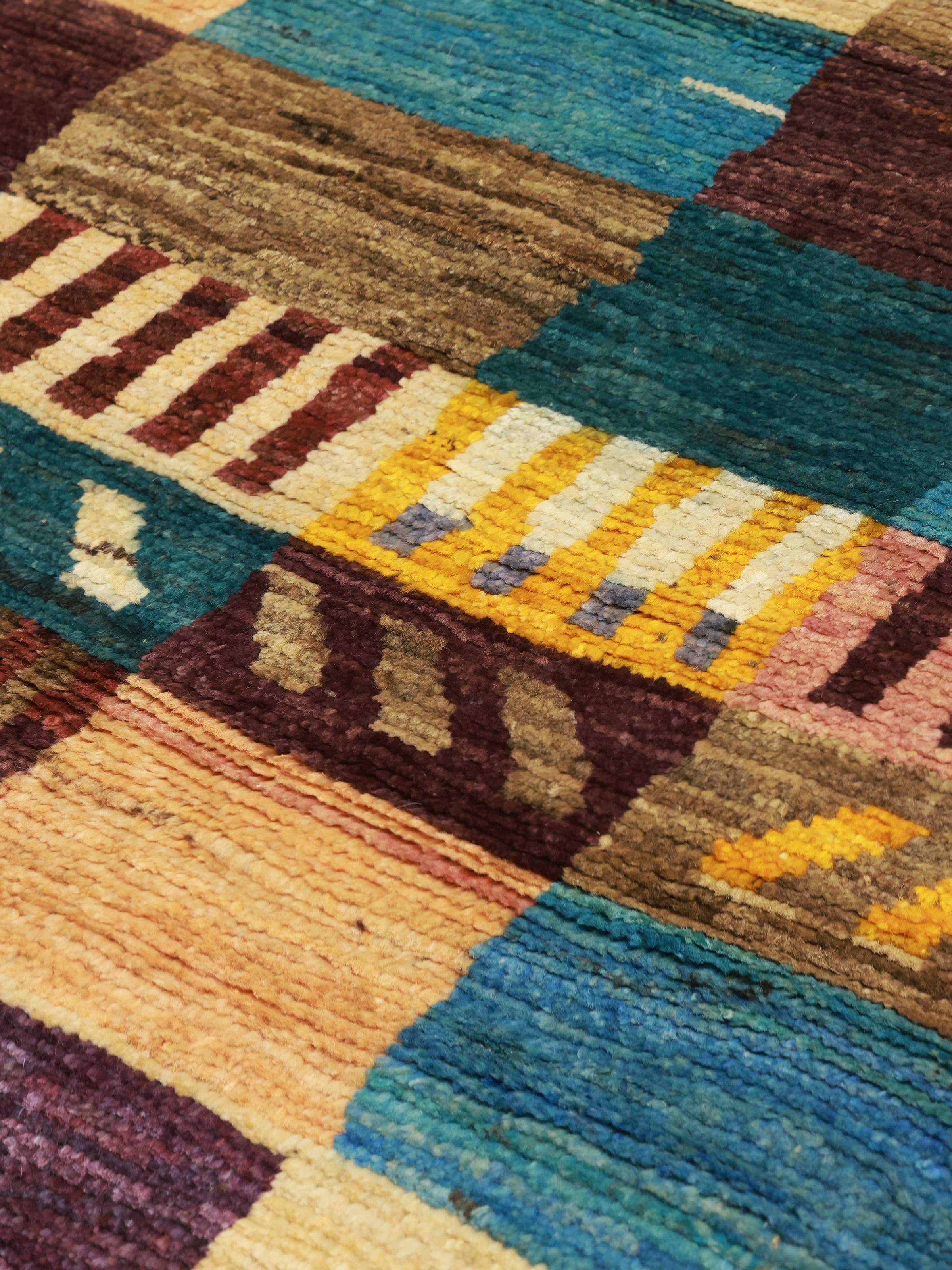
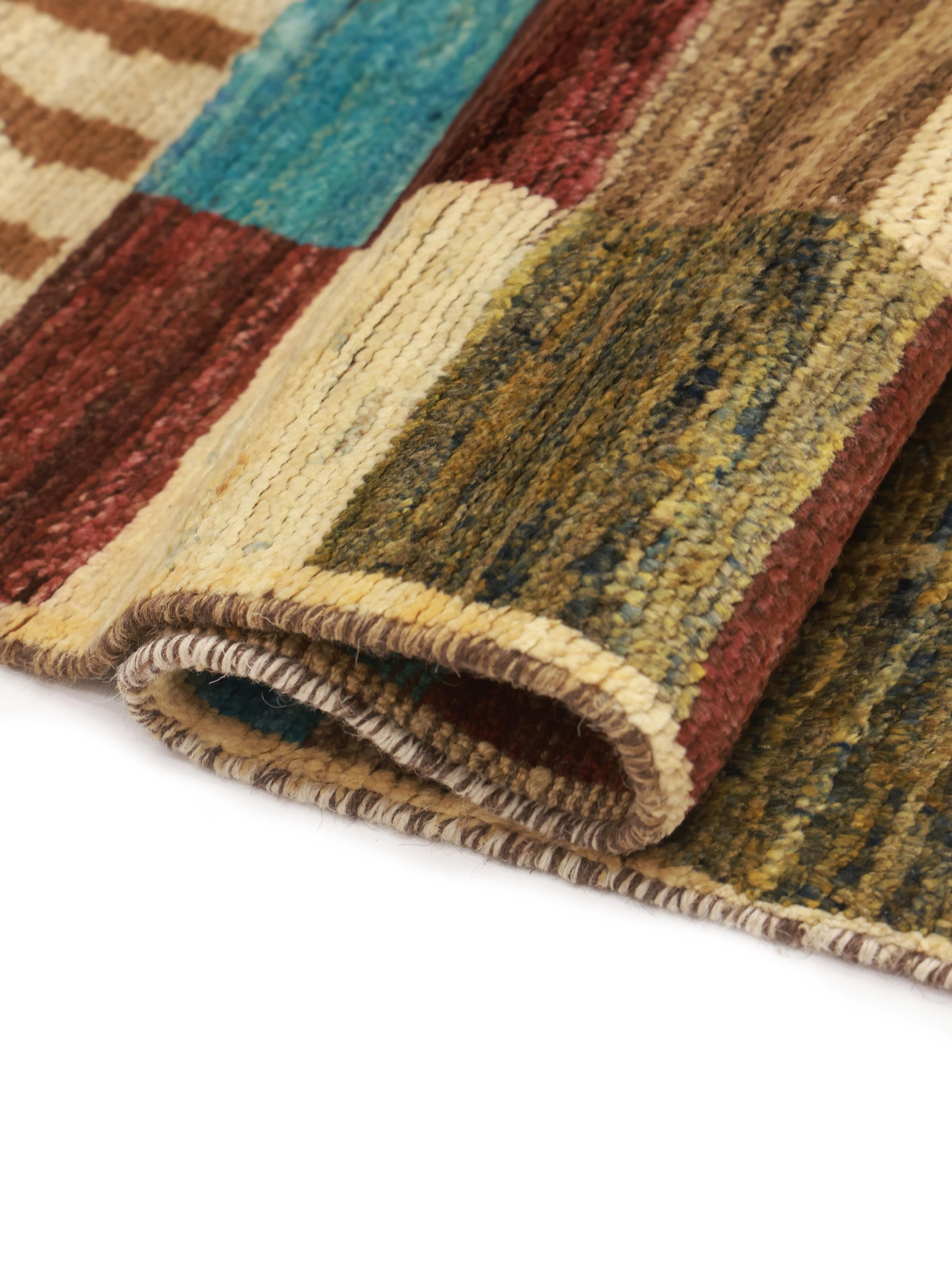
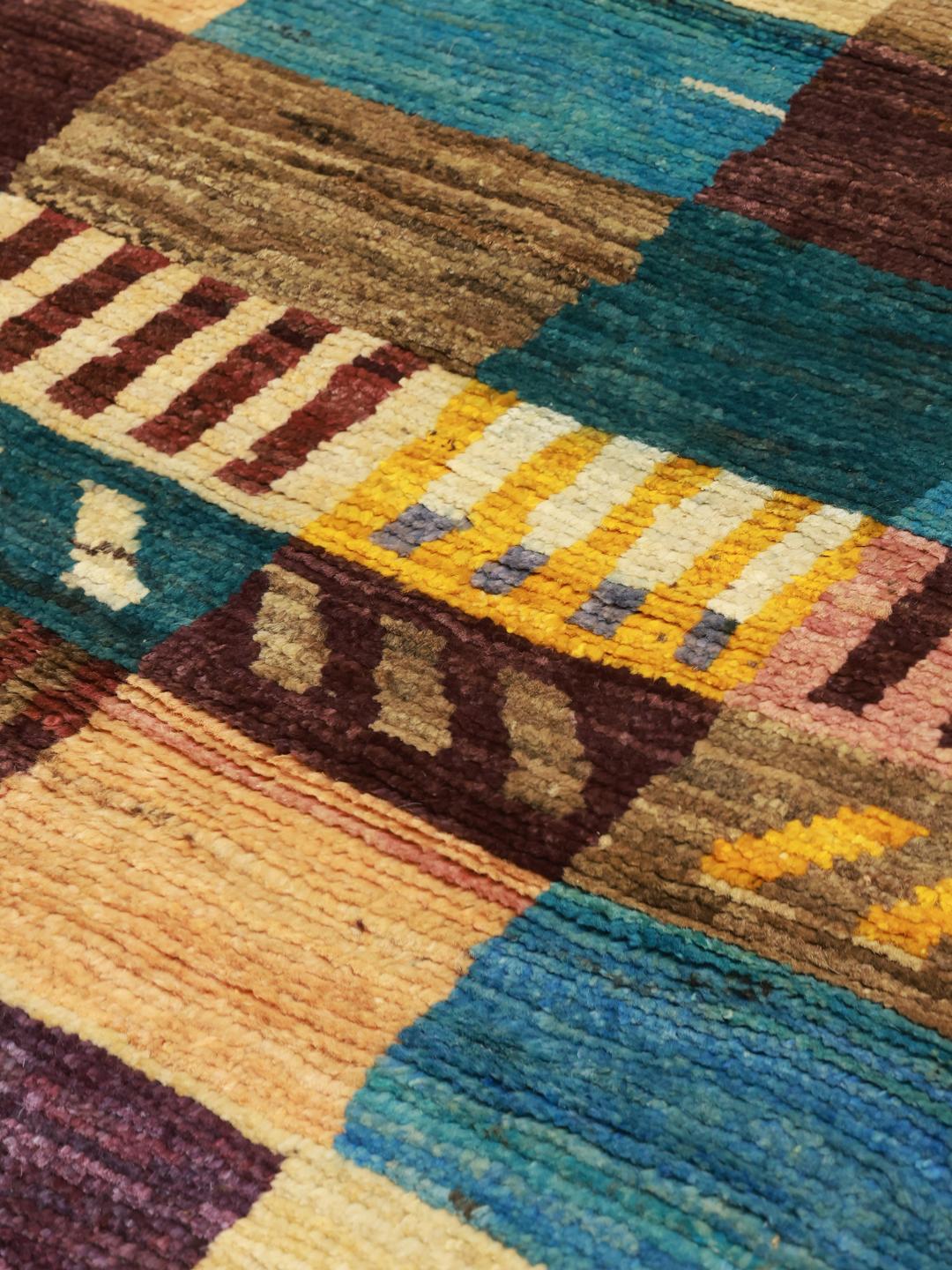
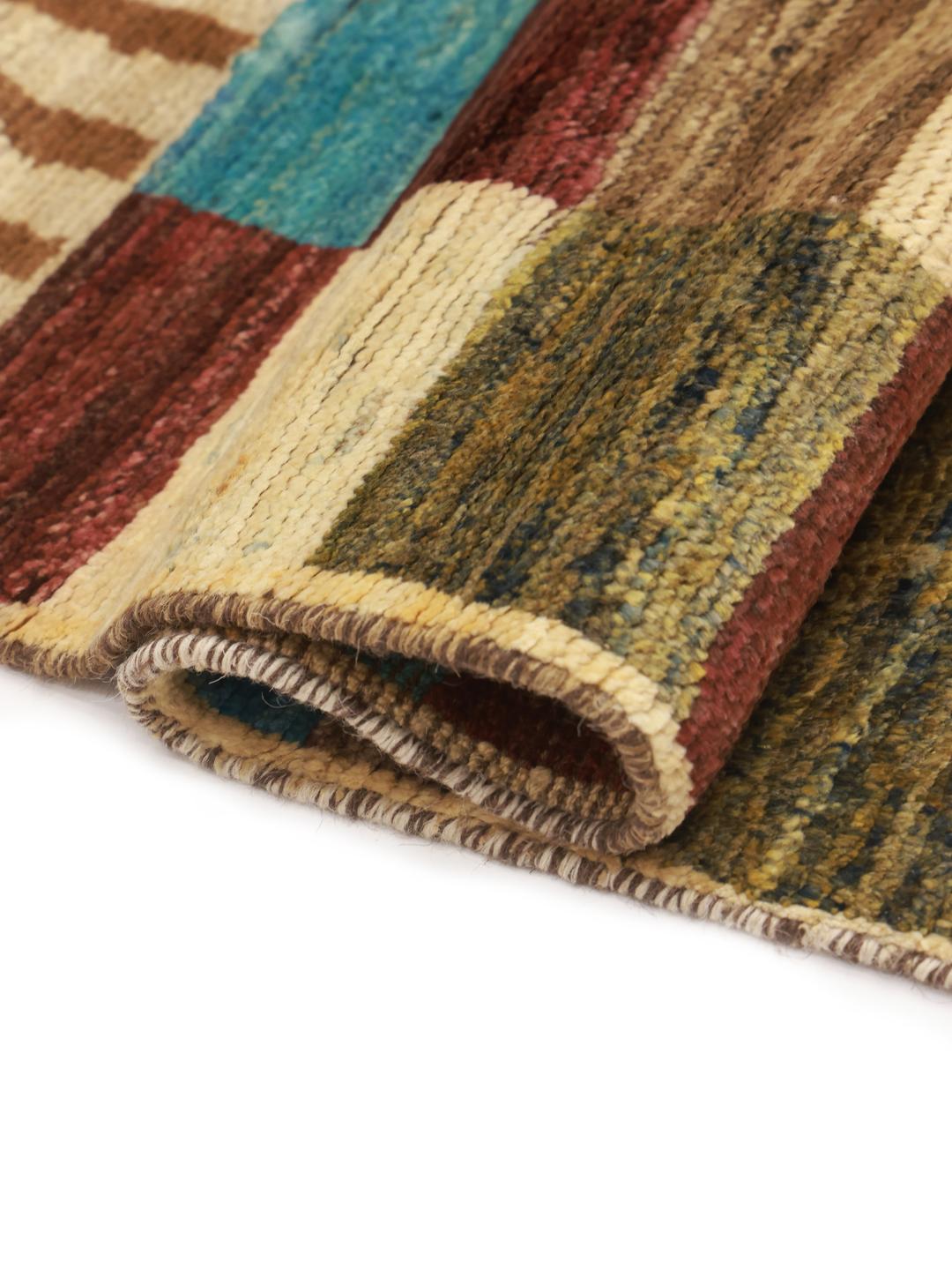
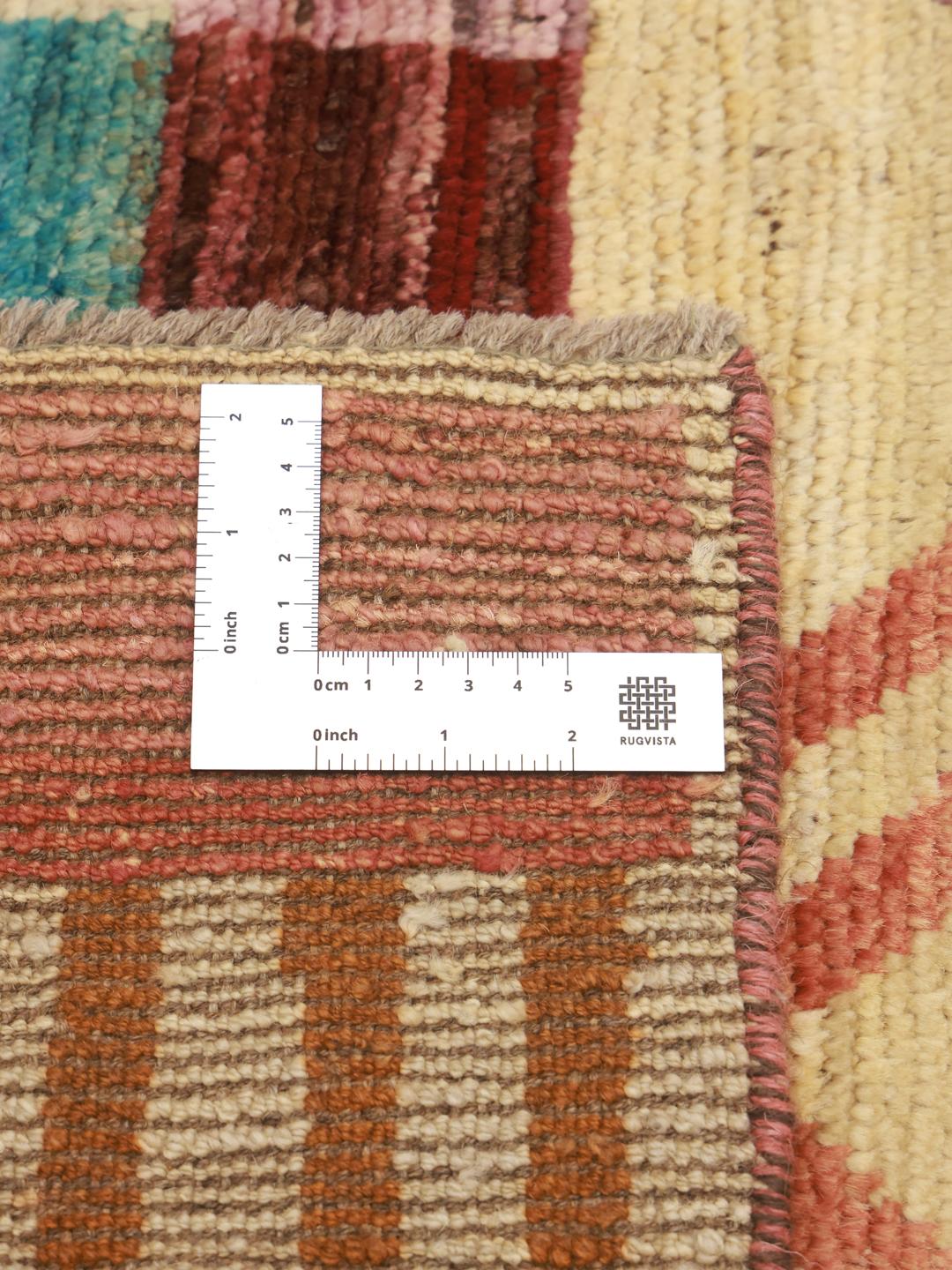
The term hand-knotted refers to the traditional method where individual strands of Wool are tied by hand onto the foundation of the rug. This method is the hallmark of high-quality rug making, as it creates a durable, dense pile that is far more resistant to wear than other techniques. Each knot represents a deliberate decision by the weaver, contributing to the overall strength and longevity of the piece.
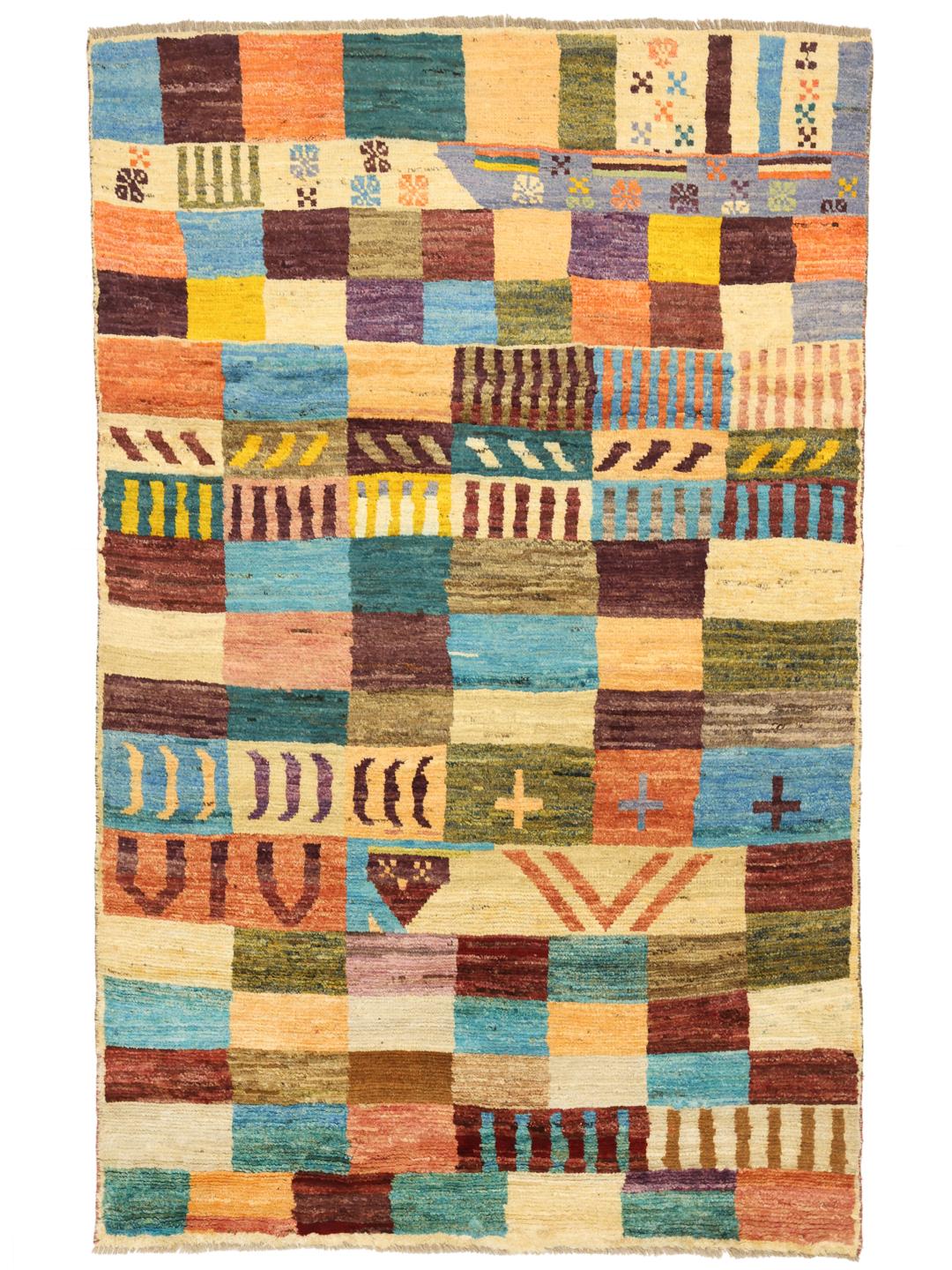
Design-wise, these rugs often feature a language of geometric motifs, such as diamonds, lines, and bold blocks of colour. These symbols are historically significant, often representing protection, fertility, or the natural world, though they have evolved into the abstract, expressive patterns seen in modern interpretations. The bold use of colour in this rug reflects a playful take on these ancient design traditions.
Owning a hand-knotted rug from this tradition is an investment in cultural heritage and human skill. These pieces are valued by collectors and homeowners alike for their authenticity and the story they bring into a space. By choosing such a rug, you are participating in a long-standing history of artistry that values patience, precision, and the beauty of the handmade.