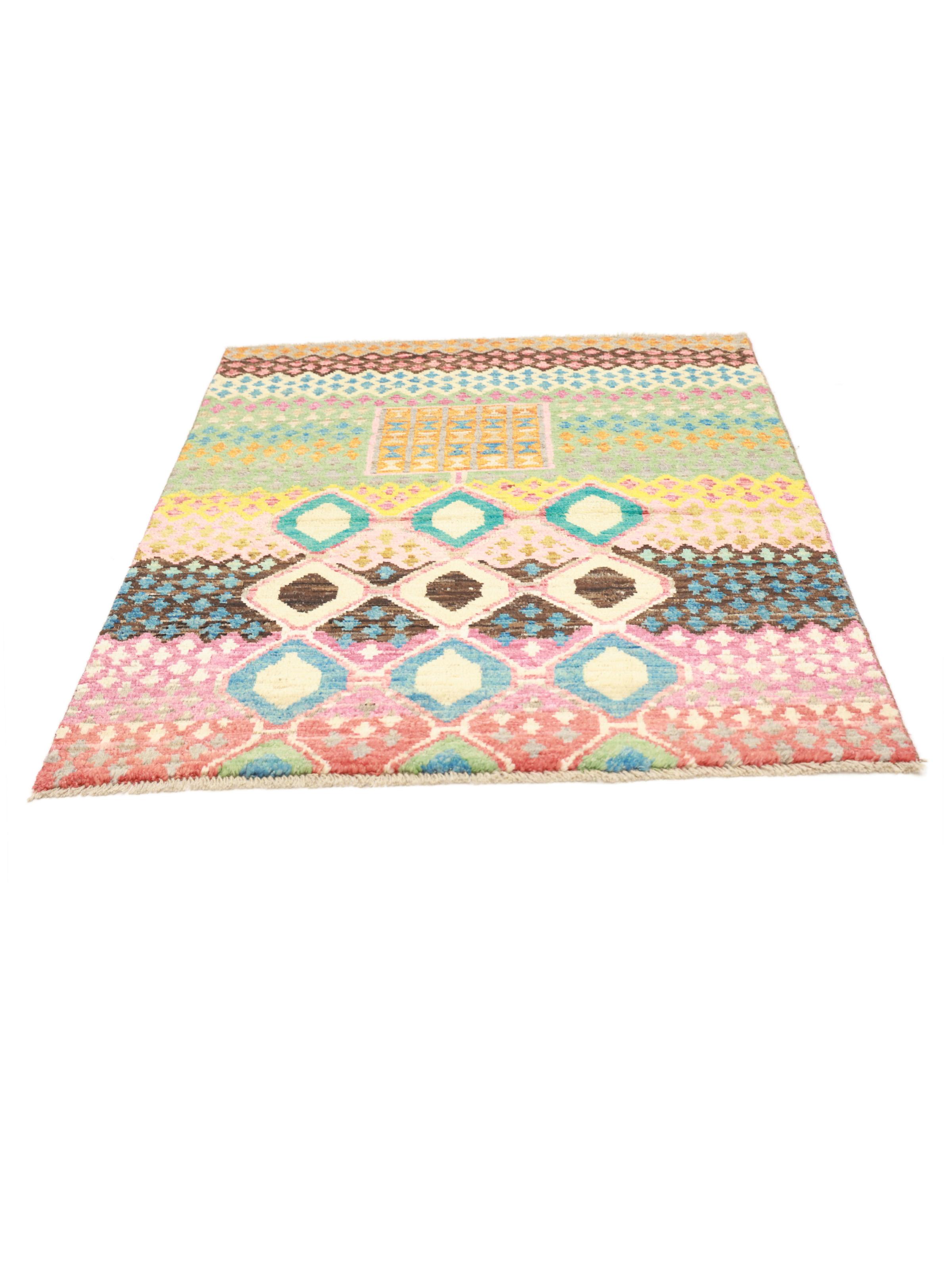
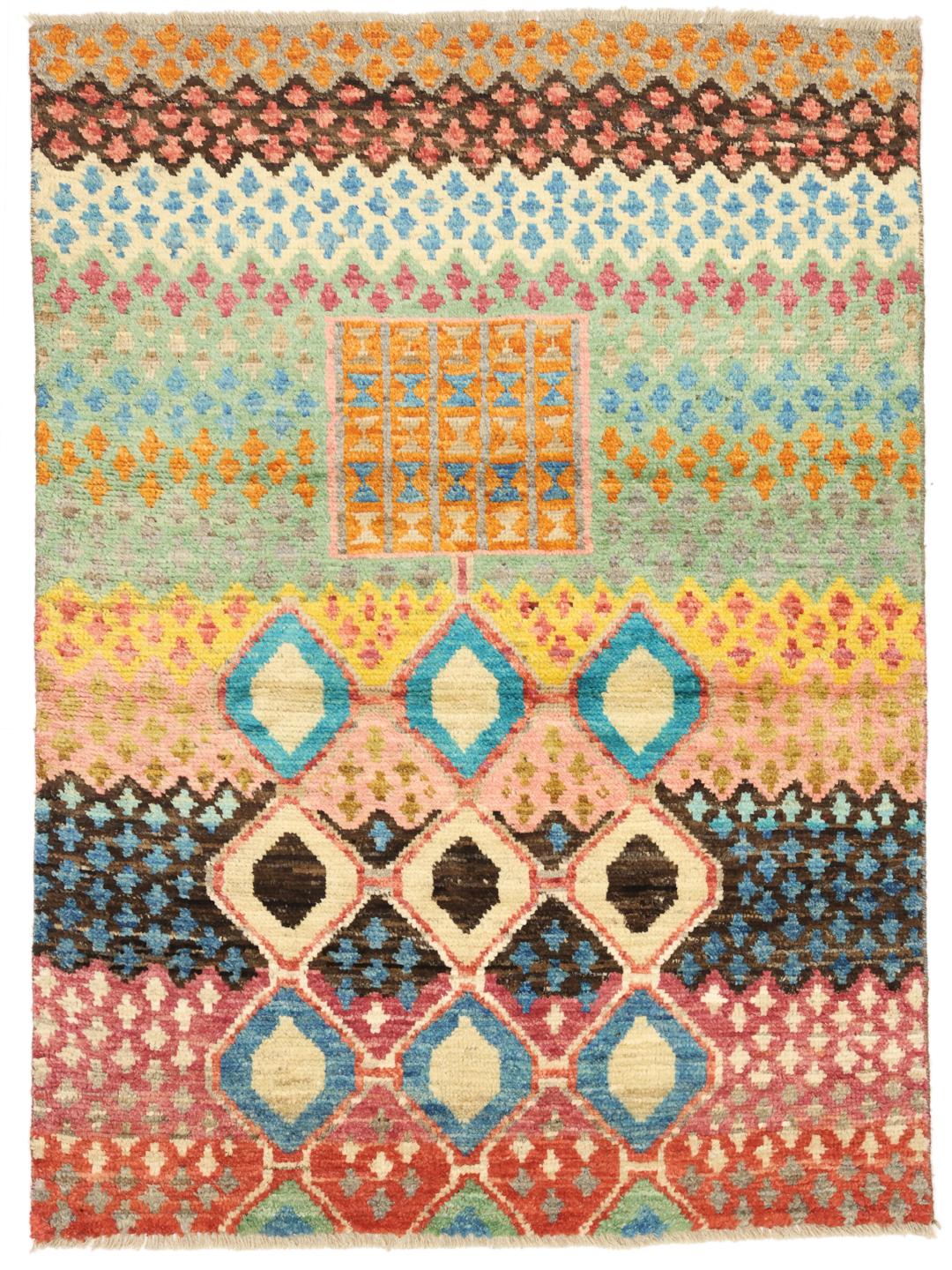
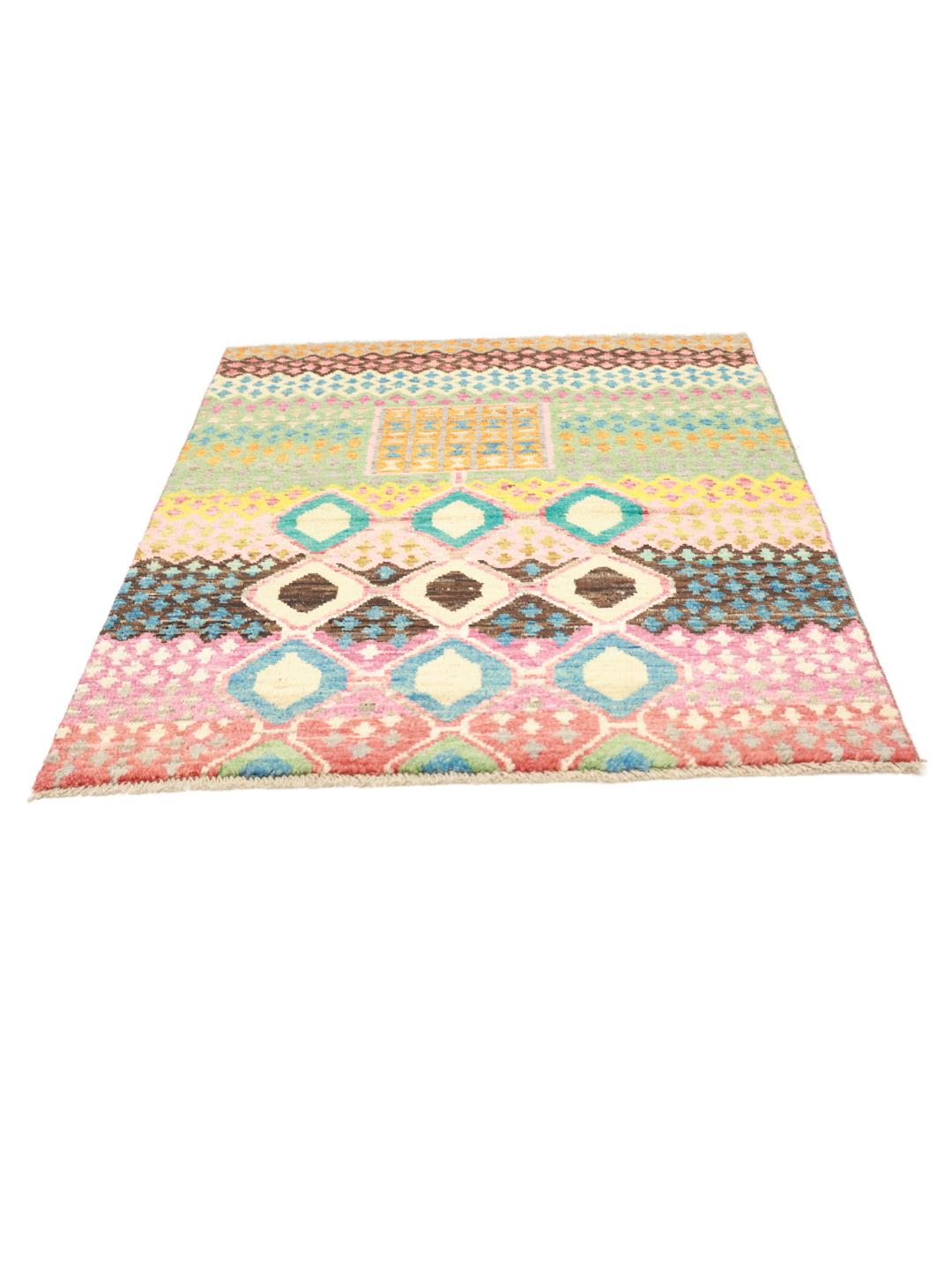
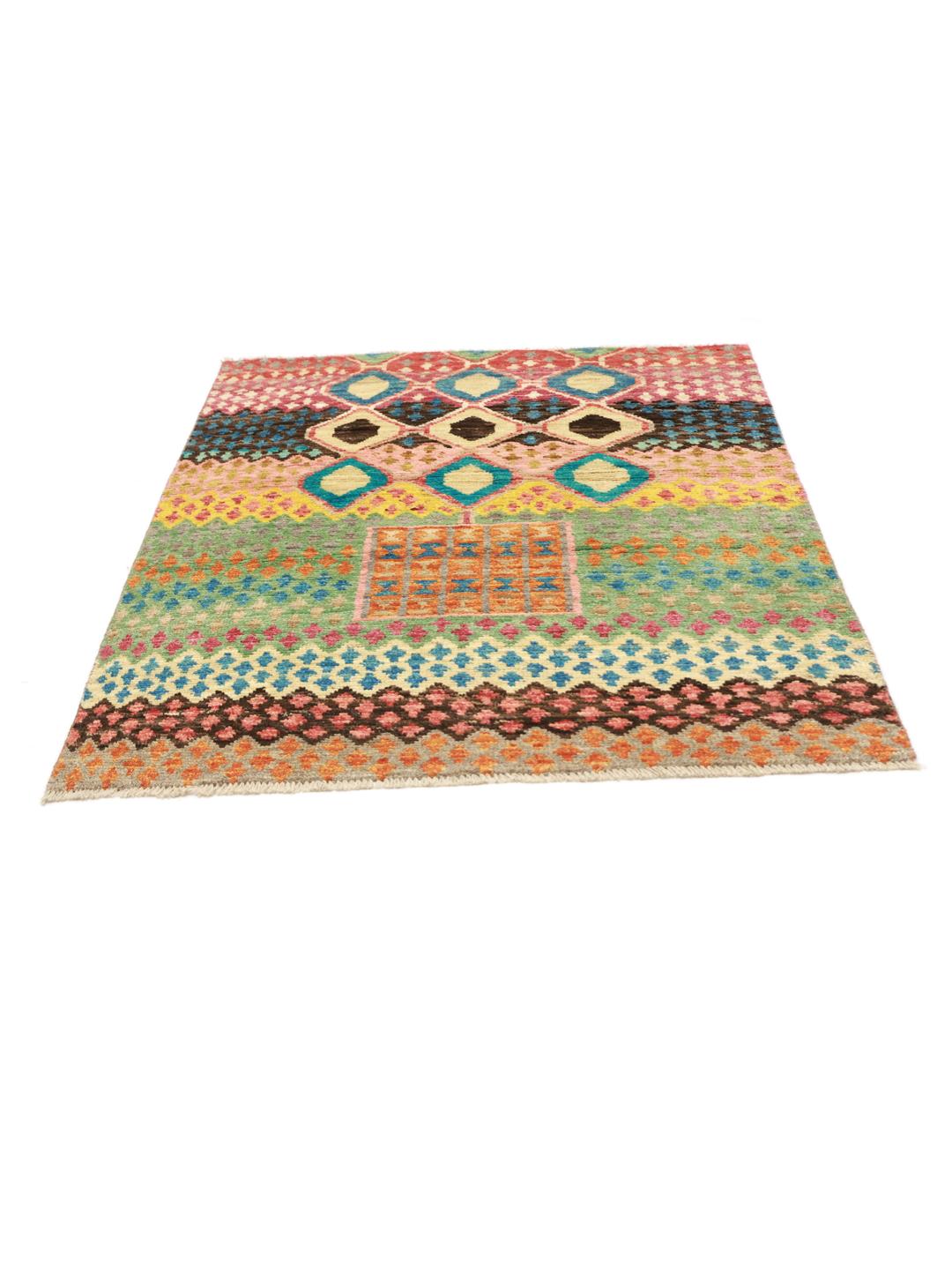
The Berber tradition, while historically rooted in the nomadic tribes of North Africa, has inspired a rich evolution of rug-making across various regions, including Afghanistan. These rugs are celebrated for their expressive, tribal aesthetic and the way they communicate the cultural narratives of the people who weave them. Over time, the style has travelled and adapted, merging local Afghan Wool-crafting techniques with the iconic, bold spirit of traditional Berber design.
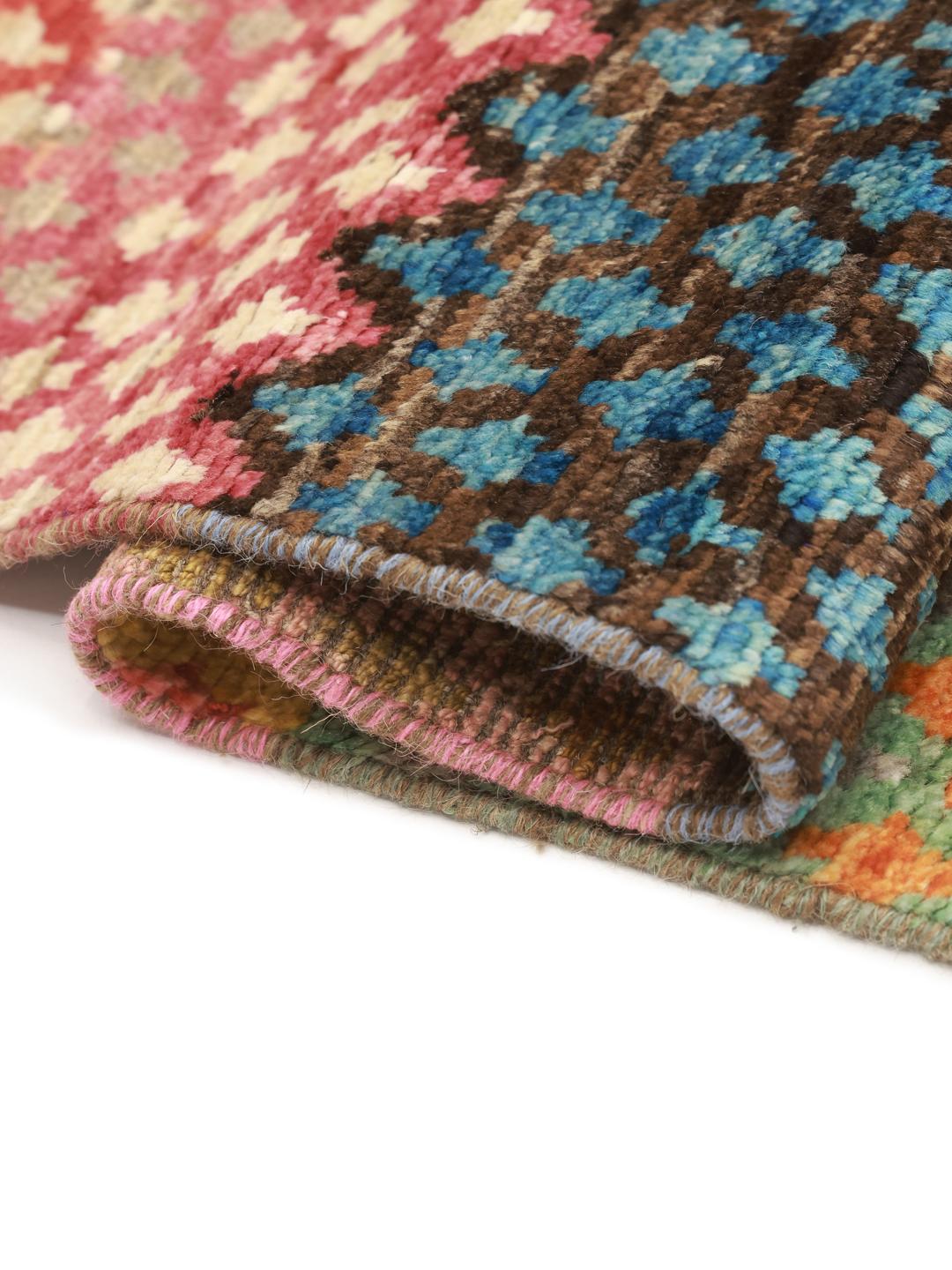
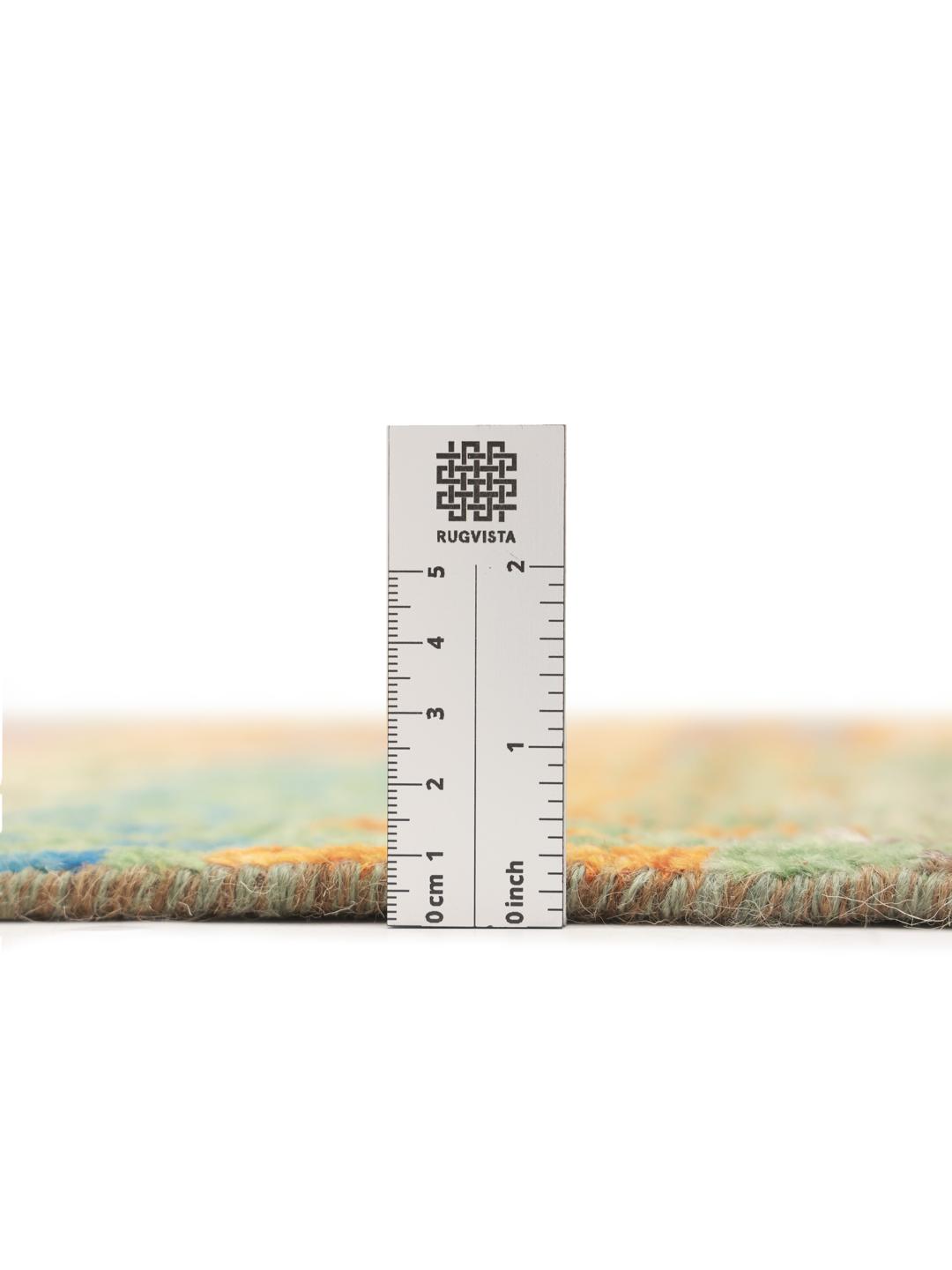
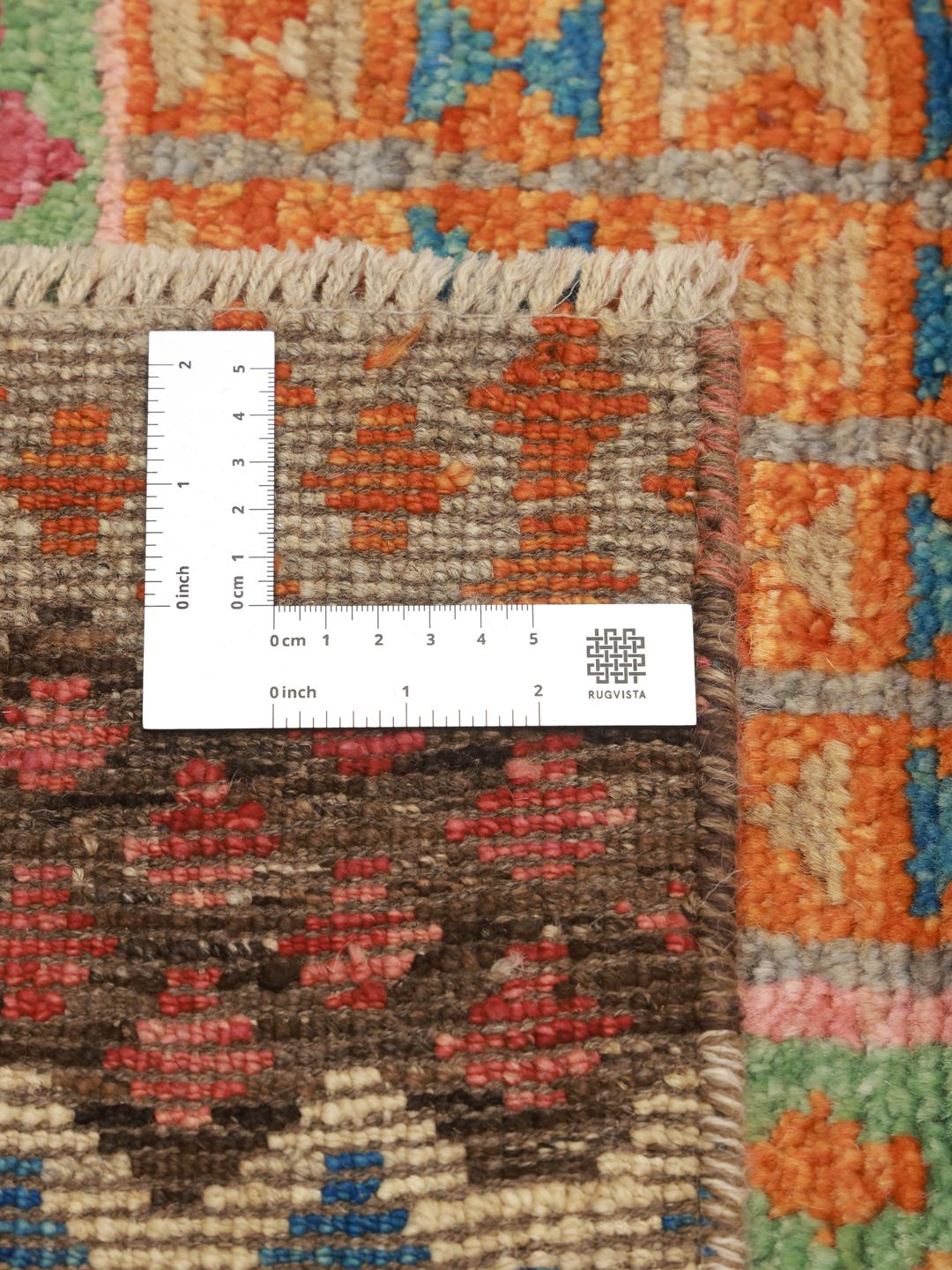
The term hand-knotted refers to the arduous process where each individual knot is tied by hand onto the warp and weft foundation. This method is the hallmark of premium rug production because it allows for superior pile density and pattern clarity. A hand-knotted rug is not merely a decorative object; it is a structural feat that relies on the weaver’s ability to maintain perfect tension and consistency across the entire loom.
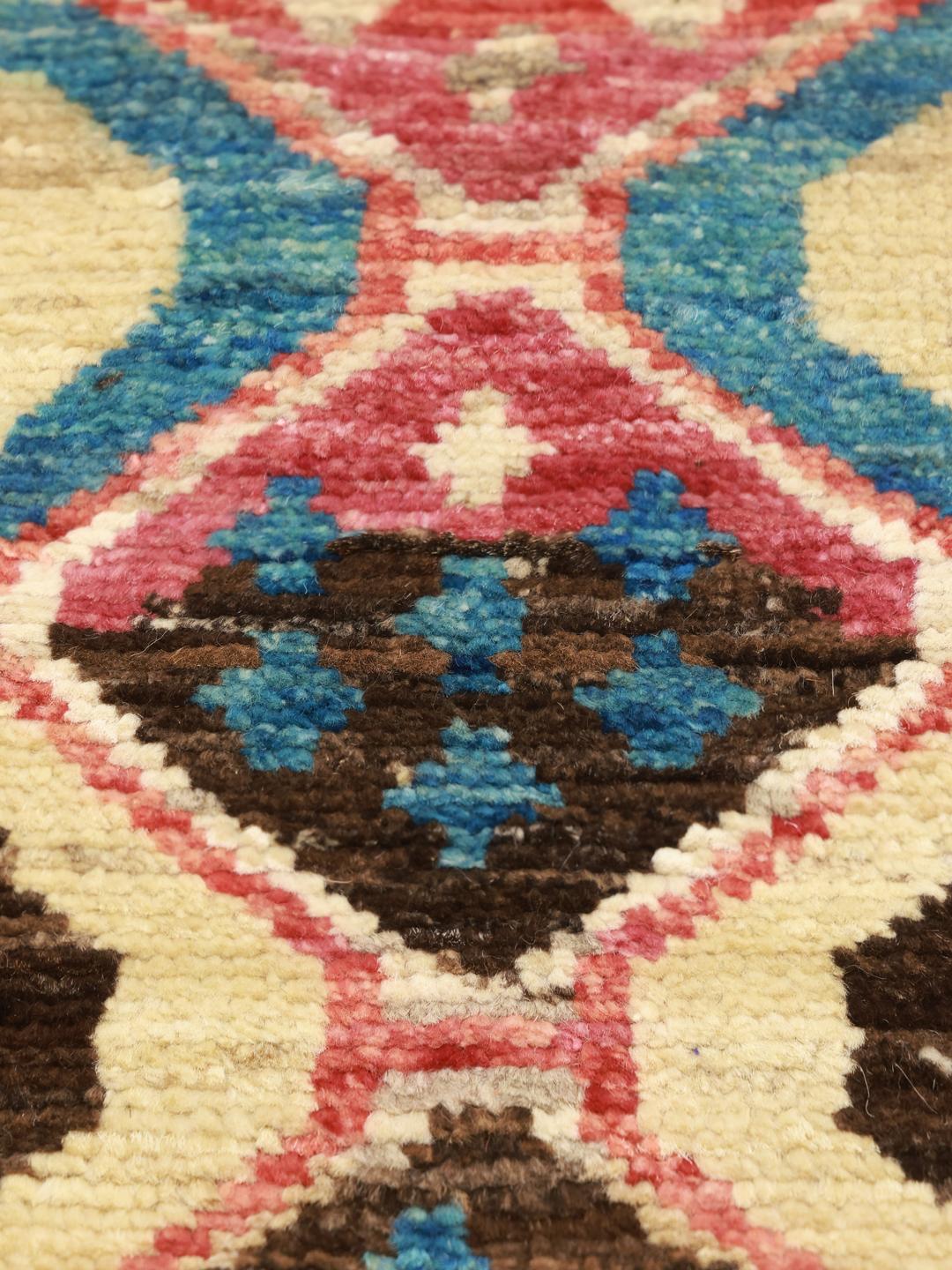
Visually, these rugs are defined by their geometric language. You will often find diamonds, triangles, and intricate borders that act as symbolic representations of the weaver's environment and beliefs. The use of vibrant, contrasting colours is a signature trait, often intended to ward off negativity or celebrate specific milestones. In this specific piece, the use of such a lively palette is a classic nod to the joyous and protective nature of these traditional motifs.
Collecting a rug from this tradition is an act of supporting a legacy of human ingenuity. These pieces are valued not only for their visual impact but for the rarity of the skills required to produce them. When you acquire this rug, you are connecting with a long lineage of artisans, securing a piece of cultural heritage that is built to endure, age gracefully, and continue telling its story in your home for decades.