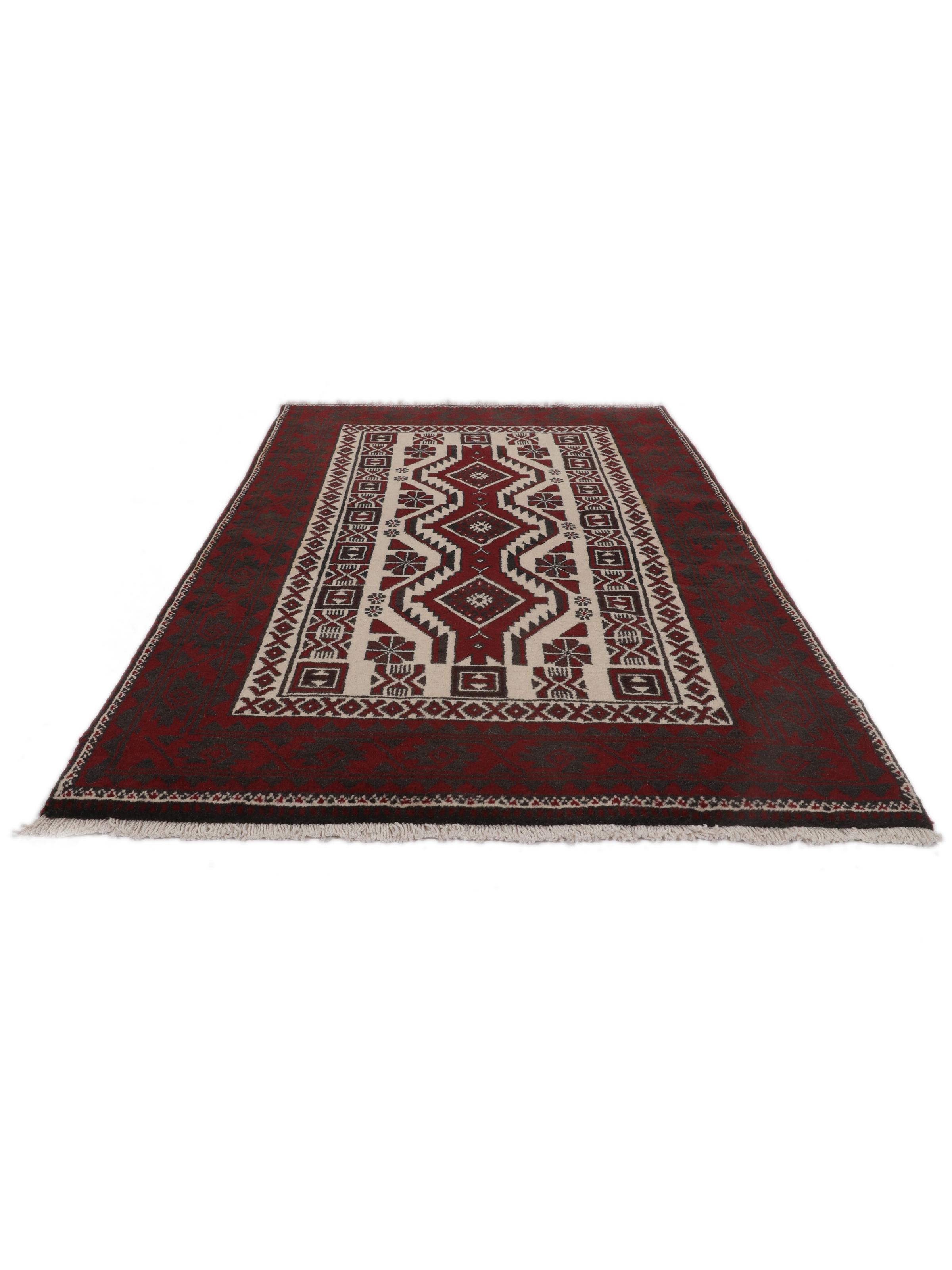
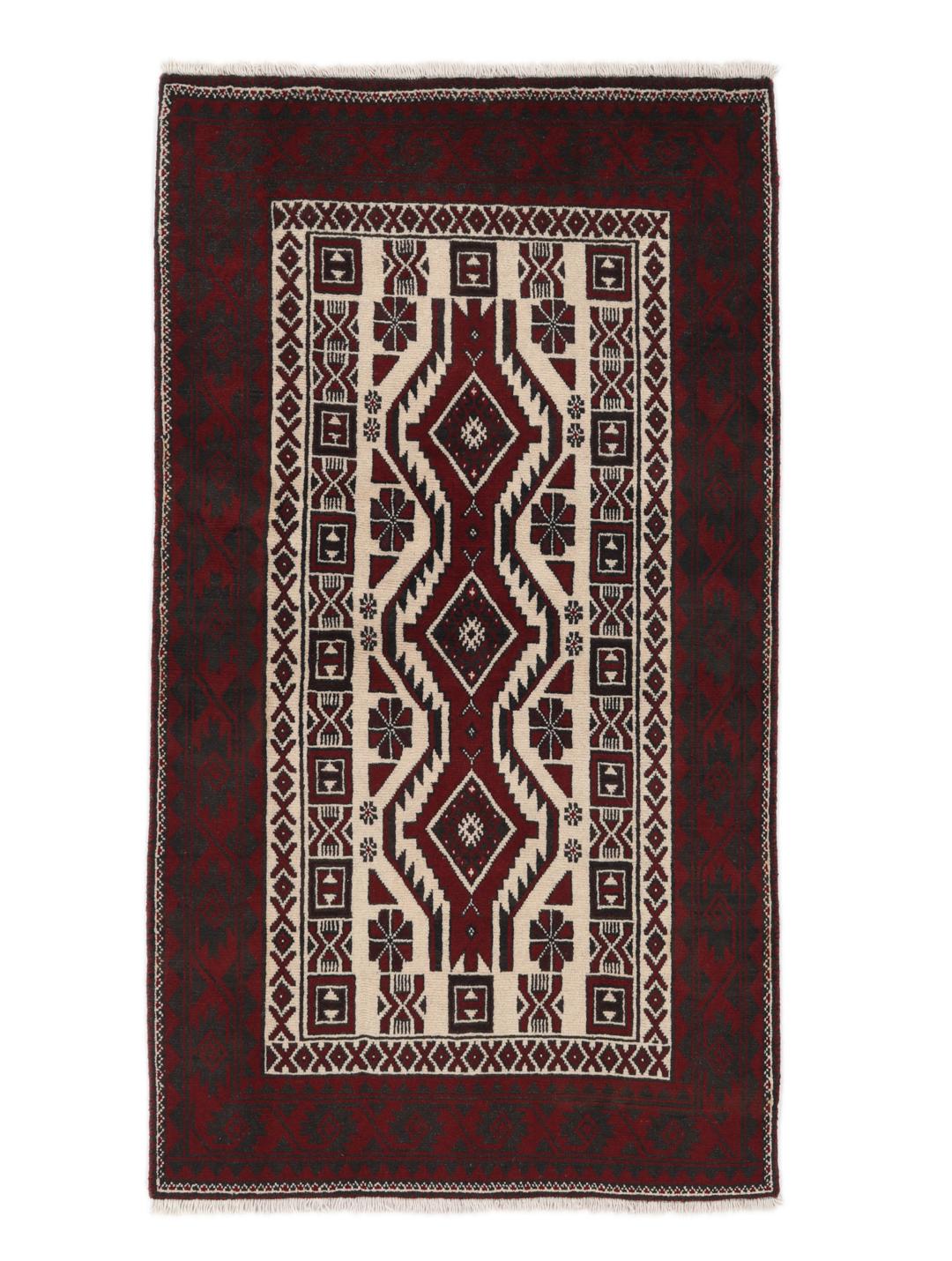
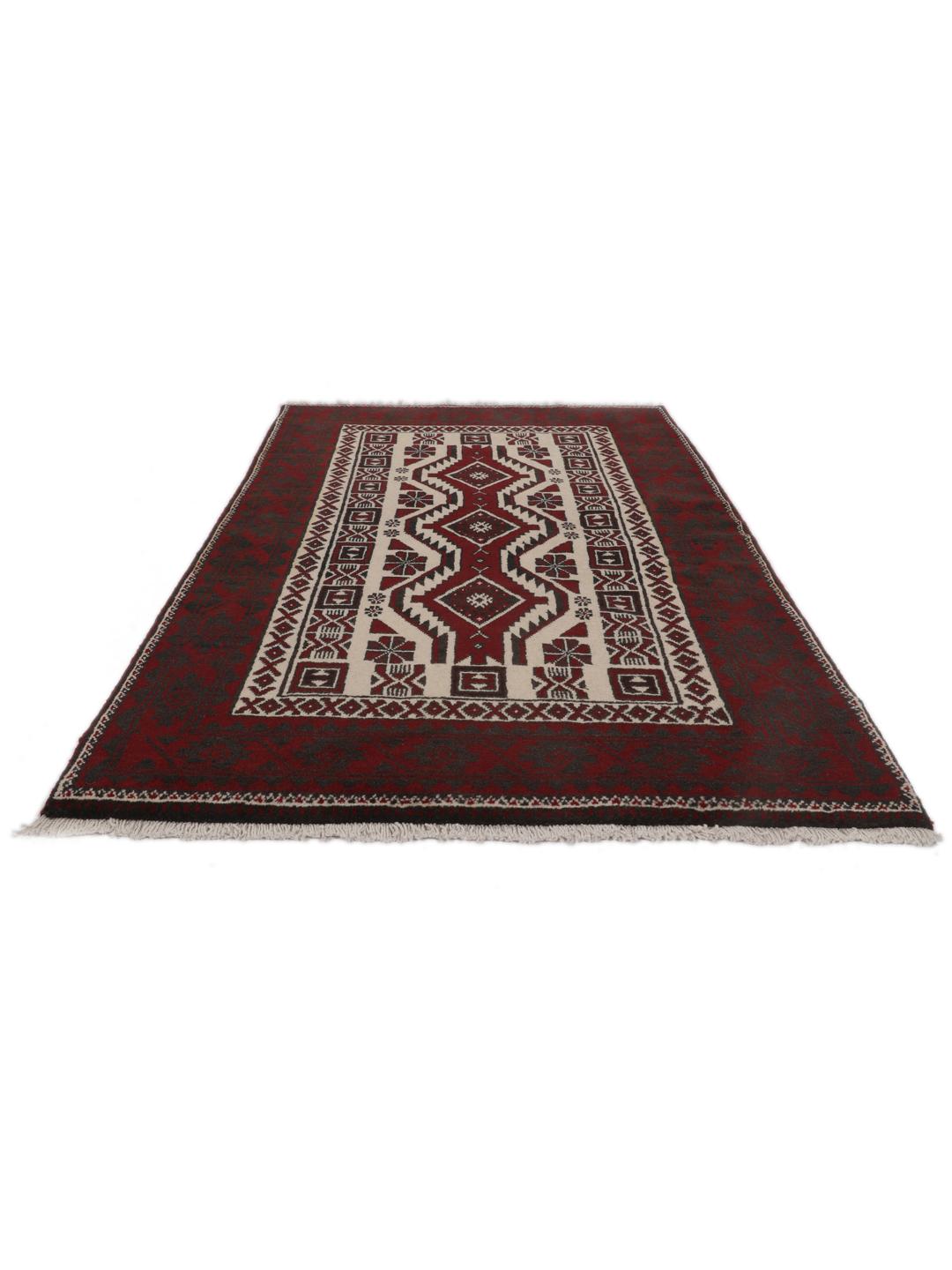
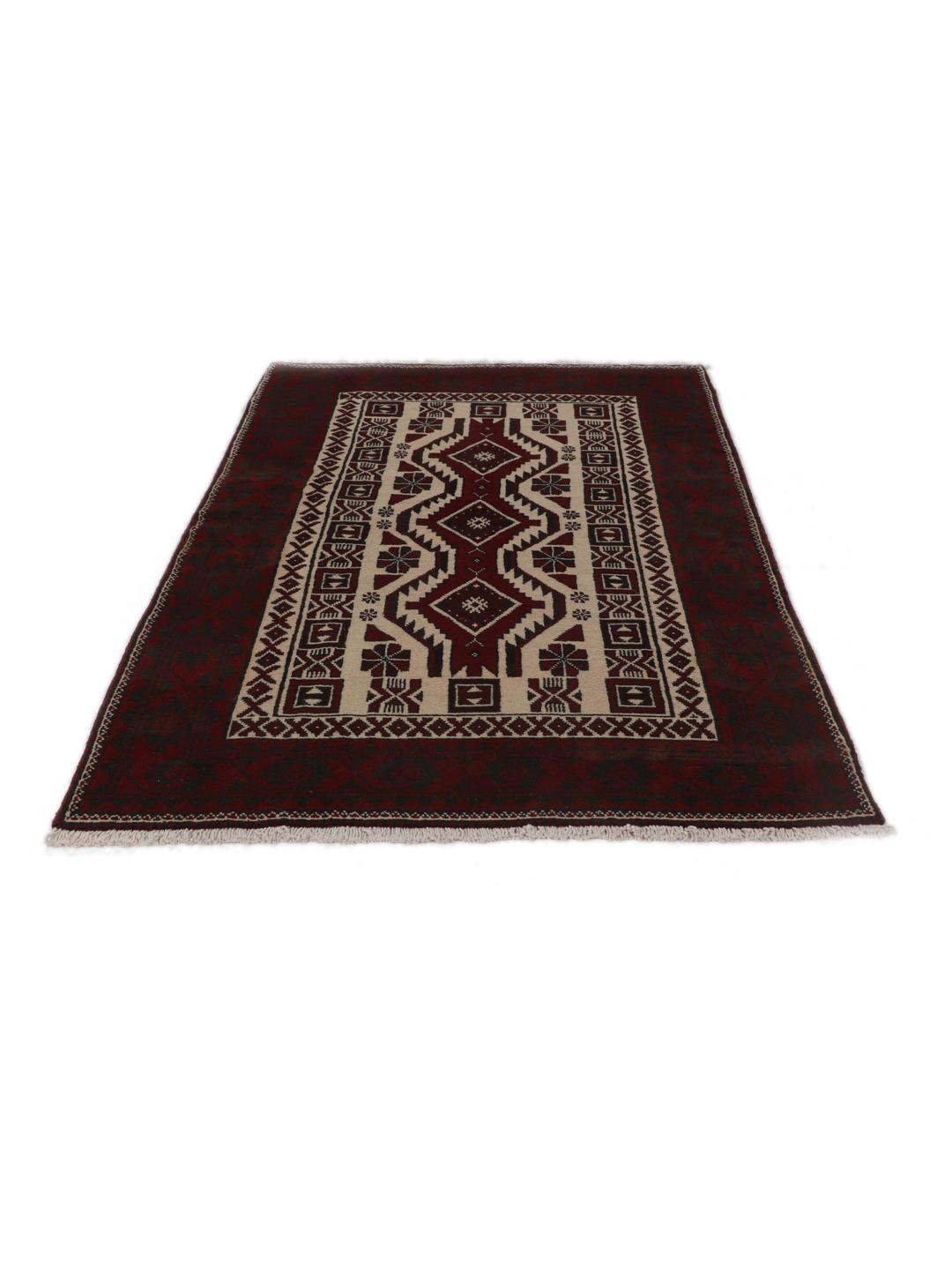
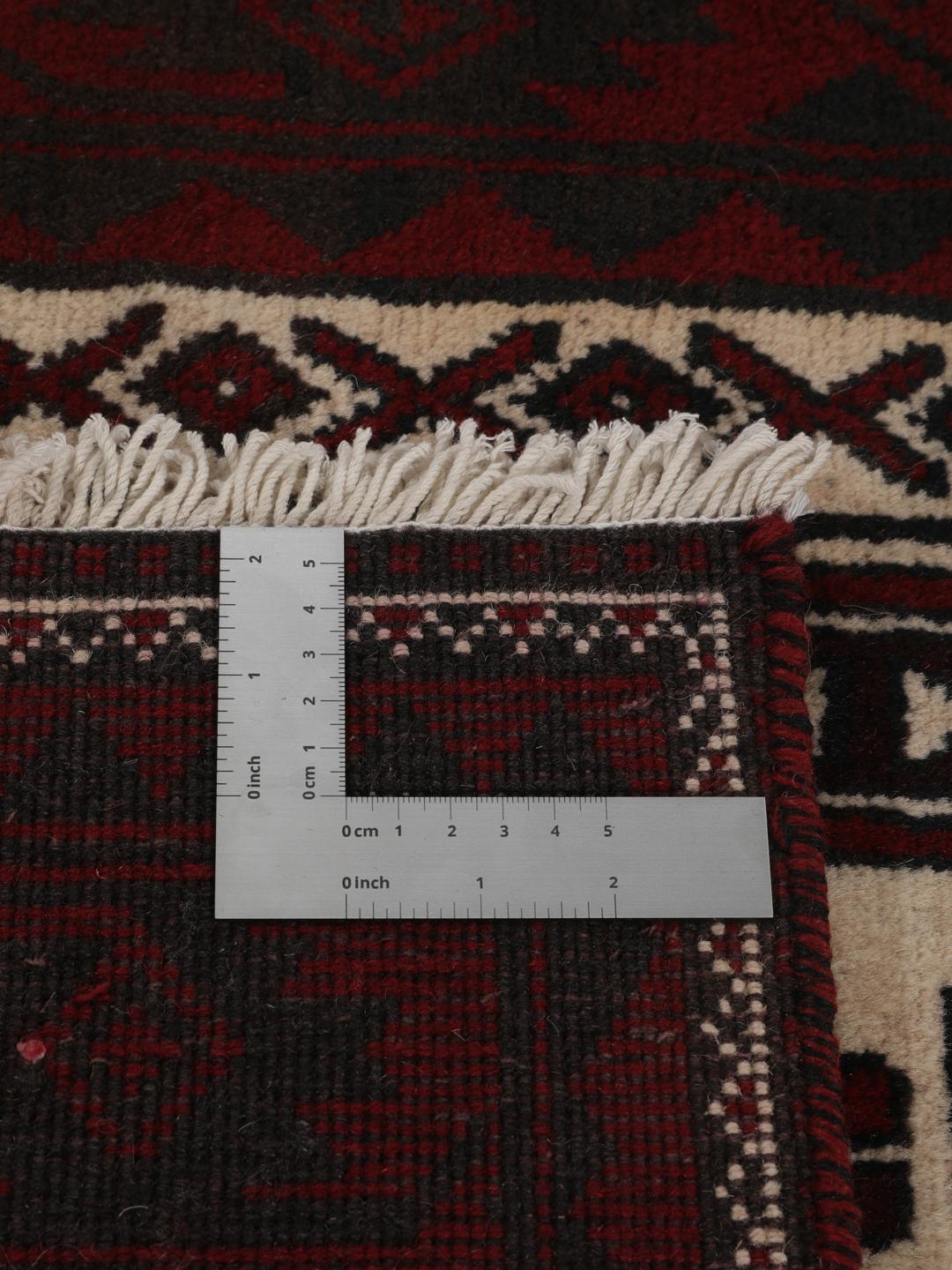
The Baluch rugs originate from the nomadic and semi-nomadic tribes living in the border regions of the Middle East. These rugs are deeply connected to the heritage of the Baluchi people, whose weaving traditions have been passed down through generations. Historically, these rugs were produced for personal use, such as prayer rugs or bags, which explains their portable size and the intimate, detailed nature of their designs.
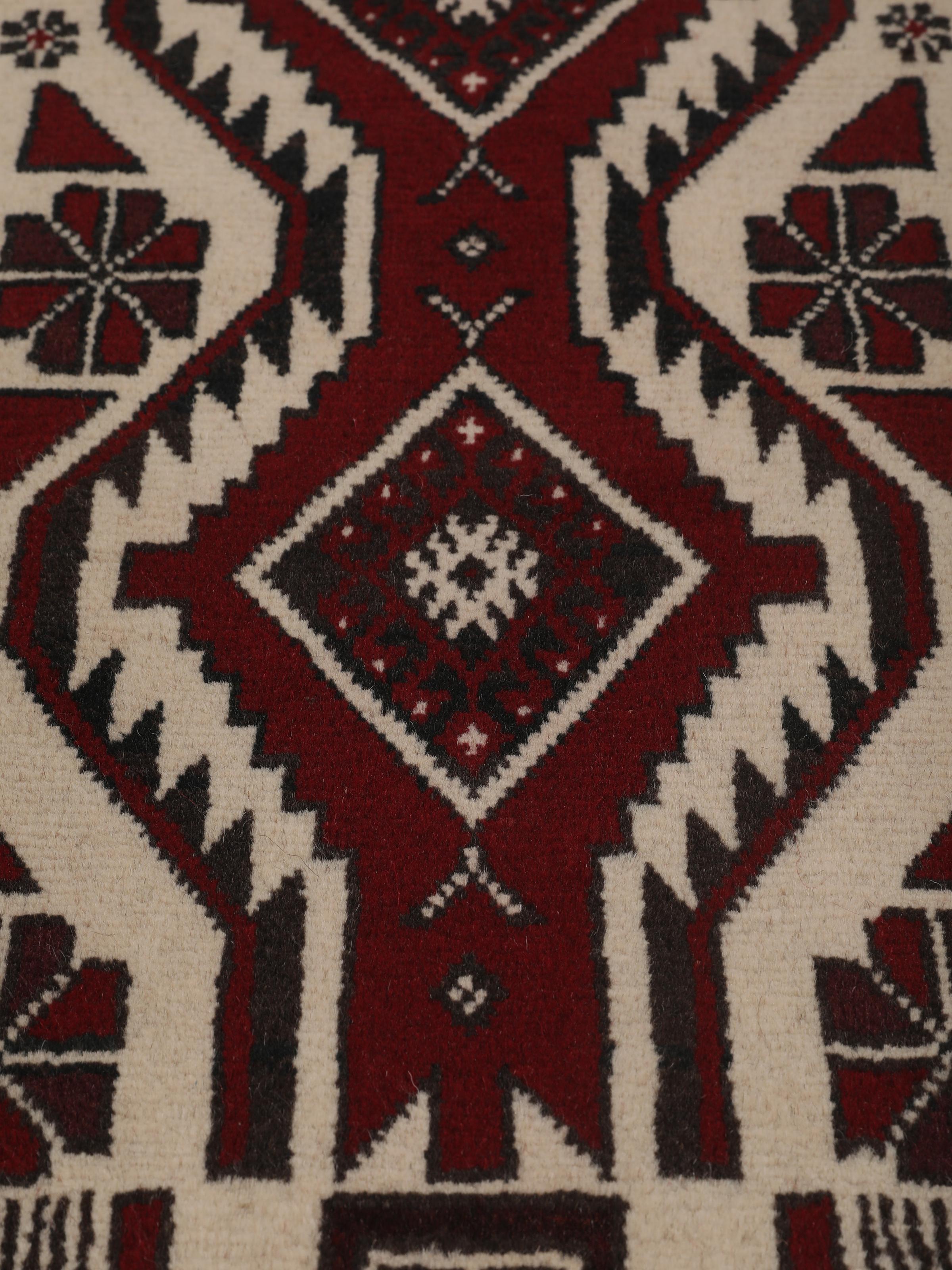
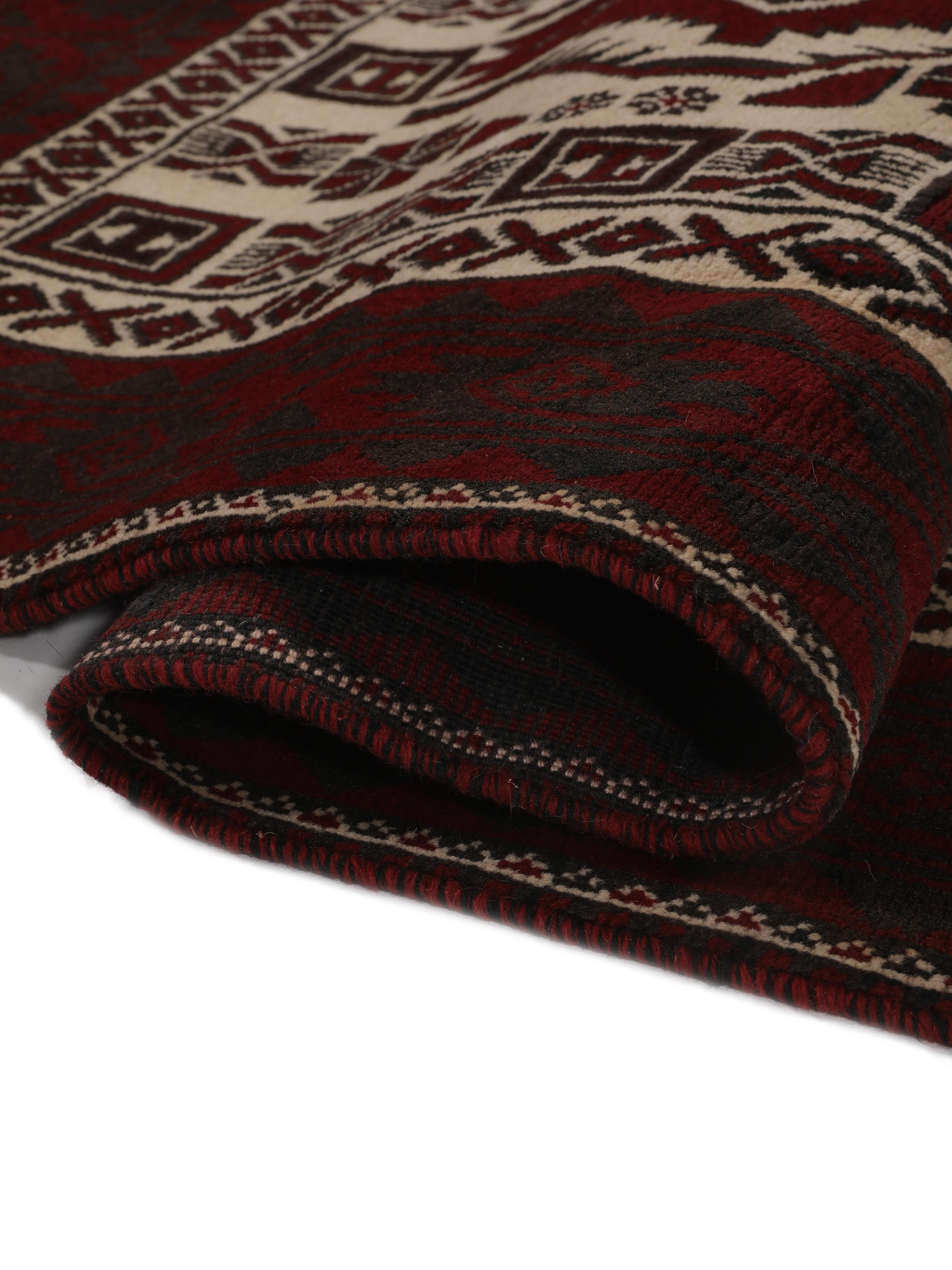
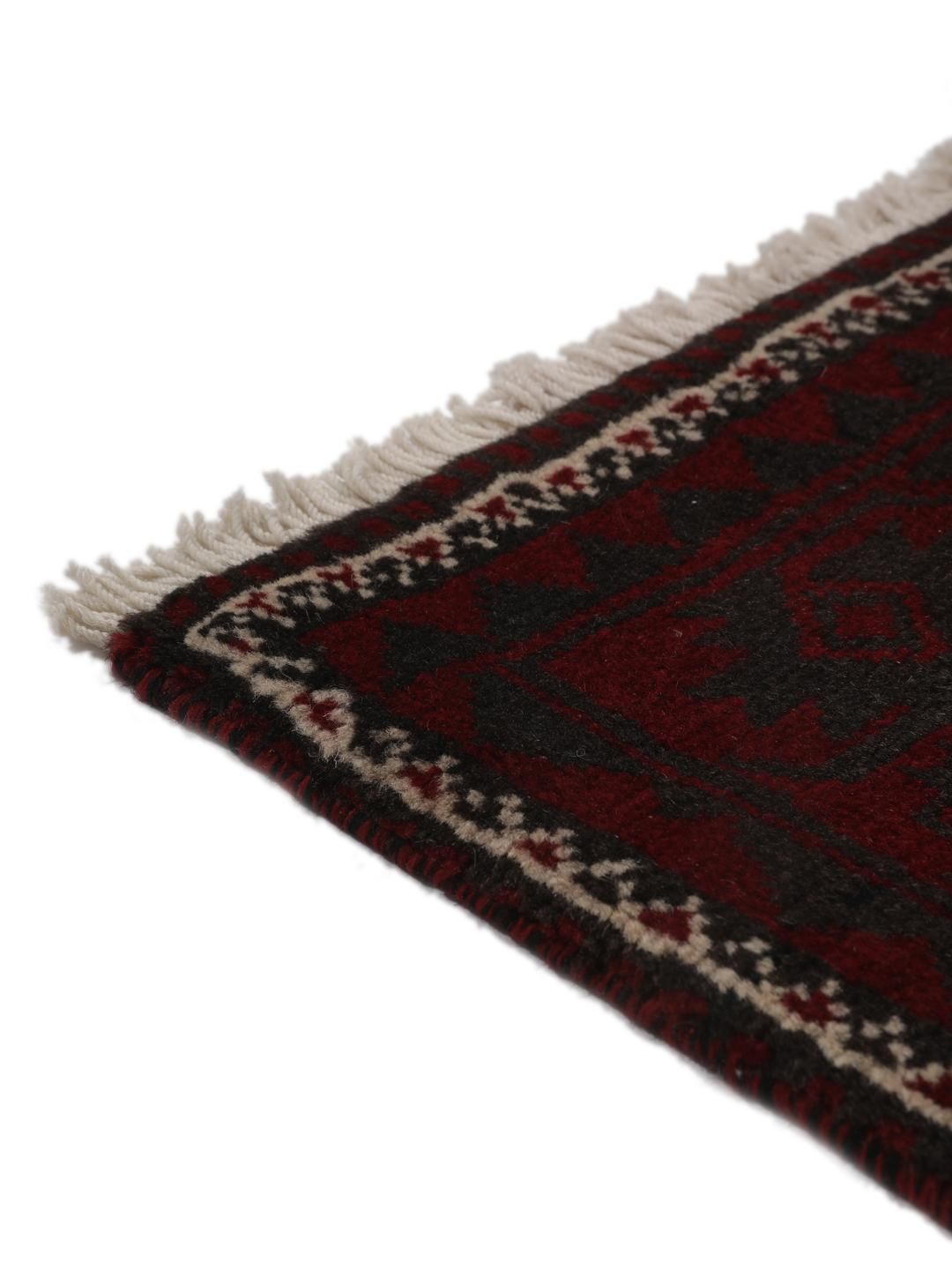
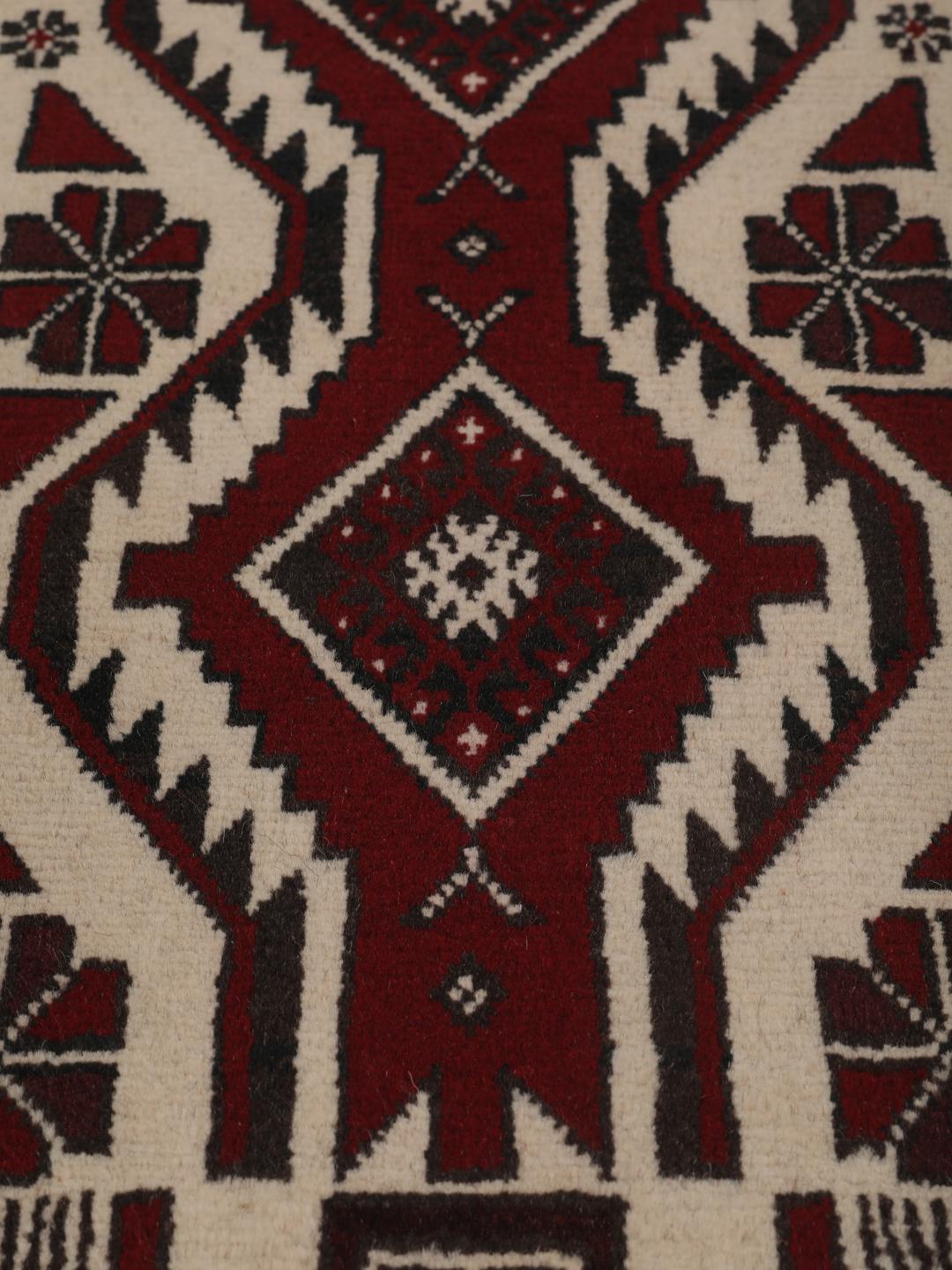
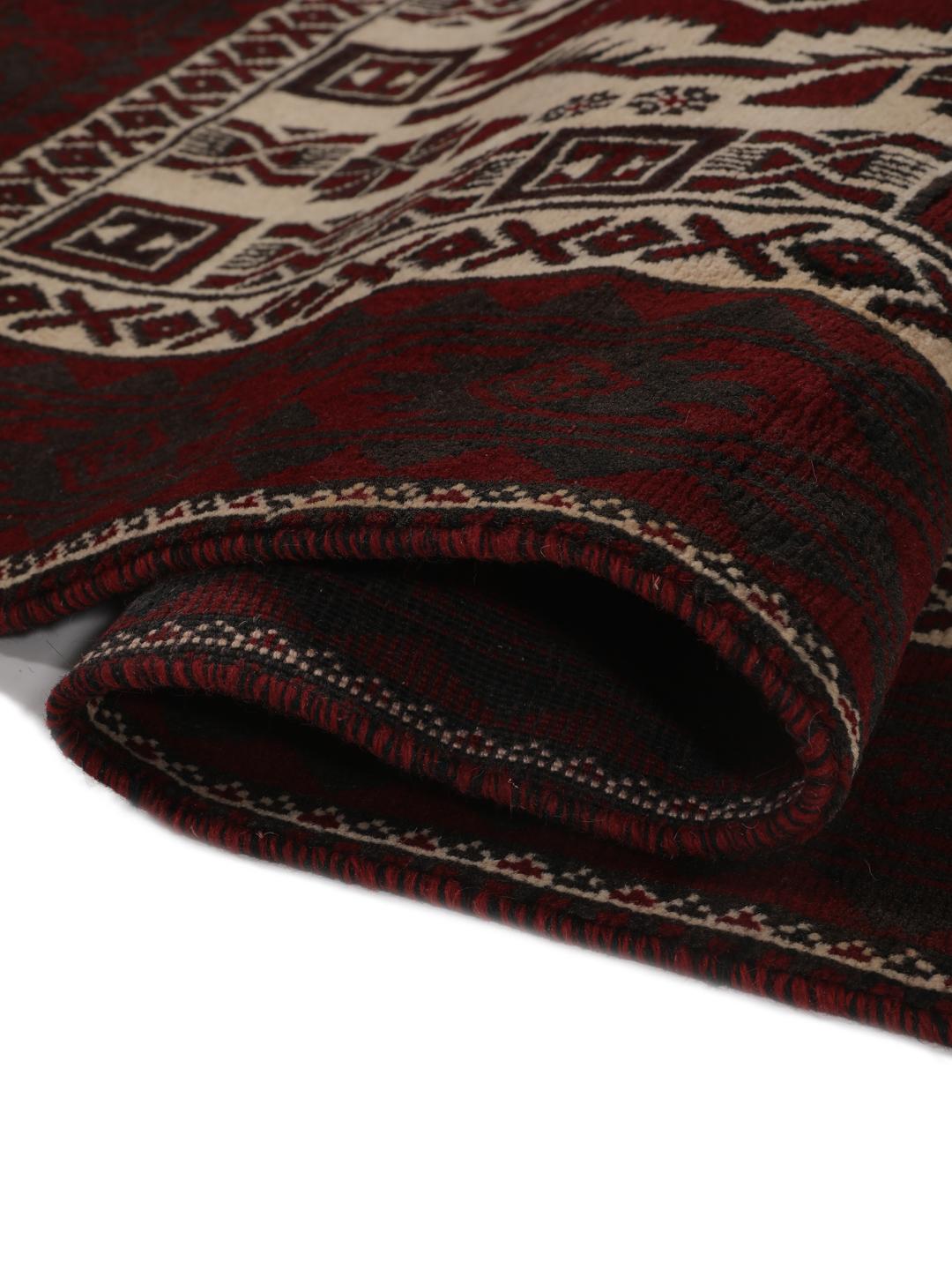
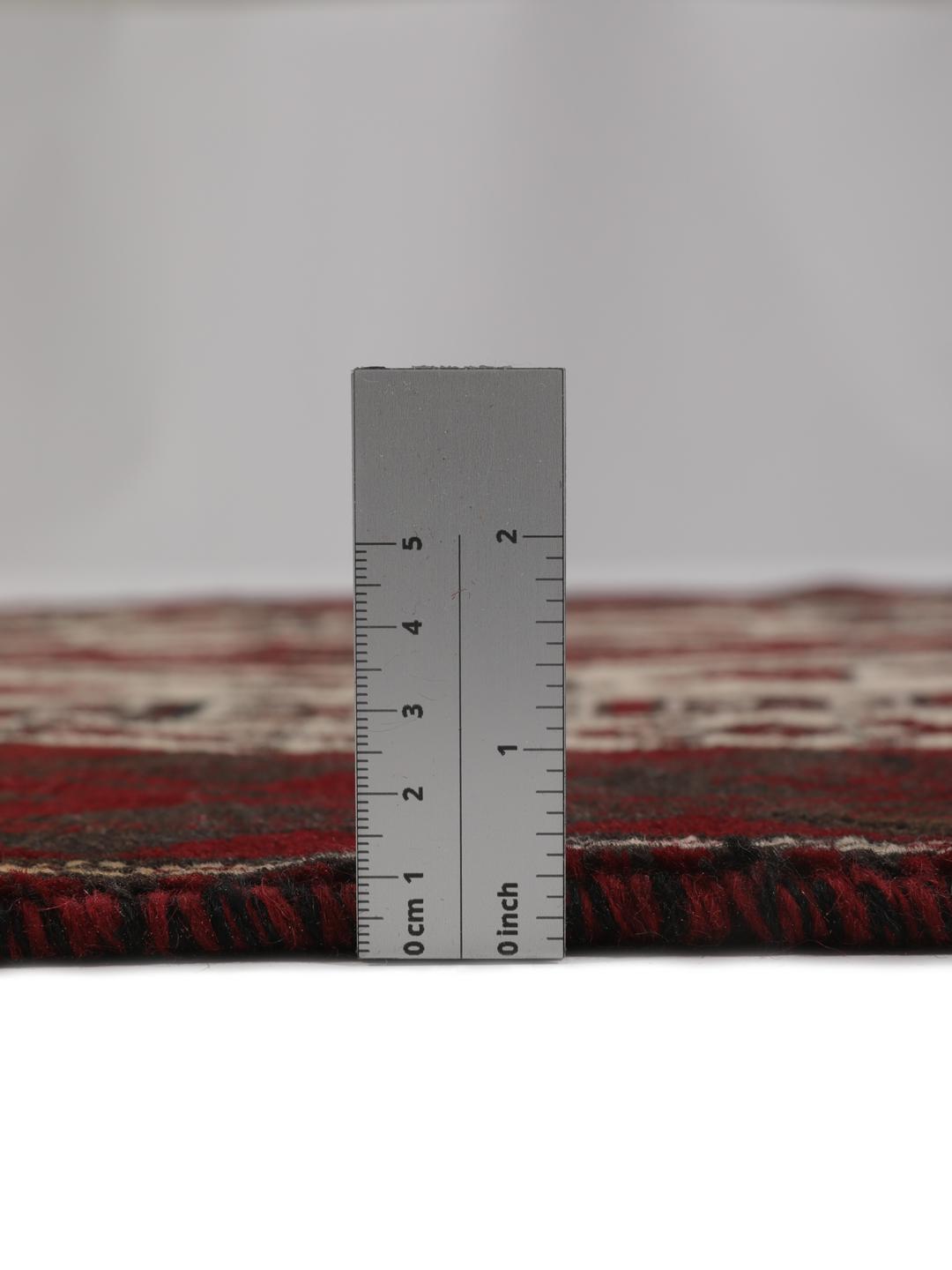
The term Baluch refers to both the people and the stylistic tradition, which is characterised by the use of high-quality, lustrous Wool. This material is chosen for its durability and its ability to take on rich, natural dyes. In the context of hand-knotted rugs, the quality of the Wool is essential for creating a pile that feels both soft and substantial, ensuring that the rug ages gracefully over time.
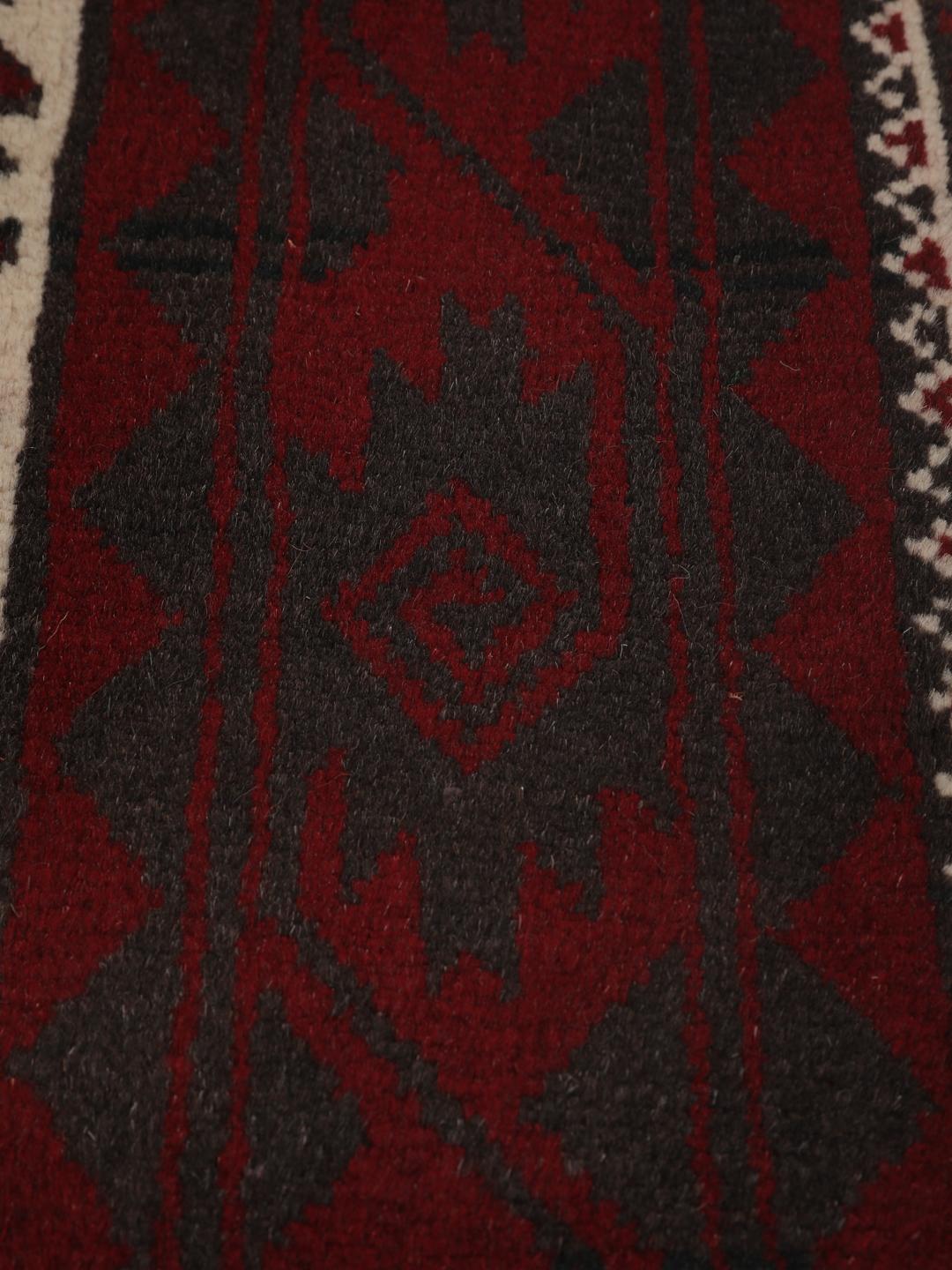
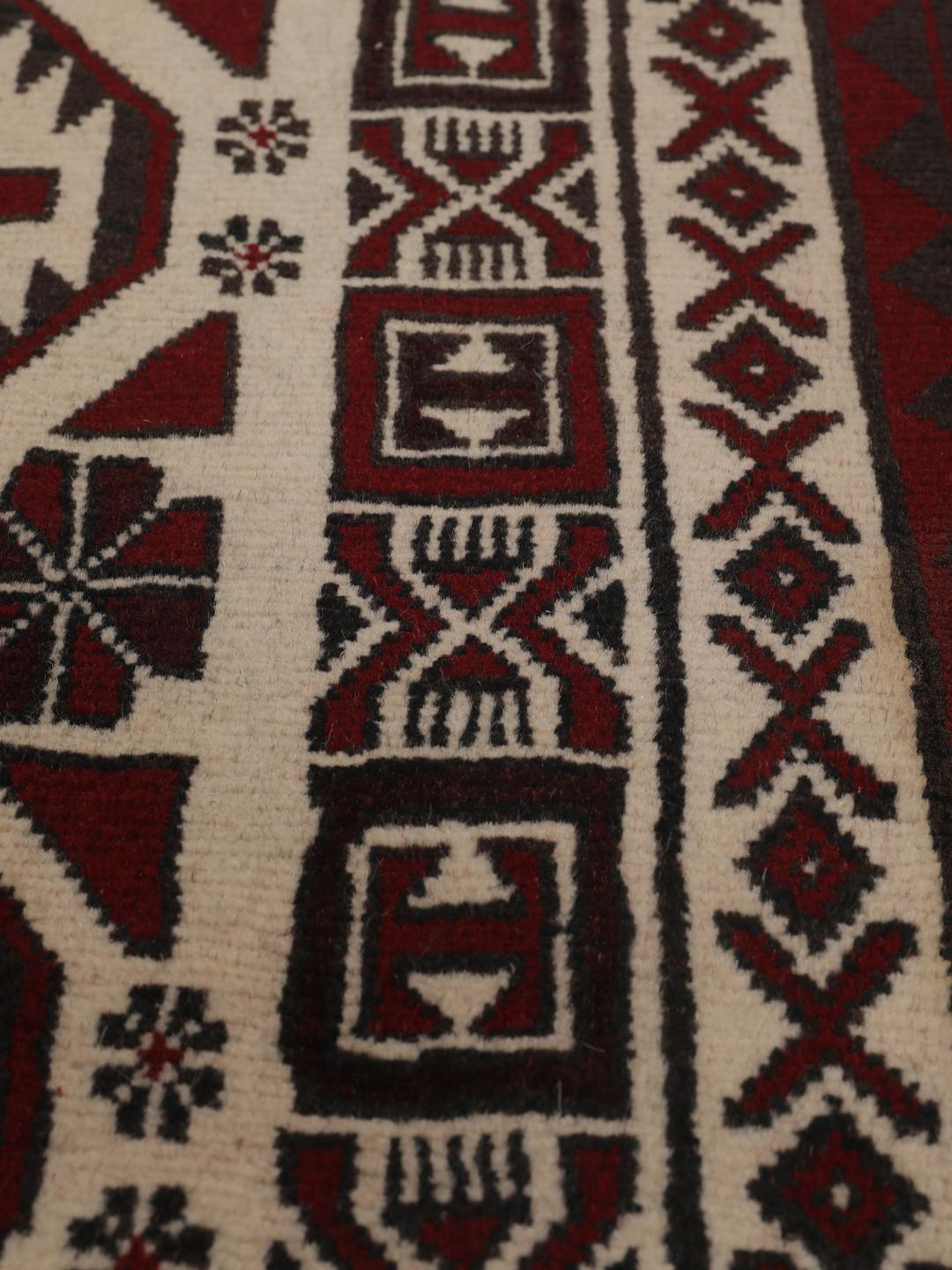
Visually, these rugs are known for their geometric language, often featuring repeating guls, diamonds, or stylised floral motifs. The borders are typically intricate, framing the field with a sense of balance and order. While they often utilise a palette of dark reds, browns, and deep blues, the specific arrangement of these colours makes each piece a unique expression of the weaver’s cultural background.
Owning a Baluch rug is more than just acquiring a floor covering, as it represents a connection to a long-standing craft tradition. Collectors value these pieces for their authenticity, the skill required to execute such fine patterns, and the way they bring history into a modern home. They are cherished for their ability to add warmth and a sense of legacy to any space they inhabit.