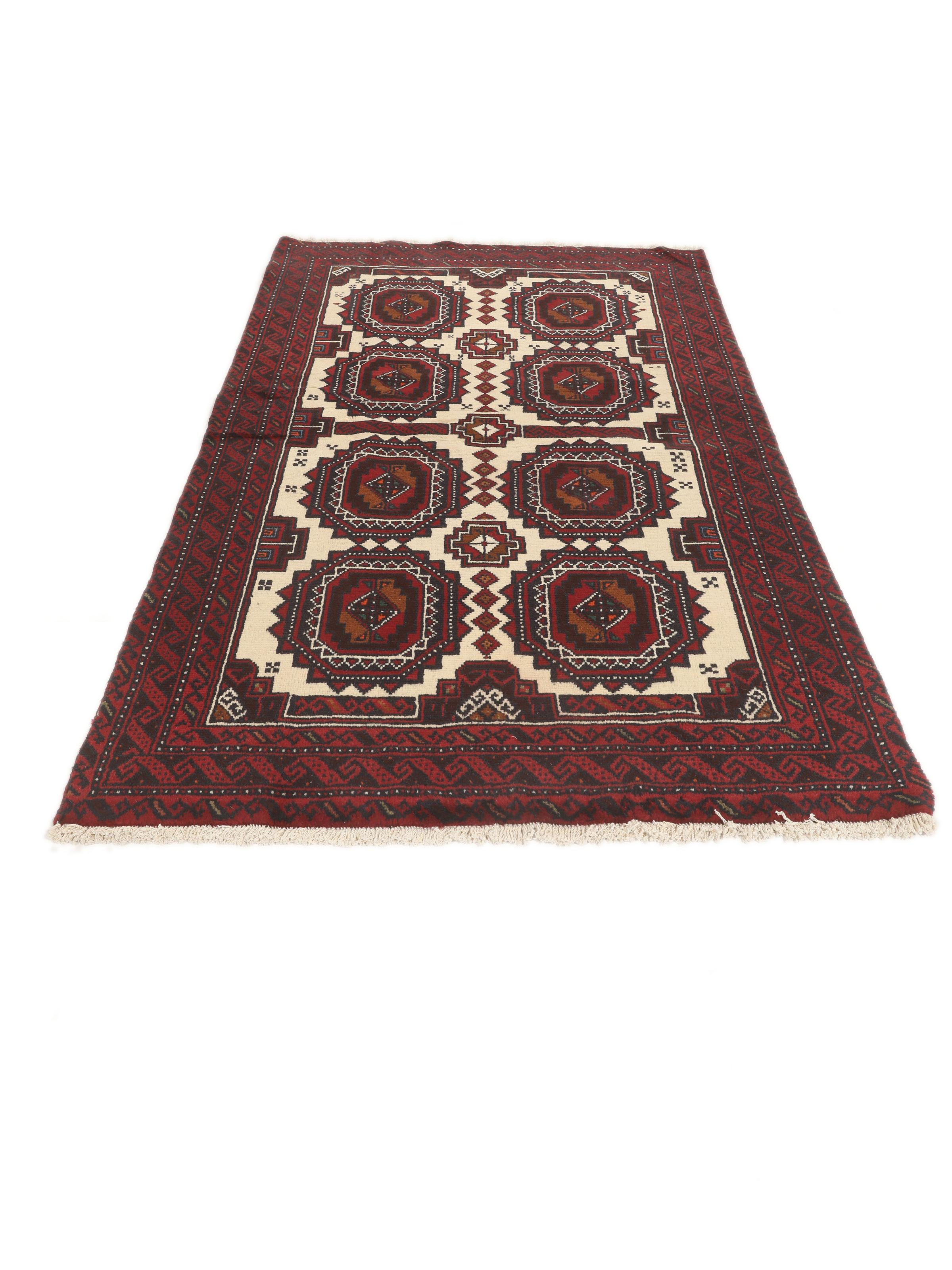
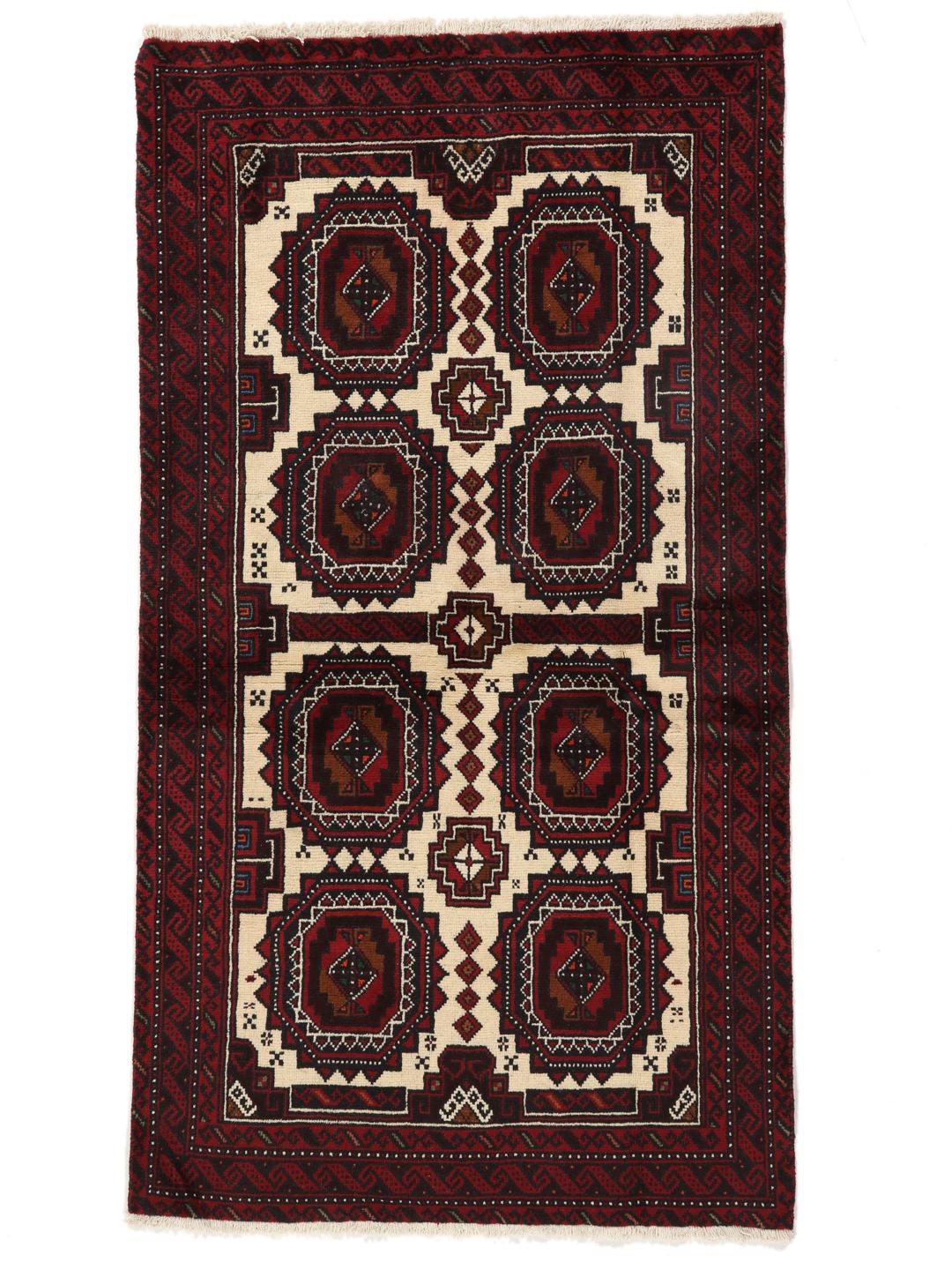
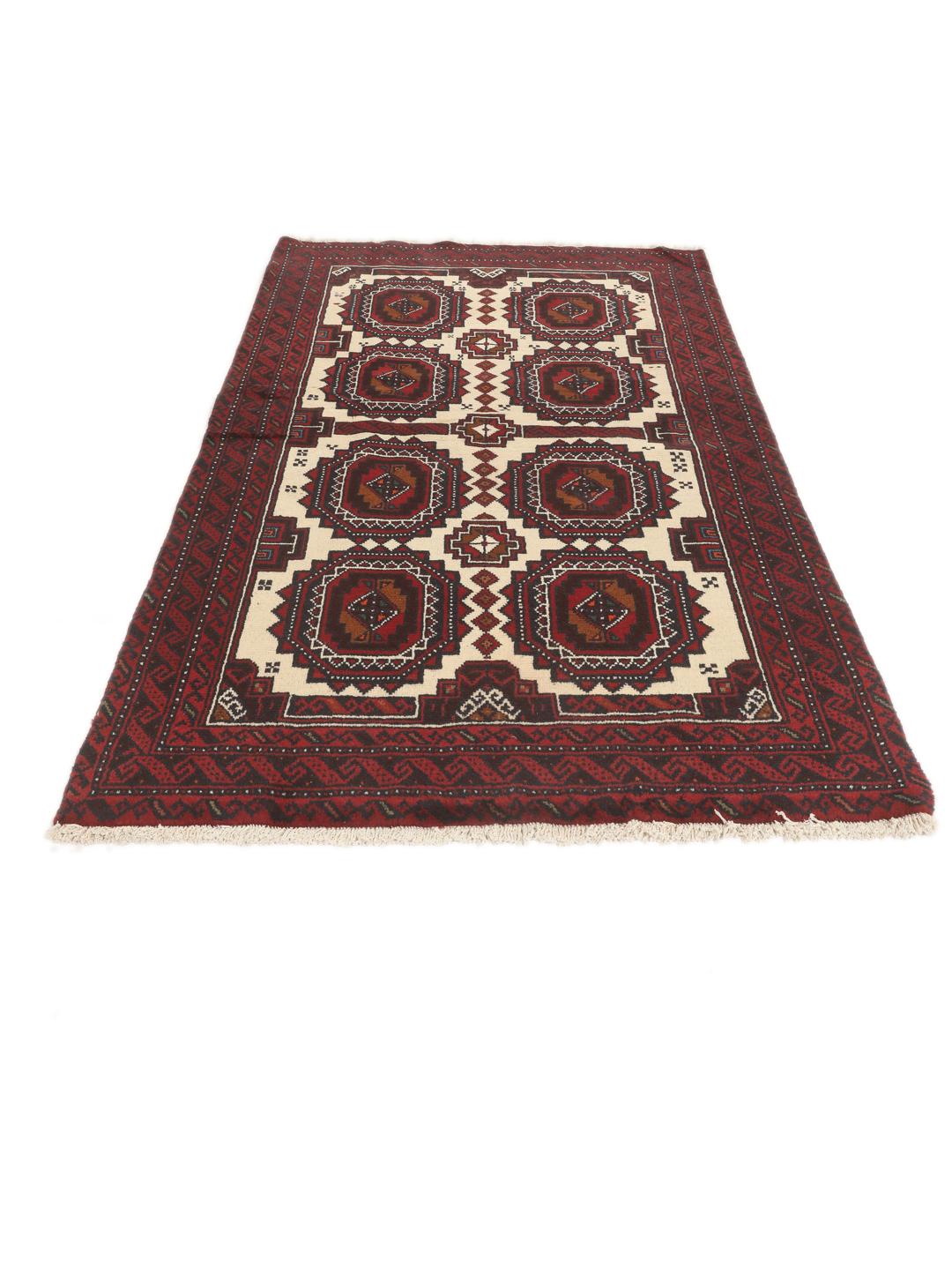
The Beluch rug tradition originates from the nomadic and semi-nomadic tribes of the border regions between the Middle East and neighbouring areas. These rugs are deeply rooted in a culture that has traversed the landscape for centuries, carrying their weaving traditions with them. The designs are often dictated by memory and tribal identity, passed down through generations of weavers as a way of preserving their cultural heritage.
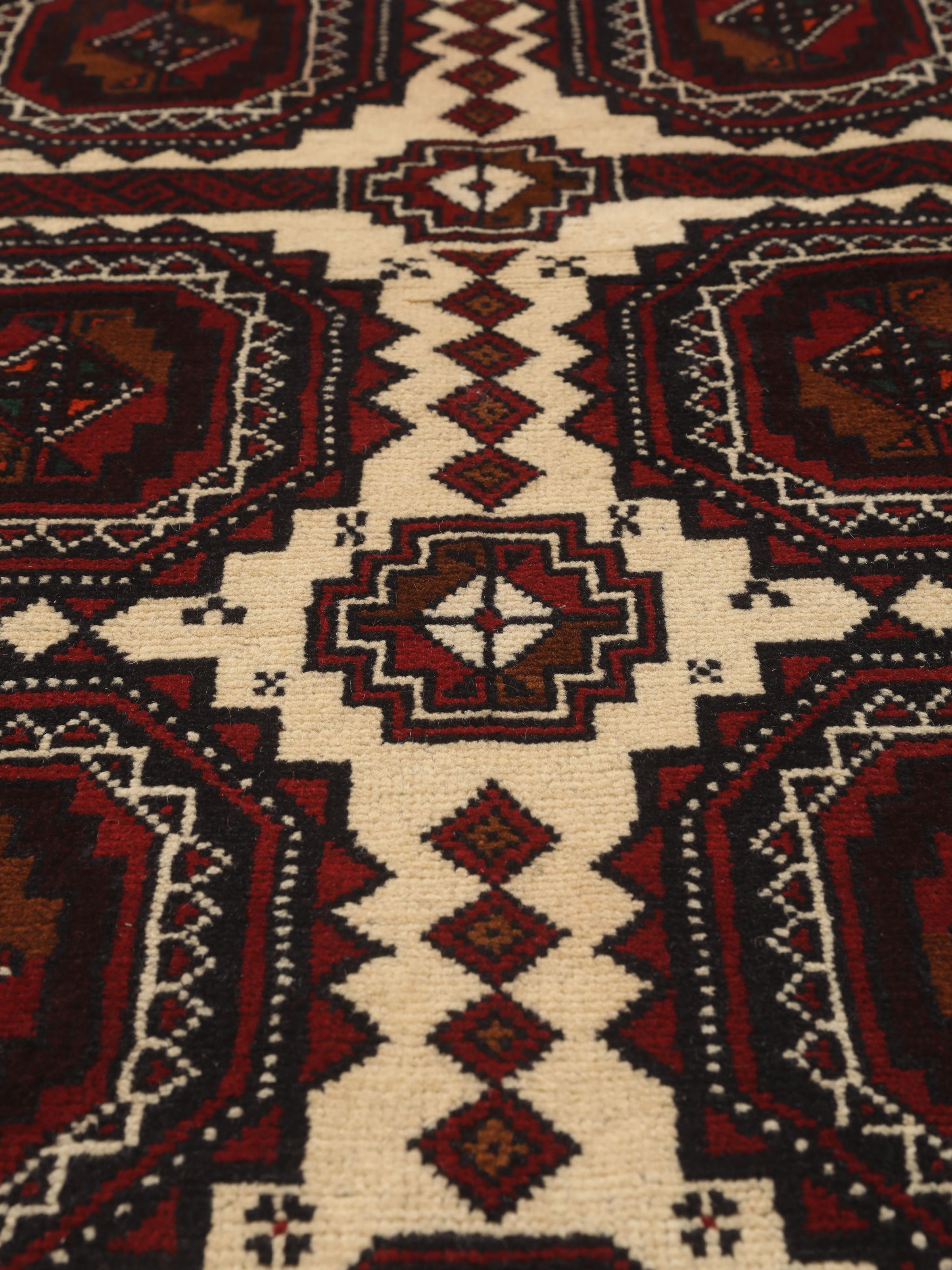
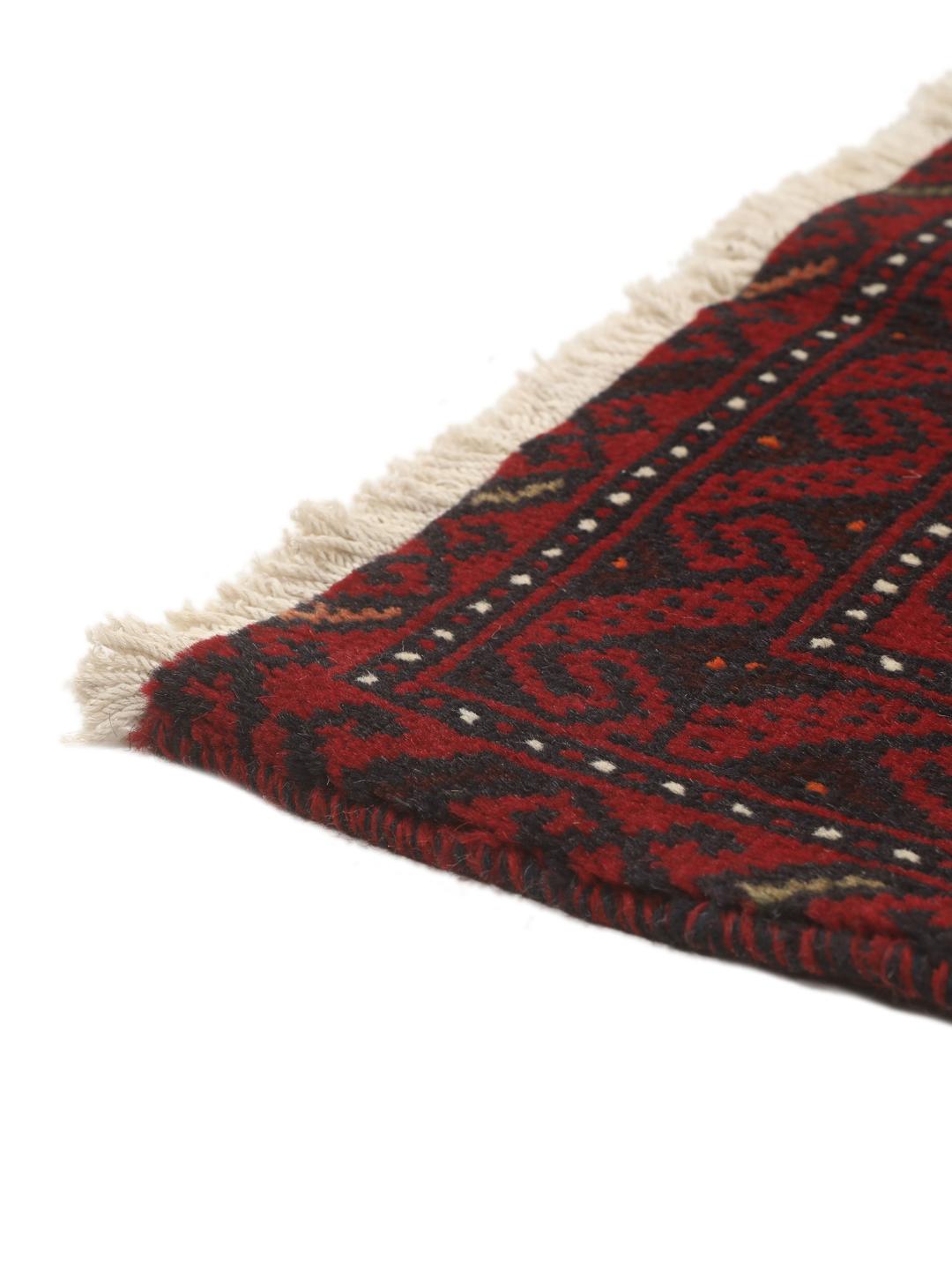
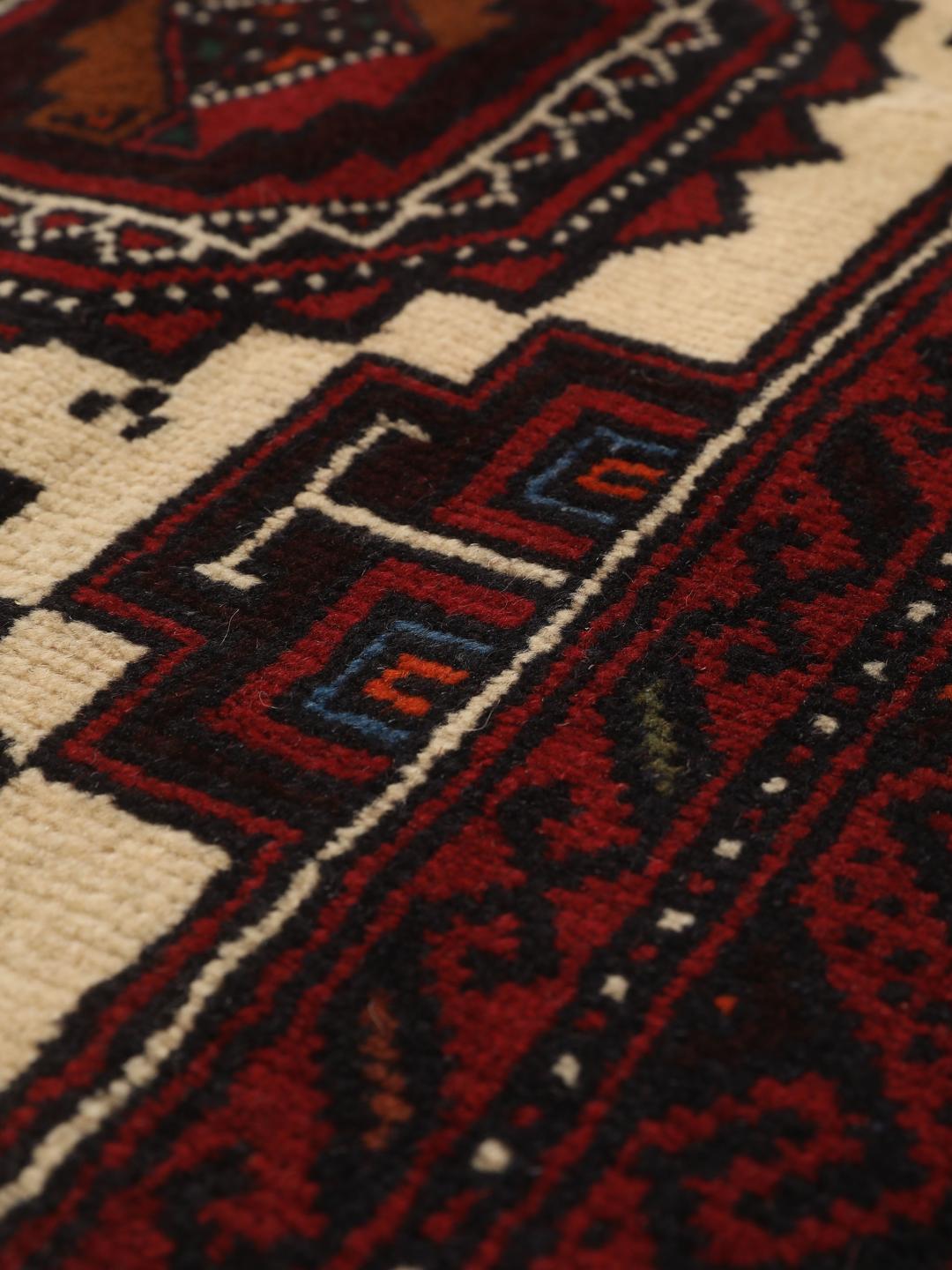
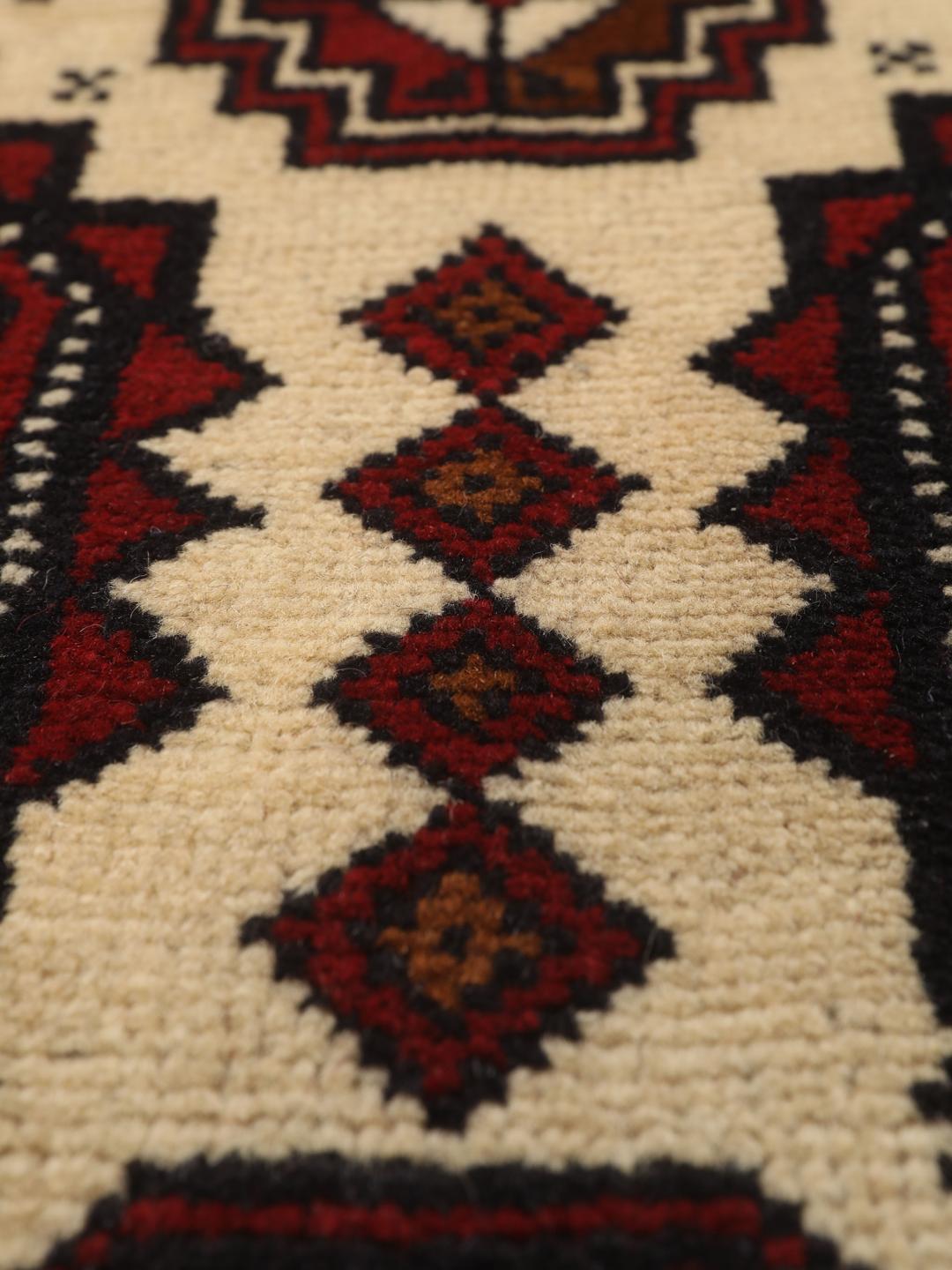
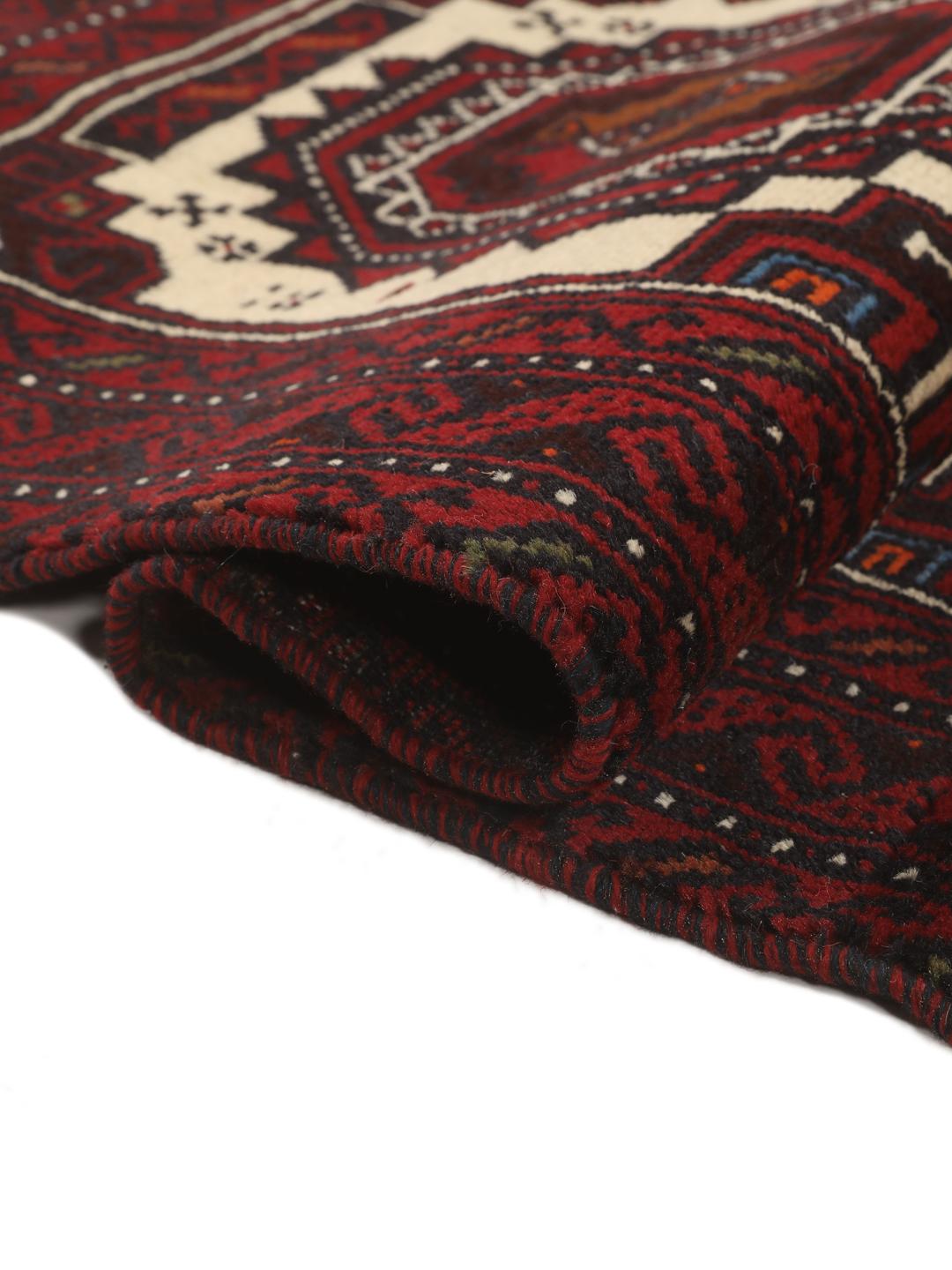
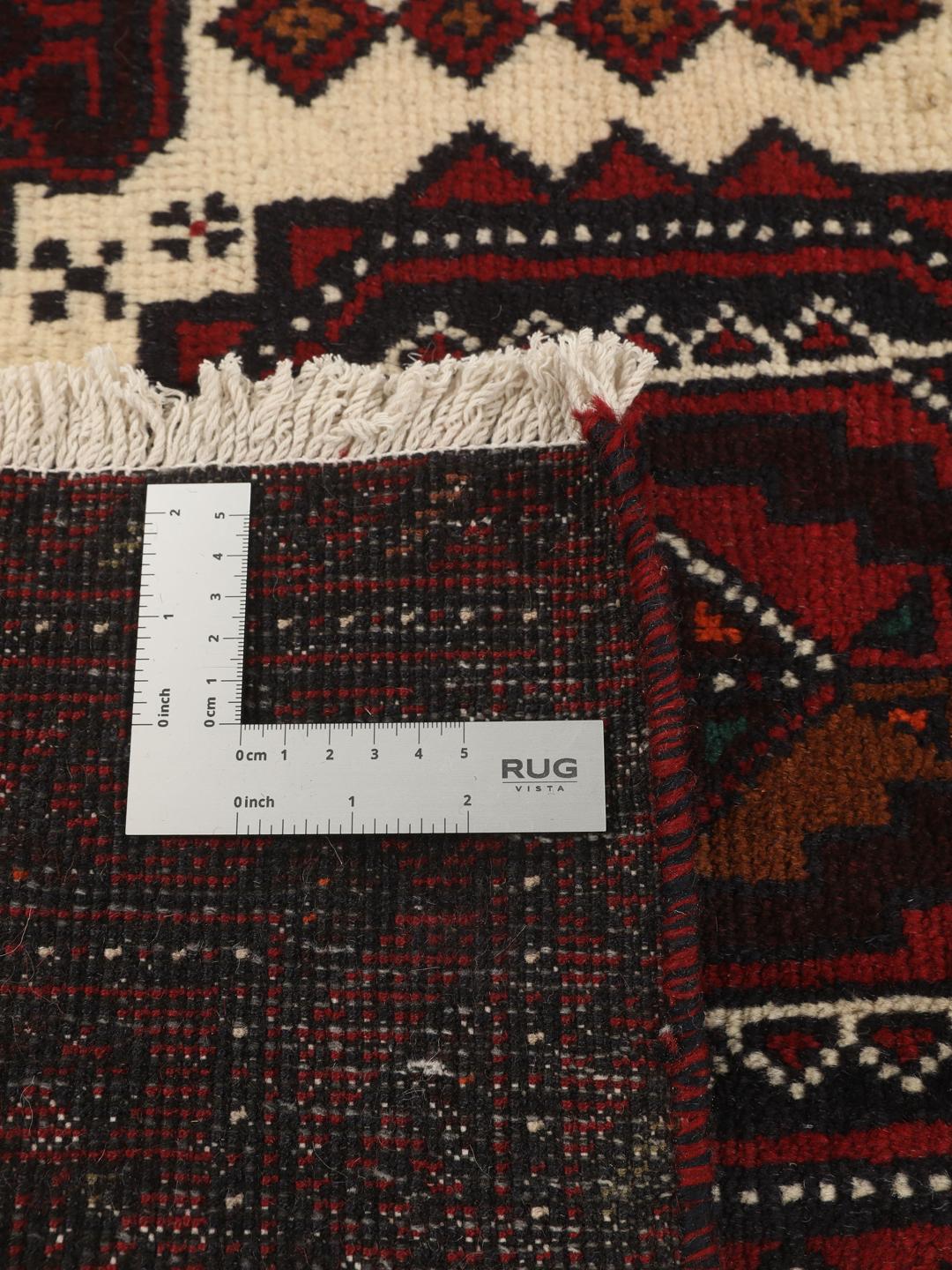
Technically, the Beluch style is celebrated for its tight, durable knotting and use of high-quality wool, which is often sourced directly from the tribe's own flocks. The term 'Beluch' refers specifically to these tribal origins, and the resulting rugs are prized for their lustrous finish and deep, earthy colour palettes. The construction is designed to be both portable for nomadic life and rugged enough to handle the demands of desert environments.
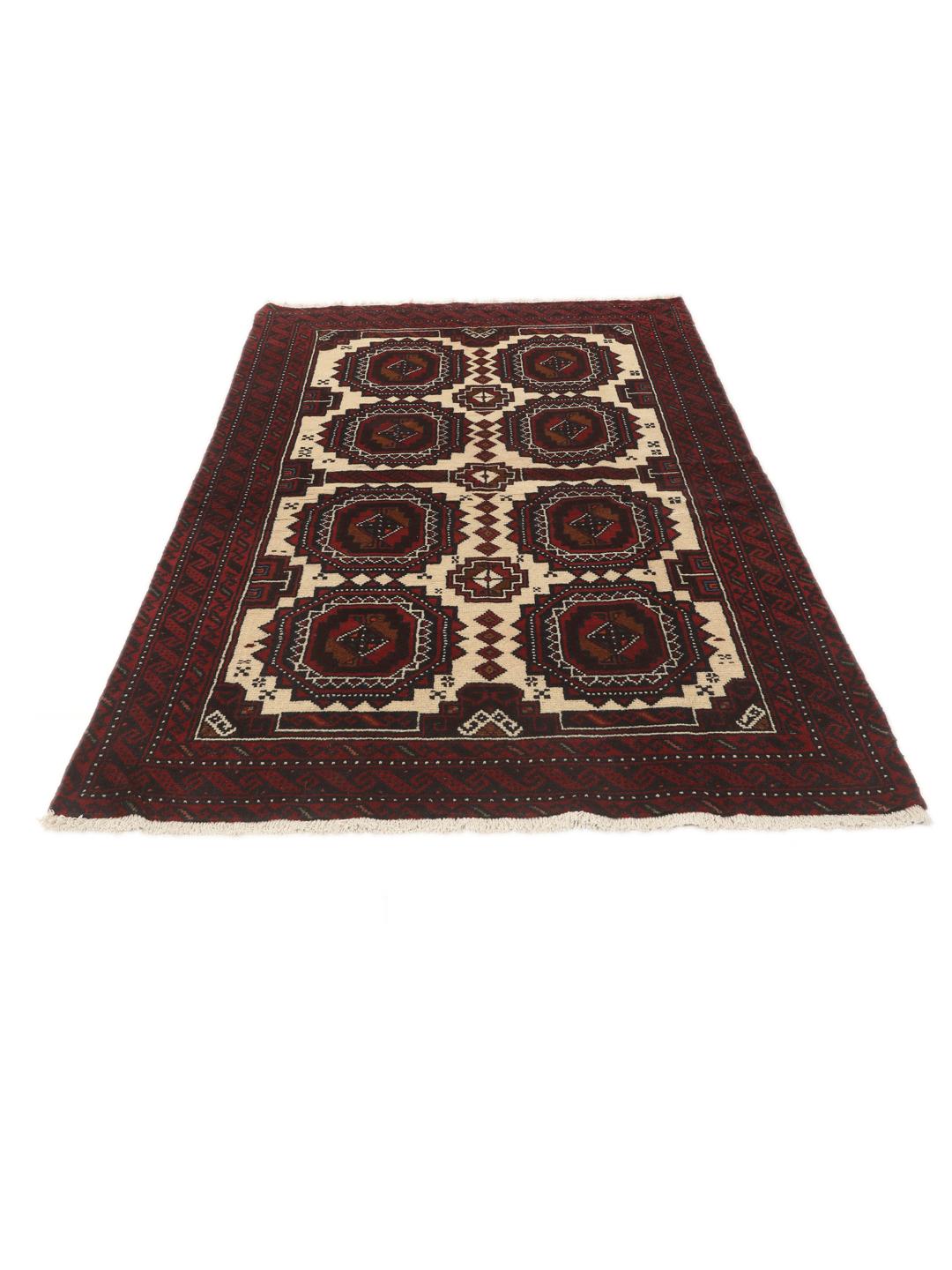
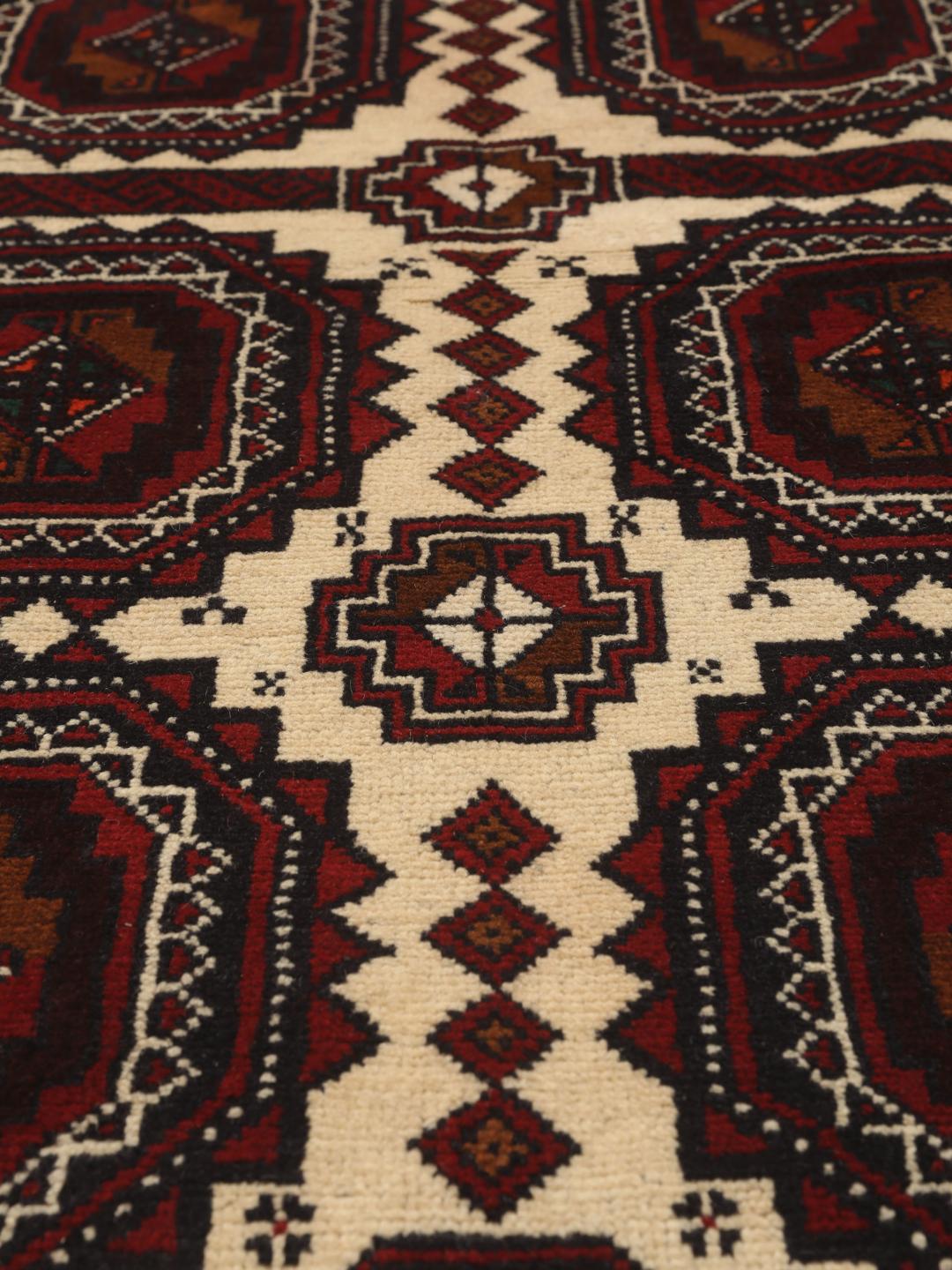
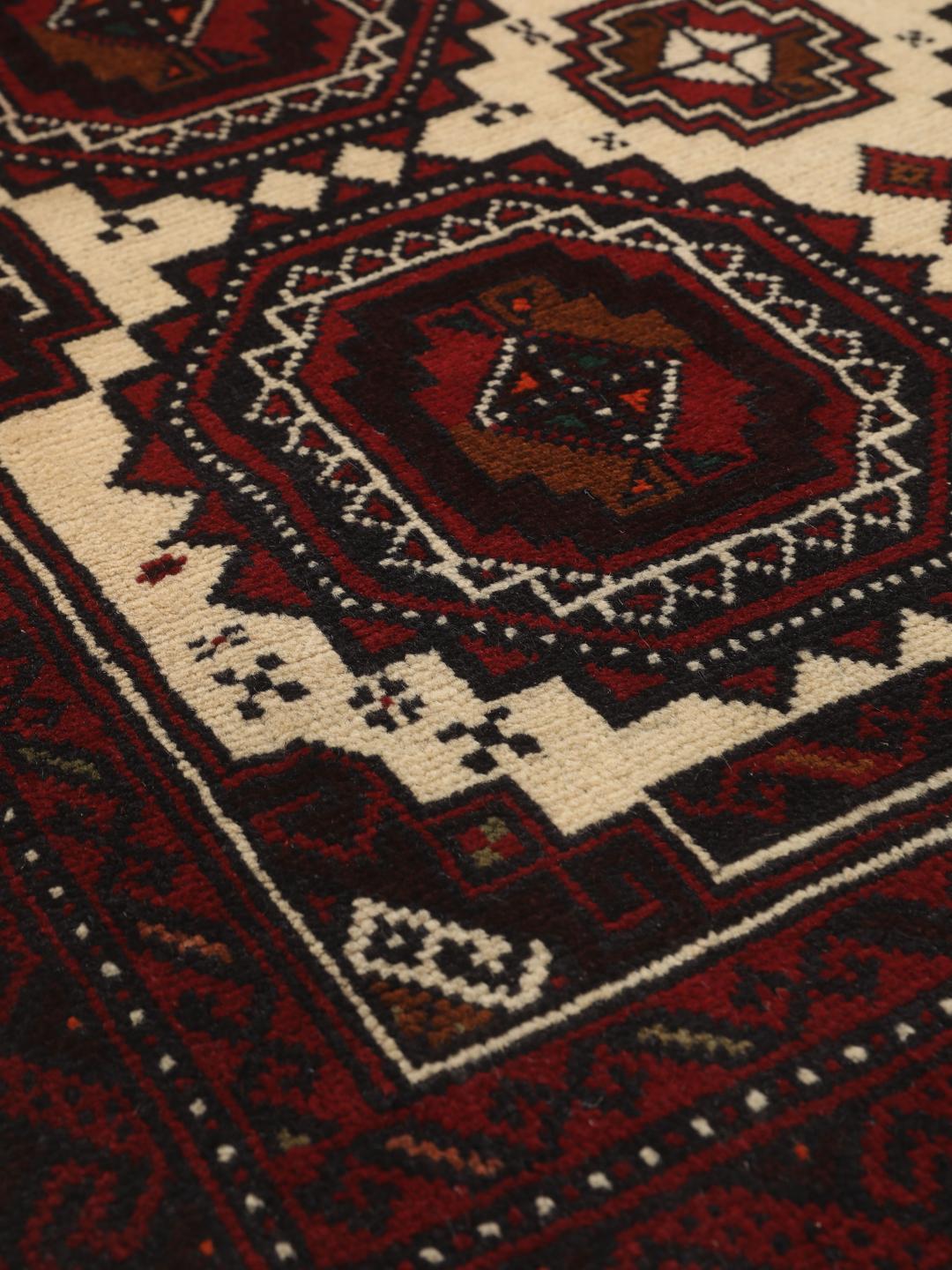
Signature design elements of these rugs include stylized geometric patterns and recurring medallions, often arranged in a thoughtful, balanced composition. The borders are typically filled with intricate, repetitive motifs that frame the central field, providing a sense of order to the overall design. The use of deep red and contrasting natural shades is a hallmark of the tradition, creating a powerful visual impact that feels both ancient and contemporary.
Today, these rugs are highly sought after by collectors who value the individual expression and raw skill embedded in every piece. Owning a Beluch rug is an opportunity to own a fragment of a vibrant, living history. It is more than just a floor covering; it is a testament to a way of life that prizes community, storytelling, and the enduring beauty of hand-crafted objects.