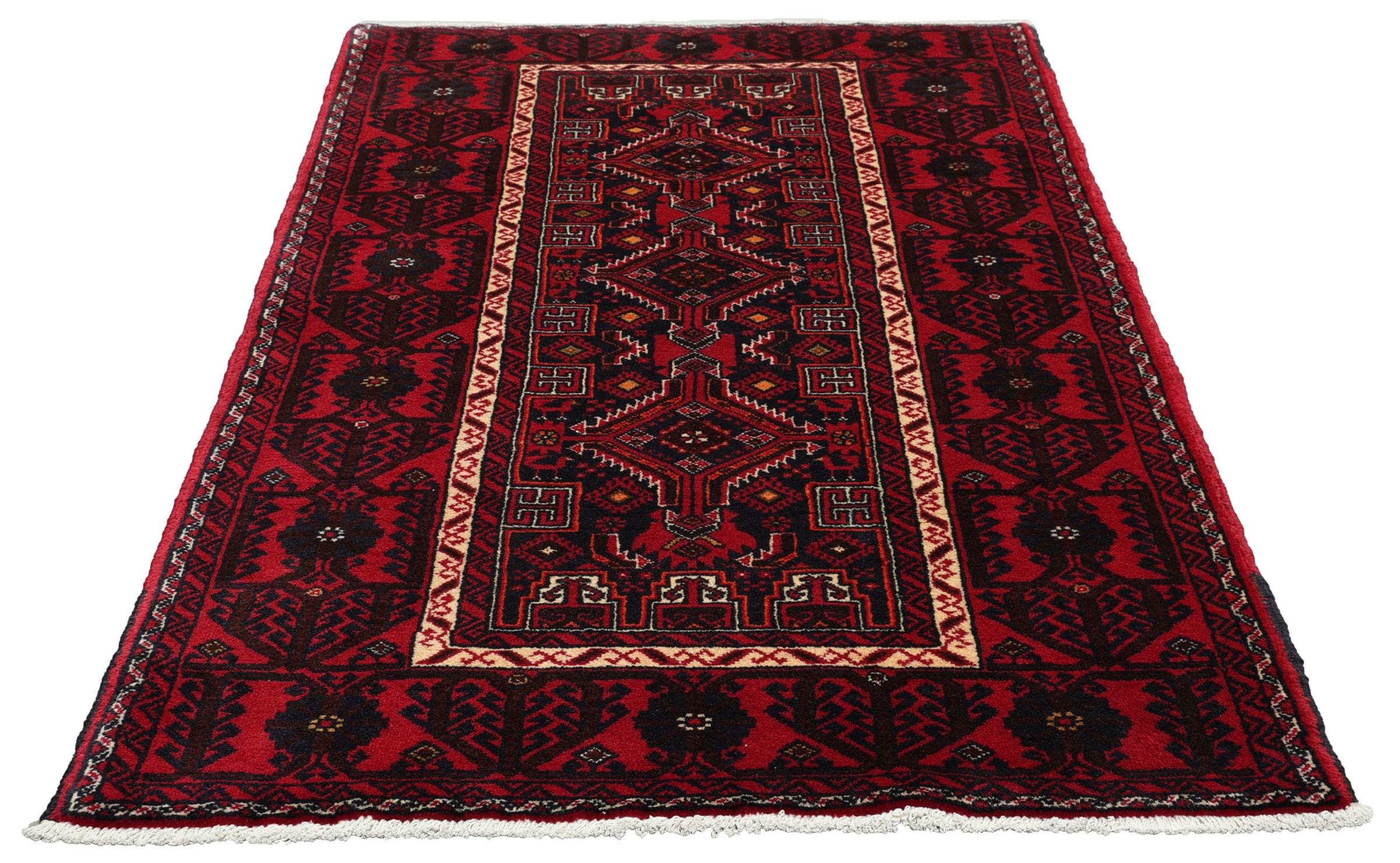
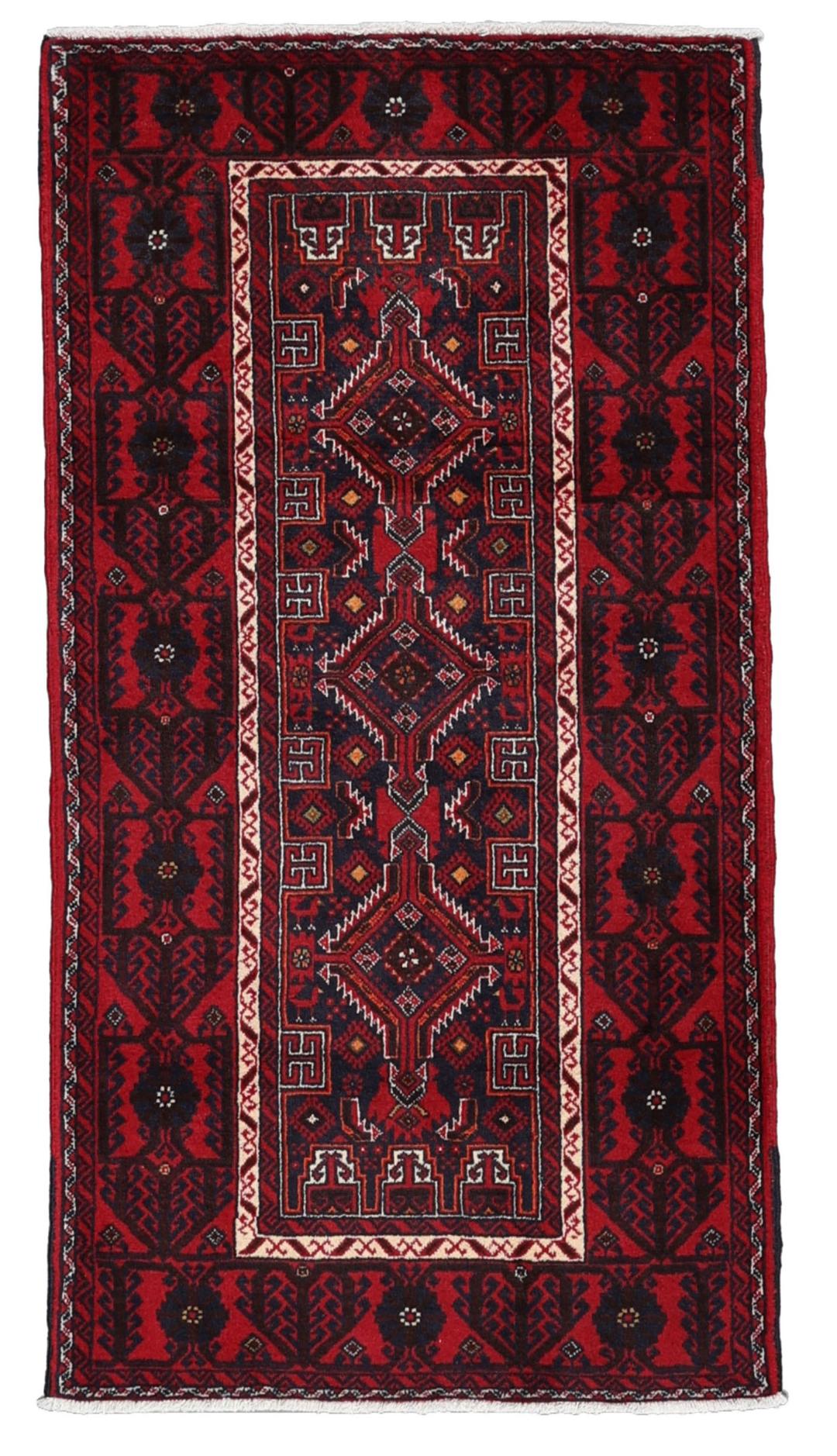
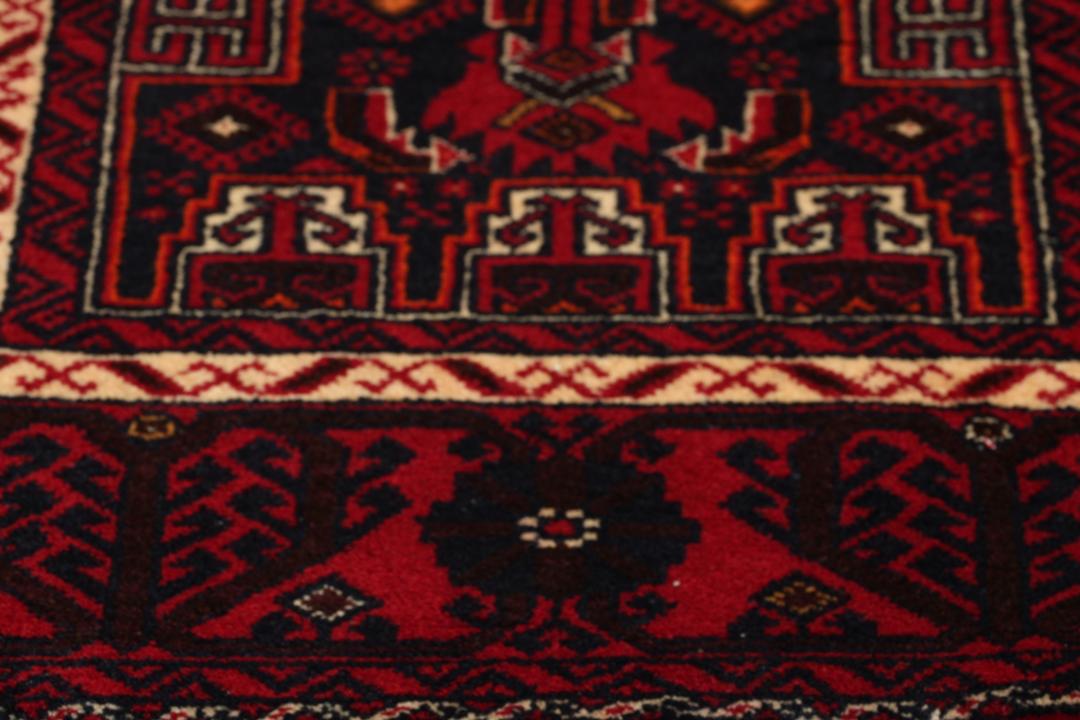
Baluch rugs are deeply rooted in the nomadic traditions of the Middle Eastern borderlands, where the Baluchi people have maintained a distinct weaving culture for centuries. These rugs were historically crafted by nomadic tribes to serve both functional and decorative purposes, often used as portable floor coverings or storage bags during seasonal migrations. The evolution of these rugs reflects a blend of cultural influences from the diverse regions the tribes traversed.
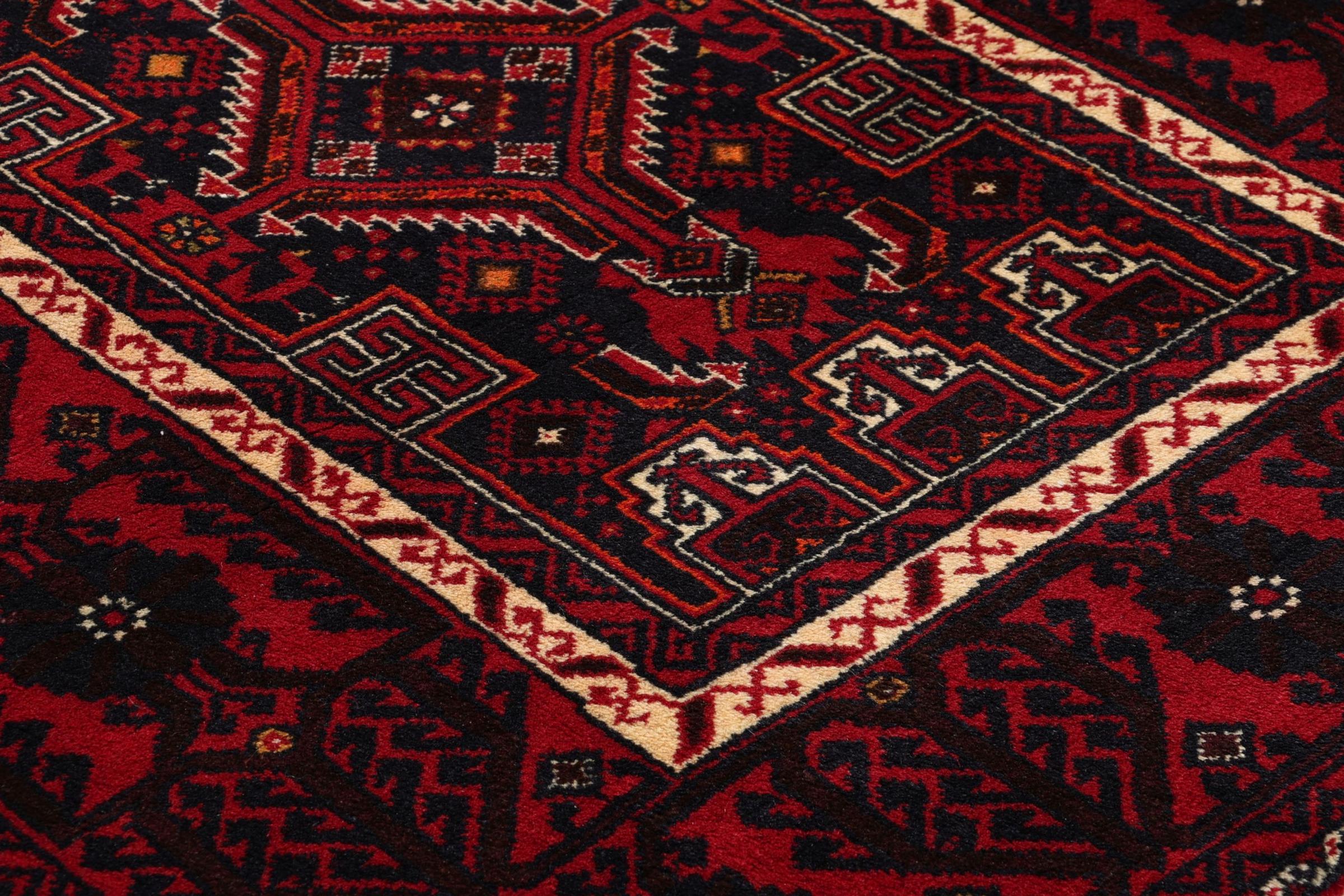
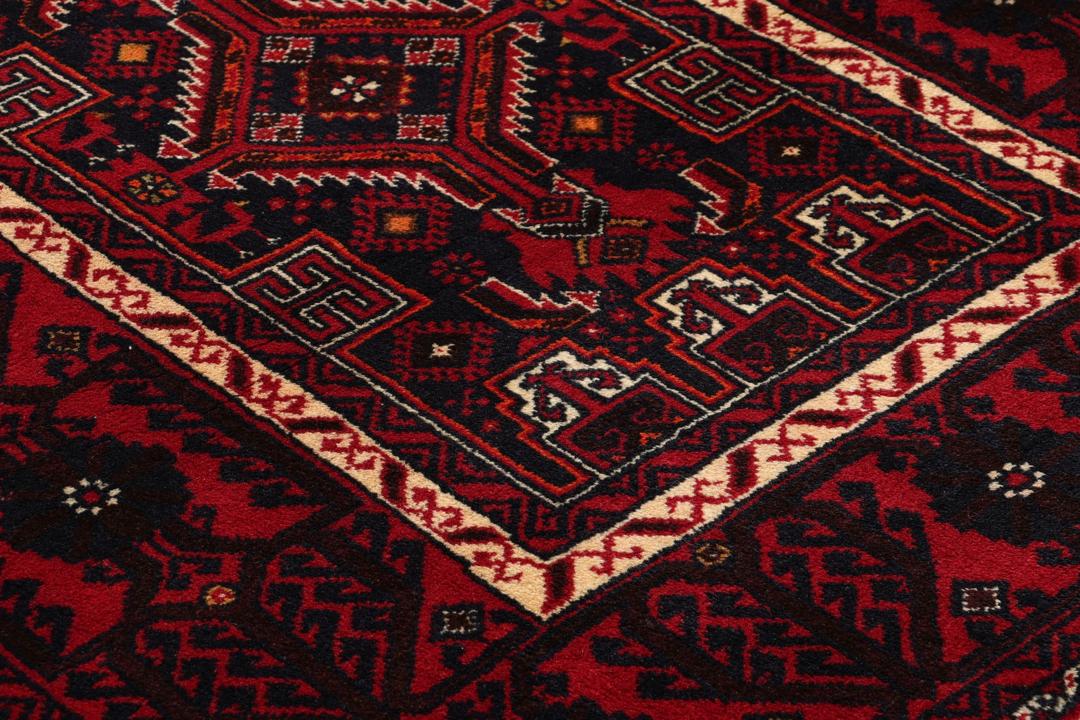
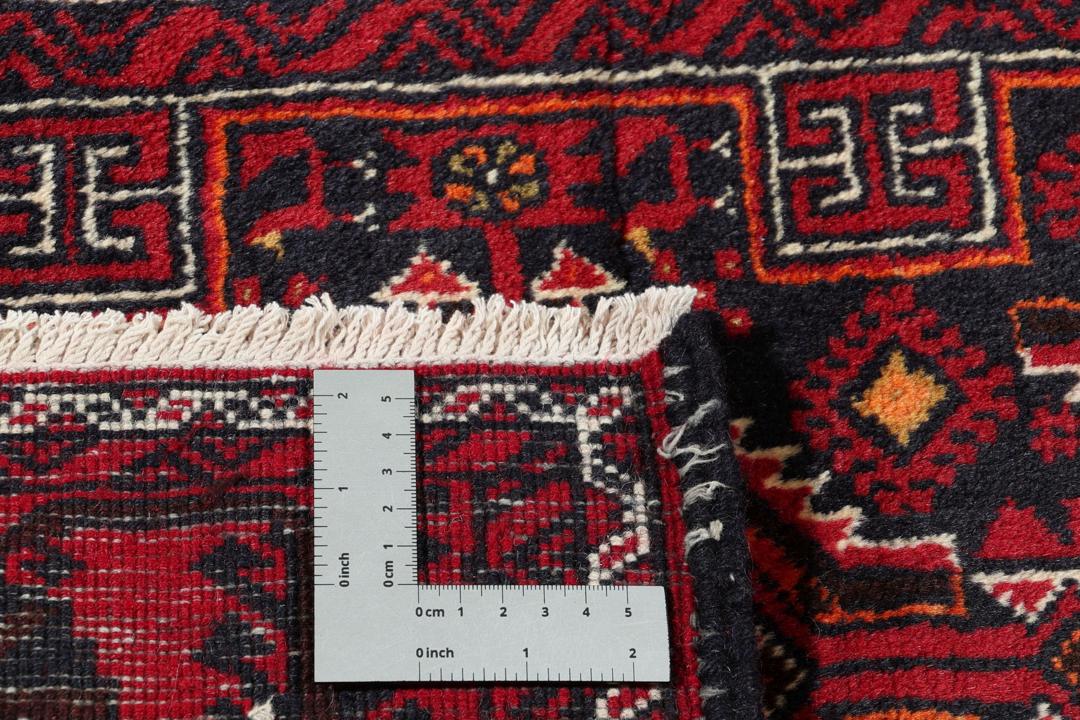
The terminology used to describe these pieces often relates to the specific tribal origins and the materials employed. Using high-quality, long-staple wool, weavers create a dense pile that is naturally resistant to wear and easy to maintain. The term 'hand-knotted' refers to the technique where individual knots are tied to the foundation, creating a rug that is both flexible and incredibly strong, ensuring that the intricate patterns remain clear for decades.
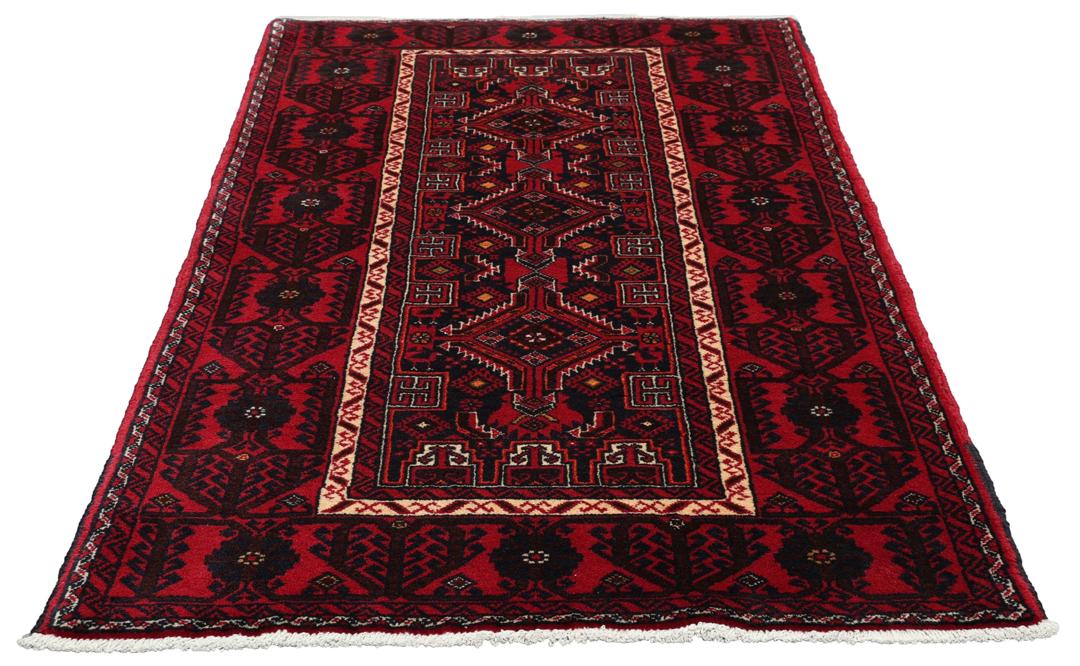
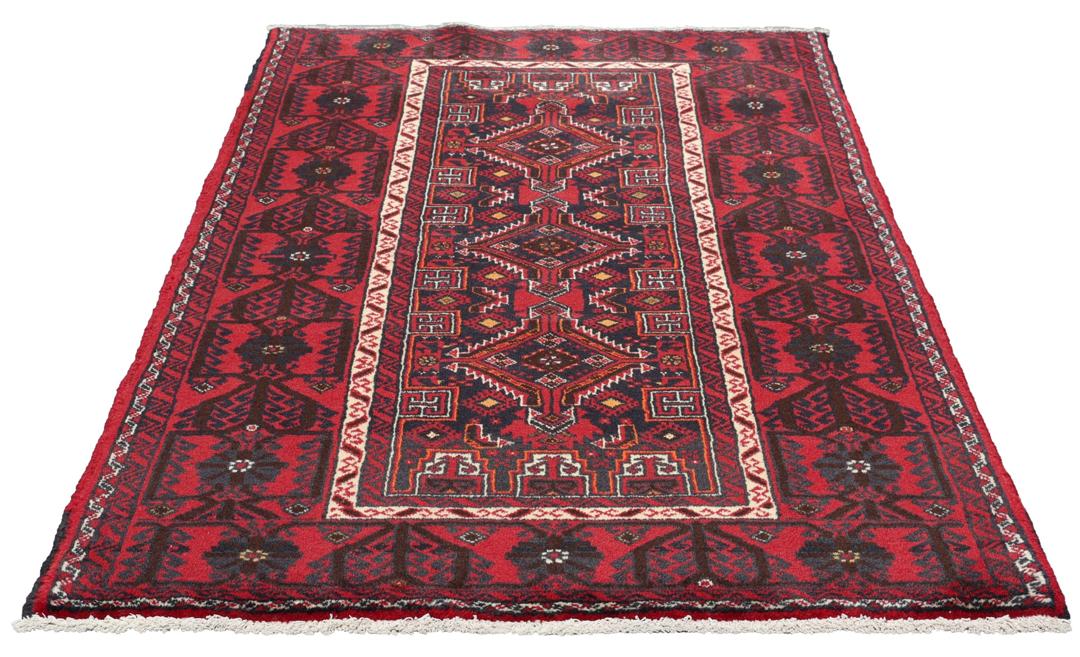
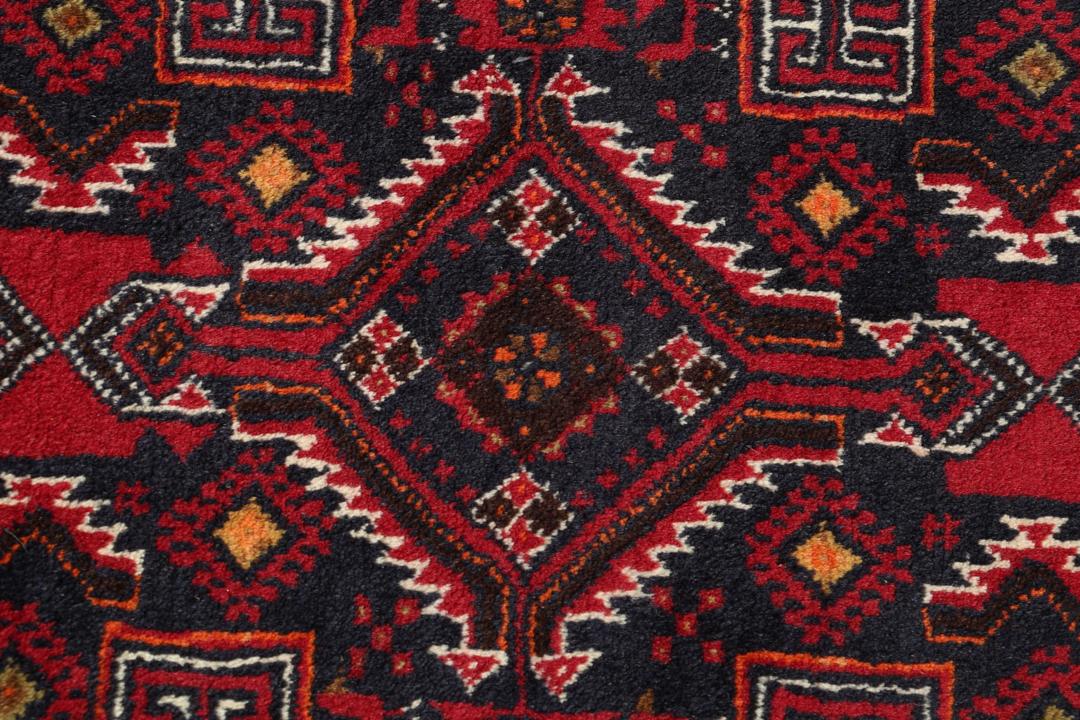
Visually, these rugs are celebrated for their sophisticated use of dark, earthy palettes, with deep reds, browns, and blacks dominating the field. The designs typically feature geometric medallions, repeating motifs, and stylized floral or animal elements that hold symbolic meaning within the weaving community. The borders are often complex, framing the central field with precision and providing a beautiful contrast to the more open, central patterns.
Today, these rugs are highly sought after by collectors who value the authenticity and human element present in every stitch. Owning a Baluch rug is more than just a decor choice; it is an appreciation of a heritage that values patience, skill, and the preservation of ancient design languages. These pieces are intended to be passed down through generations, serving as a lasting connection to the artistry of the past.