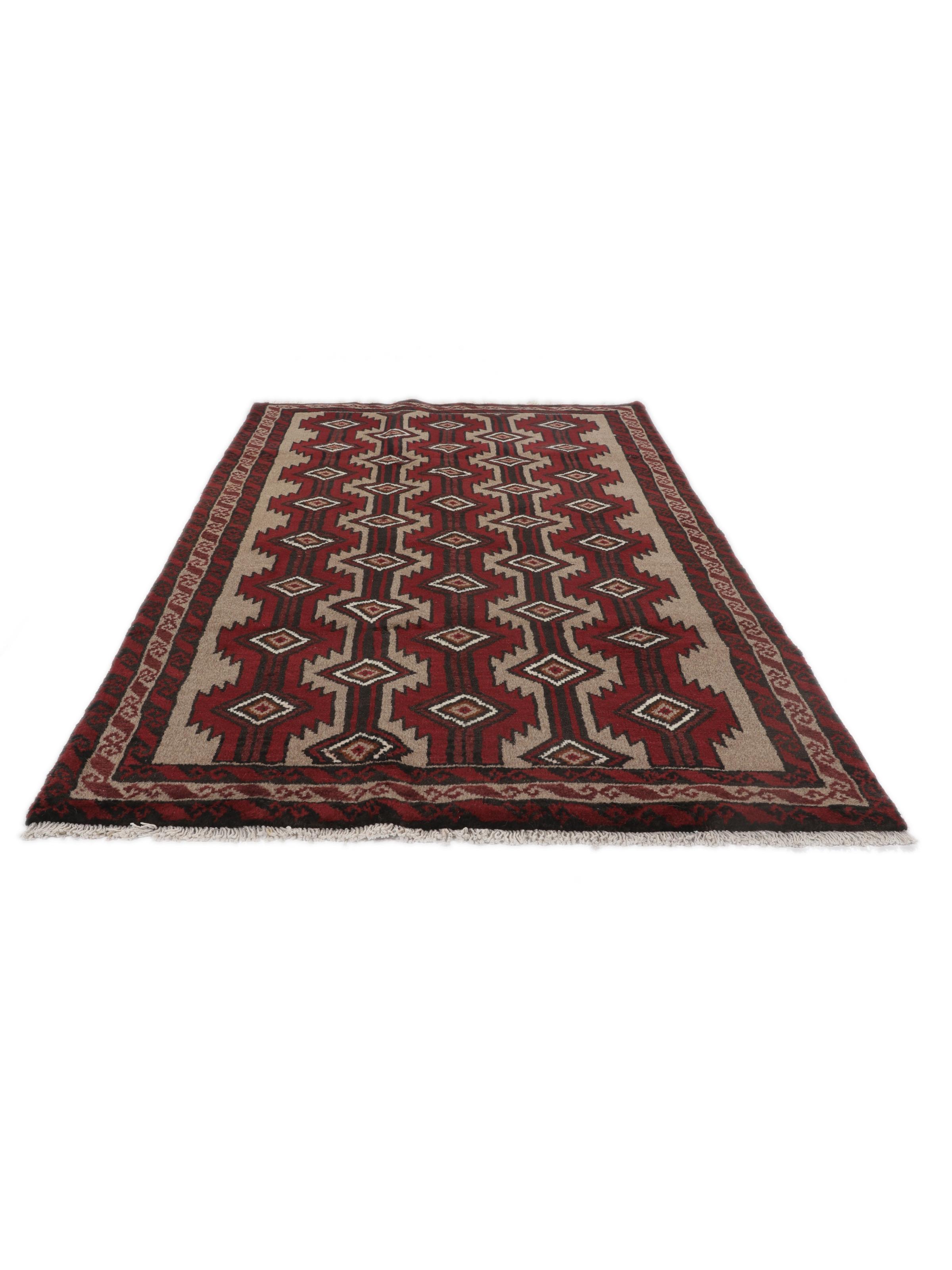
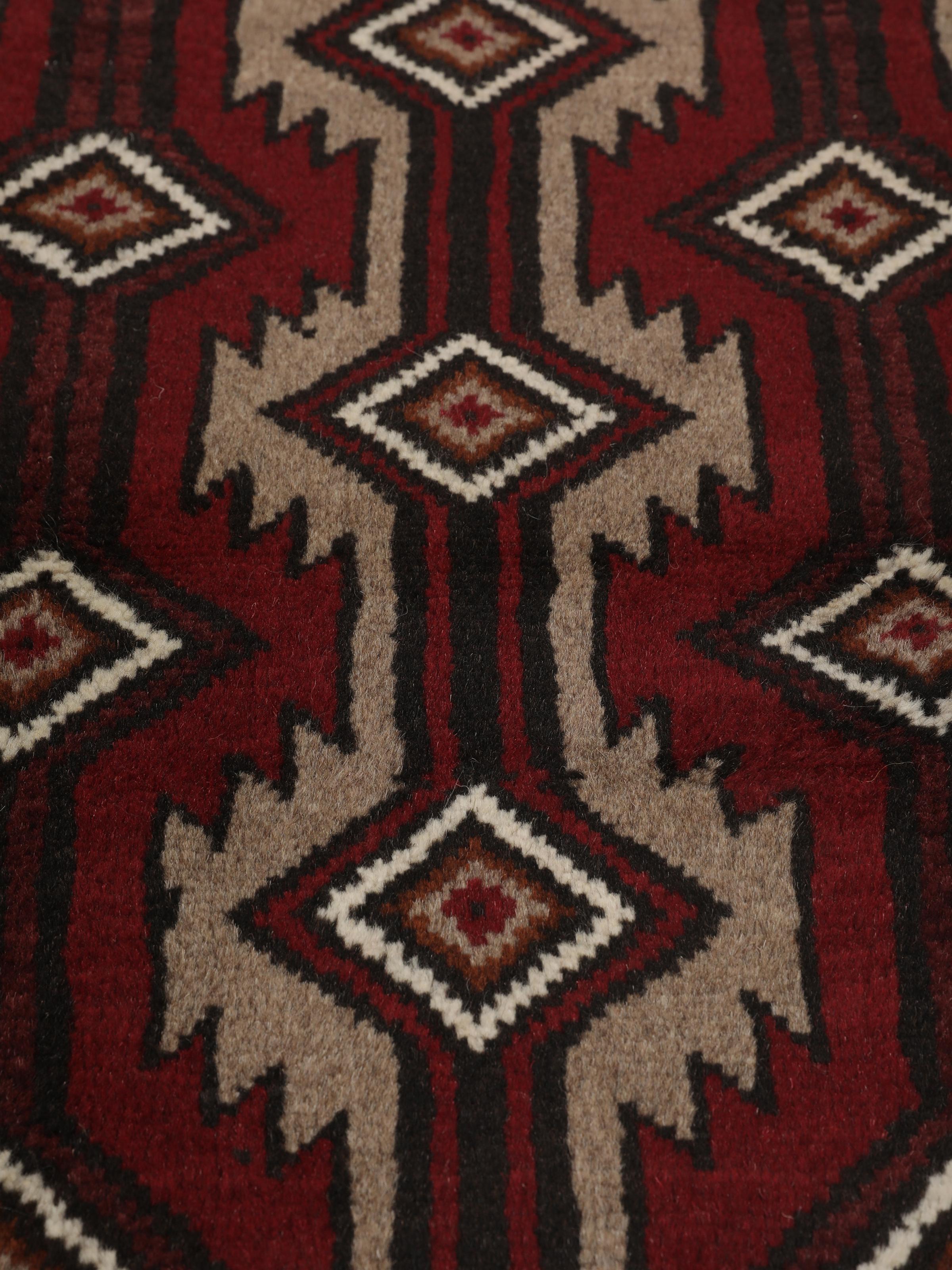
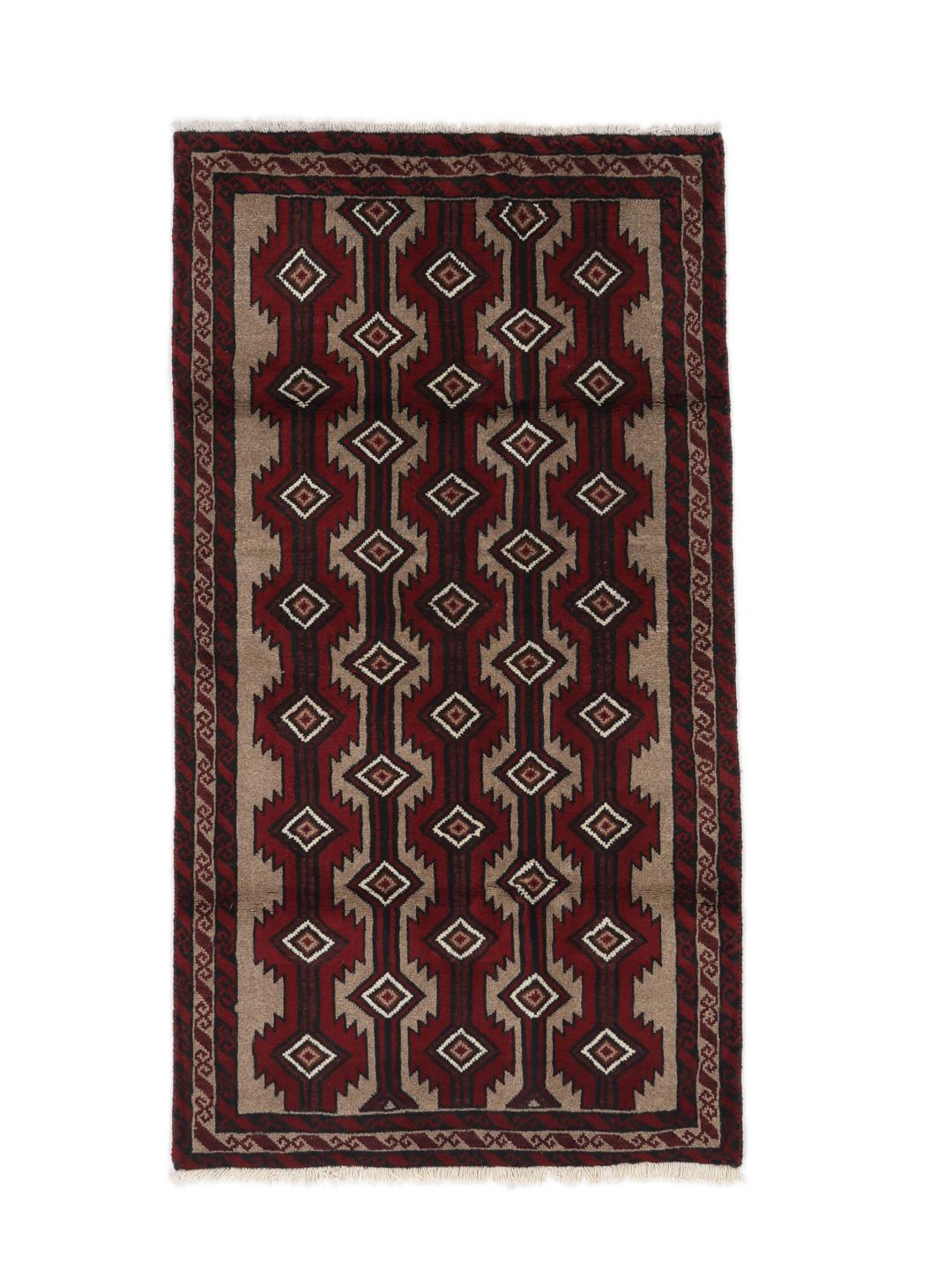
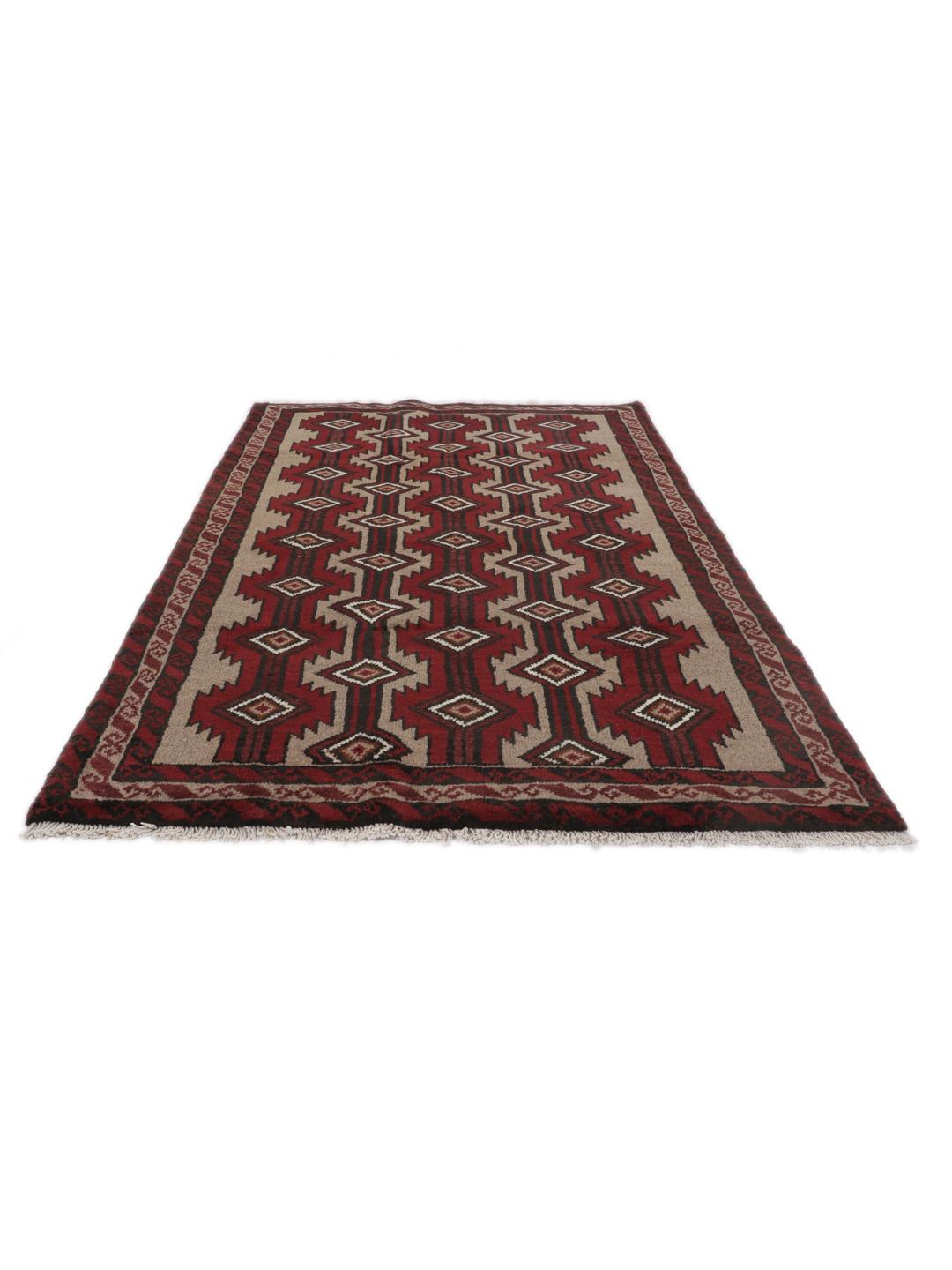
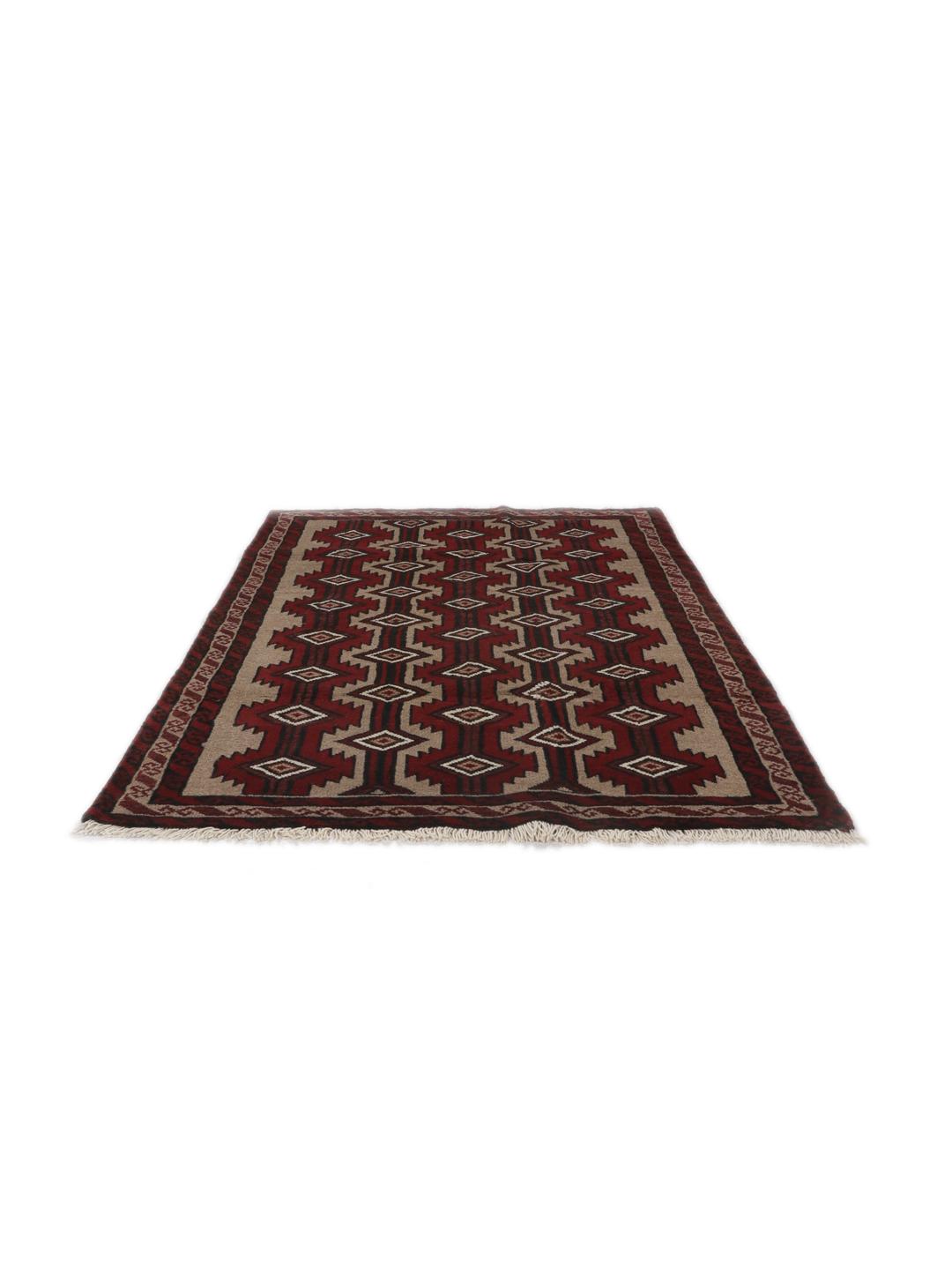
The rugs in this category originate from the nomadic and semi-nomadic tribes residing in the border regions of the Middle East. These tribes have a long history of creating textiles not just for trade, but for their own daily use, including tent hangings and floor coverings. The designs are deeply rooted in the environment of the weavers, often drawing inspiration from the harsh desert landscapes and the traditional life of the people.
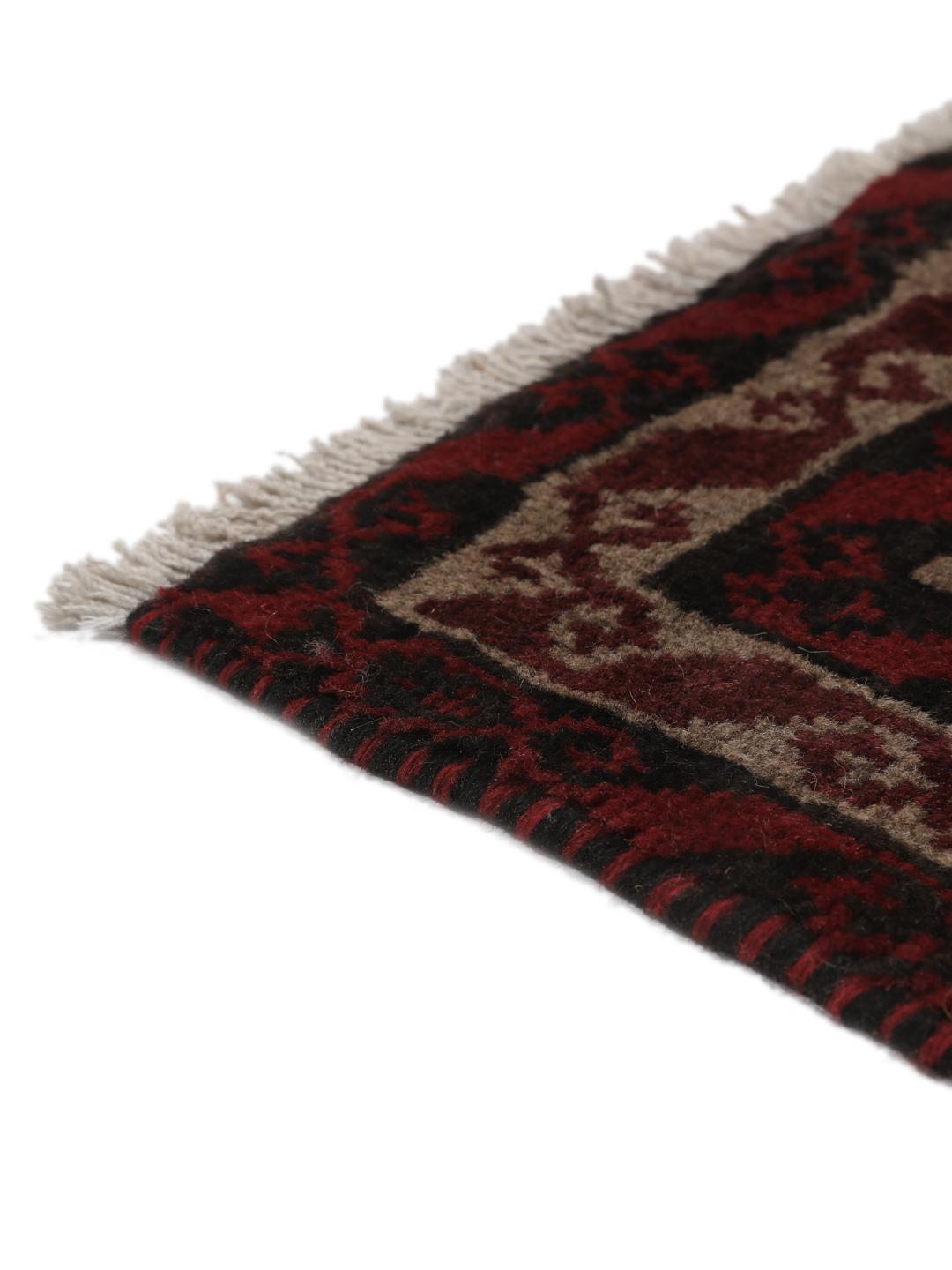
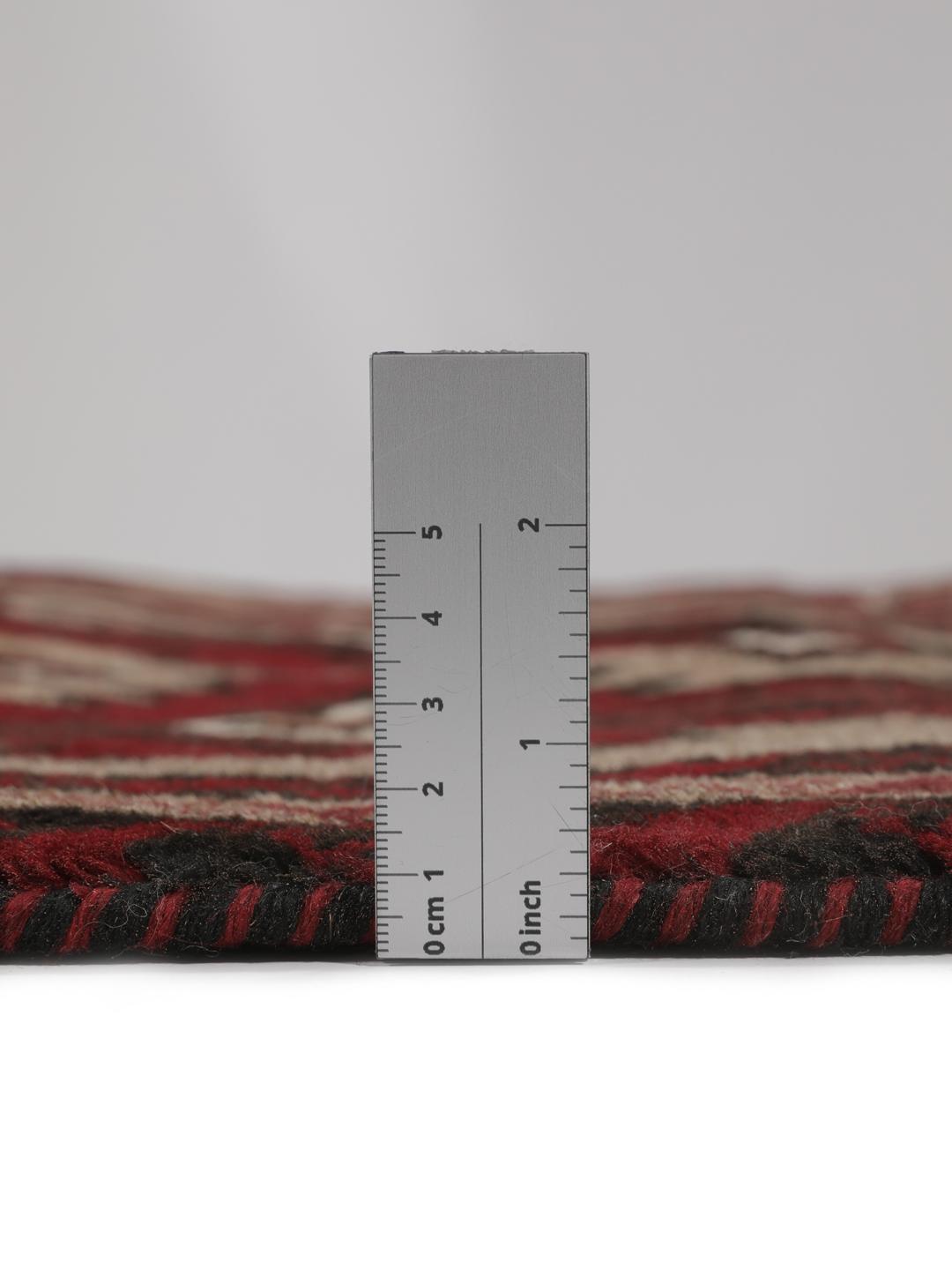
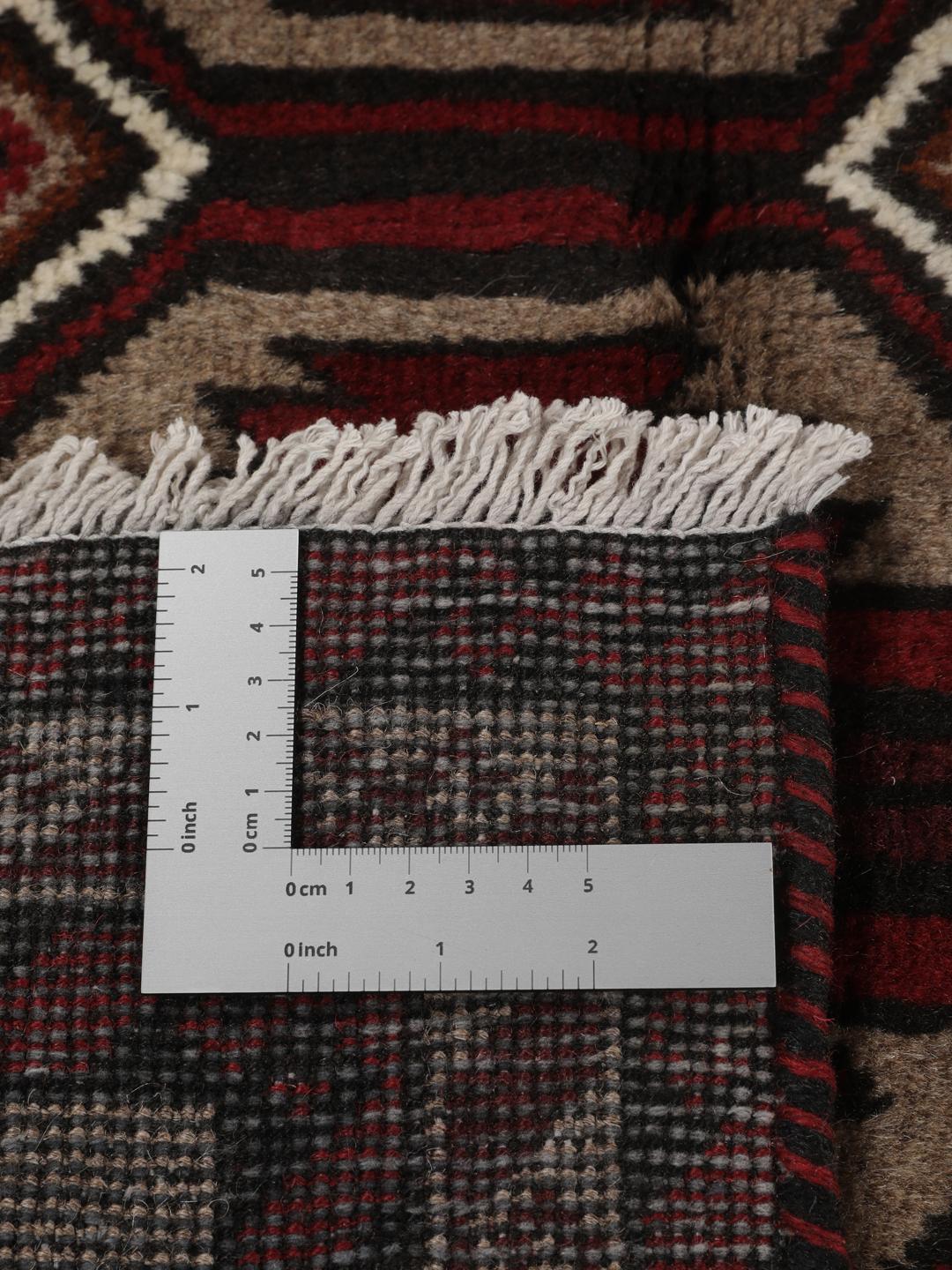
The craft is defined by the use of high-quality wool, which is often hand-spun and dyed using traditional methods. The resulting pile is known for its durability and natural sheen. The term 'Beluch' refers to the tribal heritage of these weavers, who are celebrated for their ability to create complex, geometric designs entirely from memory, without the use of written patterns or charts.
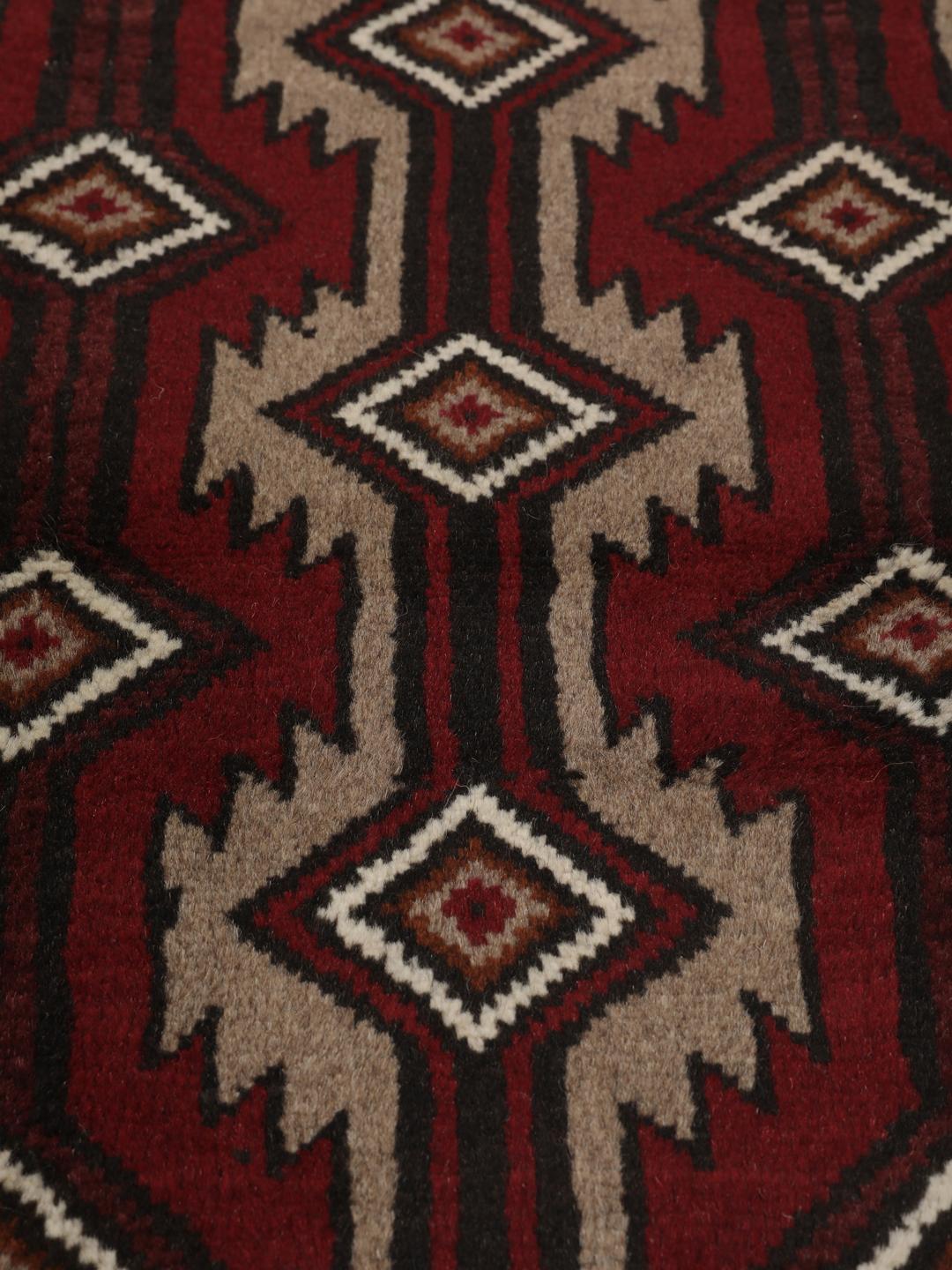
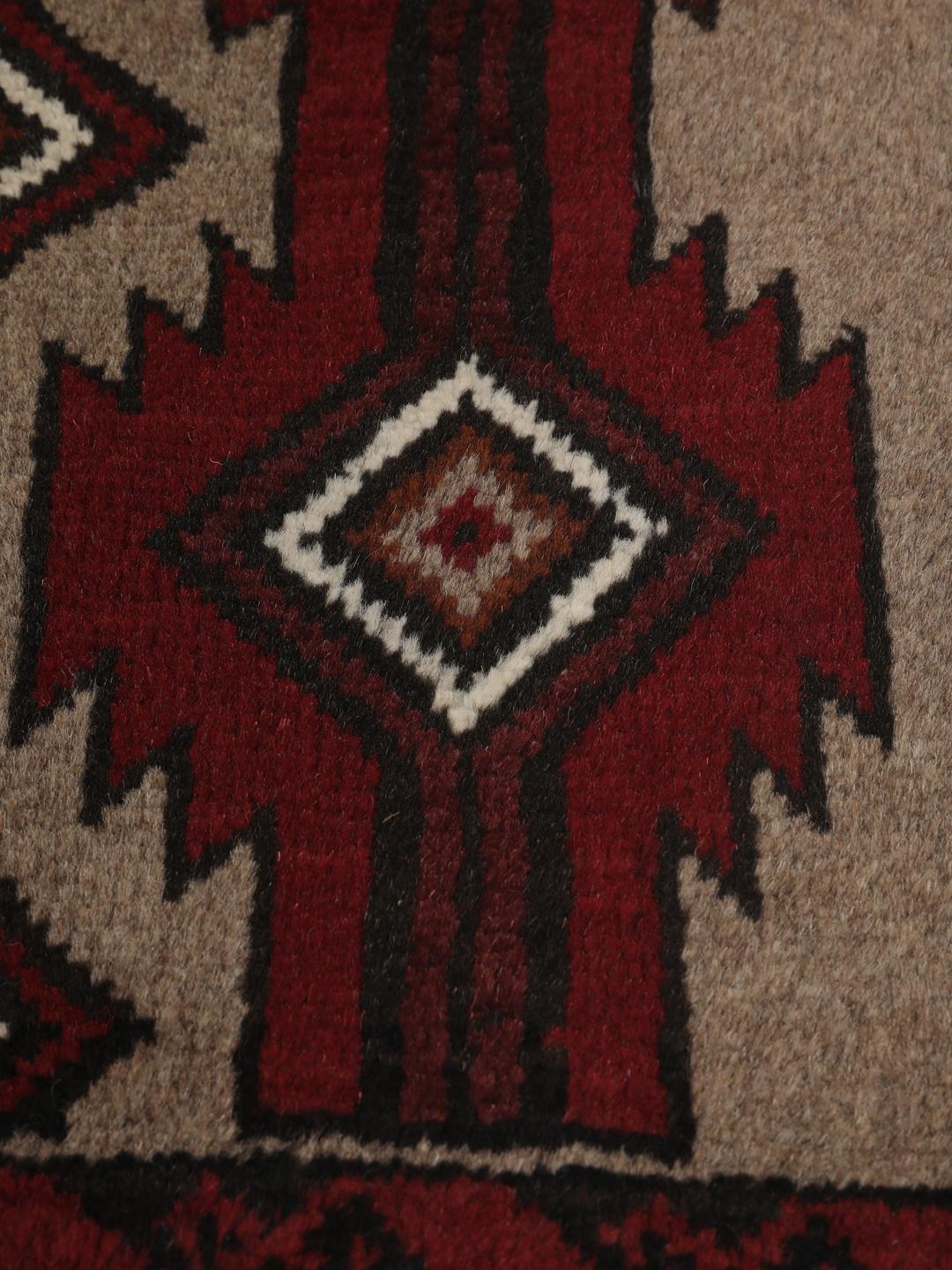
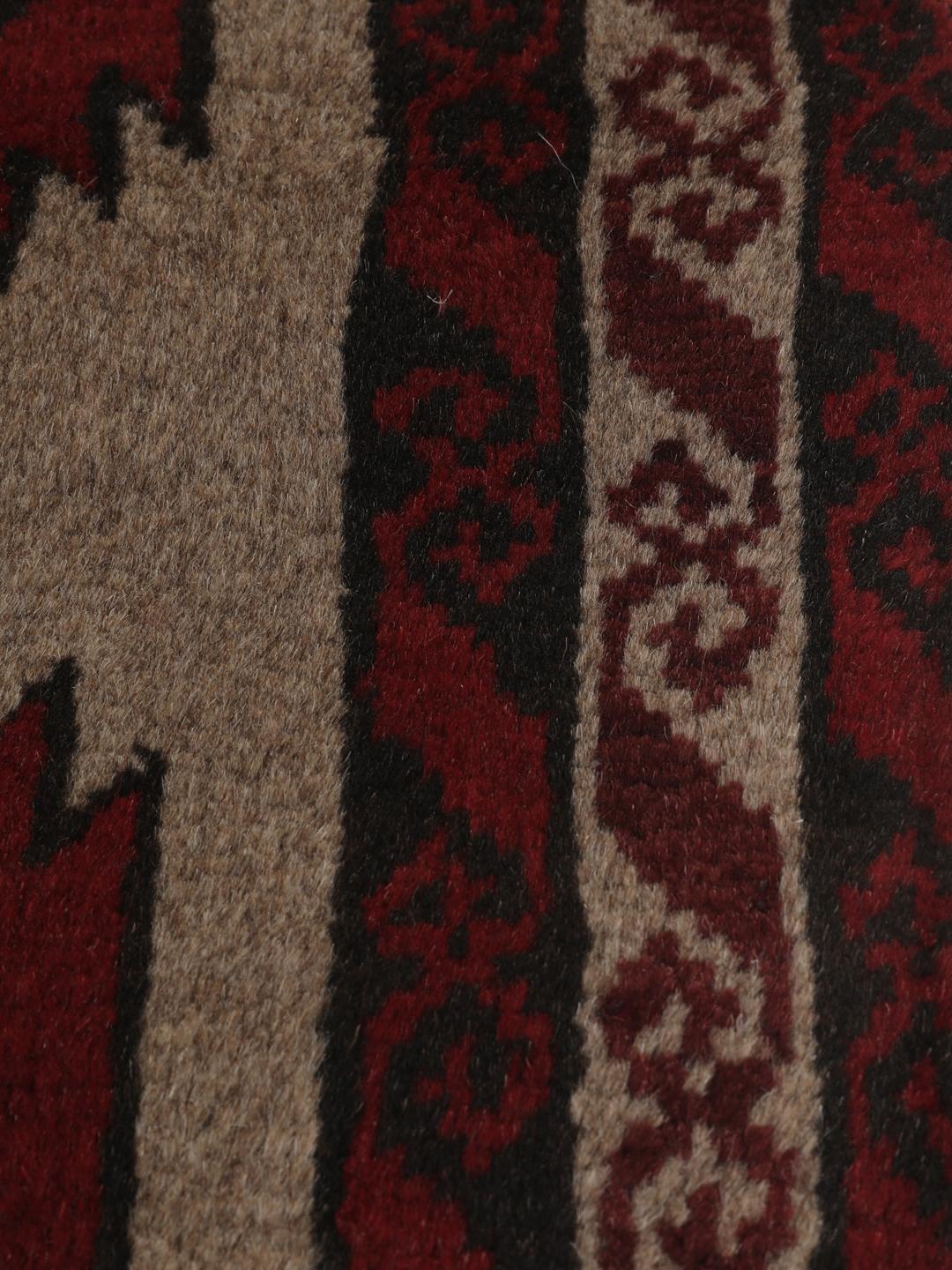
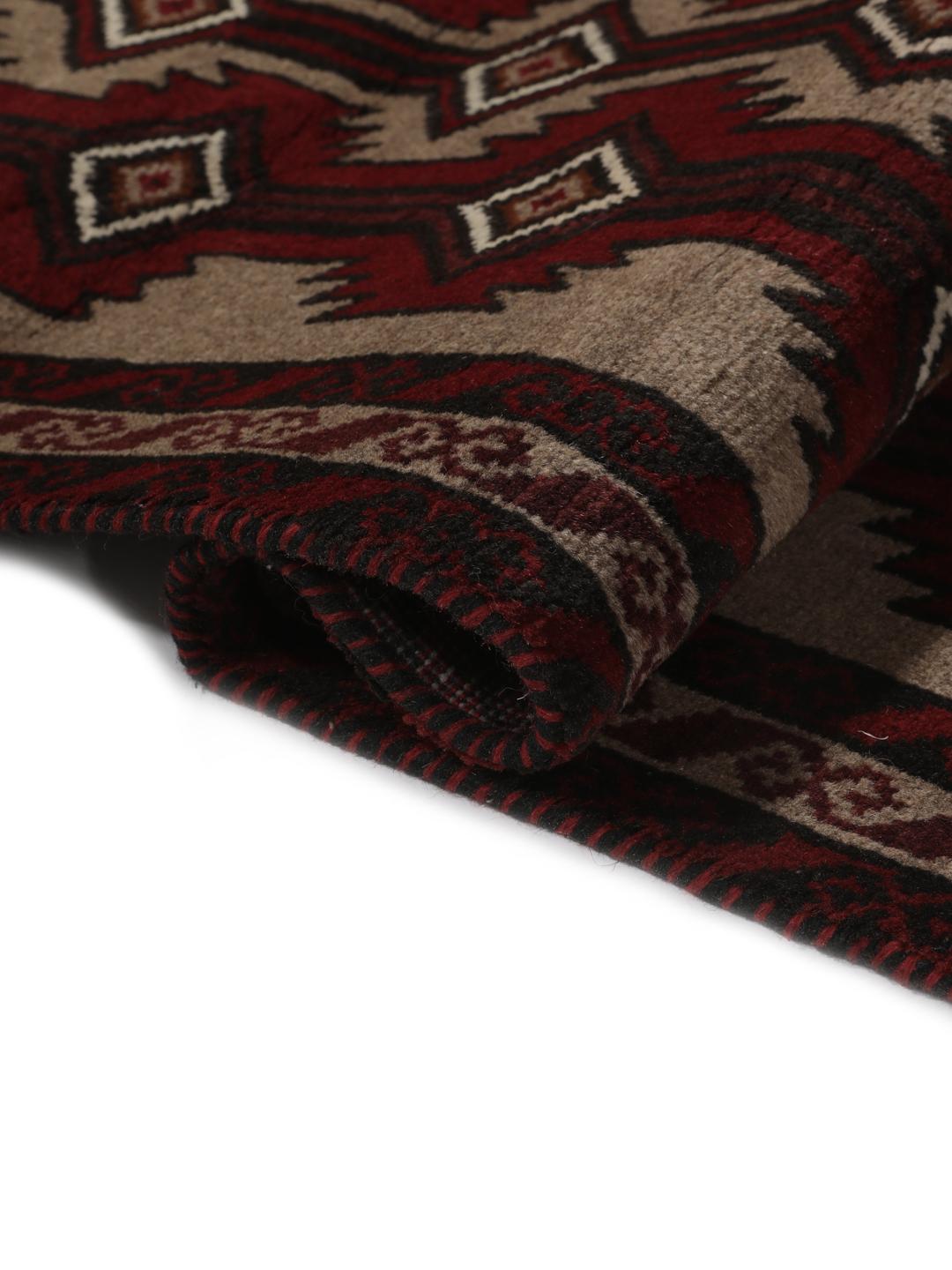
Visually, these rugs are characterized by their deep, saturated colours and repeating geometric motifs. You will often see diamond shapes, stylized floral elements, and intricate borders that frame the field. The use of dark, earthy tones is a signature of this tradition, providing a grounded aesthetic that feels both ancient and remarkably modern in today's interiors.
Collecting these rugs is an investment in cultural heritage. Because each piece is created by hand within a tribal context, they serve as a record of a specific time and place. Owning one is an opportunity to preserve a living craft tradition, as these rugs carry the skill and artistic vision of the weavers who created them, making them highly valued by those who appreciate authentic, handcrafted quality.