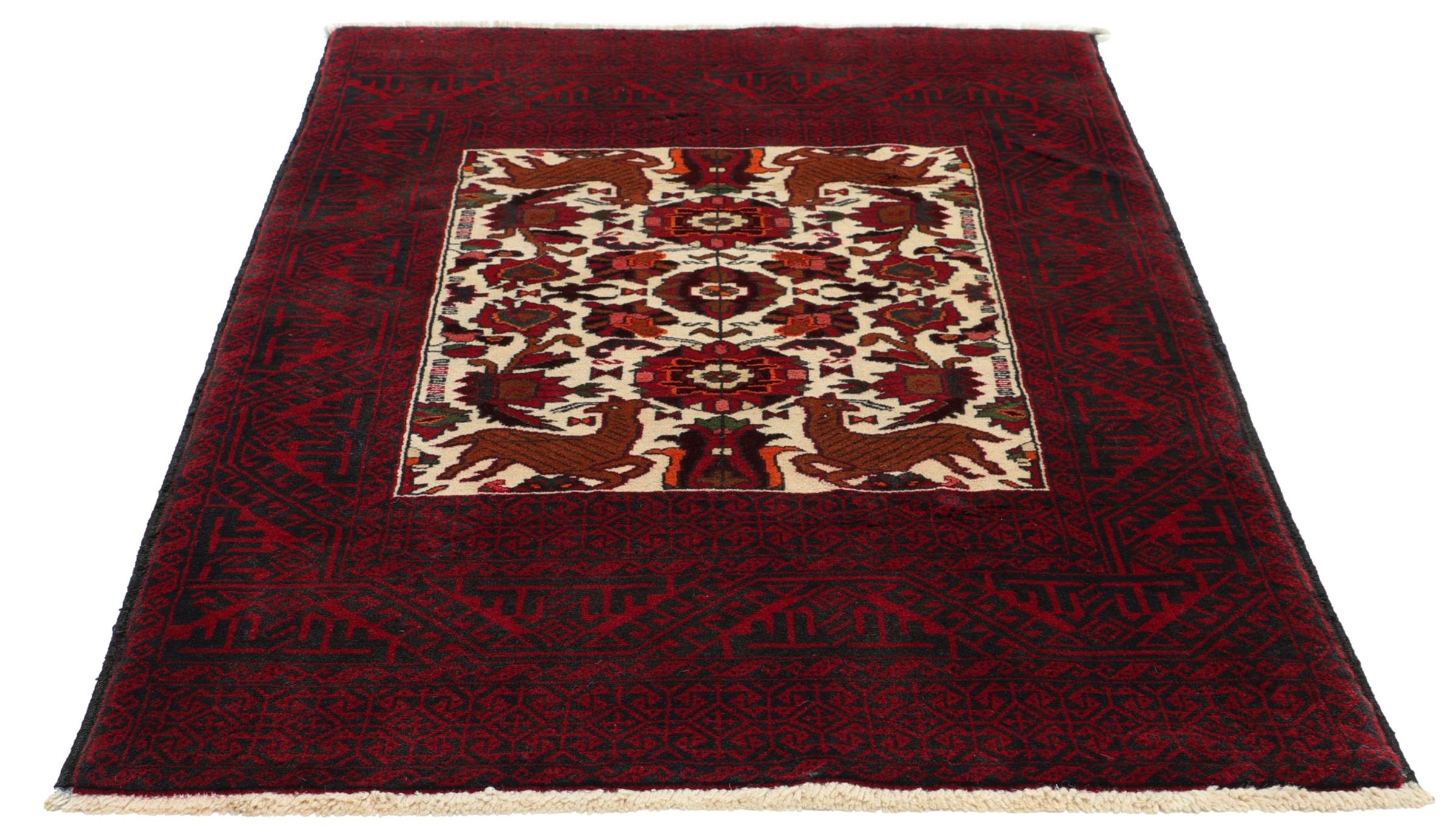
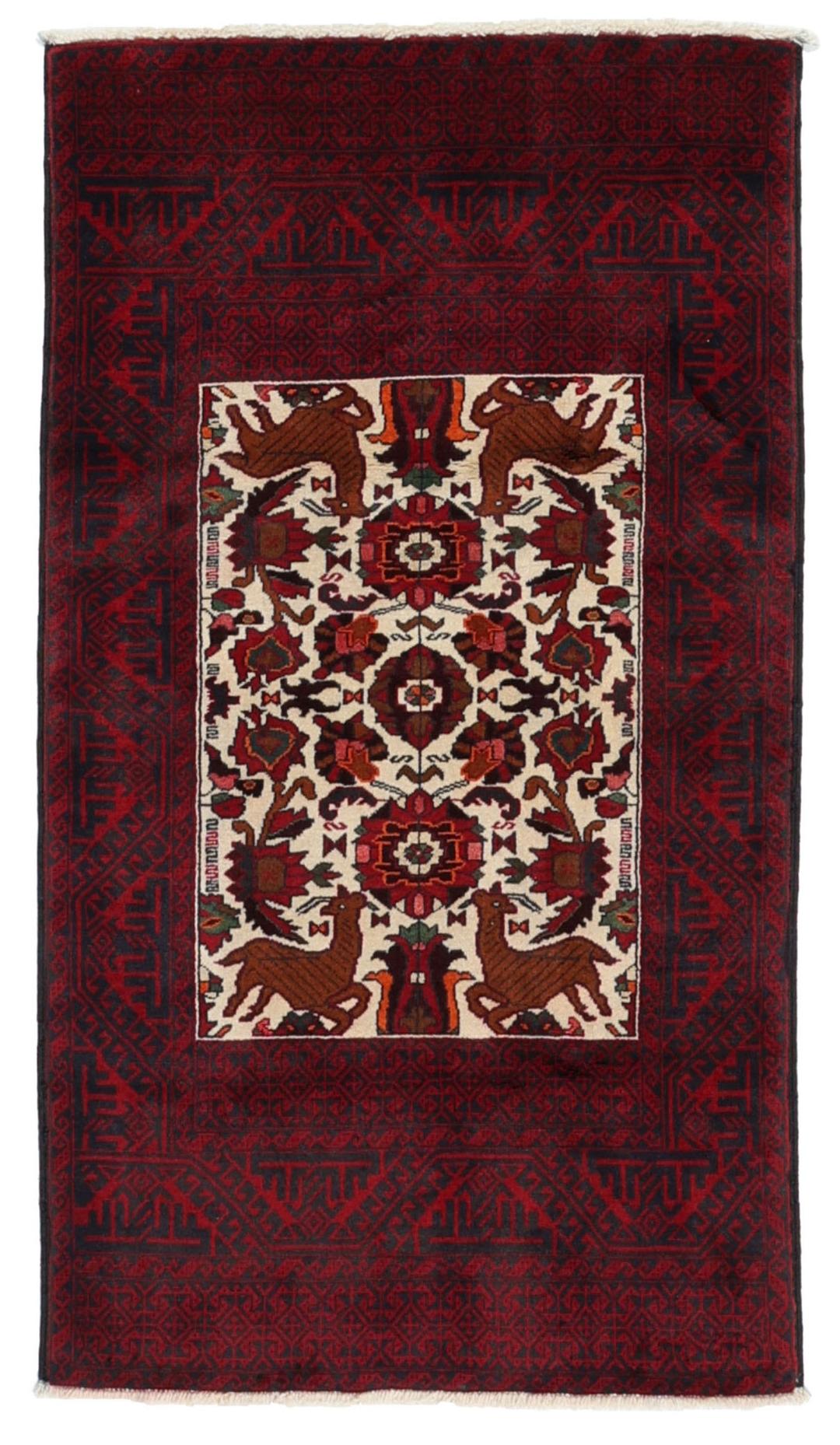
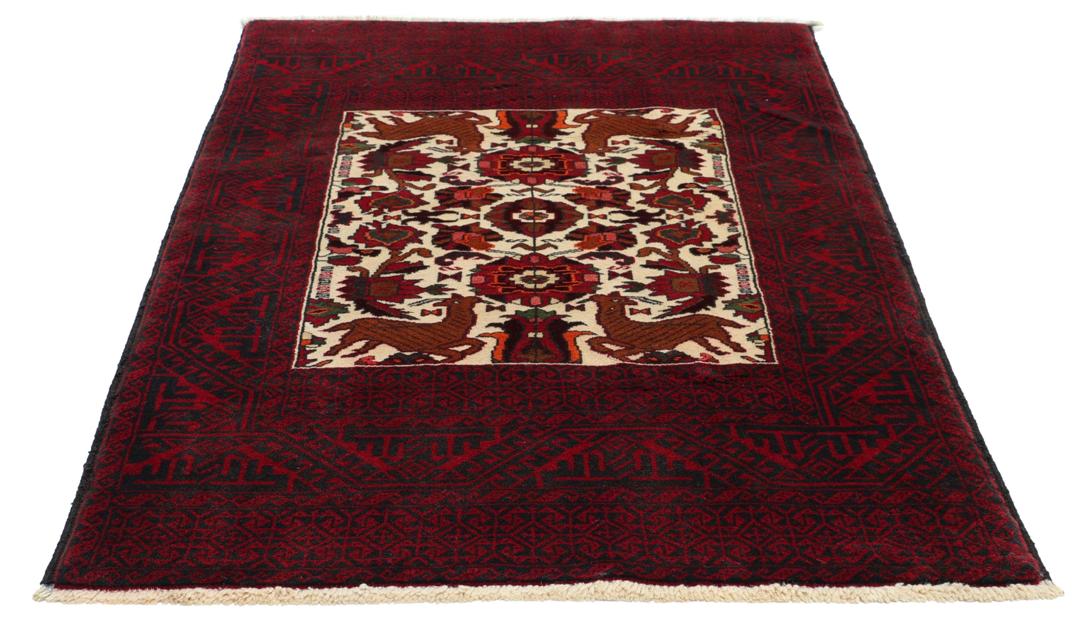
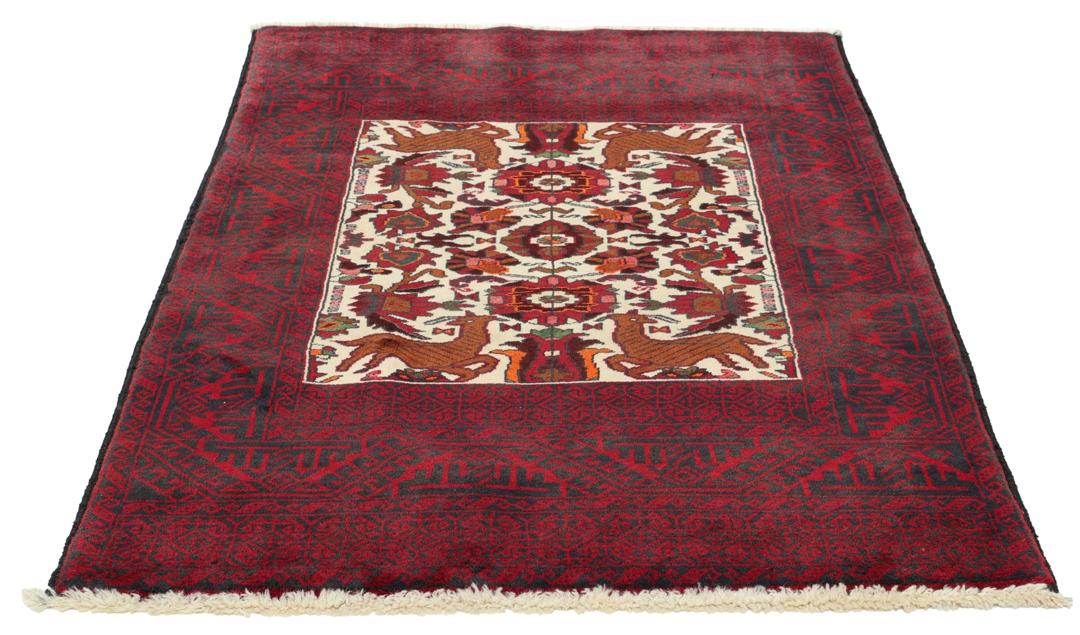
The tradition of these rugs originates from the nomadic and semi-nomadic tribes of the Middle East, particularly the Baluch people who have historically moved across border regions. These rugs are renowned for their ability to translate the rugged, nomadic spirit of their creators into a refined and portable art form, often serving as both functional floor coverings and essential decorative elements in traditional tents.
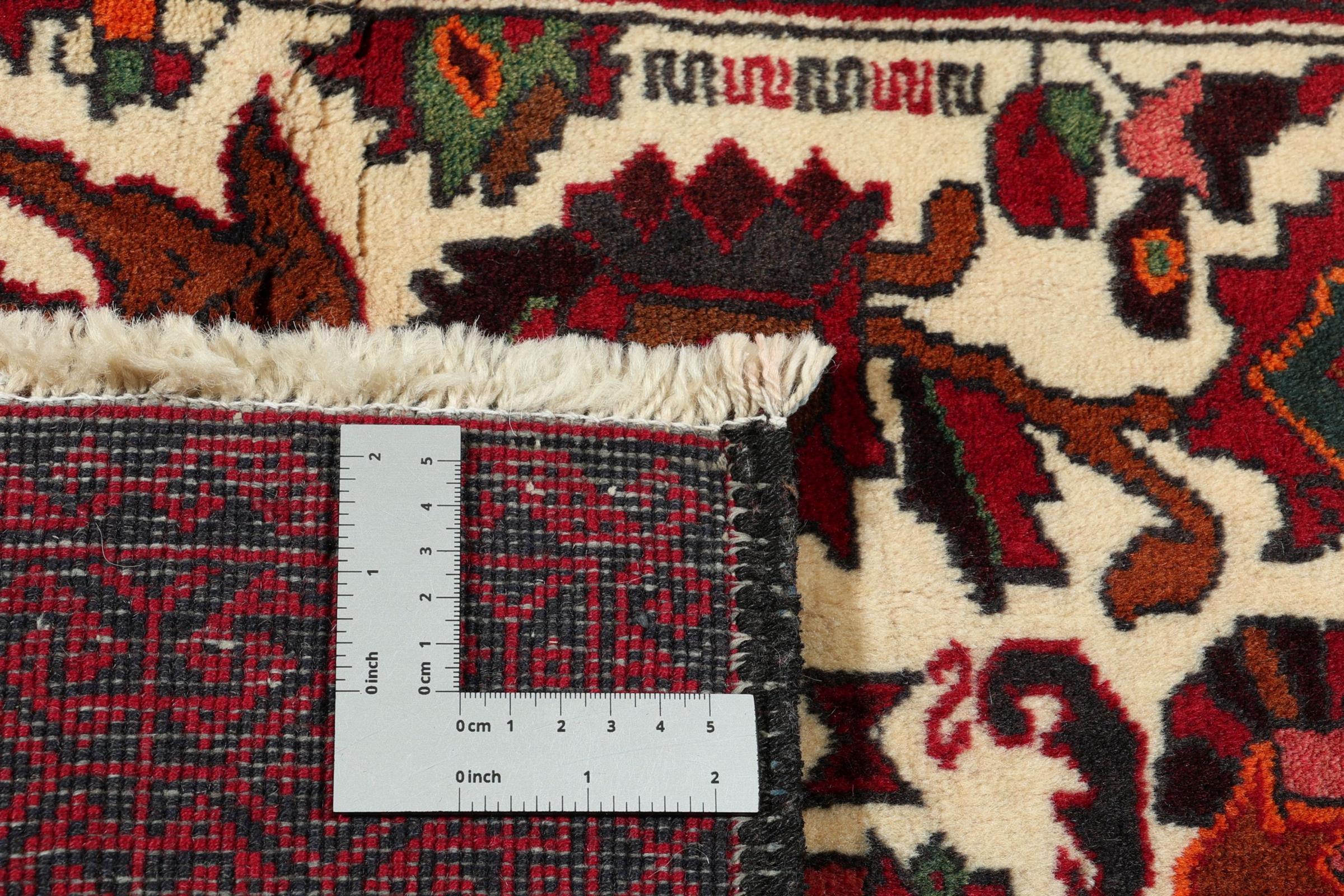
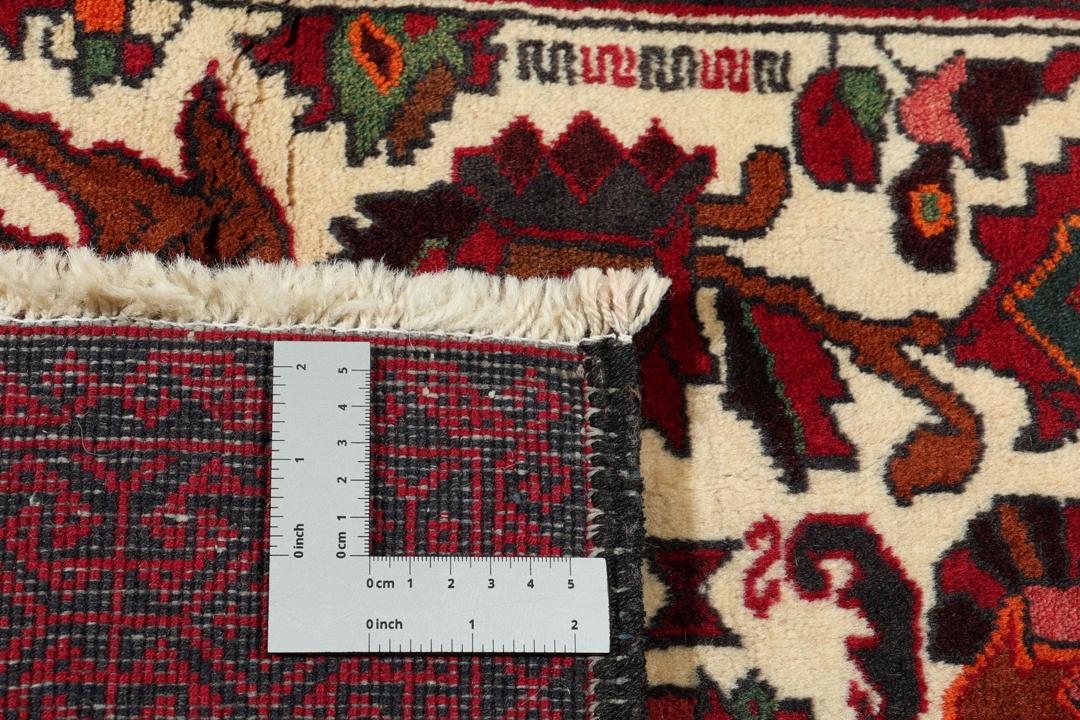
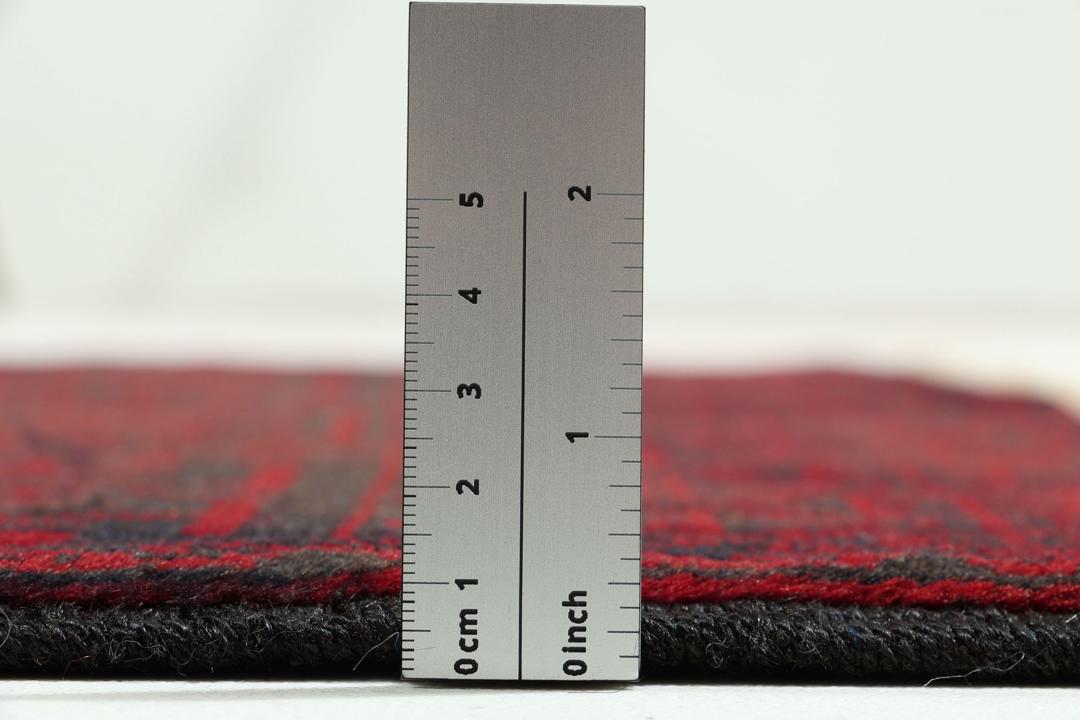
The term hand-knotted refers to the time-honoured method of tying individual strands of Wool onto a foundation of cotton. This technique is the cornerstone of quality in this tradition, as it allows for intricate detailing and a dense, lustrous pile that is far more durable than machine-made alternatives. It is a slow, rhythmic process that has been passed down through generations.
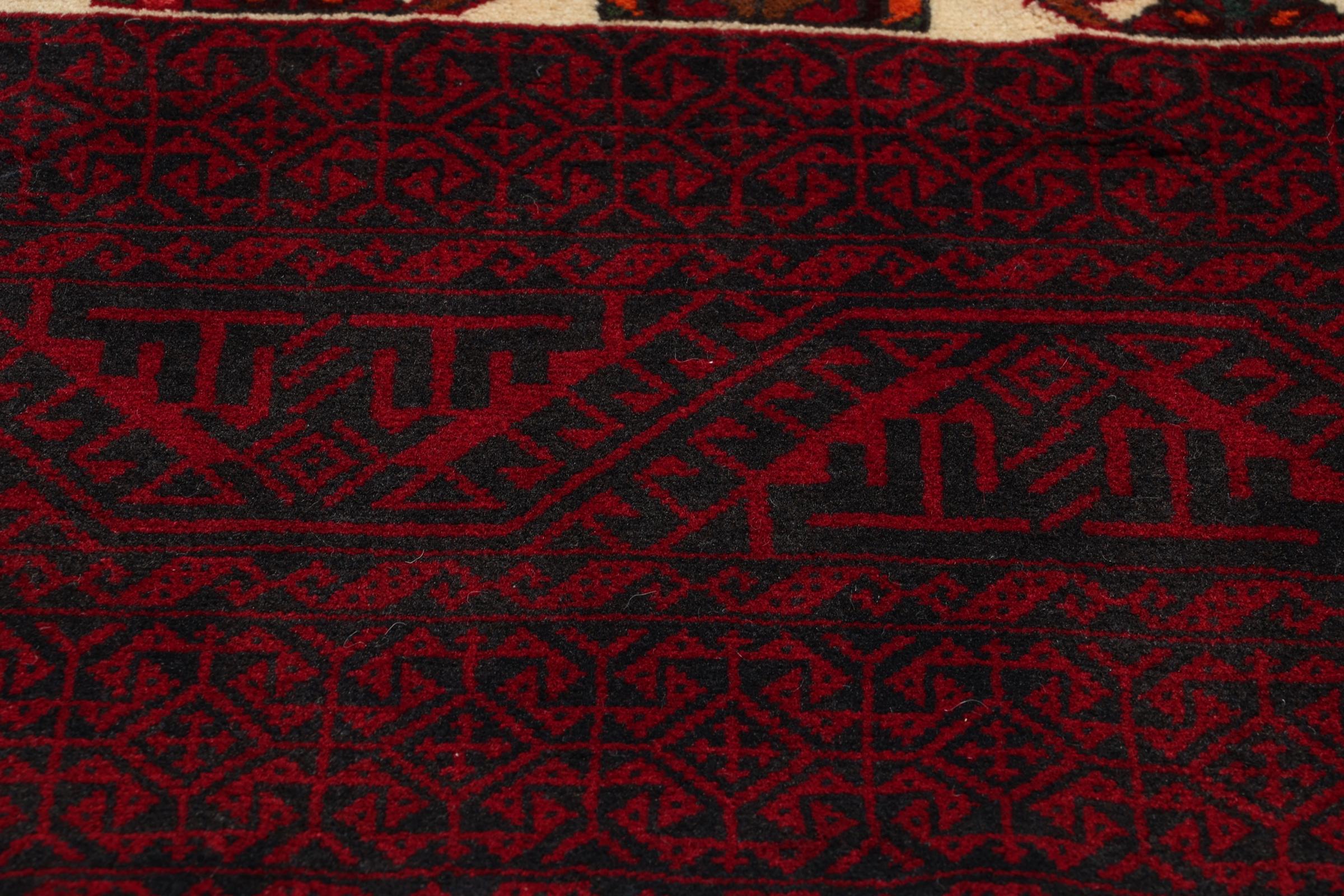
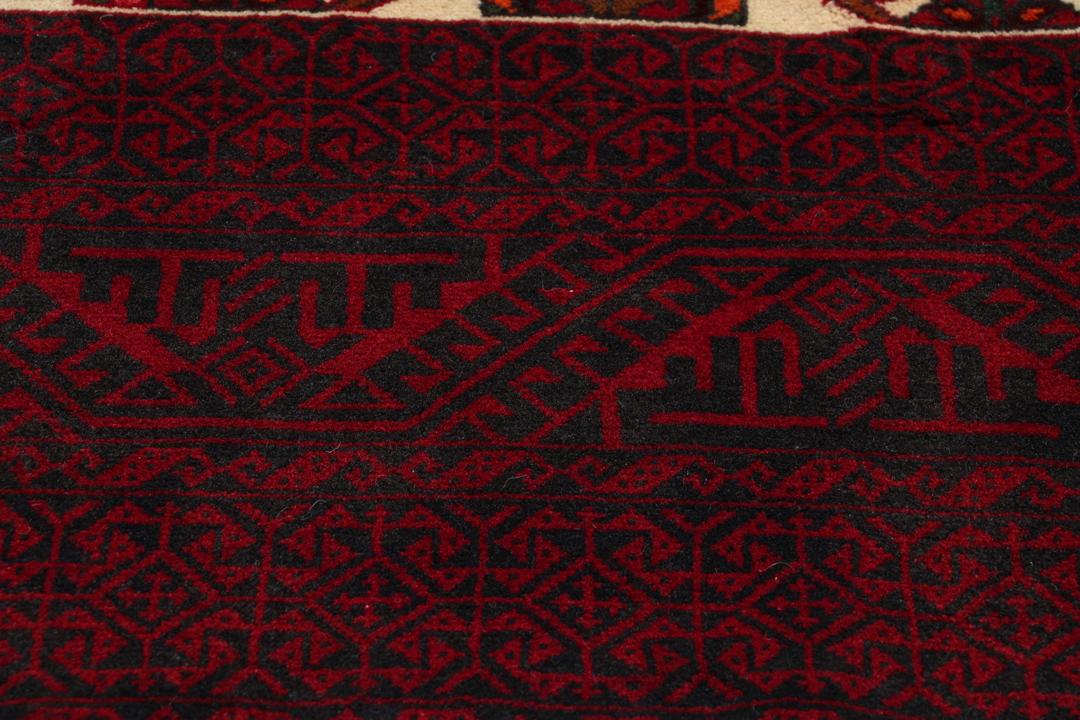
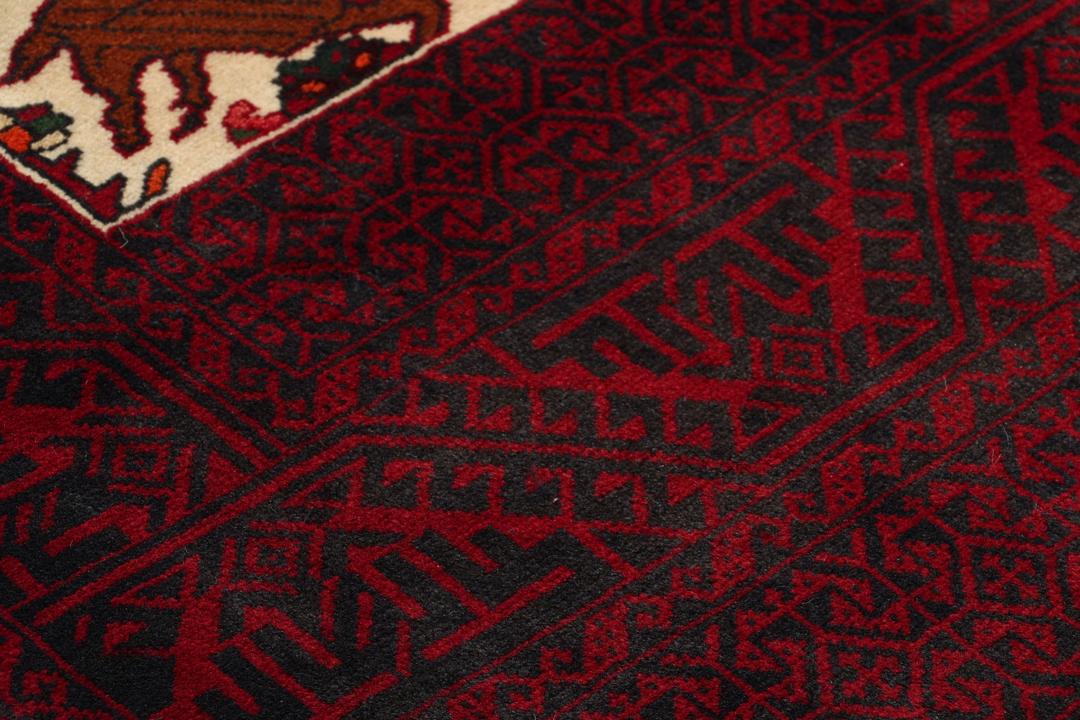
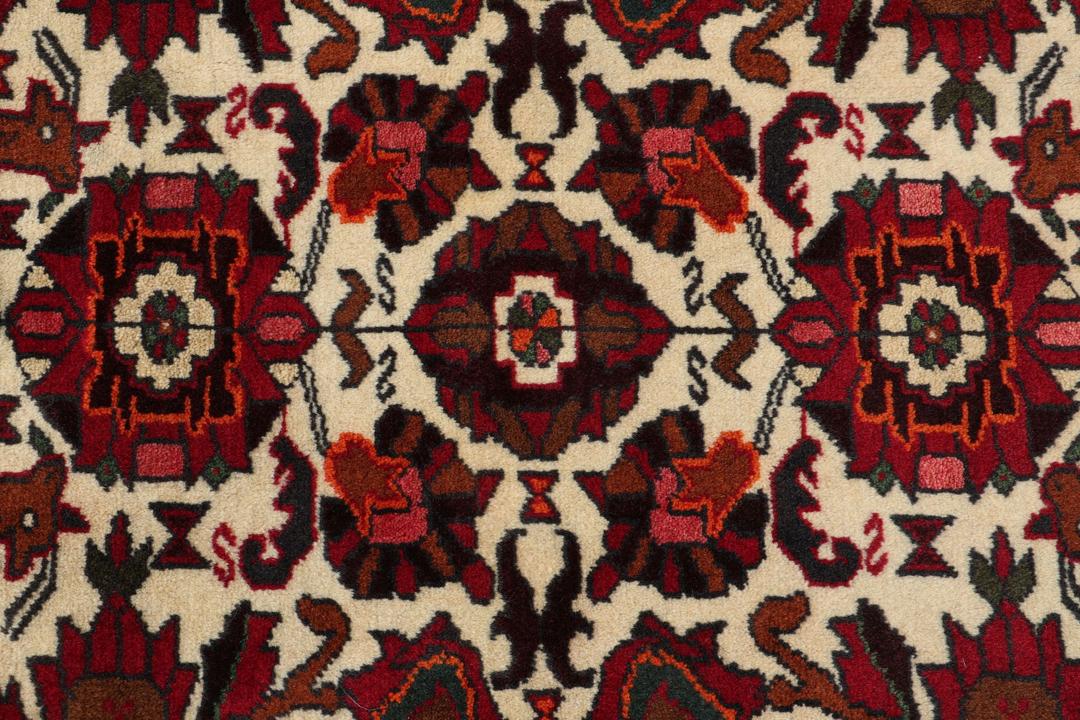
Design elements in these pieces are deeply symbolic, often featuring geometric motifs, stylized floral patterns, and traditional borders that reflect the weaver's environment and cultural heritage. The use of deep, earthy tones combined with natural dyes creates a visual language that is both bold and grounding, often incorporating stylized animal or tribal motifs that tell stories of the region.
Collecting these rugs is an investment in cultural heritage and human skill. Because they are produced in small quantities by skilled artisans, each piece is a reflection of the weaver's personal vision and technical mastery. Owning one means preserving a craft tradition that values patience, precision, and the beauty of natural materials.