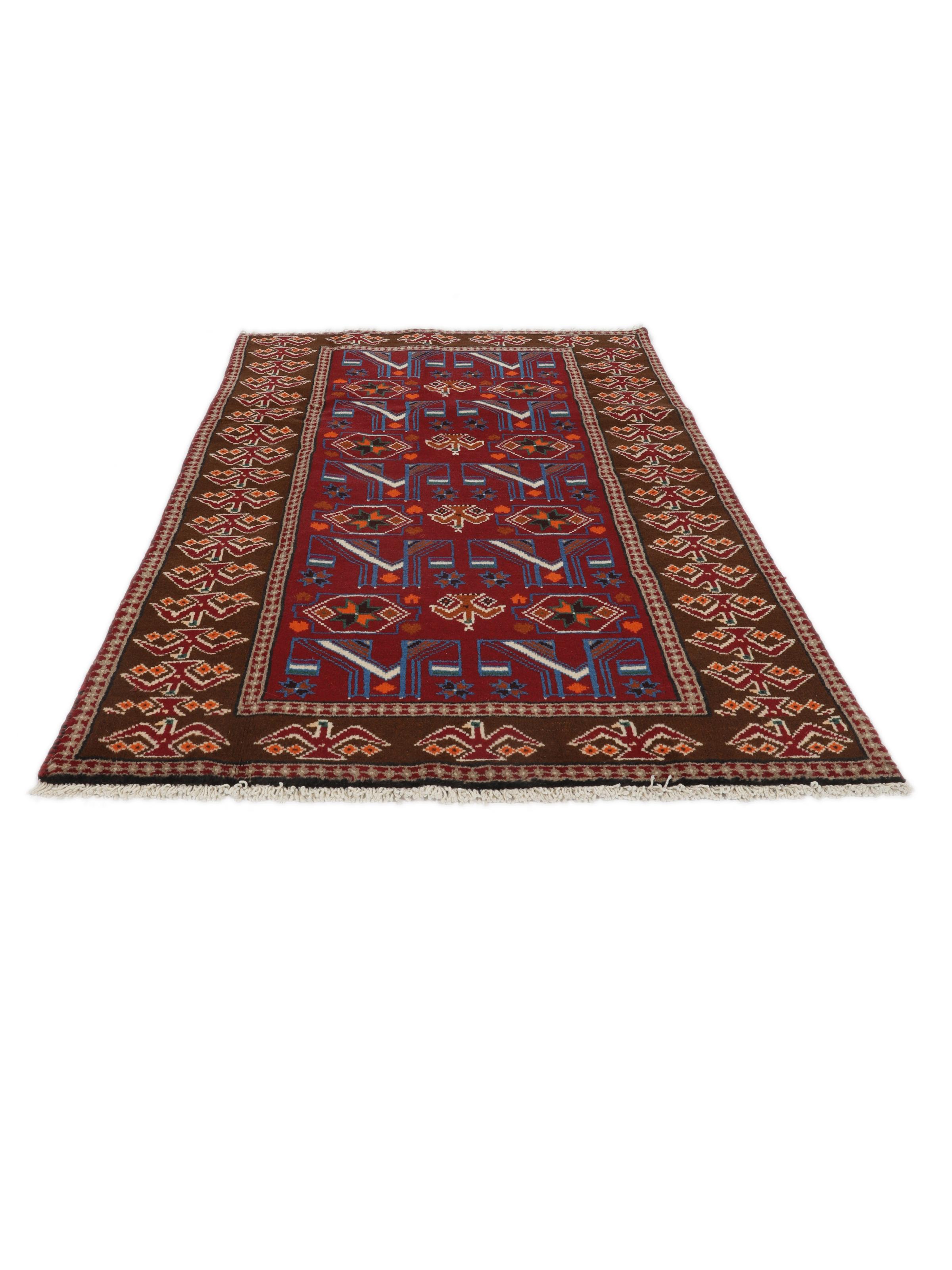
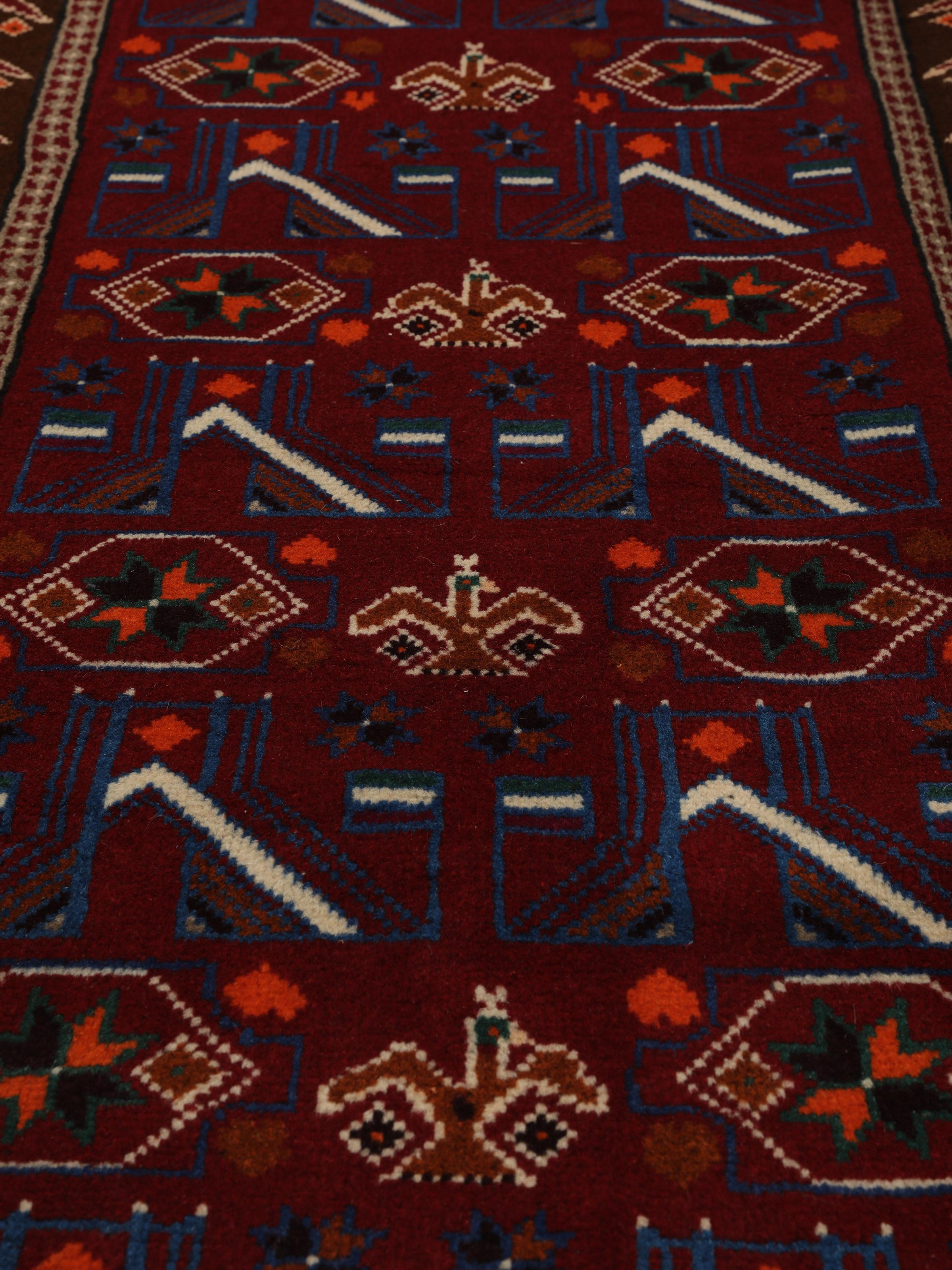
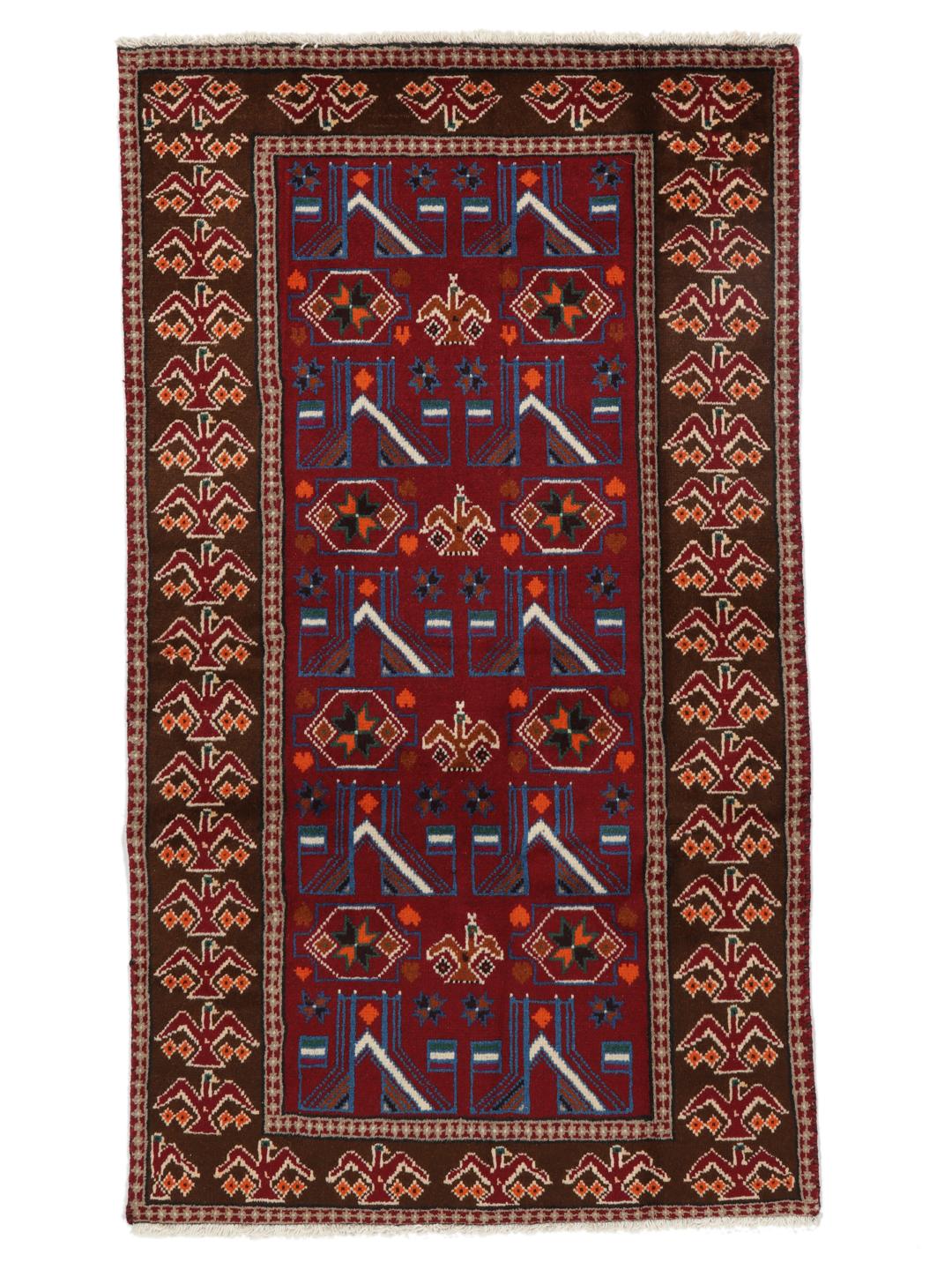
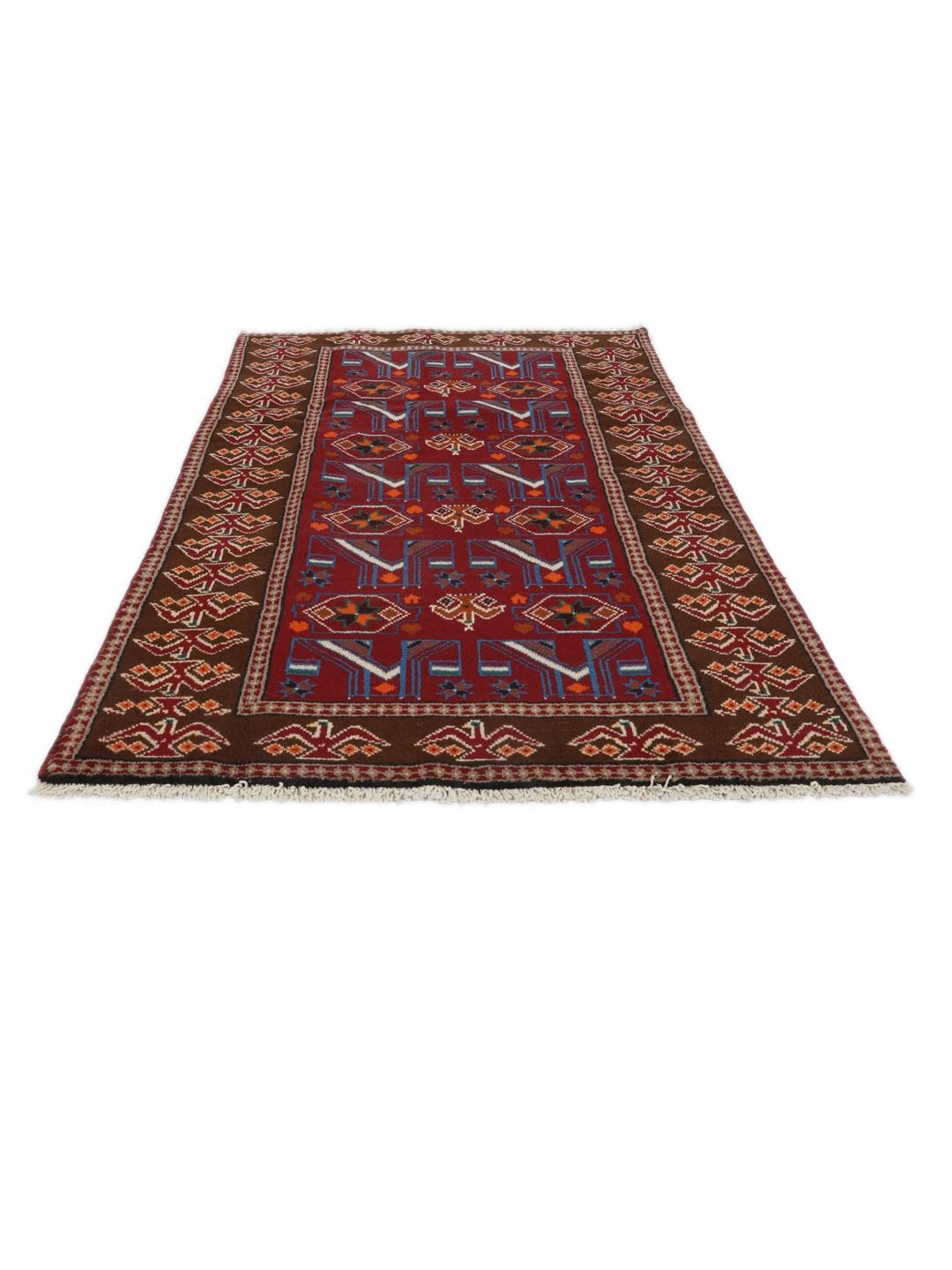
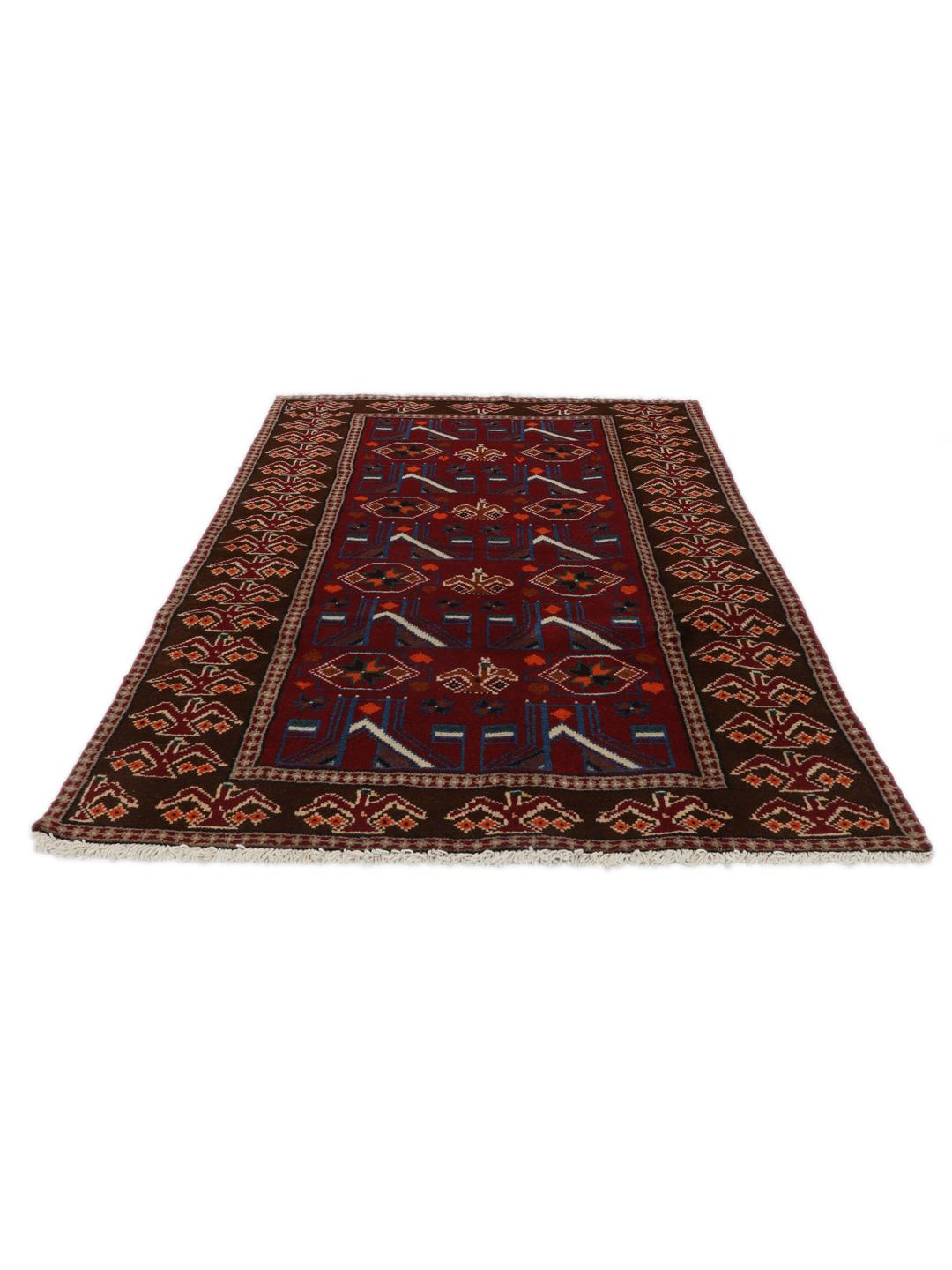
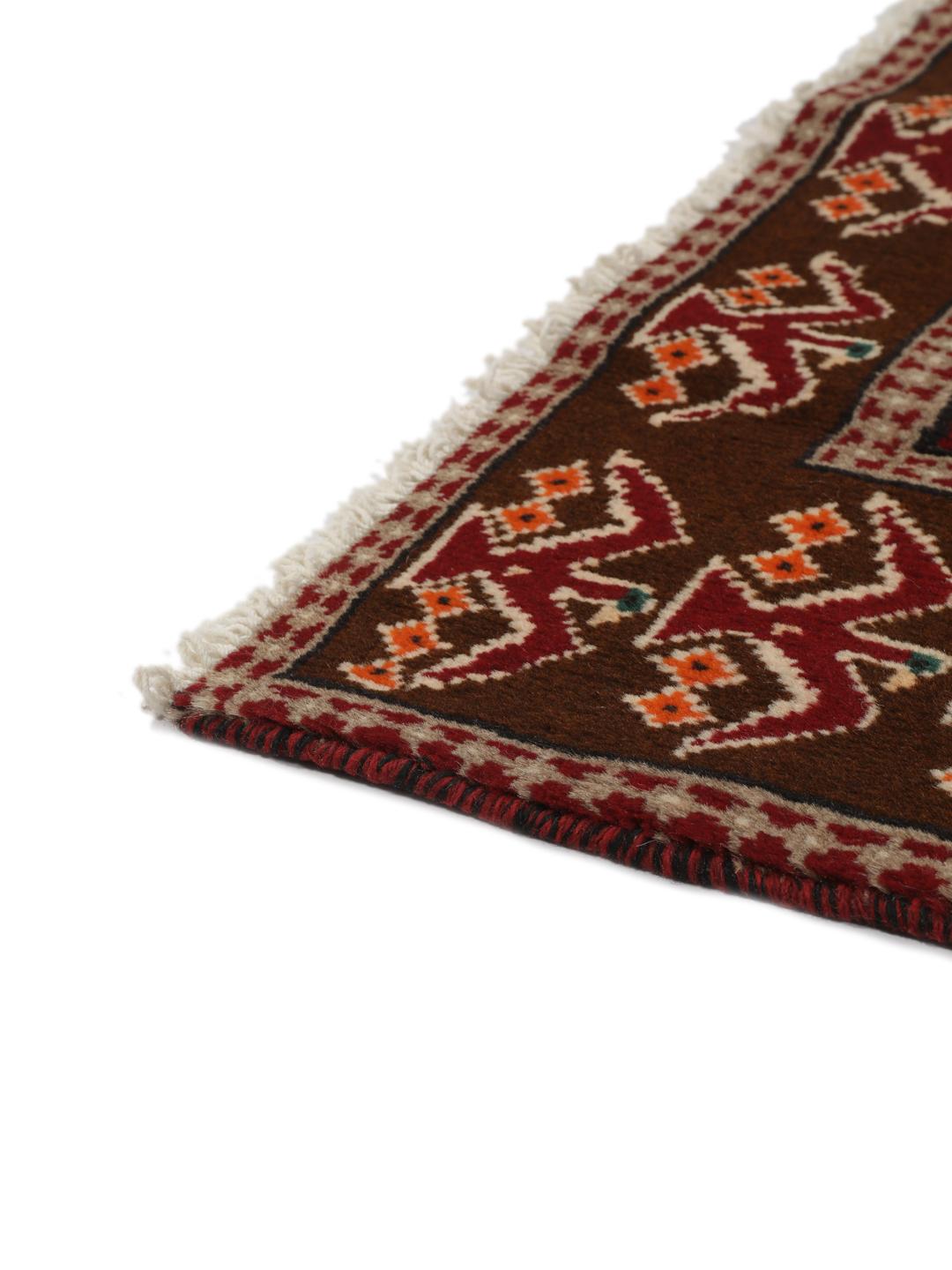
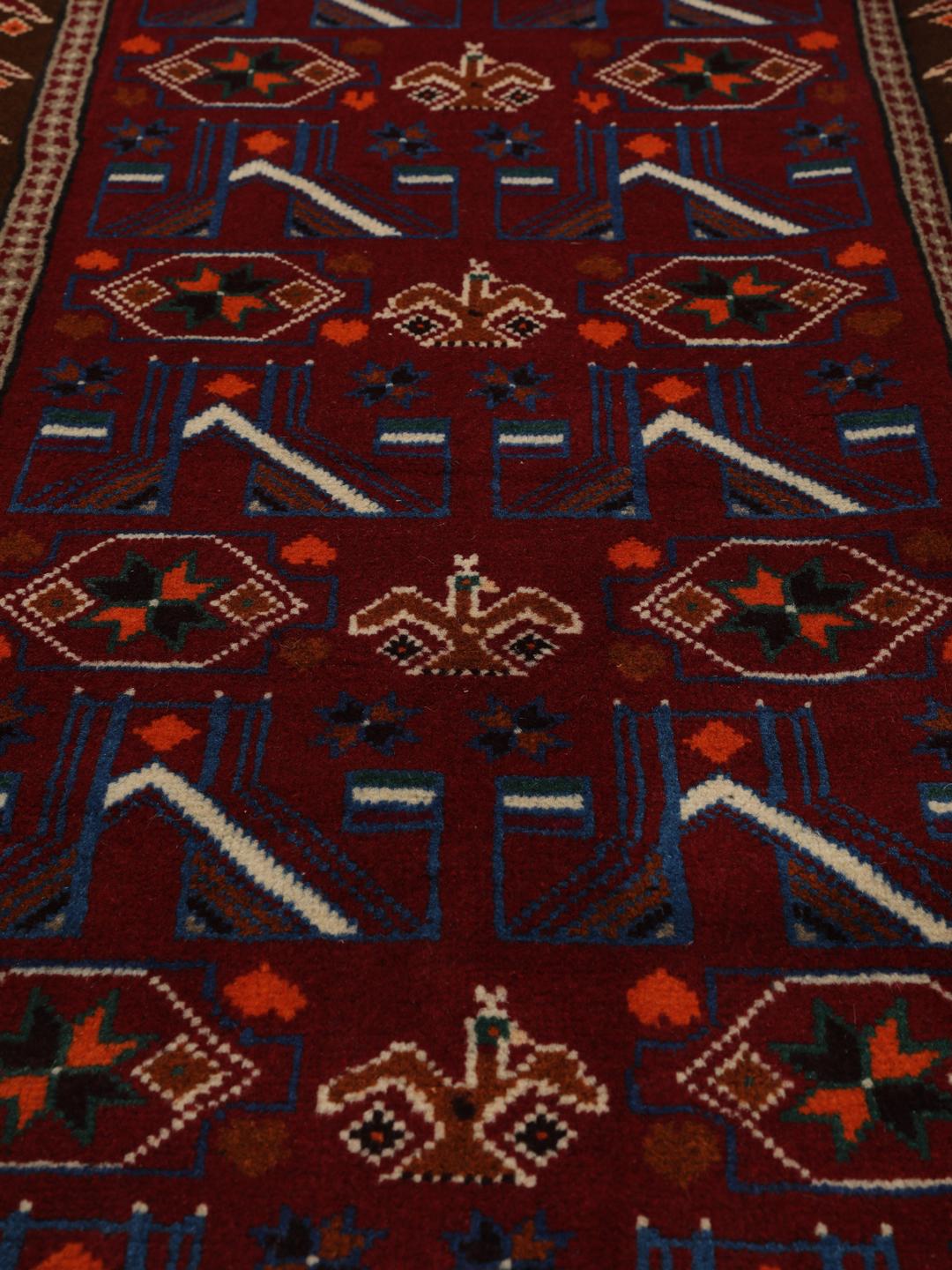
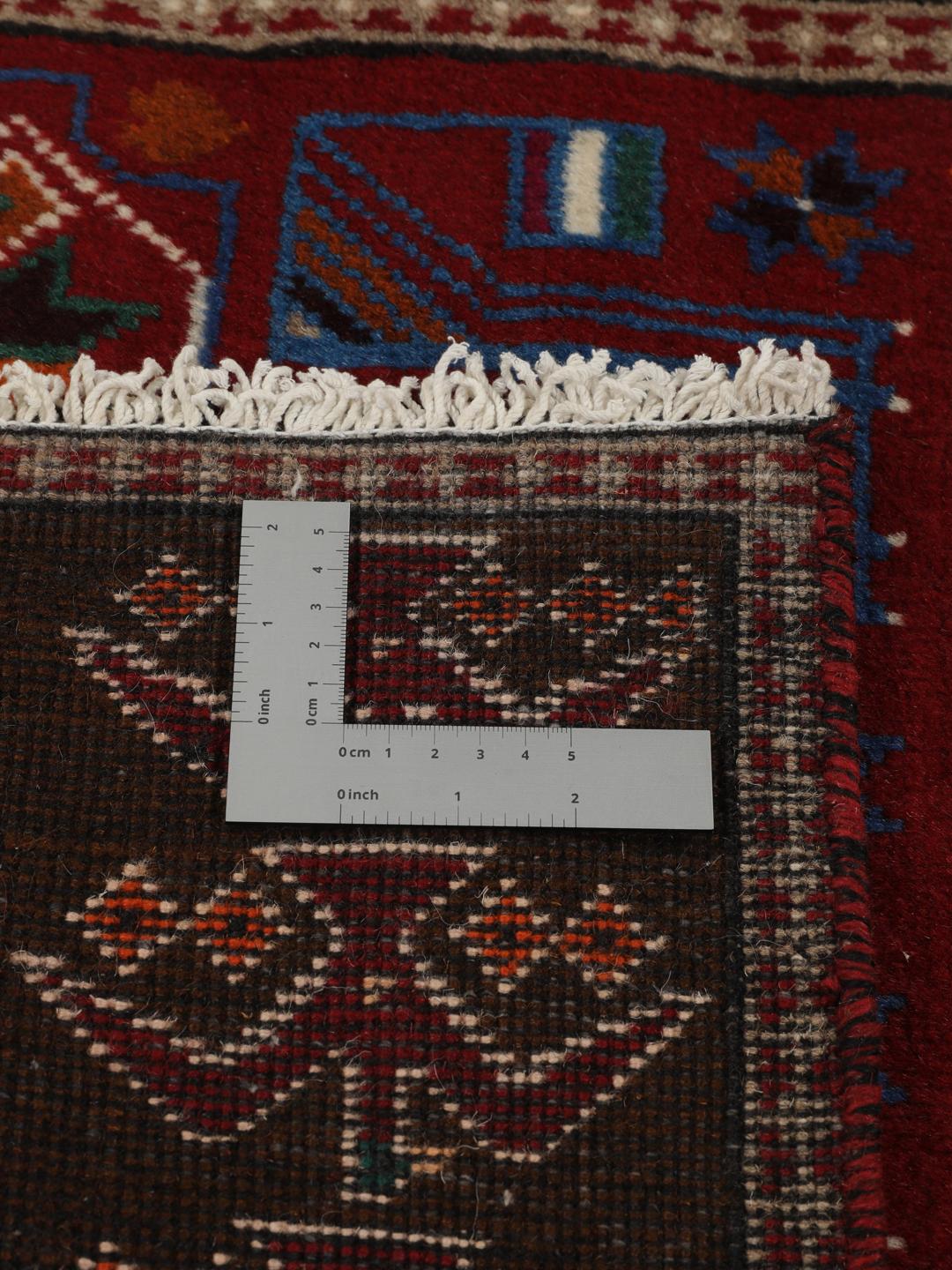
The Beluch rug tradition originates from the nomadic and semi-nomadic tribes of the border regions between the Middle East, Afghanistan, and Pakistan. These rugs are deeply rooted in a culture of migration and resilience, with designs often passed down through generations of weavers. The history of these pieces is intimately tied to the landscape, with patterns reflecting the environment and cultural identity of the tribes that created them.
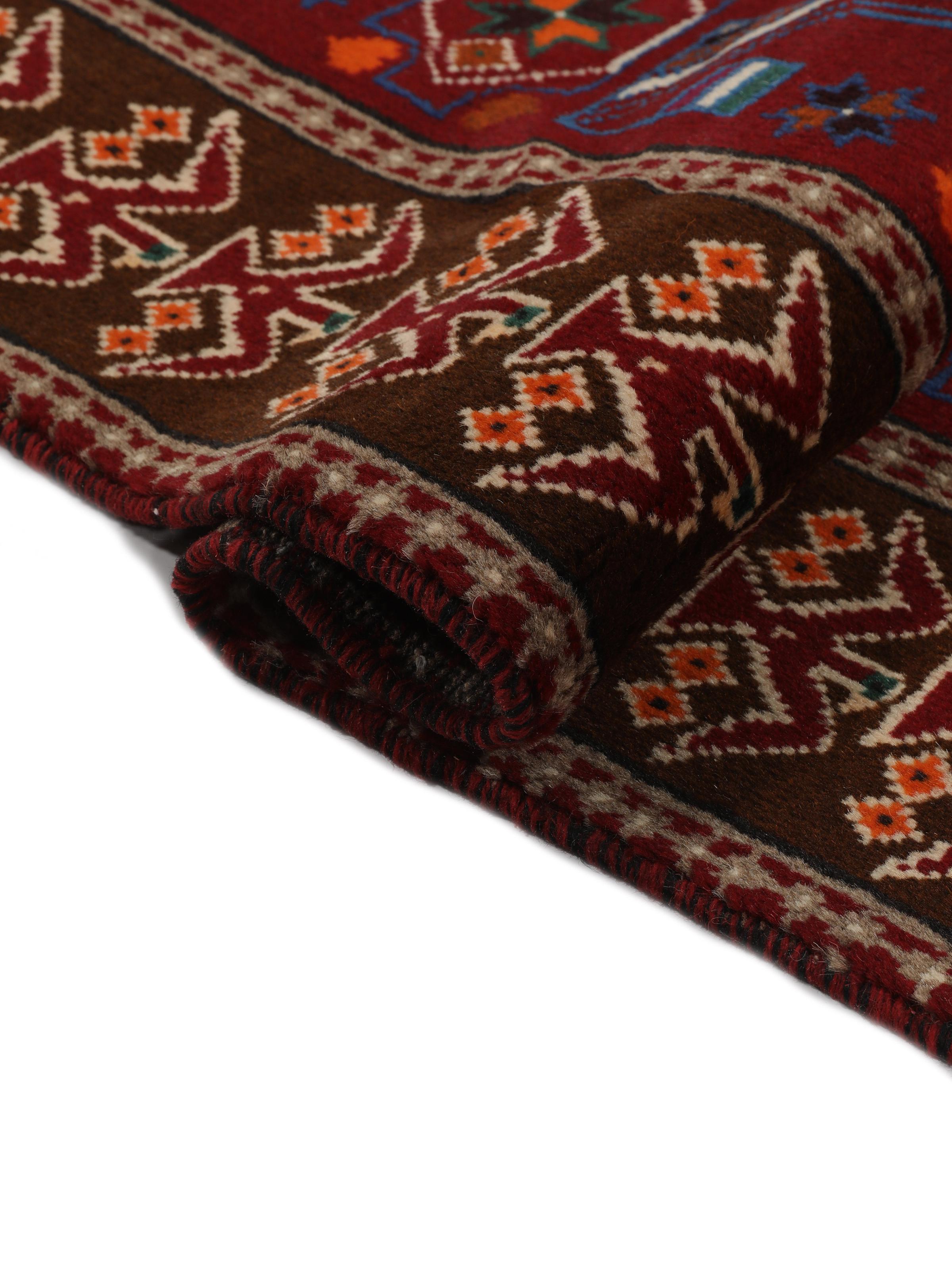
Technically, the term Beluch refers to the specific tribal origin, characterised by a focus on Wool quality and intricate, often geometric, detailing. The use of Wool, often sourced from the tribes' own flocks, results in a rich, sometimes lustrous finish that ages beautifully. Understanding these technical nuances allows you to appreciate why these rugs are prized for their ability to maintain their character and structural integrity over many years.
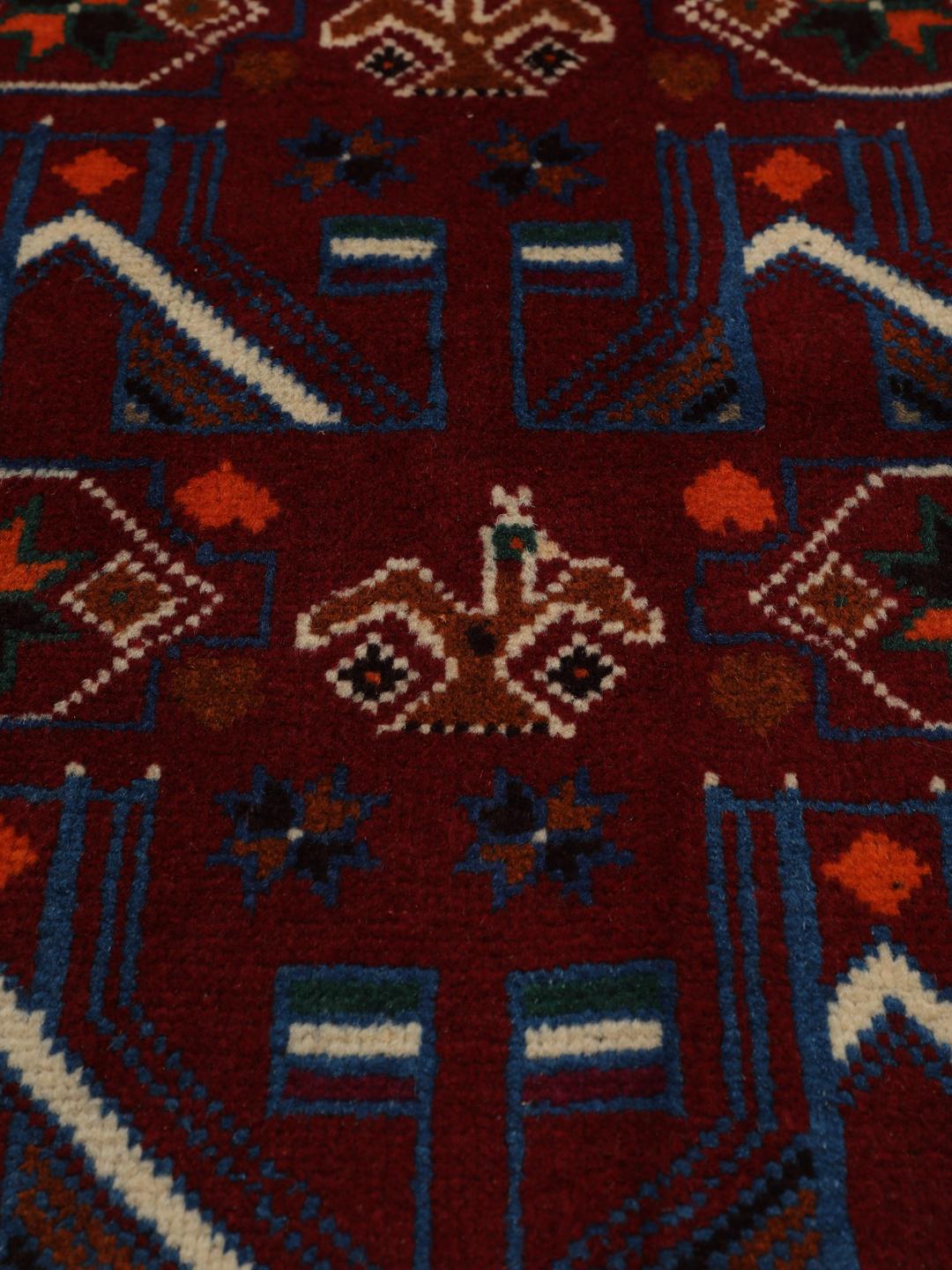
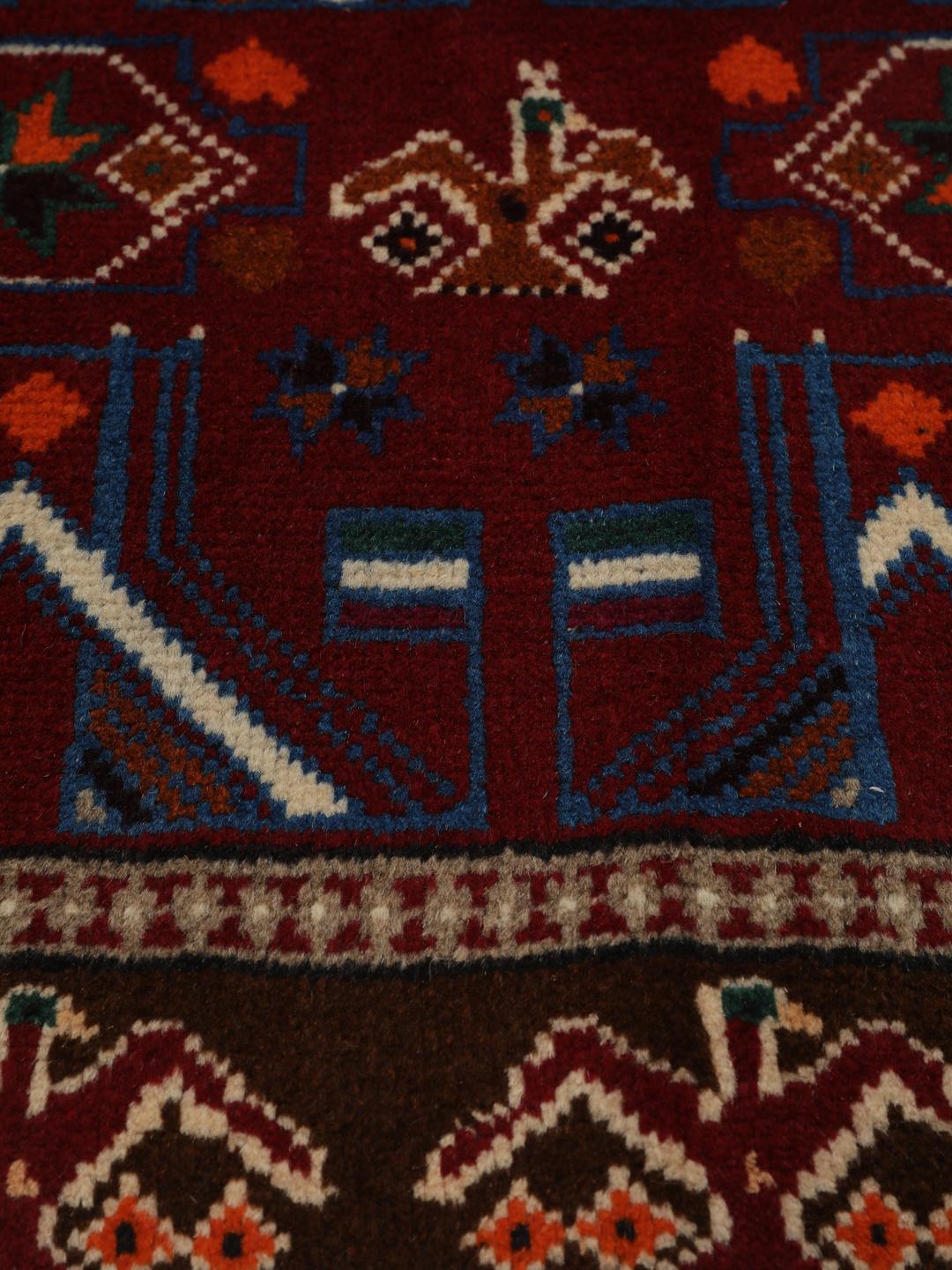
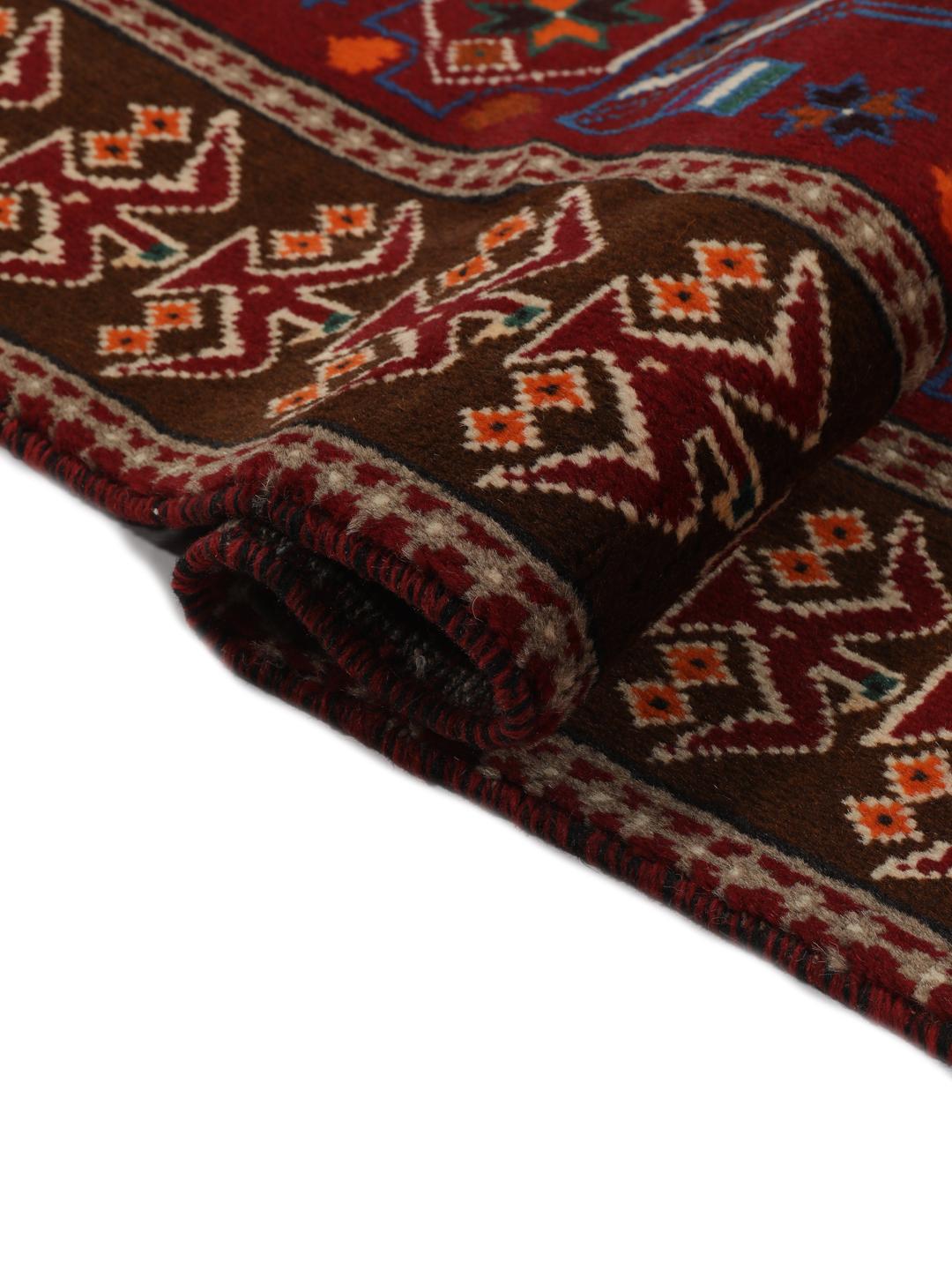
Visually, these rugs are defined by their deep, earthy colour palettes and a rigorous adherence to geometric symbolism. You will often find repeating motifs such as diamonds or stylised floral elements, framed by decorative borders that serve to contain the energy of the field. This specific rug showcases a traditional layout that highlights the weaver's ability to balance complex patterns with a cohesive, harmonious composition.
Collecting these rugs is an investment in cultural heritage. They are highly valued for their authenticity and the skill required to produce them without the aid of modern technology. Owning a piece from this tradition connects your home to a long-standing history of nomadic artistry, making it a significant addition for anyone who values the intersection of traditional skill and lasting design.