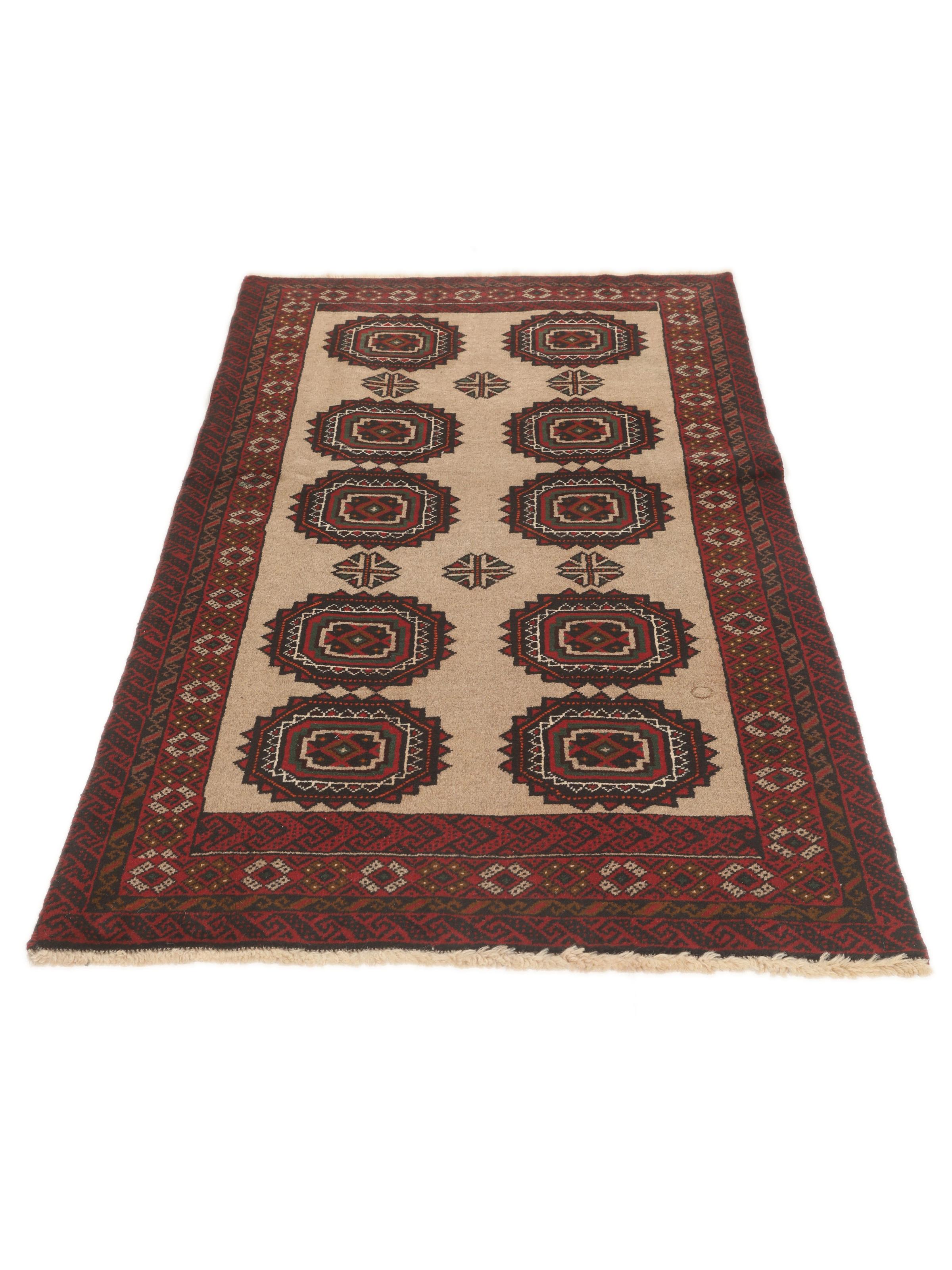
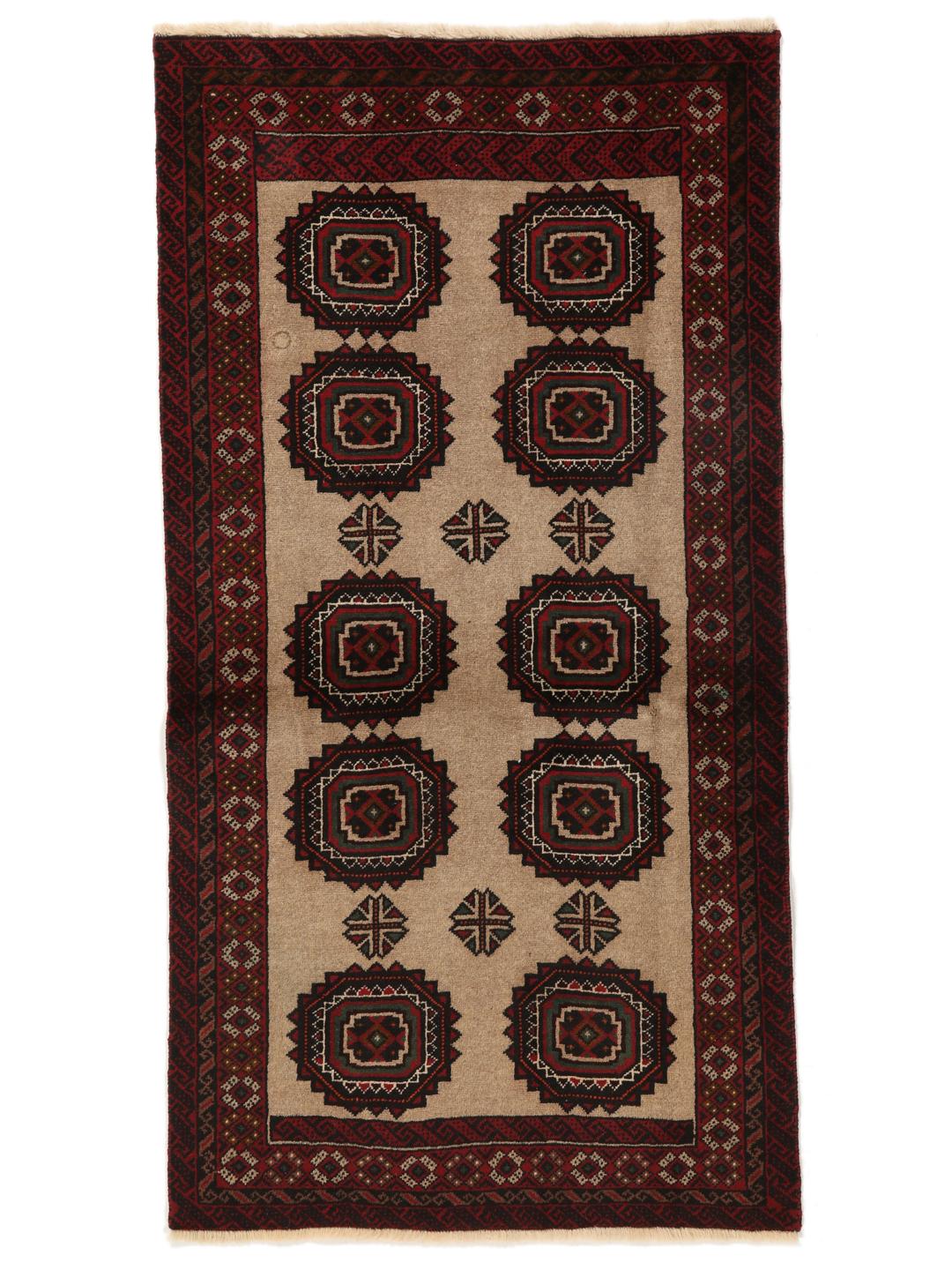
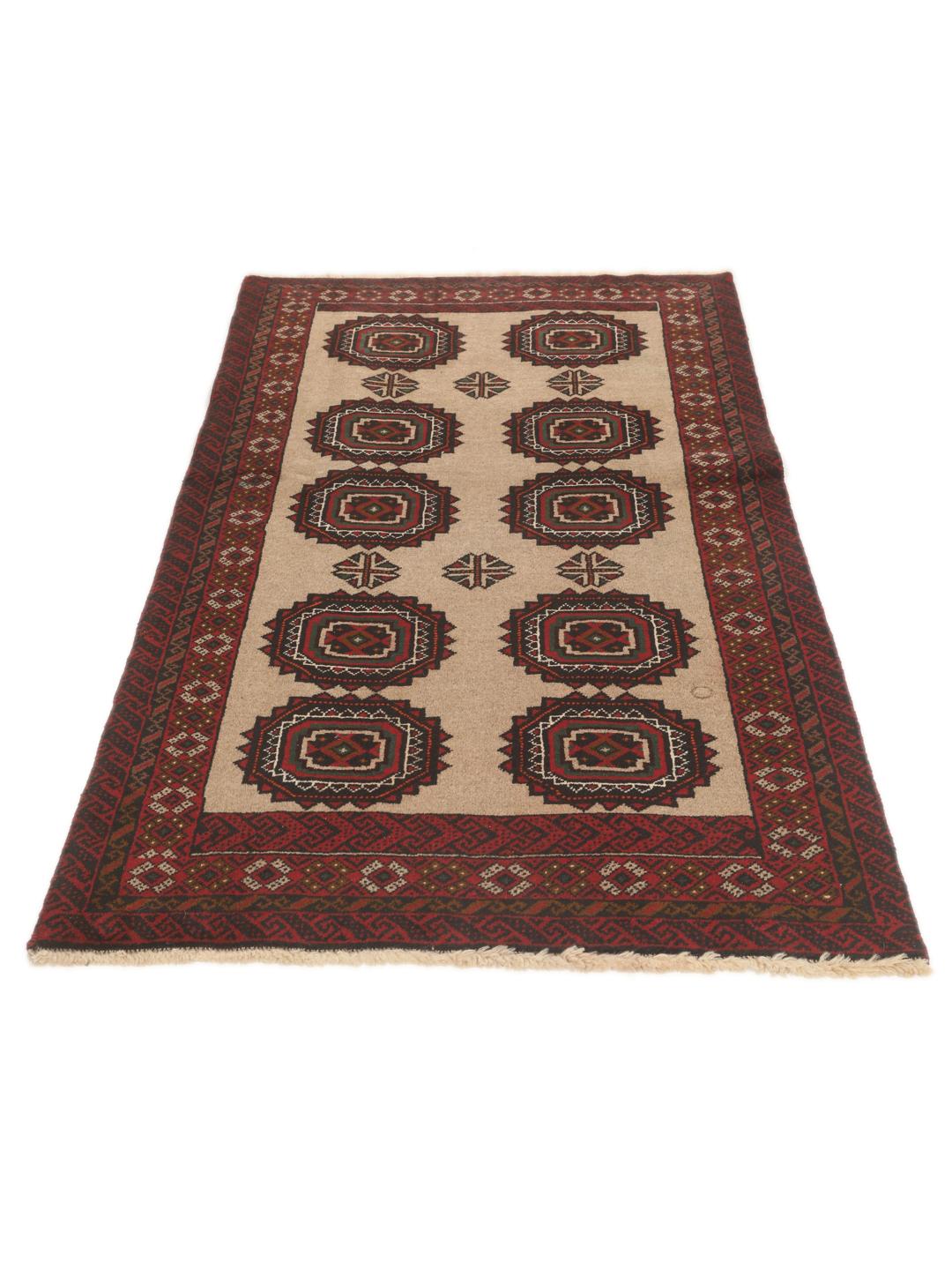
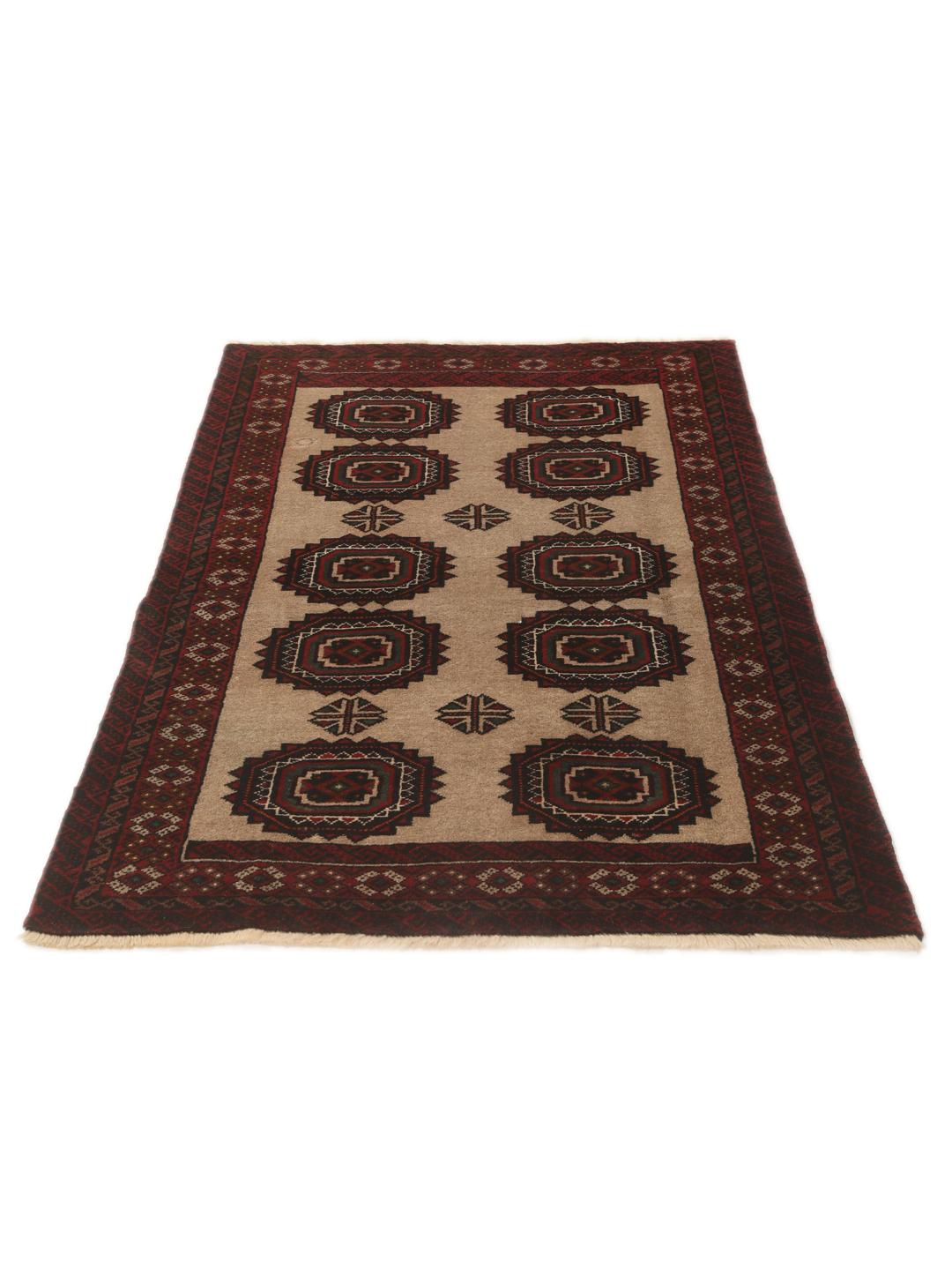
Baluch rugs originate from the nomadic and semi-nomadic tribes of the border regions between the Middle East and surrounding areas. These weavers have a long-standing tradition of creating rugs that are as portable as they are beautiful, often using their creations for warmth during travel or as essential elements of their tent interiors. This nomadic heritage is deeply reflected in the rug's design, which prioritizes durability and symbolic, protective motifs.
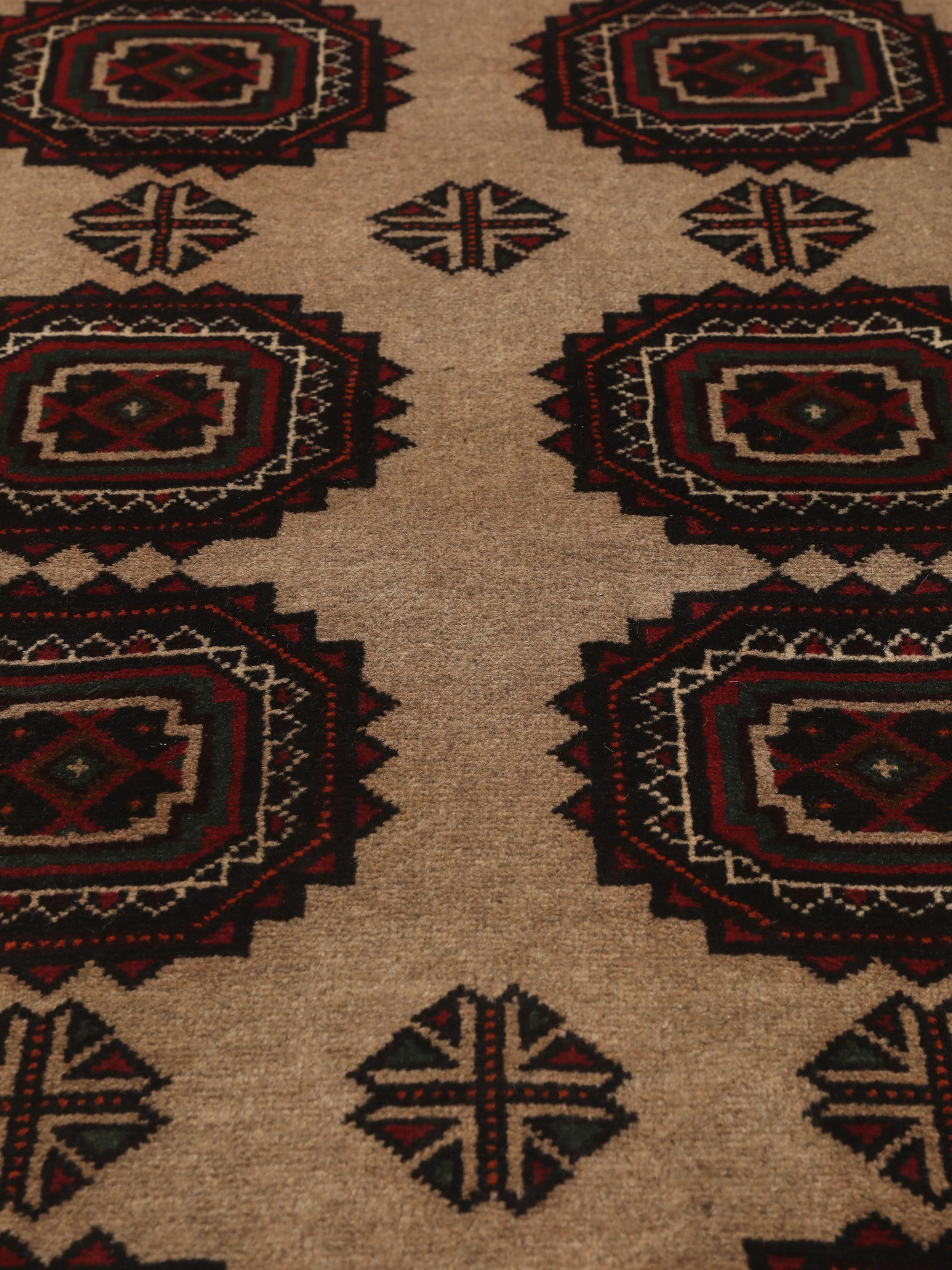
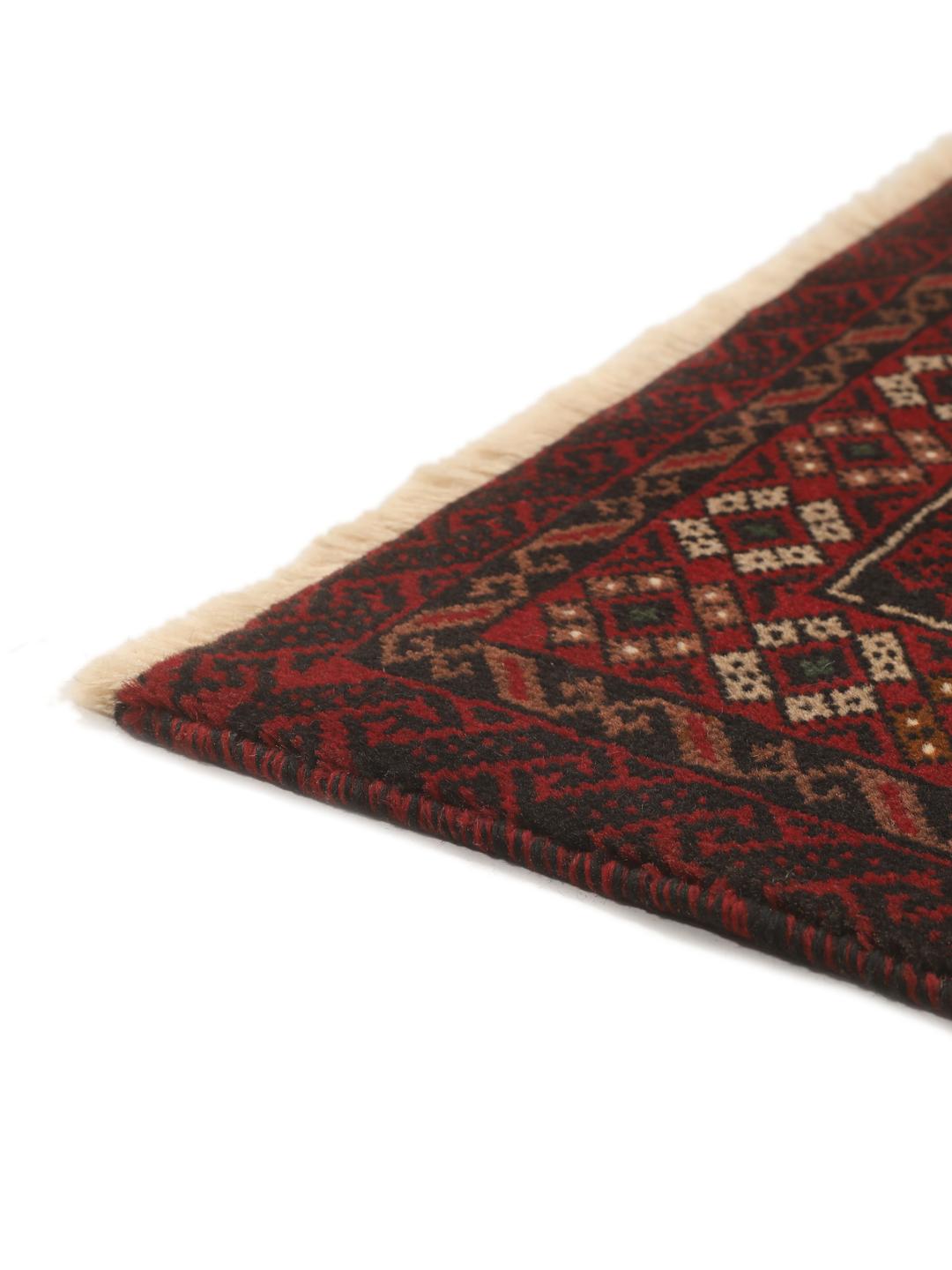
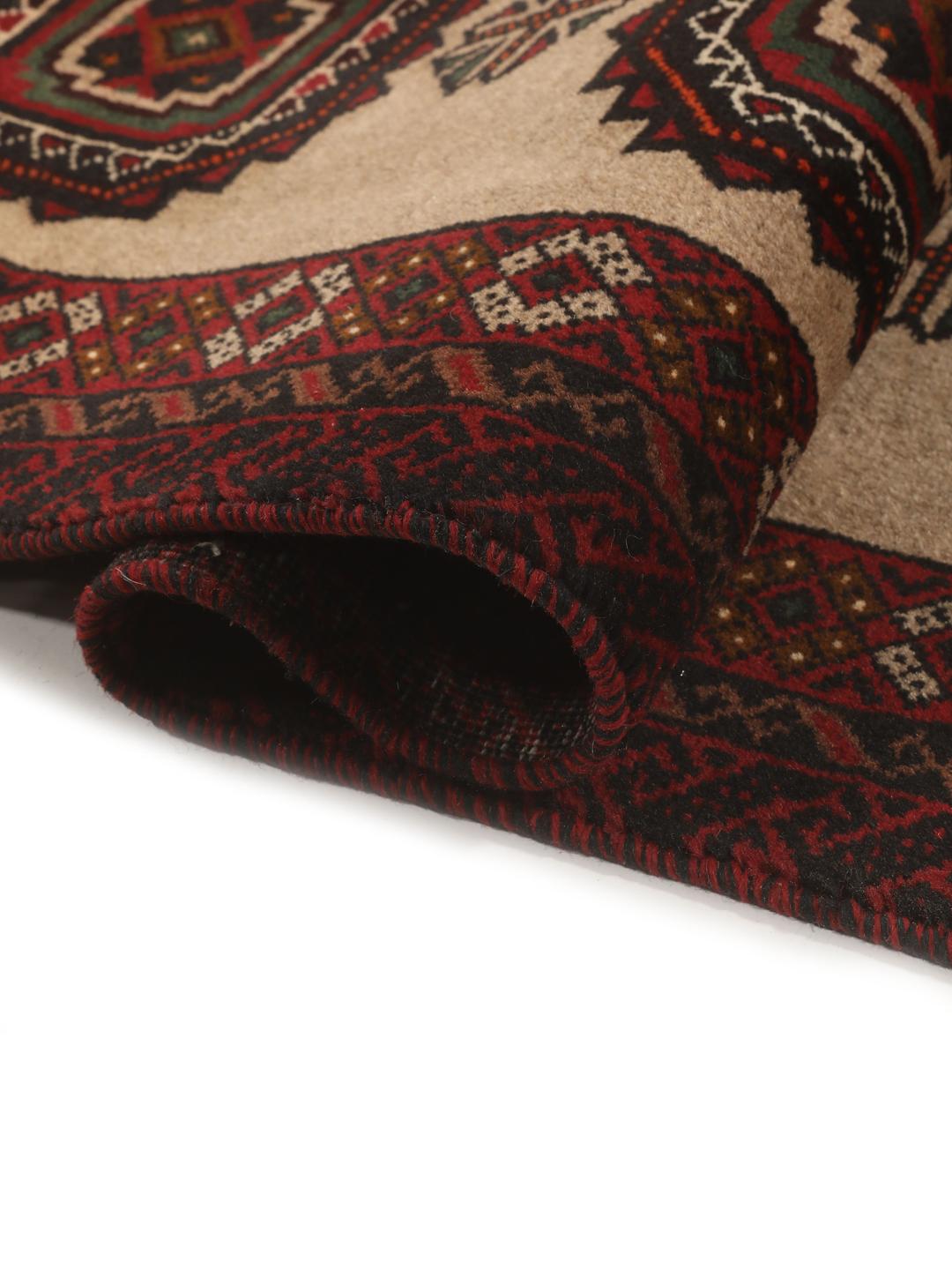
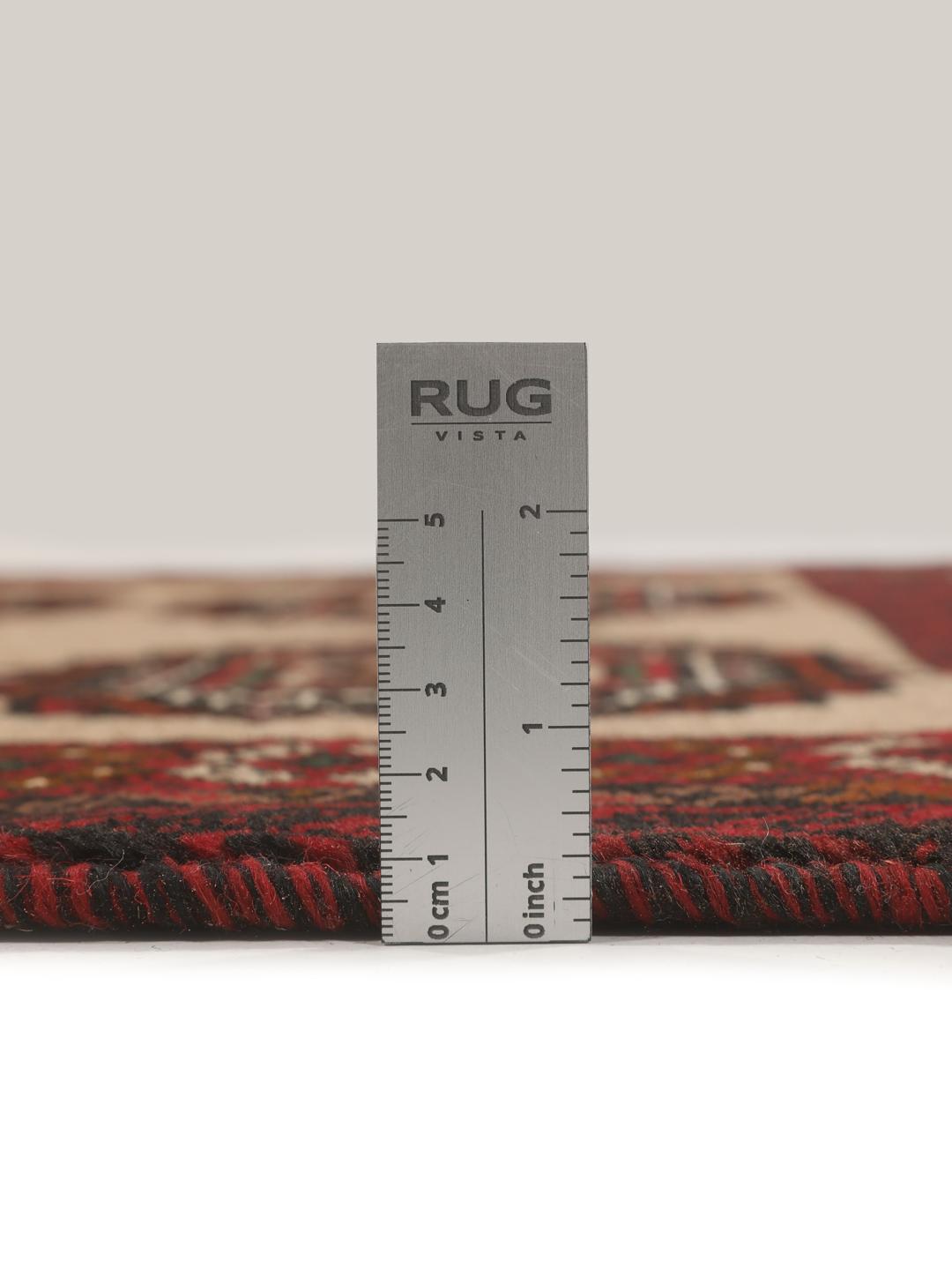
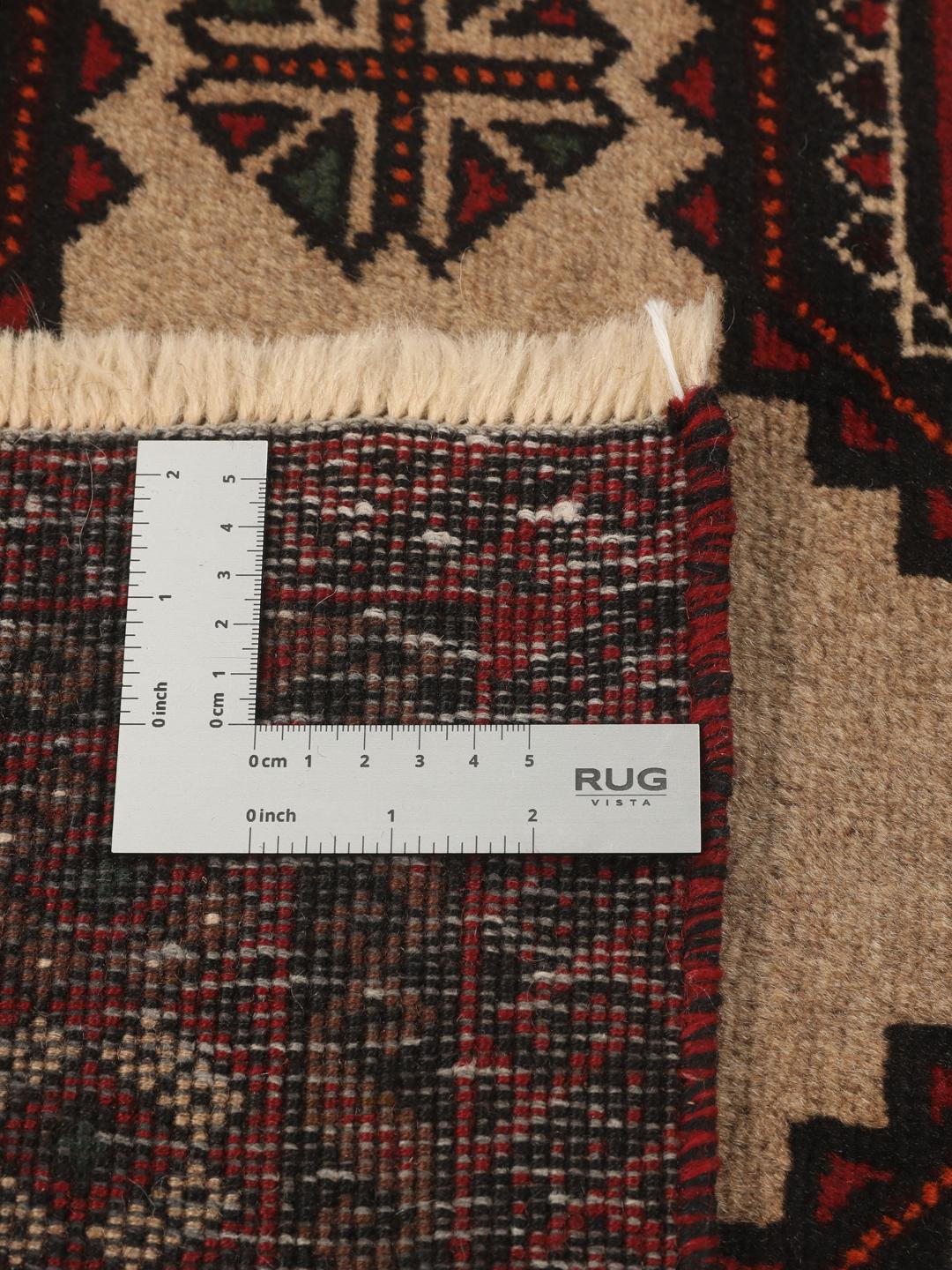
The term Baluch refers to both the tribal origin and the specific weaving style, which is characterized by a firm, tight knotting structure. This construction technique is vital for the rug's performance, as it creates a dense, stable fabric that resists wear. The use of high-quality wool provides a natural luster and a soft, inviting texture that is highly sought after by collectors who appreciate the resilience of traditional weaving methods.
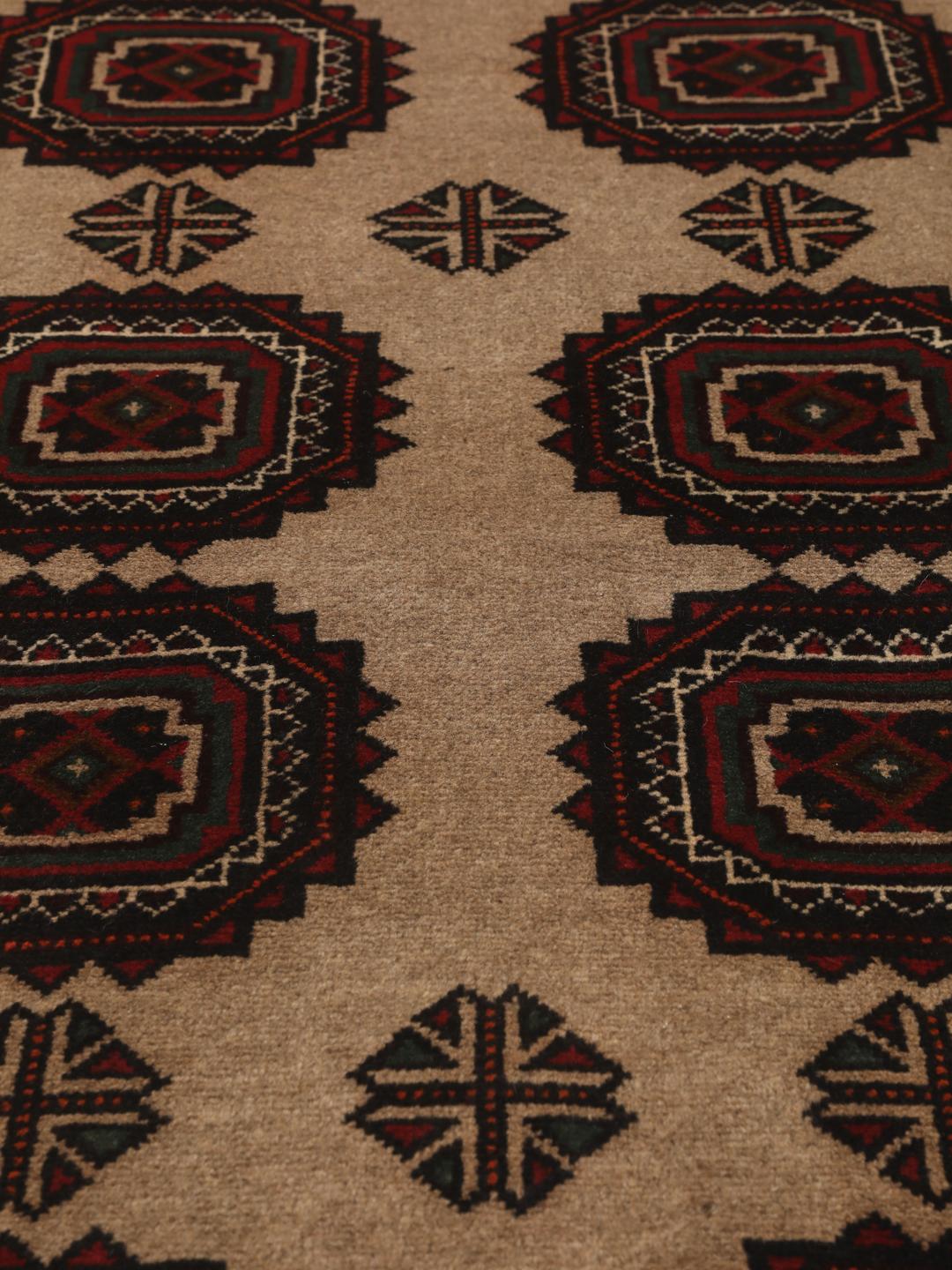
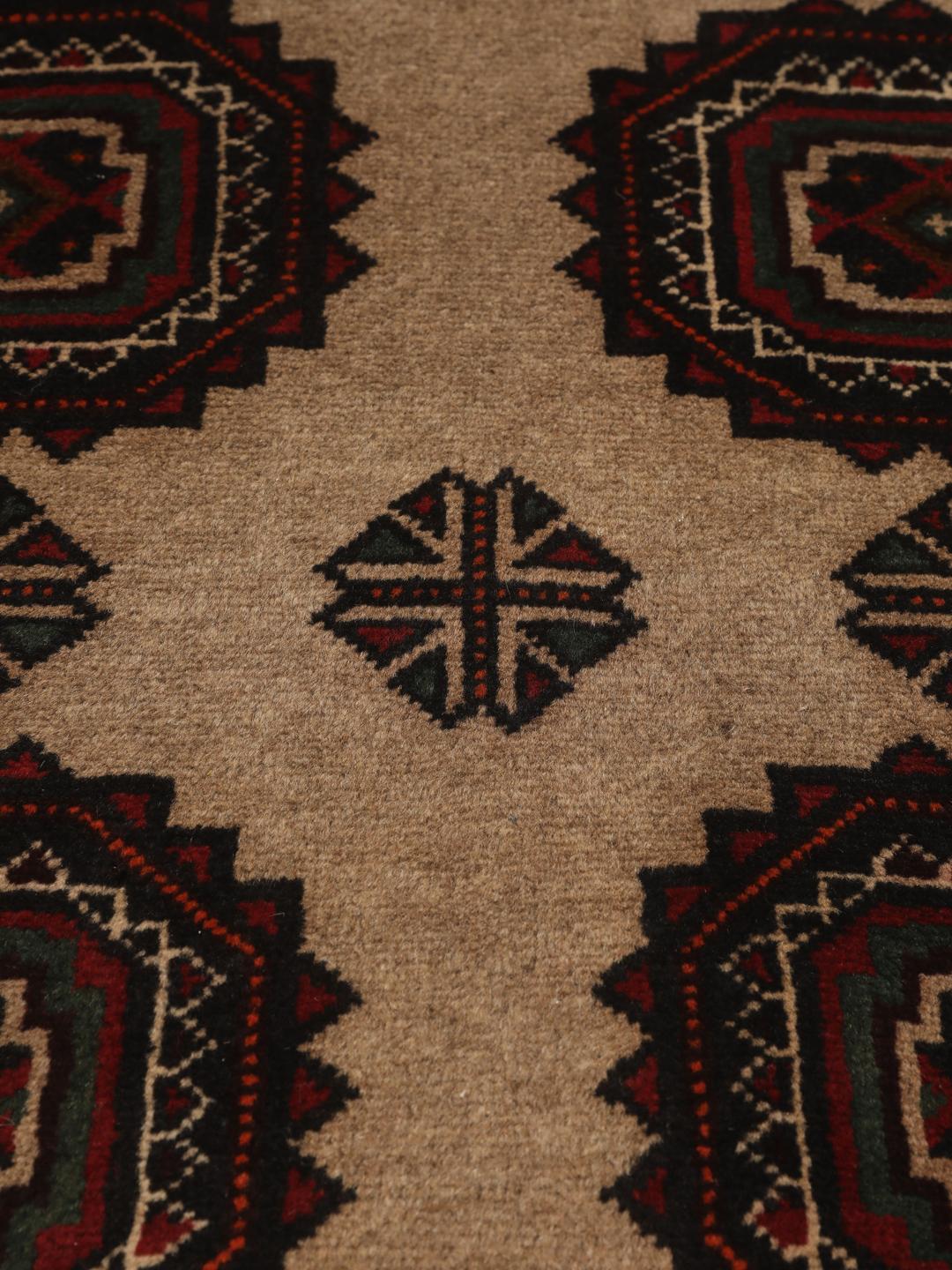
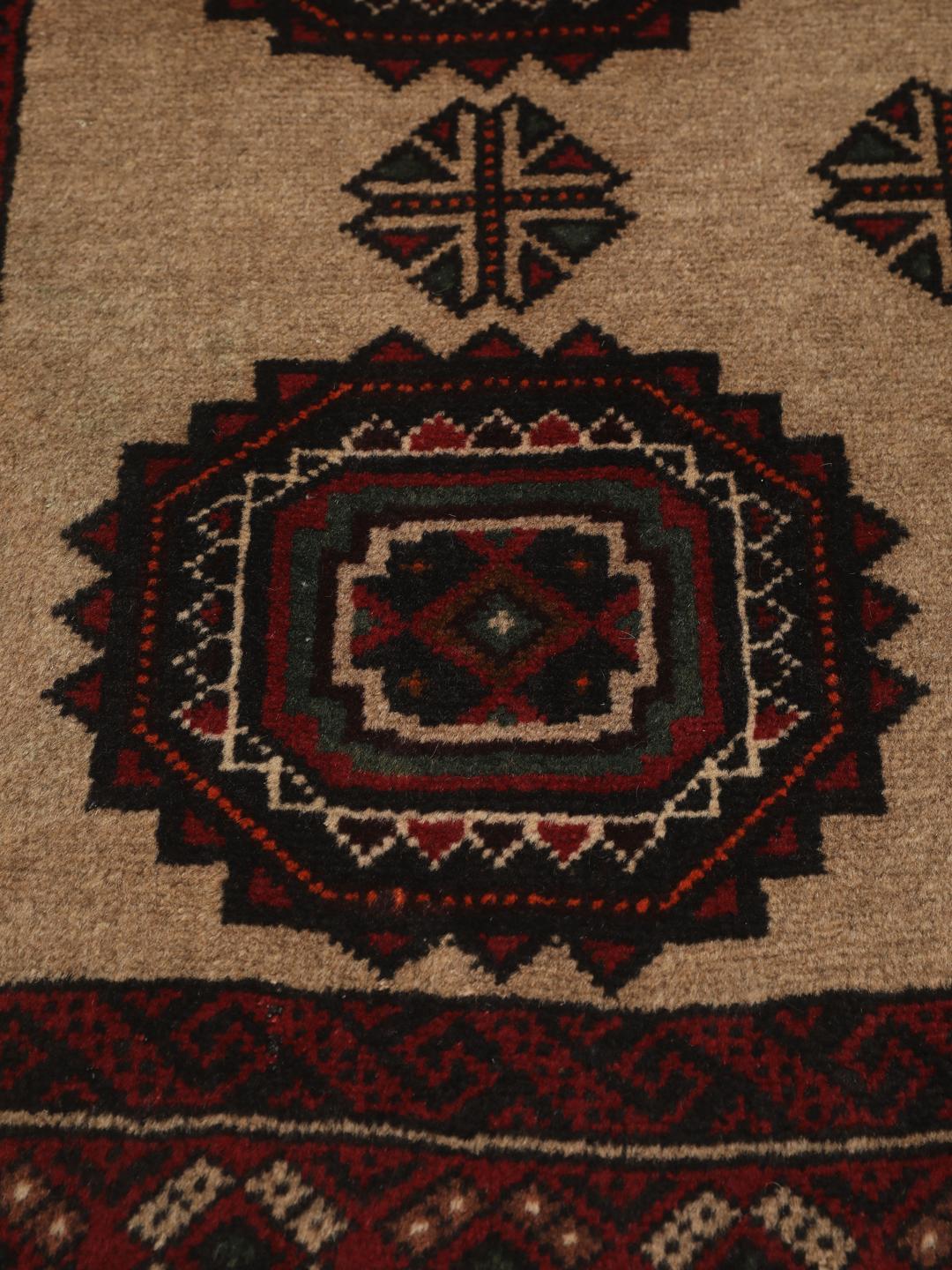
Visually, these rugs are known for their geometric language, often featuring repeating medallion motifs and intricate borders. The use of rich, earthy tones—frequently dominated by deep reds, browns, and beige—creates a warm and sophisticated palette. These patterns are not merely decorative but often carry cultural significance, representing the weaver's environment and the history of their tribe, making each piece a narrative of a specific time and place.
Owning a Baluch rug is an opportunity to connect with a centuries-old craft tradition. These pieces are highly valued by collectors for their authenticity, the skill required to produce them, and their ability to age beautifully. By acquiring this rug, you are not just purchasing a floor covering; you are preserving a piece of cultural history and bringing a testament to human skill and creativity into your living environment.