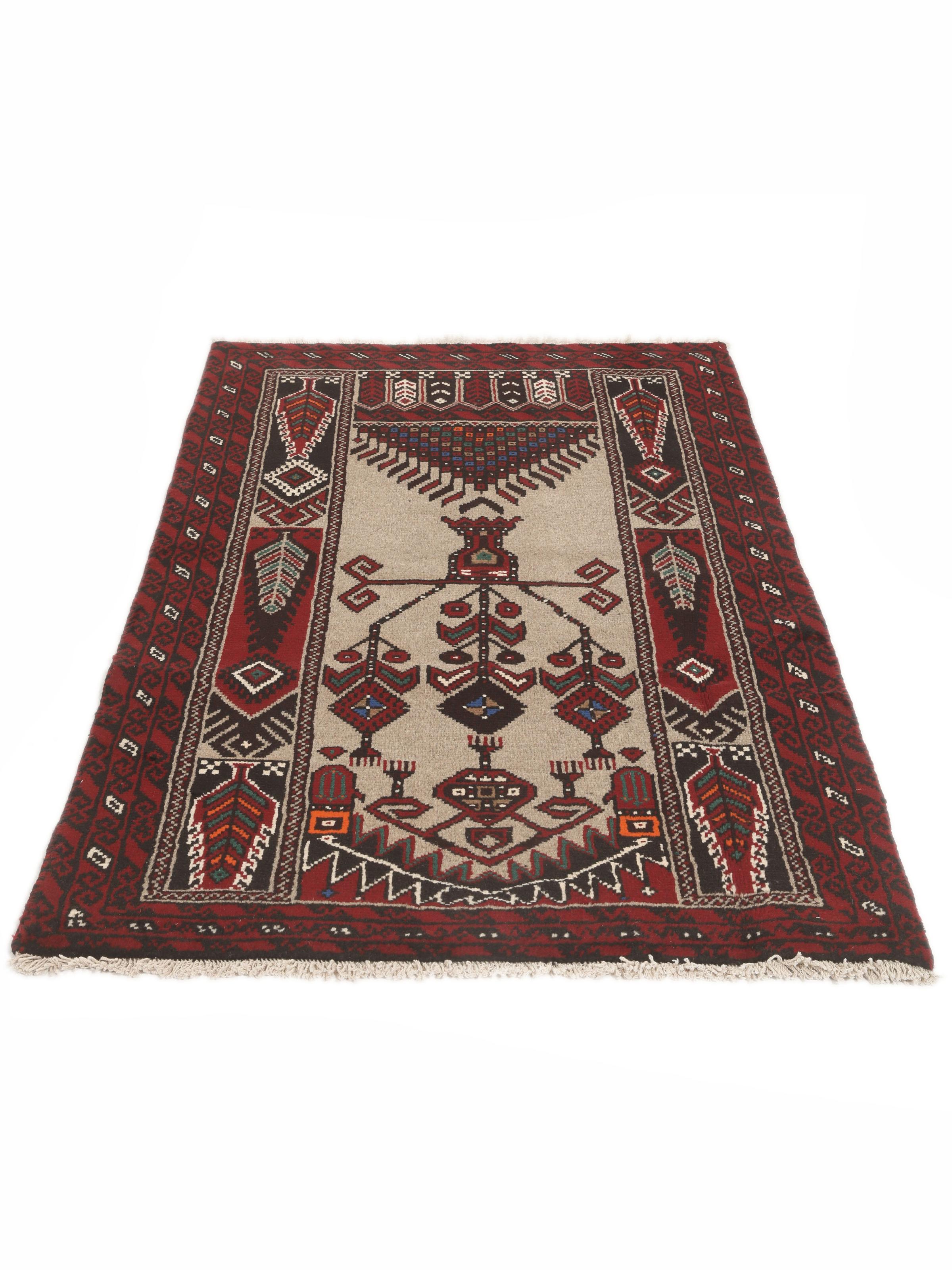
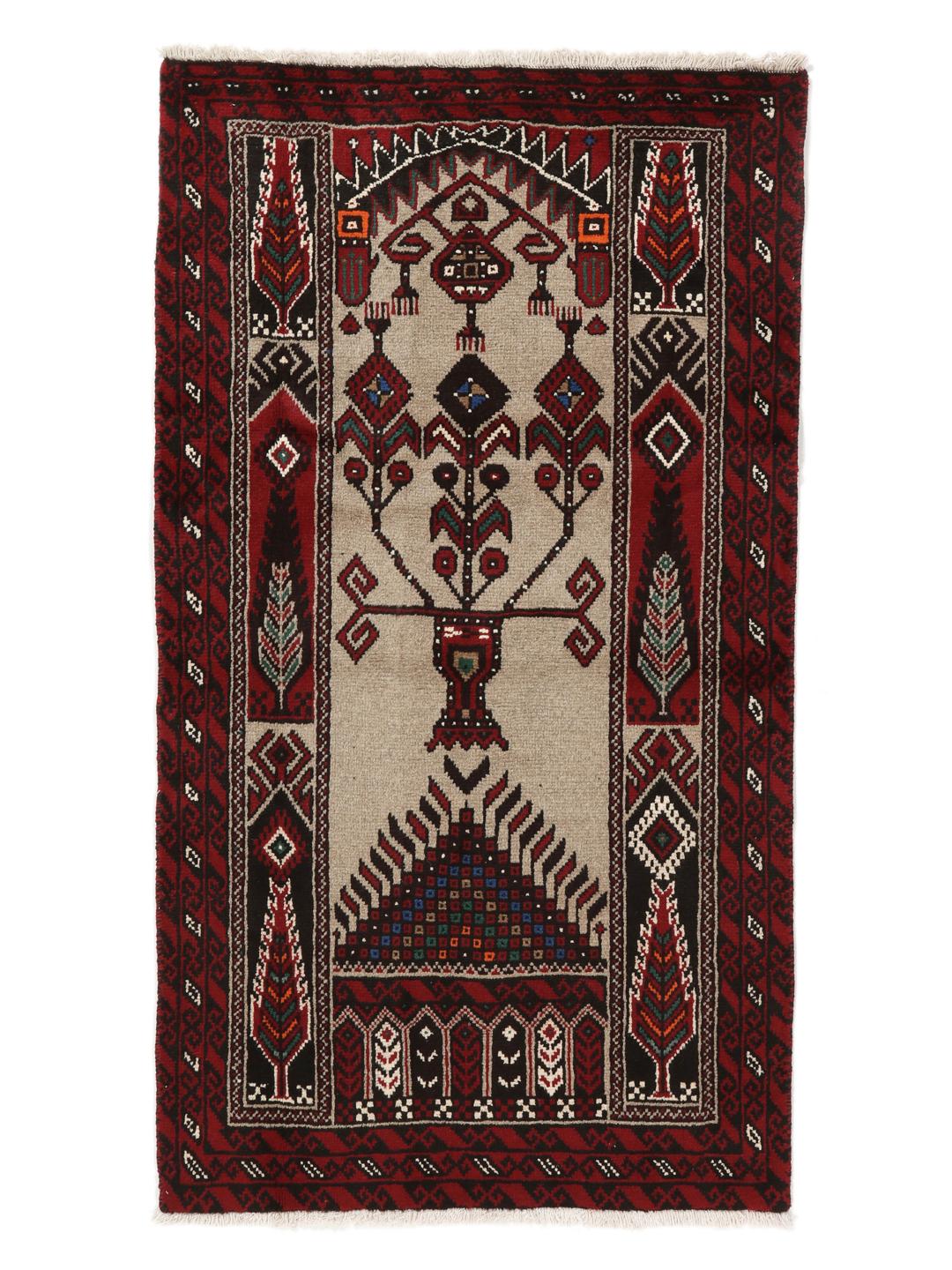
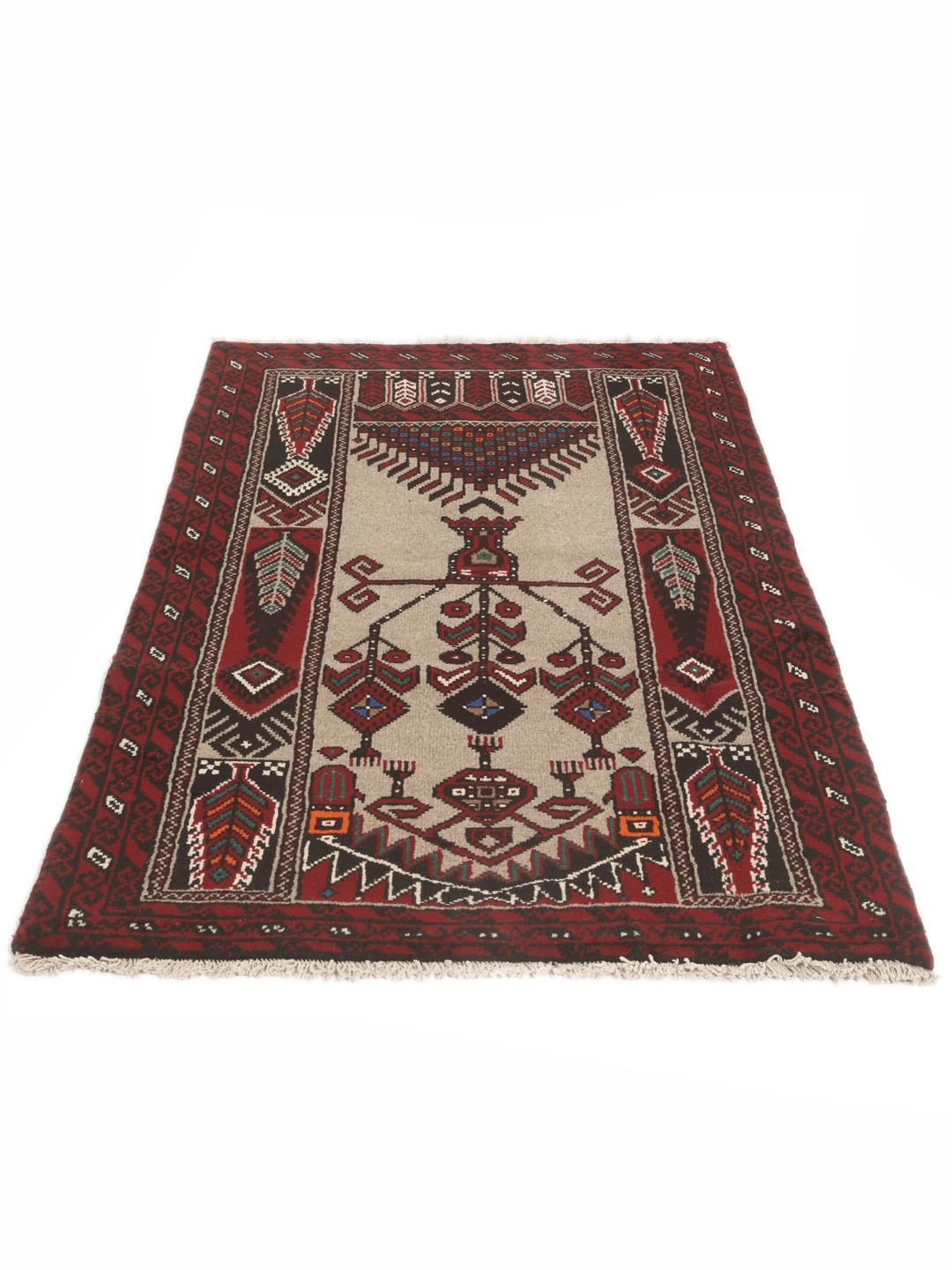
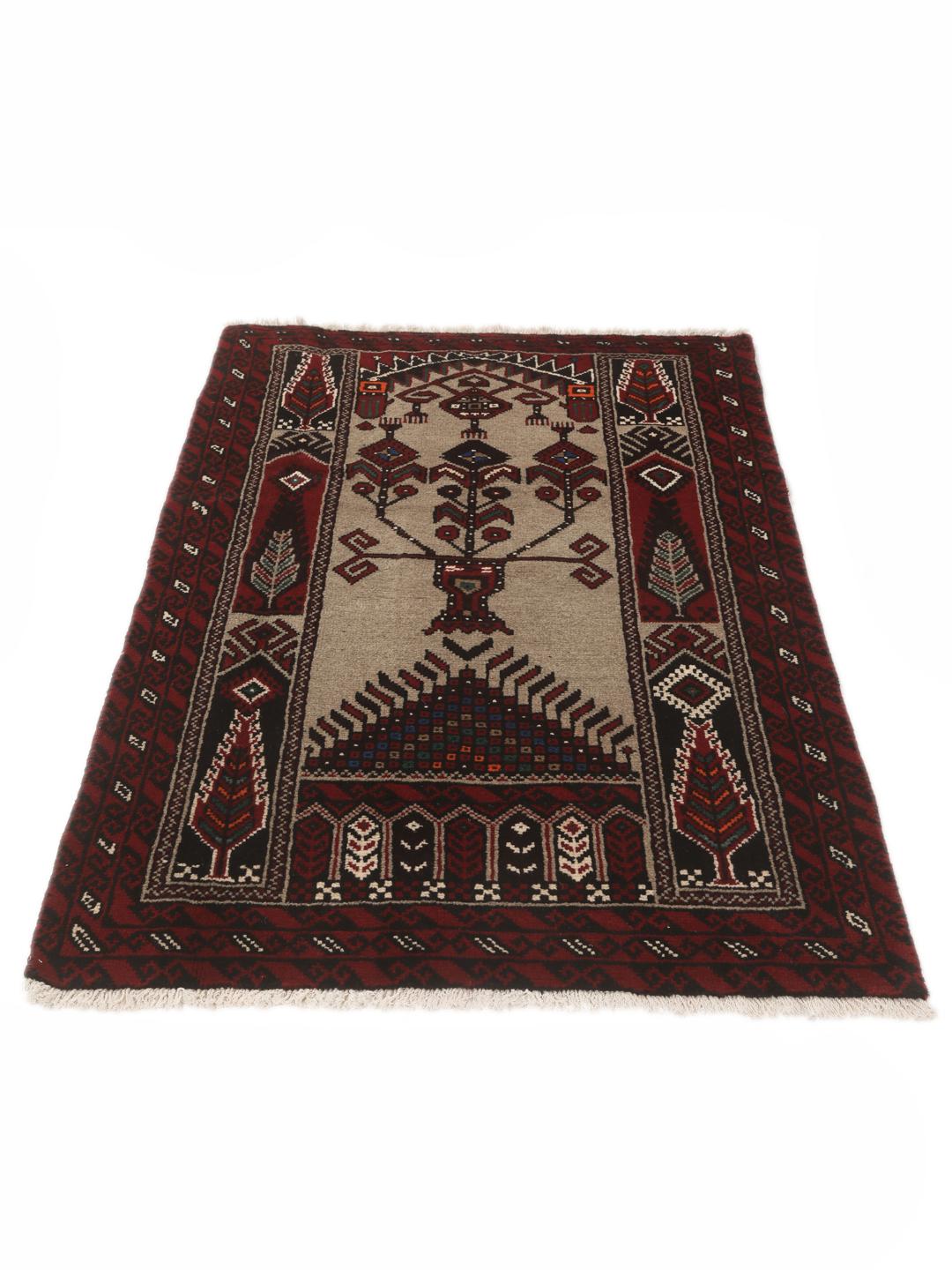
The Beluch rugs originate from the nomadic and semi-nomadic tribes residing in the border regions between the Middle East and surrounding areas. These weavers have historically led a migratory lifestyle, carrying their looms with them as they traversed the rugged landscapes. This nomadic heritage is deeply embedded in the identity of the rugs, which often serve as both functional floor coverings and expressions of tribal identity.
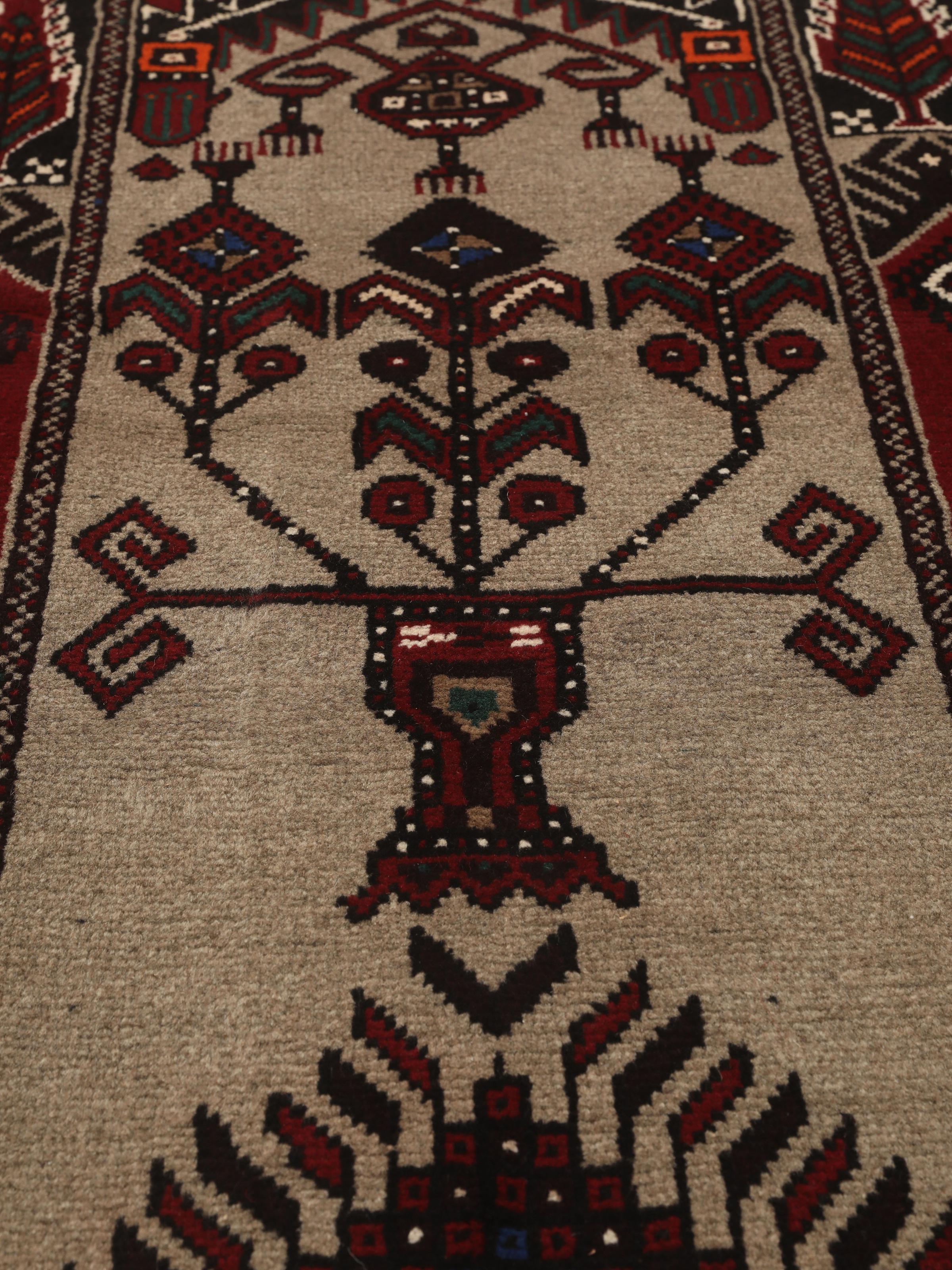
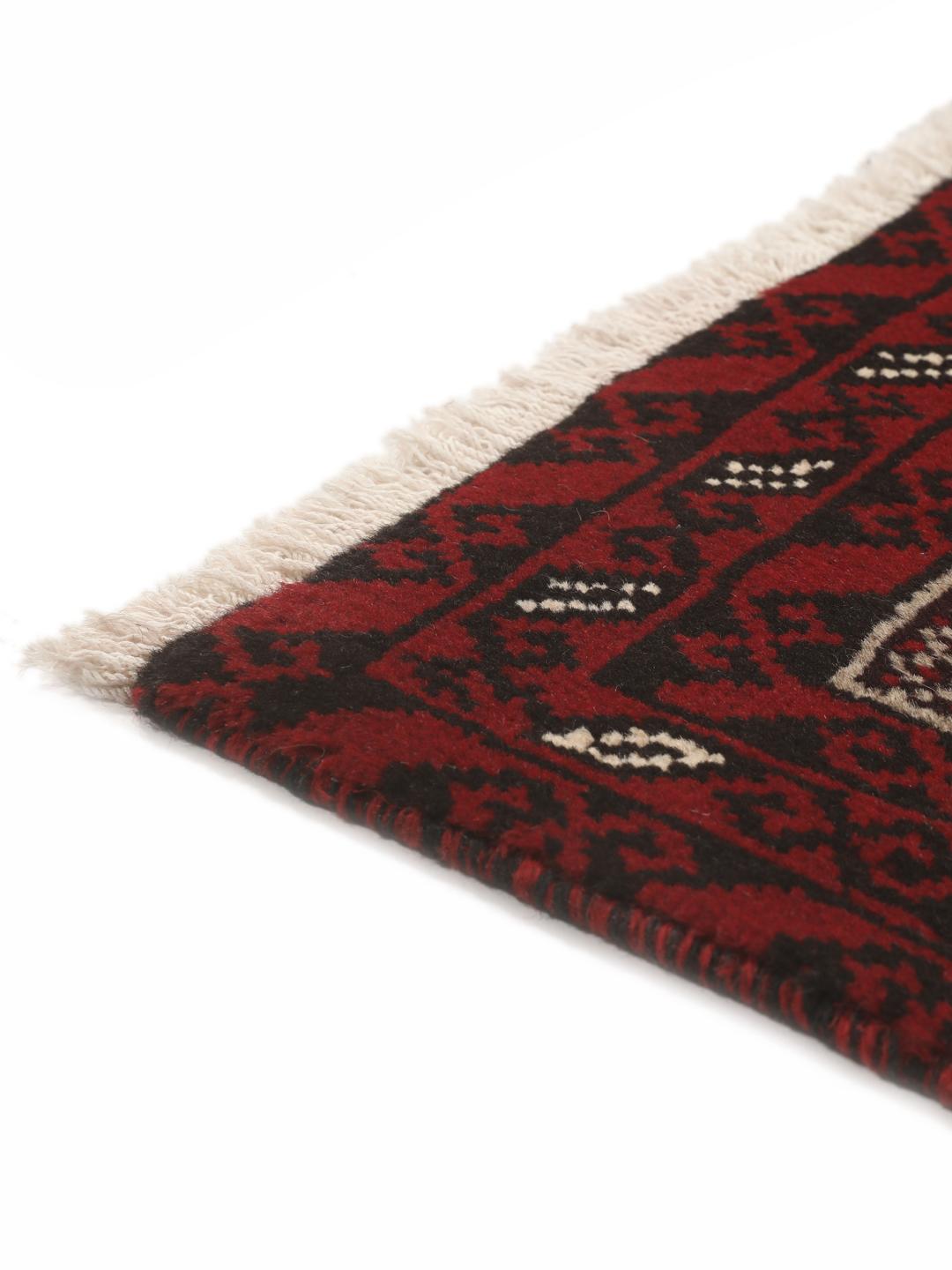
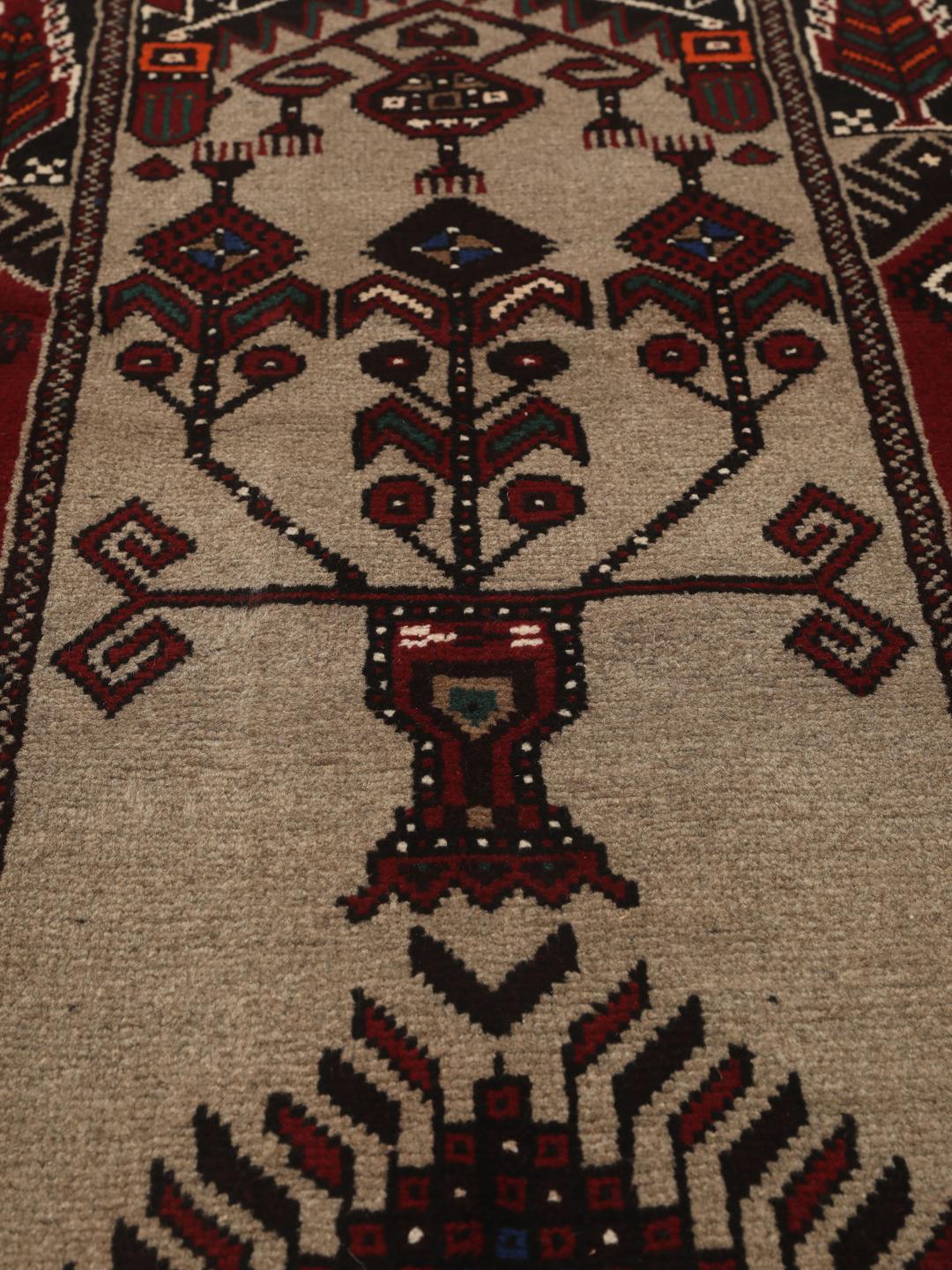
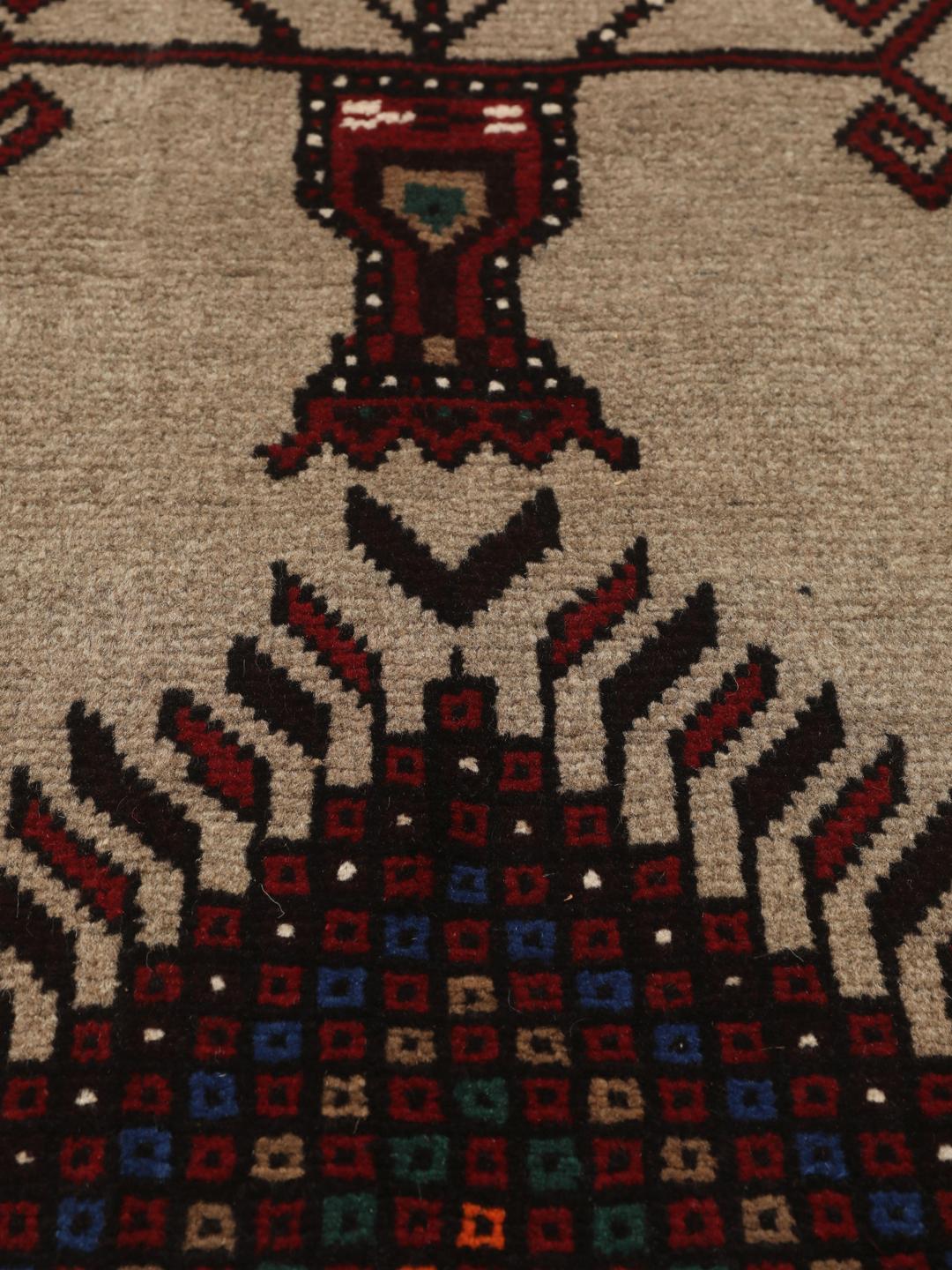
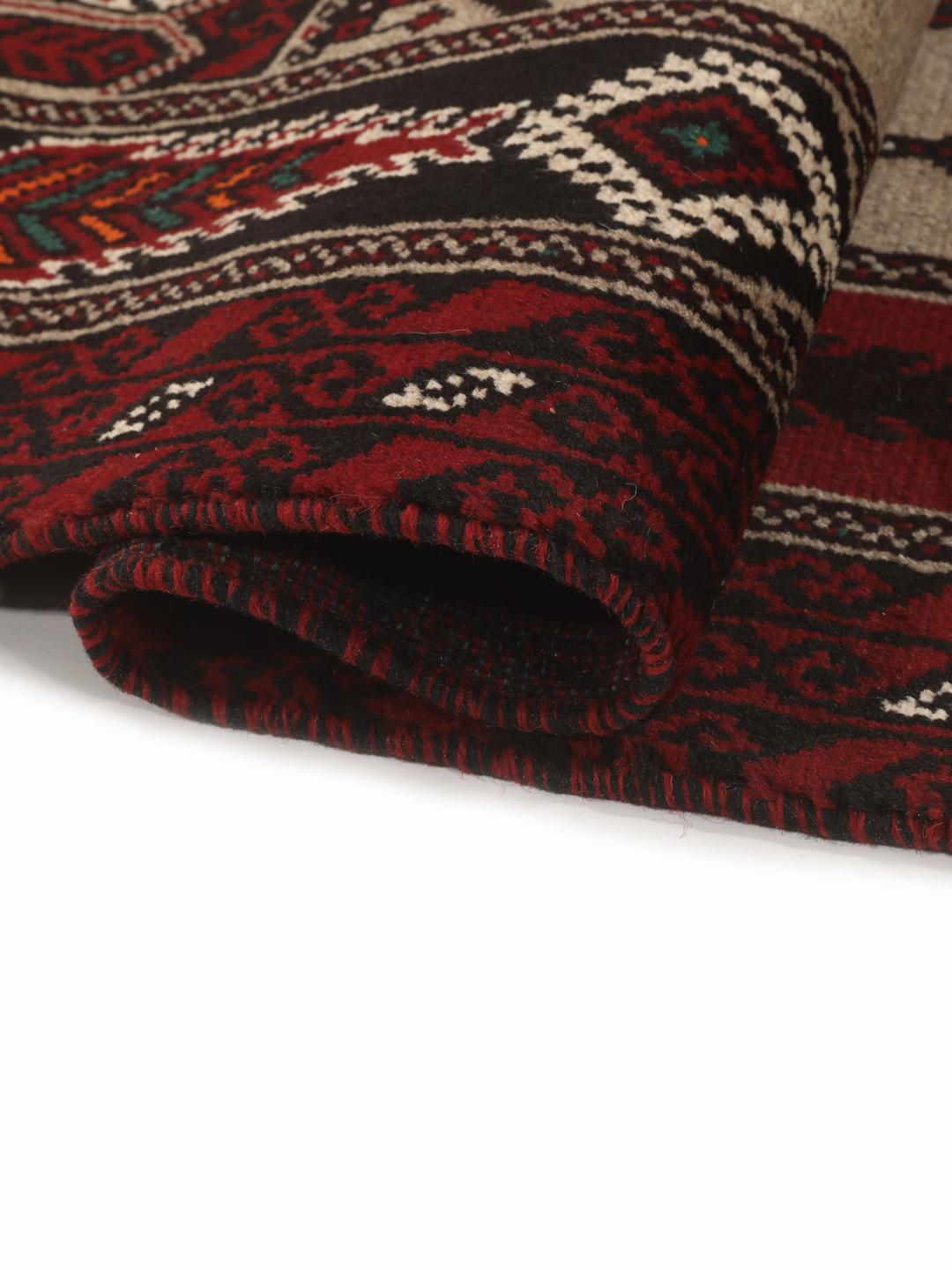
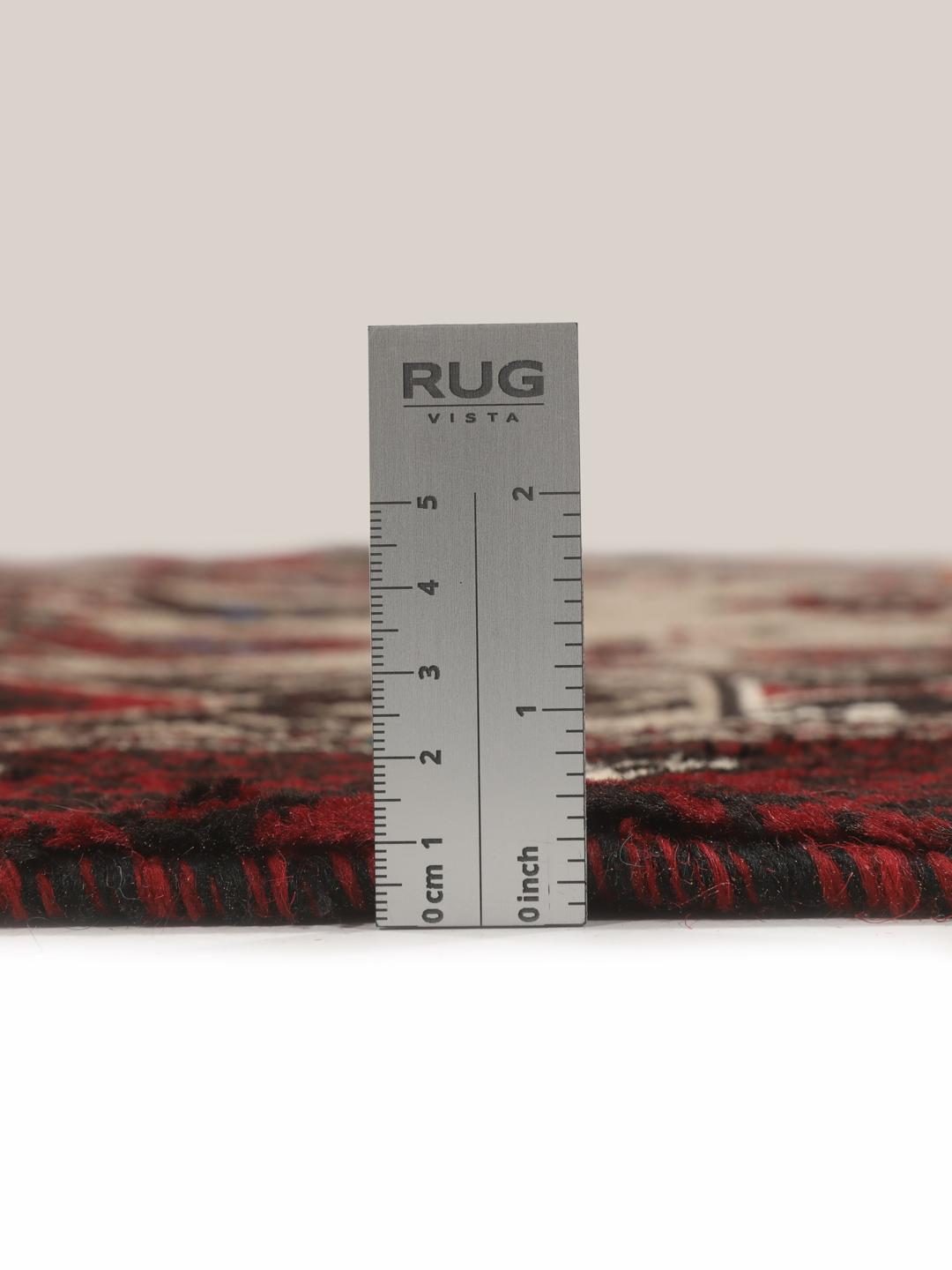
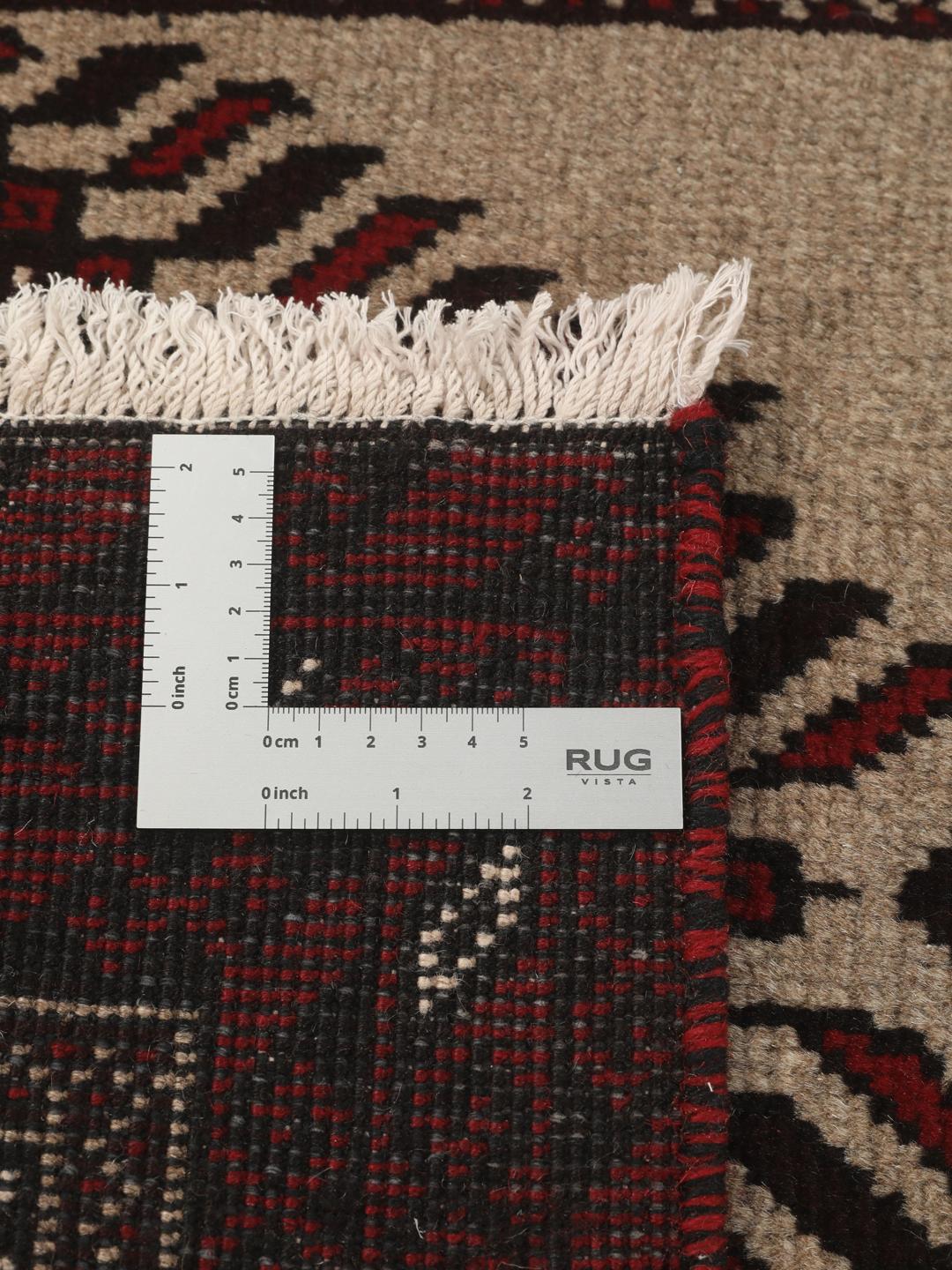
The term Beluch refers to this distinct tribal heritage, known for a specific approach to knotting that prioritises durability and intricate pattern work. Using a mixture of wool for the pile and a sturdy foundation, these weavers create pieces that are both supple and robust. The technical quality is defined by the tight knotting, which allows for the sharp, angular geometric motifs that have become the signature of this style.
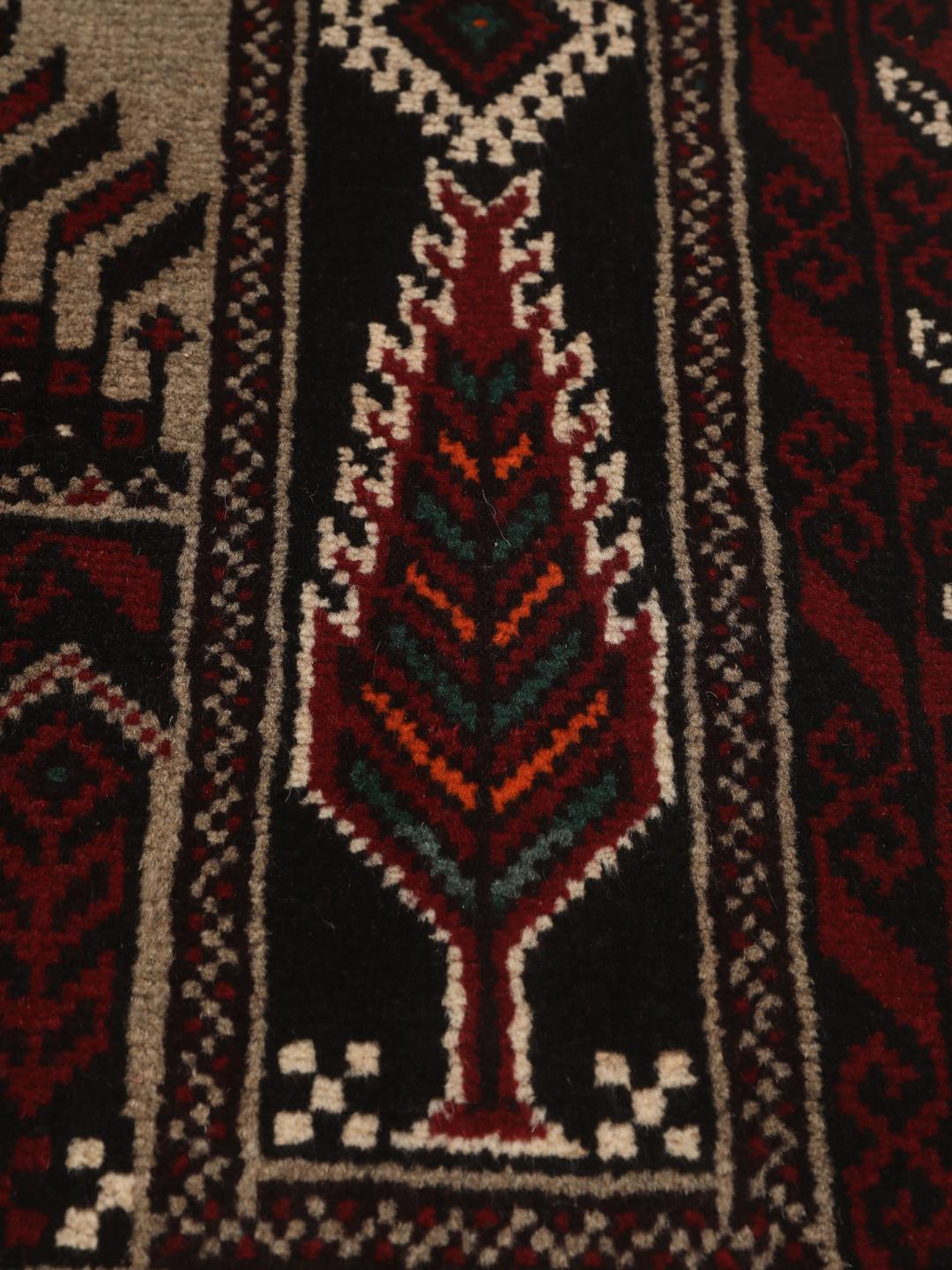
Design elements in Beluch rugs are heavily influenced by the environment and cultural symbolism of the region. You will frequently find geometric medallions, stylised floral motifs, and decorative borders that tell the story of the weaver’s surroundings. The use of deep red and dark-black tones is a classic tradition, often achieved through natural dyes that gain a beautiful, muted patina as the years pass, making these rugs highly sought after by collectors.
Owning a Beluch rug is an opportunity to preserve a piece of living history. These rugs are valued not just for their appearance, but for the immense skill and cultural storytelling woven into every strand. As the nomadic way of life continues to evolve, the traditional methods used to create these rugs become increasingly rare, making every authentic hand-knotted piece a significant addition to any collection.