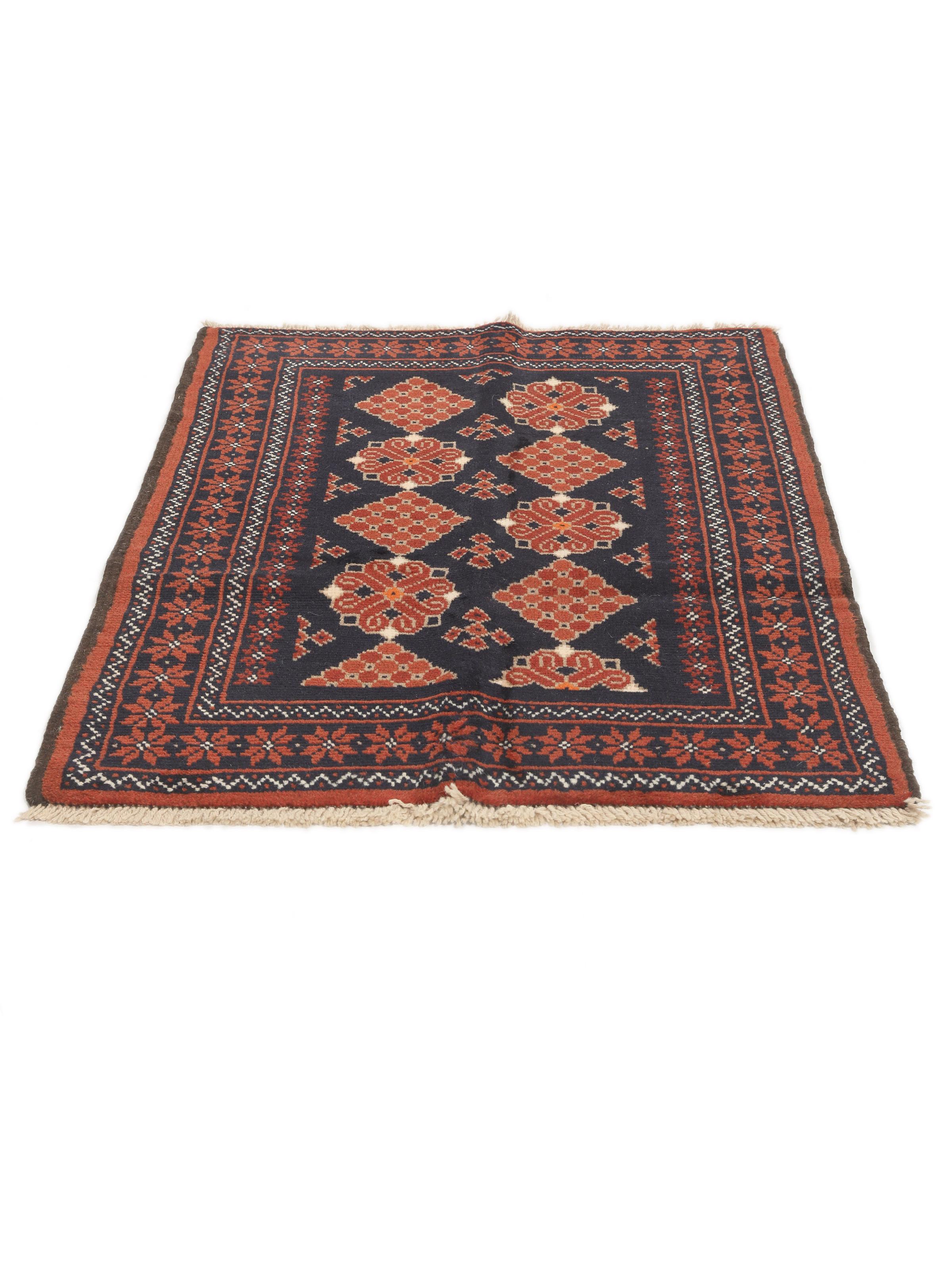
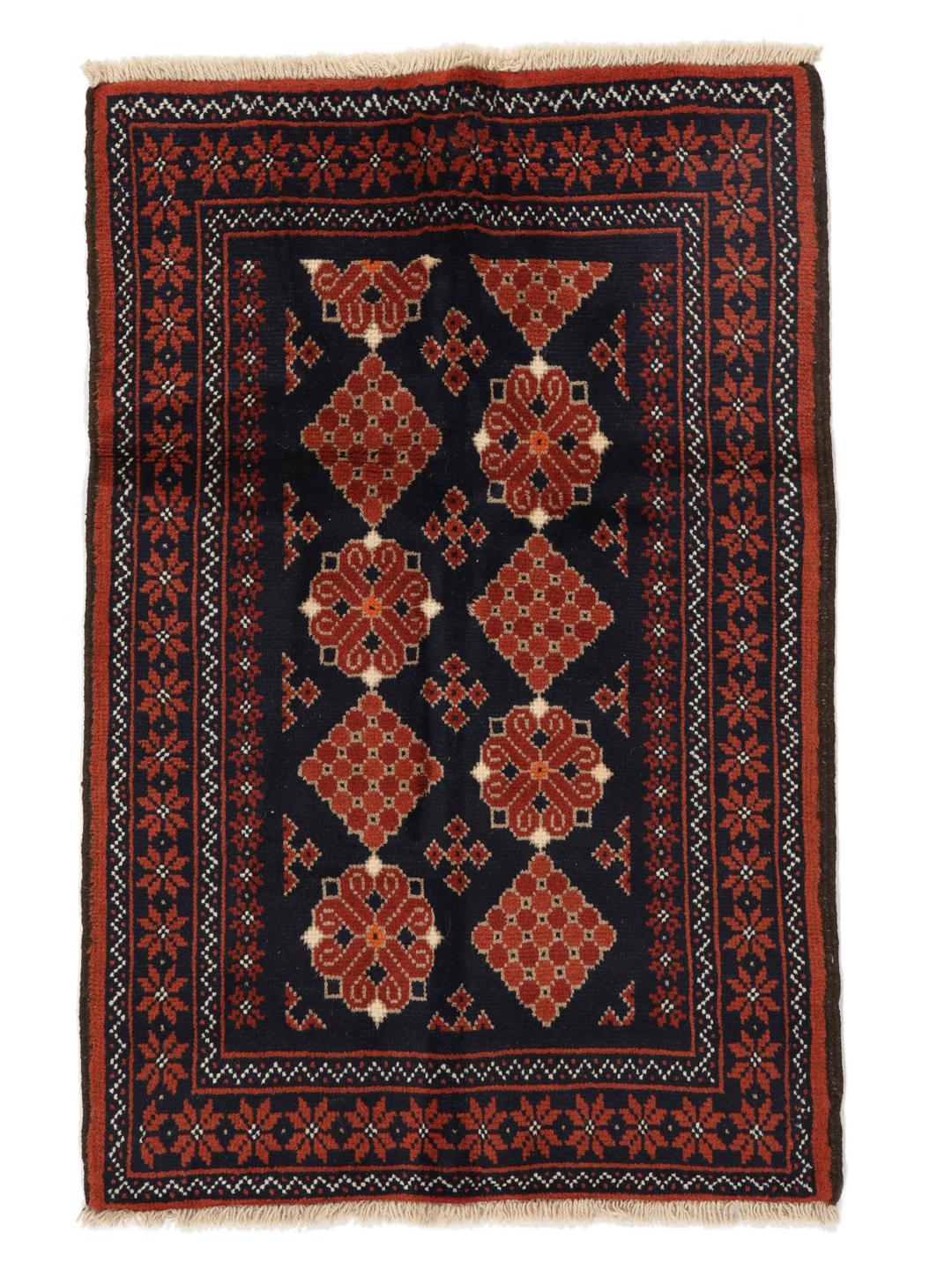
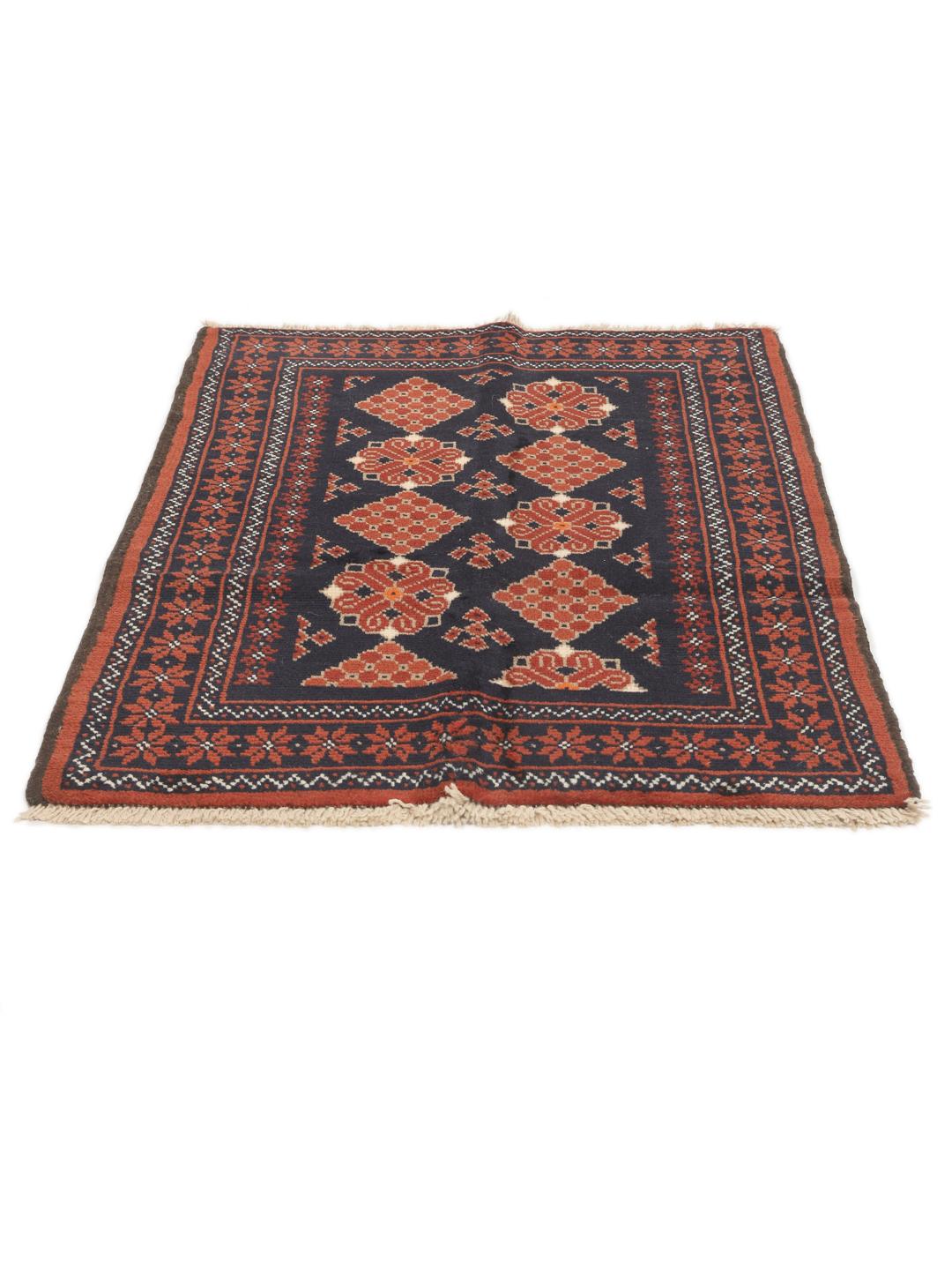
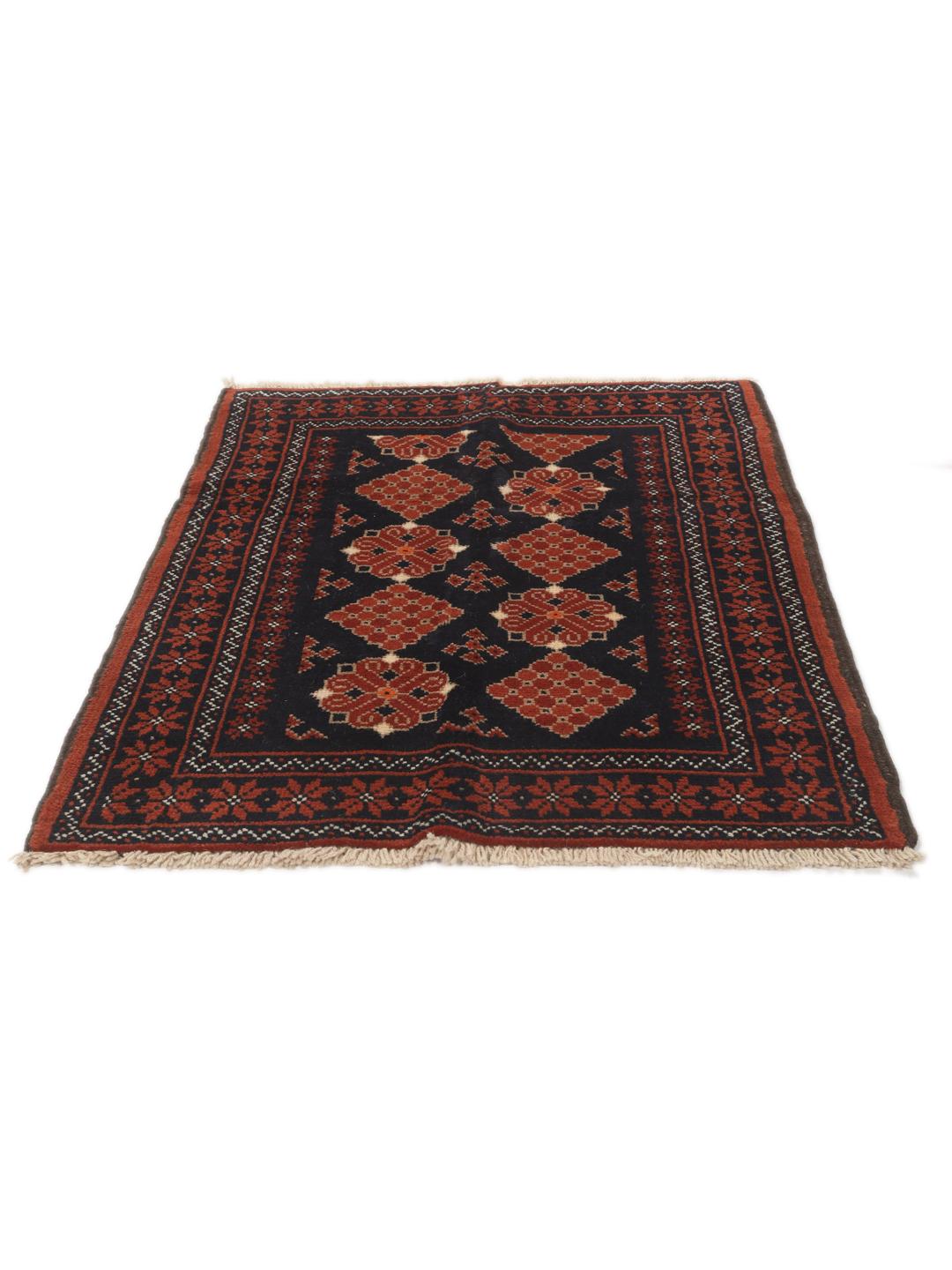
The Baluch rugs originate from the nomadic tribes of the border regions between the Middle East and Central Asia. Historically, these weavers moved across vast landscapes, carrying their looms with them, which influenced the portable, durable, and highly expressive nature of their creations. This nomadic heritage is reflected in the rug's ability to adapt to diverse environments while maintaining its distinct cultural identity.
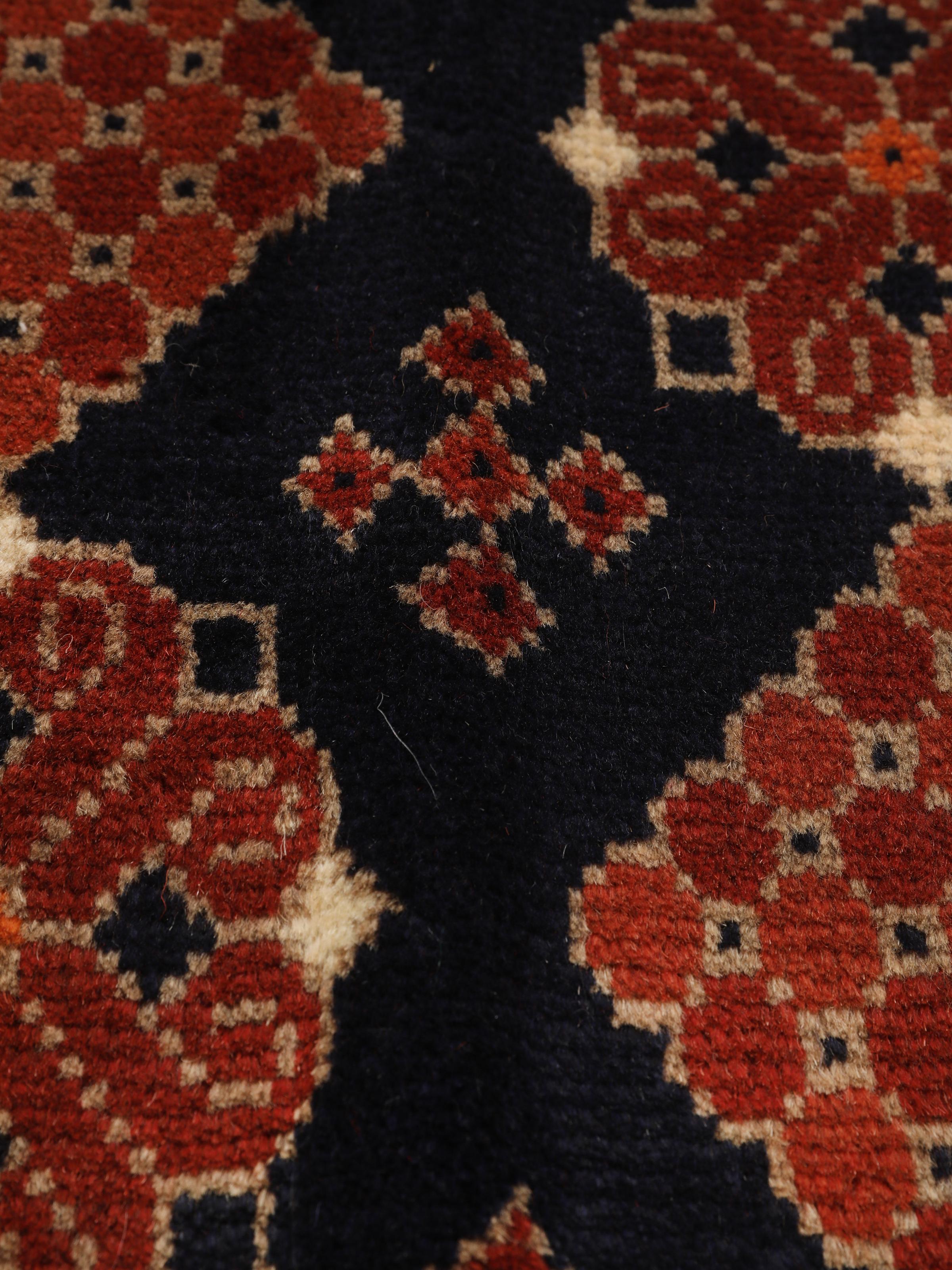
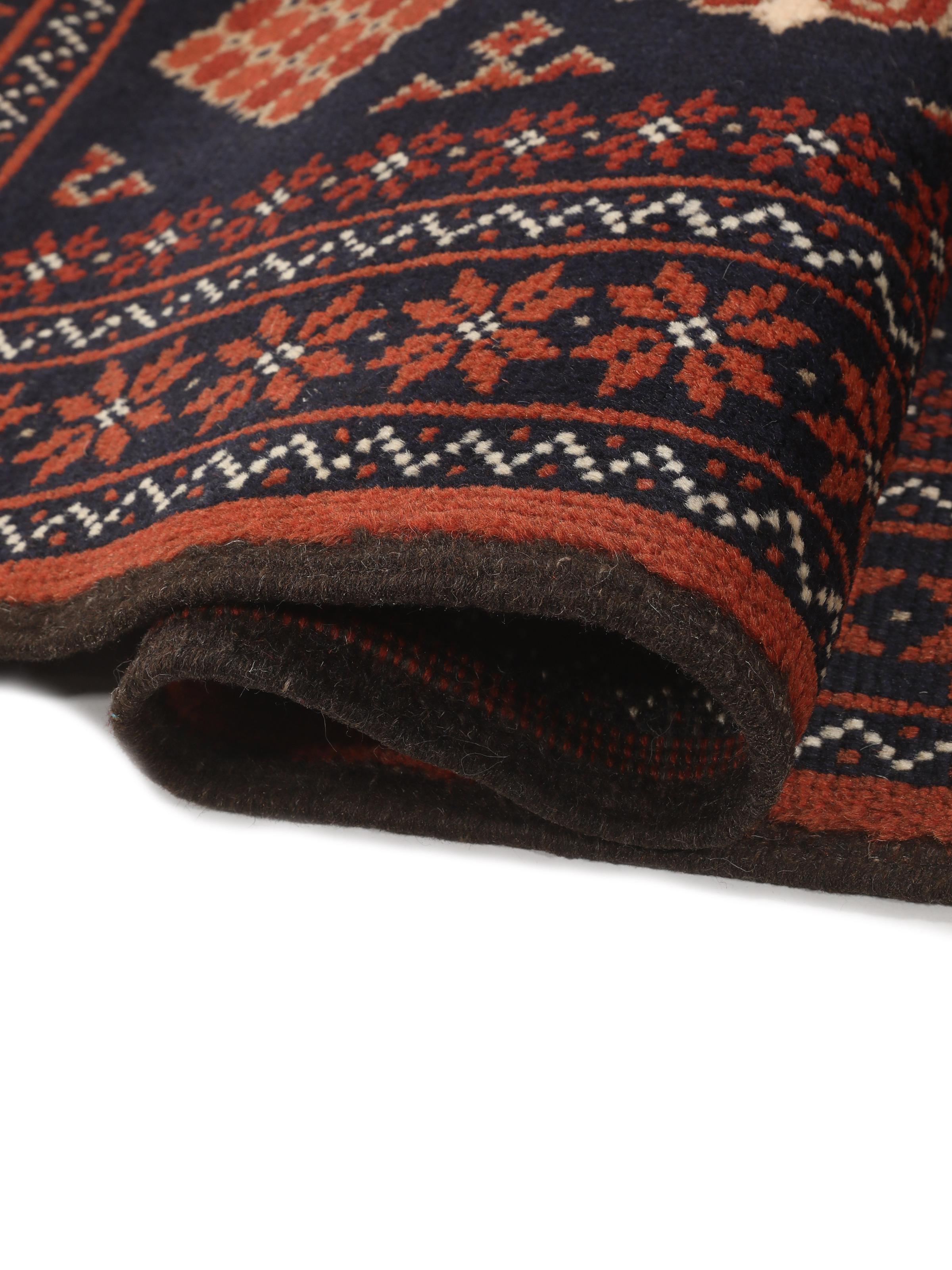
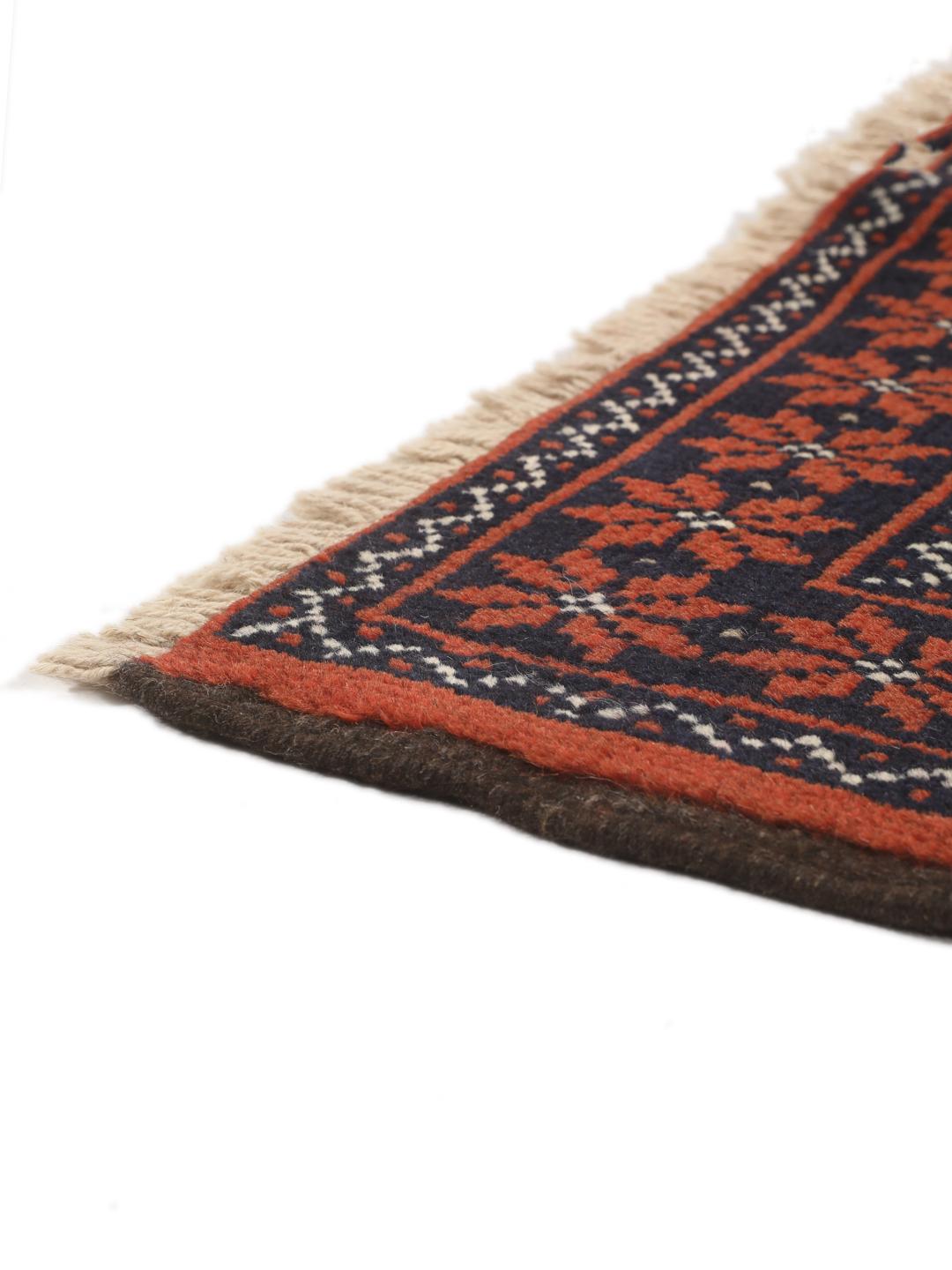
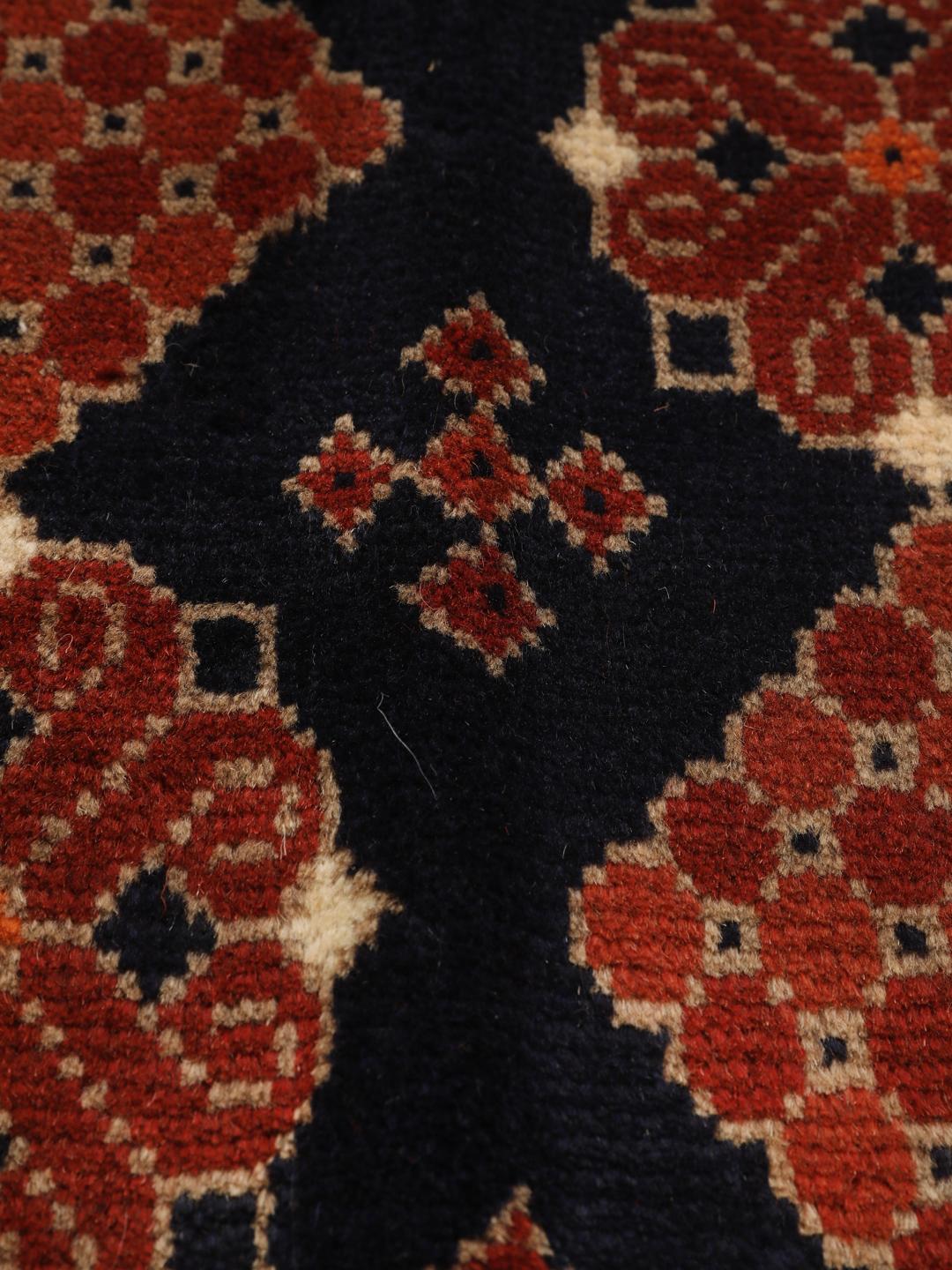
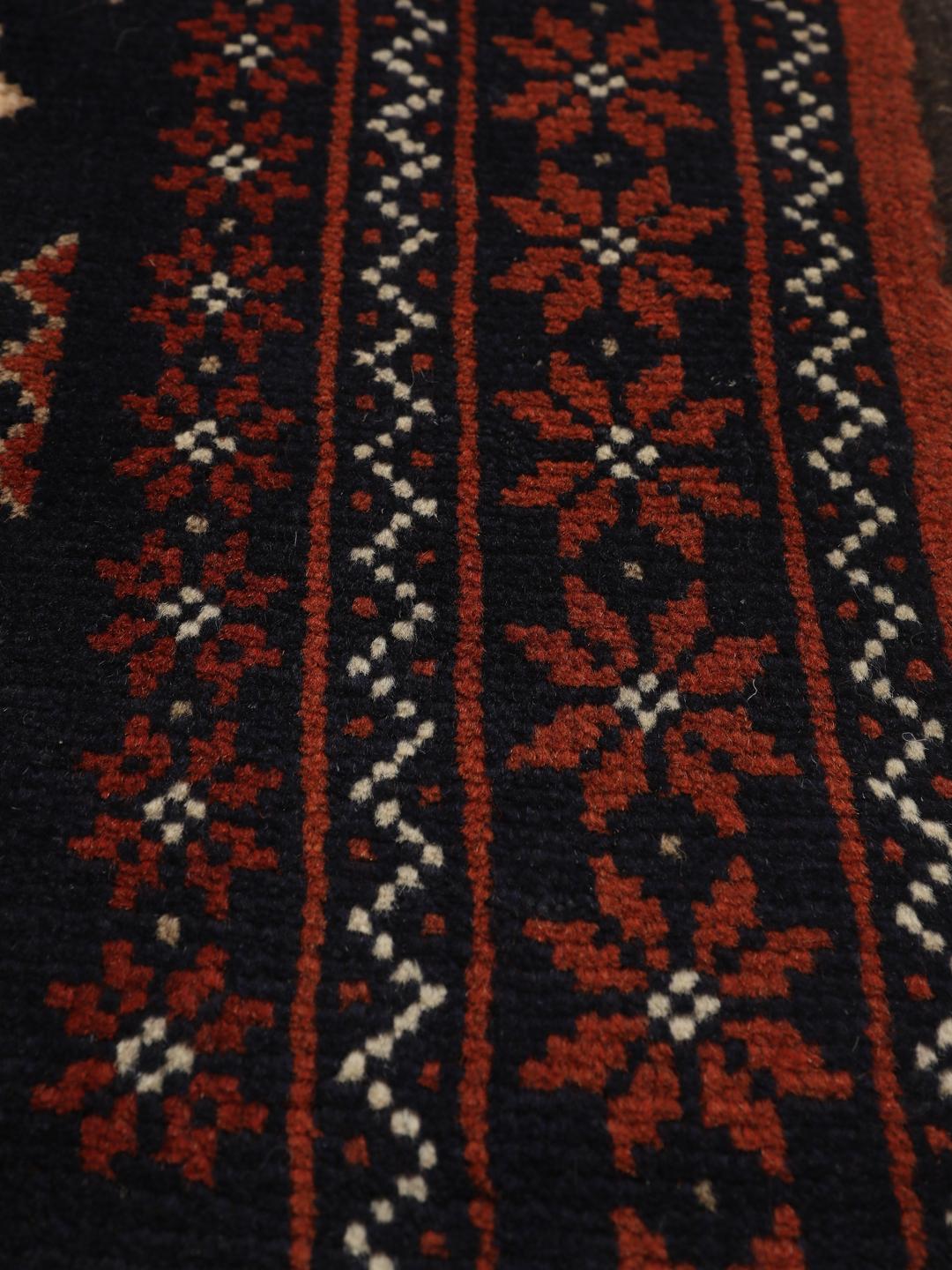
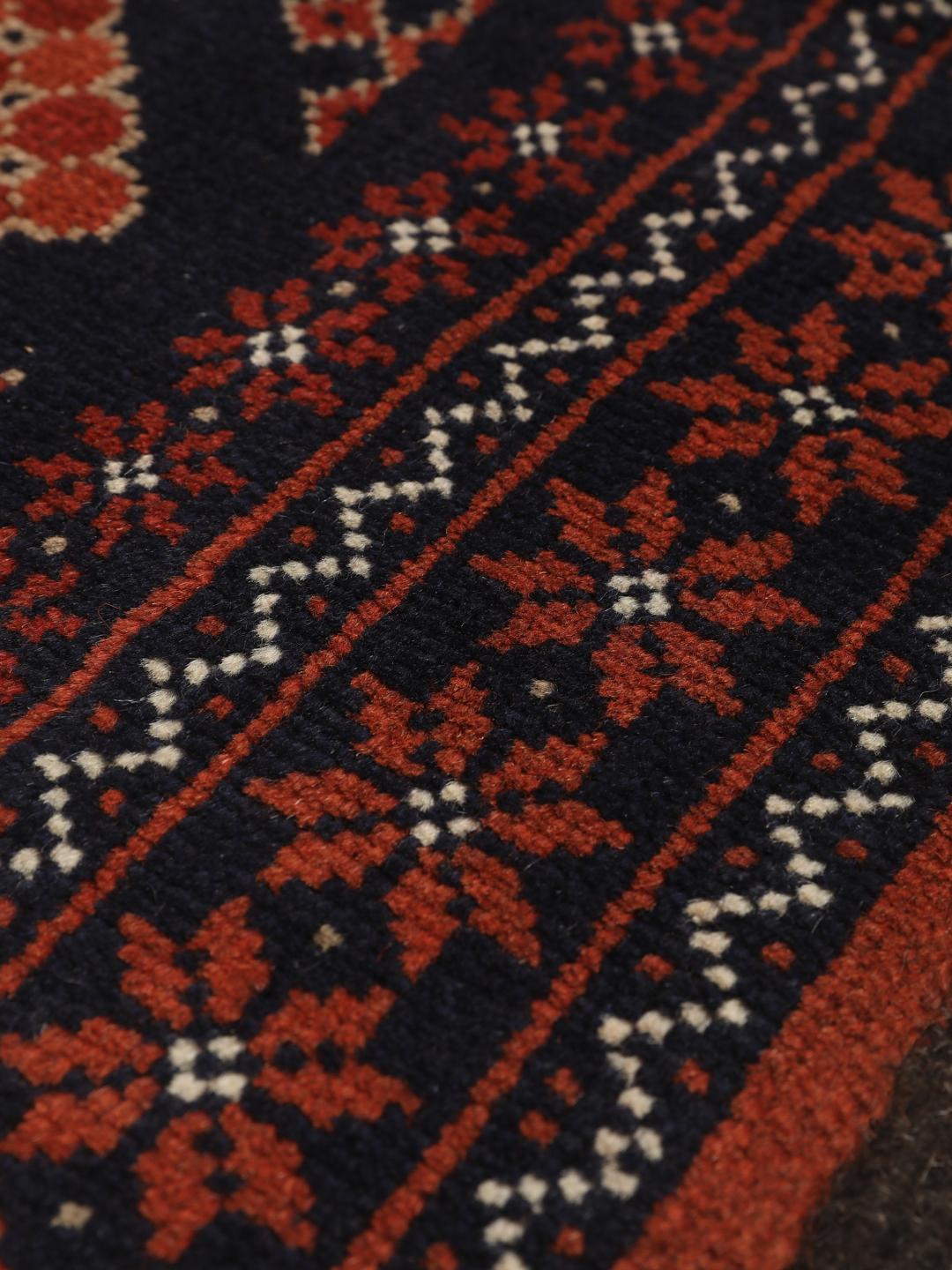
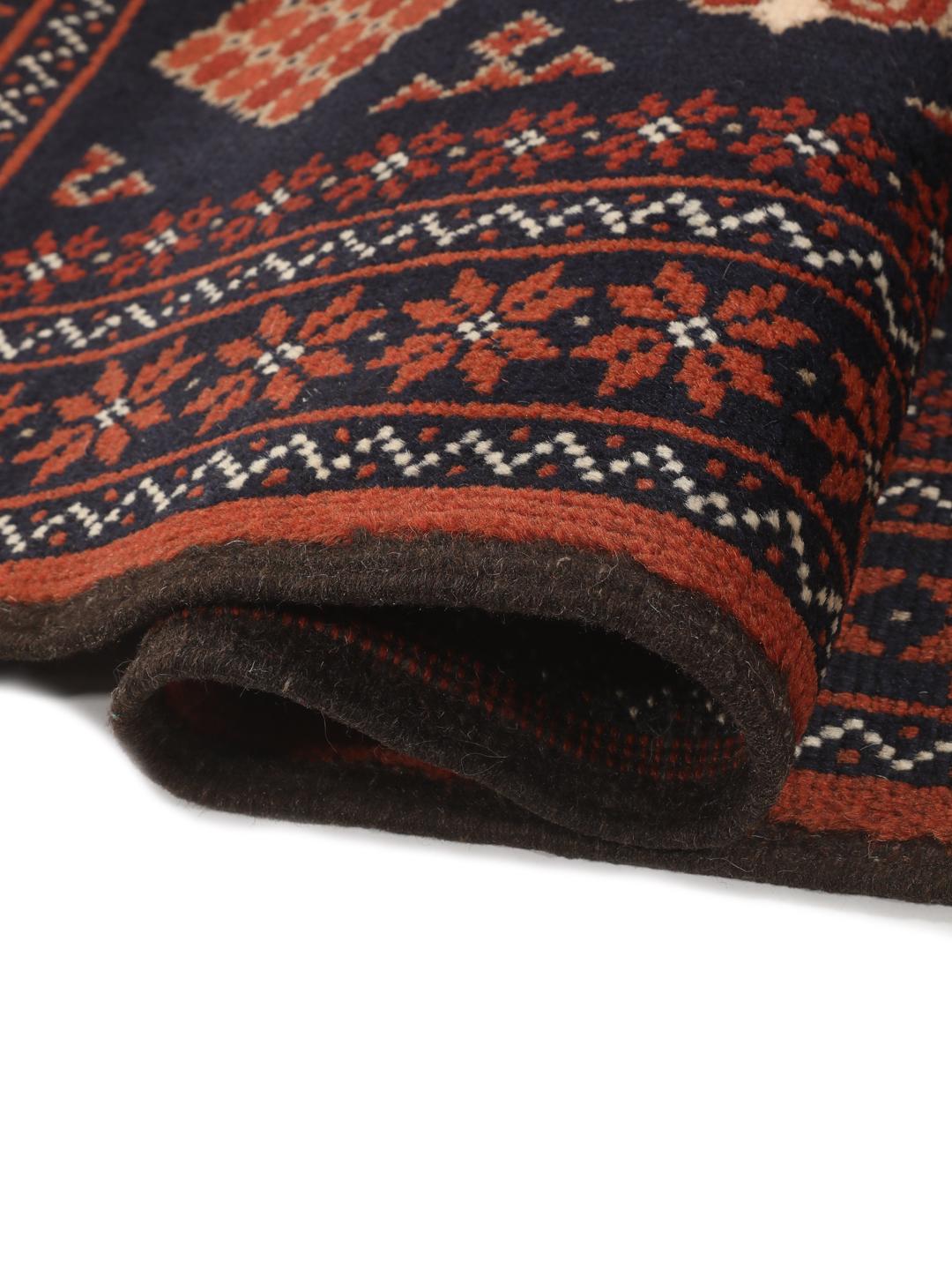
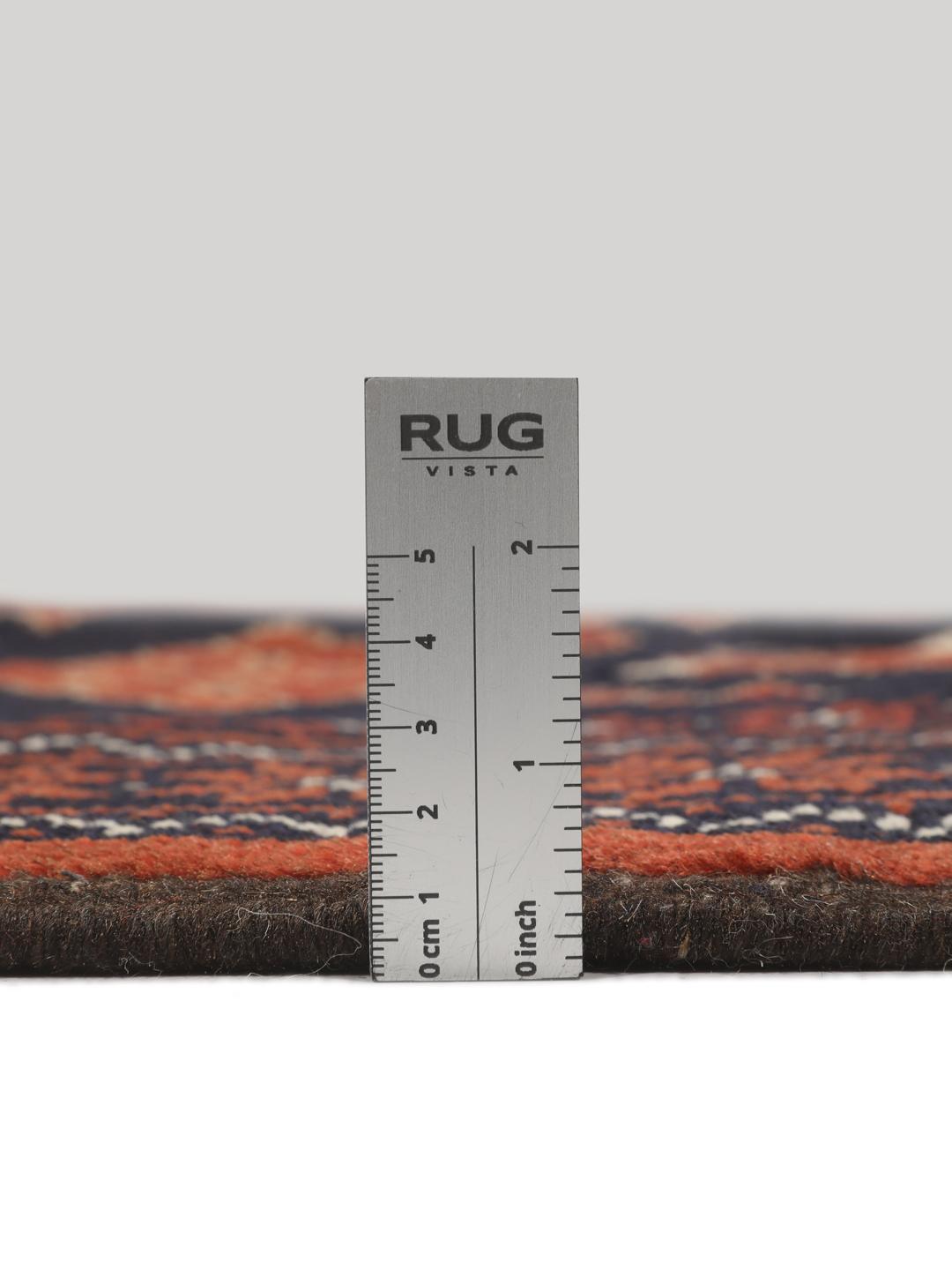
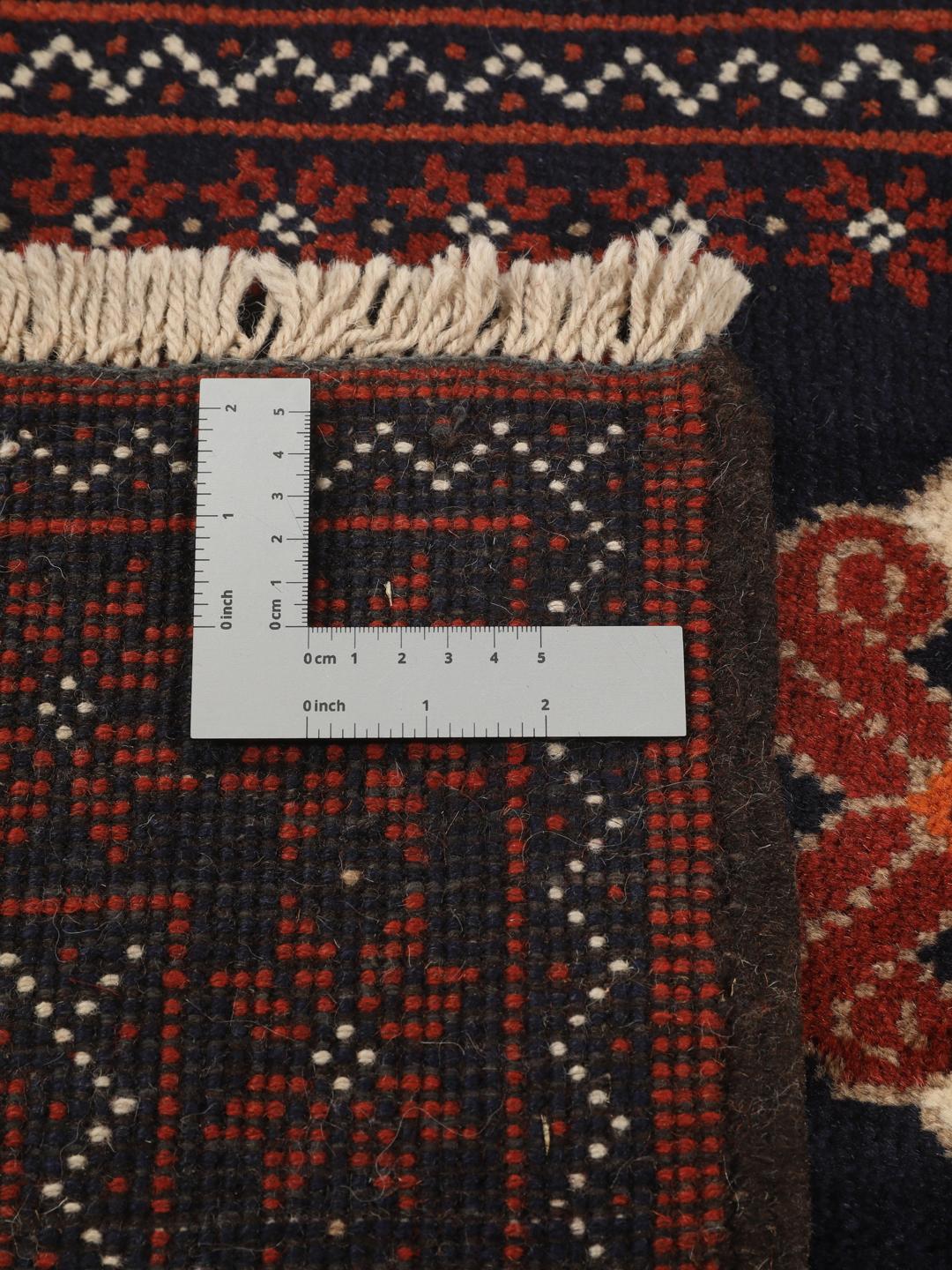
The craftsmanship of these rugs is defined by their dense, hand-knotted construction, which provides both resilience and a rich, lustrous texture. The use of Wool, often sourced from their own flocks, results in a pile that is not only soft to the touch but also incredibly durable. This density is a hallmark of the tradition, serving as a testament to the weaver's technical proficiency.
Visually, Baluch rugs are celebrated for their sophisticated geometric patterns, which often feature stylised floral motifs, diamonds, and repeating medallions. The colour palette is typically rooted in deep, earthy tones, with deep blues and rich reds being particularly prominent. These designs are not merely decorative but are deeply symbolic, often reflecting the tribal identity and the natural surroundings of the weaver.
Collecting a Baluch rug is an investment in human history and artistic expression. These pieces are valued for their authenticity and the sheer amount of time and skill required to complete them. Owning one is a way of preserving a nomadic craft tradition that has been passed down through generations, offering a tangible connection to a storied past.