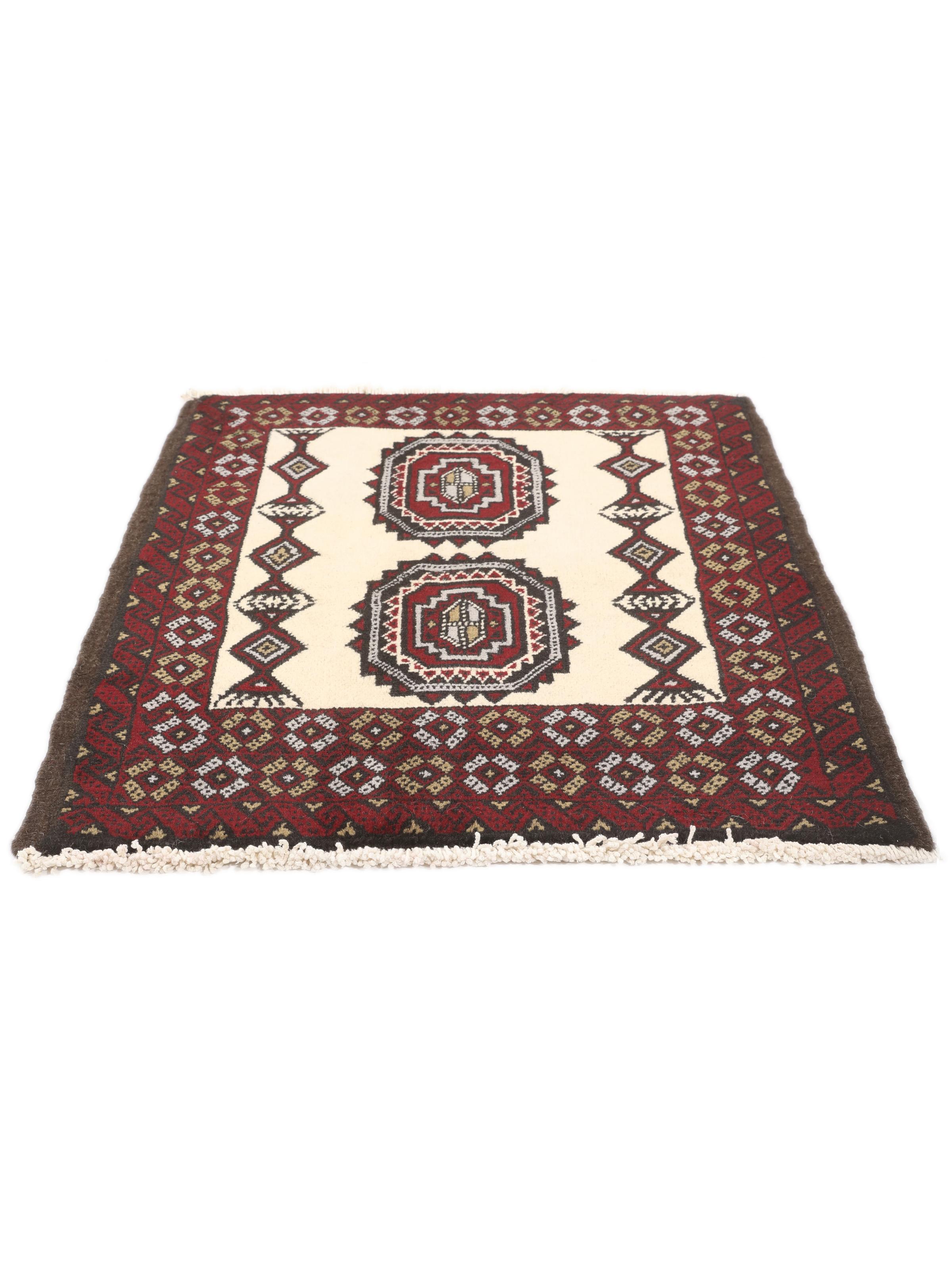
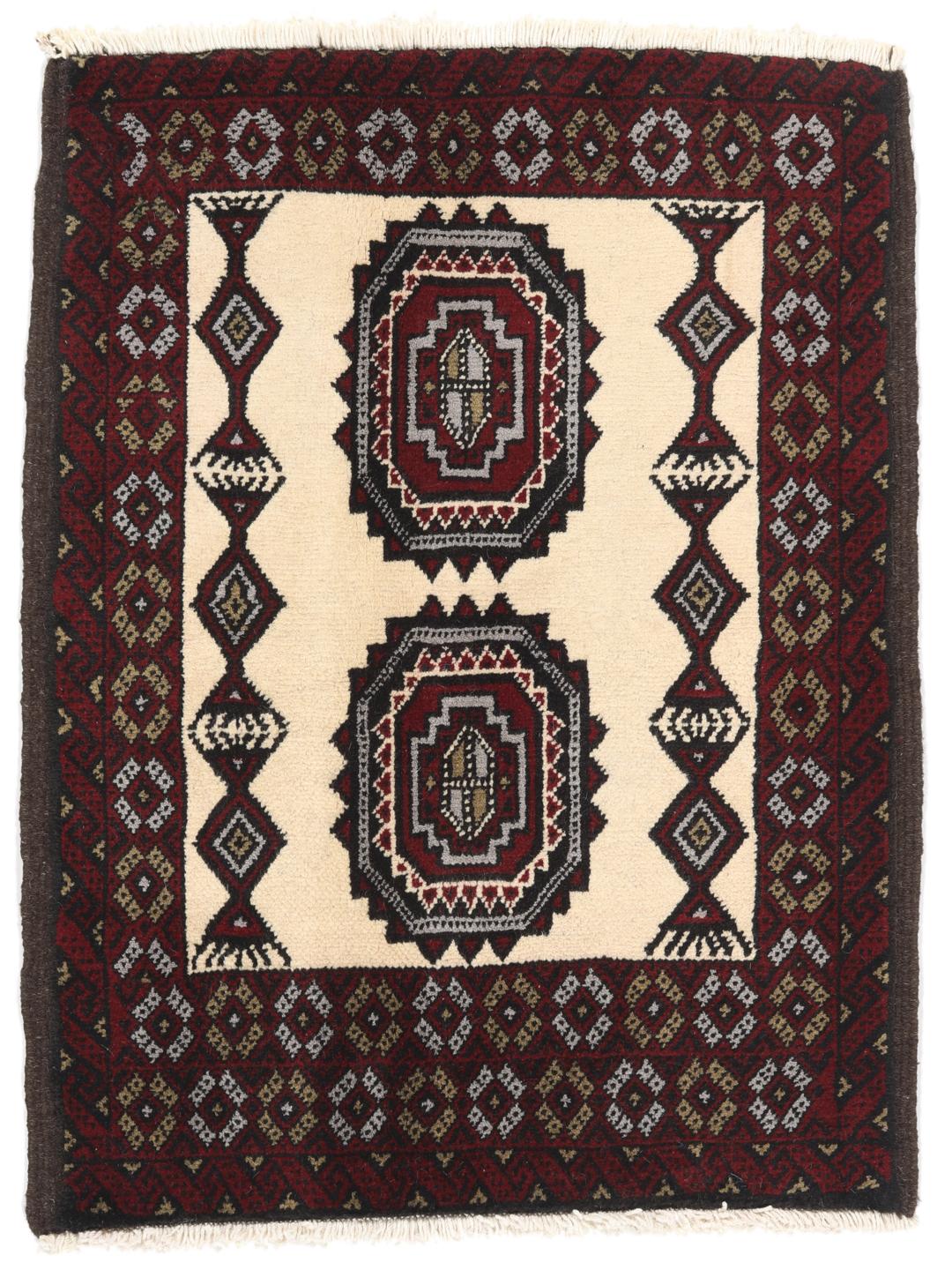
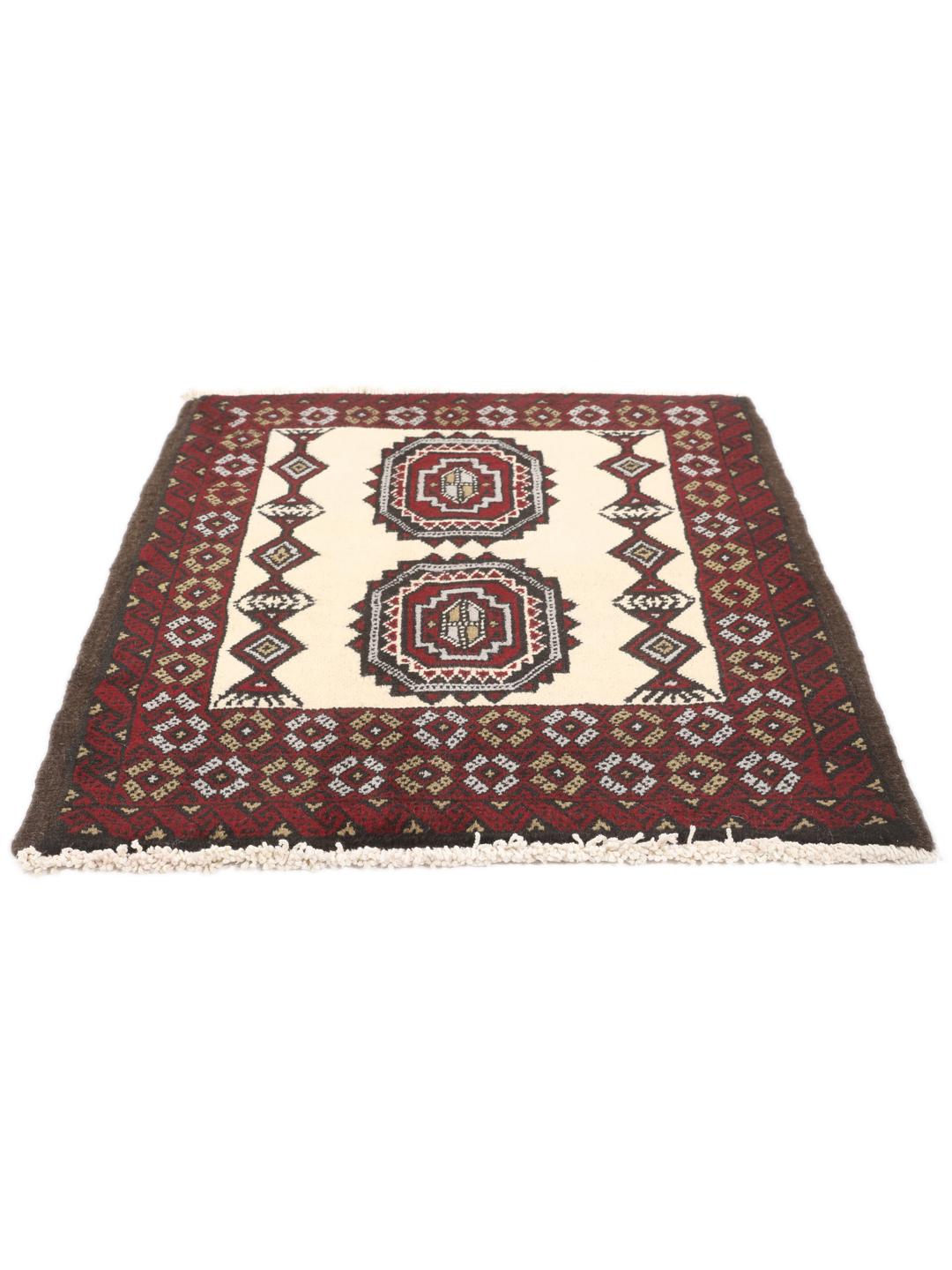
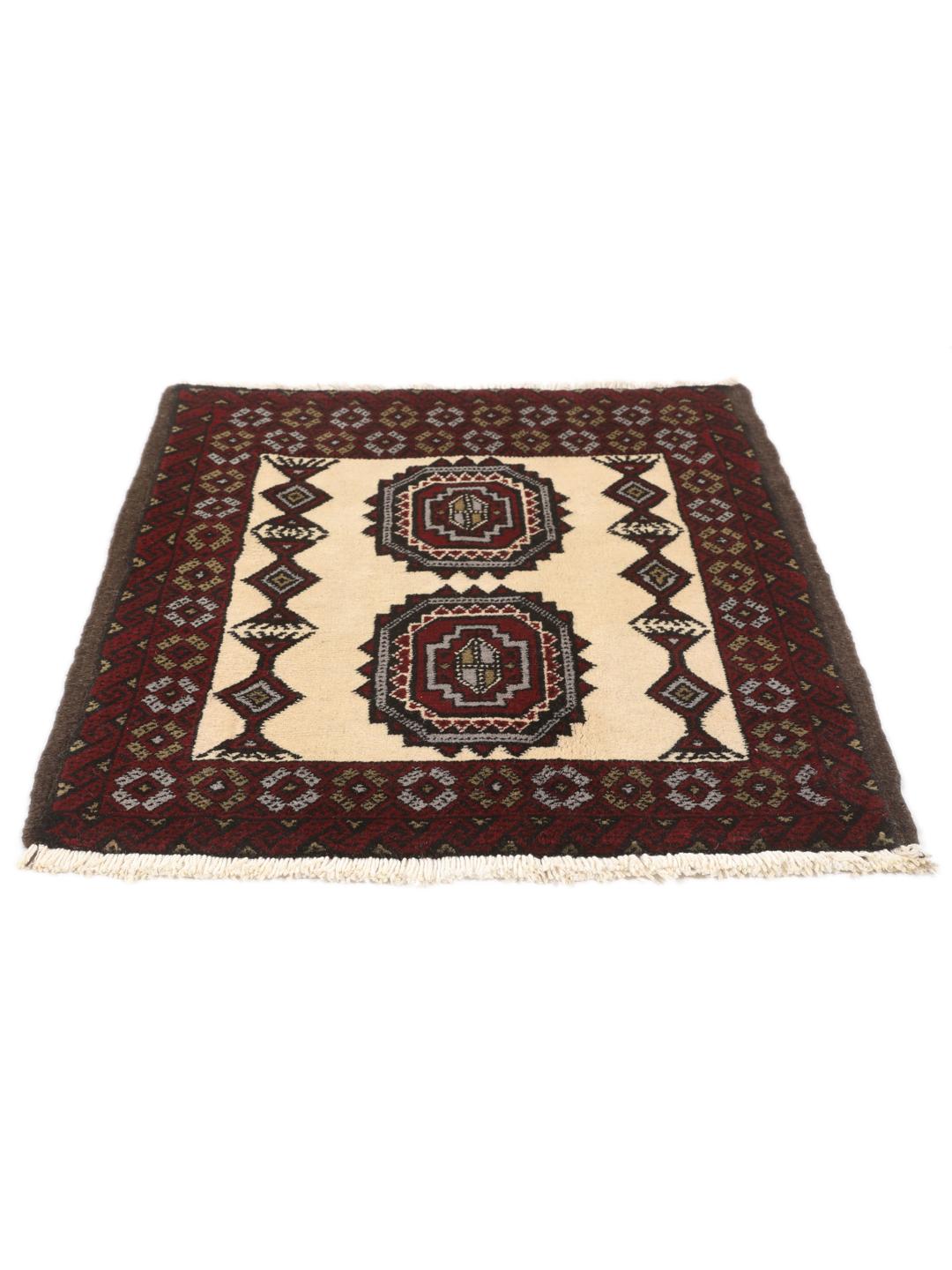
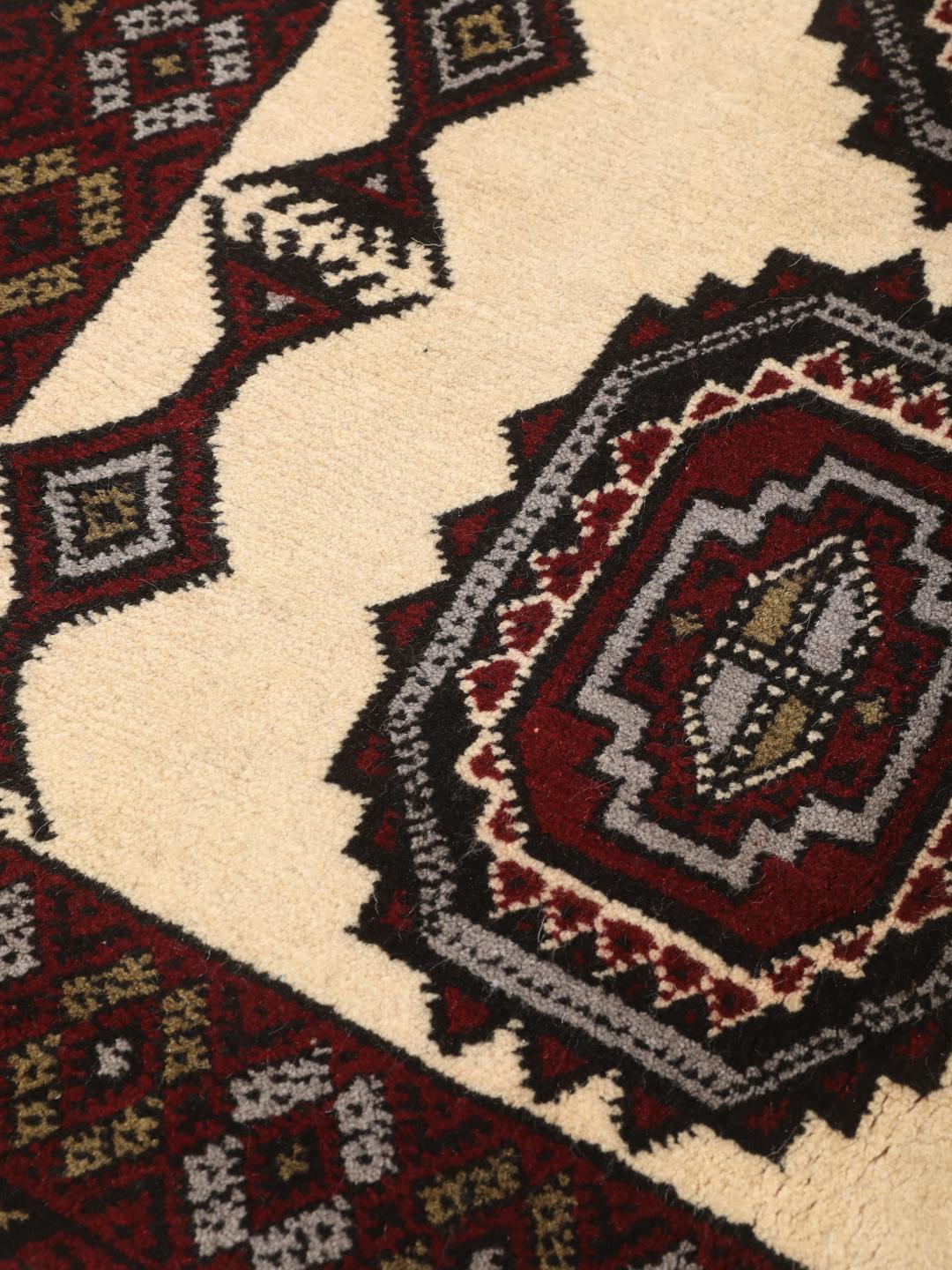
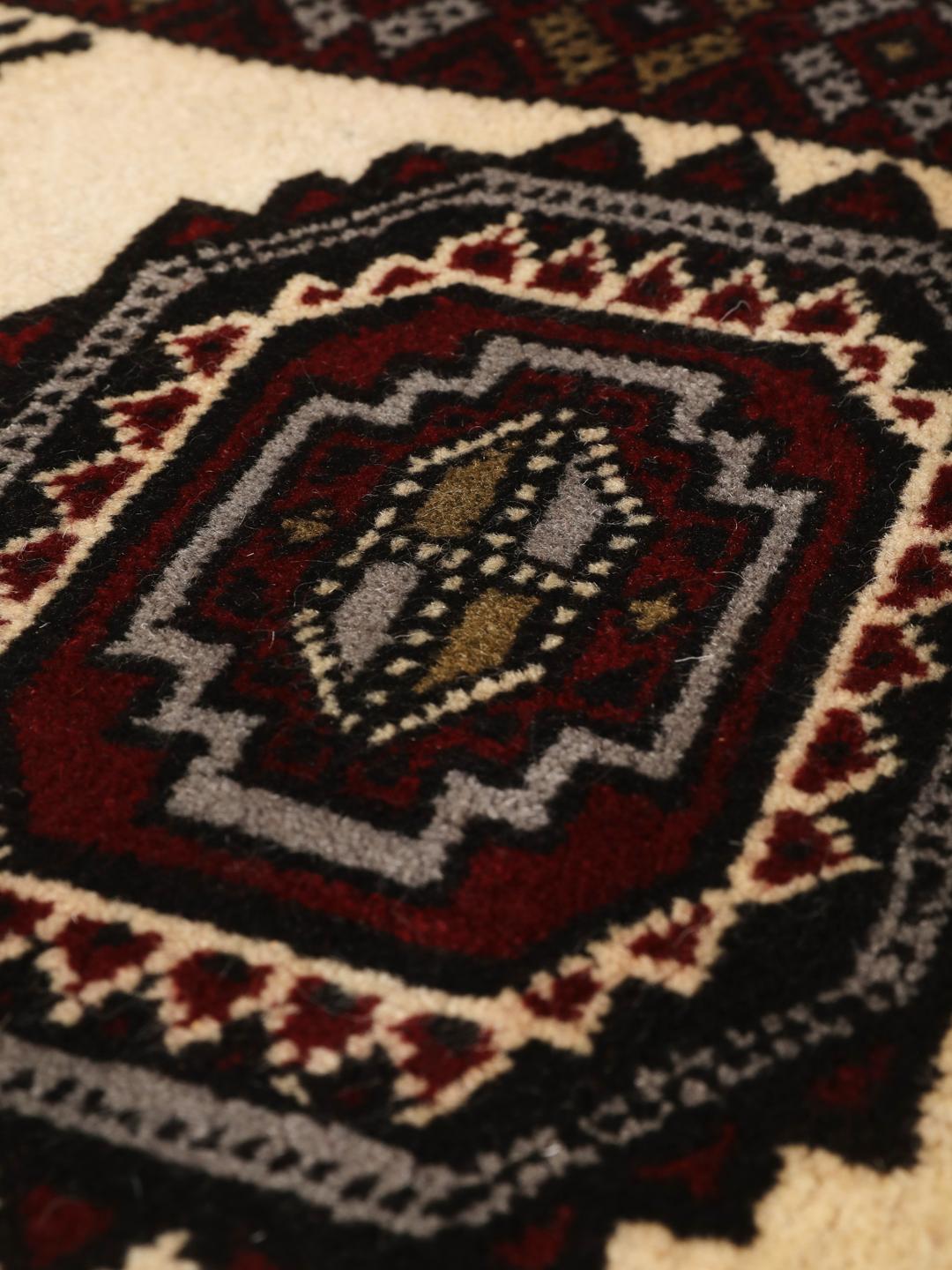
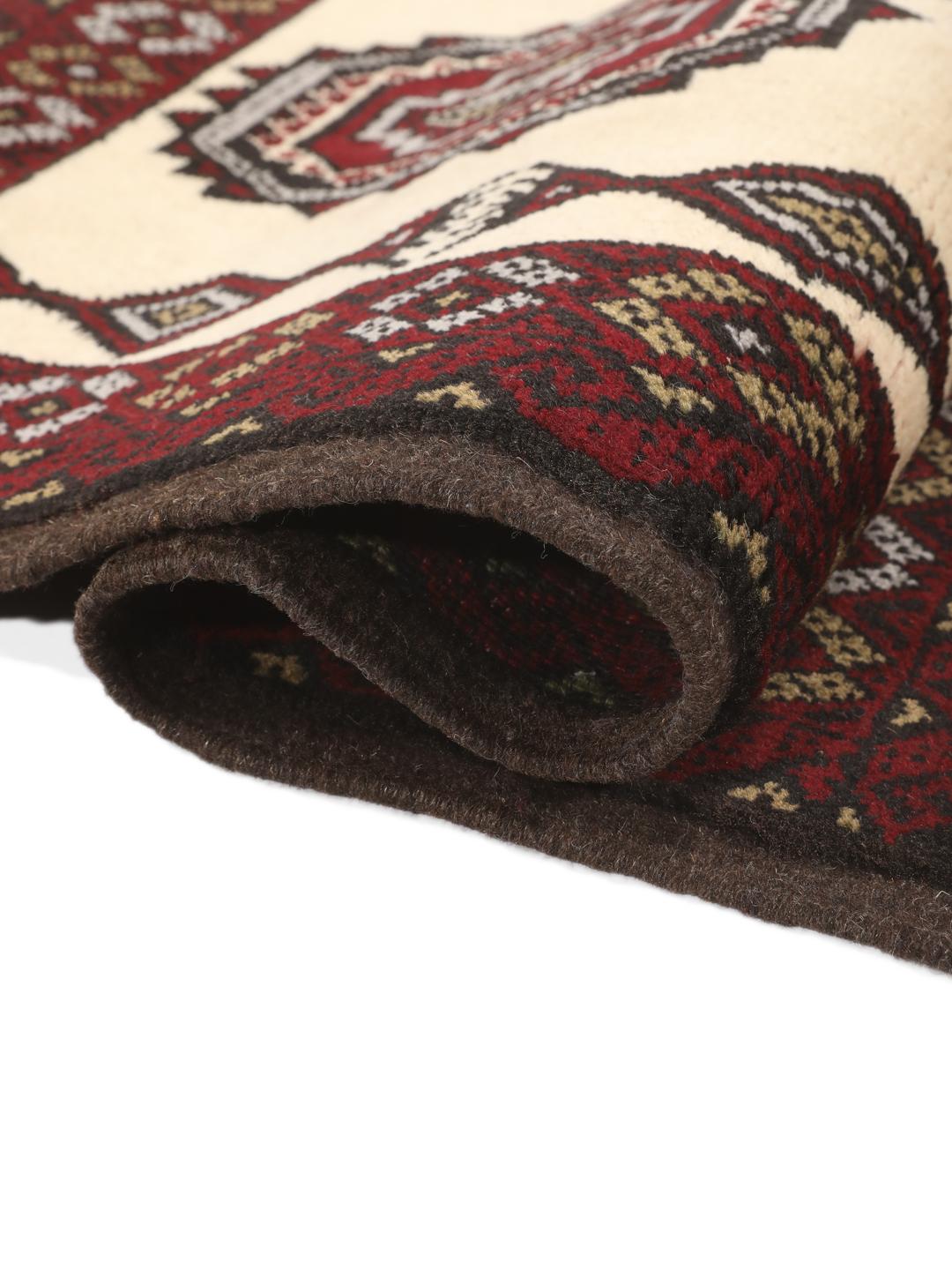
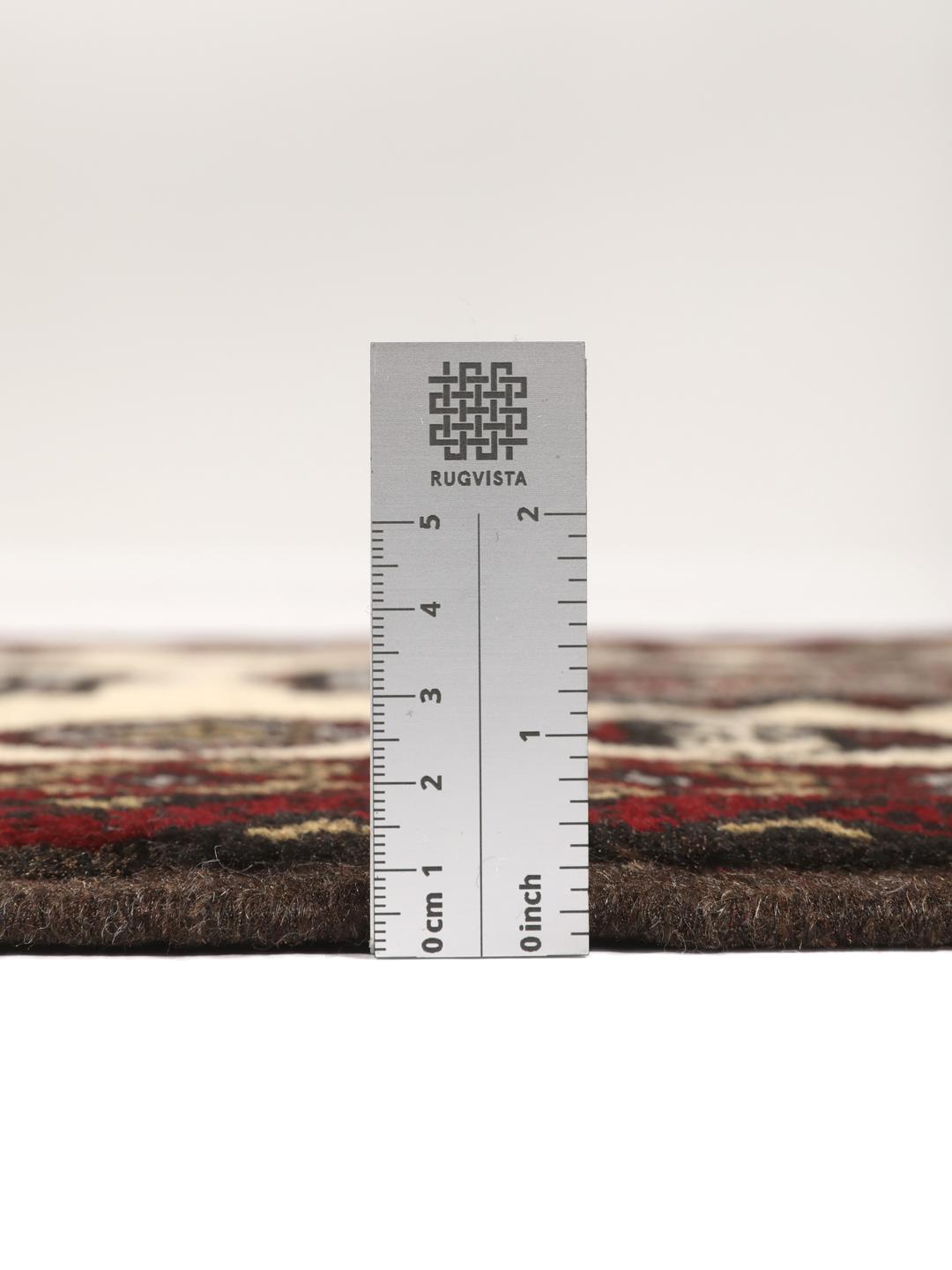
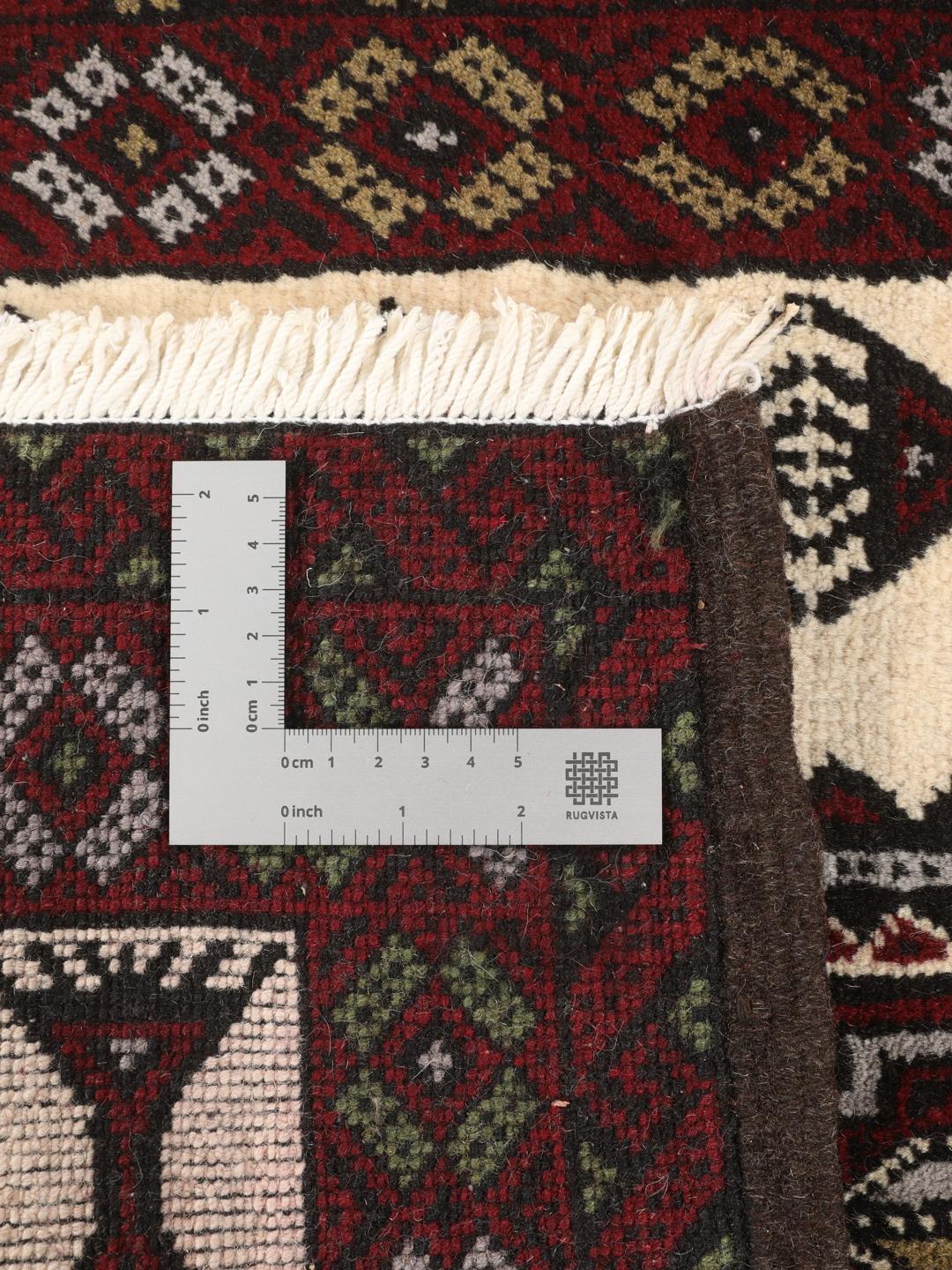
Baluch rugs originate from the nomadic and semi-nomadic tribes residing in the border regions of the Middle East, a cultural crossroads that has shaped their unique aesthetic for centuries. These rugs are deeply tied to the lifestyle of the Baluchi people, who traditionally created textiles that were portable, durable, and highly symbolic, reflecting their environment and heritage.
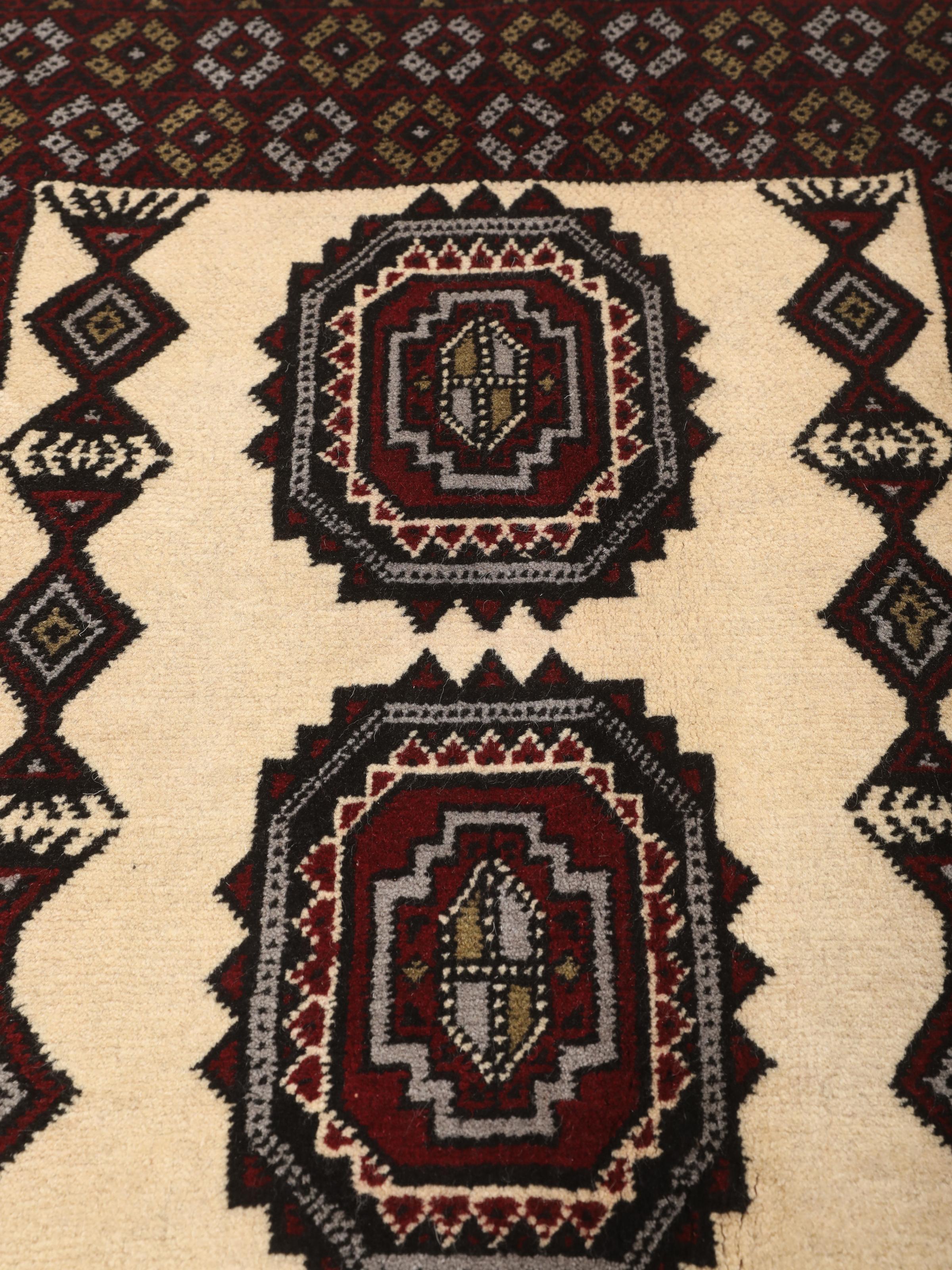
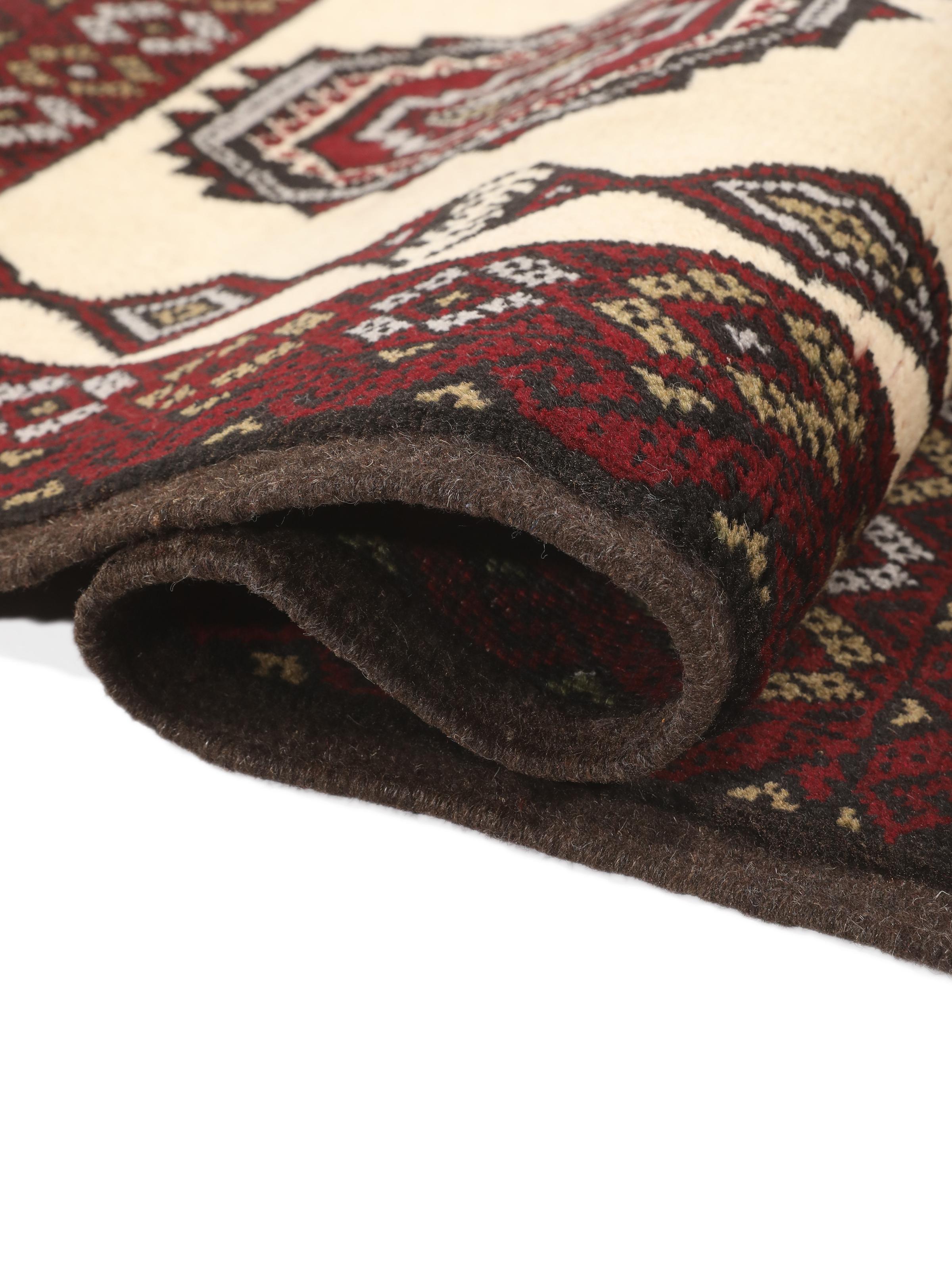
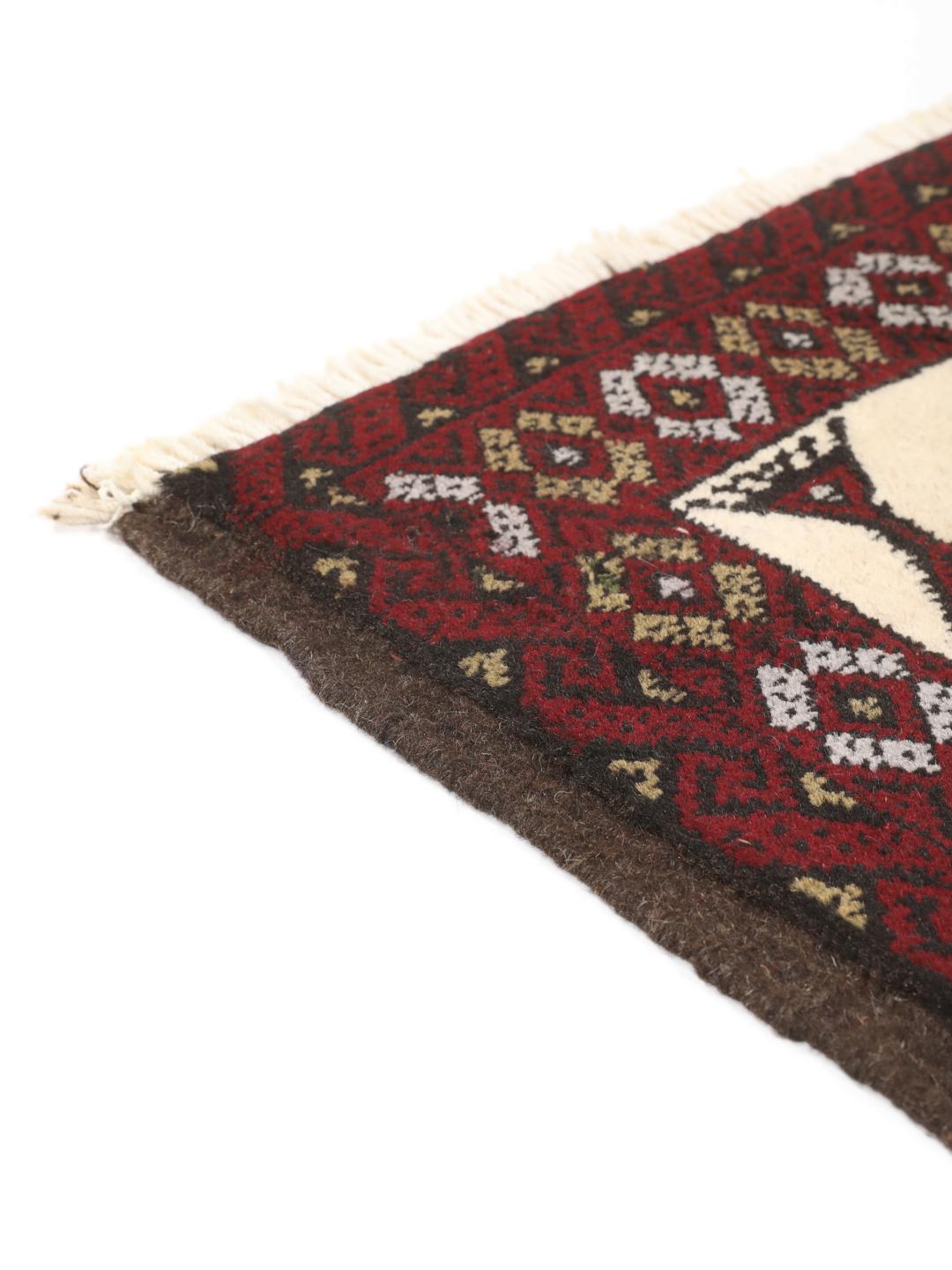
The term Baluch refers to these specific tribal traditions, which often feature wool pile woven onto cotton or wool foundations. This construction is highly valued for its resilience and ability to retain its lustre over time. The use of natural dyes and sturdy weaving techniques results in a finished product that is as practical for a nomadic lifestyle as it is beautiful for a modern home.
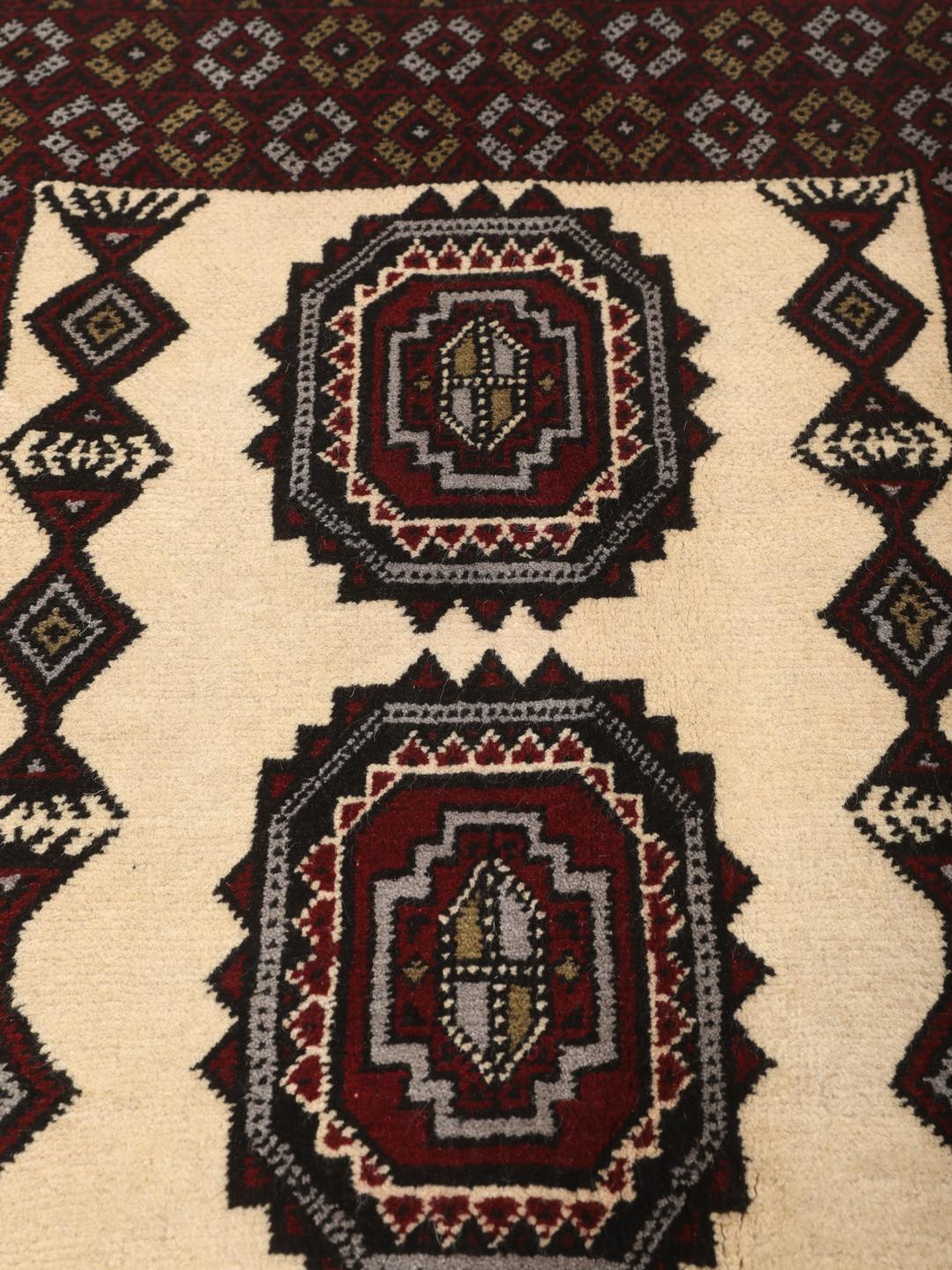
Visually, Baluch rugs are celebrated for their sophisticated use of geometric patterns and deep, moody colour palettes. Common motifs often include variations of the tree of life, stylised floral elements, or intricate geometric medallions, all framed by elaborate, repetitive borders. These designs are often influenced by the surrounding landscapes and the rich visual language of other nomadic groups in the region.
Collecting a Baluch rug is an investment in cultural heritage, representing a bridge to ancient weaving practices that have been passed down through generations. These rugs are prized not just for their aesthetic appeal, but for the tangible connection they offer to the history, patience, and artistic identity of the tribal weavers who created them.