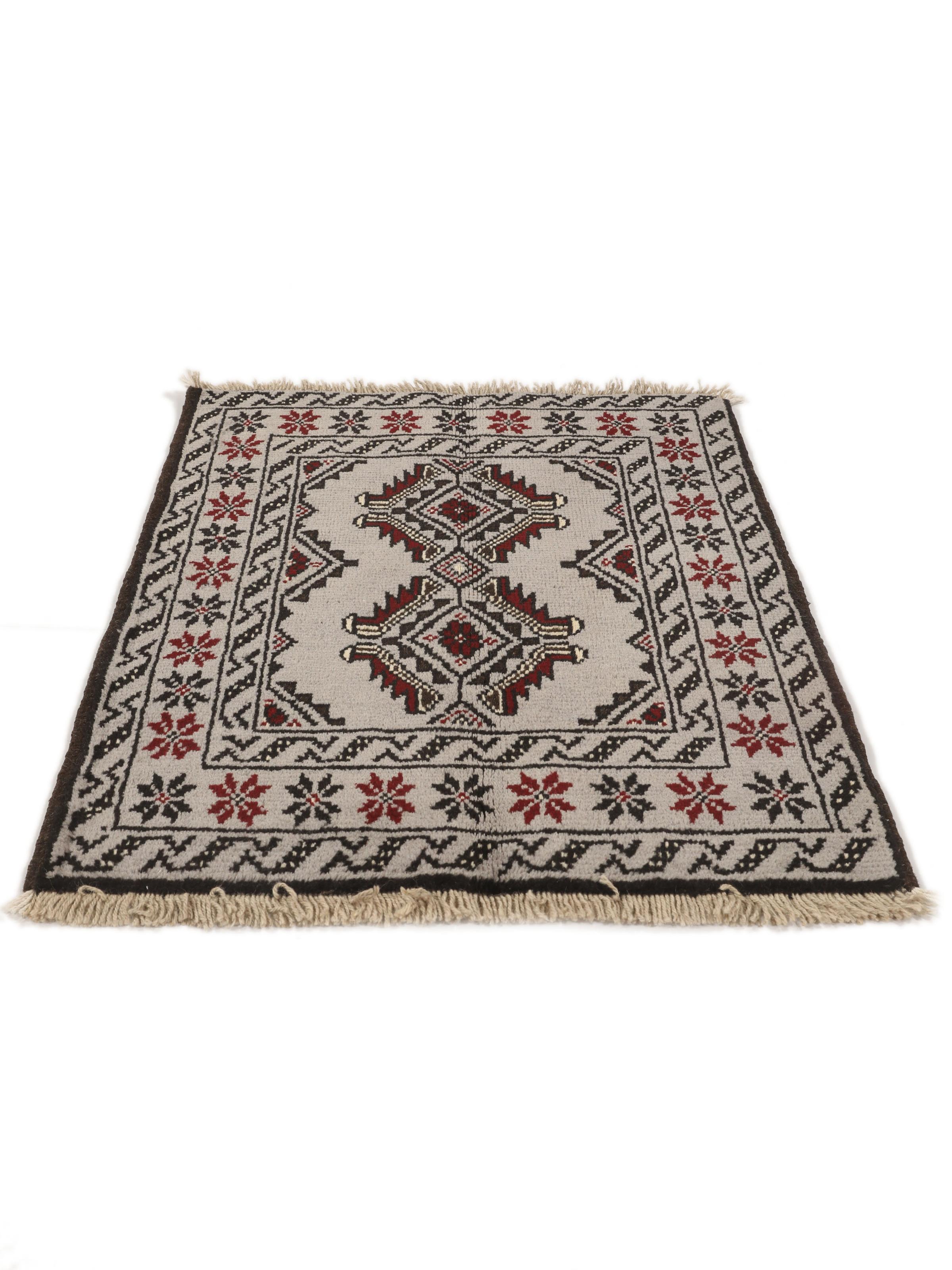
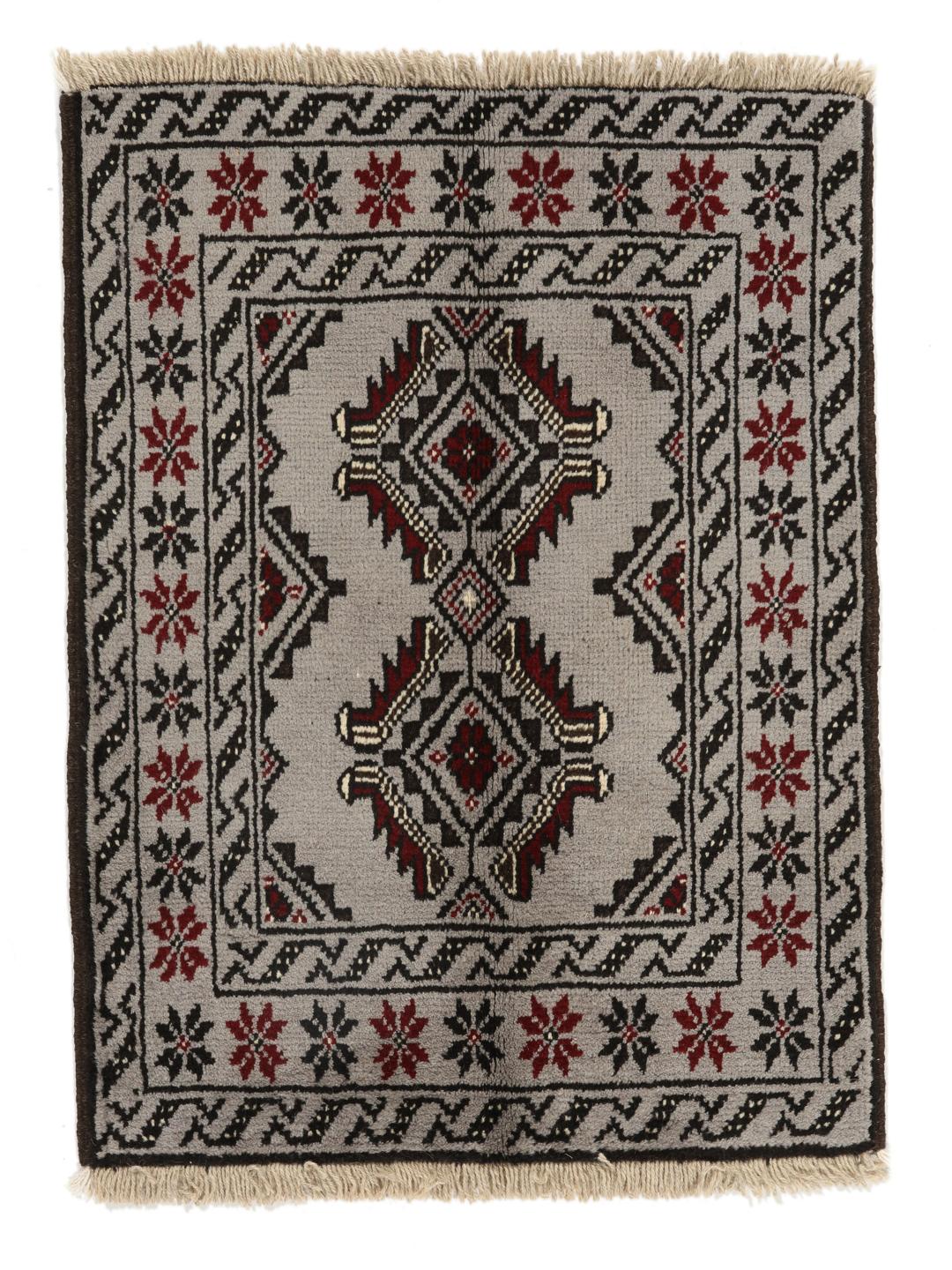
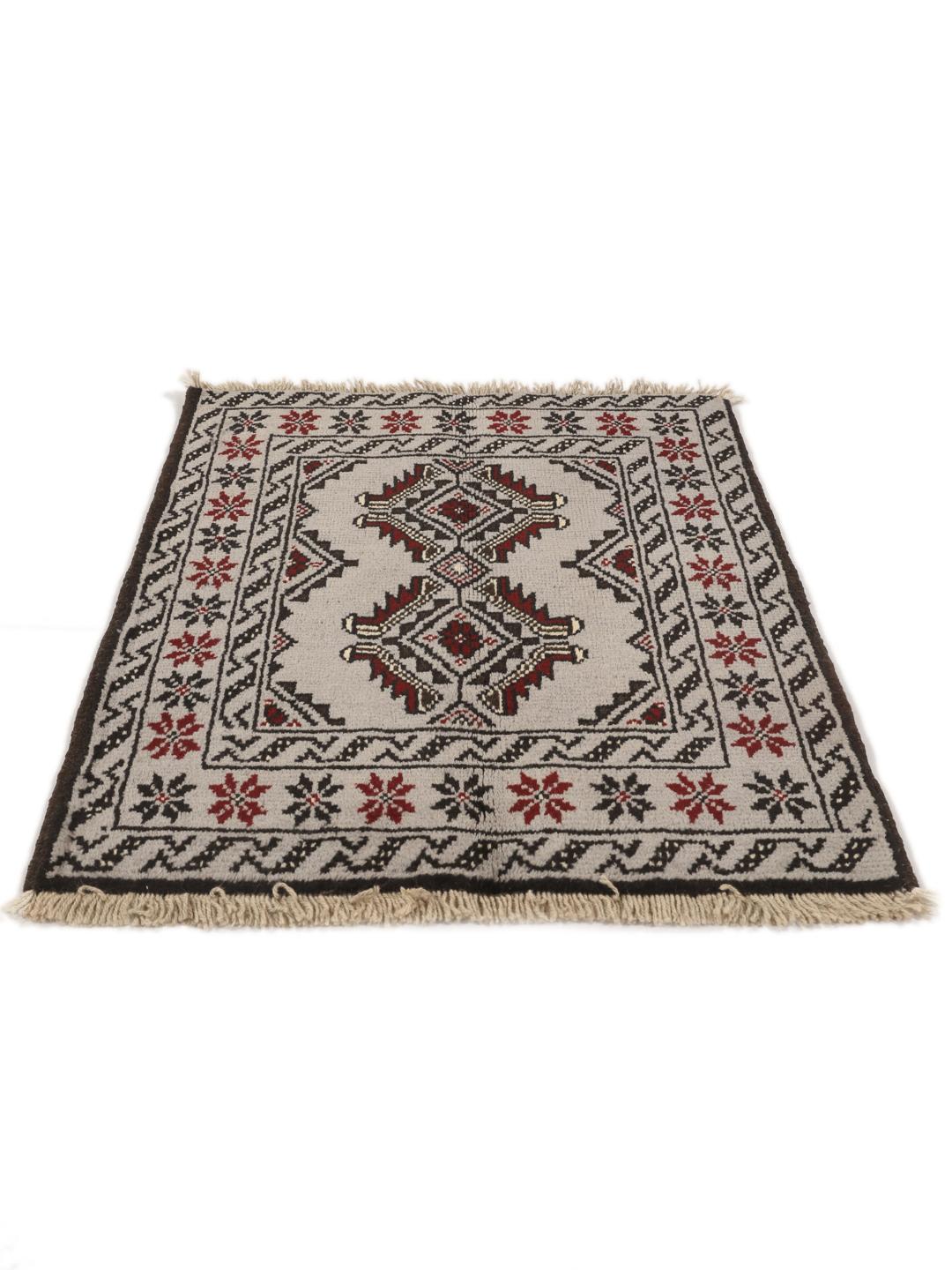
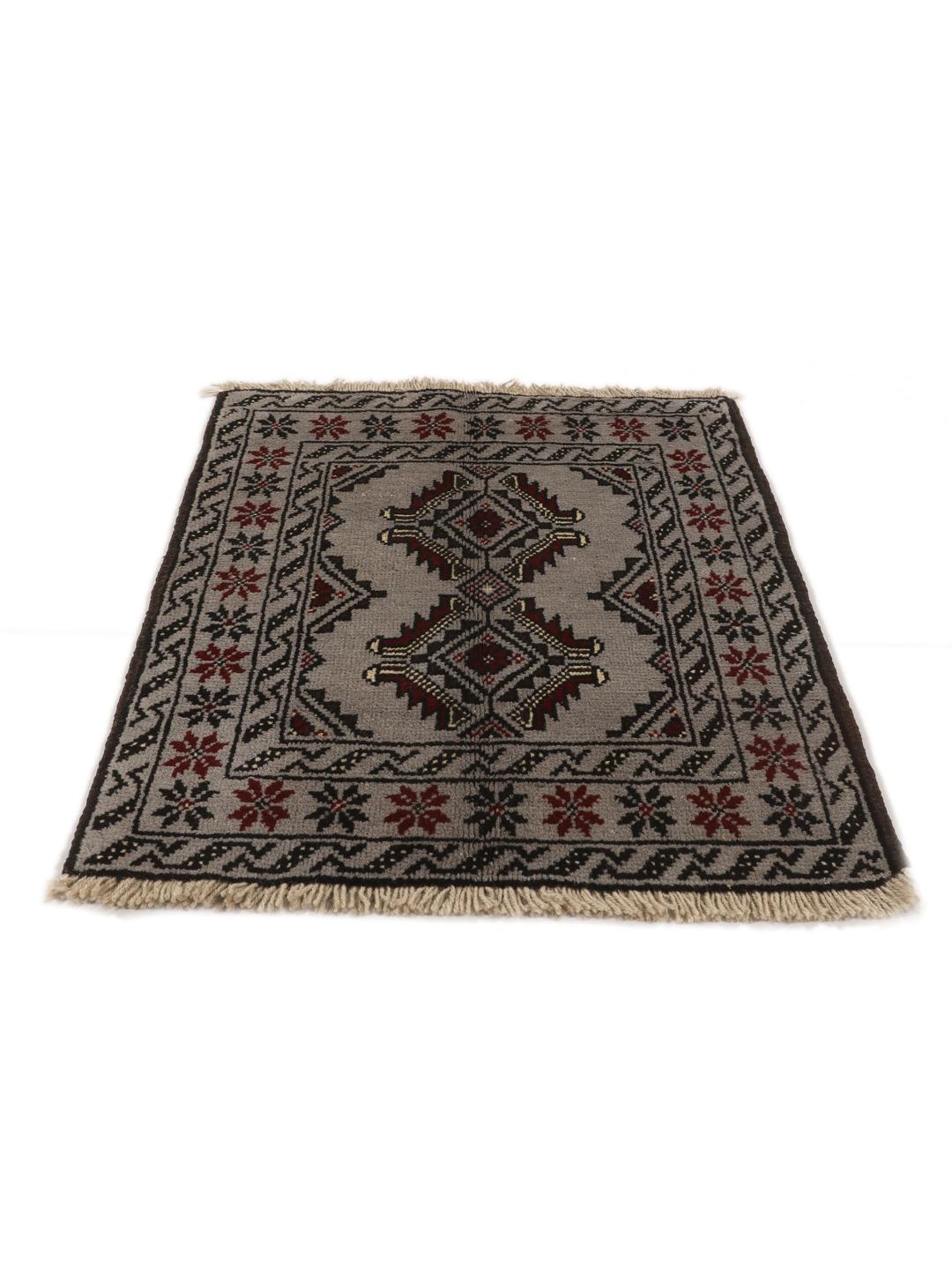
The Baluch rugs originate from the nomadic and semi-nomadic tribes residing across the border regions of the Middle East. These weavers have long been celebrated for their ability to translate the rugged beauty of their landscape into intricate textile designs. Historically, these rugs were created for practical use within tents, serving as floor coverings, saddlebags, and storage solutions, which necessitated a construction that is both portable and incredibly durable.
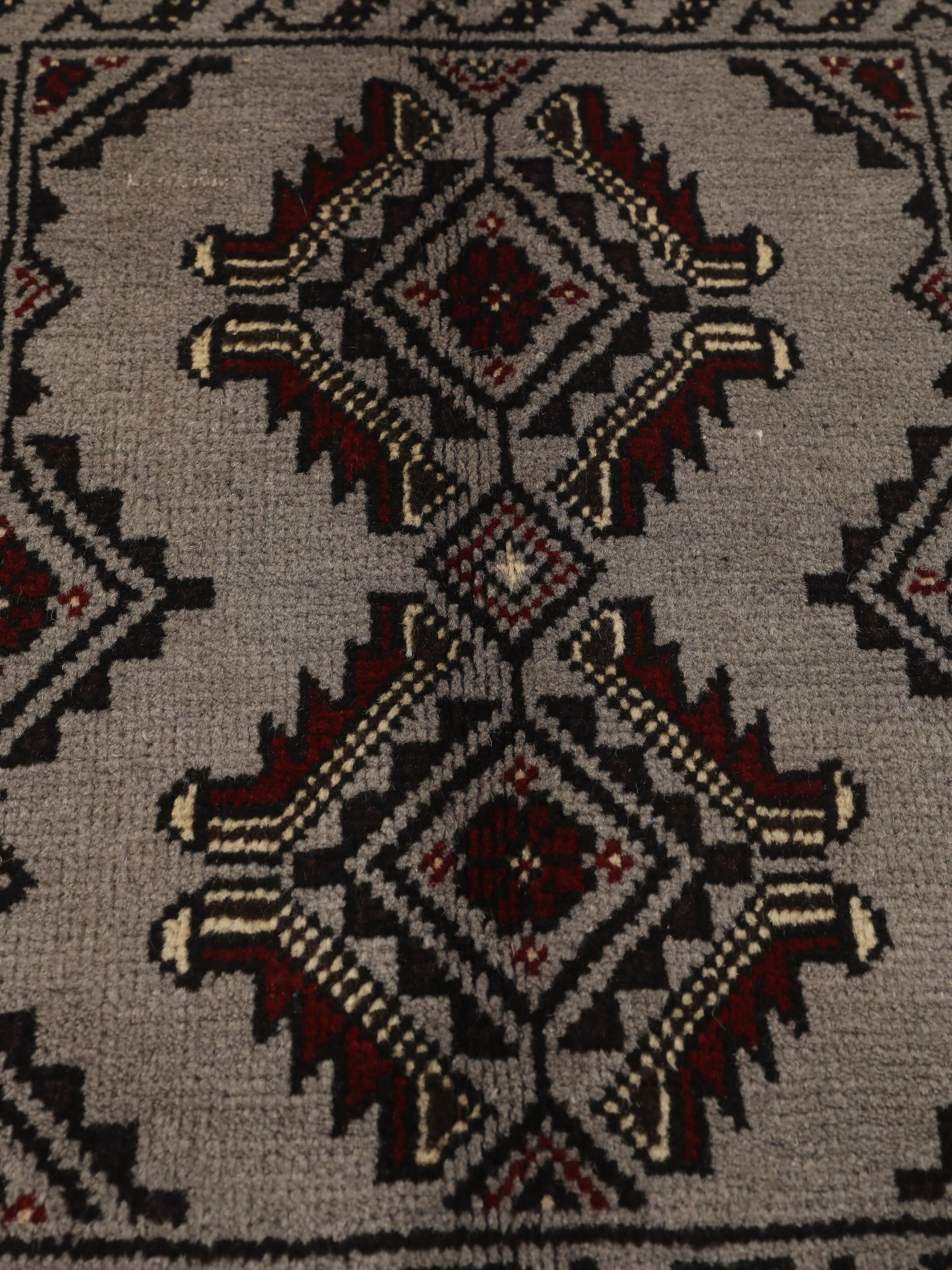
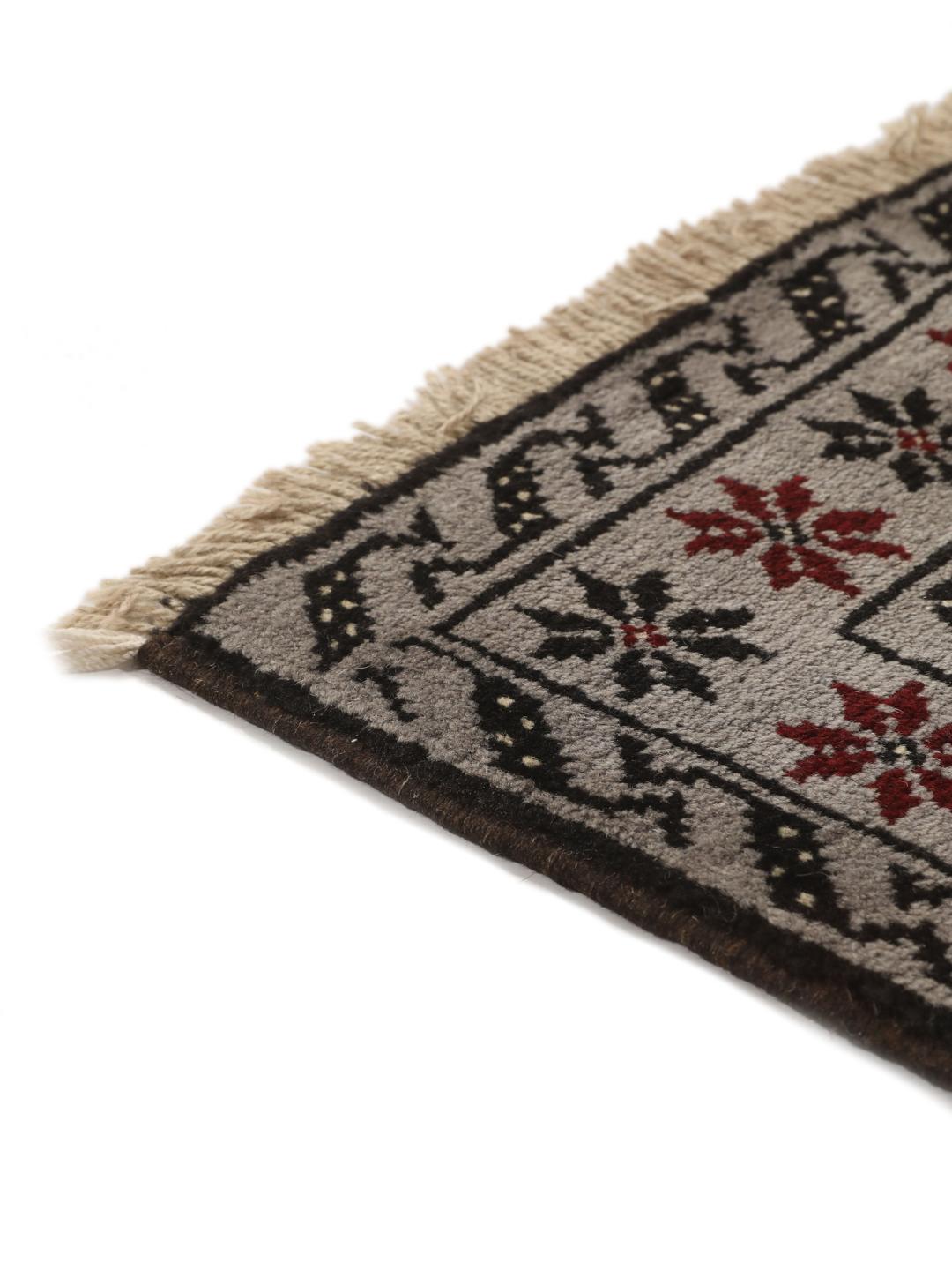
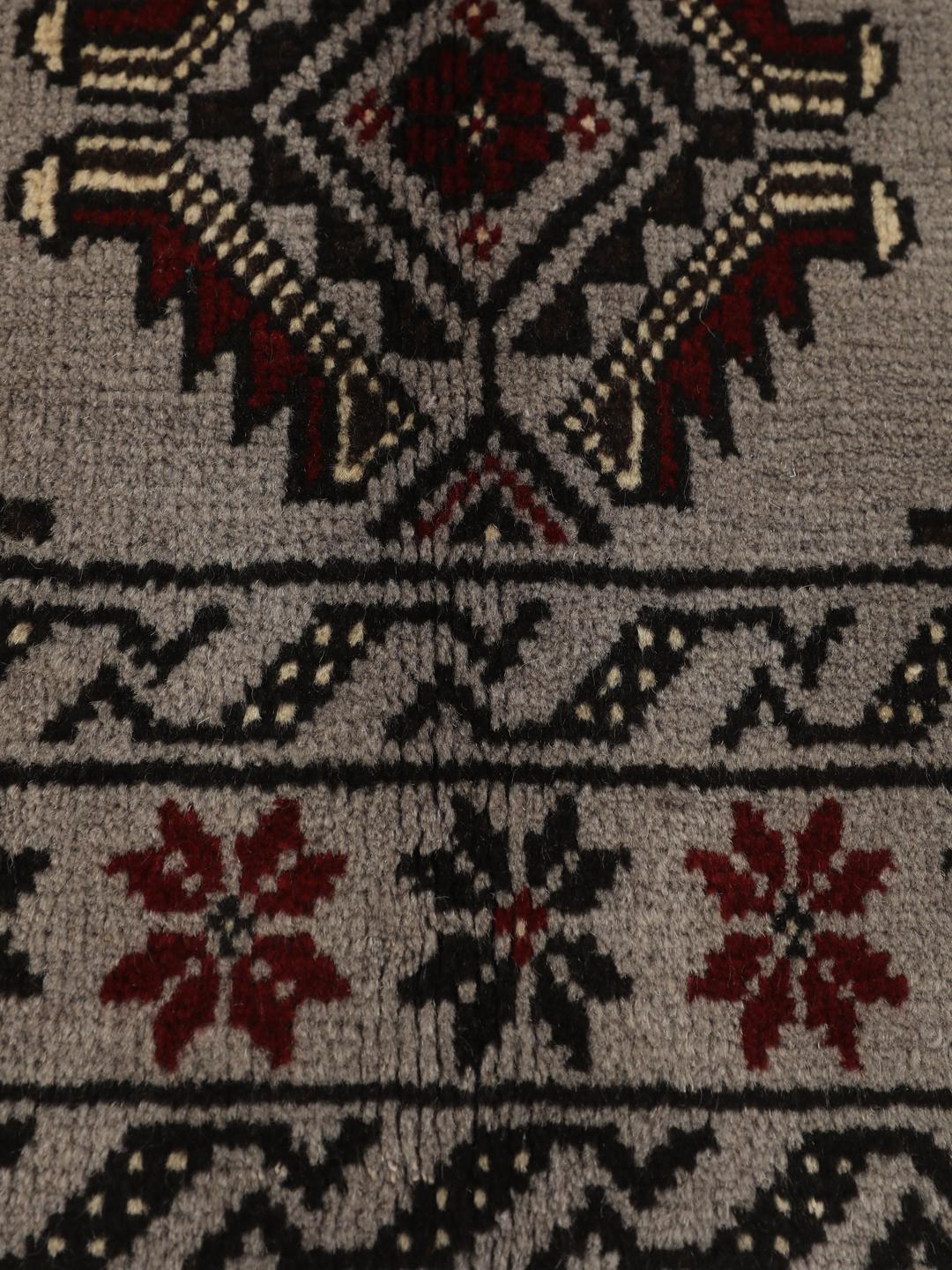
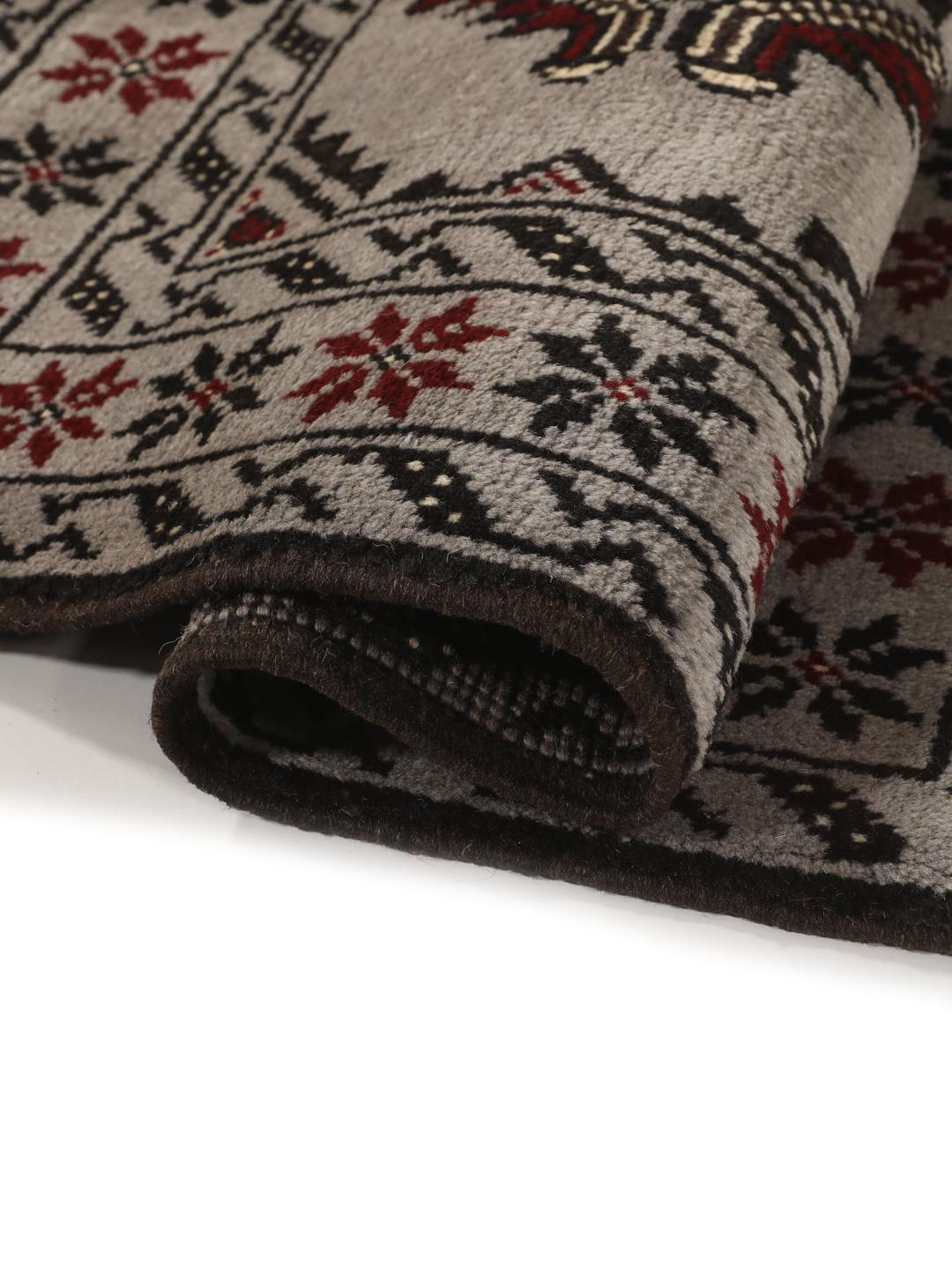
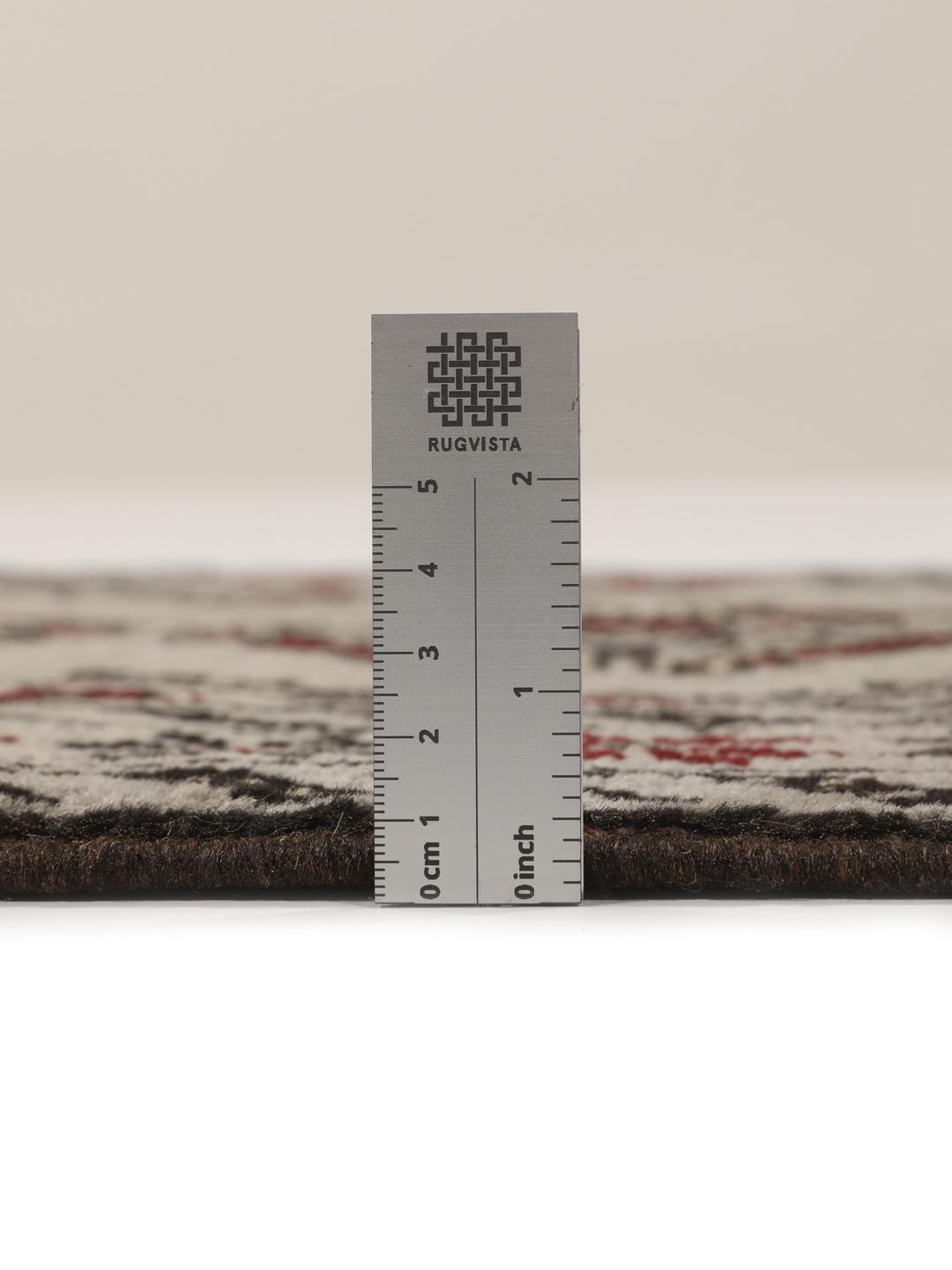
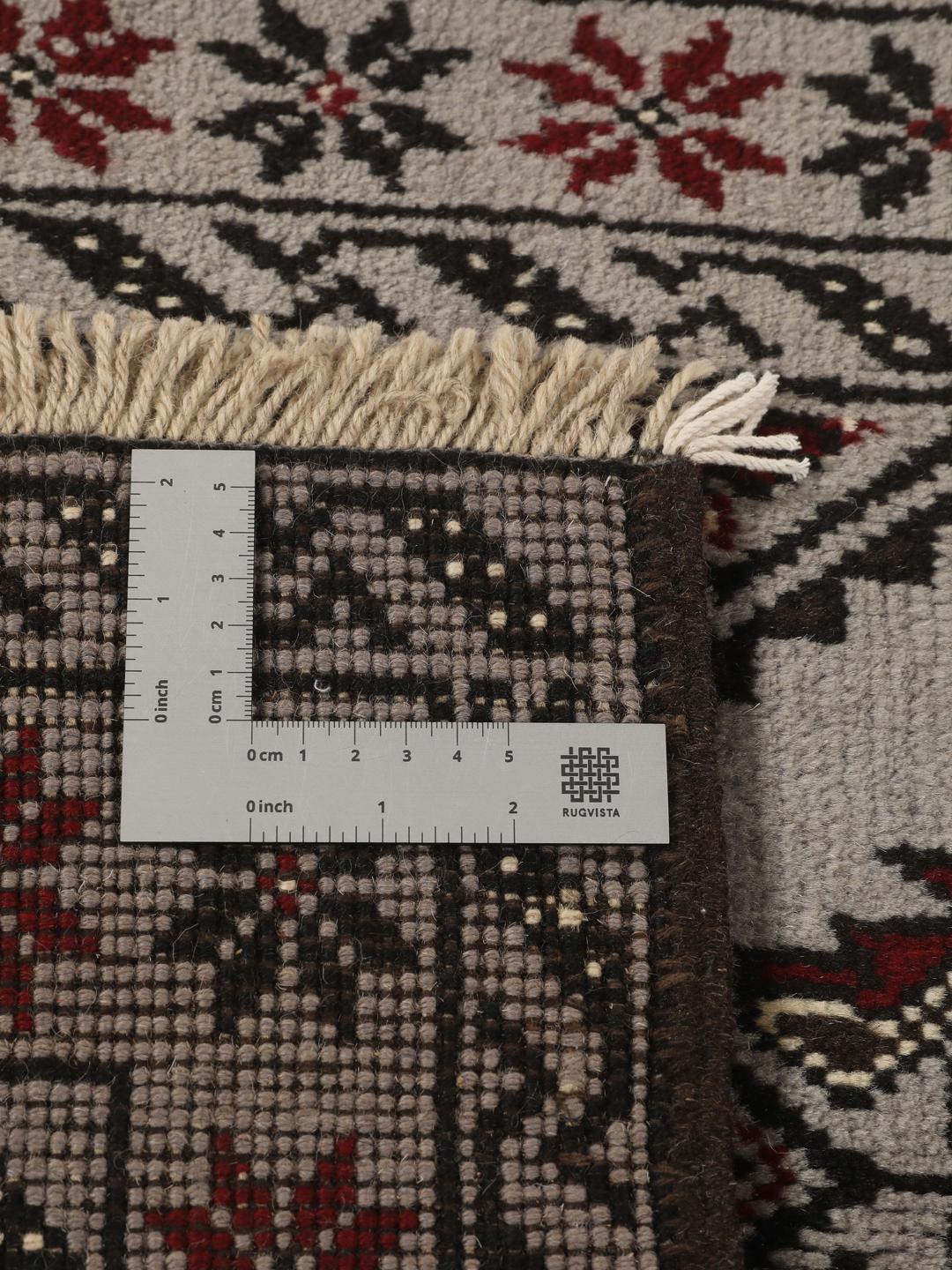
Technically, the Baluch tradition is defined by a deep commitment to manual work, often utilising high-quality wool that is known for its natural sheen and resilience. The term 'hand-knotted' refers to the painstaking process where each knot is tied onto the foundation, a method that creates a pile that is dense, lustrous, and exceptionally long-lasting. This construction ensures that the rug is not just a decorative object but a functional heirloom that improves with age.
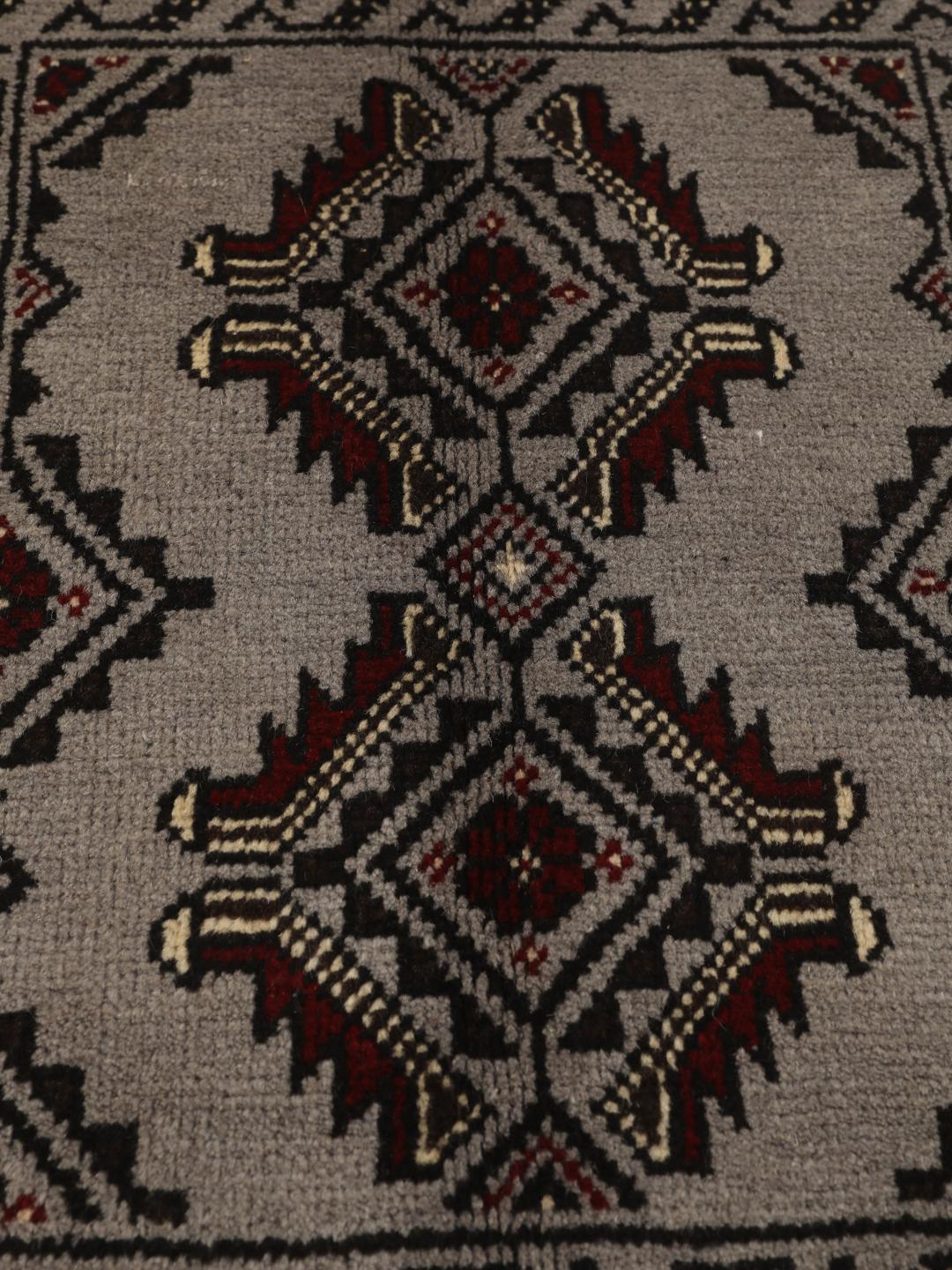
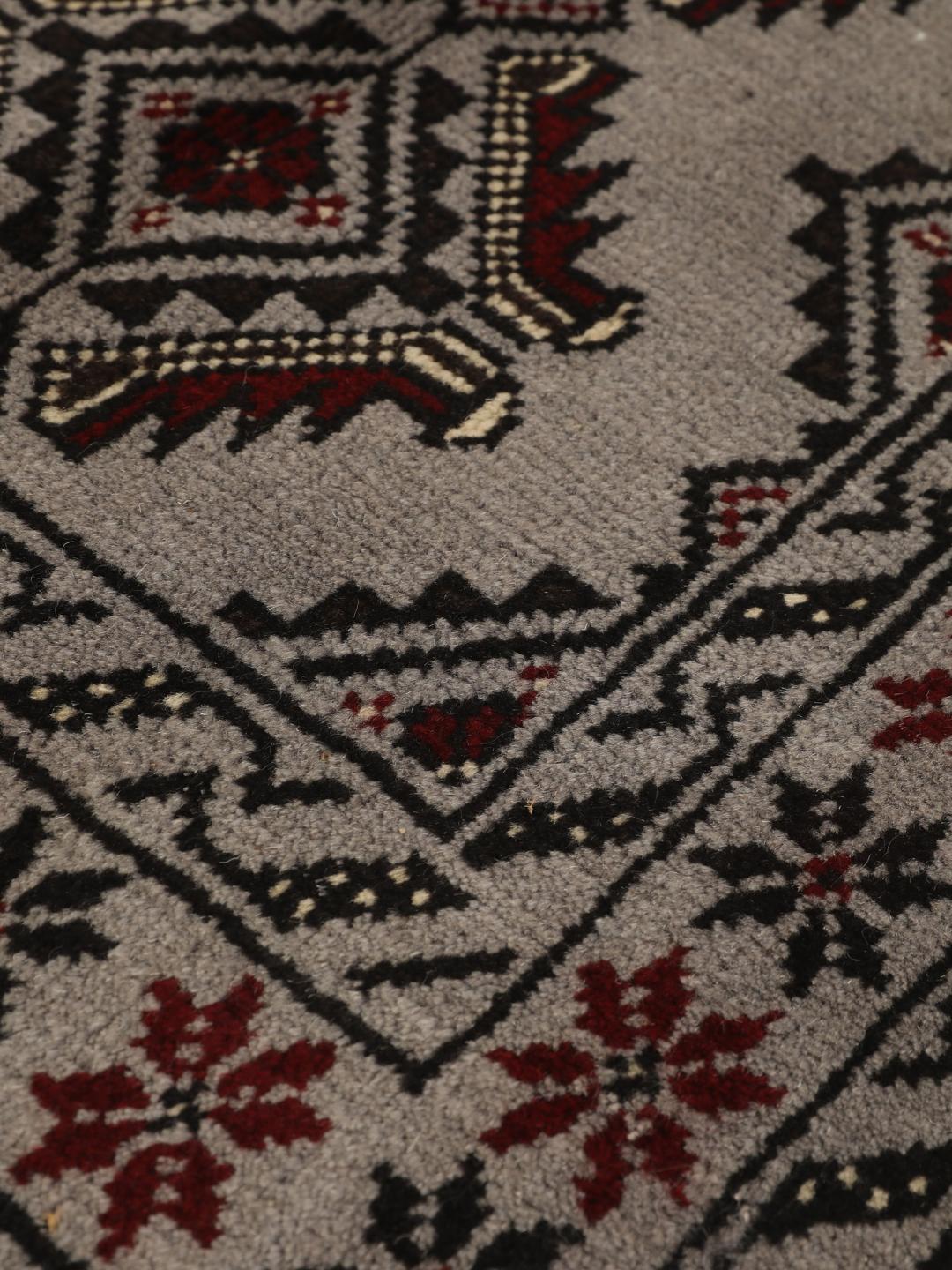
Visually, these rugs are recognised by their formal, yet deeply expressive geometric language. Common motifs often include stylised guls, diamond-shaped medallions, and serrated borders that draw inspiration from the natural world and tribal symbolism. While earthy tones like deep reds, browns, and greys are traditional to the region, each weaver brings an individual touch to the arrangement, meaning that the specific placement of patterns is often an improvised, spontaneous act.
Owning a Baluch rug is an investment in a living cultural tradition. Collectors value these pieces not only for their aesthetic appeal but for the sheer amount of human skill and patience embedded in every square inch. To have one in your home is to connect with a centuries-old history of craft, celebrating the endurance of nomadic art in a modern world.