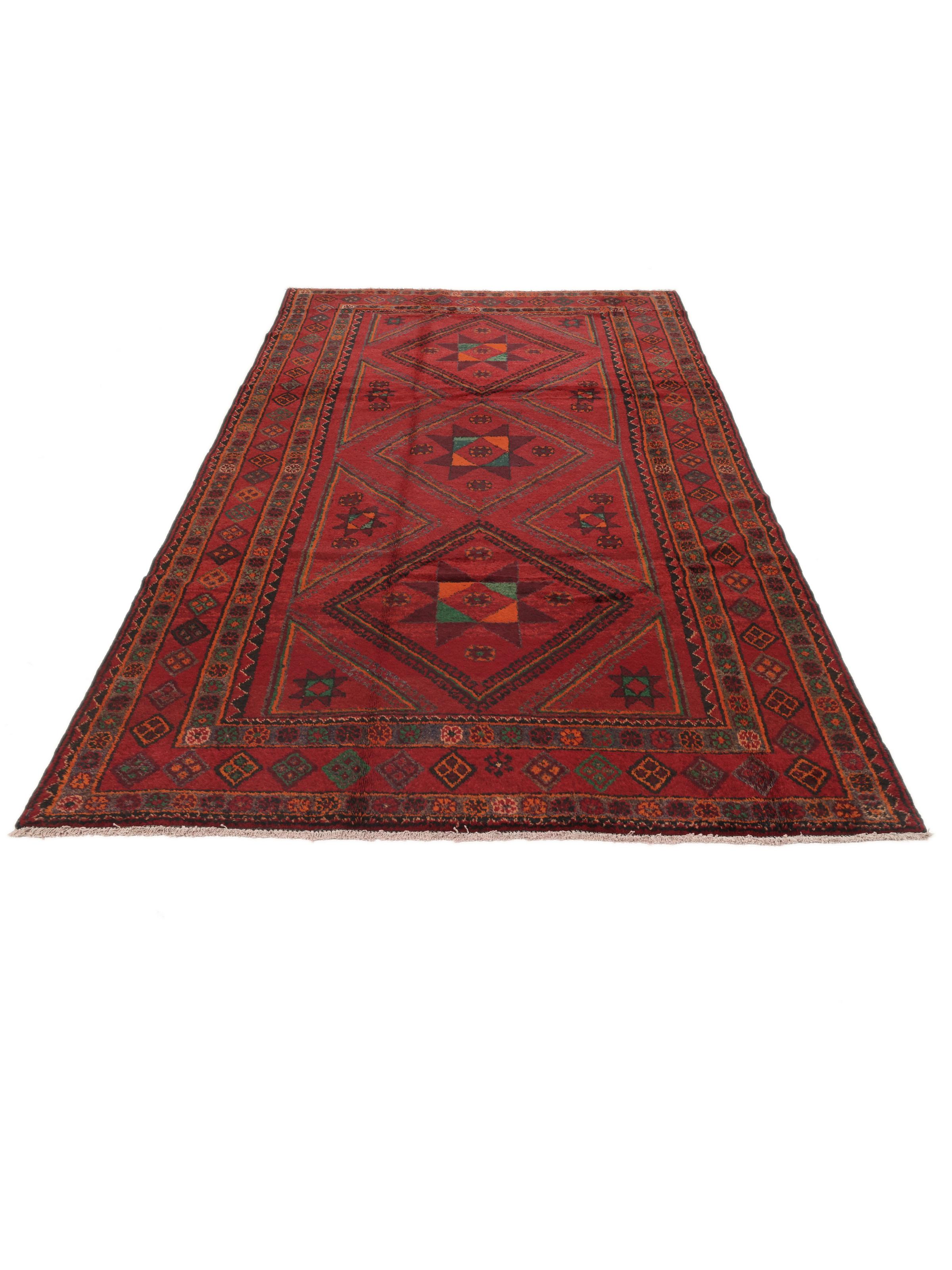
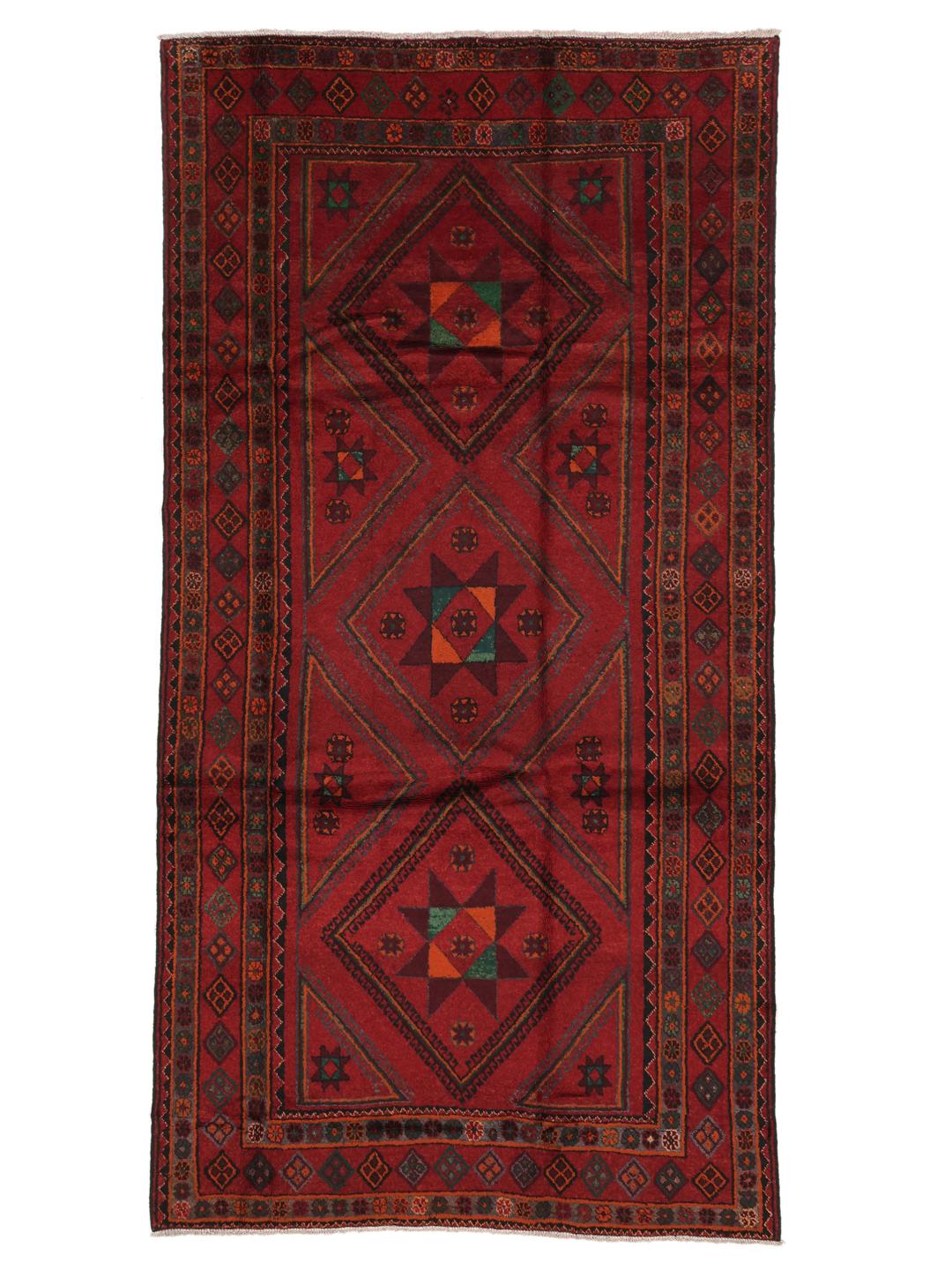
Baluch rugs originate from the nomadic and semi-nomadic tribes residing in the border regions of Afghanistan, the Middle East, and Pakistan. These tribes have a long-standing tradition of weaving, which serves as a vital expression of their cultural identity and history. Historically, these rugs were crafted for personal use within the home, serving as floor coverings, tent decorations, and functional items for daily life, which explains their robust and practical construction.
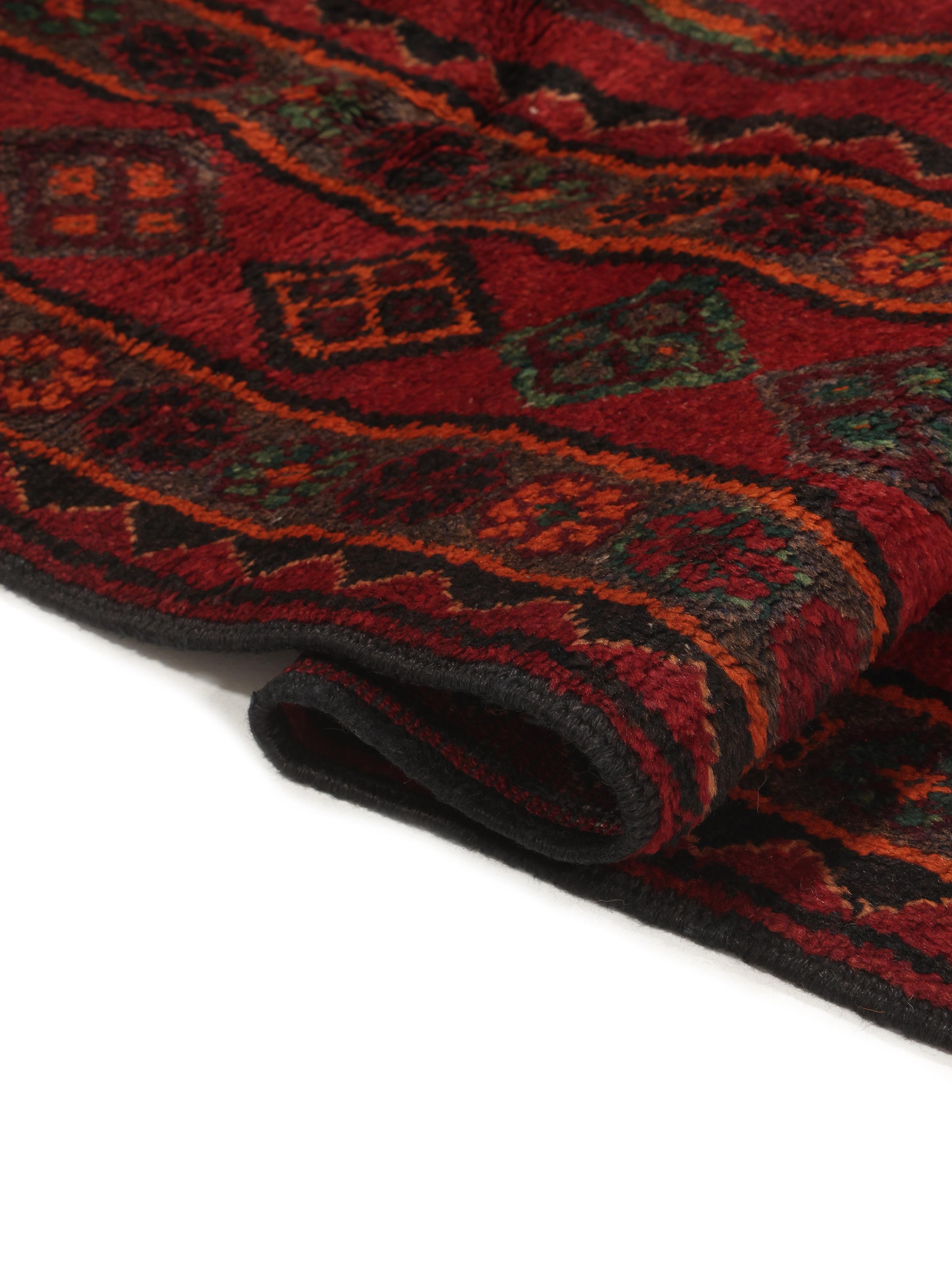
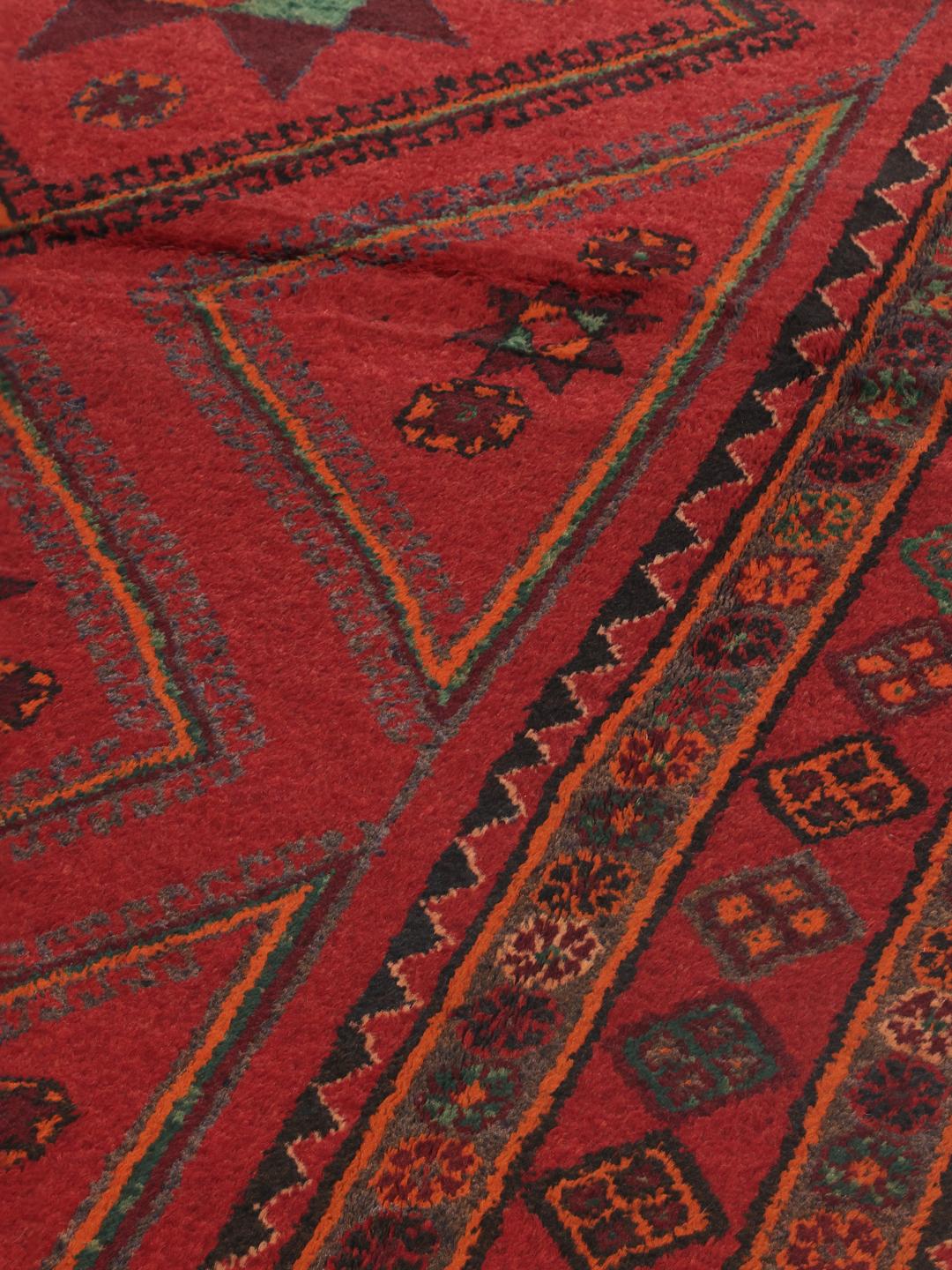
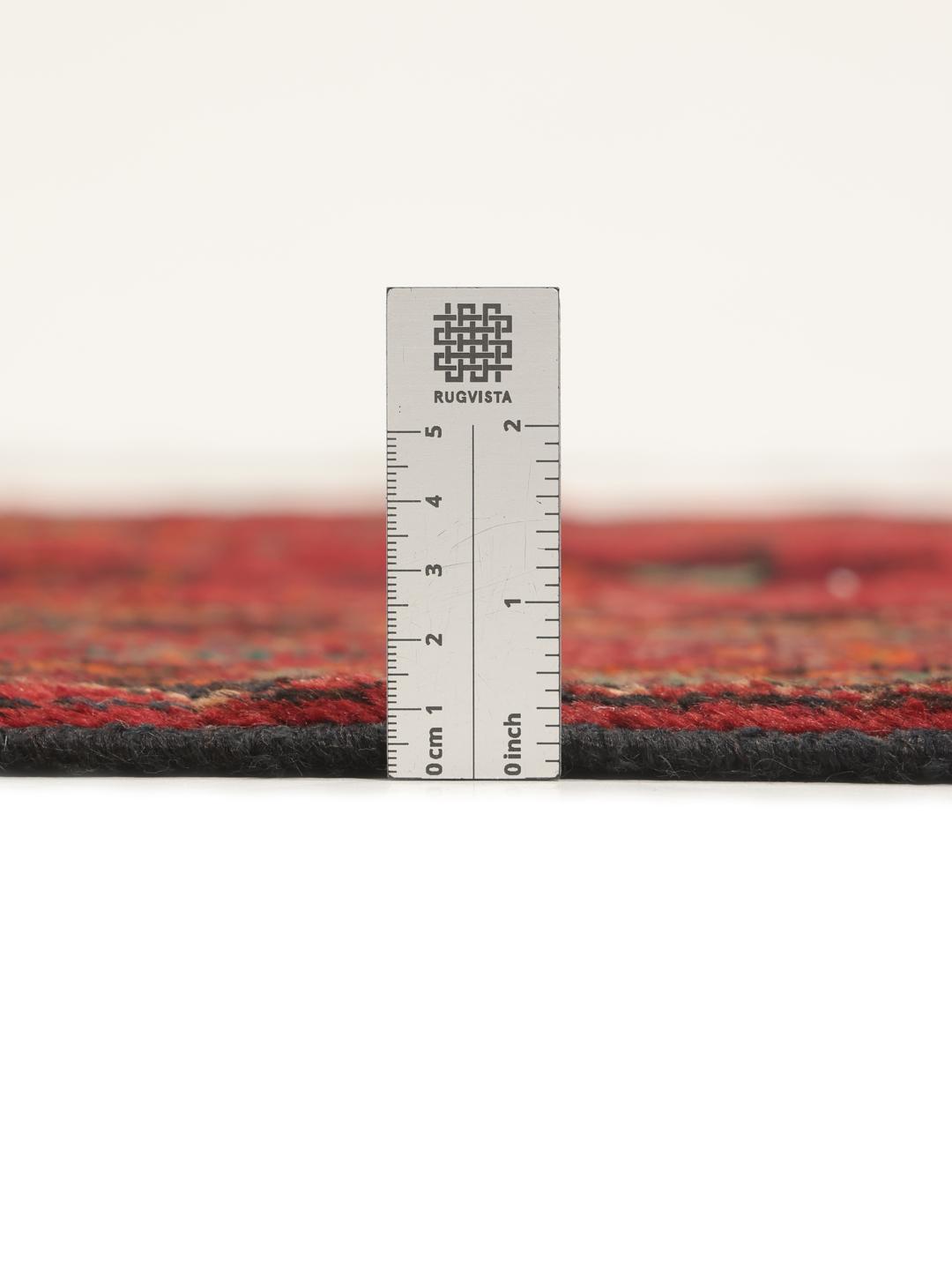
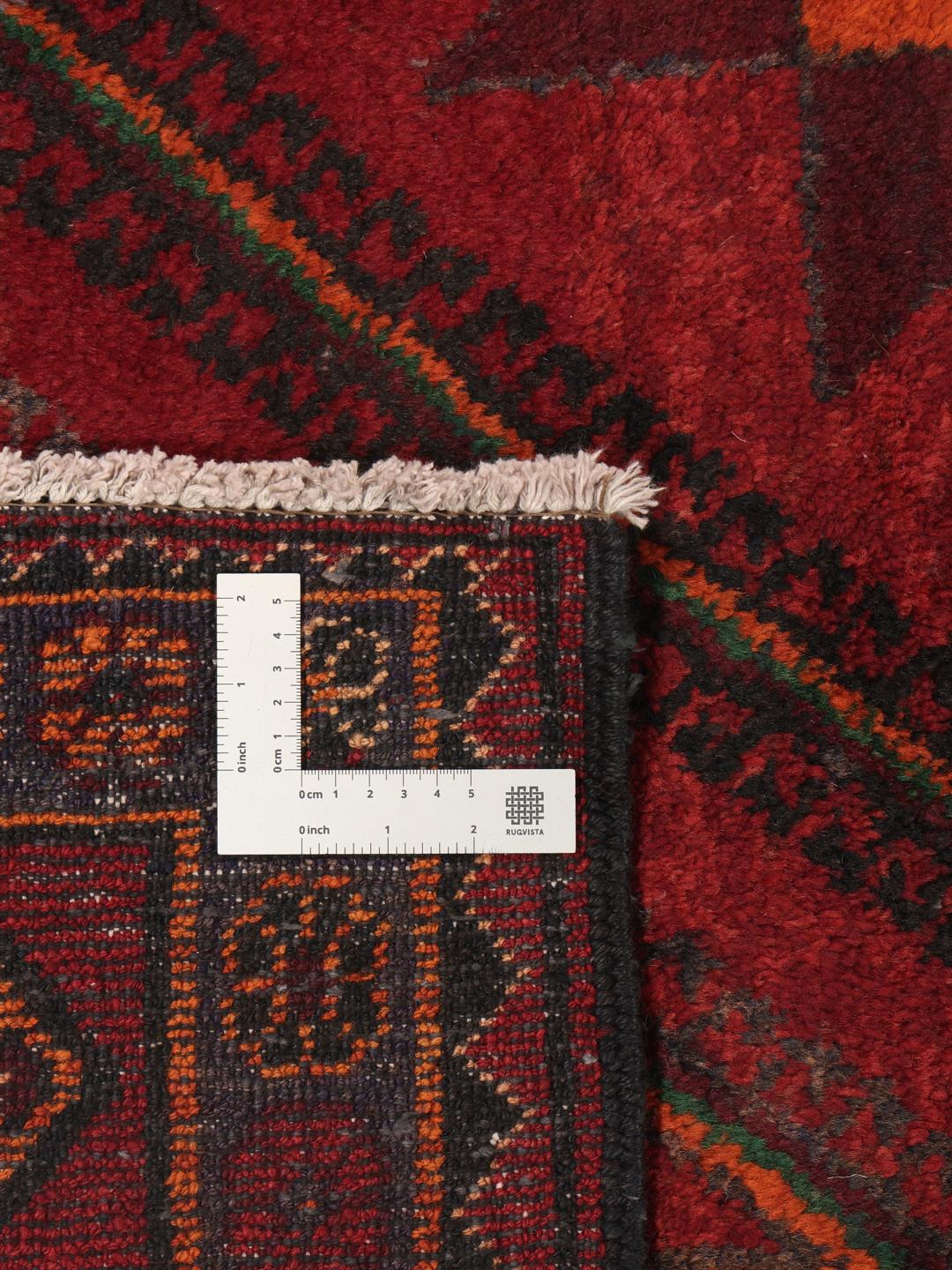
The term Baluch refers to the tribal groups who created these pieces, known for their skill in using natural dyes and hand-spun wool. The construction typically involves a tightly packed pile, which results in a lustrous finish and a durable, flexible rug. The use of high-quality wool, often sourced from the tribes' own flocks, ensures that these rugs have a soft yet resilient feel that improves with age and use.
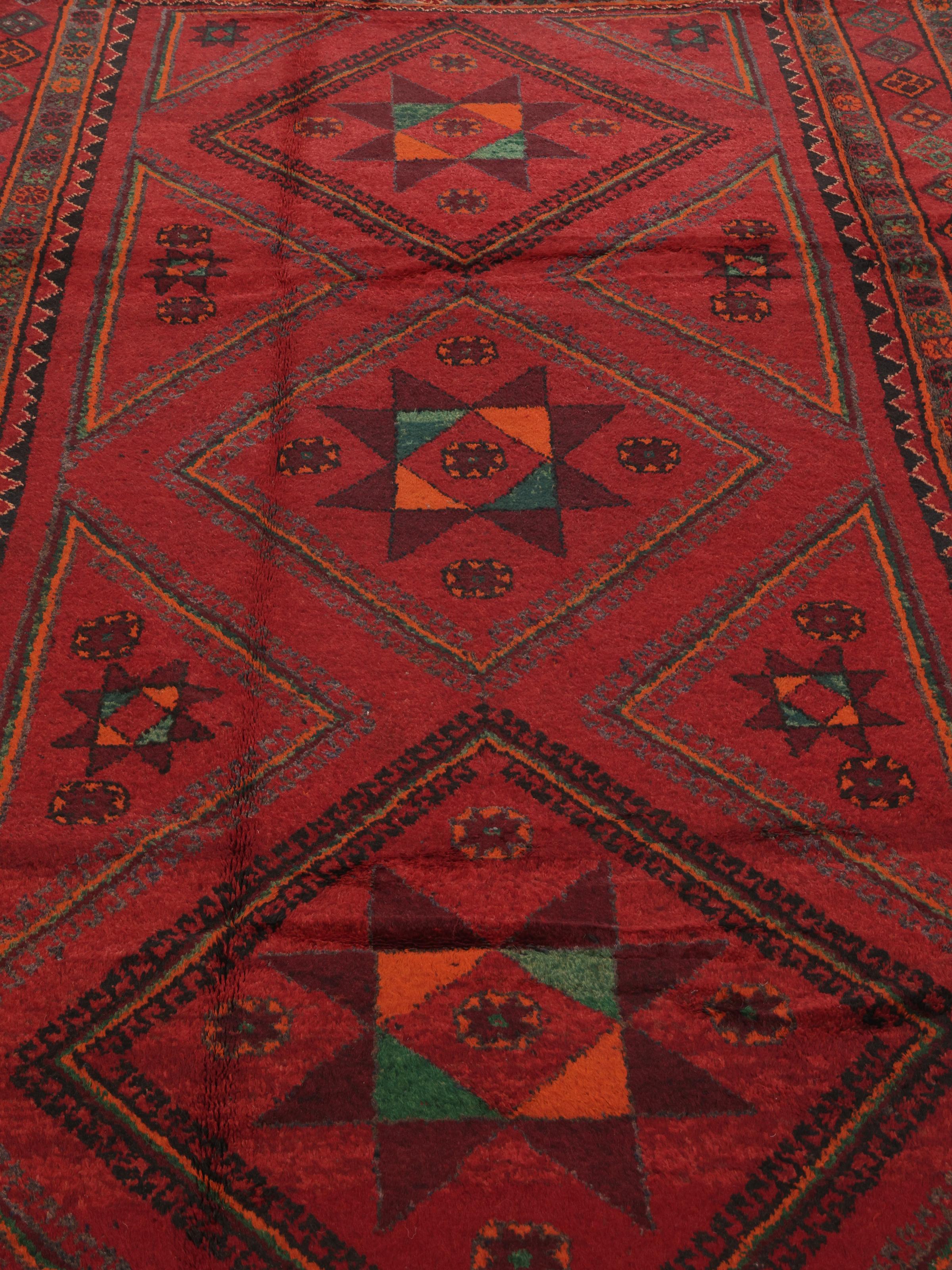
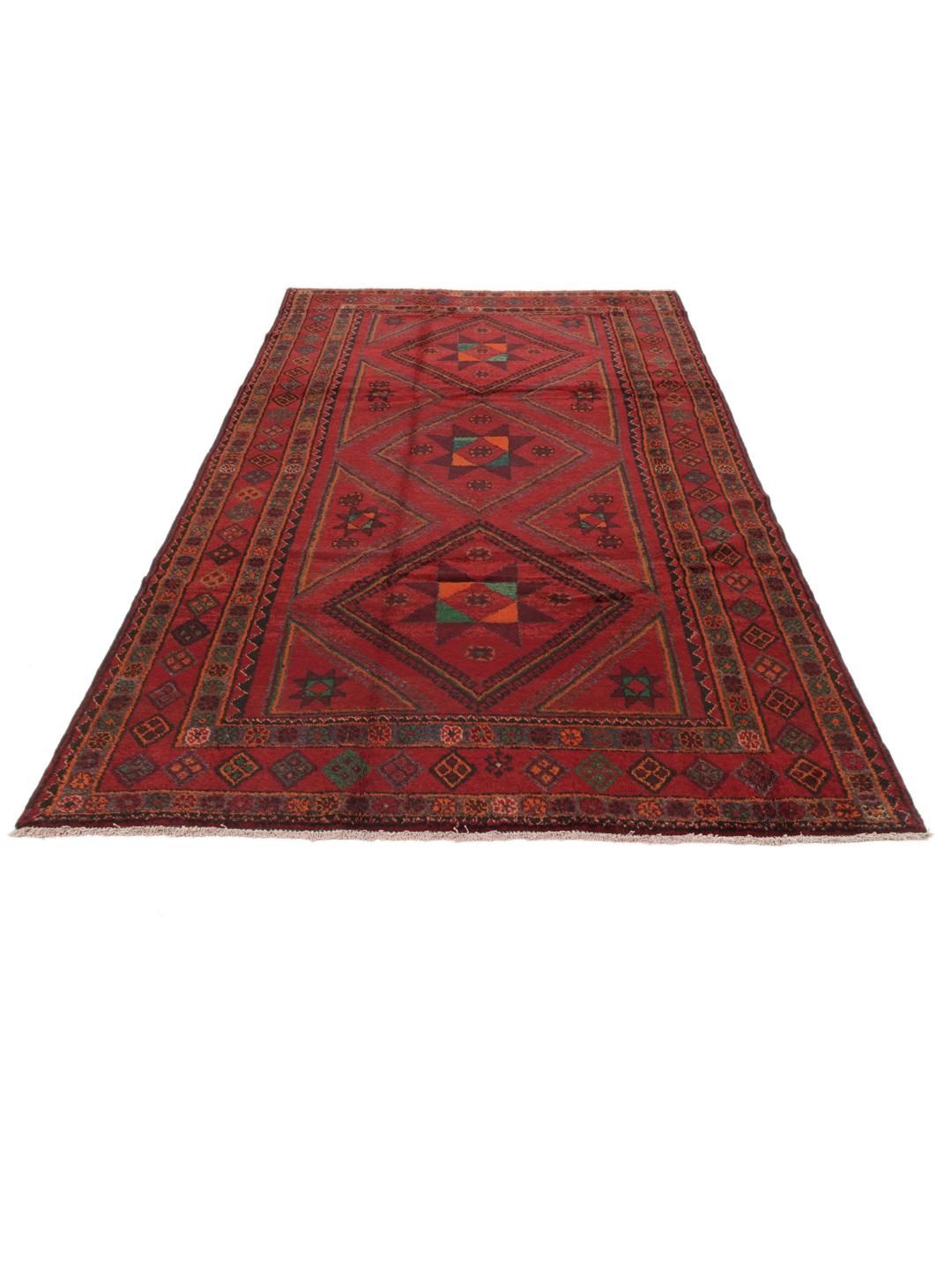
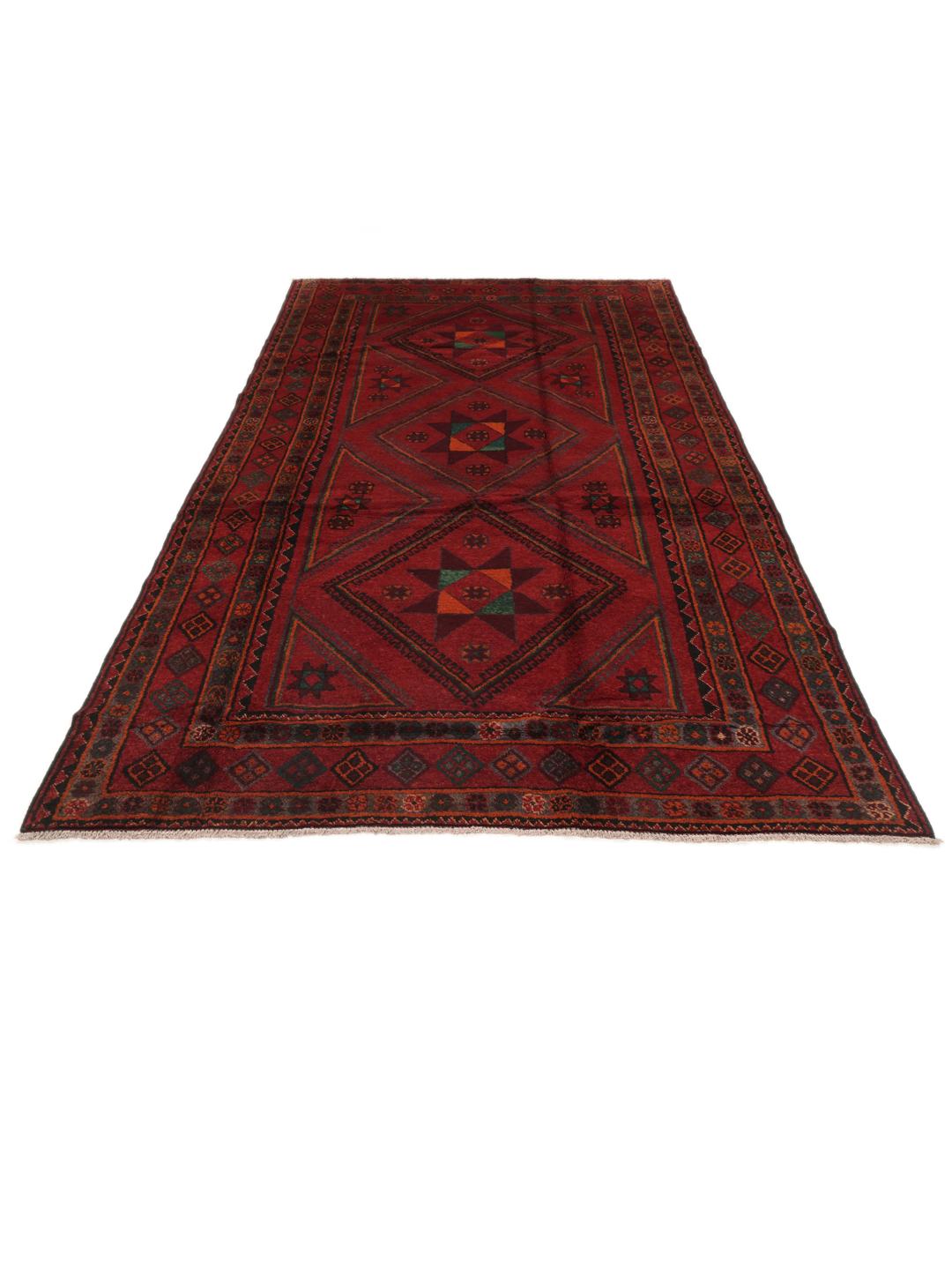
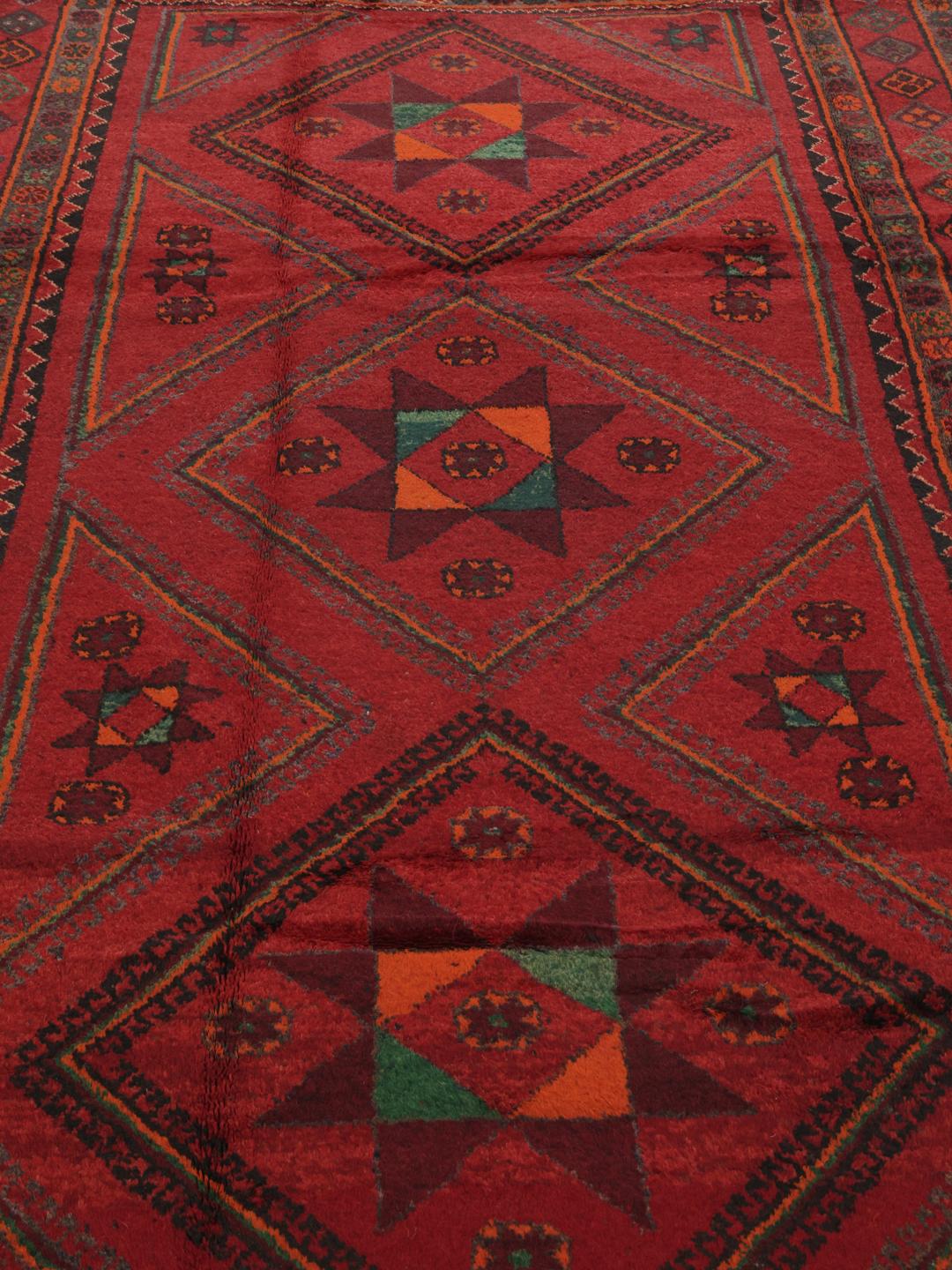
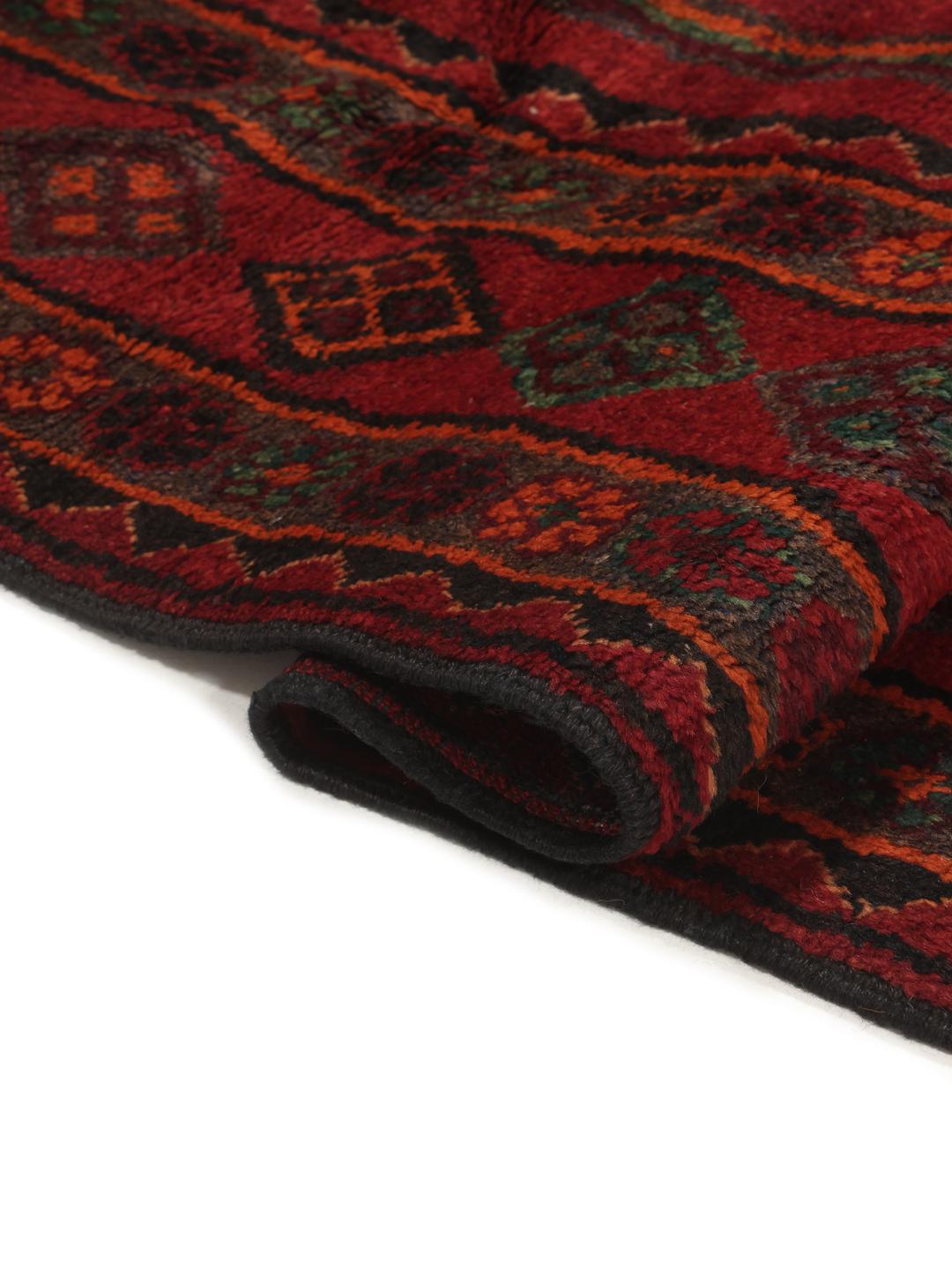
Visually, these rugs are defined by a distinct tribal vocabulary. The field is often dominated by repeating geometric shapes, such as diamonds, hexagons, and the iconic 'gul' motifs, which are stylized floral or animal forms. The borders are usually narrow and intricate, framing the central field with repeating patterns that reflect the natural world and the surrounding landscape. The colour palette is traditionally deep and saturated, relying on earthy reds, browns, and dark blues.
Today, Baluch rugs are highly sought after by collectors who value the authenticity and the human story behind each piece. Owning a Baluch rug is an investment in a living tradition, connecting your modern home to the ancient trade routes of Central Asia. Each rug tells a story of the weaver's environment and creative vision, making them a meaningful and culturally significant addition to any collection.